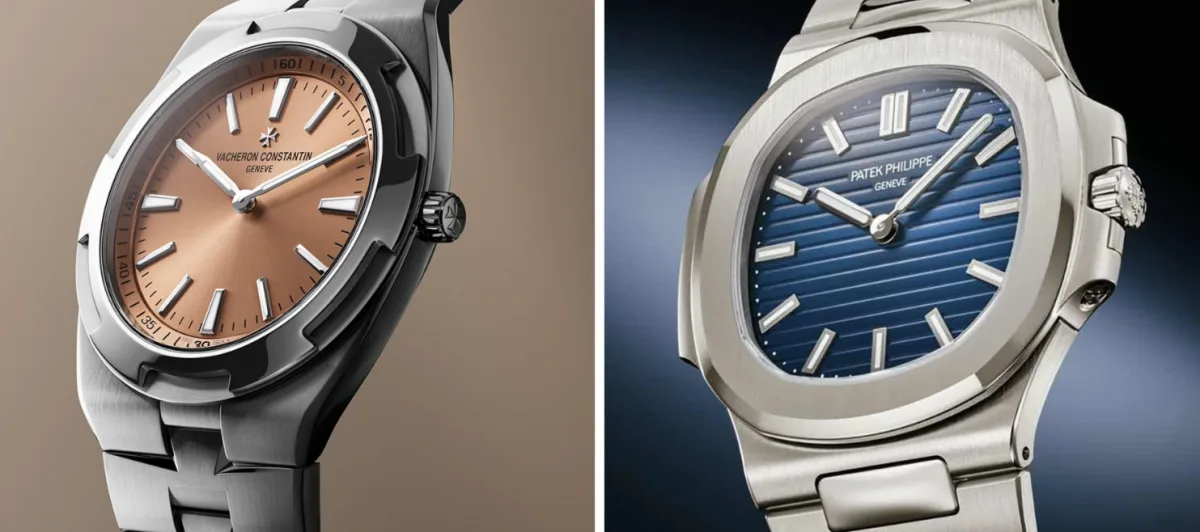
It's time for another Sunday comparison, friends! This Sunday concludes a week that brought us a huge number of new watches, two of which will face off in a head-to-head battle today.
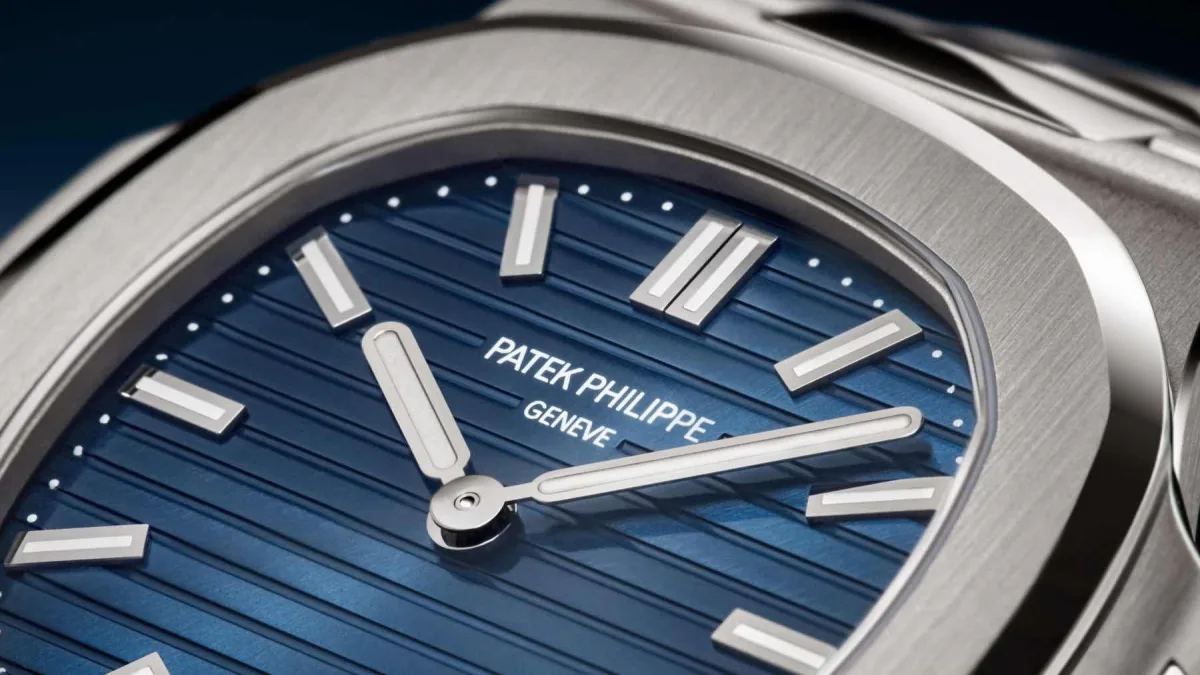
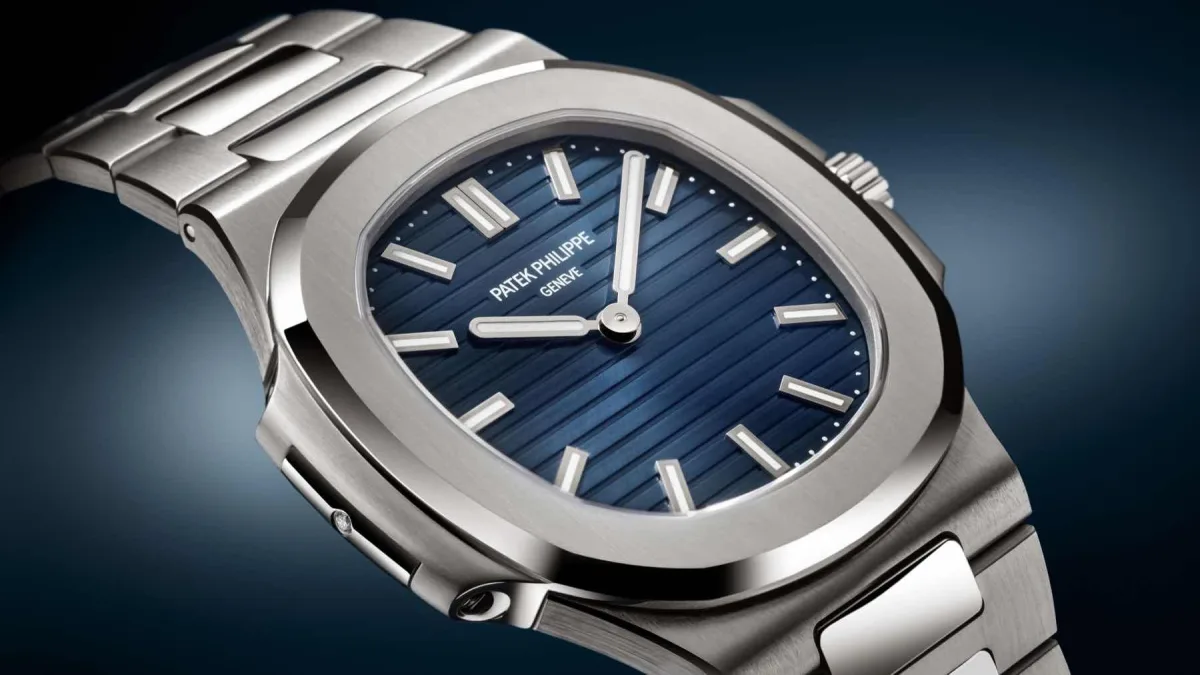
In today's edition of the “Watch Battle”, we put two true heavyweights face to face. Anton presents the platinum model Vacheron Constantin Overseas Self-Winding Ultra-Thin, while Artem defends the honor of the Patek Philippe Nautilus 5610.
These watches are not only heavy but incredibly thin - like a combination of strength and elegance, akin to Anthony Joshua and Deontay Wilder. Let's find out who deserves the championship belt today!
Last Week's Results
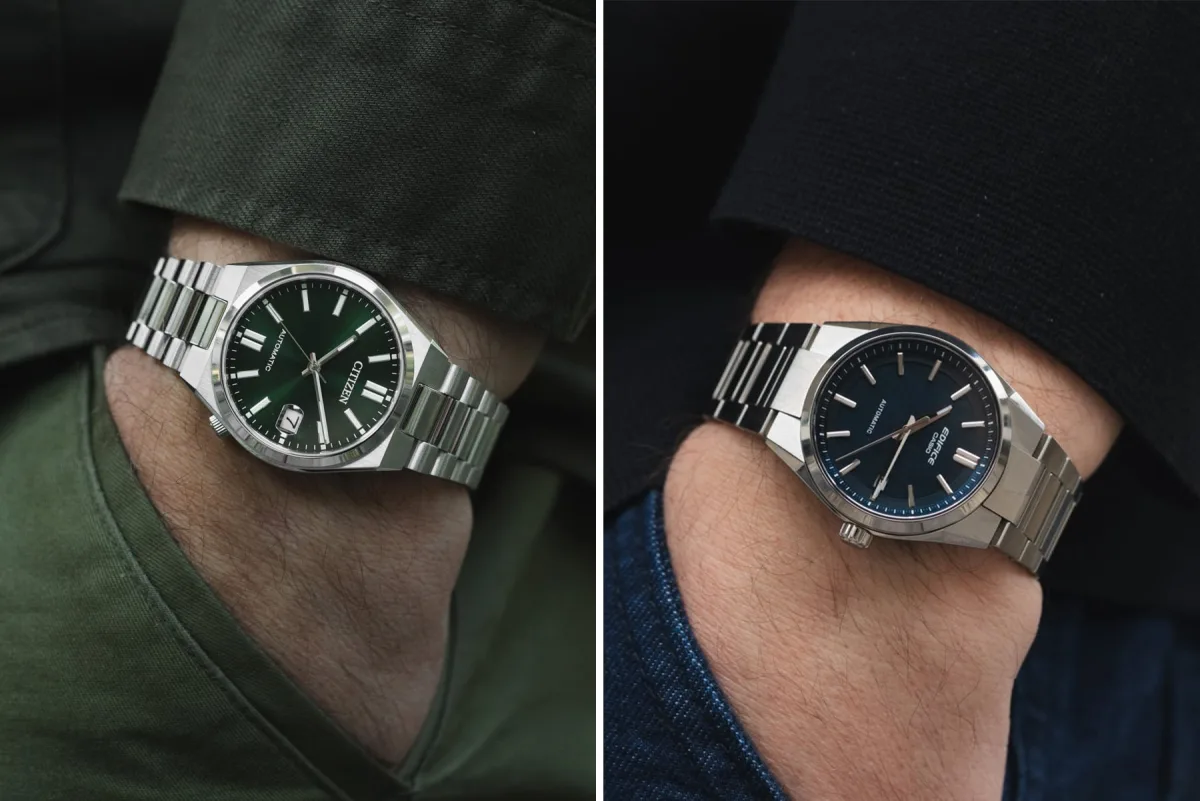
Rarely does a Sunday comparison feel as distant as today. It's only been a week since Alexey met the newcomer Dmitry. The contrast with today's participants could not be more vivid. Last week we staged a fight between two ultra-affordable watches: Citizen Tsuyosa 37 and Casio Edifice EFK-110.
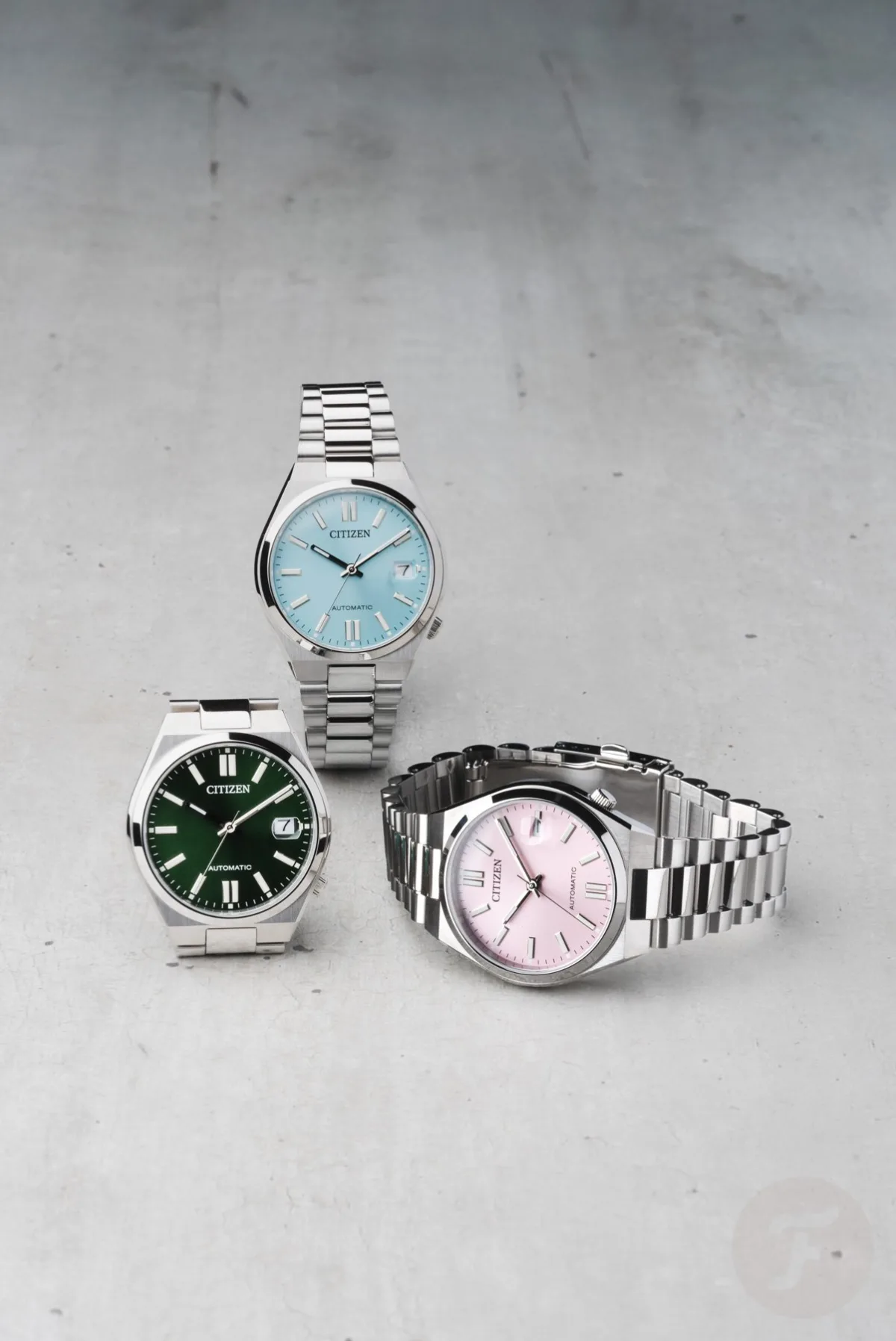
Friends, you clearly didn't plan to welcome Dmitry with a soft and warm reception. Citizen literally swept Casio away, winning 57-43%. It seems we won't see Dmitry again anytime soon!
However, Edifice earned points for the absence of a date magnifier - a feature many dislike in Tsuyosa. Interestingly, no clear trends in the motivation for choosing appeared in the comments. Many preferred Casio, showing the strength of the silent majority. Anyway, let's move on to today's comparison, changing the market segment.
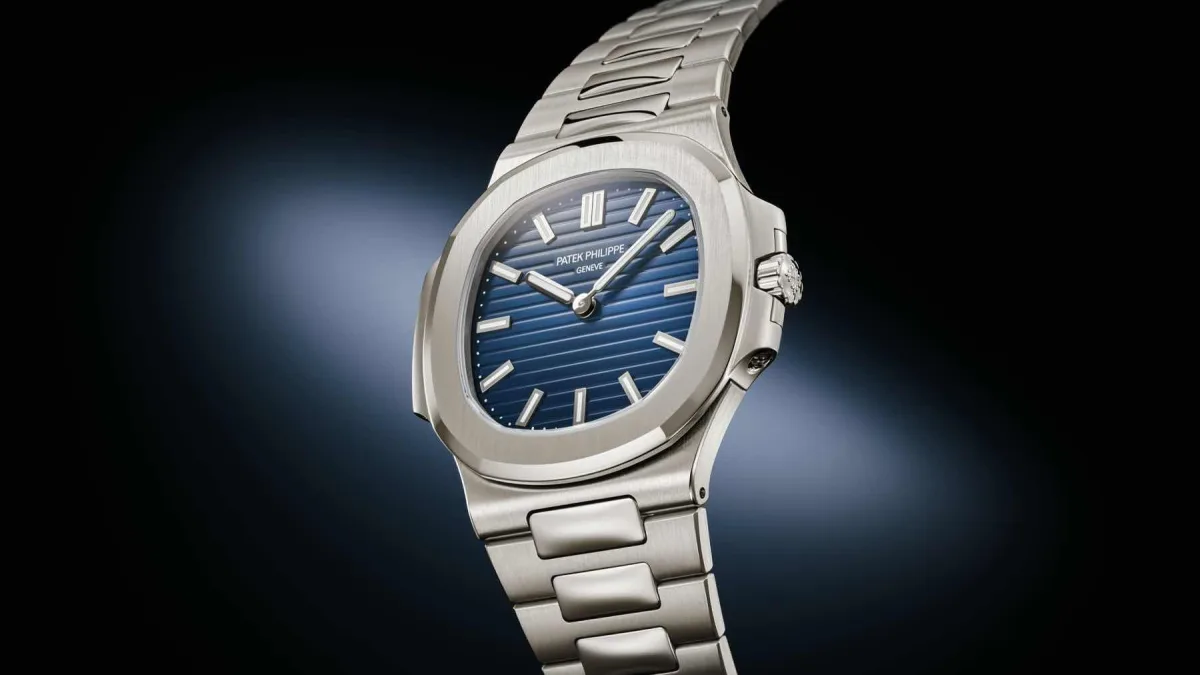
Artem: Patek Philippe Nautilus 5610
Good morning, friends! And good morning, Anton! What a busy week it has been. After writing countless serious articles, I'm glad to end it with a slightly ironic comparison. Since Anton wrote even more than I did, I hope to catch him off guard and tired. Knowing Anton, the chances are slim, but hope dies last, right?
Today's battle is between two of my favorite novelties from Watches and Wonders. I would gladly defend either and would never give up both in my collection. But if I were spending my own money, I would choose the Nautilus. Let me briefly outline the essence of the comparison.
We have two sports watches with integrated bracelets from two of the three “Holy Trinity” of the watch world. Yes, I know some consider this term outdated, but feel free to express your opinion in the comments. I use this definition because it is appropriate. After all, the third member of this trinity, whose name is not mentioned, introduced the genre a few years before Vacheron Constantin and Patek Philippe. However, Nautilus and the predecessor of Overseas - model 222 - were part of that very wave. This week both brands released platinum, ultra-thin, and extremely expensive versions of their creations.
Overseas costs €119,000, while Nautilus is €106,000. If you recently sold a kidney and a couple of your children, these watches are direct competitors for your funds.
Technical Specifications: Nautilus 5610 vs. Overseas Self-Winding Ultra-Thin
I have two main reasons to choose the Nautilus 5610 over the Overseas Self-Winding Ultra-Thin. First, the technical specifications. To be honest, it doesn't matter much to me, but there are a few simple points that cannot be ignored. Second, the design. And, admittedly, the brand plays in favor of Vacheron, which seems more appealing to me. Although this is not entirely objective - it's a bias caused by the behavior of the brand's president, not reflecting the spirit of hundreds of talented employees.
Now to the numbers. Ultra-thin watches are primarily about proportions. Here, the Nautilus 5610 wins unambiguously. It is thinner - 6.9 mm compared to 7.35 mm for the Overseas, and also better ergonomically shaped. Its compact case better follows the contours of the wrist, unlike the elongated and flat Overseas, making it more comfortable to wear.
I'm sure Anton will talk about the advantages of the new Vacheron caliber, but I have another argument - the price. Nautilus 5610 is a whole €13,000 cheaper (roughly the cost of an IWC Ingenieur), and imagine what will happen if you decide to sell these watches one day. Which do you think will retain value better?
Design: Nautilus 5610 vs. Overseas Self-Winding Ultra-Thin
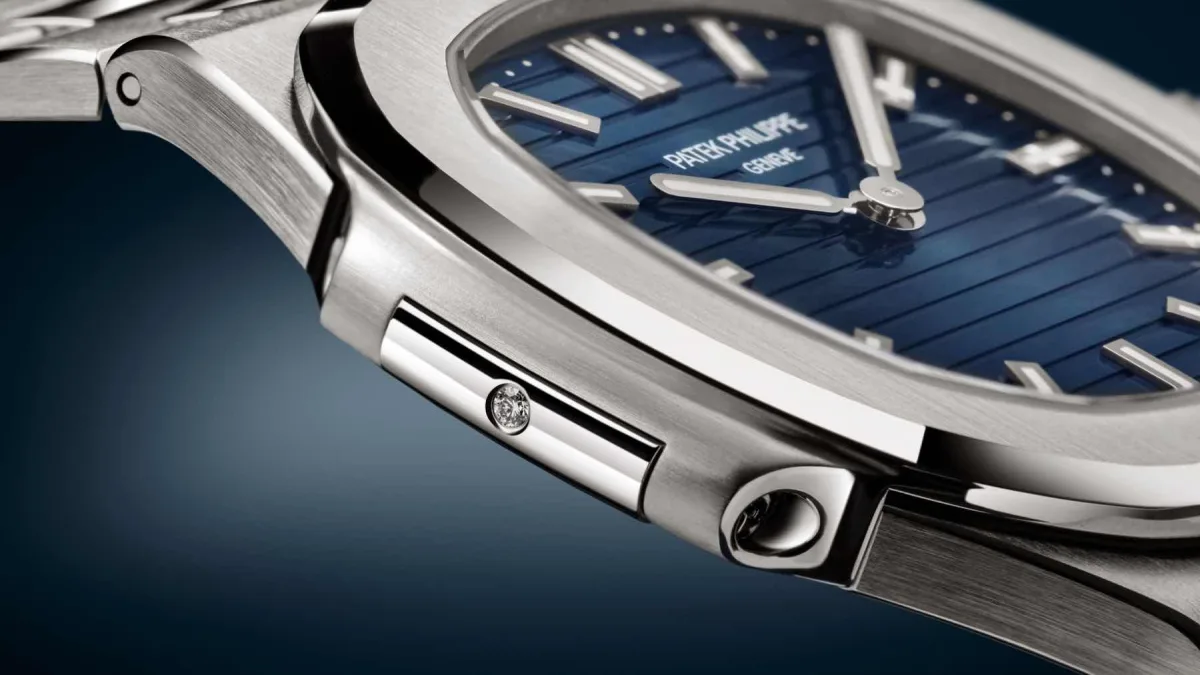
Let's move on to the main thing - design. Both watches are made at a high level and have an impressive set of features. But I'm tired of the endless reverence for Gérald Genta. A new generation of designers deserves recognition, and Genta had his failures too. He was also a human, not perfect. Nevertheless, Nautilus is one of his best creations.
The first integrated sports bracelet, whose name is not mentioned, was a brilliant move. But it seems Genta “worked out” this idea in 1970 and approached the Nautilus of 1976 more relaxed. The result is a watch that looks more natural, less pretentious. This is the work of a confident master.
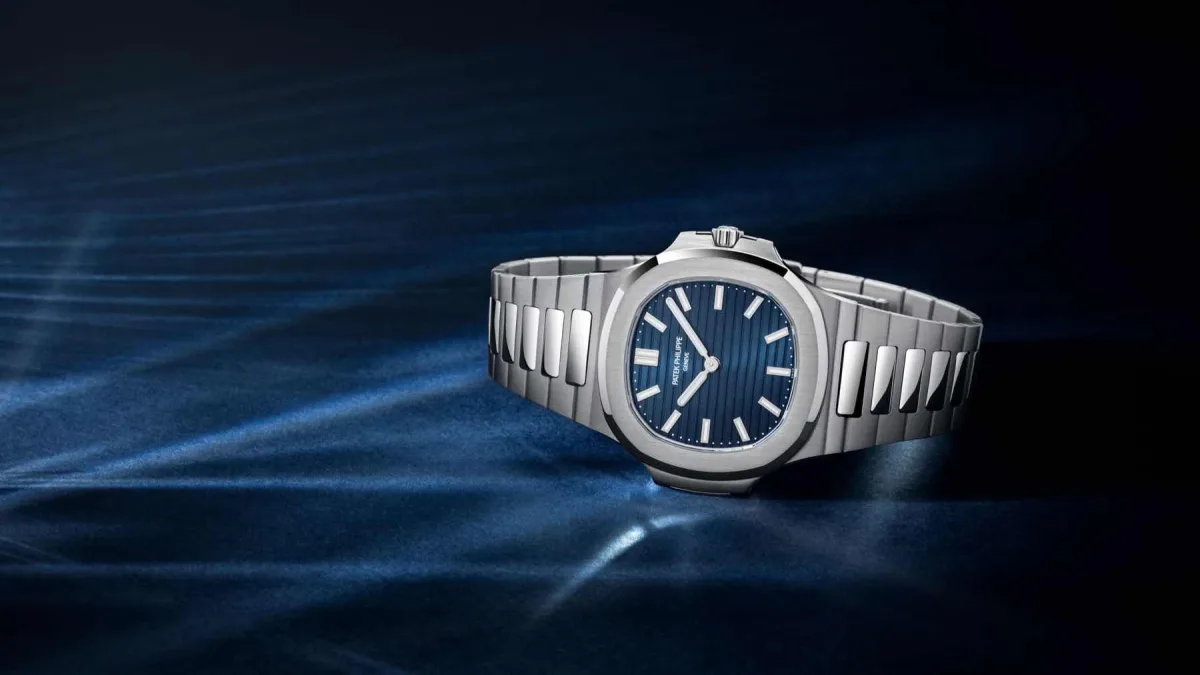
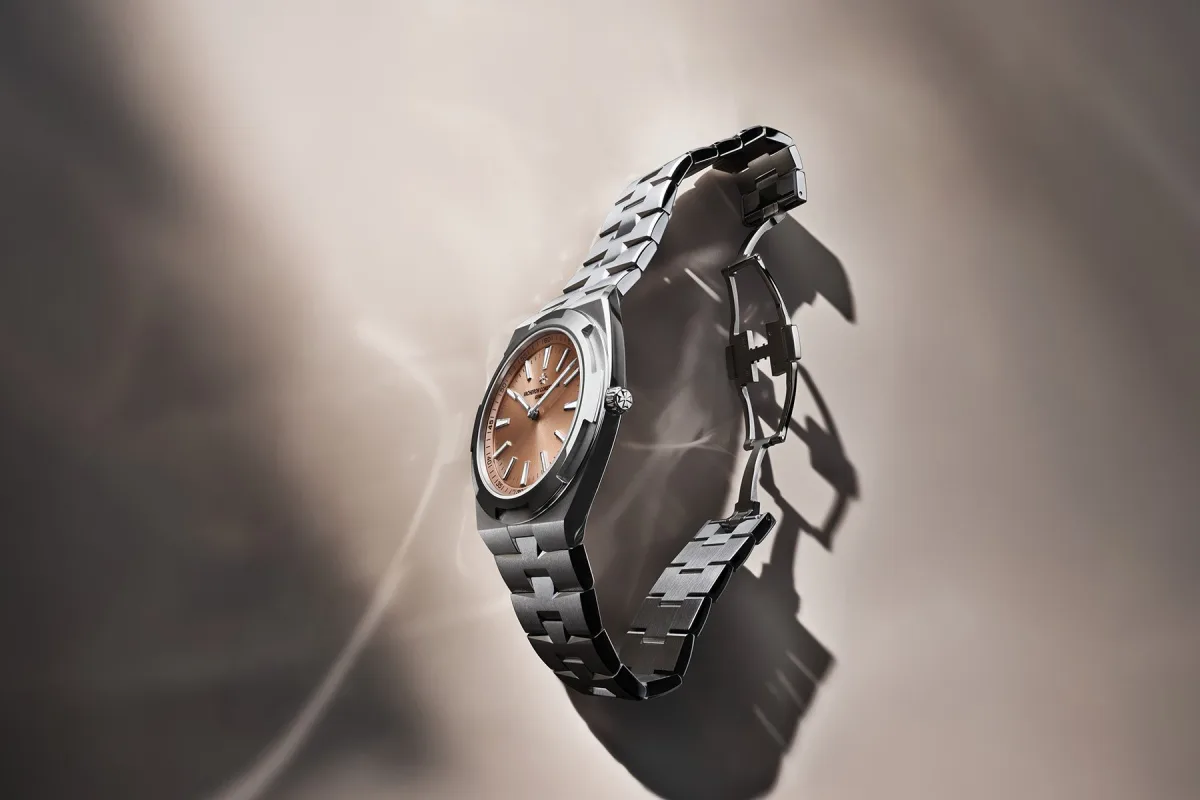
When Vacheron joined in 1977, it seemed the task was “not to think about those two.” This is evident even today: the Nautilus 5610 looks easy and iconic, while the Overseas Self-Winding Ultra-Thin, although beautiful, seems more artificial. The saw-tooth bezel and puzzle-shaped bracelet links are more for distinction than necessity. The mistake in connecting the first bracelet link to the case is particularly noticeable. In my eyes, this is a design flaw. Sorry, friends, I'm usually not this sarcastic, but the workload is taking its toll. Anton, your turn.
Anton: Vacheron Constantin Overseas Self-Winding Ultra-Thin
Wow! You've given me plenty of reasons to respond, Artem. I admit, I'm tired after the endless flow of articles. But catching me off guard? Perhaps… I'll leave it to the commentators, who will surely add even more facts and opinions than we could discuss.
I liked the price comparison with the Ingenieur - honestly made me laugh.
How many steel Ingenieurs can you buy for the price of these watches? This question reveals the abstract reality of Patek and Vacheron prices. But I don't think the price of one Ingenieur will stop a potential buyer from purchasing a new ultra-thin Overseas.
Technical Specifications: A Look at the Caliber
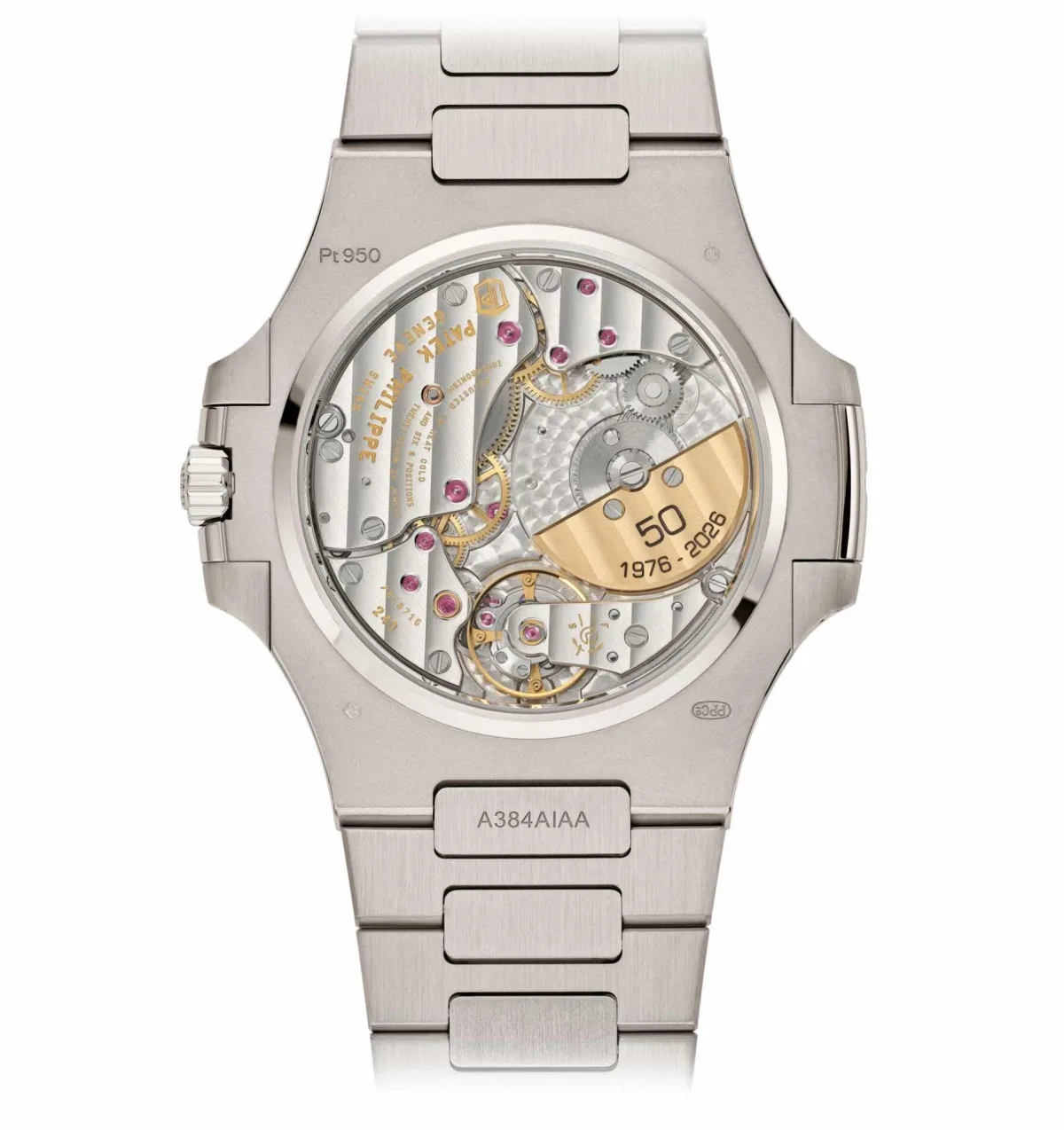
Let's move on to the main thing - specifications. The new automatic micro-rotor caliber 2550 by Vacheron Constantin, with a thickness of 2.4 mm, is thinner by 0.13 mm than the caliber 240 Patek in the Nautilus. The question arises: where did the extra thickness go, which makes the Nautilus 0.45 mm thinner?
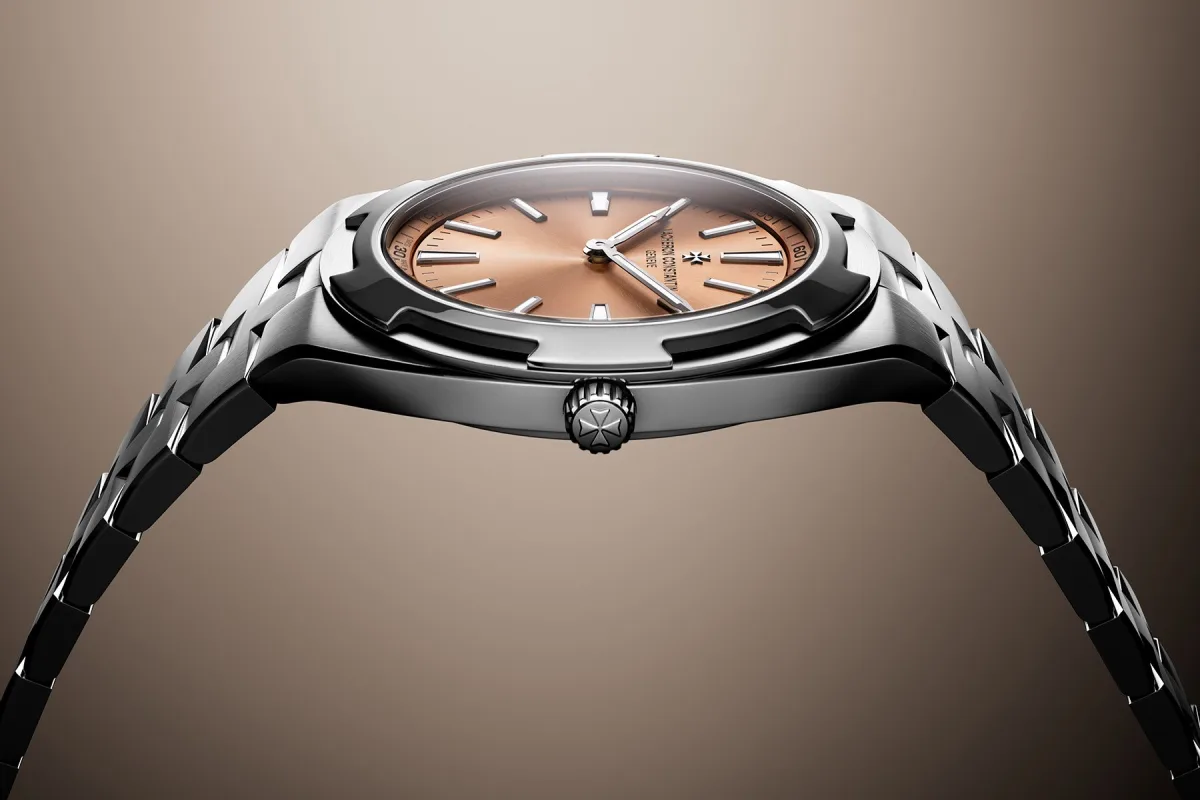
The answer lies in the peripheral minute track and the placement of the hands, which affect thickness. But with such thin watches, this difference won't stop me. And I'm sure it won't stop you either.
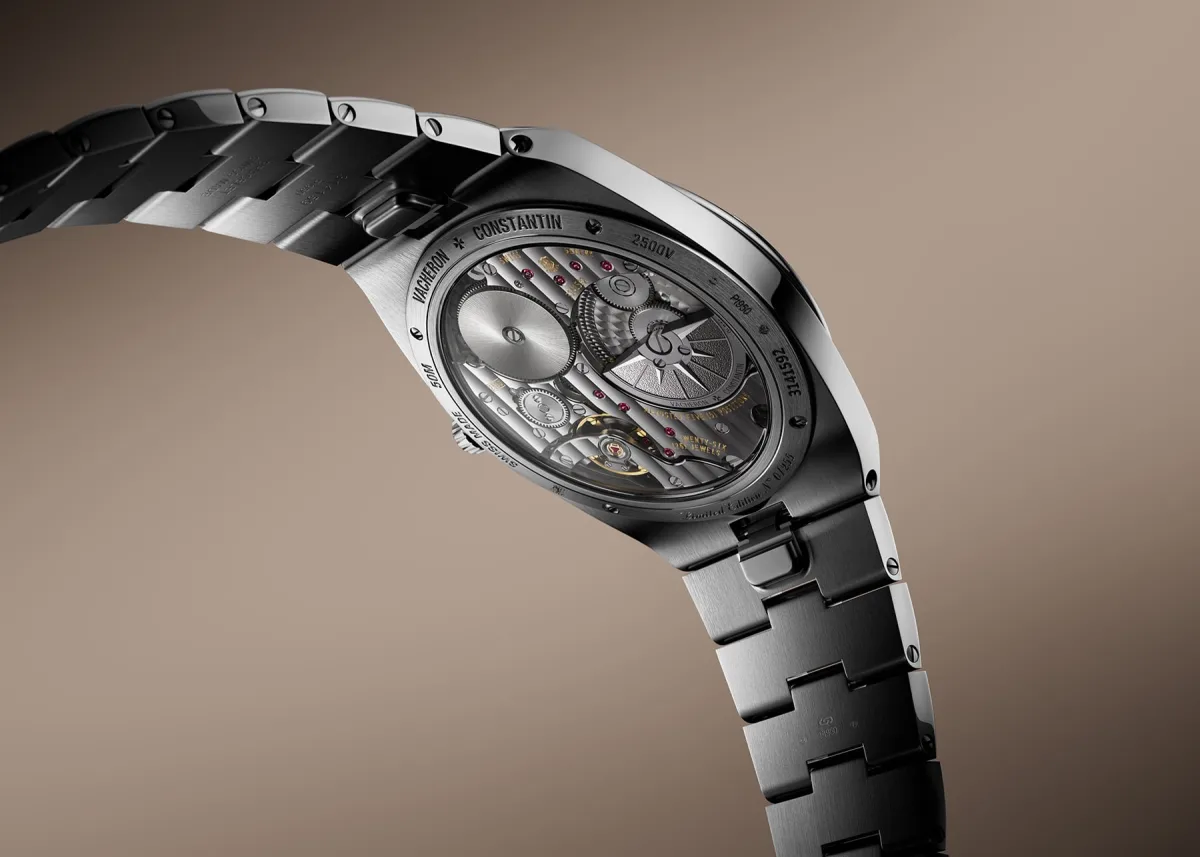
Modern Caliber 2250 Vacheron Constantin
Note that the new caliber 2250 offers an 80-hour power reserve compared to 48 for the Patek 240. This is a significant advantage in practicality. Additionally, why does the yellow gold rotor of the Nautilus have such an ornate decor with a slanted date? It looks somewhat artificial.
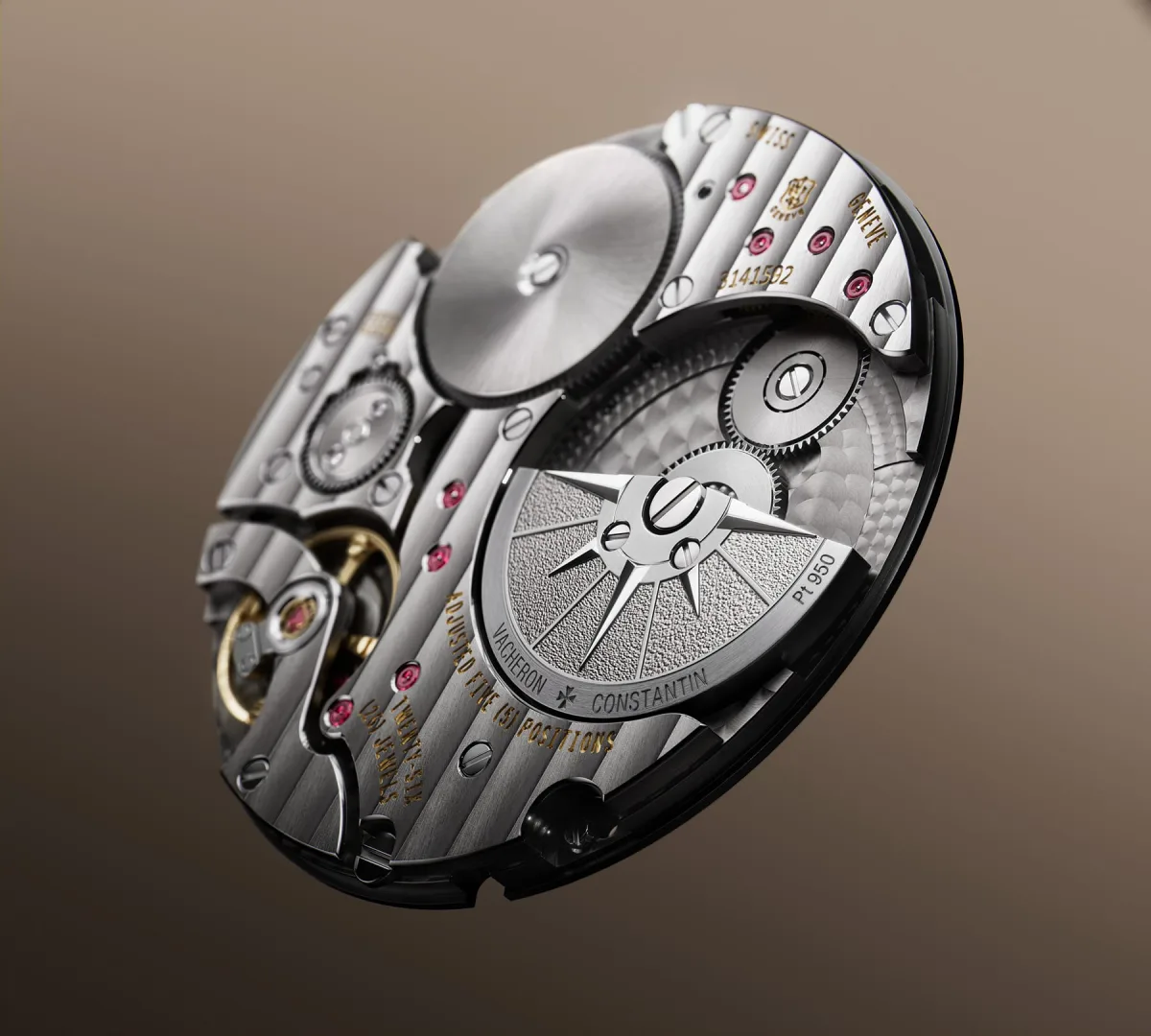
Look at the platinum micro-rotor of Vacheron - caliber 2250 looks more modern and aesthetically pleasing. My main victory in technical characteristics is the greater power reserve. We can argue about the architecture of the mechanisms, but let's leave that for discussion in the comments.
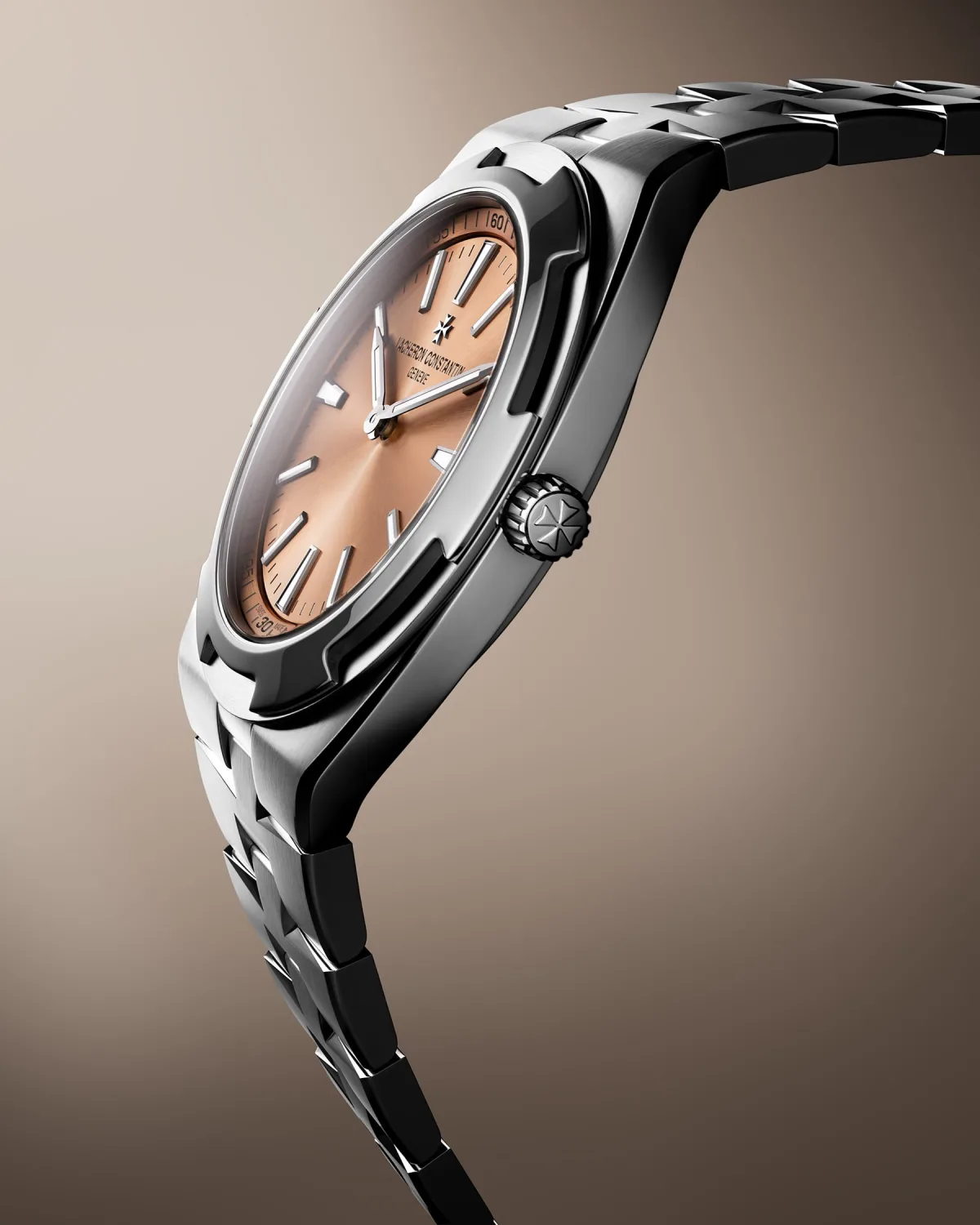
Choosing the Overseas Self-Winding Ultra-Thin: The Element of Surprise
But we both agree, it's not just the specifications that decide, Artem. Like you, I turn to design. Although I appreciate Gérald Genta, he didn't always hit the mark. However, the Royal Oak, Nautilus, and Ingenieur are a special trio where he explored symmetrical shapes (square, circle, octagon). I would add the Credor Locomotive with its hexagon, but I know you're not a fan.
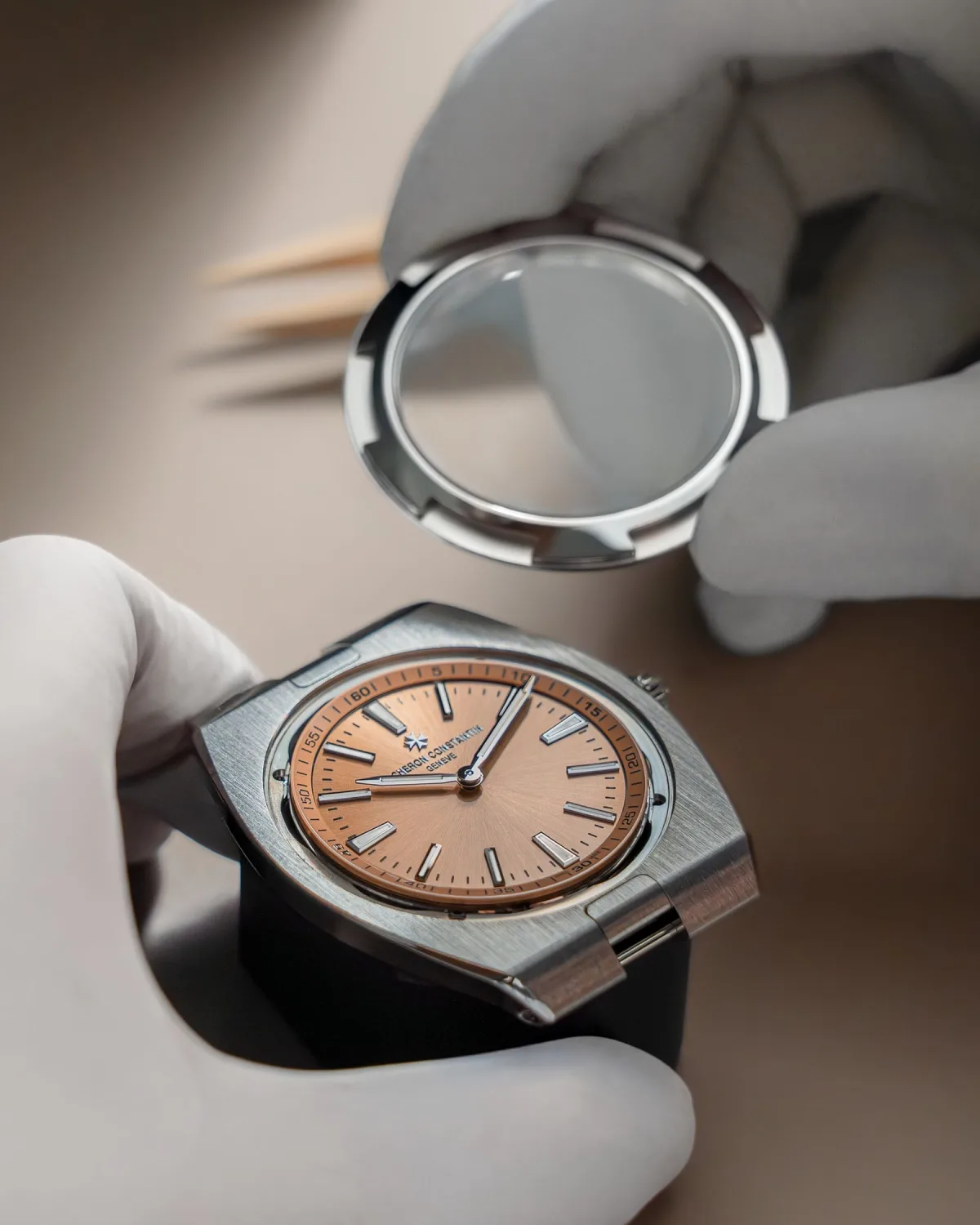
Overseas is not a Genta creation and not a modern version of the legendary Vacheron 222, developed by Jörg Hysek. The 222 laid the foundation, and Overseas is a spiritual successor, not an evolution. This is evident from the successful return of the 222 and their coexistence in the brand's lineup.
Despite my sympathy for the 222, I really liked the Overseas. The saw-tooth bezel softened the visual angles, and the bracelet with the Maltese cross motif, though strange, is unique. But I wouldn't choose the standard Overseas Self-Winding.
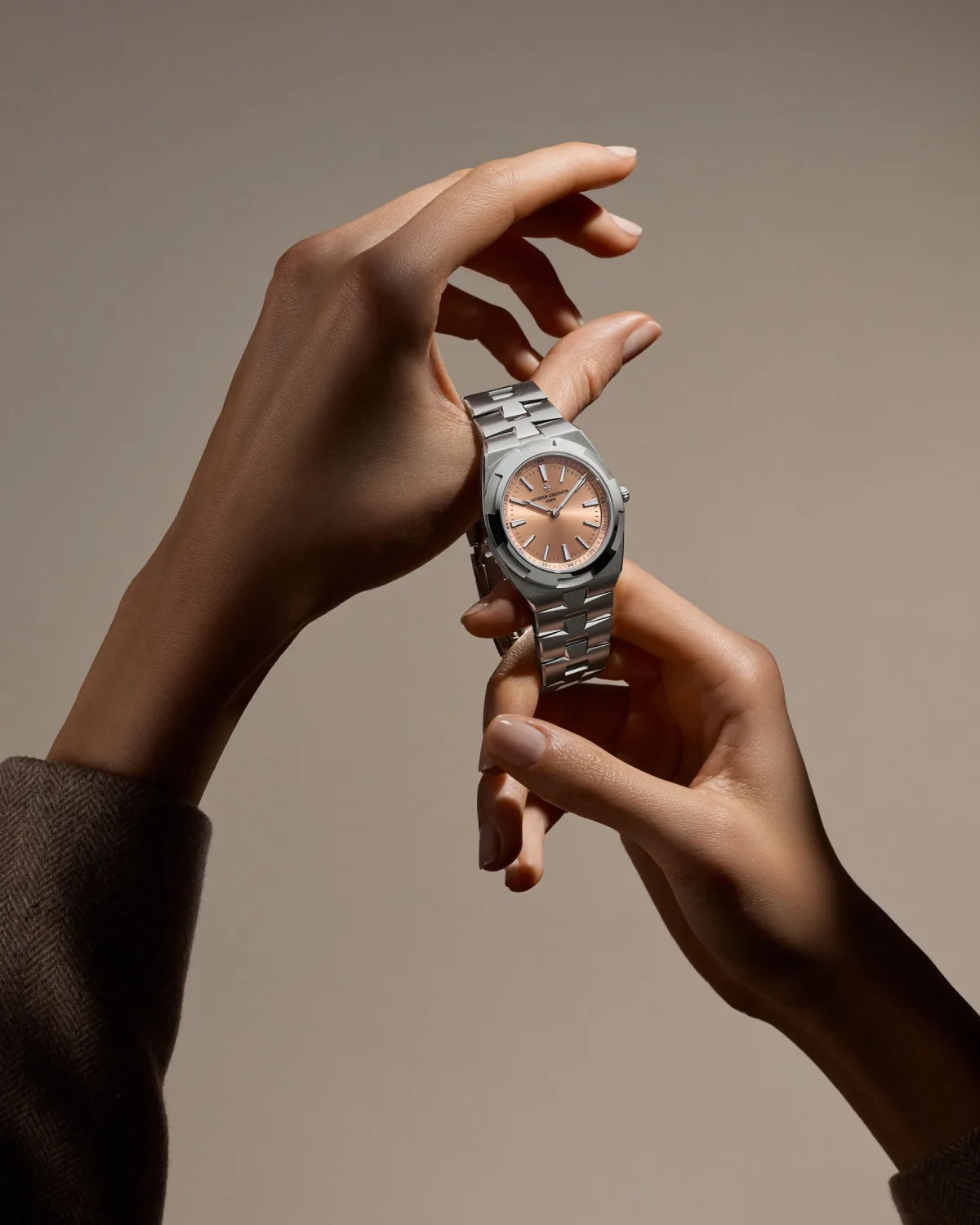
Features of the New Overseas Version and Comparison with Nautilus
What makes the new version special, especially compared to the Nautilus? It's the element of surprise. The new Overseas Ultra-Thin is smaller and thinner than the standard 41 mm model, which was a pleasant surprise. Unlike Patek, which simply reduced the size of the Nautilus, retaining the blue dial and caliber, Vacheron created something unique.
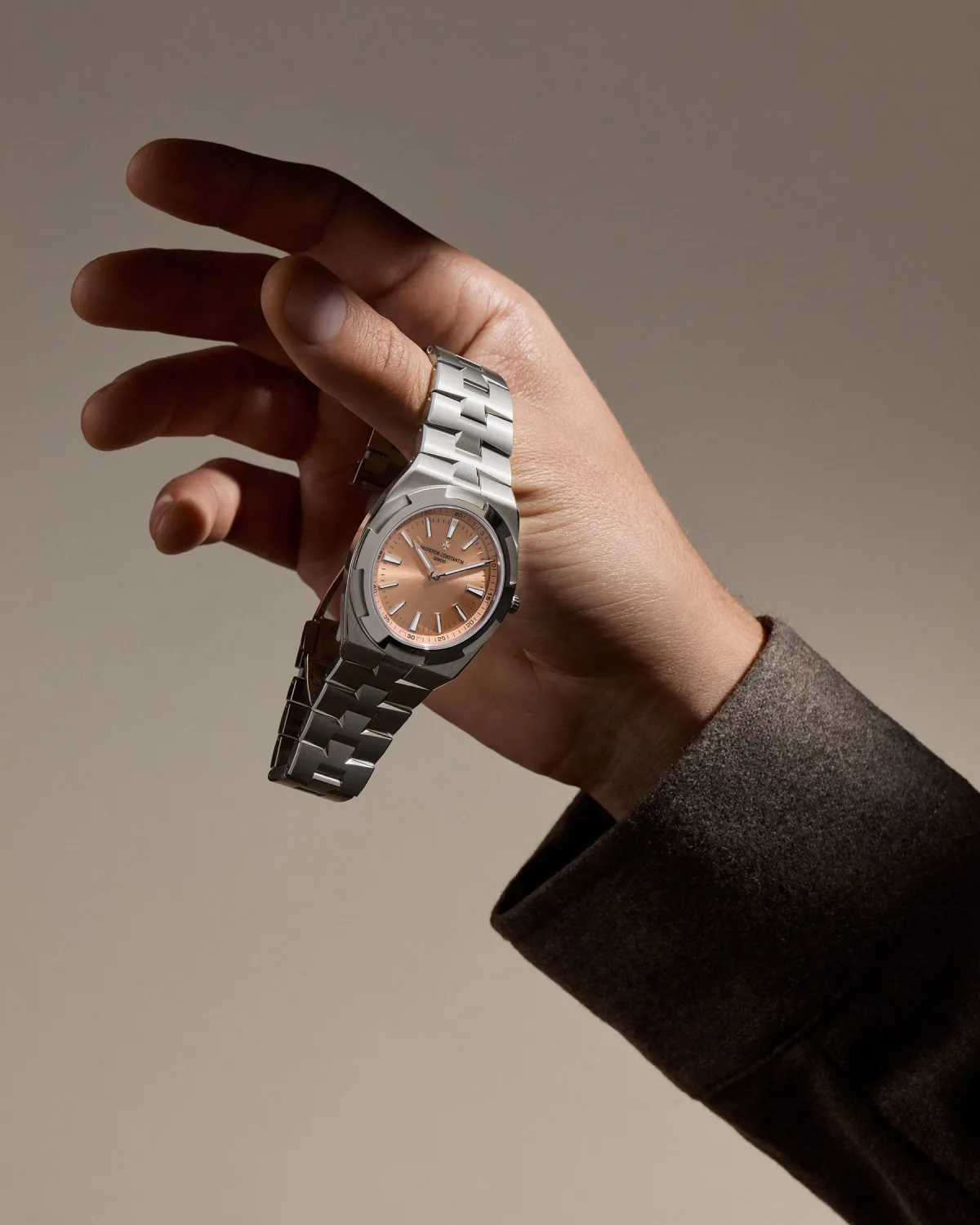
Why I Choose Overseas Over Nautilus
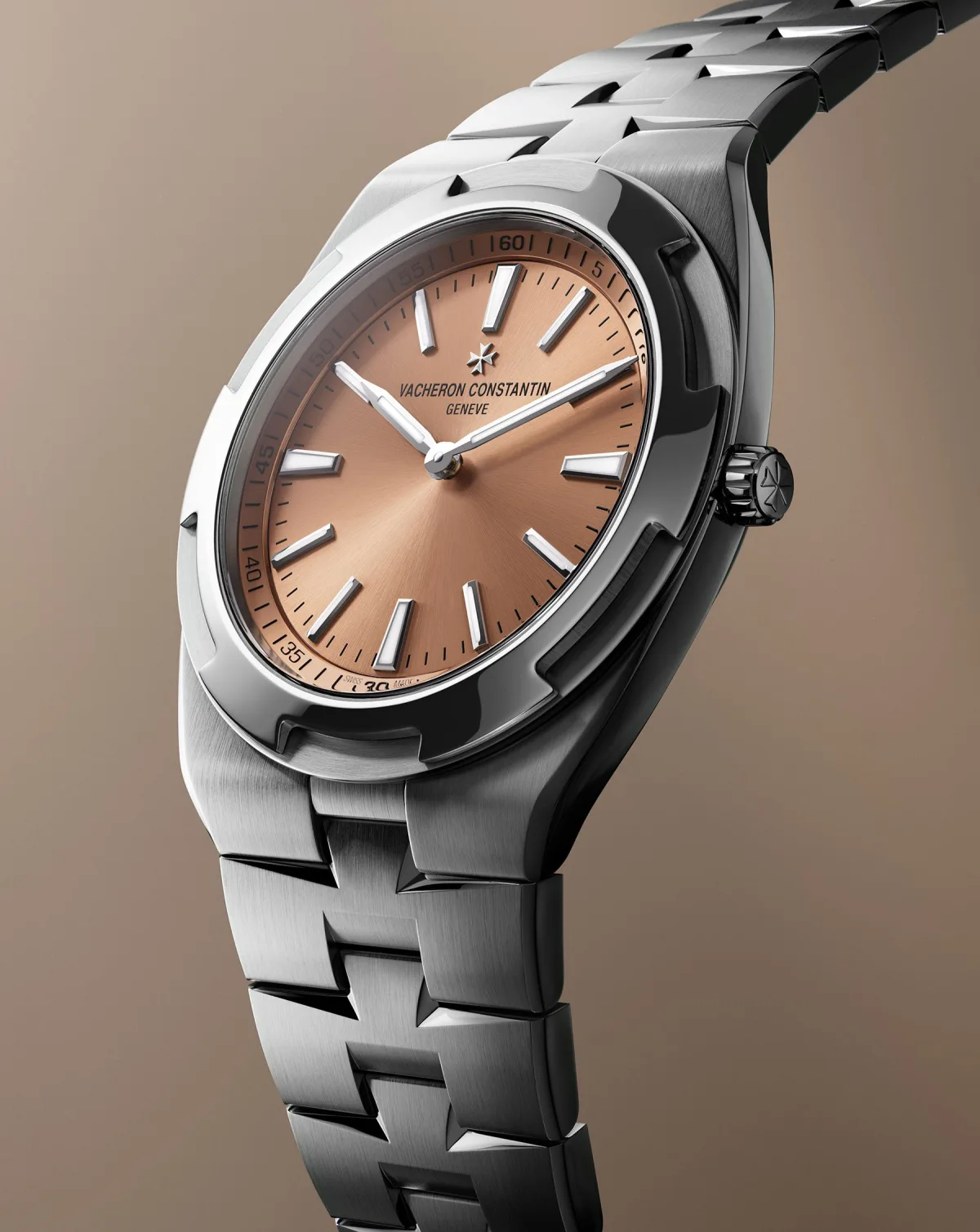
The smaller Overseas case is paired with a beautiful salmon dial, which is much deeper and more refined than that of the Nautilus. The lacquered finish in the center with a satin sunburst pattern and contrasting peripheral minute track add additional detail. This color references Vacheron's mid-20th-century salmon dials, adding significance and uniqueness.
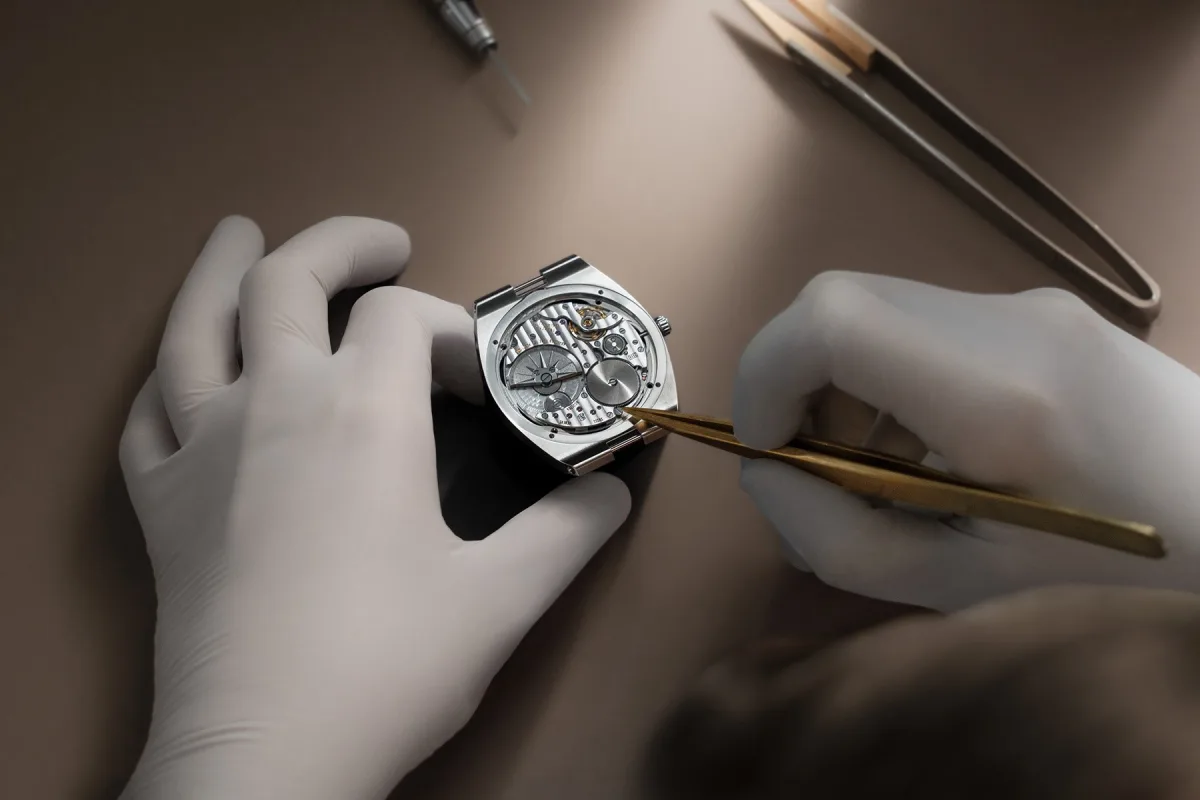
All these details create the story of the new Vacheron Constantin Overseas Self-Winding Ultra-Thin version. From the smaller case and new caliber to the beautiful dial - this is a special model that I love. At the same time, the Nautilus 5610 looks just like a reduced and very expensive version of the regular Nautilus. Although, wait, I almost forgot about the micro-rotor…
Time to Vote
That's it - another Sunday comparison is over. It's time to choose a favorite and cast your vote. Are you a fan of the 38 mm Patek Philippe Nautilus 5610 in platinum or do you prefer the slightly larger Vacheron Constantin Overseas Self-Winding Ultra-Thin? Tell us in the comments why you made that choice!