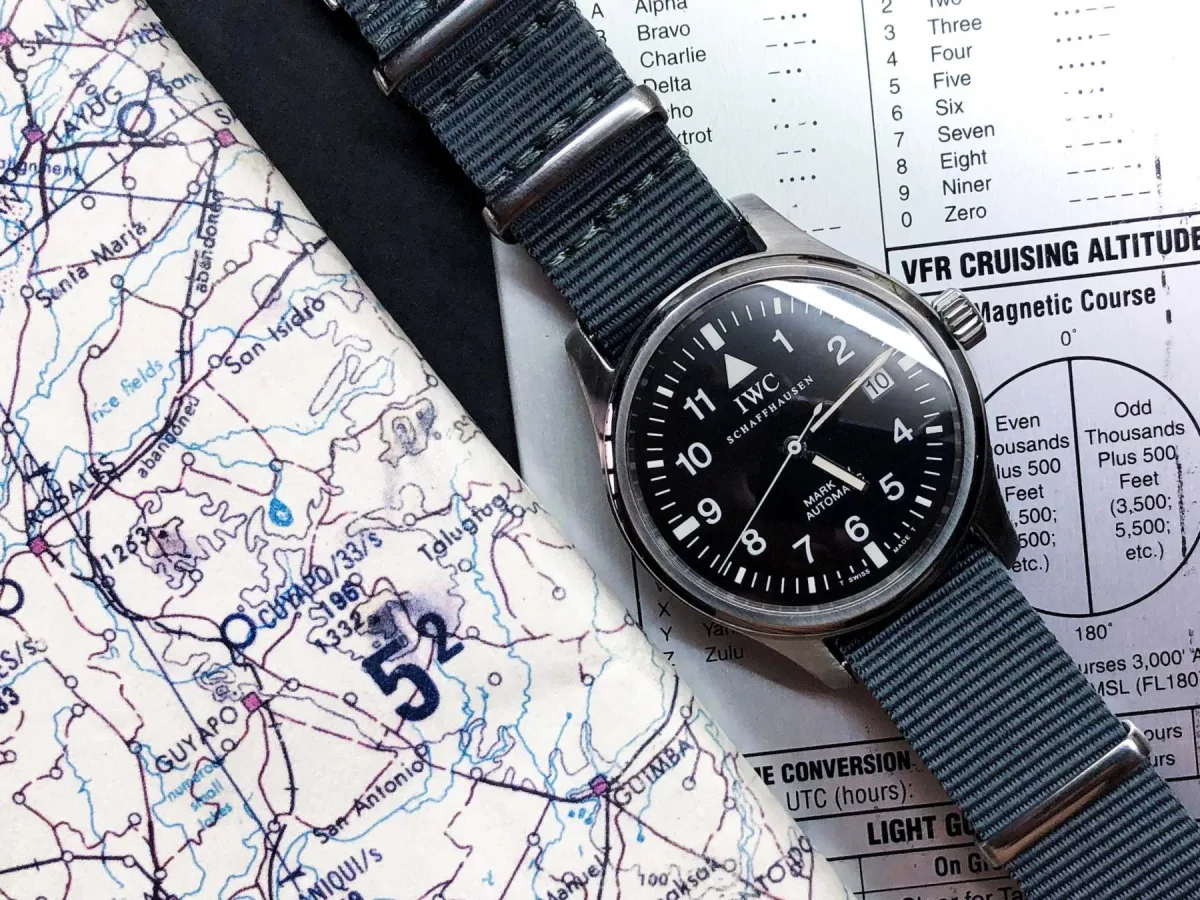
Some watches hold a special place in the collectible market.
They don't succumb to excessive hype, aren't aggressively advertised, and haven't yet been drawn into speculative pricing. The IWC Pilot’s Watch Mark XVI Spitfire ref. IW325502 is one such watch.
Released in the mid-2000s, these neo-vintage pilot watches combine a rare quality - traditional aviation design, modern readability, and a movement that any skilled watchmaker can service. For collectors who value not only heritage but also practicality, the Mark XVI Spitfire could be one of the most appealing entry options into the IWC pilot watch lineup. Let's examine the reasons in more detail.
The Mark Series: One of the Great Aviation Collections
The Mark series from IWC has its roots in mid-20th-century military navigation watches. Designed with an emphasis on readability, durability, and anti-magnetic protection, these watches became prototypes for modern pilot models. The Mark XVI, introduced in the mid-2000s, was an evolutionary development of the Mark XV rather than a radical redesign. The case diameter increased to 39 mm, improving wearability in modern times while retaining the restrained proportions beloved by Mark series fans. New design elements also emerged - the hands were redesigned, and the numerals were made more substantial.
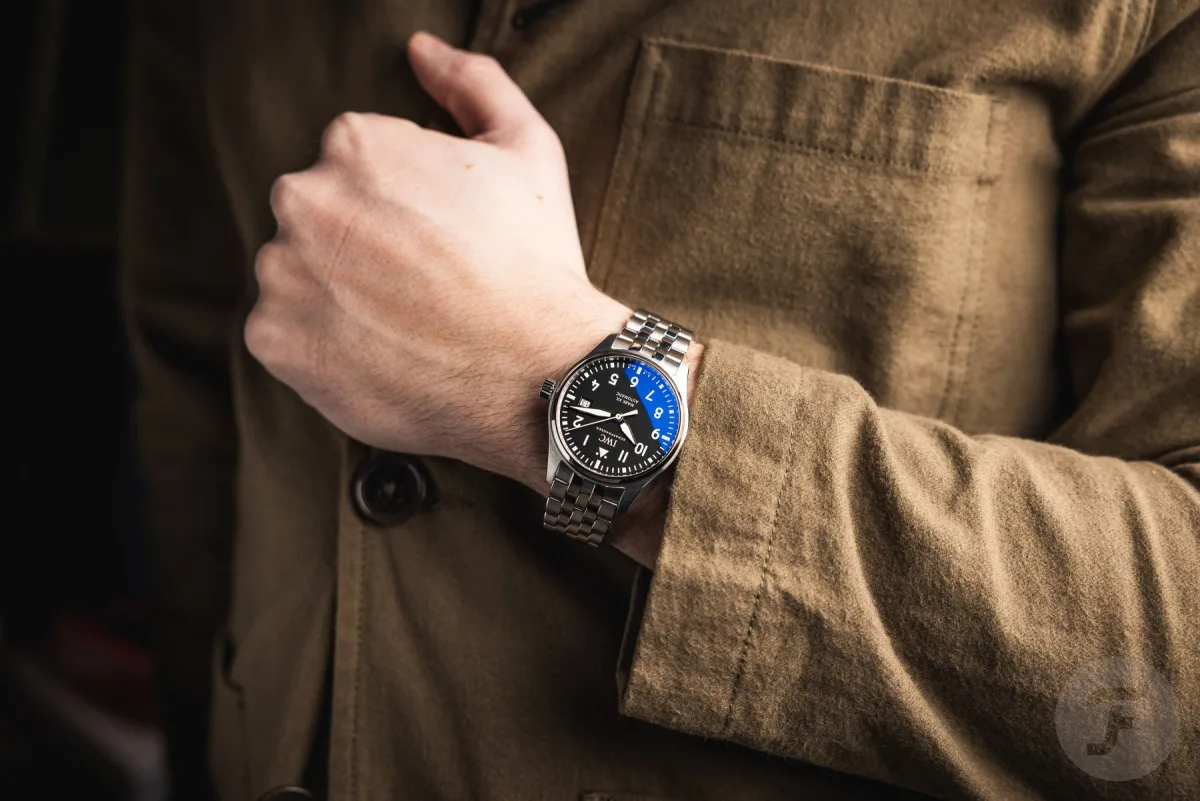
The Spitfire Variant: An Aesthetic Shift in the Mark Series
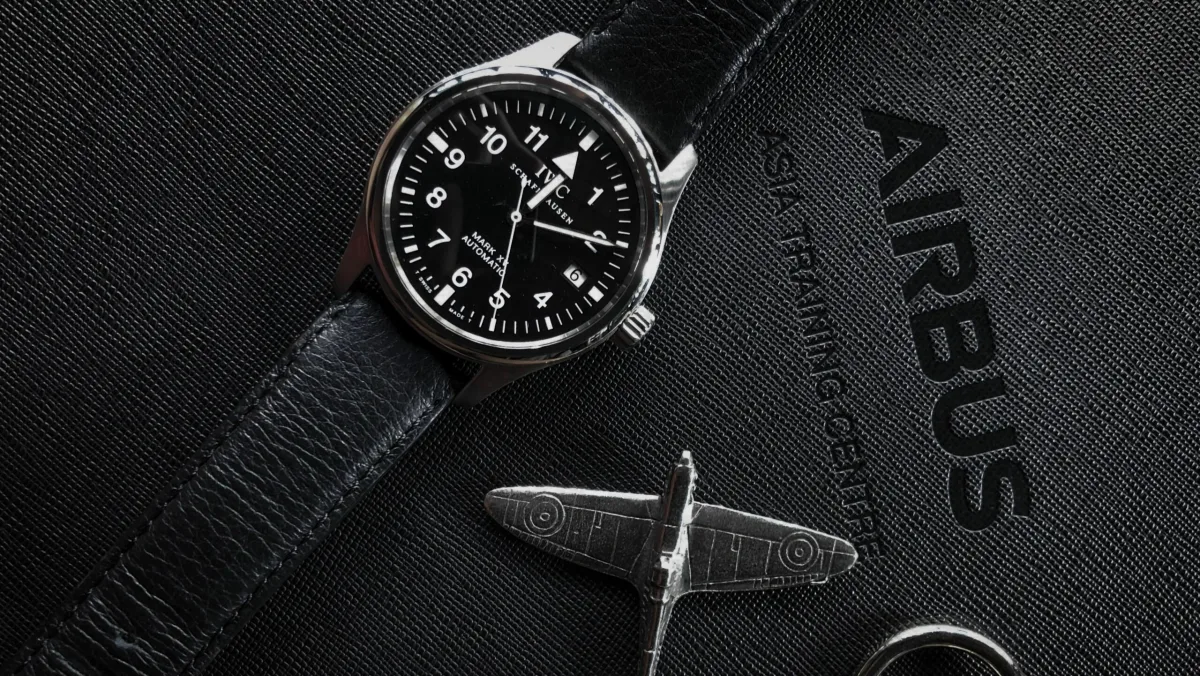
The Spitfire version deserves special attention for its aesthetic changes. While most Mark models feature a strict black dial, Spitfire offers a more refined silver background. These are still pilot's watches but with a touch of elegance. The dial creates a target effect, and this subtle detail sets the model apart today.
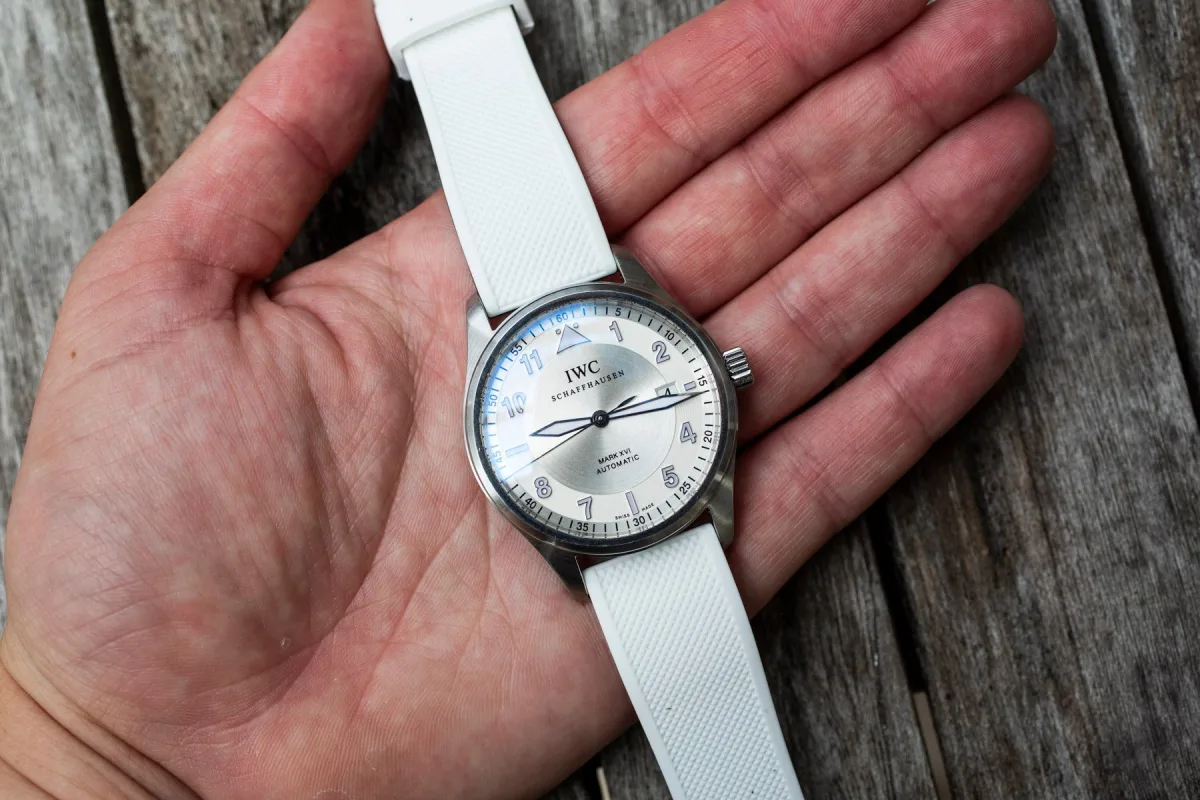
The Dial that Sets These IWC Watches Apart
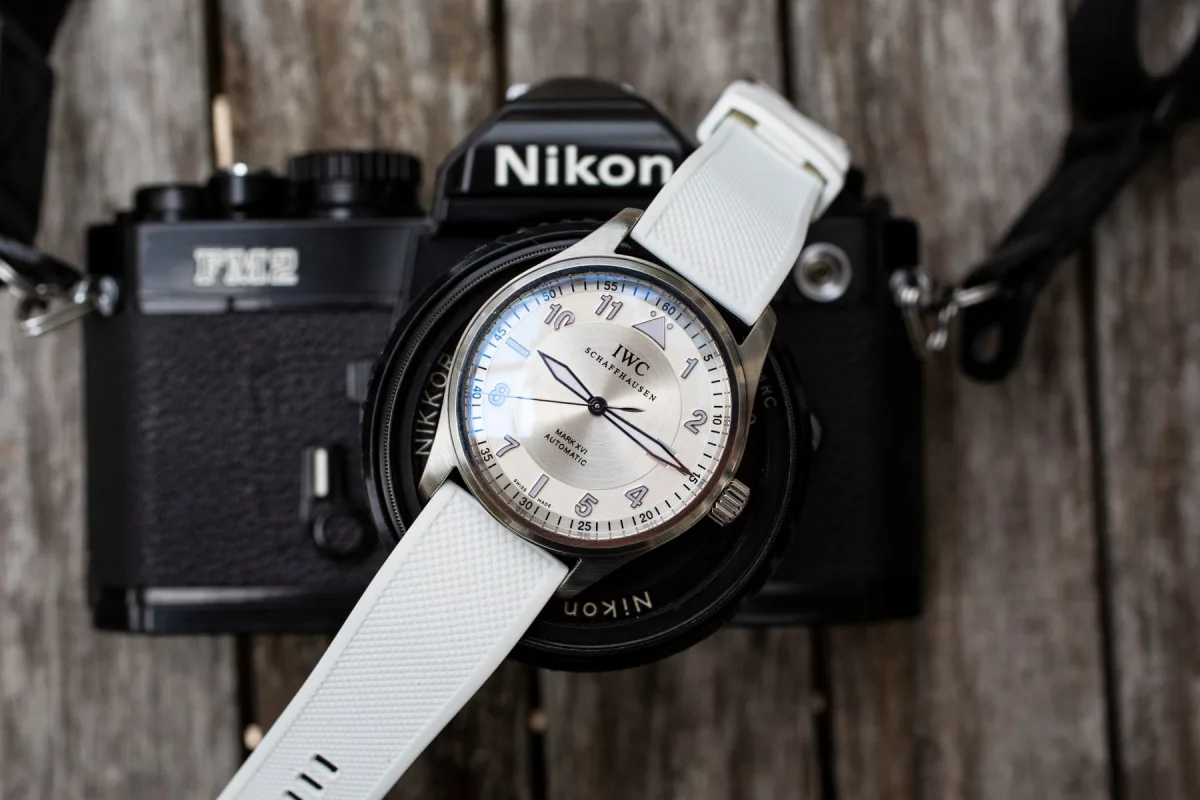
The silver dial of the Mark XVI Spitfire is perhaps the model's most distinctive feature. Instead of the utilitarian matte black typical of aviation watches, Spitfire uses a two-level silver dial with applied Arabic numerals and luminescent hands. The result is a pilot's watch with excellent readability, yet more versatile in style. It is undoubtedly a more dressy model.
The metallic texture of the dial beautifully plays with light, changing from a cool silver hue to a warmer one depending on the viewing angle. This effect gives the watch depth without excessive design embellishments. Collectors often highlight watches that easily adapt to different situations - the Mark XVI Spitfire is precisely such a watch.
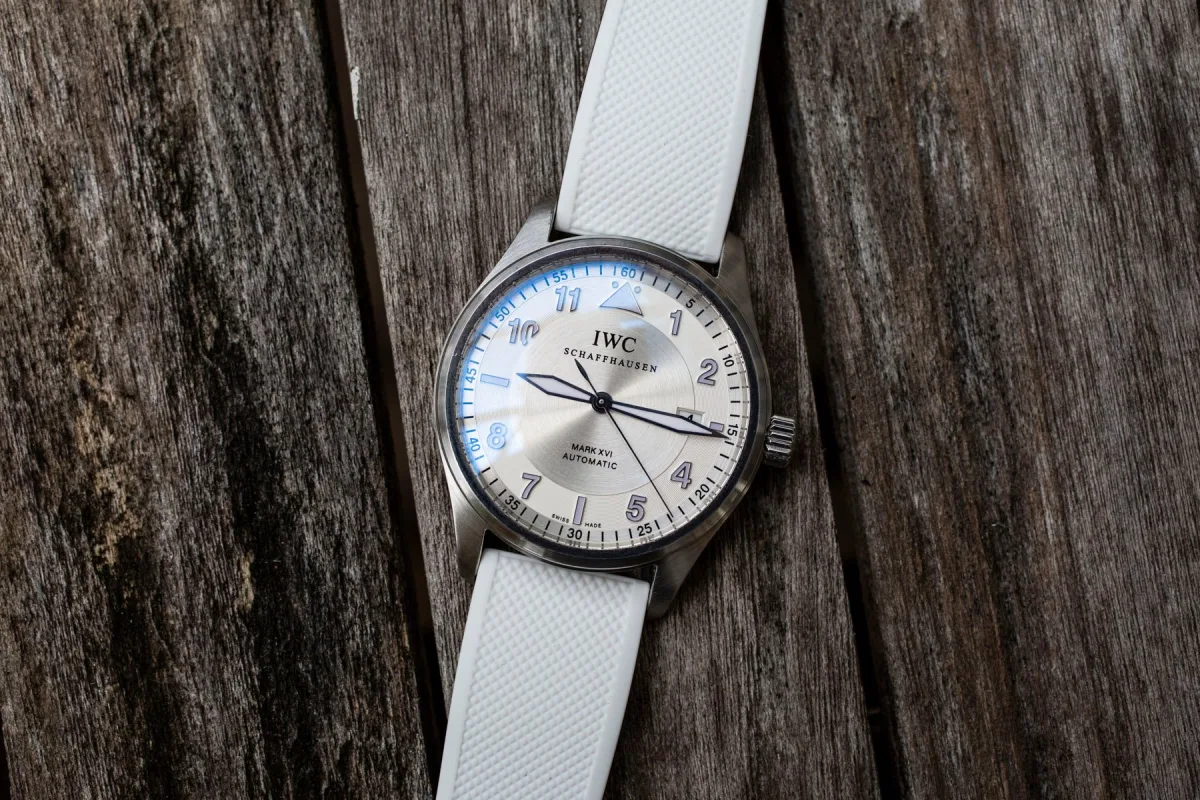
Ideal Neo-Vintage Case Size
In the modern watch world, case size is one of the key discussion topics. Trends have fluctuated from large models to a return to more restrained proportions. The Mark XVI found itself in the golden mean long before this trend began.
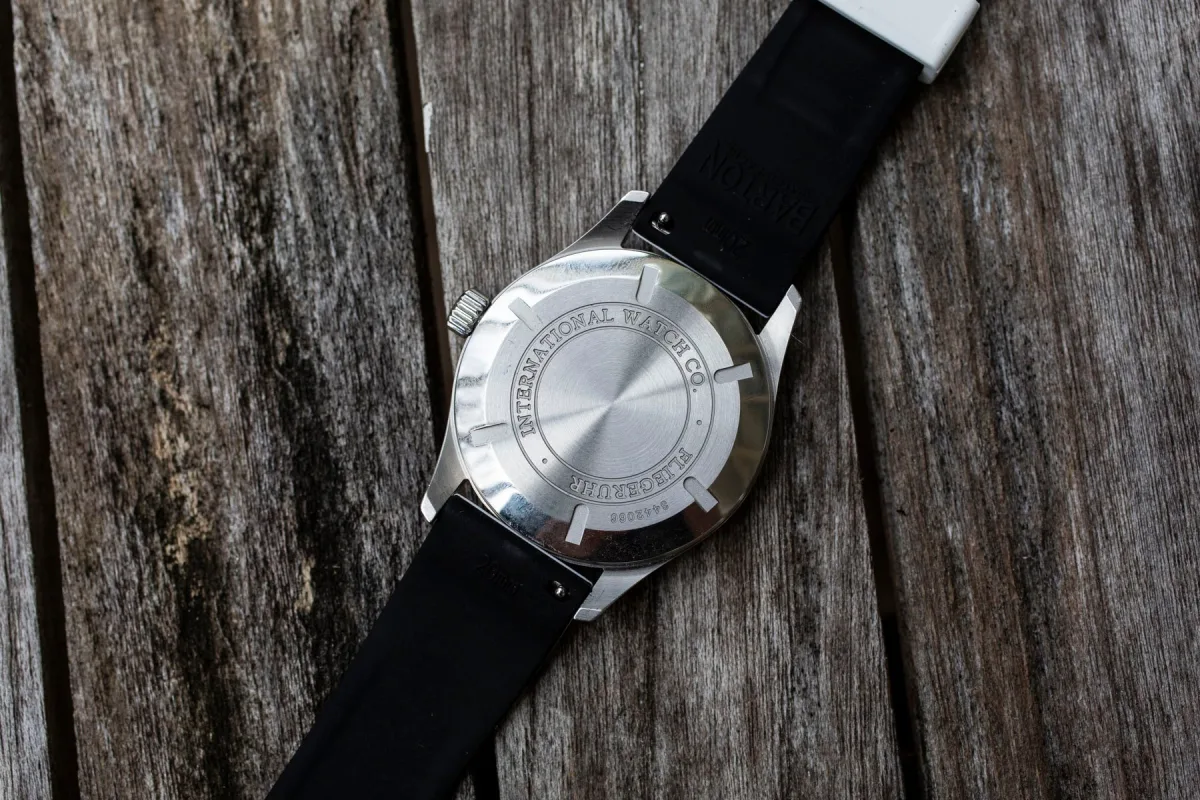
With a diameter of 39 mm and a thickness of about 11.5 mm, the watch looks modern but not bulky. It is noticeable enough on the wrist to satisfy current preferences, yet slim enough to easily fit under a shirt cuff. Equally important is the case design: the matte steel surfaces are clean and functional, while the polished bevels add visual interest. The screw-down crown and solid case back maintain the tool character, and the internal soft iron case protects the movement from magnetic fields - a traditional feature of IWC pilot watches. It is a thoughtful, purposeful design that remains relevant.
Advantages of the ETA 2892 Movement
Now let's move on to what experienced collectors value - the movement. Inside the Mark XVI Spitfire is the IWC 30110 caliber, based on the ETA 2892-A2. In the modern watch community, the term "ETA-based" is sometimes unfairly criticized by proponents of exclusively in-house movements. But for those who have long owned and serviced watches, the ETA 2892 is one of the industry's unsung heroes. Here's why.
The 2892-A2 has been produced for decades and is considered one of ETA's most refined automatic movements. Operating at 28,800 vibrations per hour and with a power reserve of about 42 hours, it provides smooth operation and stable accuracy. The main thing is that it is a time-tested movement.
These are not "raw" models with manufacturing defects. It is a mature caliber with millions of operational hours behind it. Perhaps the main advantage is service convenience. Unlike exclusive in-house movements that require specialized tools and parts, the ETA 2892 can be serviced by almost any qualified independent watchmaker. Parts are available, and the design is well-known in the industry. For those planning to wear a watch for decades - and that's precisely why mechanical watches are bought - this is critical. Lower service costs, shorter repair times, and broad access to servicing make ownership easier. Thus, the Mark XVI Spitfire is not only a collectible model but also practical.
Watches That Remain a Tool
Despite the more refined dial, the Mark XVI Spitfire ref. IW325502 does not lose its utilitarian roots. The applied Arabic numerals and hands are filled with lume for visibility in the dark, and the outer minute track enhances the instrument style. The date window at the "3 o'clock" position is neat and unobtrusive, maintaining dial symmetry without reducing readability.
Even the sapphire crystal reflects IWC's practical philosophy. It has an anti-reflective coating and is pressure-resistant, ensuring safety during changes in atmospheric pressure - another nod to aviation heritage. These details may seem small, but together they reinforce the watch's identity. It remains, at its core, a pilot's tool.
Why Neo-Vintage Watches Are So Attractive
The term "neo-vintage" usually refers to watches from the mid-1990s to the 2000s. Such models are modern enough for daily wear but already old enough to represent another era of watchmaking. The Mark XVI fits perfectly into this category. It offers several advantages that collectors increasingly appreciate:
- optimal case size;
- traditional, reliable, and easy-to-service movement;
- high-quality finish without an excessive price.
In an era where the focus has shifted towards in-house movements and ultra-luxury, watches from this period represent a balance. They are made with modern quality but without marketing pressure and inflated prices. The result is honest watches.
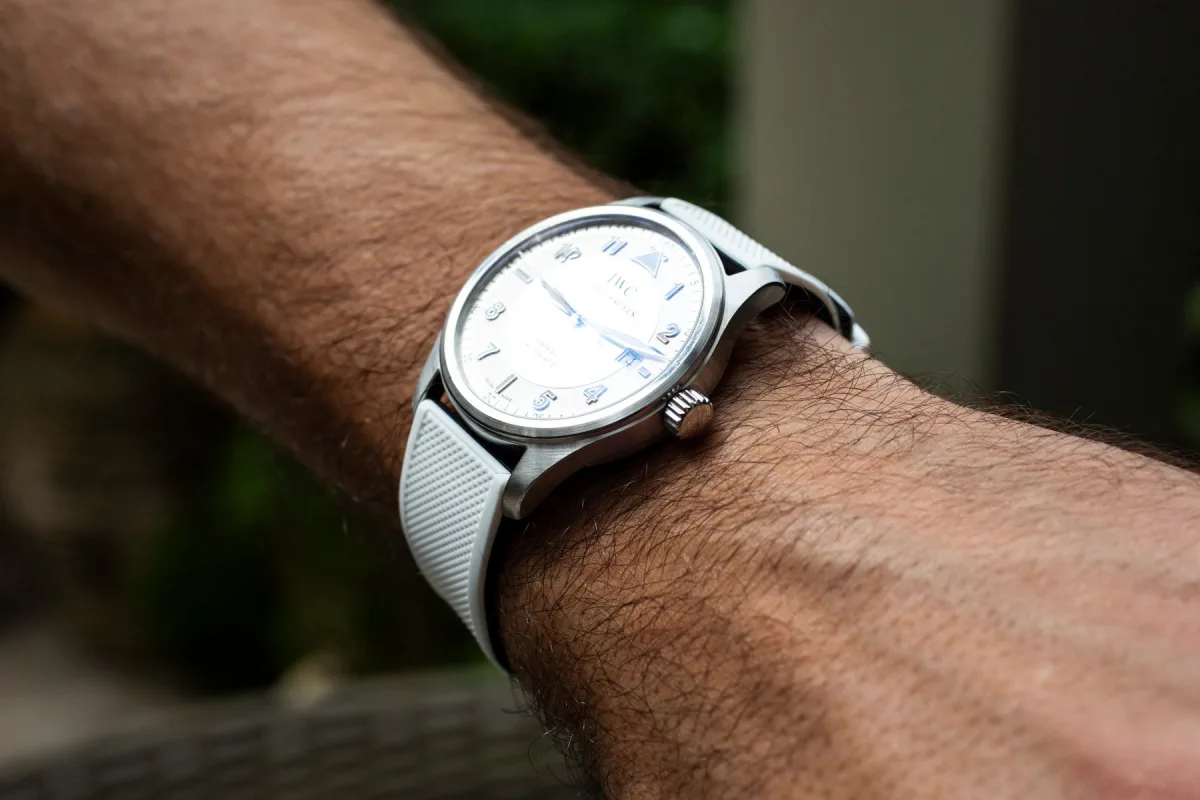
One of the most interesting aspects of the Mark XVI Spitfire today is its position in the secondary market. Despite its heritage, build quality, and brand recognition, the watch remains relatively accessible. Pre-owned examples often sell for around €3,000 or slightly higher, depending on condition and set, making the IW325502 model a real purchase for many enthusiasts. Given the prices of modern IWC pilot watches, the Mark XVI appears to be an exceptional value.
Conclusion: Neo-Vintage Golden Mean
In an era where watches are released in limited editions with constantly rising prices, the Mark XVI Spitfire offers a different approach. These are watches made to be worn, serviced, and enjoyed for decades. Without excessive sizes and complex marketing stories. Just well-balanced pilot watches with a beautiful dial and reliable movement.
This is why, in my opinion, collectors are beginning to rediscover this model. The Mark XVI Spitfire ref. IW325502 may not be the most prominent in IWC's history, but in many ways, it better embodies the spirit of the Mark series than many modern counterparts. For those exploring the neo-vintage watch market, this model offers history, practicality, and understated appeal in equal measure. Sometimes the best pilot watches aren't the ones that shout about themselves, but those quietly waiting on the runway.
What do you think, friends? Are you attracted to the design of the IWC Spitfire dial? Share your opinion in the comments.