Your detailed guide to all the key features of modern smartwatches.
For decades, watch manufacturers have strived to maximize the functionality of compact wrist devices. Examples include the first digital watch by Hamilton in 1972 or the first calculator watches by Casio and Timex. Among numerous high-tech gadgets, smartwatches have emerged as one of the most significant innovations of the 21st century.
But what exactly can smartwatches do? And can they change your lifestyle? It seems incredible, right? Yet, advertisements and marketing materials claim just that. How true is this? In this expert review, we will examine this question in detail.
What Are Smartwatches?
Let's start with the definition. Smartwatches are not just time-telling devices. They are mini-computers worn on the wrist. They can make calls, inform you about elevated stress levels, and act as personal trainers. Moreover, they can mimic the appearance and feel of classic mechanical watches. For instance, the TAG Heuer Connected series offers interfaces that replicate the brand's iconic designs.
This point is crucial as the demand for luxury smartwatches is gradually shifting. Watch enthusiasts are starting to pay attention to the real capabilities of these devices. Unlike classic mechanical watches, smartwatches operate on entirely different technology but remain highly functional. Of course, they lack the charm and uniqueness of hand-crafted mechanical timepieces. Nonetheless, modern gadgets are convenient portable devices that function as mini-computers.
In a sense, smartwatches are an extension of your smartphone. They synchronize with your phone, allowing you to make calls and send messages. These devices are equipped with touchscreens, numerous apps, built-in heart rate sensors, and pedometers.
To fully understand the appeal of smartwatches, it's worth looking at their brief history.
A Brief History of Smartwatches
You may be surprised to learn that the first smartwatches appeared in the 1970s. As mentioned, Hamilton introduced the Pulsar - the first prototype with an LED display. Shortly after, technology began to advance rapidly in Japan. In 1983, Seiko released the Data 2000 with an external keyboard, and in the early 1990s, the Timex Datalink appeared, allowing wireless data download from a computer and used by NASA.
By the late 1990s, Samsung released the first watch-phone with a speaker and microphone, paving the way for innovations like the Fossil Watch PDA with a touchscreen and virtual keyboard. Garmin introduced the Forerunner series capable of measuring speed, pace, calories, and distance. The Microsoft SPOT could receive stock updates, news, and weather forecasts via FM radio.
However, the real breakthrough came in 2013 with the release of Pebble - smartwatches funded via Kickstarter and sold in millions. They could receive information from the phone, an improvement over the Microsoft SPOT. In 2014, Google introduced Android Wear, and since then, Android and Apple have been competing to enhance smartwatch functionality.
Types of Smartwatches
Often, all smartwatches are perceived as a single category. For newcomers, many models indeed look similar, especially due to the lack of distinctive features of mechanical watches. This explains the popularity of digital-analog models. Nonetheless, manufacturers strive to distinguish their devices by adapting them to the needs of different audiences.
Let's look at the main types of smartwatches on the market - this information will help you make an informed choice.
Fitness Trackers
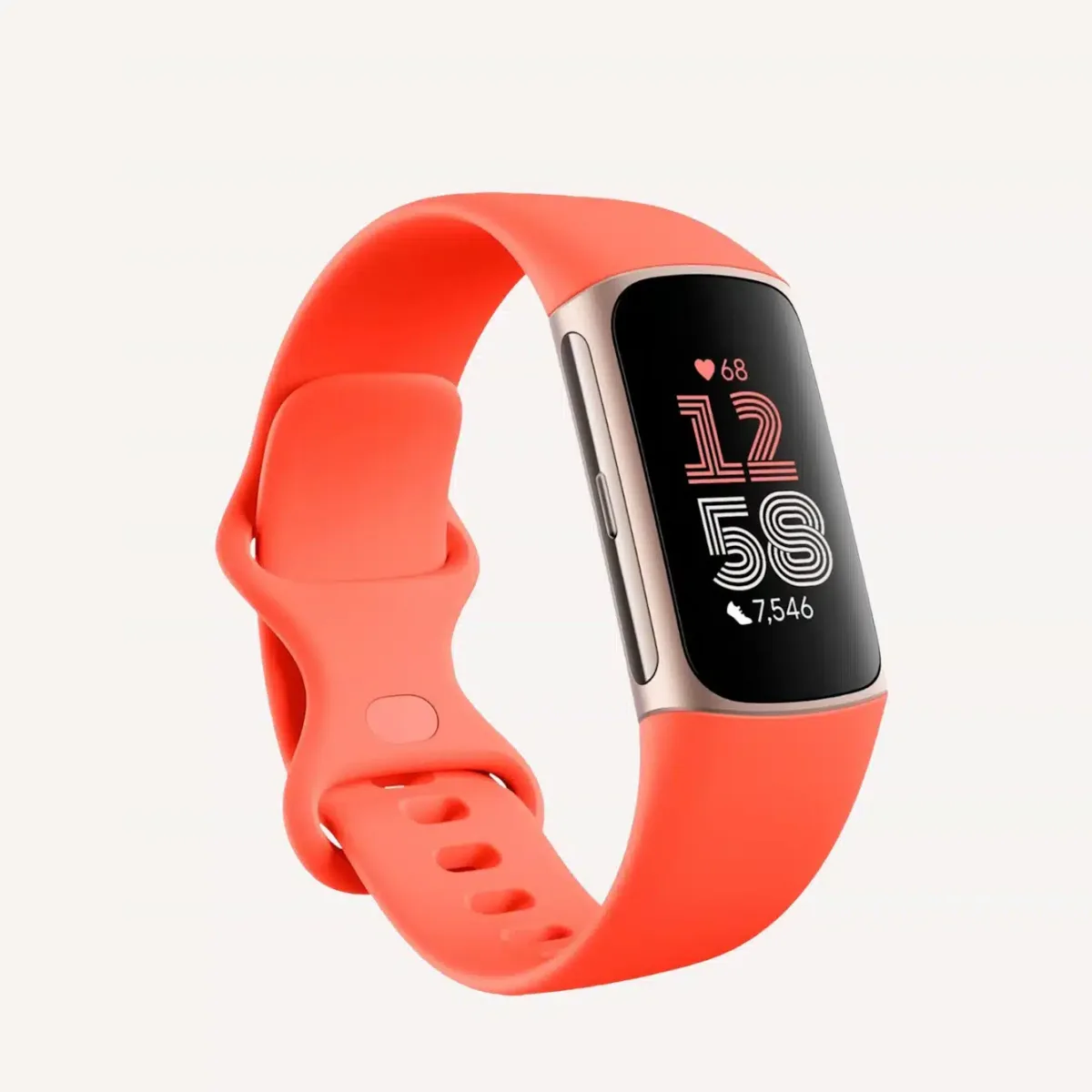
An example is the popular Fitbit. These smartwatches are equipped with accelerometers, body temperature sensors, and heart rate monitors. Some models additionally have SpO2 sensors, gyroscopes, and GPS. They are suitable for active users who want to track fitness goals. Their lightweight and compact design makes them convenient for athletes, cyclists, and fitness enthusiasts.
Smartwatches with GPS
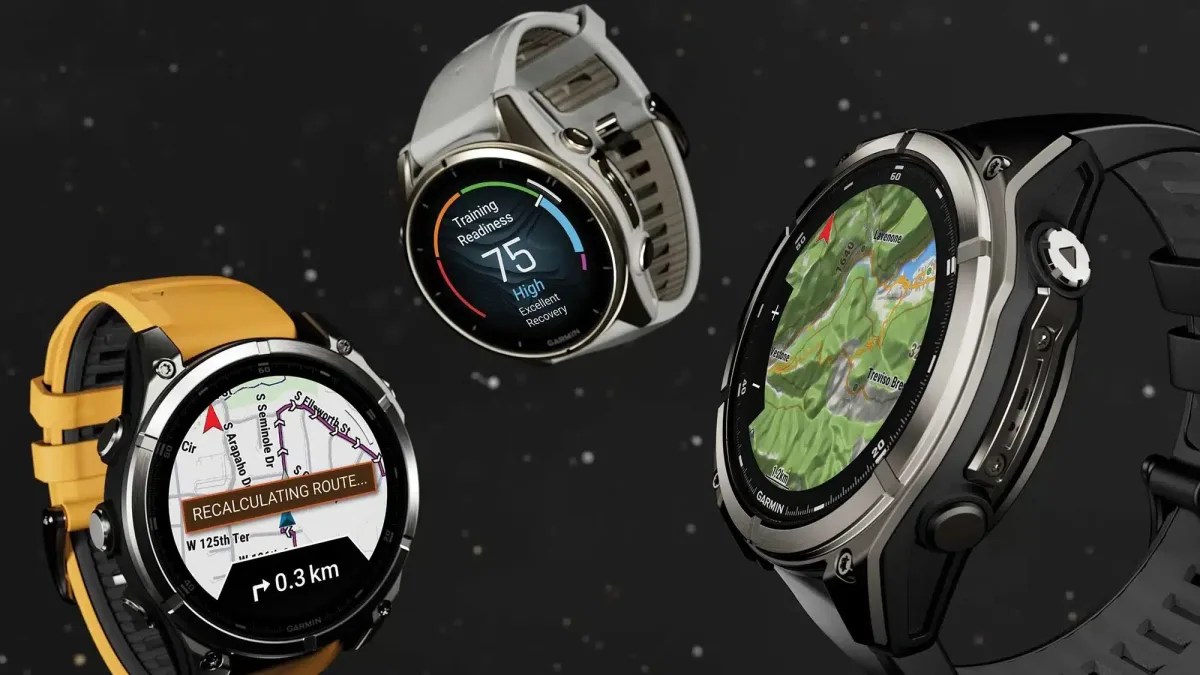
If you want to track your route and pace during hikes, GPS smartwatches are the optimal choice. They are equipped with GPS chips or sensors that prevent you from getting lost. Garmin is a leader in this category. The Forerunner series models are suitable for everyday wear and offer a wide range of features for sports training and outdoor activity tracking. Despite the high price, they justify the investment by offering maps and the SatIQ function for precise positioning.
Smartwatches with Cellular Connectivity
These watches work independently of a smartphone, performing tasks usually available on a phone: calls, sending and receiving messages, using apps. This is a convenient way to stay connected while traveling, especially for office workers and professionals on business trips.
What Can Smartwatches Do?
Now that you are familiar with the types and purposes of smartwatches, let's move on to the key question: what functions do they perform? Smartwatches offer a wide range of capabilities that assist in daily tasks. Some manufacturers promise that their devices can improve the quality of life. Besides the convenience of phone functions, health monitoring features are also important, enhancing user awareness of their body's state.
Health and Fitness Tracking
One of the most sought-after features is health and physical activity monitoring. Smartwatches track running routes, step count, and provide weekly and monthly progress reports. Sports apps offer trackers for hiking, cycling, running, climbing, swimming, skiing, and golf.
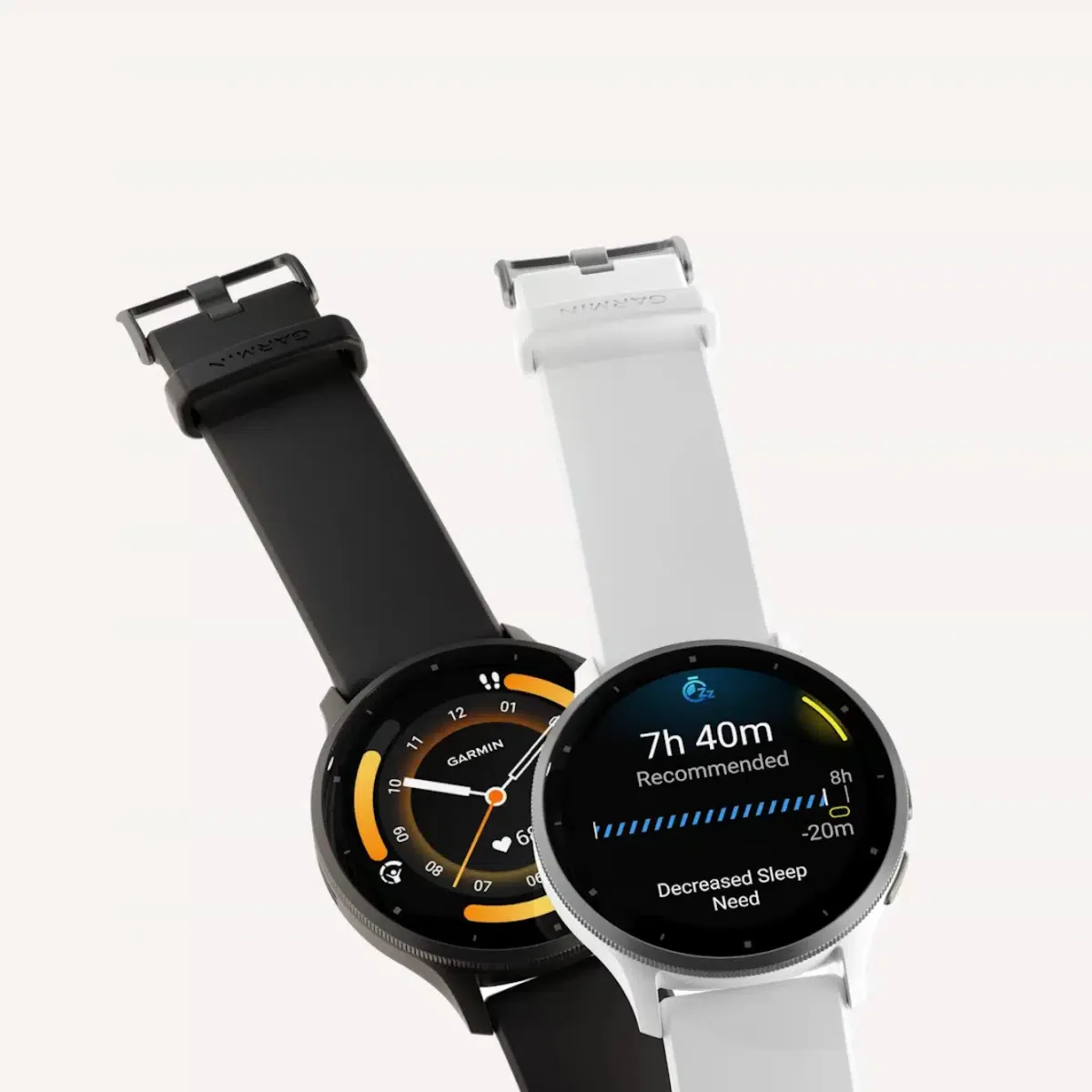
The health aspect is also impressive: smartwatches monitor stress levels, sleep quality, calories burned, heart rate, blood oxygen saturation, and remind you to stay hydrated. Women can track their menstrual cycle and ovulation.
Text and Voice Messages
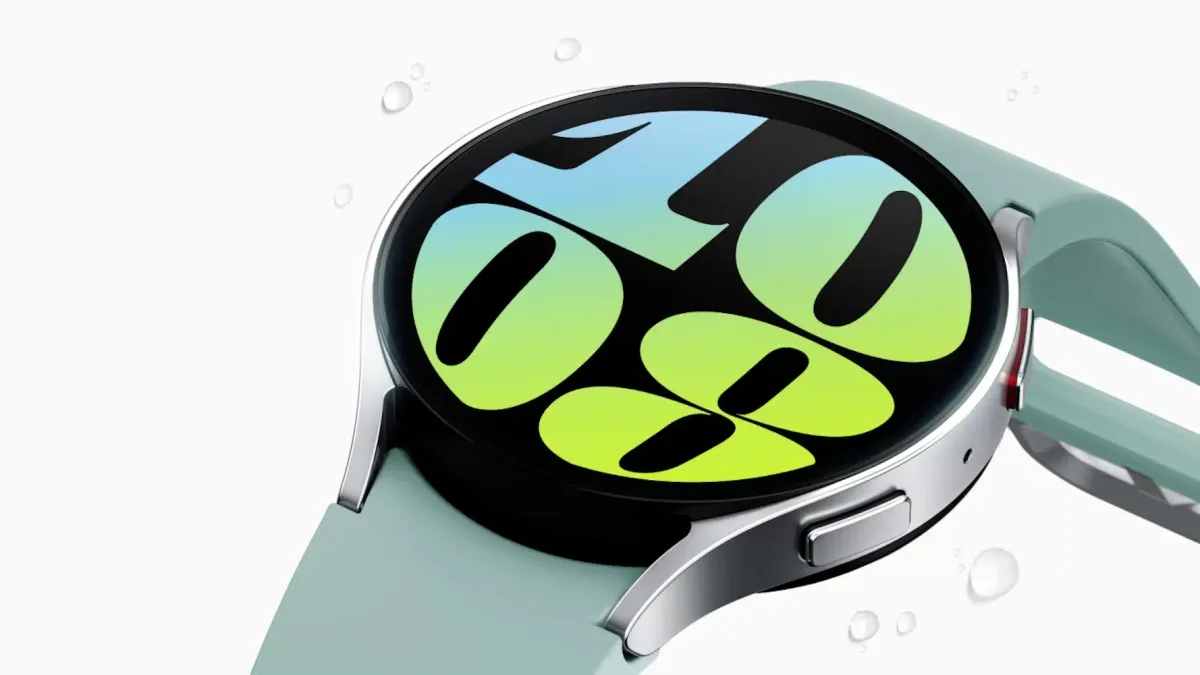
Some models are equipped with a microphone and speaker, allowing voice commands and responding to messages without using a phone. For example, the Galaxy Smartwatch supports the pre-installed Messages app for creating, viewing, and sending messages in any condition - in traffic jams or during travel.
Mobile Wallet
Many smartwatches support contactless payments. Samsung Galaxy Watch6 and Watch6 Classic models store bank card data, ensuring fast and secure payments in stores and restaurants.
GPS Navigation
Garmin is an example of a leader in GPS technology. The brand's devices use satellite navigation to display current location in real-time. Their outdoor models can track movement direction, record routes, and points of interest. The LiveTrack feature allows sharing locations in real-time.
Notifications
Smartwatches duplicate the smartphone's notification system: alerting about missed calls, messages, and emails. You can listen to voice messages, view event reminders. Social media apps like Instagram and Facebook are accessible through the watch, helping you stay connected with loved ones anywhere in the world.
How Do Smartwatches Work?
Smartwatch technologies are constantly evolving, combining numerous functions in a compact device. This makes them increasingly popular: as of 2024, there are about 224.31 million smartwatch users worldwide. But how exactly do they work? Let's look at the basic principles without technical details.
How Do Smartwatches Allow Calls?
Modern models, such as the Garmin Fenix 8, are equipped with built-in speakers and microphones. This allows making and receiving calls without a smartphone, giving voice commands, and using the watch autonomously. You can view contacts, call history, and dial numbers using a virtual keyboard. For convenience, you can use Bluetooth headsets or headphones.
How Do Smartwatches Track Sleep?
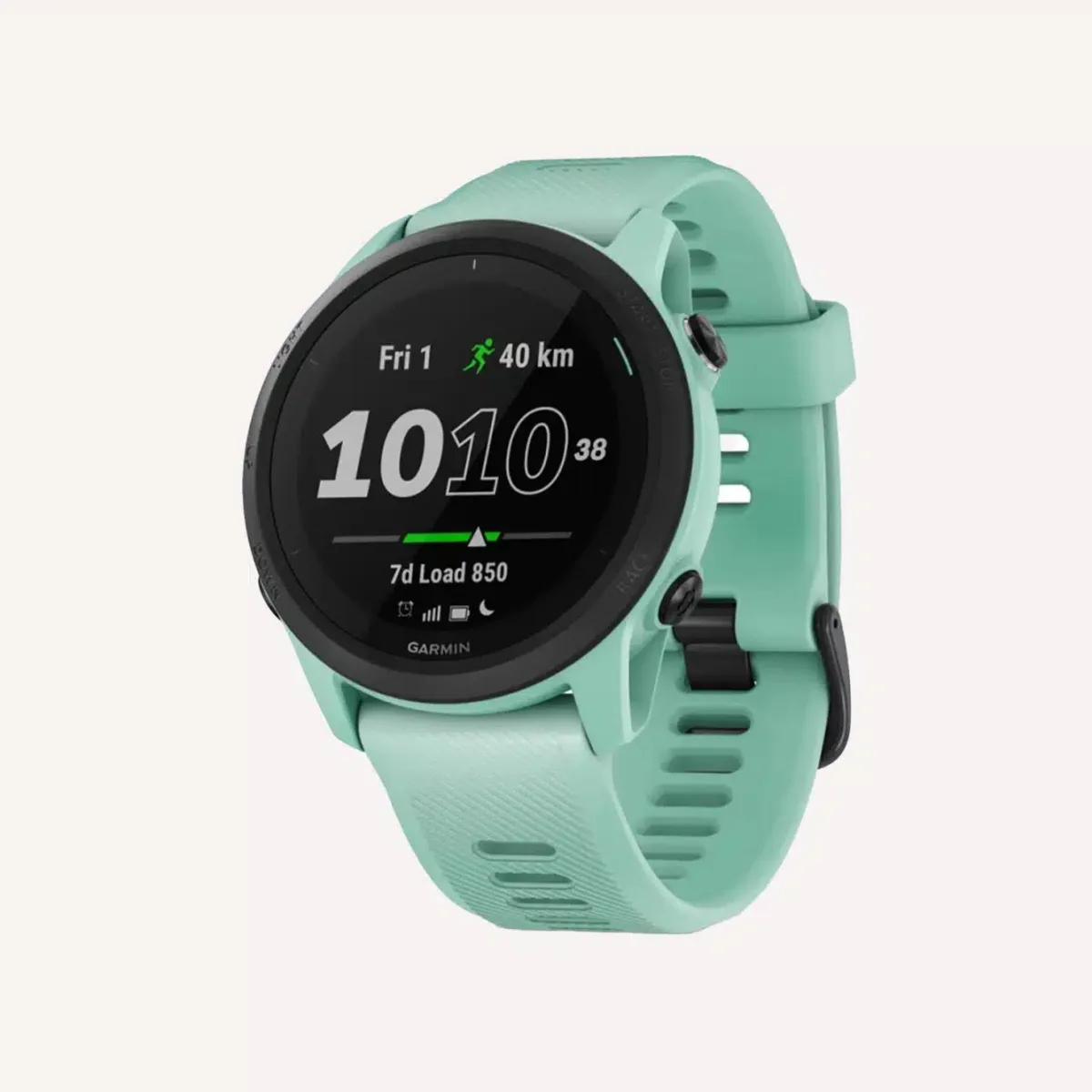
Using a gyroscope and accelerometer, the watch records movements, determining the sleep phase. Simultaneously, the heart rate is analyzed - low readings indicate deep sleep. Features like Garmin Morning Report and Sleep Tracker provide detailed sleep quality reports based on this data.
How to Connect Smartwatches to a Phone?
Bluetooth is used for synchronization. Turn on Bluetooth on your smartphone, select the device search option, find your watch in the list, and select it. A code will appear on the screen, which you need to confirm on both devices. After this, they will be linked and able to exchange data. The process may vary slightly depending on the model, so it is recommended to consult the instructions.
Frequently Asked Questions (FAQ)
Do you need to insert a SIM card into a smartwatch?
No, most models operate without a physical SIM. Some, like the Samsung Galaxy Watch, use a built-in eSIM. Others connect to the phone via Bluetooth or WiFi.
Are smartwatches medical devices like ECGs?
No, smartwatches are not medical devices and cannot replace ECGs. They do not diagnose heart diseases. ECGs use complex technology for accurate heart monitoring, while heart rate monitors in watches are less precise.
What is the main function of smartwatches?
Main functions include receiving notifications from the phone, measuring heart rate, counting steps and calories, tracking sleep and stress. You can also listen to music and make contactless payments.
Can you leave your phone at home and use a smartwatch?
If the watch supports cellular connectivity, you can perform phone tasks without a smartphone. In other cases, WiFi is used for data transfer.
What are the advantages of wearing a smartwatch?
The key advantage is real-time health and fitness monitoring. Sleep tracking, stress management, nutrition reminders, training apps, and GPS navigation are also available.
Smartwatches - Are They Worth Buying?
So, what can smartwatches do, and are they worth the investment? In short - yes, smartwatches can significantly improve everyday life. These powerful tools enhance physical and emotional health.
Today, smartwatches are indeed smarter than ever. They help lead a healthy lifestyle, display health metrics, and motivate regular workouts. They provide access to numerous apps and services, including contactless payments, sports apps, and music. Functionally, they are closest to a phone, allowing you to send and receive messages and calls on the go. Some models integrate with smart home systems, controlling hot water and heating.
Prices and functionality of smartwatches vary depending on your needs: whether you need navigation, fitness training, or a specialized model for skiing or golf. We hope this guide helped you understand the advantages and variety of available models.
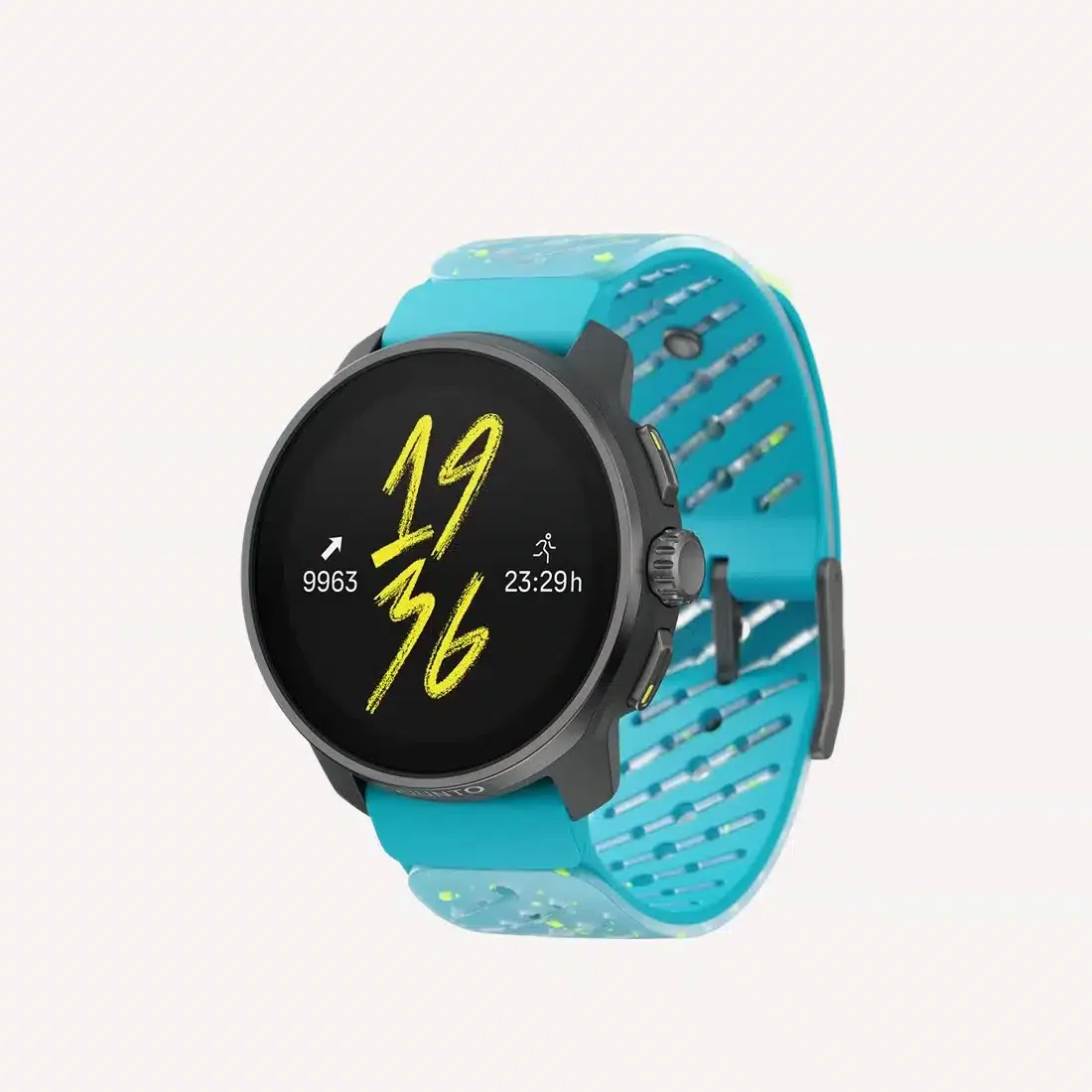
Many brands offer smartwatches in their collections, including TAG Heuer, Frederique Constant, and Montblanc. If you need advanced GNSS technology for sports and outdoor activities, we recommend looking at Suunto or Garmin - leaders in smartwatch software.