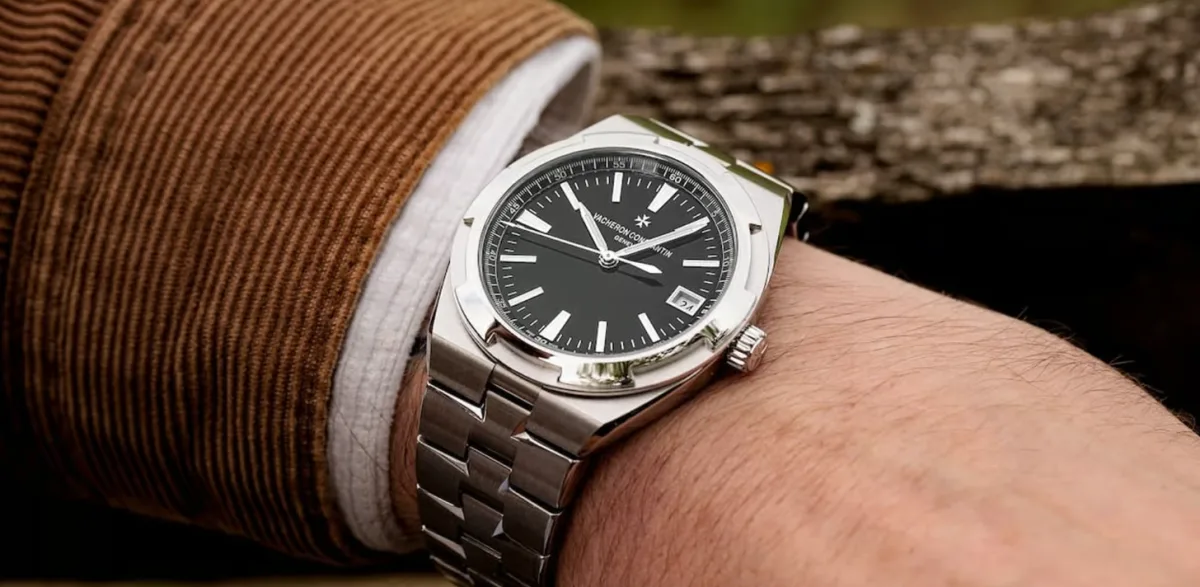
The world of luxury watches today is more diverse than ever. In 2026, countless brands, designs, colors, and technical solutions are presented.
Modern microbrands experiment with materials like carbon and titanium, independent watchmakers create bold case shapes, and major brands dare to release bolder models. Yet, at exhibitions, on Instagram, or in the dreams of collectors, the same watches often appear: Rolex Submariner, Omega Speedmaster, Audemars Piguet Royal Oak, Rolex GMT-Master, or Cartier Santos - sometimes Rolex Daytona or Patek Philippe Nautilus. Similarly, for enthusiasts with a smaller budget: Tissot PRX, Longines HydroConquest, or popular versions of Tudor Black Bay. Of course, there are exceptions, but most buyers choose and wear familiar models, brands, and colors - black or blue dials, steel cases, sporty and timeless designs, the safest choice possible. Why is this? Why do seasoned enthusiasts more often prefer classics rather than something new or unusual? The answers are surprisingly human and emotional.
1. We Value Safety
The main reason is safety. Buying a watch for several thousand dollars is rarely spontaneous. The fear of making a mistake is great. That's why many immediately choose time-tested models. The Rolex Submariner is as reliable a choice as the Omega Speedmaster. These watches have existed for decades and have earned status and respect in the watch world.
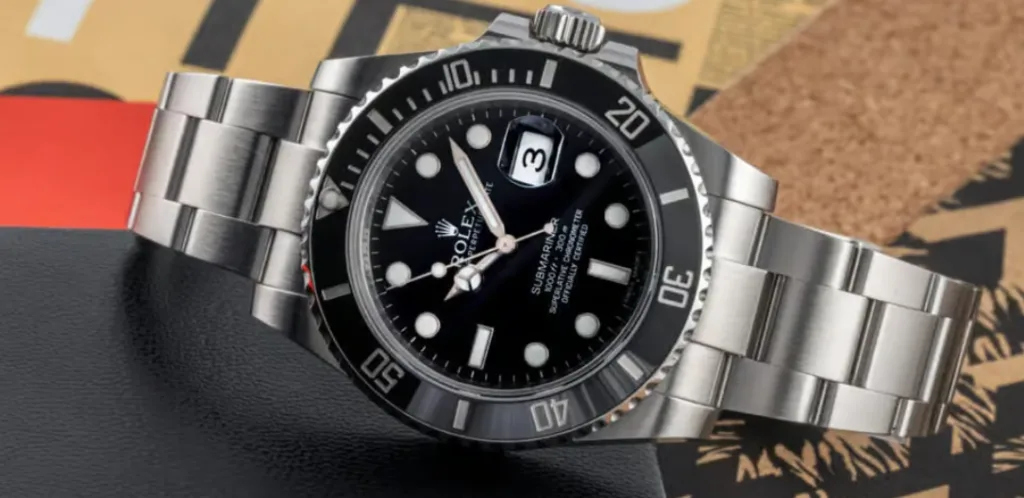
The Rolex Submariner is an undisputed classic in the watch world.
When buying an Audemars Piguet Royal Oak, you roughly know what you're getting: a recognizable design, a high level of recognition, and widespread admiration. Lesser-known or unusual models raise doubts: will they be liked in years to come, will the design prove to be a fleeting fashion trend, will the color be too extraordinary, will you regret the purchase? Classics minimize these risks. That's why most buyers choose the 'usual suspects'.
2. Icons Just Work
Certain watches become icons because they work - harmoniously and universally. Take the Rolex Submariner: sporty but not overly so, elegant but not ostentatious, sturdy but luxurious. It's a balanced accessory. Similarly, the Omega Speedmaster and Cartier Santos are models with designs suitable for almost everyone. Thanks to this, they remain relevant for decades. More experimental models age faster: large cases, bright colors, skeletons, and futuristic shapes quickly go out of fashion. Classics, however, endure these trends without problems. That's why many collectors prefer proven classics to bold experiments.
3. The Watch World Influences Us
Many believe their taste is unique, but in reality, it is shaped by the community. Certain models constantly appear on Instagram, YouTube, and in magazines. This creates a psychological effect: we associate them with success, expertise, and good taste, which is literally captivating. A prime example is Cartier's wild popularity on social media and the growing demand in the secondary market. The more often a model is shown and positively discussed, the more firmly it is ingrained in consciousness. In the end, avoiding influence is difficult. And who can judge these magnificent watches?
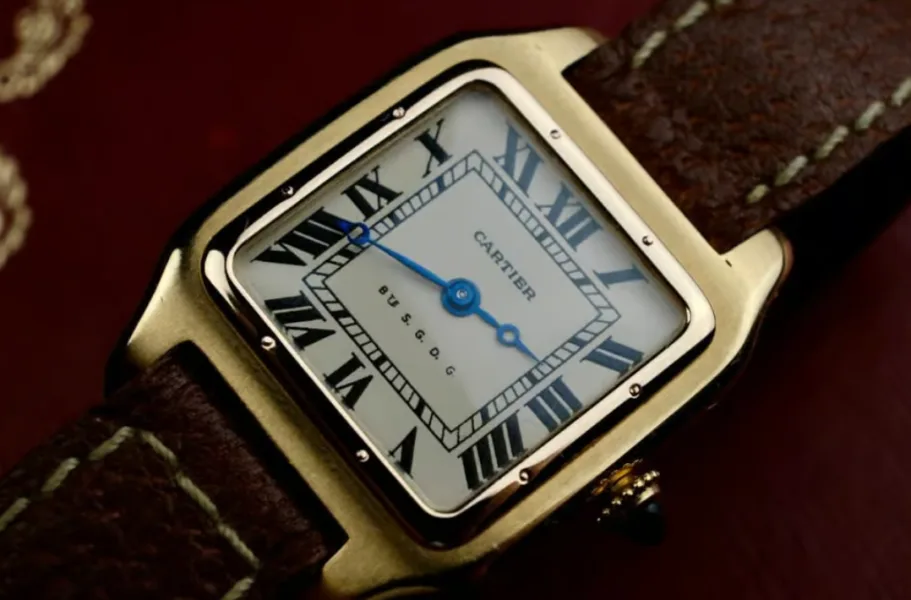
Cartier Santos, Tank, and Panthère - models with wide social recognition.
4. Many Collectors Buy Recognition
This sounds harsh, but it plays a role. Luxury watches are not only about technology but also status. Rolex or Audemars Piguet are recognized even by those far from the watch world. An unfamiliar independent brand is unlikely to attract attention. In expensive watches, social recognition is more important than many are willing to admit. Owning an iconic model makes communication with enthusiasts easier, brings recognition in the community, and confirms good taste. Unusual watches require more confidence - they don't always receive automatic approval. So many, speaking of individuality, still choose classic black divers or blue universals.
5. Black, Blue, and Steel are Universal Colors
A blue dial and steel case are the perfect combination for the office, everyday life, and evening events.
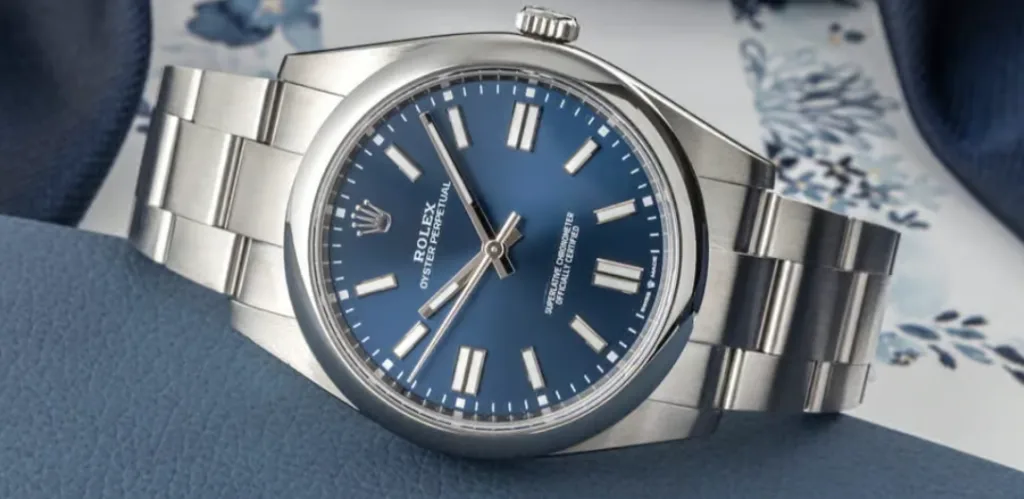
Most do not have collections of 30 models but want a watch for all occasions. Classic combinations win here unequivocally. A black or blue dial, steel case, and sporty design go with jeans and a sweater, as well as a shirt and trousers. Such watches are worn in summer and winter, in the office and on vacation. Bright green, red models, or bronze cases look impressive but do not fit into everyday life and do not suit every outfit. In a work environment, a gold Rolex with an exotic dial might seem excessive or send the wrong signal.
6. Major Brands Tell the Best Stories
An important aspect of luxury watches is storytelling. Brands like Rolex, Omega, Audemars Piguet, and Patek Philippe are surrounded by legends: the Omega Speedmaster was on the Moon, the Rolex Submariner gained fame thanks to James Bond, and the Royal Oak changed the category of luxury sports watches and influenced the modern market. These stories stick in memory and evoke strong emotions. Emotions are often more important than technology, materials, or design. Of course, there are many small brands with excellent quality and interesting concepts, but they lack the rich history that makes iconic models special. For many, watches become more interesting when you feel part of a big story. This is what makes classics so desirable.
7. A Return to Simplicity
Some novice collectors start with bright, complex, unusual models. Over time, something amazing happens: a return to simplicity. Clear, classic forms become more attractive, and wearing comfort more important than flamboyance. Many experienced collectors again choose the models mentioned above because they do not tire over time. Simplicity makes them timelessly beautiful - often the true quality lies in this.
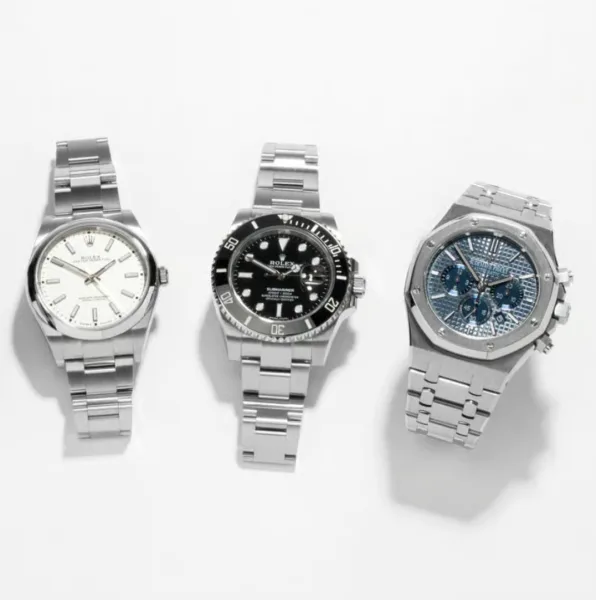
Return to basics - clear shapes, restrained colors, classic materials.
Conclusion: Why We Wear the Same Watches
Most do not choose the same models out of boredom. On the contrary, the Rolex Submariner, Omega Speedmaster, and Audemars Piguet Royal Oak have earned their status by proving their relevance visually, emotionally, and commercially. Of course, it would be interesting to see more daring designs and unusual brands. Many enthusiasts discover independent brands and specialized models. But it is surprising how many people return to classics with their rich history, timeless design, and versatility. Perhaps we wear the same watches not due to a lack of imagination, but because some designs are simply perfect.