A subscriber posed a question that has been raised in various forms: can the Apple Watch be considered a watch in the traditional sense?
This is a very controversial question, and opinions on whether smartwatches can even be considered real watches have long been divided. However, as a person passionate about watches and inclined towards academic analysis, I began to think more deeply about this question and ponder new ones: what does it mean to participate in horology? Are watch collectors and enthusiasts participants in horology by definition? Or is collecting something else entirely? And how does modern technology fit into this conversation?
What is Horology?
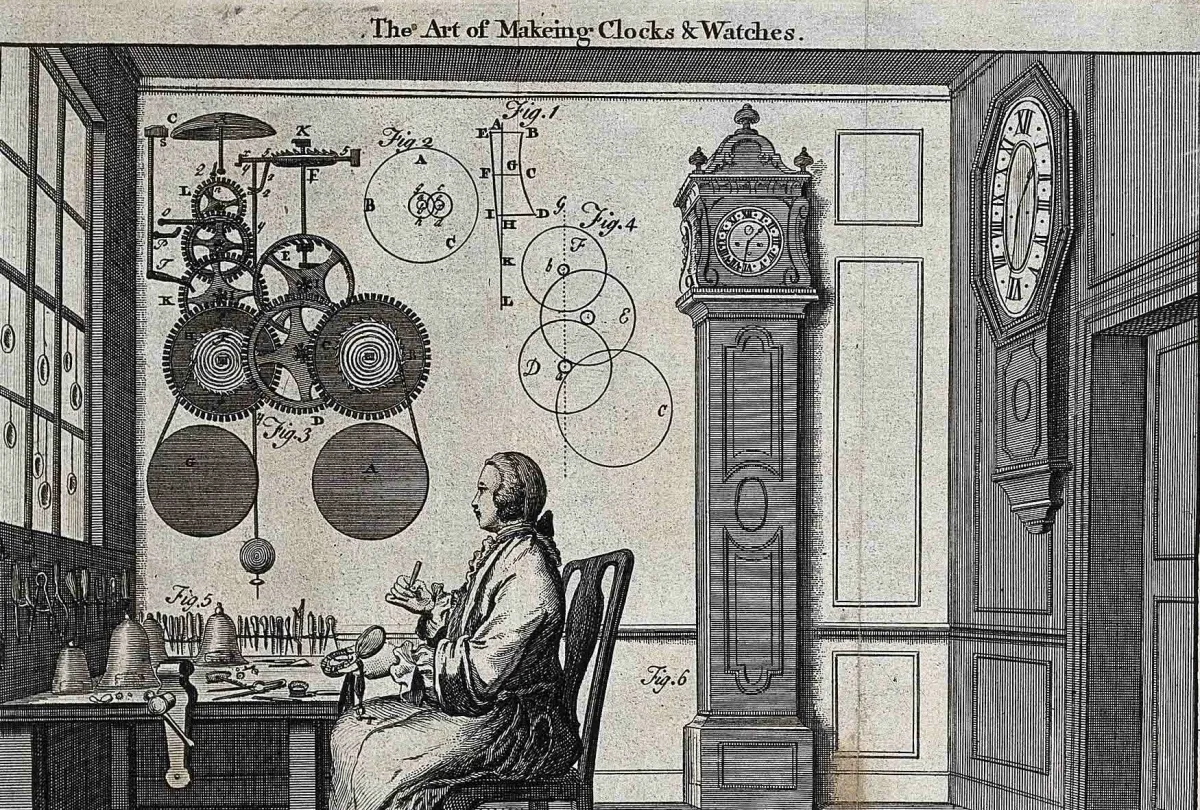
The question "what is horology?" is complex and ambiguous in itself and has previously been discussed on WatchTested. For context, it is worth referring to academic sources. According to Wikipedia, horology is the science of measuring time and chronometry processes. Chronometry in the narrow sense is the establishment of standard time measurements. Horology is most often associated with the study of mechanical devices for measuring time. Perhaps this already excludes smartwatches from the classic definition? According to Merriam-Webster, horology is 1) the science of measuring time and 2) the art of making time-indicating devices. These definitions provide a deeper understanding and will form the basis for further analysis.
What Does It Mean for a Product to Participate in Horology?
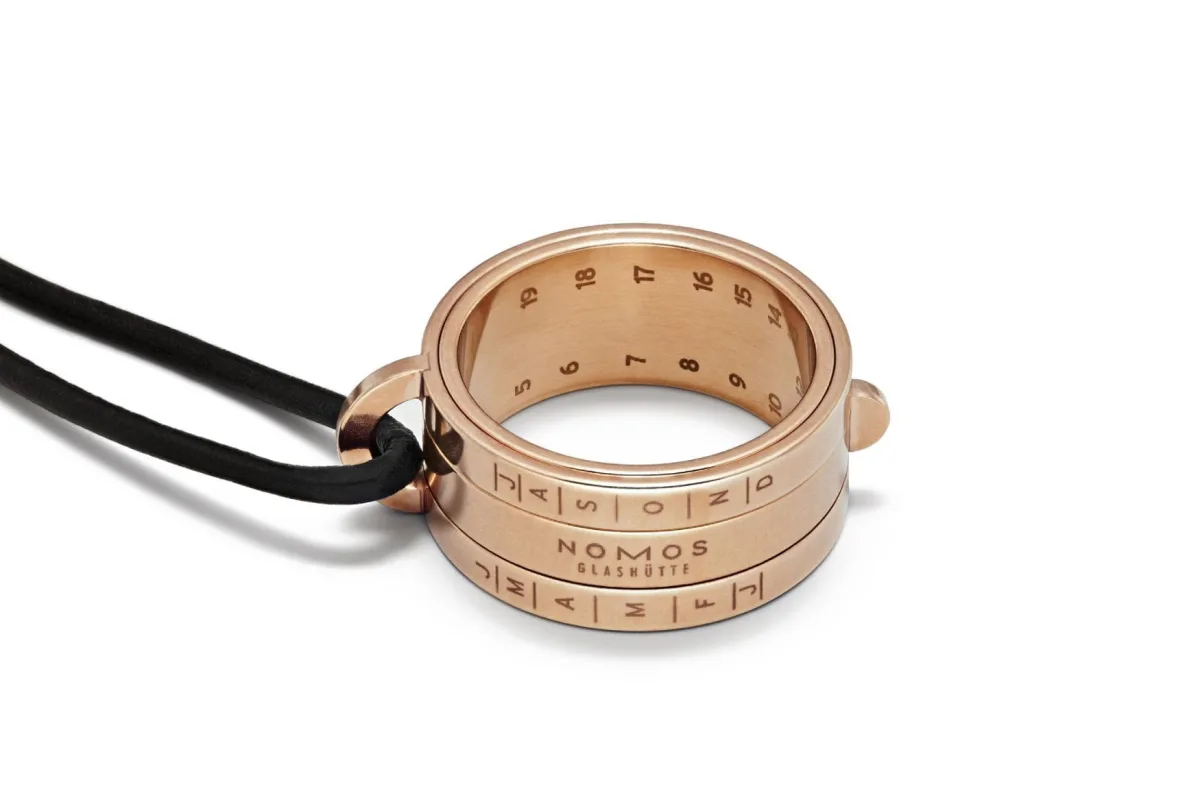
If we consider the first part of the Merriam-Webster definition - "the science of measuring time" - it is logical to assume that any product capable of showing time participates in horology. After all, this requires technology that allows measuring elapsed time. Throughout human history, various ways of measuring time have been invented and perfected, from sundials and hourglasses to modern computer chips. Anything that uses the technology of measuring and displaying time can be attributed to horology.
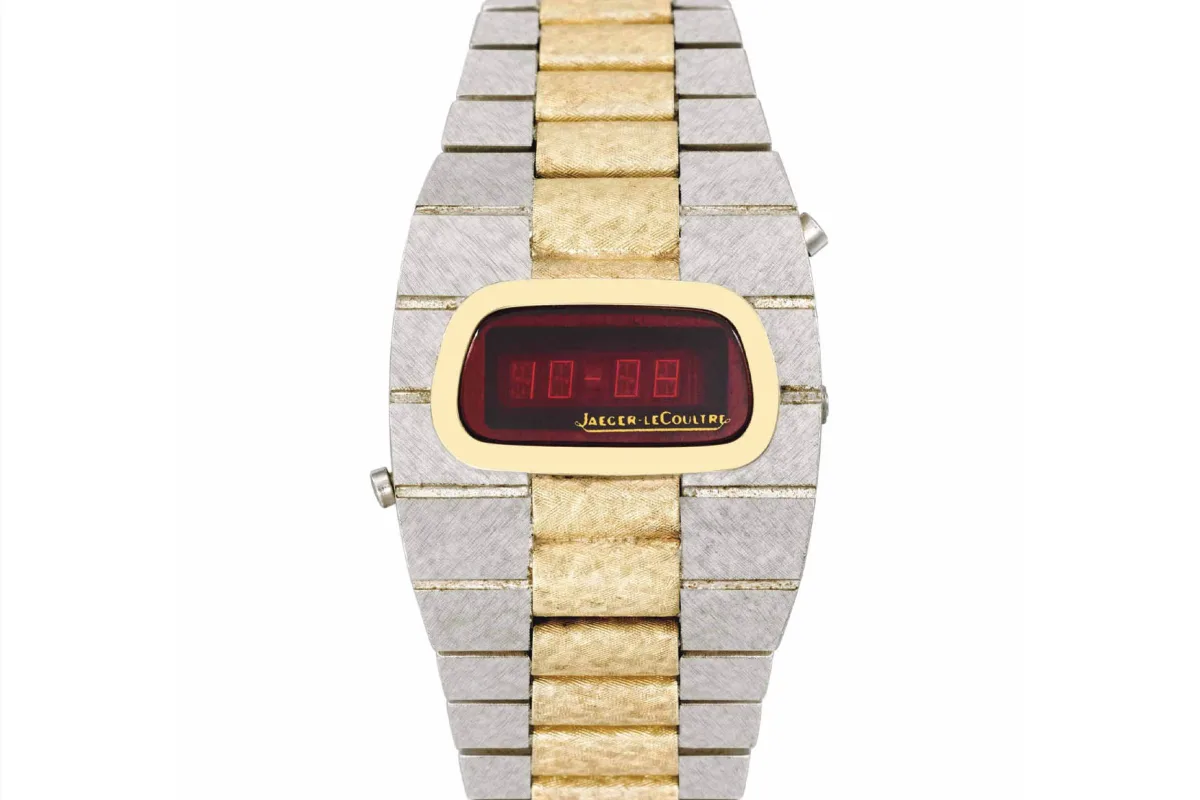
As for the second part of the definition - "the art of making devices for displaying time" - most watch enthusiasts probably associate this with mechanical watchmaking craftsmanship. However, I believe that art is also present in the design of modern products.
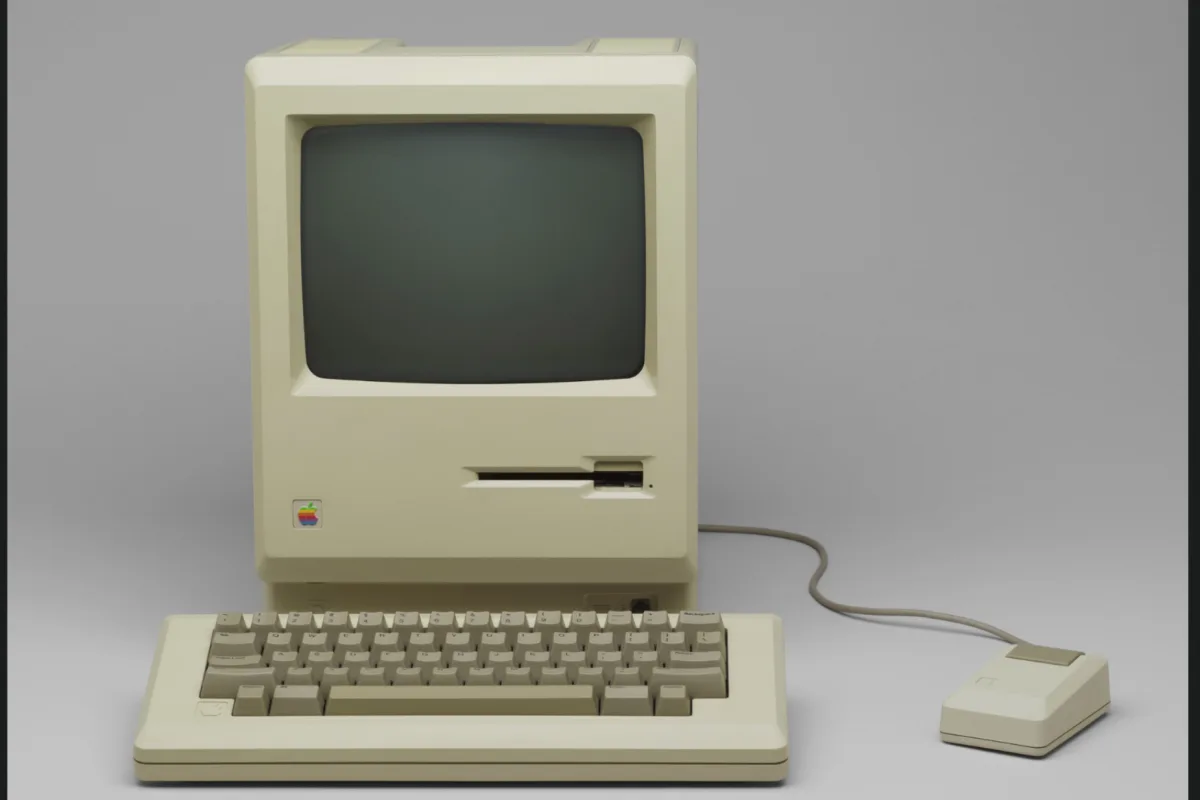
Some smartwatches are made better than others, and regardless of one's attitude towards Apple's products, one can acknowledge that Apple's design team has the talent to create attractive products - this is art. Several Apple products are included in the Museum of Modern Art's collection in New York, including the 1980s Macintosh, iPod, iBook, and others (incidentally, all of them display time). The MoMa collection also includes Swatch watches and more than 2,500 items in the "industrial design" category. It is safe to say that the art of designing time-display devices exists.
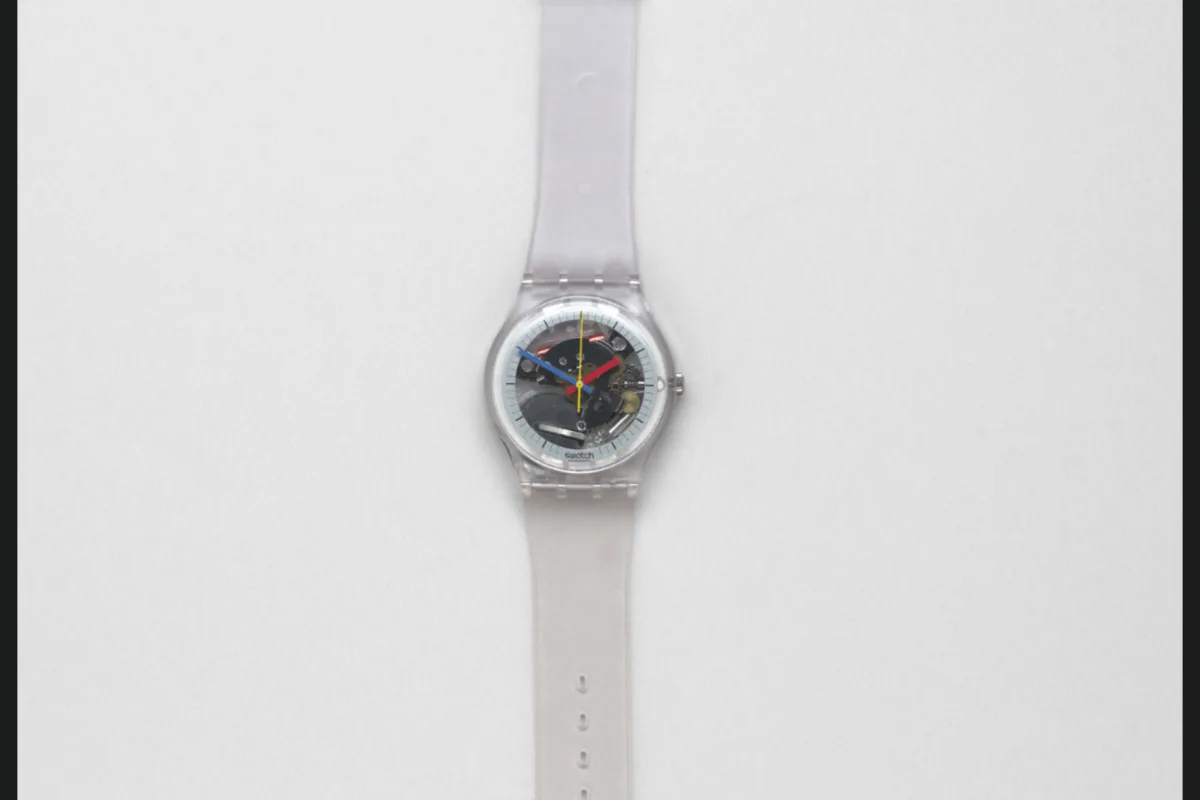
Thus, participating in horology requires using technology that allows displaying time and creating a product with an artistic component intended for displaying time.
Do Collectors and Enthusiasts Participate in Horology?
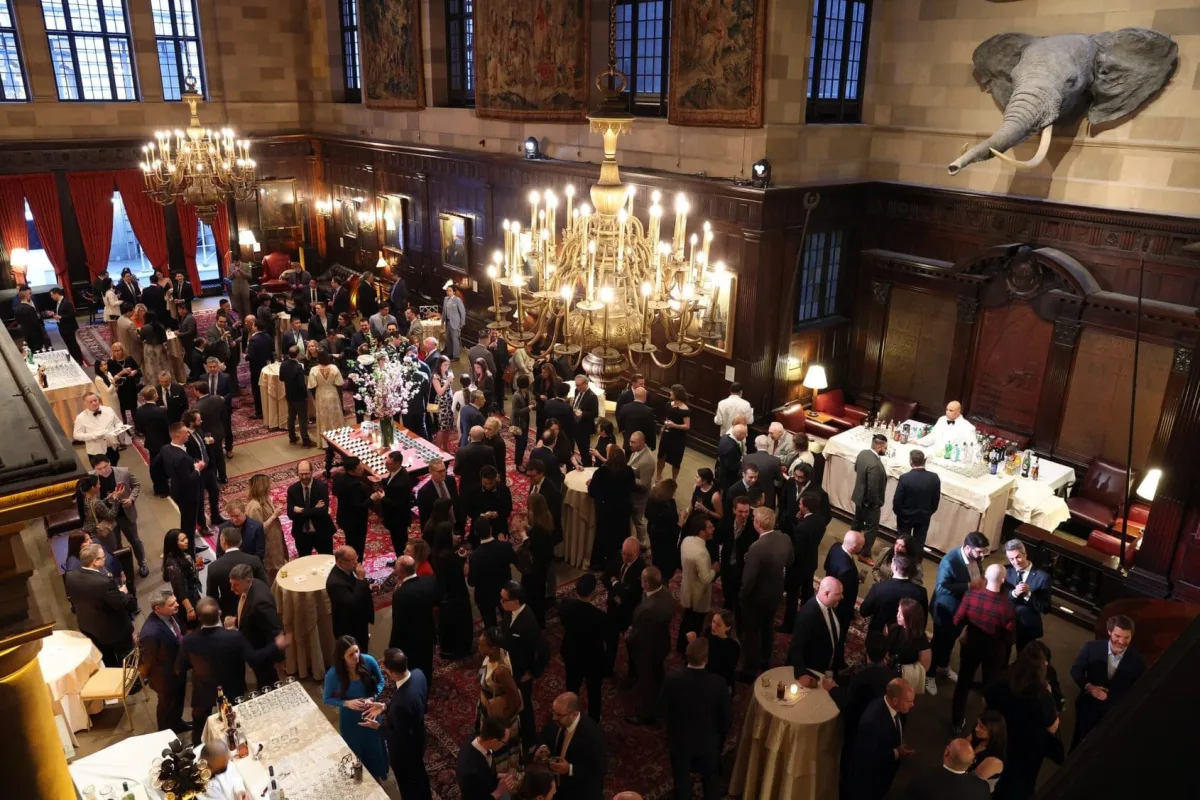
If we adhere to the given definitions, then collectors and enthusiasts do not participate in horology if they are not directly involved in the science of measuring time or creating devices to display it. According to Wikipedia, professionals engaged in the manufacture of chronometric devices, as well as scientists and enthusiasts in this field, are called horologists.
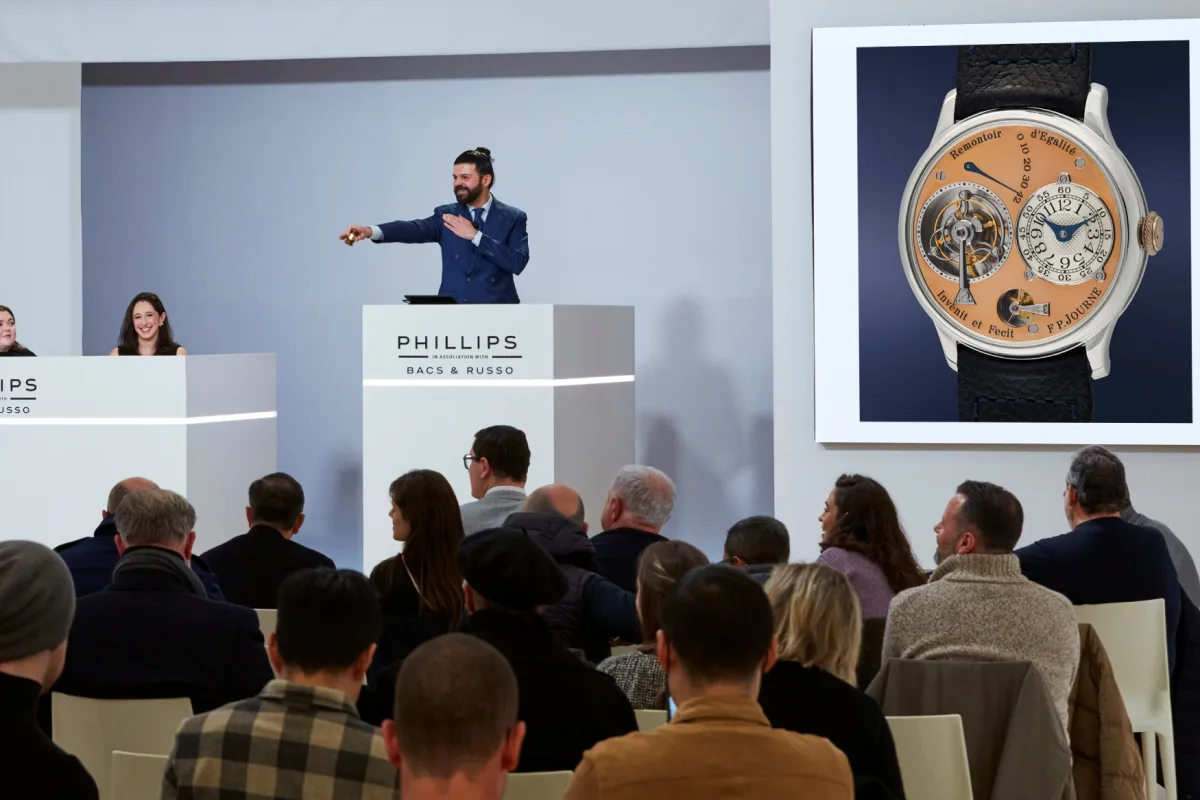
Fortunately, the concept of a horologist includes anyone who actively studies time-measuring devices. This means that reading, learning, and participating in discussions on chronometry is also horological activity. The boundary is drawn at collectors who are interested in watches solely from a financial profit standpoint. Such collectors exist and will continue to exist, and this phenomenon is not limited to watches alone - the same happens with car collectors, art collectors, wine collectors, and more.
Collecting in itself does not make a person an enthusiast, and an enthusiast does not necessarily have to be a collector. If a collector is focused on preserving or increasing the value of their watches and social status, then they are not a horologist. However, if a collector actively studies the technology, history, and design of their watches, they are already involved in horology. One can also be a horologist without collecting, as consuming information is not always associated with acquiring watches. If it were, I would have a lot more watches.
What Role Does Technology Play? Are Apple Watch Part of Horology?
Merriam-Webster defines technology as the practical application of scientific knowledge in a specific area. In the context of time measurement, this includes everything from sundials (ancient technology) to computer chips (modern technology). For watch enthusiasts, the most interesting technologies are those that increase the accuracy of time measurement or offer new methods of chronometry.
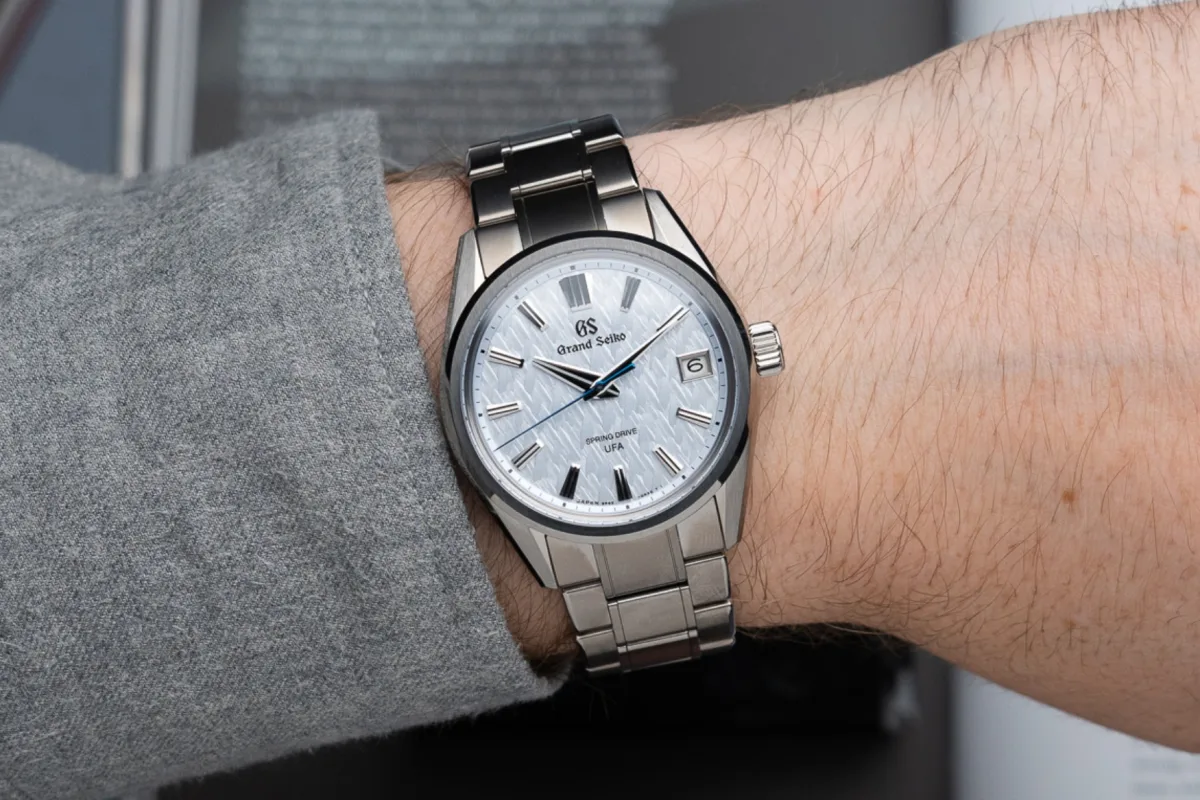
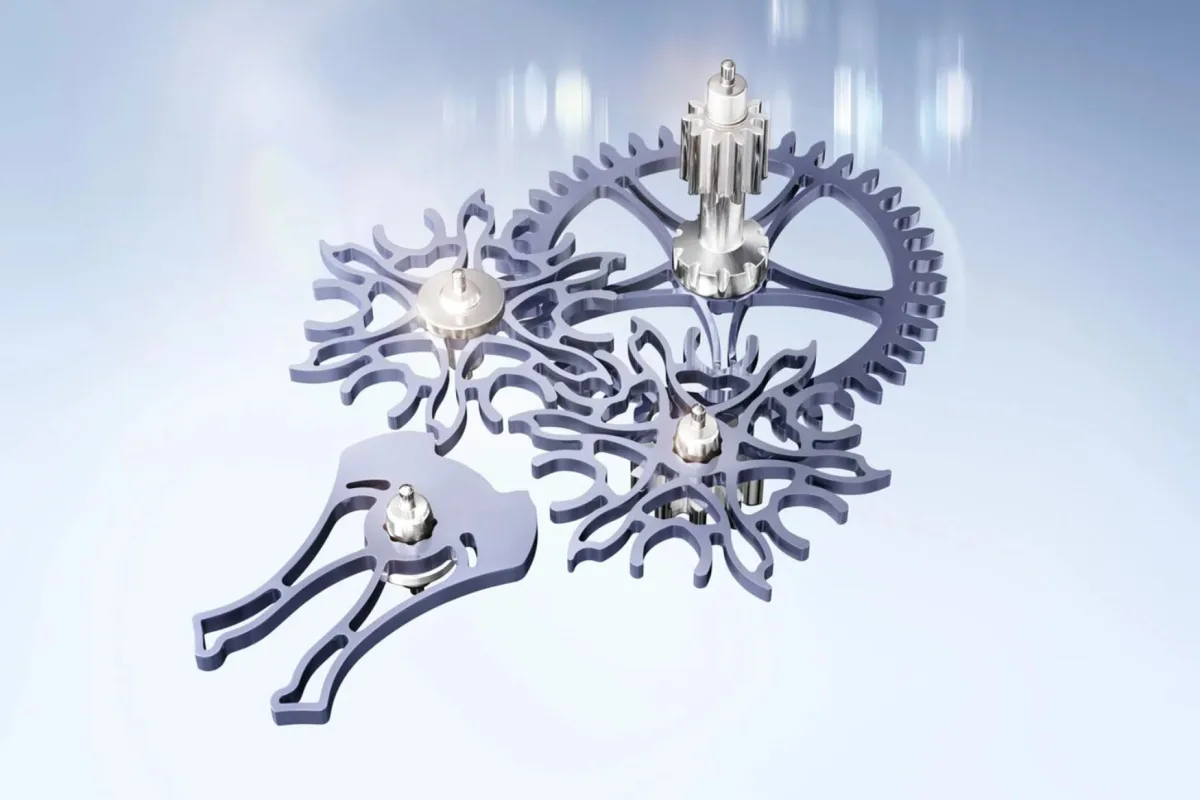
For example, quartz watches became an important technological breakthrough, significantly increasing the accuracy of time measurement. The tourbillon is another technological achievement that reduces the effect of gravity on the balance wheel, improving the accuracy of mechanical watches. Modern innovations such as the Grand Seiko Spring Drive caliber, combining quartz and mechanical technologies with an accuracy of +/- 20 seconds per year, or the Rolex DynaPulse silicon escapement, providing increased accuracy and resistance to magnetic fields, excite enthusiasts.
However, these technological achievements have little overlap with "techno" products like the Apple Watch. Smartwatches perform many functions, and timekeeping is just one of them. The primary purpose of smartwatches is as a fitness tracker, calendar management, notifications, and a multitude of other applications. Their form - worn on the wrist - is more a result of marketing and cultural expectations than a primary function.
Since it is easy to integrate a time tracking and display function into computer devices, and we expect to see watches on the wrist, smartwatches perform the function of a chronometric device alongside other tasks. Separate fitness trackers were once popular, but with the rise of smartwatches, their demand has decreased.
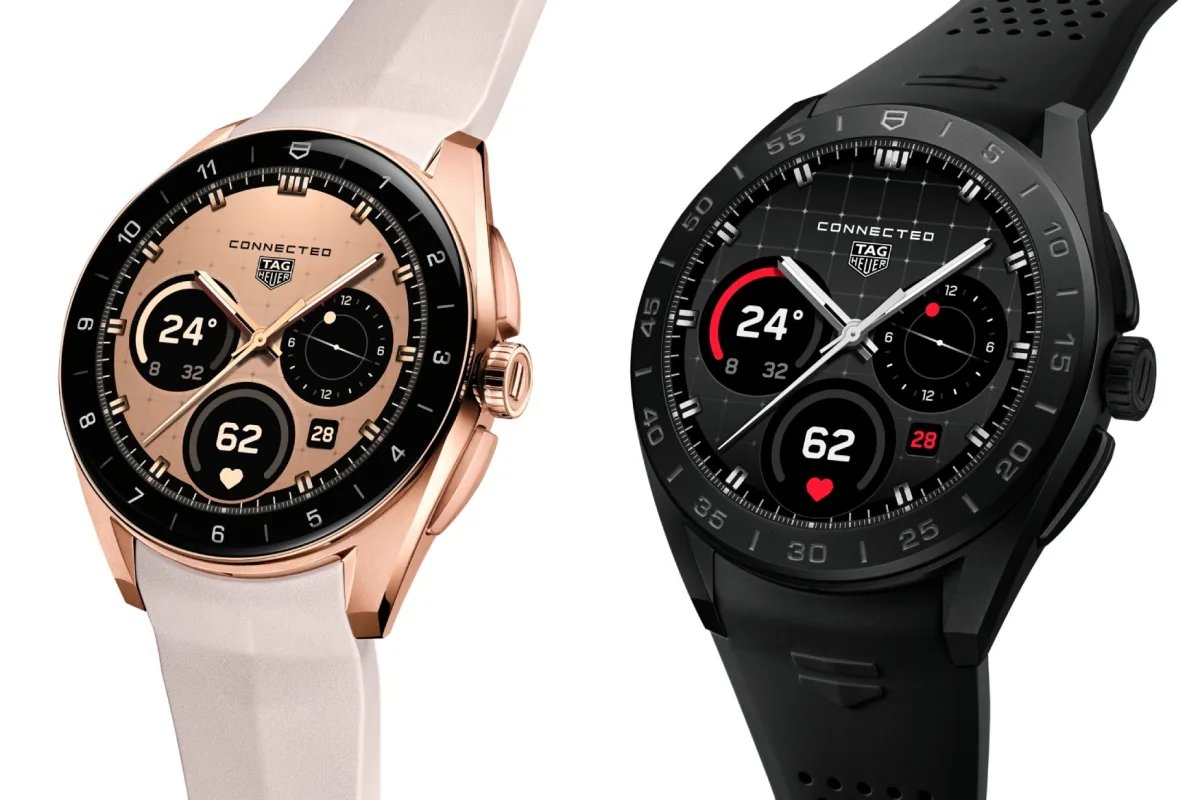
Although the primary function of smartwatches is not time measurement, the fact that they measure time, have the form of a chronometric device, and participate in discussions about time-measuring devices allows us to state that smartwatches indeed participate in horology.
Conclusion: Craft and Art
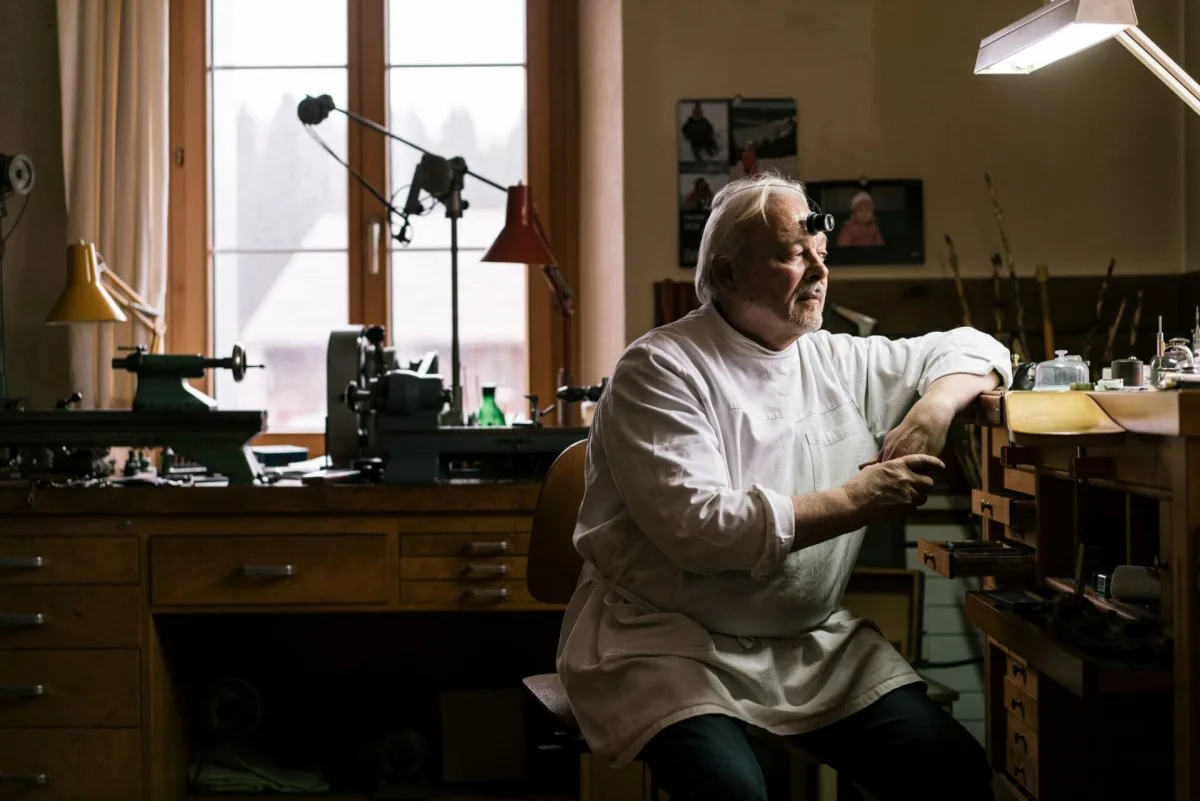
Two important aspects of horology that I have not mentioned are craft and art. Craft is a profession or occupation requiring manual dexterity and/or artistic skill. Art is a skill acquired by experience, study, or observation. In horology, both craft and art exist - from product design to assembly and component manufacturing by high-class craftsmen. In modern watchmaking, this applies to both mass brands like Swatch and independent craftsmen like Philippe Dufour.
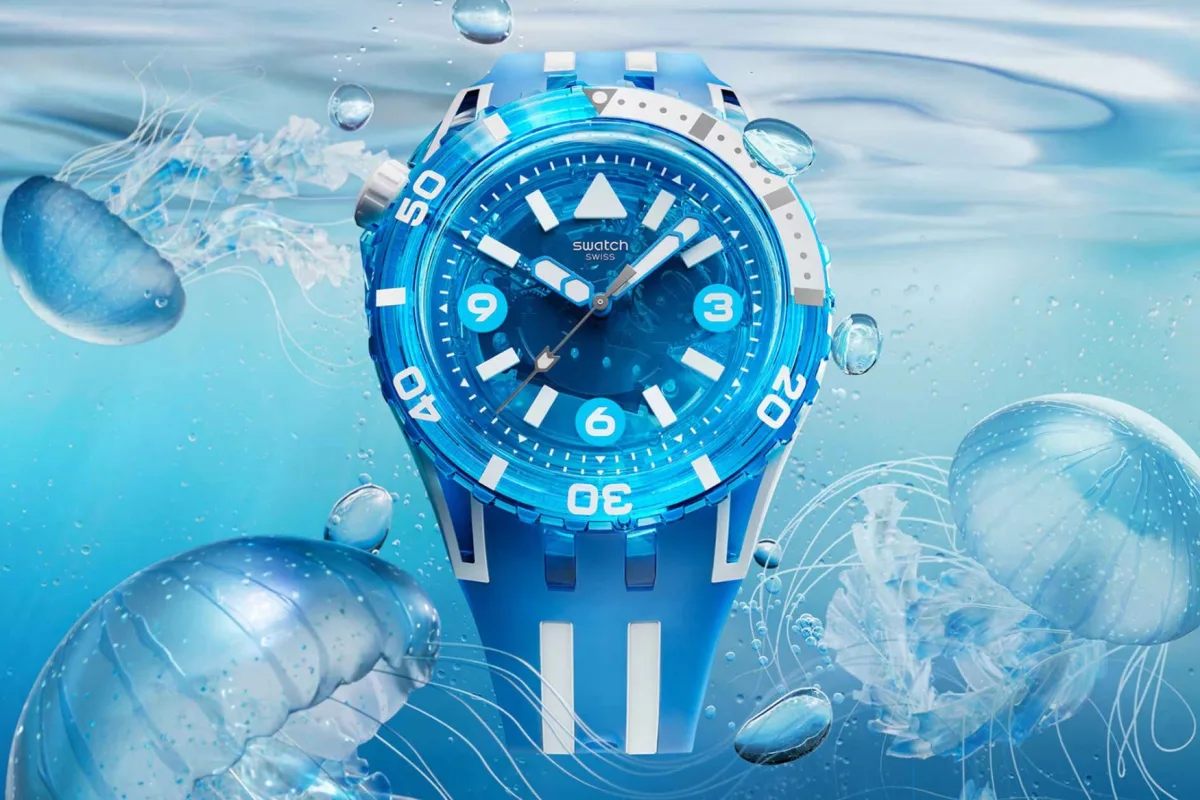
Swatch employs experienced designers dedicated to their craft, perhaps no less than Roger Smith is dedicated to watchmaking. Despite stereotypes about large tech companies, many experts consider programming and design an art. Although there are many ways to compare products and specialists, the question of participation in horology comes down to intent.
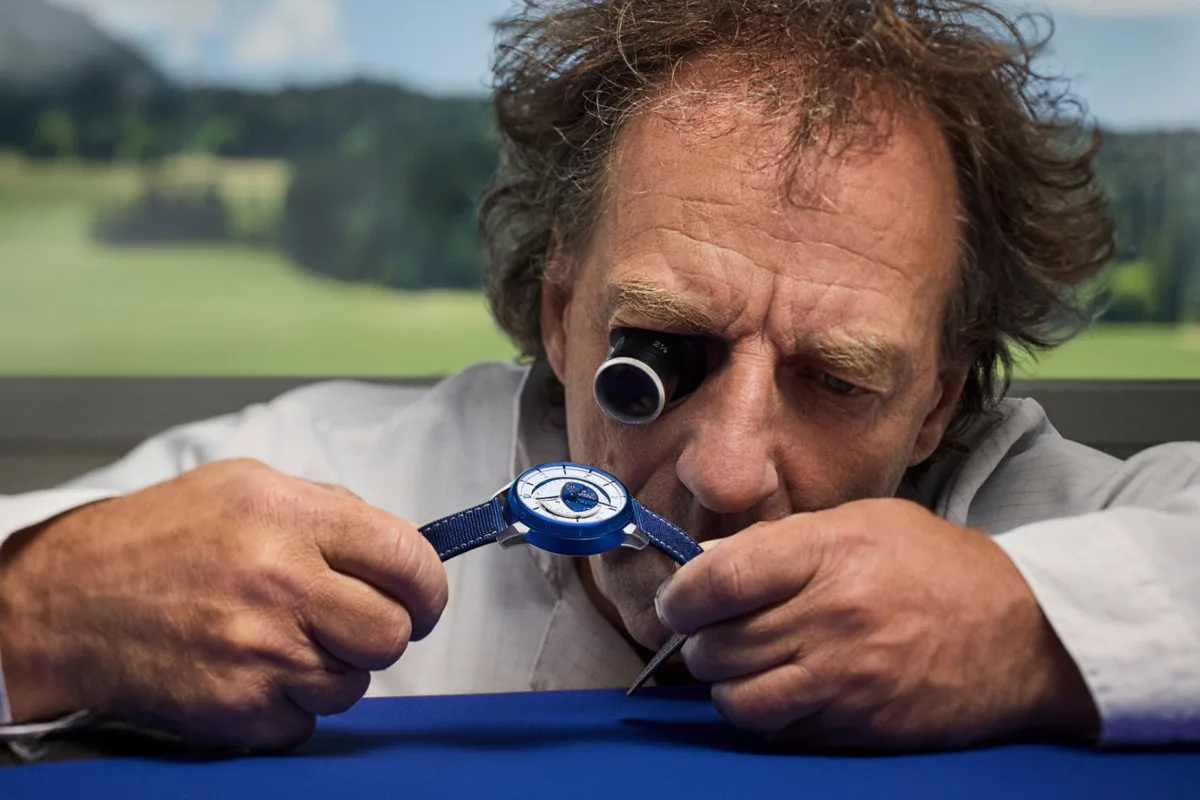
Smartwatches are products participating in horology, but their owners are not necessarily horologists. Horologists are often collectors and enthusiasts, but not all collectors are horologists. There is a small but dedicated group of people passionate exclusively about watches, and another - solely about wall clocks. My parents, for example, have several wall clocks but do not participate in the scientific or discussion processes around horology. Identification with horology is a matter of intent.
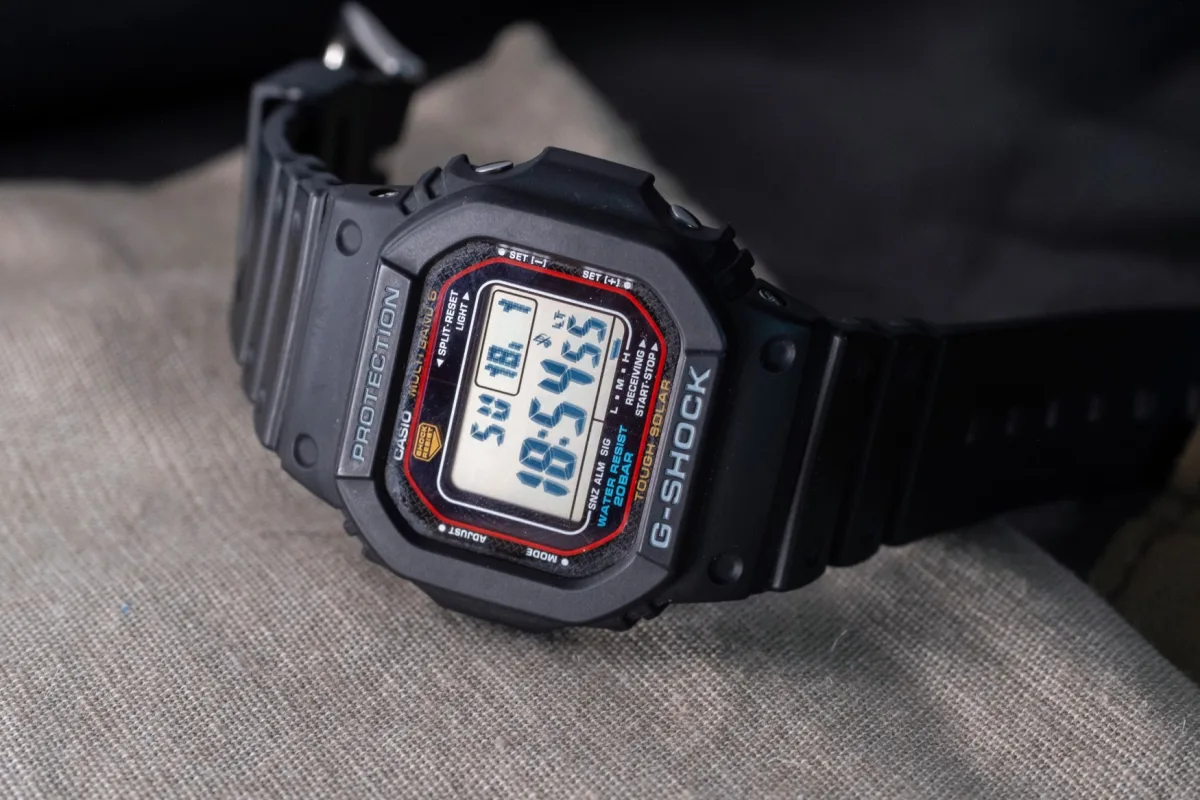
From G-Shock to De Bethune, if you are interested in the technology, art, and craft of horology in any form, welcome to the club! And I will not judge those who wear smartwatches - I wear them on both wrists myself.