Rolex has unveiled two 'exceptional models' that will immediately capture the attention of brand enthusiasts.
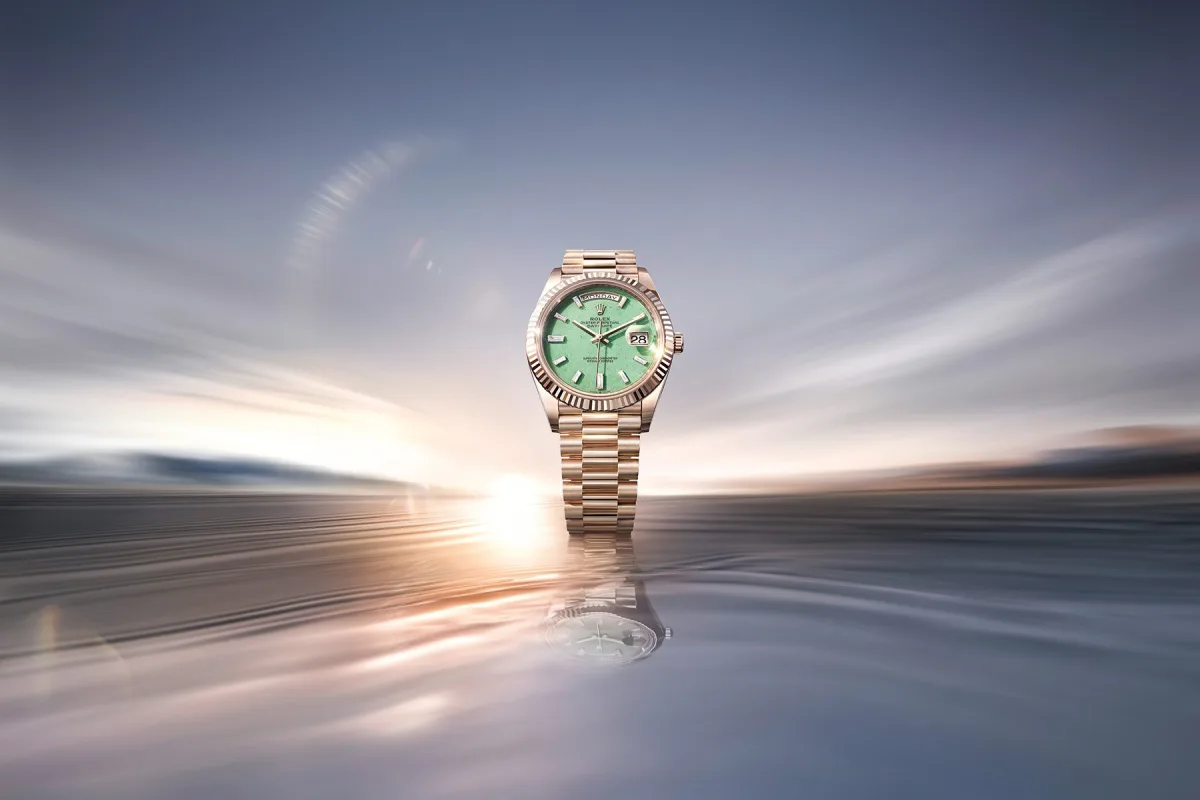
The highlight is the release of the Rolex Day-Date 40 in a completely new Jubilee Gold alloy with a vibrant green aventurine dial. Jubilee Gold is an 18-karat gold alloy fully developed and produced in-house. The second novelty is the Rolex Cosmograph Daytona in Rolesium - a combination of Oystersteel and platinum. The new Daytona features a striking white Grand Feu enamel dial and an anthracite ceramic bezel, resulting in a remarkably bright version of the brand's iconic chronograph.
New Jubilee Gold Alloy in the Day-Date 40
Let's start with the main news - the new Day-Date 40 model in Jubilee Gold. At first glance, the watch seems like an exotic version of the classic Day-Date 40, but upon closer inspection, the gold shade is different. As mentioned, Jubilee Gold is an 18-karat gold alloy entirely developed and produced by Rolex. The company describes the color as a blend of soft yellow, warm gray, and gentle pink tones. This description shows the brand's effort to retain traditional gold shades with a softer, more refined appearance. The new Jubilee Gold looks very elegant, so let's examine it in more detail.
Rolex Oyster Perpetual Day-Date 40 Ref. 228235
Jubilee Gold is the first gold alloy developed and produced solely by Rolex. This step aligns with the industry's trend of brands creating their own unique gold alloys. Jubilee Gold was introduced in the anniversary year - marking 100 years of the Oyster case. The new material joins Rolex's flagship models alongside 18-karat yellow gold, Everose Gold, white gold, and platinum.
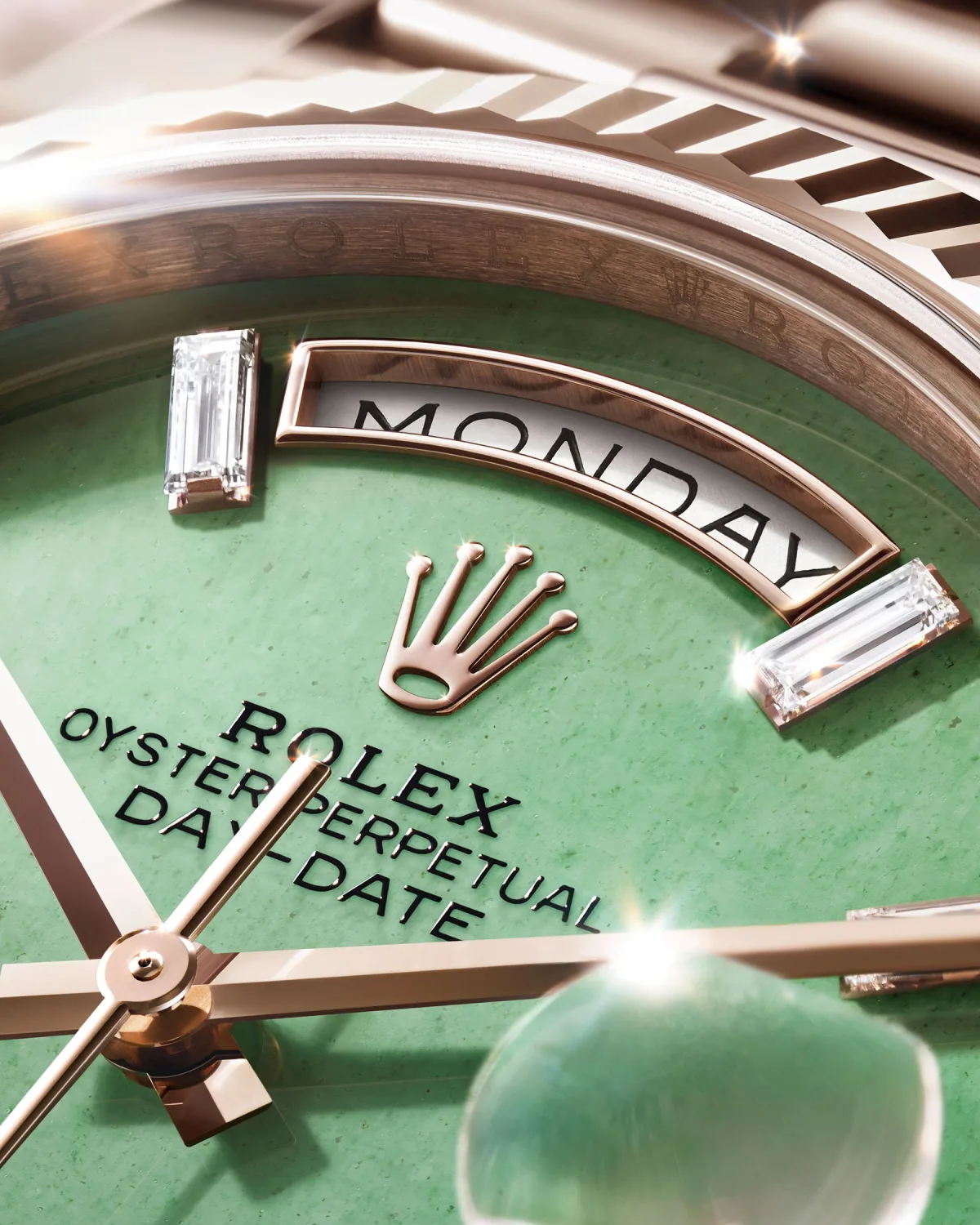
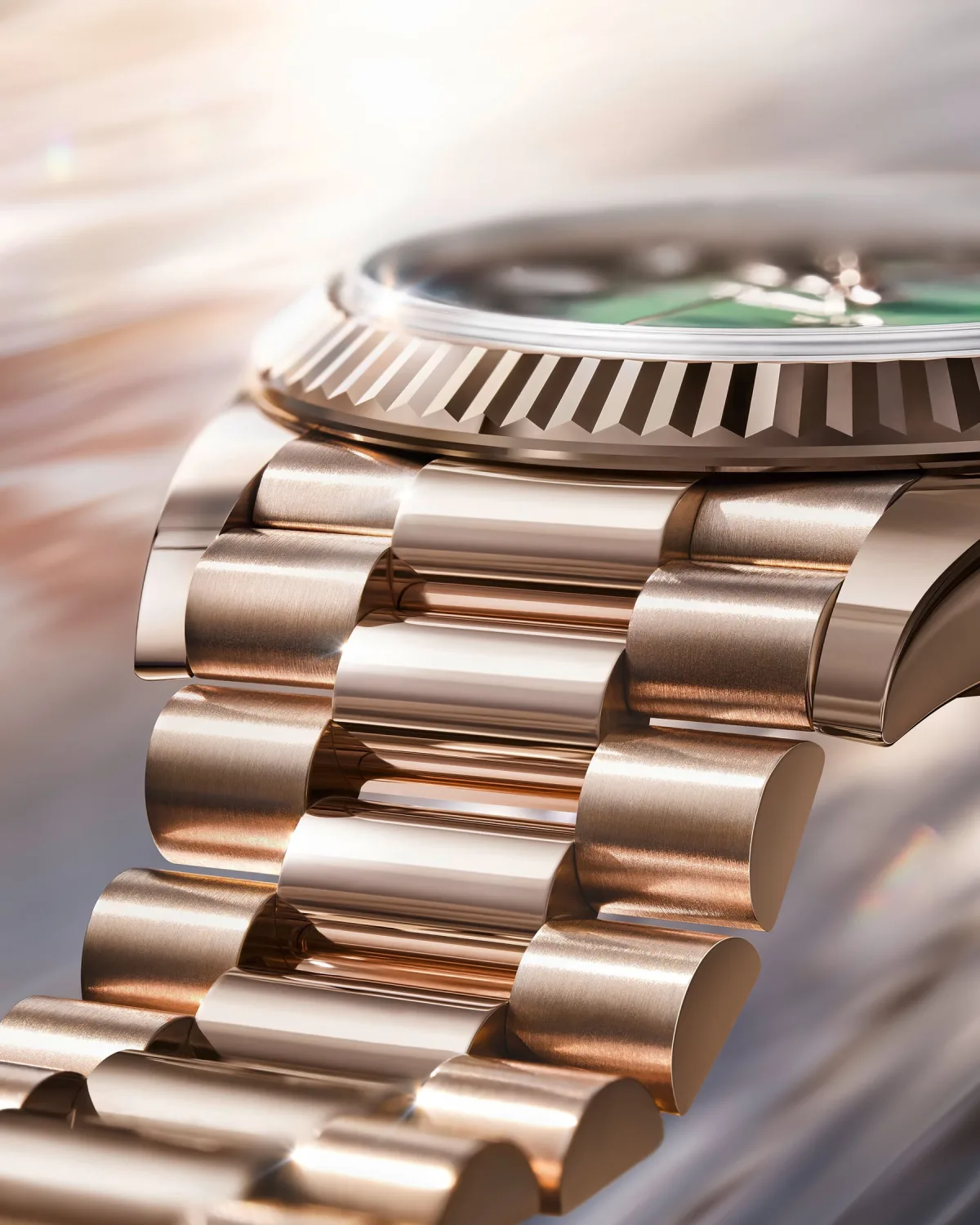
The Day-Date 40 model is the larger of the two available sizes, well-known to most brand fans. The Jubilee Gold case has a diameter of 40 mm and a thickness of 12 mm. It features the signature fluted bezel, made from the same alloy. Completing the look is the President bracelet with a concealed Crownclasp, also crafted from Jubilee Gold. The novelty comes with a vibrant green aventurine dial with ten baguette diamond hour markers.
Non-Catalog Model
The Day-Date 40 is equipped with the proprietary automatic caliber Rolex 3255, operating at 28,800 vibrations per hour, containing 31 jewels, and providing a power reserve of up to 70 hours. The caliber is certified as a Rolex Superlative Chronometer with an accuracy of -2/+2 seconds per day. However, the main news is not in the mechanism.
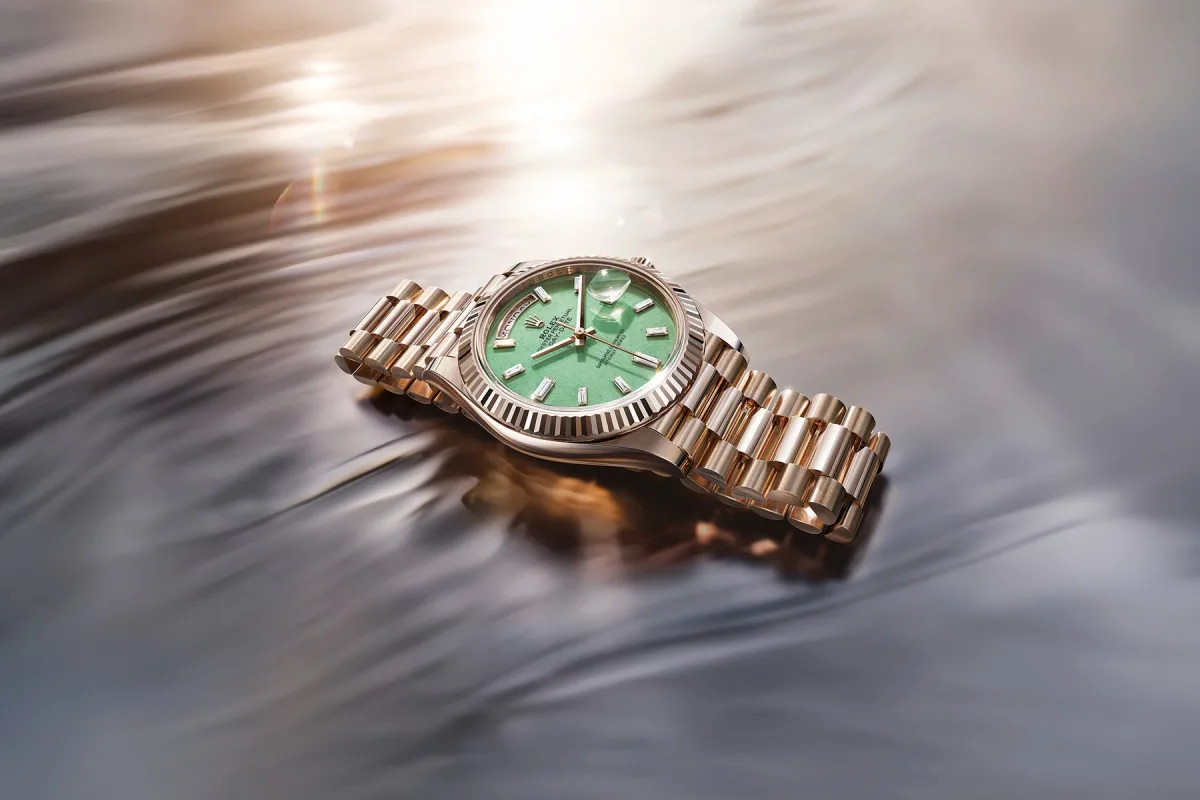
With the release of this model, Rolex introduces a new gold alloy, which we hope will be used in future models. For now, this version is non-catalog and offers a first impressive look at Jubilee Gold. Many Day-Date fans, including the author, eagerly await the appearance of Jubilee Gold in a smaller 36 mm case with an equally impressive dial. For now, the Rolex Day-Date 40 ref. 228235JG is the only watch from the brand made from the new alloy, priced at $62,700.

Rolex Cosmograph Daytona in Oystersteel and Platinum (Rolesium)
Last year, Rolex impressed with a series of Cosmograph Daytona models in gold, which made a big impact. Personally, I was struck by the Everose Gold model with a chocolate dial and the yellow gold model with a black bezel and turquoise lacquered dial on an Oysterflex strap. The latter became one of my favorite novelties of 2025. This year, the company presented another impressive version of the iconic chronograph, but this time without visual extravagance. However, don't be fooled - this is one of the most special Daytonas.
White Grand Feu Enamel Dial
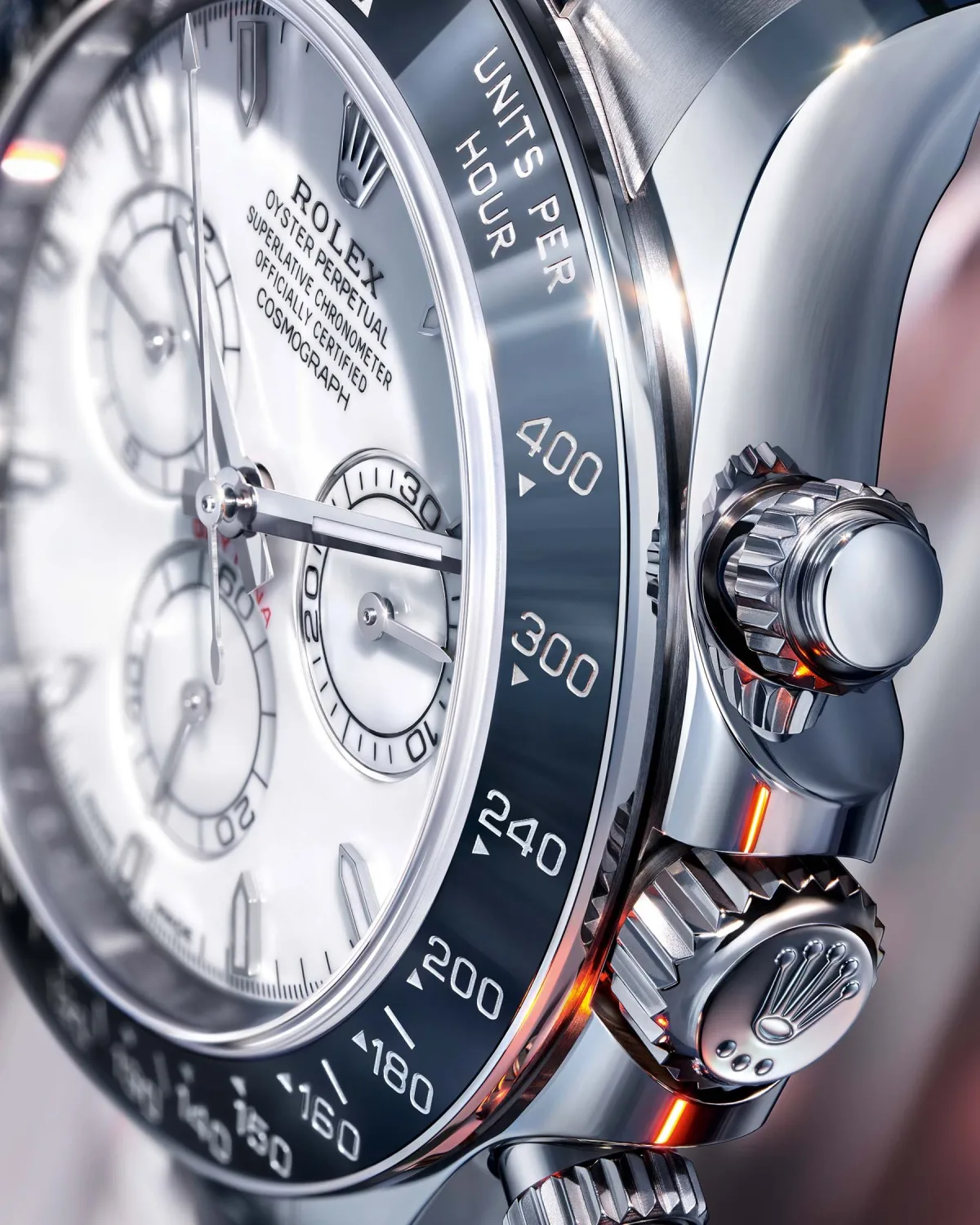
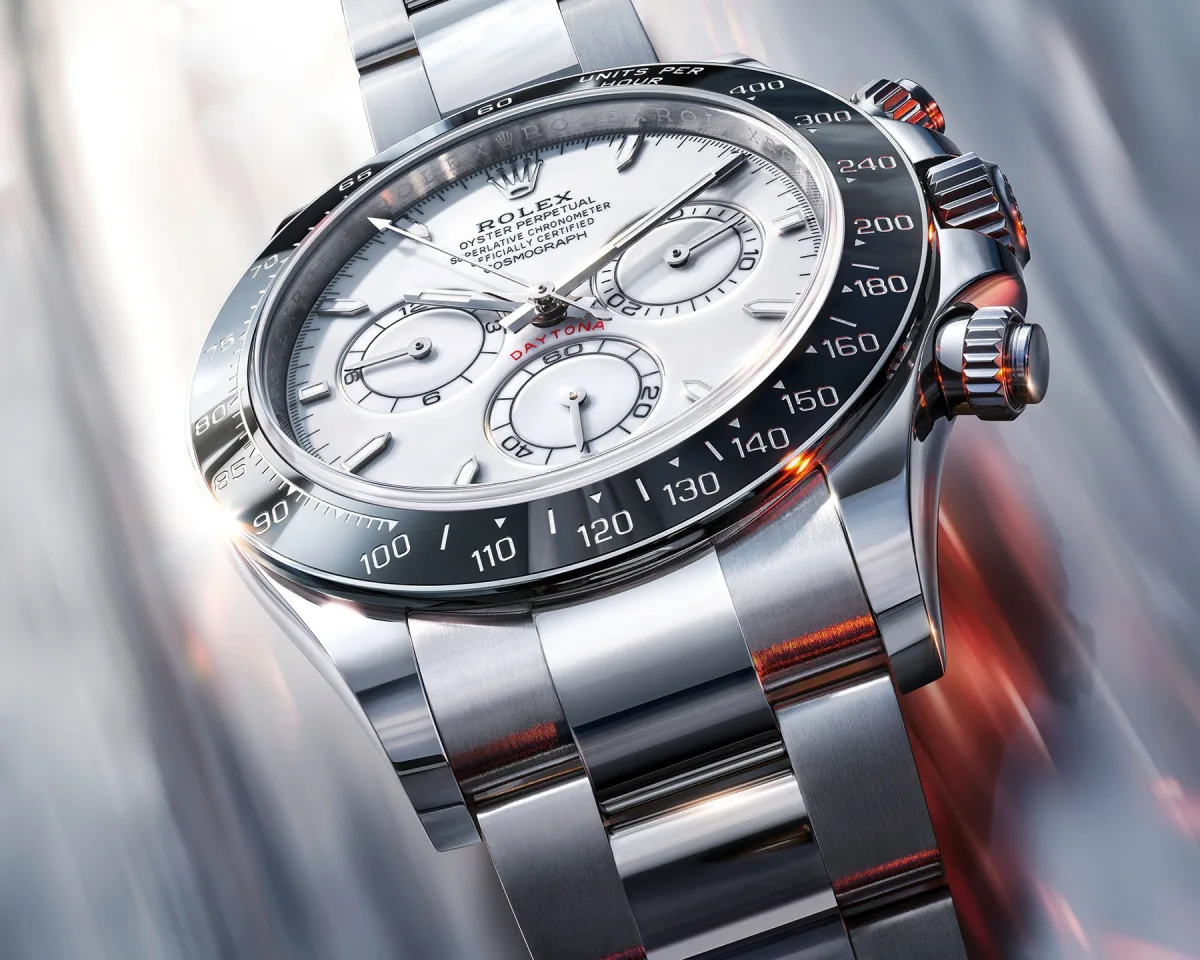
While the combination of platinum and steel is already intriguing, it is just part of the story. The dial is made of white Grand Feu enamel with applied indices covered with white lume. The glossy white background looks bright and clean, with the only color accent being the red "Daytona" inscription above the sub-dial at the "6 o'clock" position. The rest of the inscriptions and scales are done in black for contrast. The impression of the dial is exceptional clarity and purity, which sets it apart from other Daytona models.
Anthracite Cerachrom Ceramic Bezel
Another novelty is the anthracite Cerachrom insert bezel. It's not only a new color but also a new metallic texture. The bezel is made from a new composite material, not the usual zirconium-based Cerachrom ceramic. The new composition is enriched with tungsten carbide, for which a patent application has been filed. Additionally, Rolex redesigned the tachymetric scale: the markers and numbers are now recessed into the ceramic and done in a modern font.
Mechanism and Non-Catalog Status
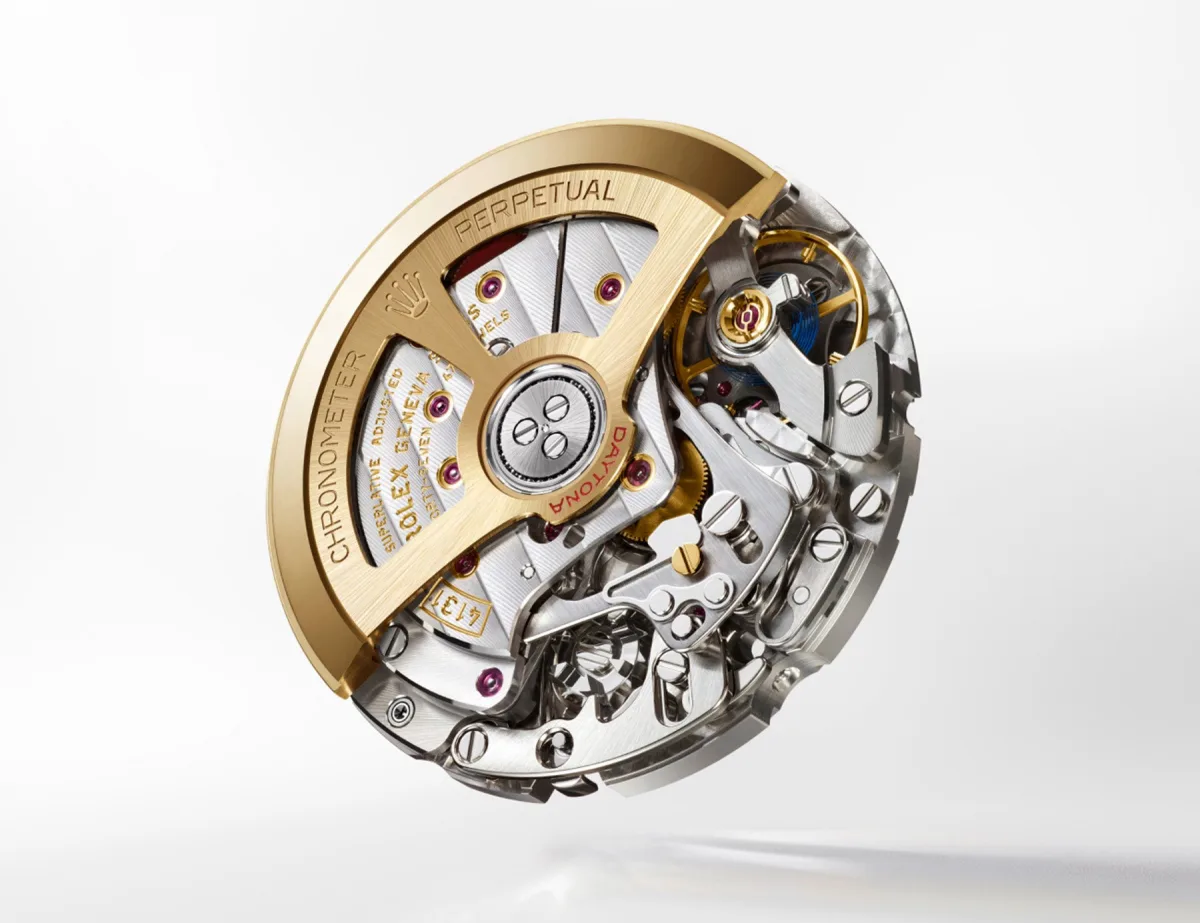
Inside the new Rolesium Daytona is the proven Rolex 4131 caliber with automatic winding, featuring a gold rotor visible through the transparent case back. The mechanism operates at 28,800 vibrations per hour, contains 44 jewels, and provides a 72-hour power reserve. The caliber is also certified as a Rolex Superlative Chronometer with an accuracy of -2/+2 seconds per day.
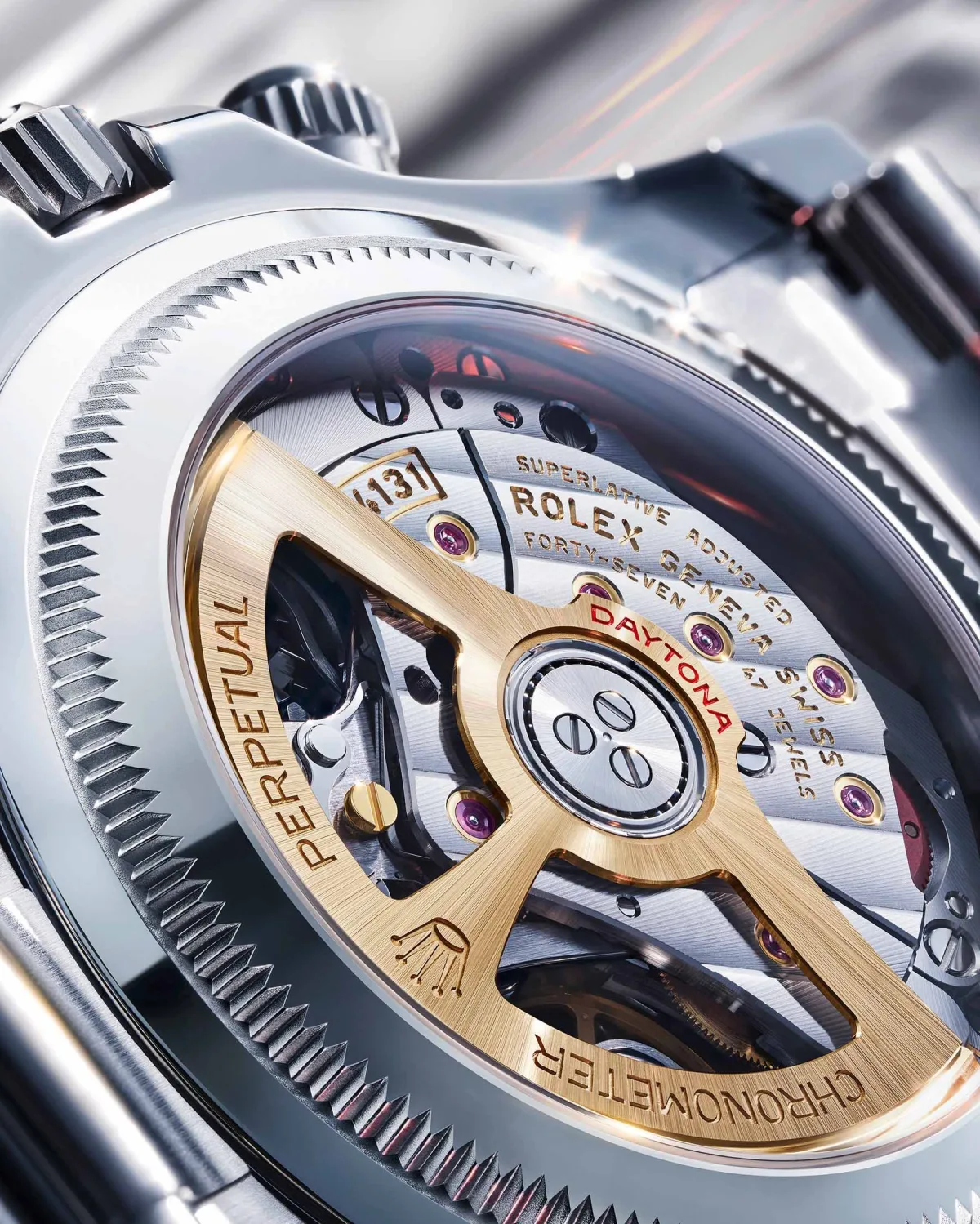
The new Rolesium Rolex Cosmograph Daytona ref. 126502 is not just another Daytona. It's a continuation of a series of limited and non-catalog models that are hard to acquire. Considering the unique design and technical features, the demand for these watches is expected to be very high.

The price of the novelty is $57,800, but acquiring it will require more than just money - persistence is needed to become the owner of perhaps the most unexpected Daytona in the current collection. With a pure white enamel dial and a deep anthracite bezel, this model is among the most striking Daytona releases in recent years.