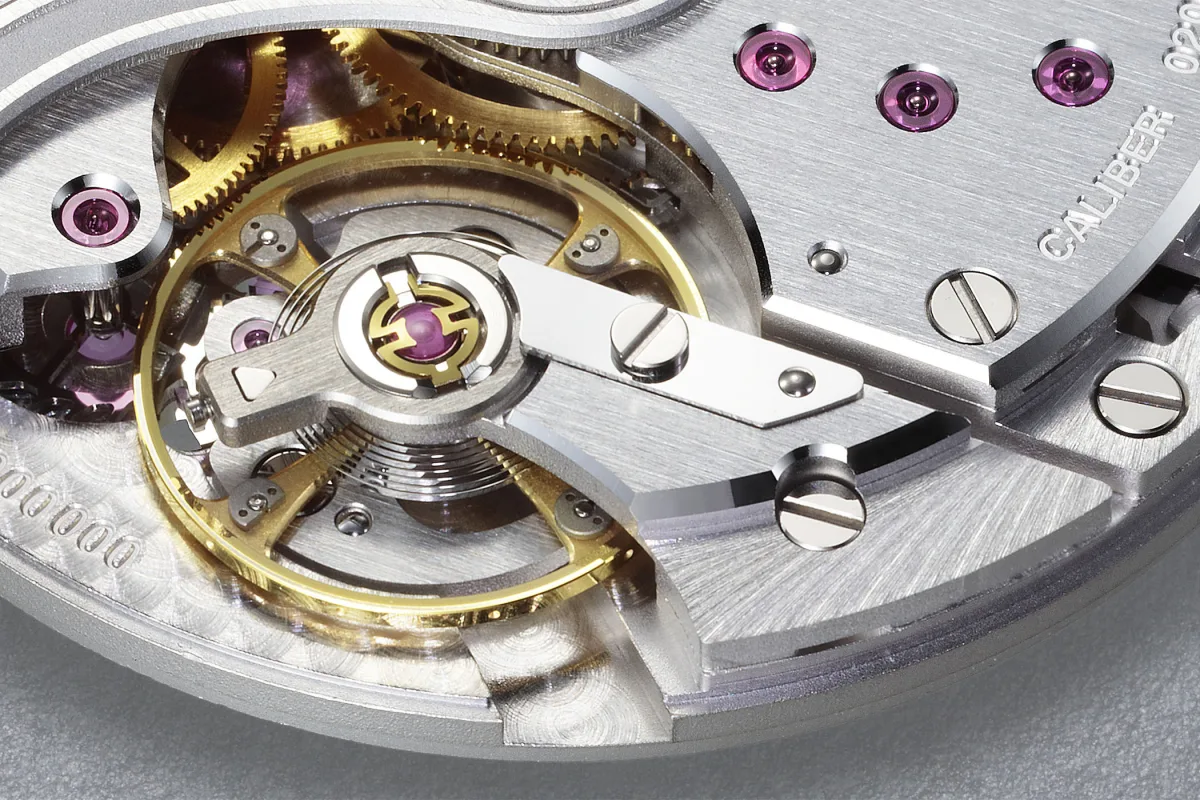
Citizen is not a name you often hear in WatchTested. We specialize almost exclusively in mechanical watches, most of which fall into the "luxury" category. This doesn't mean that a brand with the history and scale of Citizen escapes our attention, but the company's bread and butter tends to lie outside our scope. However, the latest Caliber 0200 model proves that Citizen knows a thing or two about high-end watchmaking and can produce luxurious mechanical pieces with a level of precision that exceeds chronometer standards. Let's take a closer look at this horological juggernaut, its relentless pursuit of accuracy, and the overall mechanical craftsmanship that might surprise some of you.
A BRAND FOR THE PEOPLE
Although Citizen was founded in 1930, its history dates back to 1924 with pocket watches produced by the Shokosha Watch Research Institute, founded in 1918. Swiss watchmaker Rodolphe Schmid registered the name "Citizen" in Switzerland in 1918 specifically for watches sold in Japan. This idea was supported by the mayor of Tokyo, Count Goto Shinpei, who wanted affordable and quality watches to be available to the masses. The mayor's vision of watches "loved by citizens for a long time" led to the pocket watches of 1924 being named "CITIZEN." Japanese and Swiss investors founded the Citizen Watch Company (named after the watches), and the company's ethos has always been "watches and people living together." Before World War II, the company largely relied on technology and know-how from Switzerland, but has since become one of the largest watch producers and vertically integrated manufacturers in the world.
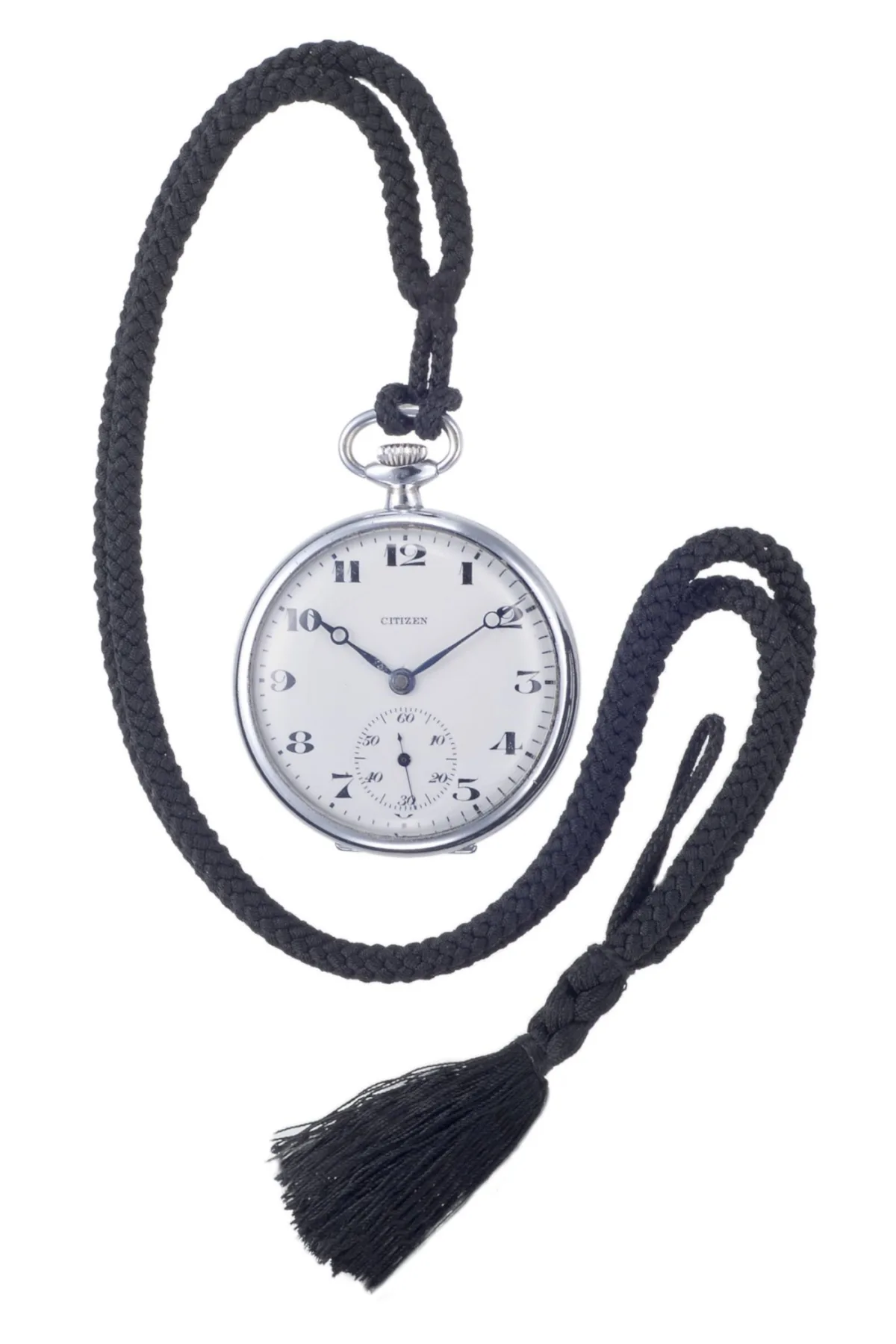
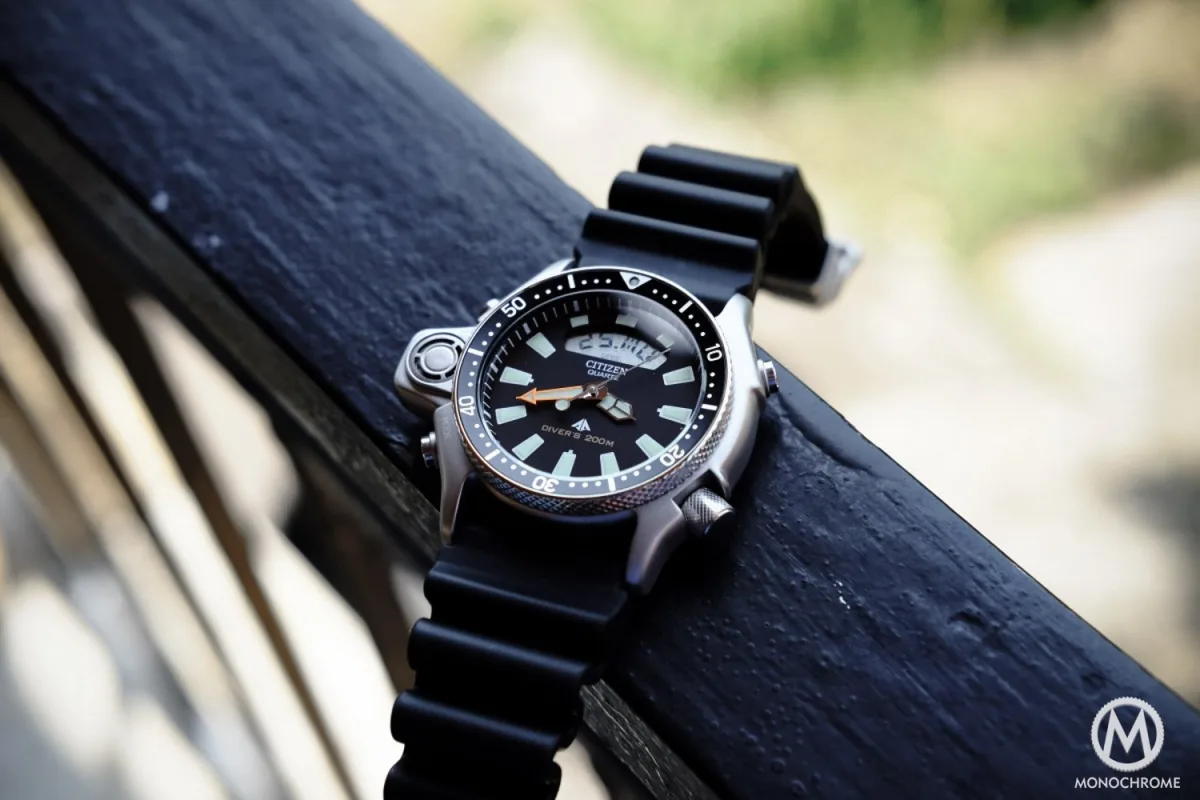
After the war, Citizen steadily advanced by introducing complications and increasing production volumes. For instance, in 1952, the company released the first Japanese watch with a calendar, and a few years later began exporting watches. Today, Citizens are sold in most shopping malls, department stores, and other locations where diverse collections of affordable watches are offered. They are as ubiquitous as Android smartphones (how's that for a comparison), and while they are popular as affordable, reliable tools, many of them boast sophistication, such as the Aqualand Promaster. However, don't let the abundance of "cheap" models fool you.
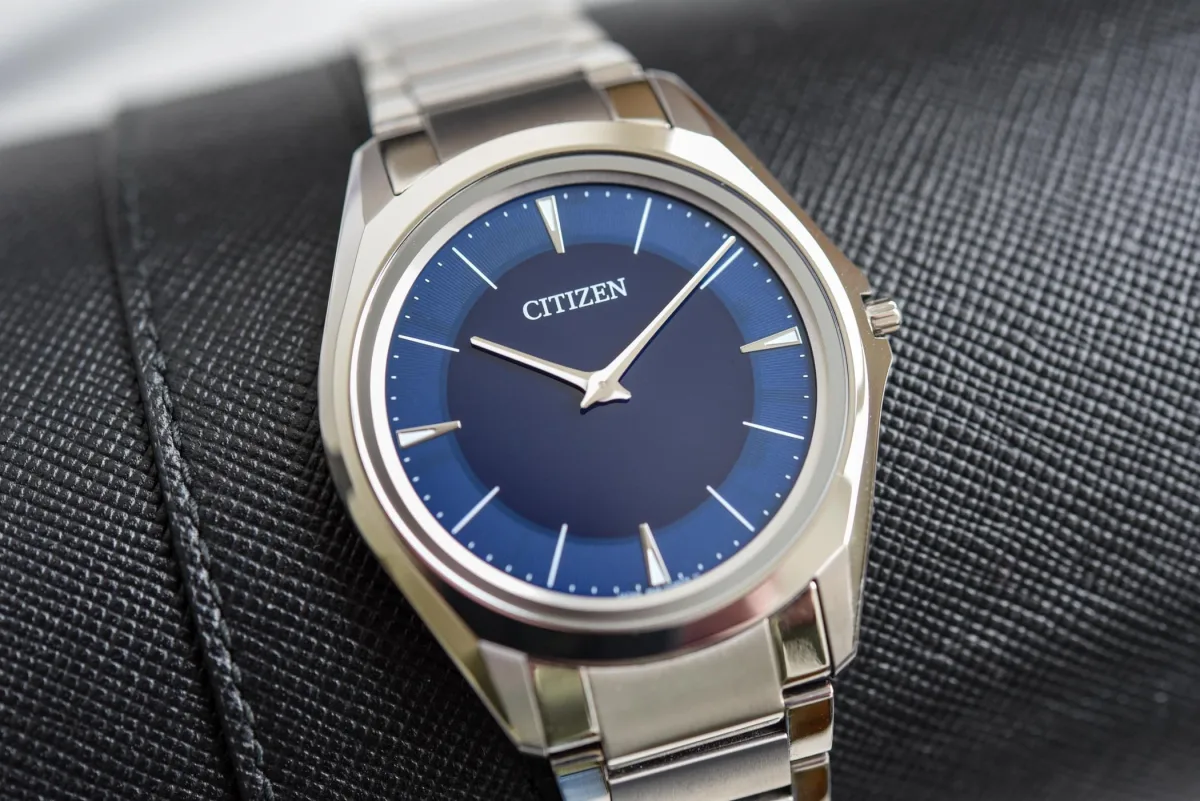
Like Seiko, Citizen has been one of the main innovators since its inception, introducing many firsts over more than half a century. In 1964, the company established a technological research lab and within two years introduced Japan's first electric watch, the X8 Cosmotron. This was a hybrid-electric movement that replaced the mainspring with an electronic equivalent, unlike Hamilton's Ventura watch in 1957 (the first battery-powered wristwatch). The X8 was a significant achievement for both Citizen and the Japanese watch industry, and innovation became a call to action for the next half-century.
THE INEVITABLE ELECTRICITY
In 1969, Seiko introduced the world's first quartz watch, the Astron. They forever changed the watch landscape (for better or worse) and provided an unprecedented level of accuracy at the time. By 1976, Citizen was not only producing its own quartz oscillators but also introduced the world's first commercially available analog quartz watch with a solar battery, the CRYSTRON SOLAR CELL. Partly, this was a response to the global oil crisis of 1973, when companies began exploring alternative energy sources. Citizen aimed to improve the relatively short lifespan and the need for disposing of millions of batteries for quartz watches.
However, the technology did not fit the brand's ethos - "watches and people living together." Indoor lighting was rarely sufficient to produce enough electricity, and the rechargeable battery held little reserve, so it never met the standards of everyday watches. In the mid-1980s, a model debuted with an eight-day power reserve, and indoor lighting became sufficient. By 1995, lithium-ion technology allowed for a six-month power reserve, and the famous Citizen Eco-Drive model was born. In 2007, Citizen estimated that its technology had prevented the disposal of ten million watch batteries in North America alone. This was remarkable for the environment and served as an example of efficiency, but it did not improve the actual precision of quartz watches.
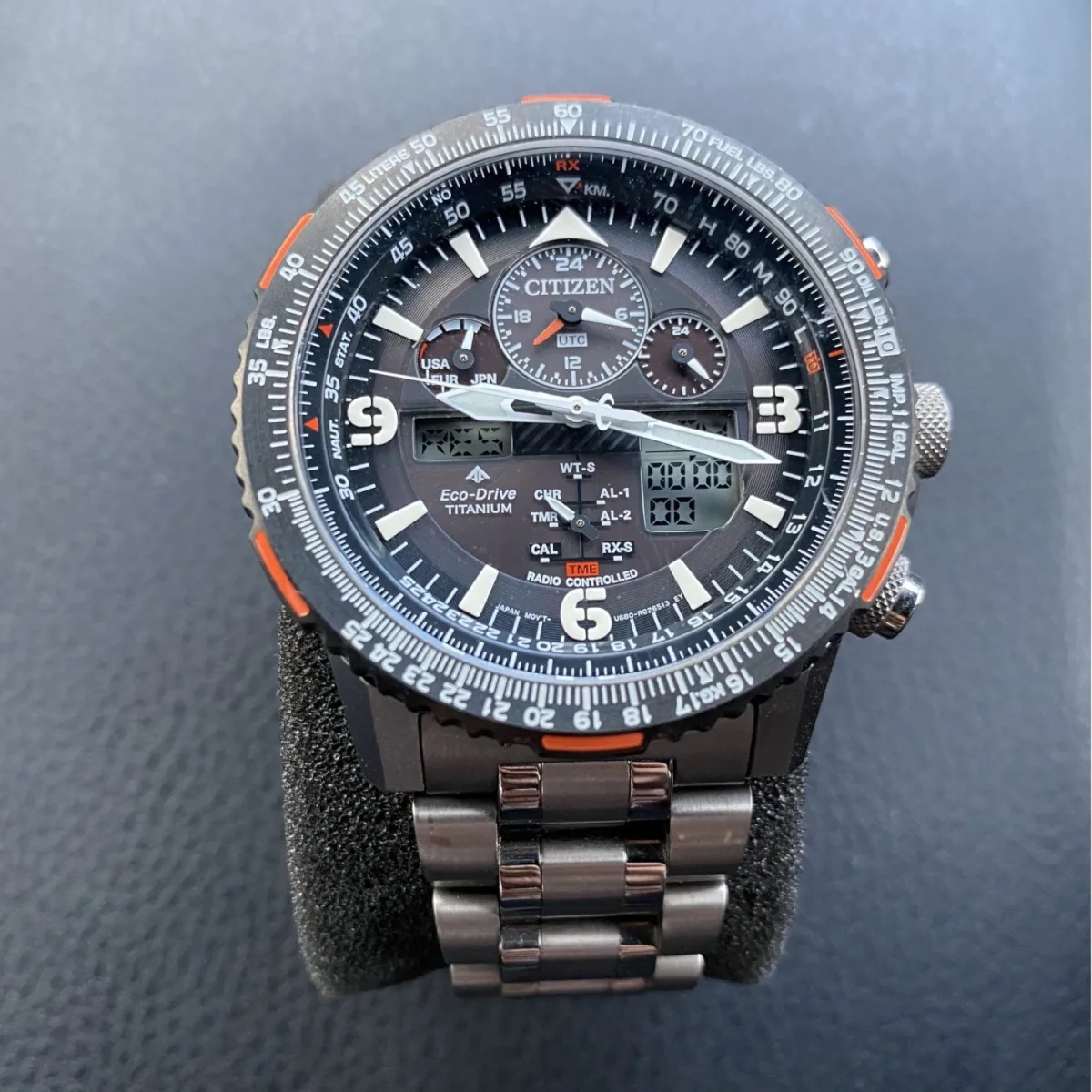
Was accuracy ever an issue? Quartz, after all, was more accurate in a month than most mechanical watches in a day, surpassing all traditional chronometer standards by a mile. Citizen has always strived for perfection, and in 1993, it succeeded. The company released the first watches that synchronized with atomic clocks via radio, pushing wristwatch accuracy to a staggering level - one second in 100,000 years (today measured in millions of years). The Citizen Skyhawk A-T series could connect to atomic clocks in Japan, Europe, and North America, maintaining flawless accuracy and correct time zones. The day, date, daylight savings, and world time synchronize automatically. In the Citizen Perpetual Chrono A-T model, the integrated Eco-Drive eliminated the need for batteries. Although, perhaps this is misleading. The watches ultimately rely on radio signals from institutions maintaining atomic clocks, so there is no real mechanism ensuring such accuracy. The quartz movement merely keeps the watch running when the radio signal is unavailable. Citizen didn't stop there.
WARP SPEED
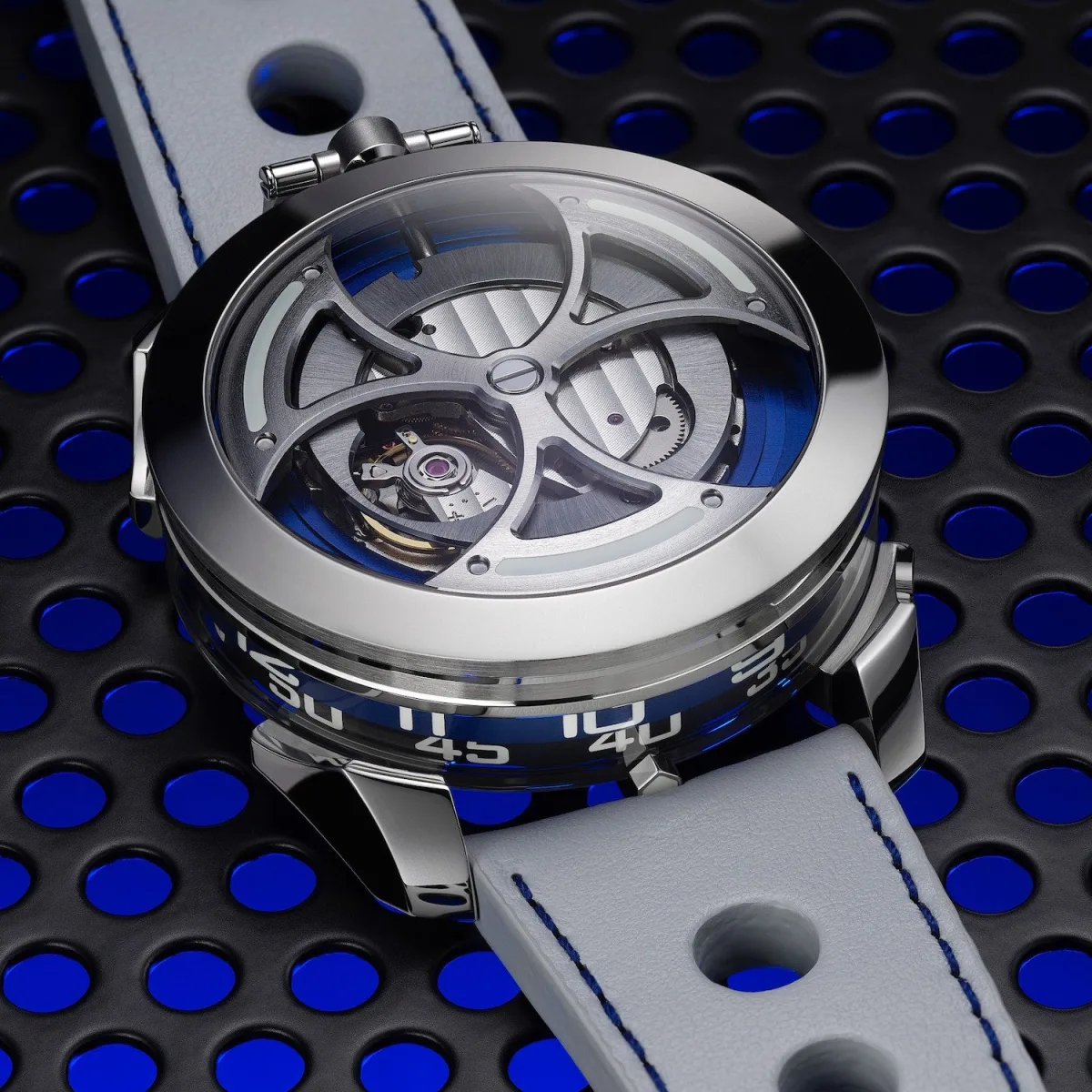
Being a reader of WatchTested, I'm sure most of you are familiar with Miyota movements - ubiquitous and reliable Japanese workhorses favored by micro brands and even some luxury brands. Believe it or not, the M.A.D. EDITION 1 watch from MB&F founder Max Büsser is equipped with a Miyota 821A automatic movement. Miyota, of course, is owned by Citizen and is a direct competitor to Seiko (think of calibers NH35 or 7S26). It doesn't just produce affordable movements day and night (some at one beat per second); it is also a major innovator. Founded in 1959 by Citizen in Miyota, Nagano Prefecture, Japan (hence the name), by 1986 it became the world's leading producer of movements, with the quartz Miyota 2035 having the highest production rate of any movement in history (3.5 billion made by 2005).
In 2010, Miyota introduced the UHF 262 kHz quartz movement with a three-prong quartz crystal creating an ultra-high frequency of 262,144 Hz; for comparison, a high-beat mechanical movement operates at 5 Hz. What does this mean? The timekeeping accuracy of the new Miyota quartz movement is +/- 10 seconds per year, which is better than most mechanical watches in a day. The average quartz movement has an accuracy of about 15 seconds a month, or around 3 minutes a year. Sound impressive? The Eco-Drive Caliber 0100 (which uses Citizen's Eco-Drive technology) offers timekeeping accuracy of +/- 1 second per year. By abandoning the traditional tuning-fork crystal oscillator, it vibrates at 8,388,608 Hz.
And you thought 262,144 Hz was impressive. This is 256 times faster than a standard quartz movement and several million times faster than a mechanical counterpart. The new movement is more resistant to temperature fluctuations and less affected by gravity, even adjusting for temperature shifts every minute. Of course, it is also the most accurate movement in the world.
Citizen is not just about trendy electronic technology. For starters, today the company owns various industry brands, including Bulova, Frédérique Constant, Arnold & Son, Alpina, and most relevant to this article, La Joux-Perret. Located in La Chaux-de-Fonds, Switzerland, La Joux-Perret is a high-end movement manufacturer, with clients like Jaquet Droz, Montblanc, Carl F. Bucherer, Girard-Perregaux, and many others. Recently, Citizen collaborated with La Joux-Perret to develop a new caliber, unusual for the brand. The Caliber 0200, developed and assembled in Japan, combines the watchmaking expertise of both companies and boasts an accuracy of -3/+5 seconds per day - above the minimum chronometer standards. The caliber features 26 jewels, a frequency of 4 Hz, and a 60-hour power reserve. Assembled and encased, the watch is tested for 17 days in six positions and three temperature ranges to ensure timekeeping accuracy (certificate included).
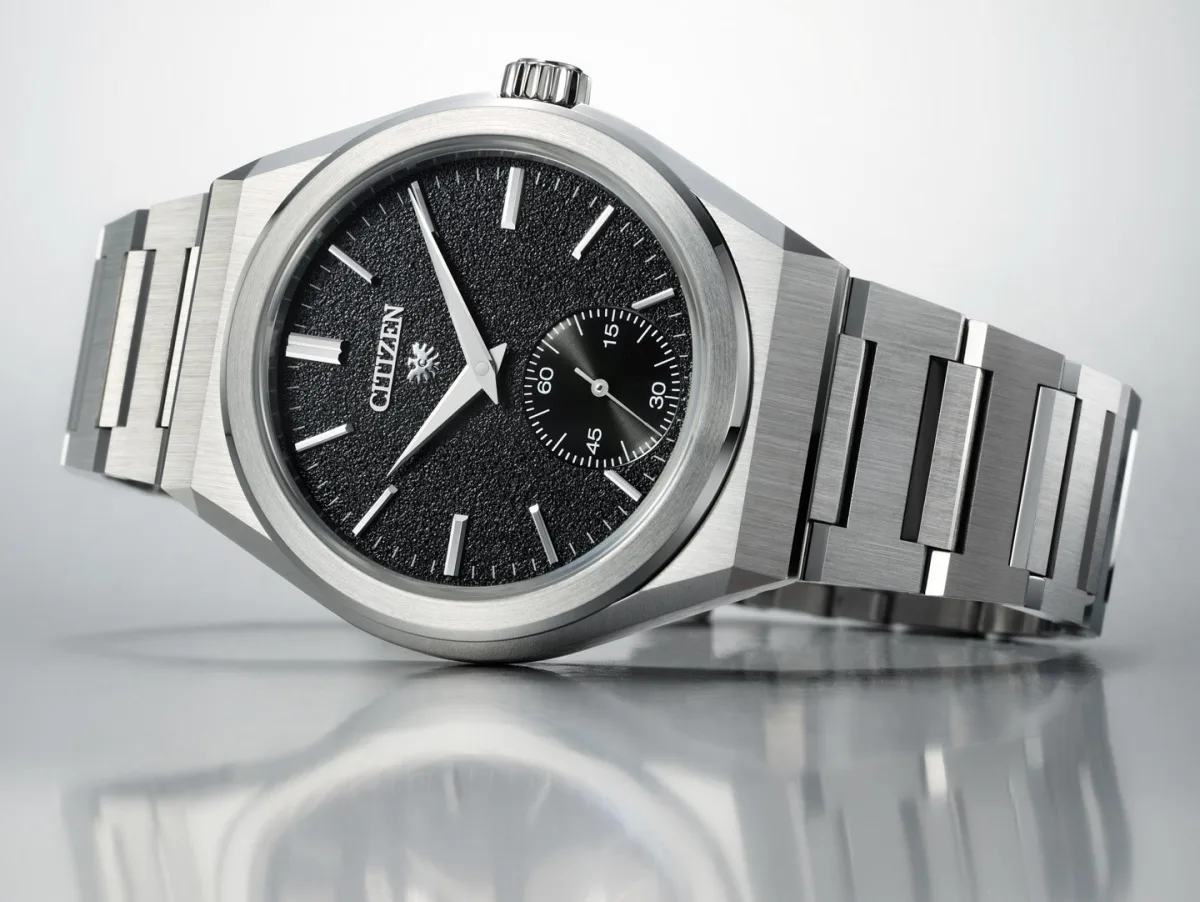
The first watches with this caliber are called "The Citizen" and are luxury sports watches. "The Citizen" is a revived name previously used in conjunction with Chronomaster, the predecessor of the Eco-Drive Caliber 0100 with an accuracy of +/- 5 seconds per year. The new mechanical "The Citizen" watches are time-only with a sub-seconds dial, but every aspect of the watch significantly exceeds the brand's norm. It's not to say Citizen has never dabbled in Haute Horlogerie before.
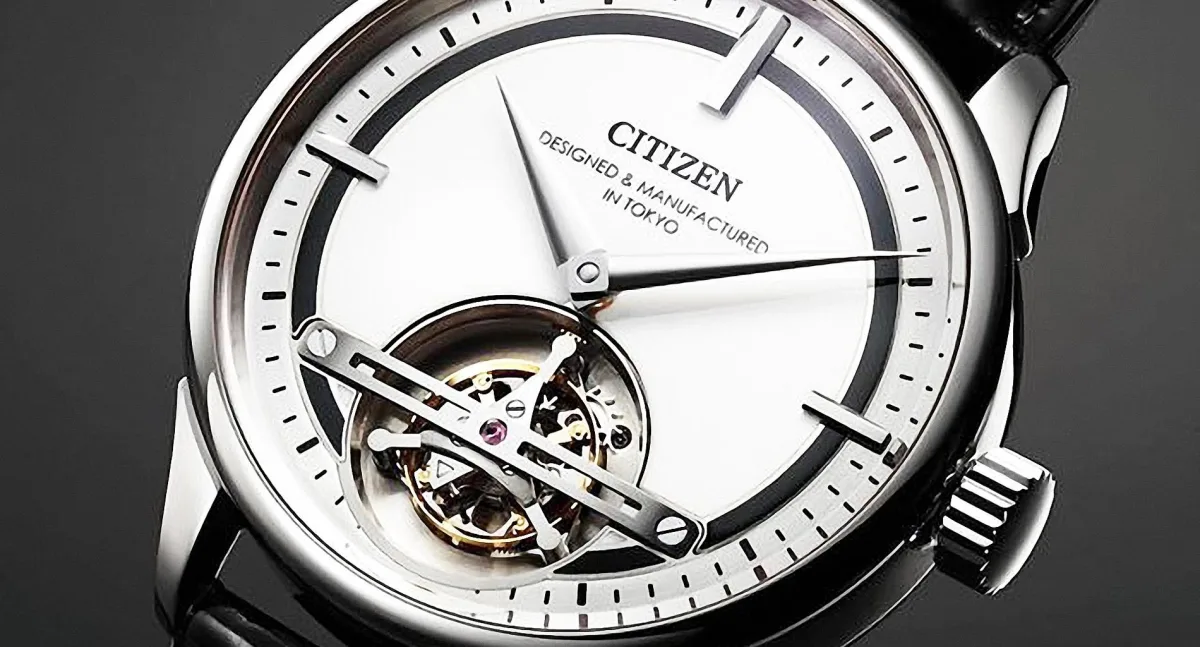
In 2017, the company released the Tourbillon Y01 model to celebrate the 300th anniversary of Japan's Daimaru department store chain. Priced at around $90,000 USD and in very limited production, the watch was unlike anything Citizen had ever produced (by a lot). This anomaly aside, "The Citizen" is a completely different animal, designed and produced exclusively under the brand's umbrella. It remains unclear who made the tourbillon, but rumors point to Hajime Asaoka, a Japanese independent watchmaker. What "The Citizen" and Caliber 0200 demonstrate is the willingness to fully venture into a new category, usually reserved for luxury Swiss and European brands.
Citizen has already reached the pinnacle of accuracy with the untouchable Eco-Drive Caliber 0100, but watchmaking art lies in the mechanical world (although Grand Seiko might have something to say about that). The brand certainly doesn't need to step out of its comfort zone by offering luxury watches with well-crafted mechanical chronometers. Nonetheless, with recent acquisitions like La Joux-Perret, it seems inevitable. The company is making a big move into Seiko's territory, a brand that also specializes in affordable watches but has a thriving luxury segment. Such competition is always welcome, and we hope "The Citizen" marks the beginning of an expansion into high-end mechanical chronometers.