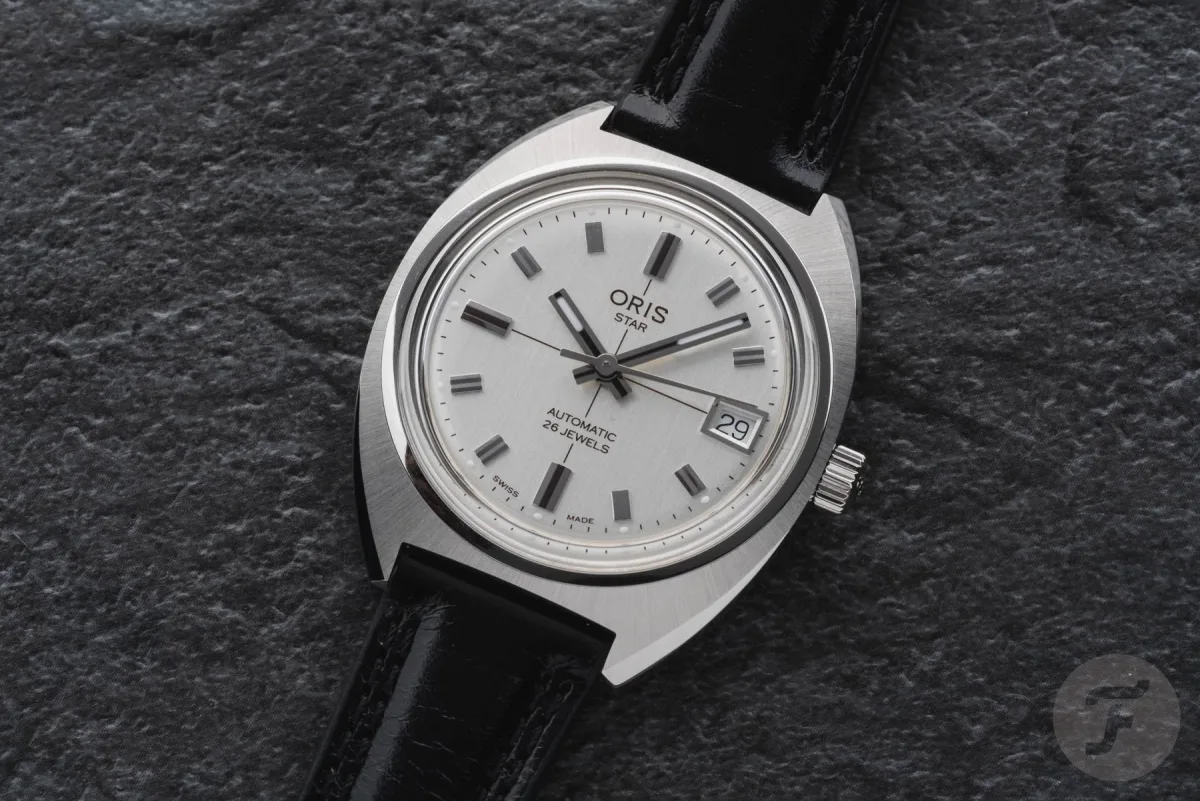
Today, Oris presents a reissue of the Star model - a tribute to Oris's first-ever model with a lever escapement, released in 1966.
The name "Oris Star" sounds familiar, doesn't it? But what exactly does the Star designation mean at Oris?
History of the Oris Star
As we noted in one of our previous publications, "In 1934, the Swiss government introduced a law prohibiting watch companies from implementing new technologies without official permission. Before this law, Oris used more affordable movements with a lever escapement. This regulation harmed the brand as Oris couldn't quickly transition to the more advanced Swiss lever escapement, which competitors were already using."
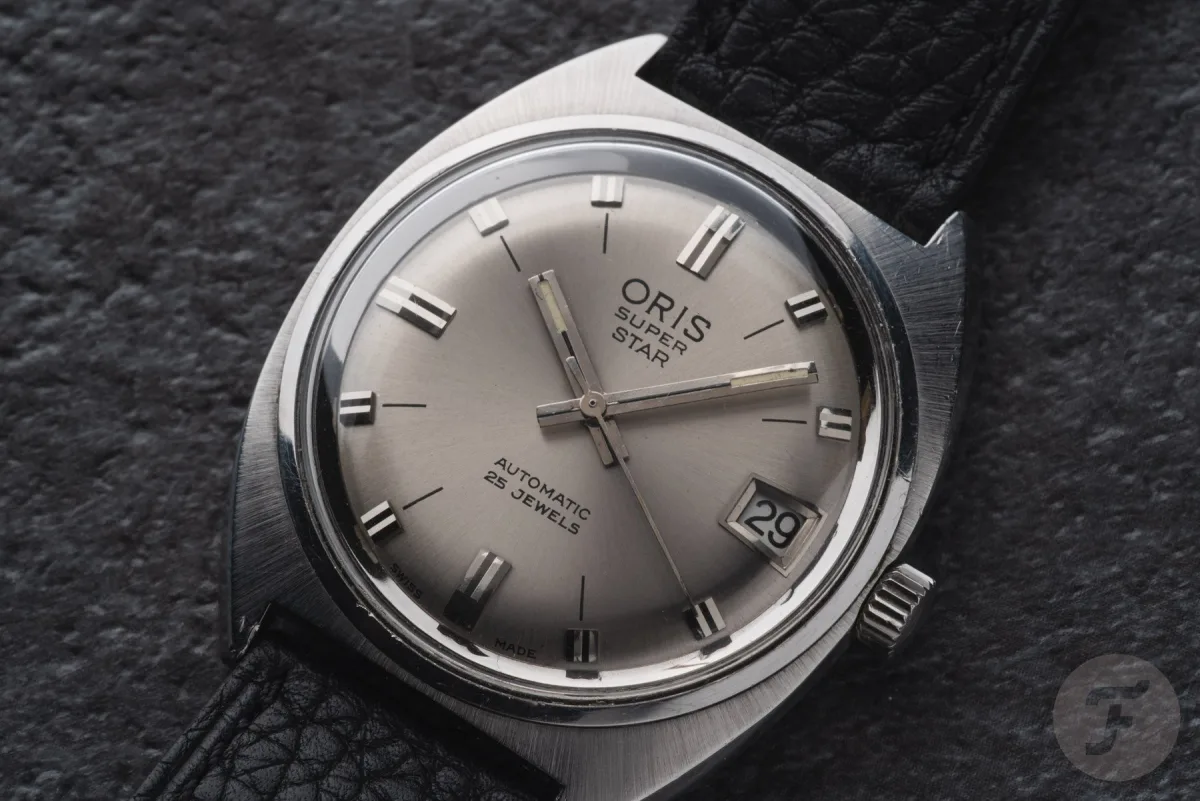
"In 1956, Dr. Rolf Portmann, the current honorary chairman of Oris, joined the company. The young lawyer was hired to fight the legislation to pave the way for Oris's technical development. He had to fight this battle for ten long years until the regulation was relaxed, and Oris could update its movements. One of those new movements was the automatic caliber 645 with 25 jewels, installed in the Oris Star, which debuted in 1966."
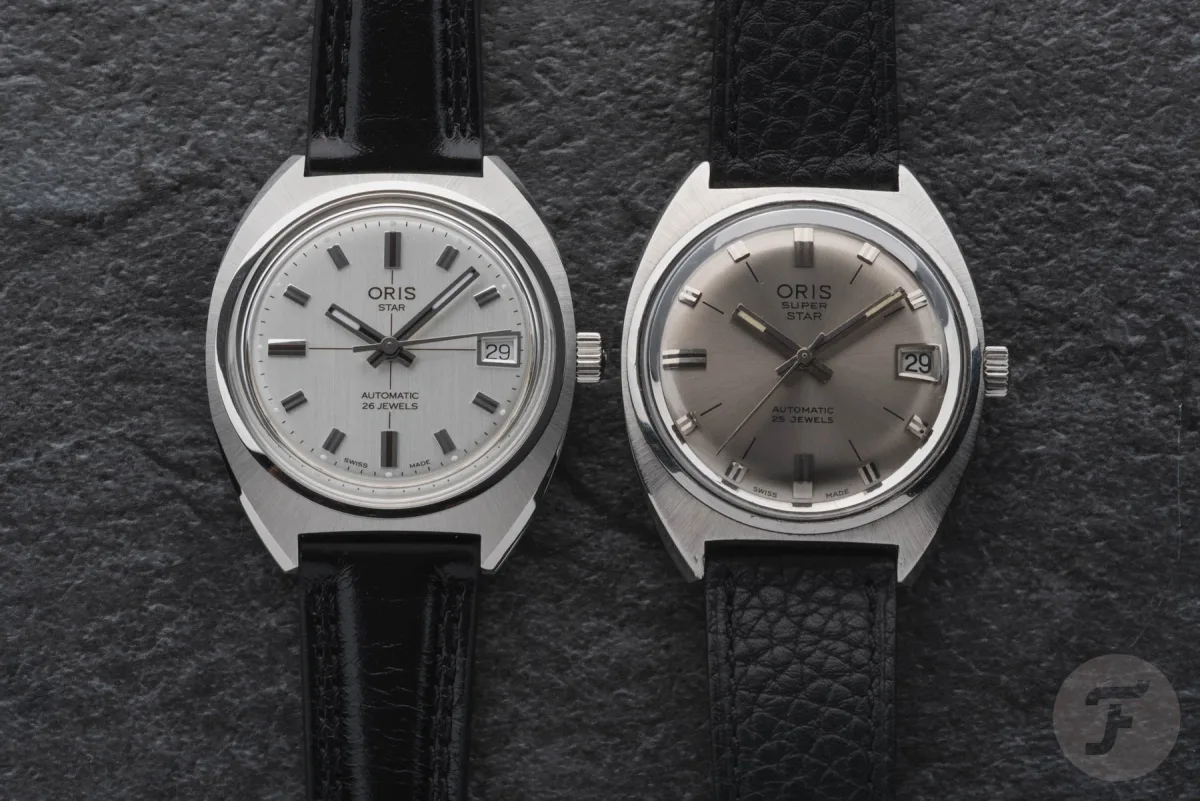
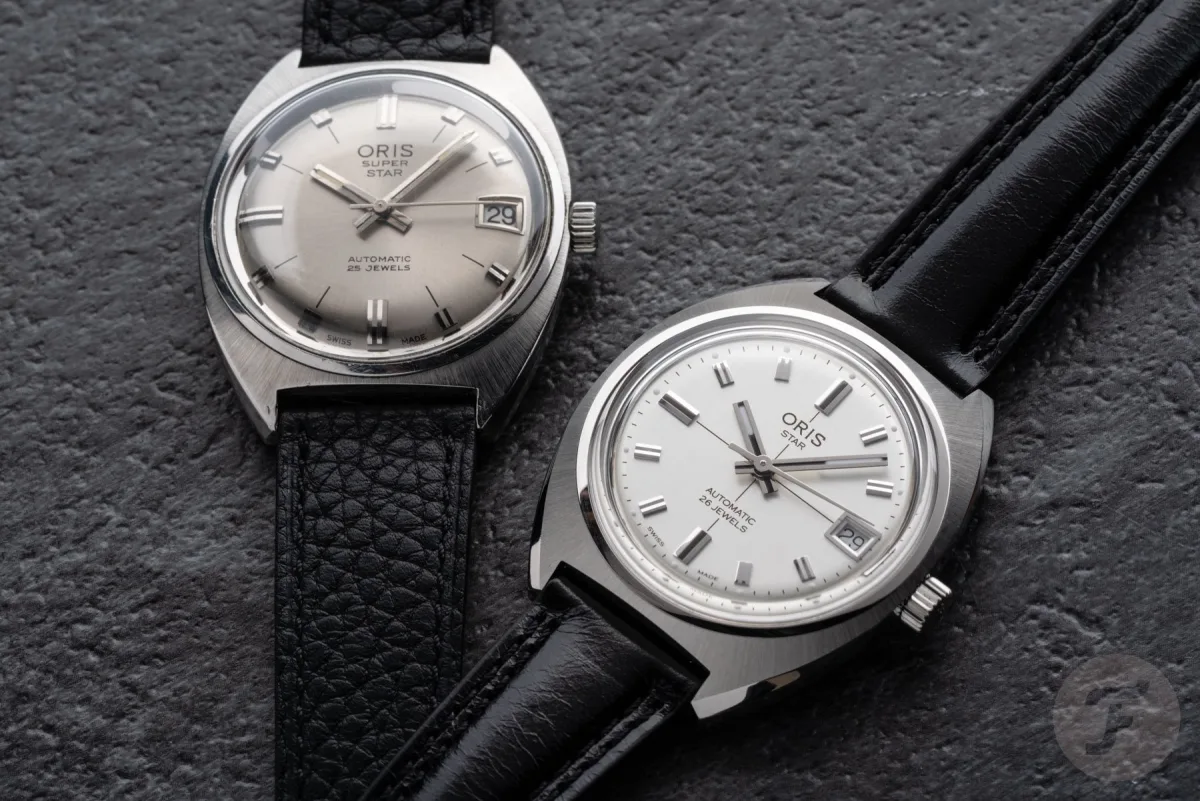
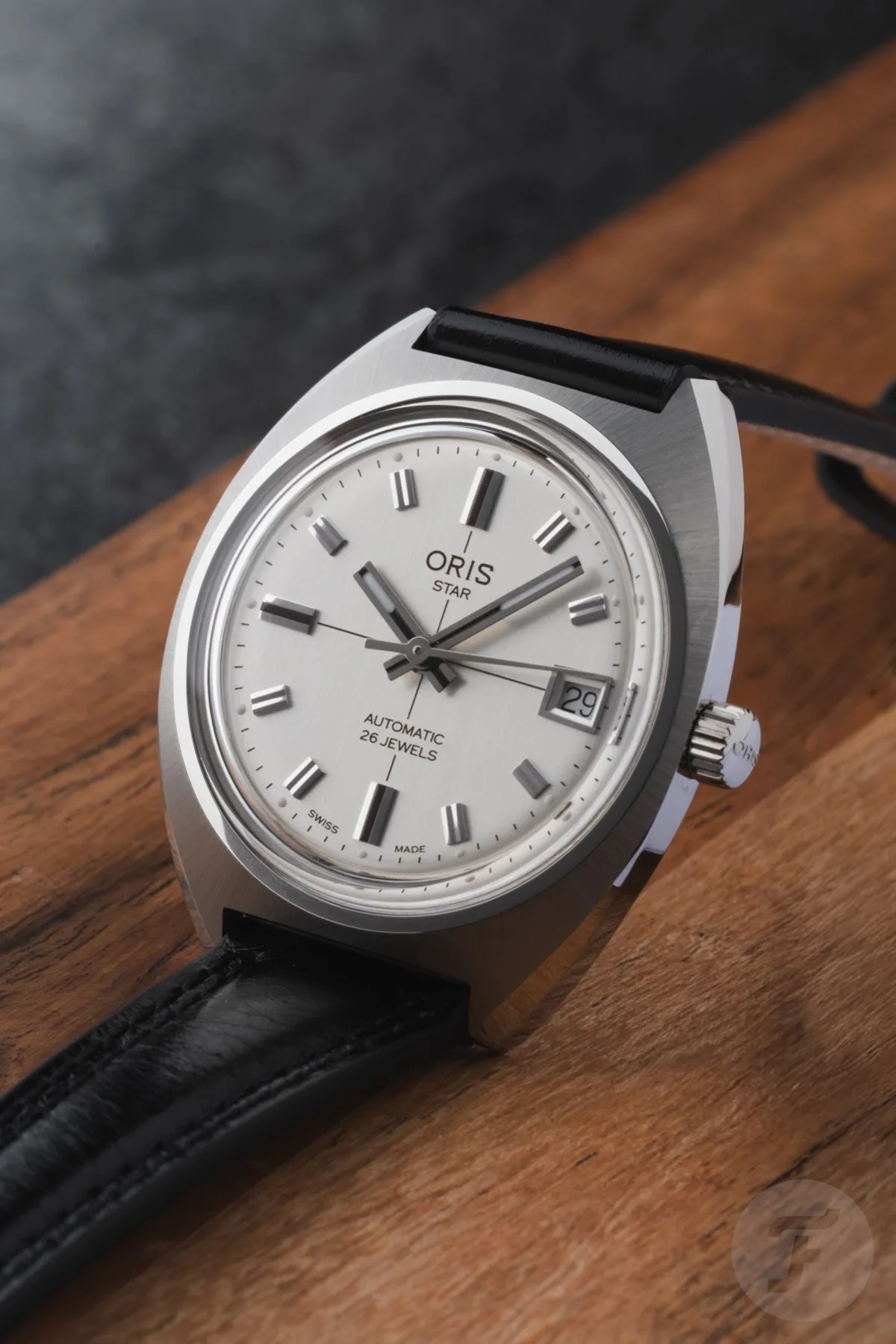
The caliber 645 was later replaced by the modern caliber 733, yet the watch design has remained practically unchanged. The new Oris Star features a 35 mm stainless steel case with a sunburst finish, a polished bezel, and polished edges on the lugs. Even the case length of 41.5 mm and thickness of 11.1 mm fully match the original model, highlighting the designers' respect for heritage.
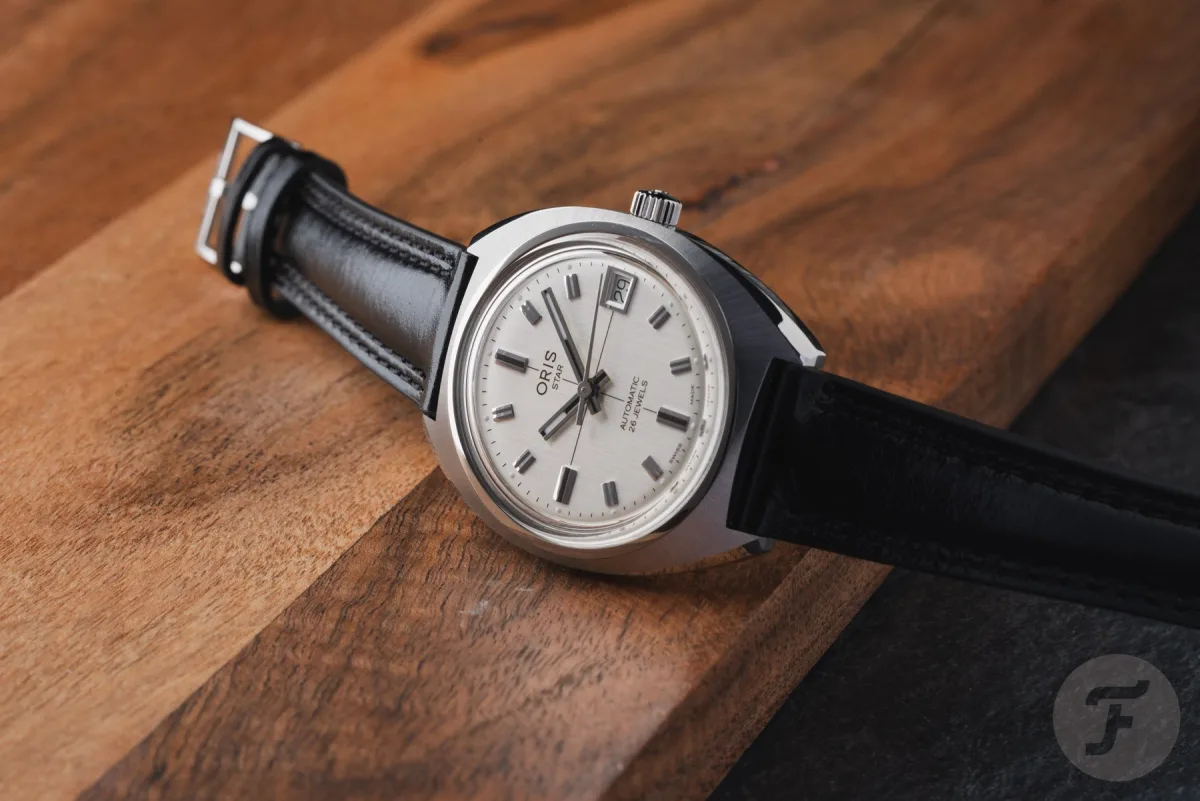
The new Oris Star is also equipped with acrylic glass, just like the original. The only small but notable difference is the lug width. In vintage models, it was 18 mm, while in the new version, it is 17 mm.
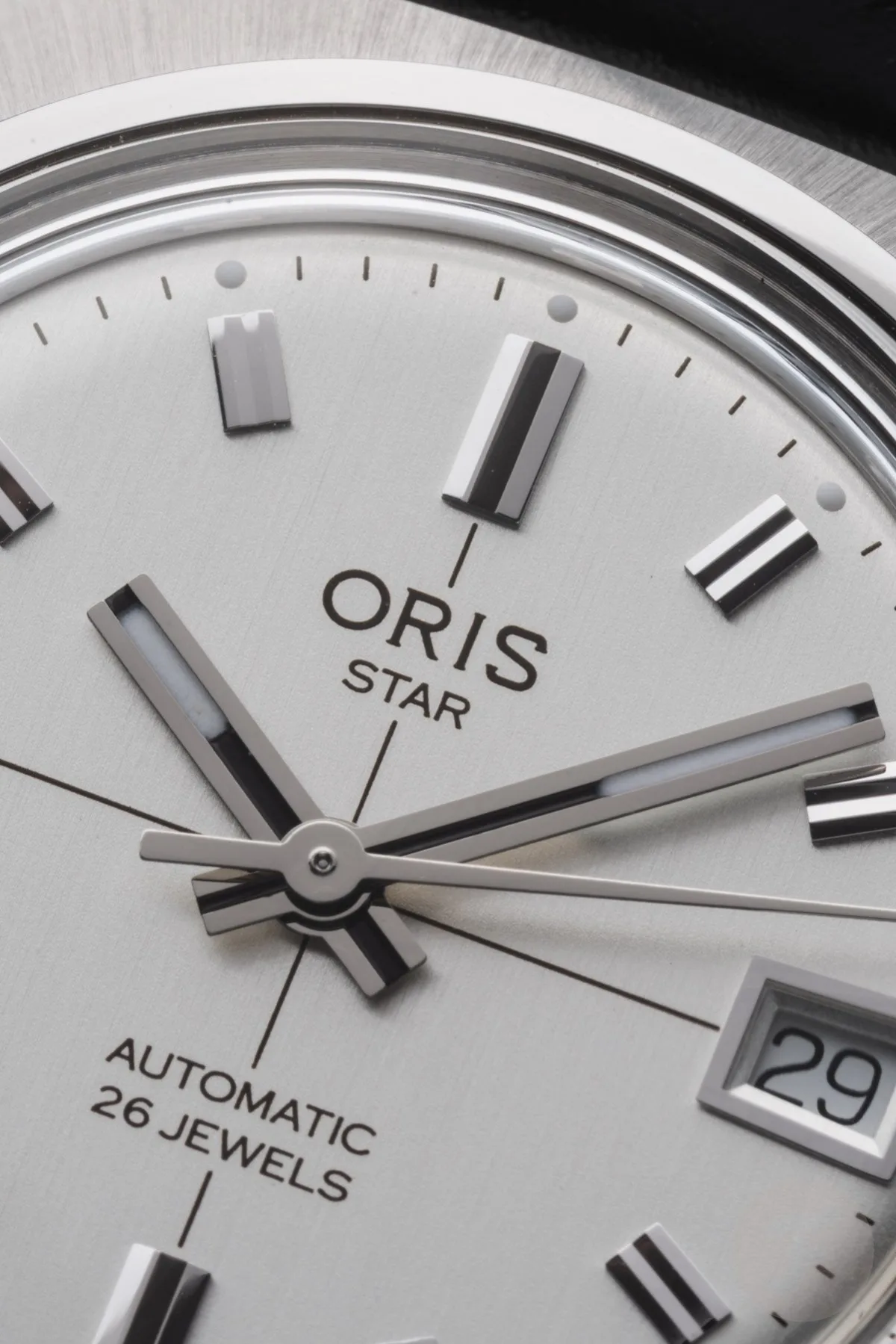
Oris Star Dial
The dial is where the main differences are noticeable. The vintage dial had a domed (bombé) shape, creating a sense of depth. The trapezoidal date window looked striking, with the second digit of the date slightly larger to fill the white space on the date disc. In the new Oris Star, the date numerals are the same size. It's a minor detail and perhaps a nitpick, but it would have been interesting to see an exact reproduction of this element.
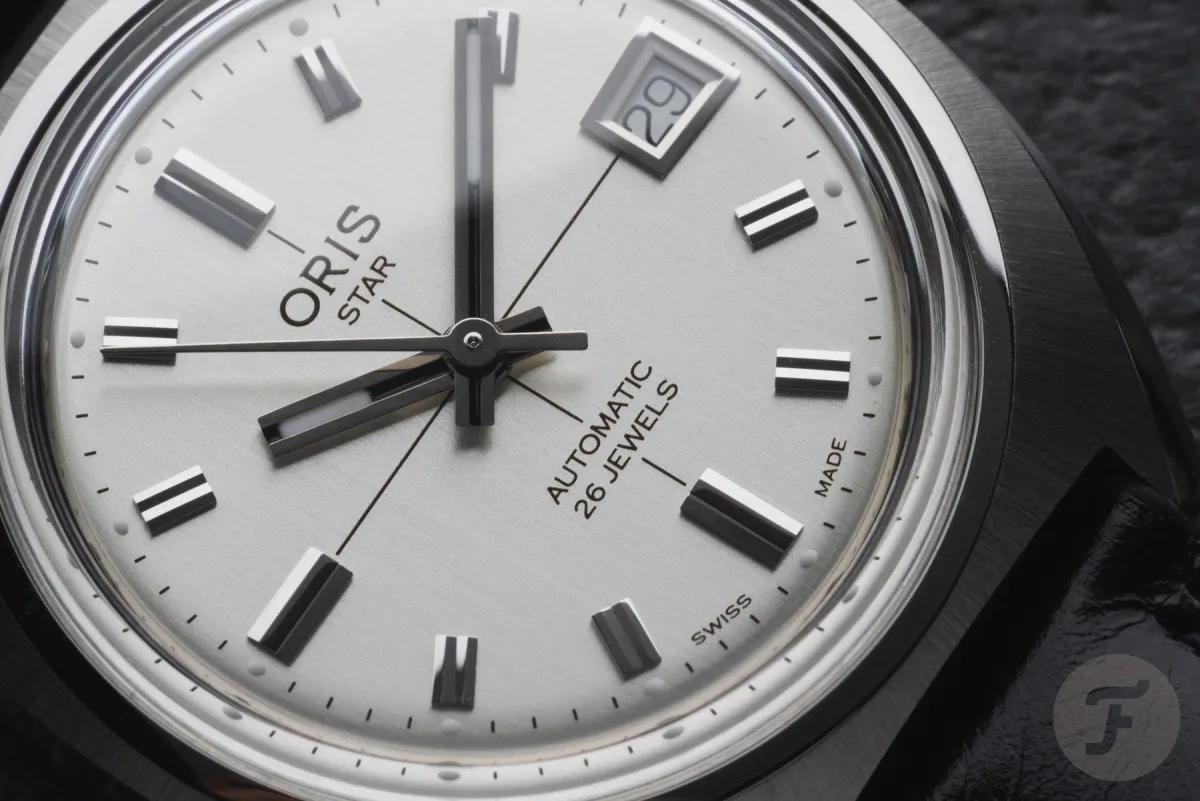
Note that Oris retained the applied hour markers on the silver dial in the style of the vintage Star model. The markers are in the form of sticks with highly polished edges, and at the 9, 6, and 12 o'clock positions, there are larger markers with black printing in the center. The dial also features the name Star under the Oris logo. Above the 6 o'clock index is the inscription "Automatic" and "26 jewels," similar to the original from the 1960s. Of course, the hands and minute markers are coated with Super-LumiNova luminescent material.

How Does the New Oris Star Feel on the Wrist?
On the wrist, the watch feels identical to the original, but thanks to the modern dial, it looks more current. Wearing the new Oris Star is like trying on NOS (new old stock) Oris from the 1960s. The watch is neat, and with the screw-down crown, 50 meters of water resistance, and Sellita 733 caliber, it represents a convenient and modern option for daily wear with vintage style.

The screw-down case back also resembles the original - in the center is engraved the famous Oris crest. Overall, the reissue is executed at a high level. The only thing I would change is the 17 mm strap. Besides being narrower than the original, it seems to me not very high quality and looks somewhat cheap. I would like to see a more elegant execution. Fortunately, anyone can purchase and install any other 17 mm strap.
Who Is the New Oris Star For?
This watch is suitable for those who do not want to take risks when buying a vintage model, are afraid to wear and use it daily, as well as for Oris fans. Judging by more than 50 Oris Social Club chapters and tens of thousands of members in the accompanying Facebook group, there are indeed many brand enthusiasts.
Price and Availability
The retail price of the new Oris Star is 1800 euros / 1800 Swiss francs. Sales begin in May 2026. Share your thoughts on the Oris Star reissue in the comments below.