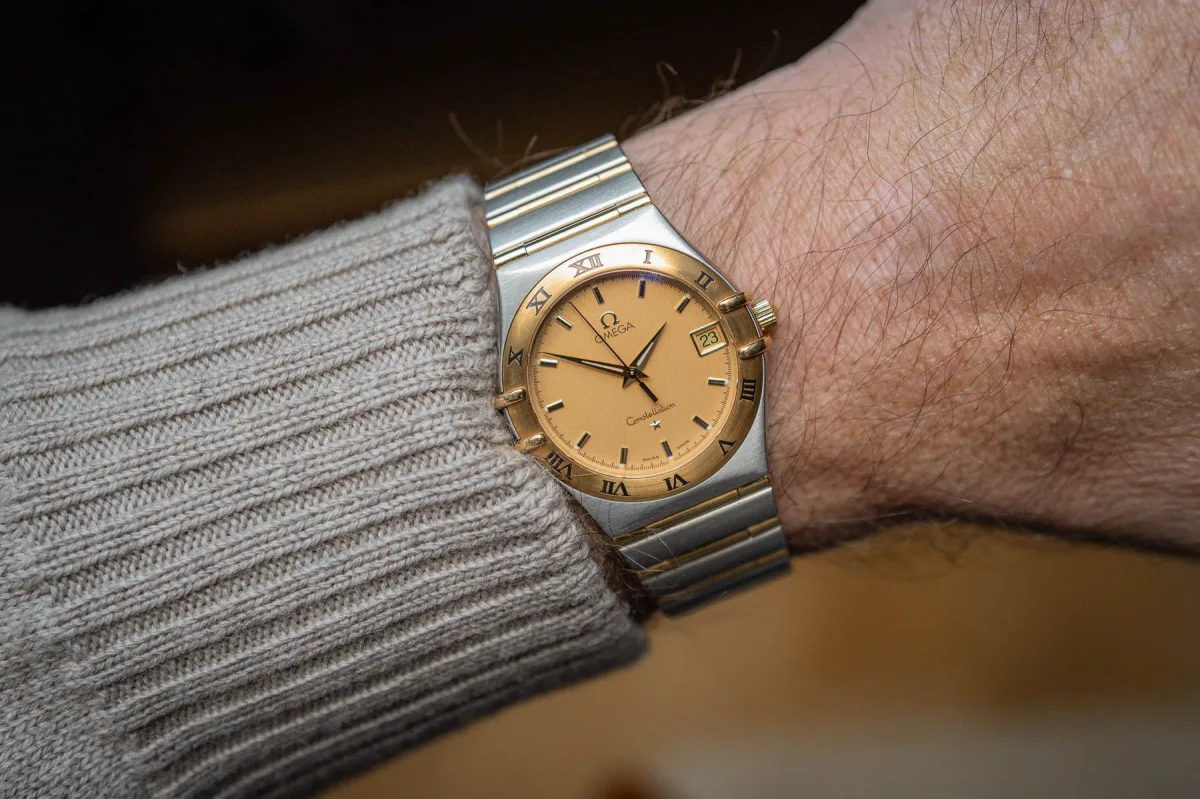
In this new series, we focus on (neo-)vintage watches currently available at attractive prices in the secondary market.
We select models that caught our eye during our search for interesting pieces, or those that we believe can satisfy specific desires or functions in a collection. For the first issue, we chose the long-discontinued Omega Constellation ’95 models, as they could be an excellent choice for those seeking slimmer, elegant, and dressy watches.
Growing Demand for Compact and Slim Watches
There is a growing interest among watch enthusiasts in smaller-sized, slimmer, and more affordable models, which is quite justified. Personally, I don't mind large watches - a model up to 44 mm would look great on my wrist. However, I appreciate graceful and slim watches and occasionally prefer them.
Omega Constellation ’95: A Brief Overview
After a period of fascination with Casio and Swatch, my first good watch was the Omega Constellation ’95. These 33.5 mm quartz watches were a graduation gift from my mother, and she knew I admired them (she often caught me looking at Omega catalogs of that time). It was 1998, and back then I didn't even consider the fact that the case diameter was only 33.5 mm. The feature of the Constellation ’95 is that the case has a "tonneau" (barrel) shape, making the watch appear larger than the numbers suggest.
Omega Ambassadors and the Constellation ’95 Model
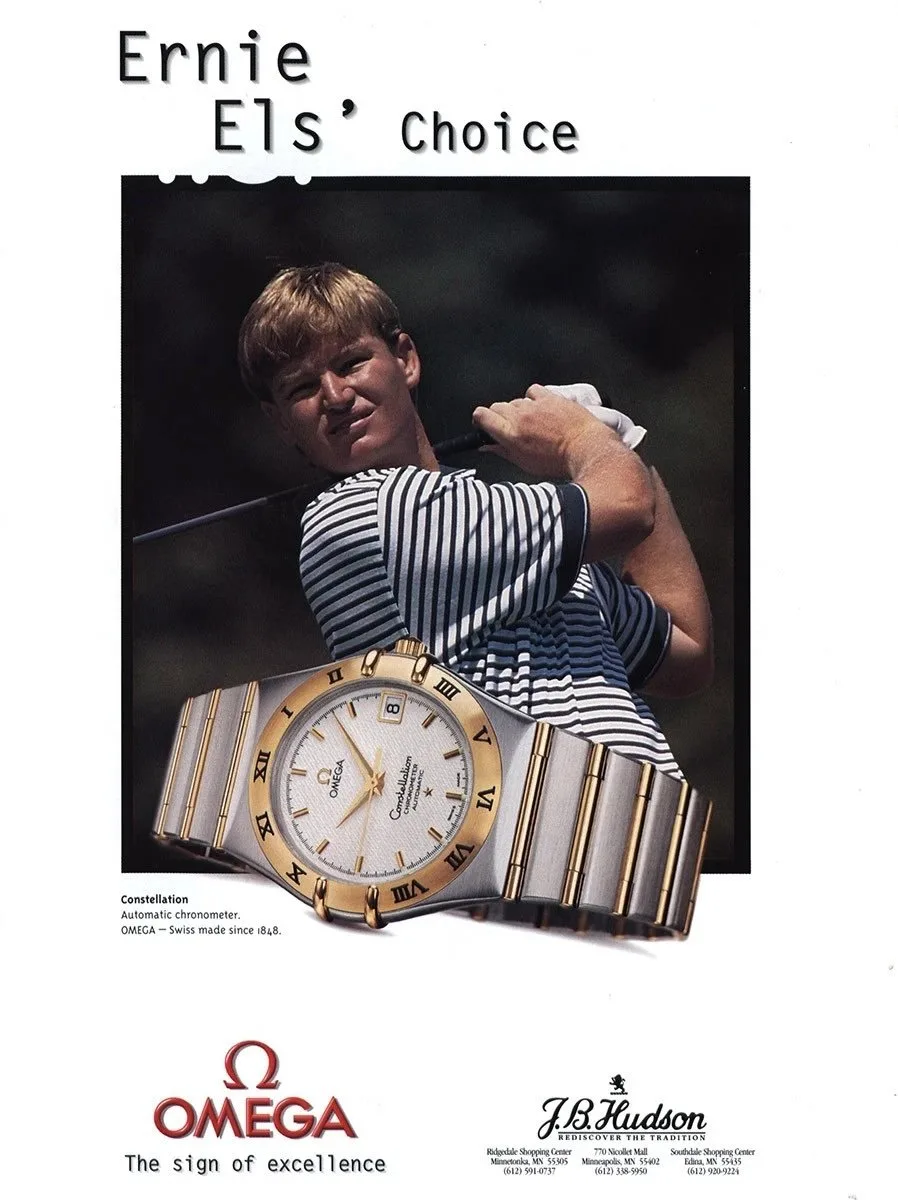
After the launch of the Constellation ’95 collection in 1995, the model was highly successful, especially among women, but also among men. Brand ambassadors included celebrities like Cindy Crawford and Pierce Brosnan (yes, besides wearing the Seamaster 300M as James Bond, he was also the face of Constellation in some Omega catalogs). Among the famous owners were golfers Ernie Els and Bernhard Langer.
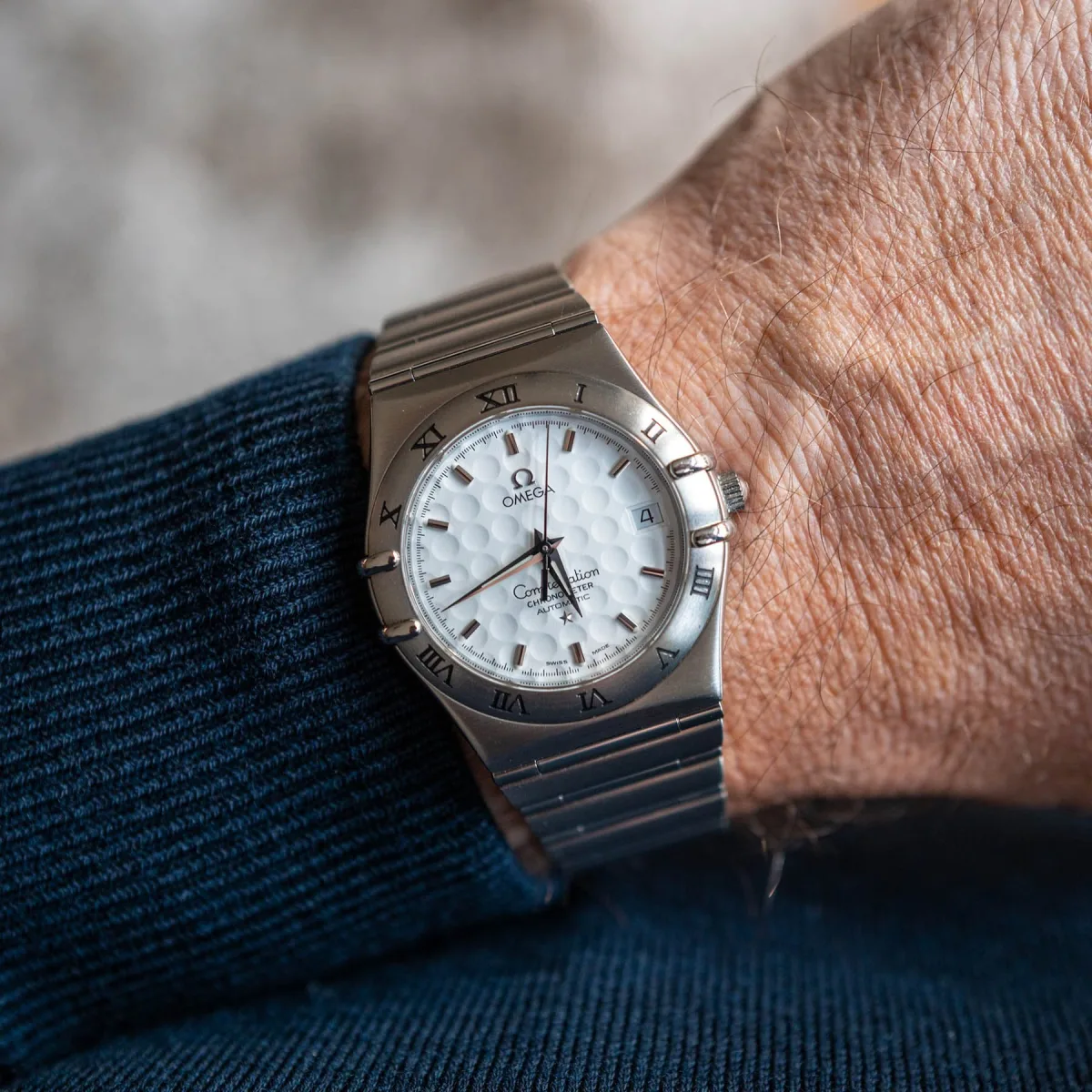
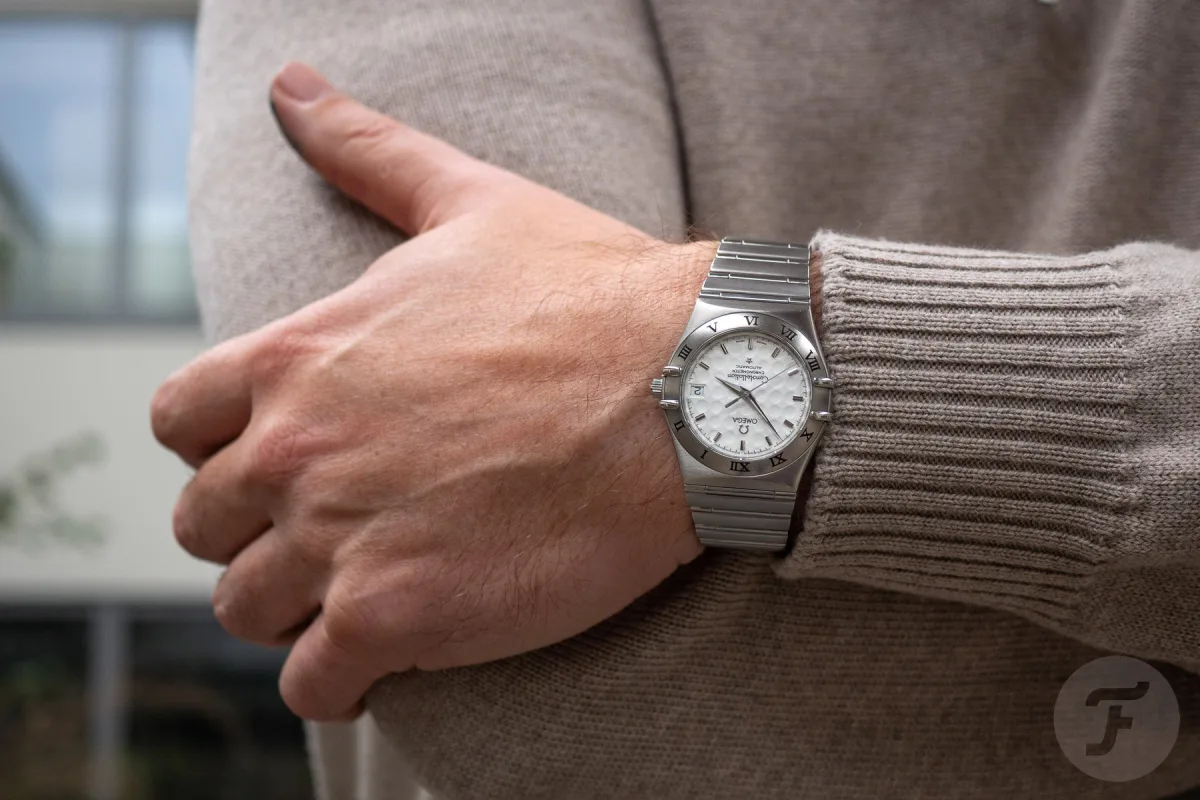
In 2001, Omega released a limited edition Constellation ’95 (ref. 1506.40) with a golf ball motif dial in honor of Ernie Els, limited to 1500 pieces.
Compact Sizes
The Constellation ’95 model was available in several sizes for men and women. In this article, we consider the men's versions: quartz - 33.5 mm, automatic - 35.5 mm. Both used ETA-based movements, with the automatic version featuring the 2892-A2 caliber with Côtes de Genève decoration and an Omega-signed rotor. This movement (Omega 1120) was also used in other models, such as the Seamaster 300M.
Although not as thin as Breguet or Patek Philippe, the automatic version is only 9.5 mm thick, which is quite comfortable (for comparison, the Rolex Datejust 36 mm of the same period is 11.7 mm thick).
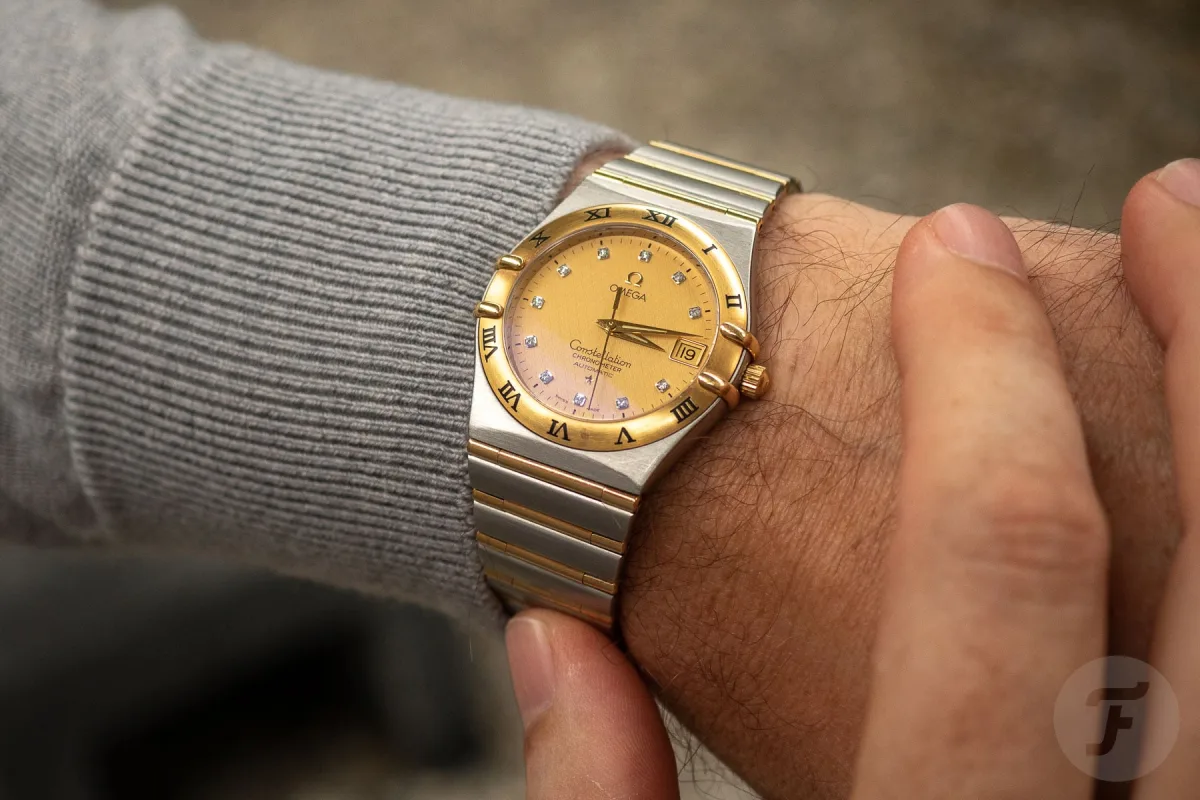
Constellation ’95 Model with Diamond Hour Markers (ref. 1202.15)
Production of the Constellation ’95 model continued from 1995 to 2008.
I wore my quartz Omega Constellation almost constantly for about a year until I acquired a Speedmaster Professional in late 1999. The quartz version ’95 is smaller and thinner than the automatic, so if compactness is important to you, it could be an excellent choice, especially considering current prices. In 1998, the two-tone quartz Constellation ’95 (ref. 1212.10) cost 4000 Dutch guilders (about €1815 without inflation adjustment), with the automatic being 1000 guilders more. Back then, it was significant money for a watch!
In 2003, Omega replaced the Constellation ’95 with the Constellation (Double) Eagle model, which received a less prominent place in the catalog. However, in 2008 the last version of the Constellation ’95 was released, featuring the Co-Axial caliber 2500, marking the brand's 160th anniversary.
Is It Worth Buying Omega Constellation ’95 Today?
The design of the model traces back to the 1980s and is based on the 1982 Constellation Manhattan.
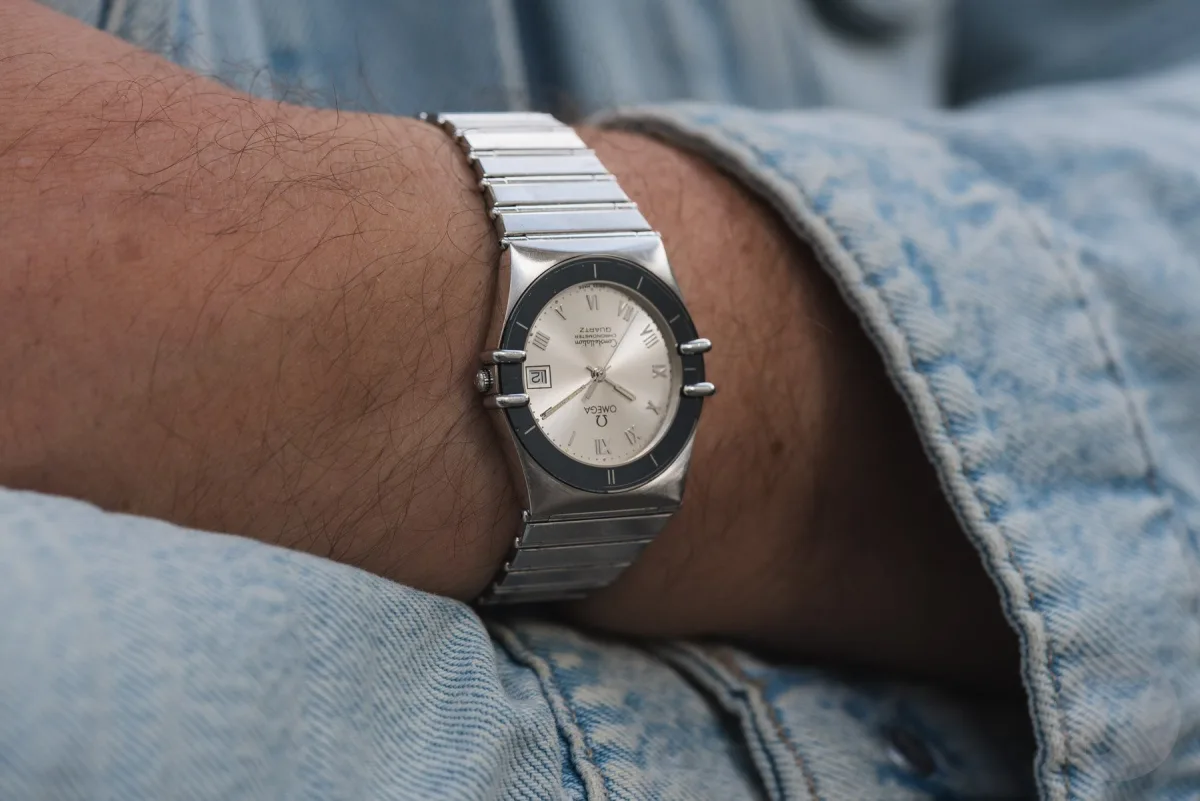
This means that the design is not typically 1990s, but represents an updated variant of watches that existed for more than a decade. The eighties and nineties produced models that remained in the shadows for a long time, but are now gaining popularity again. Could the Constellation ’95 be one of those models with a resurging interest?
Comfortable and Reliable Watches
After a long break, I started wearing my Constellation ’95 again and enjoy it. Over the years, I had two models (an automatic and a quartz gifted by my mother), and in late 2024 I added a third - a steel limited edition Ernie Els with automatic winding and caliber 1120.
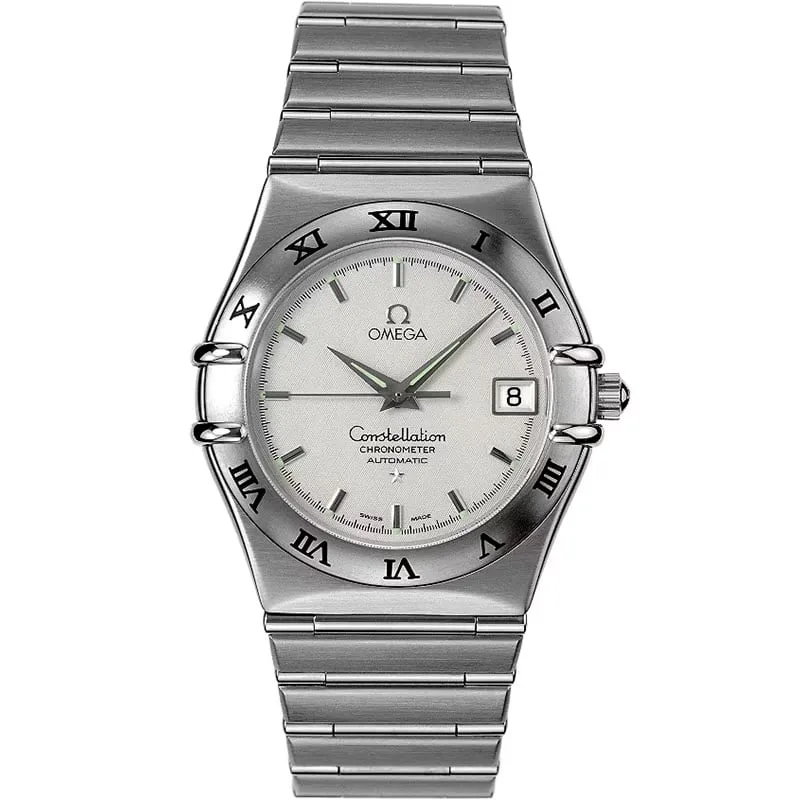
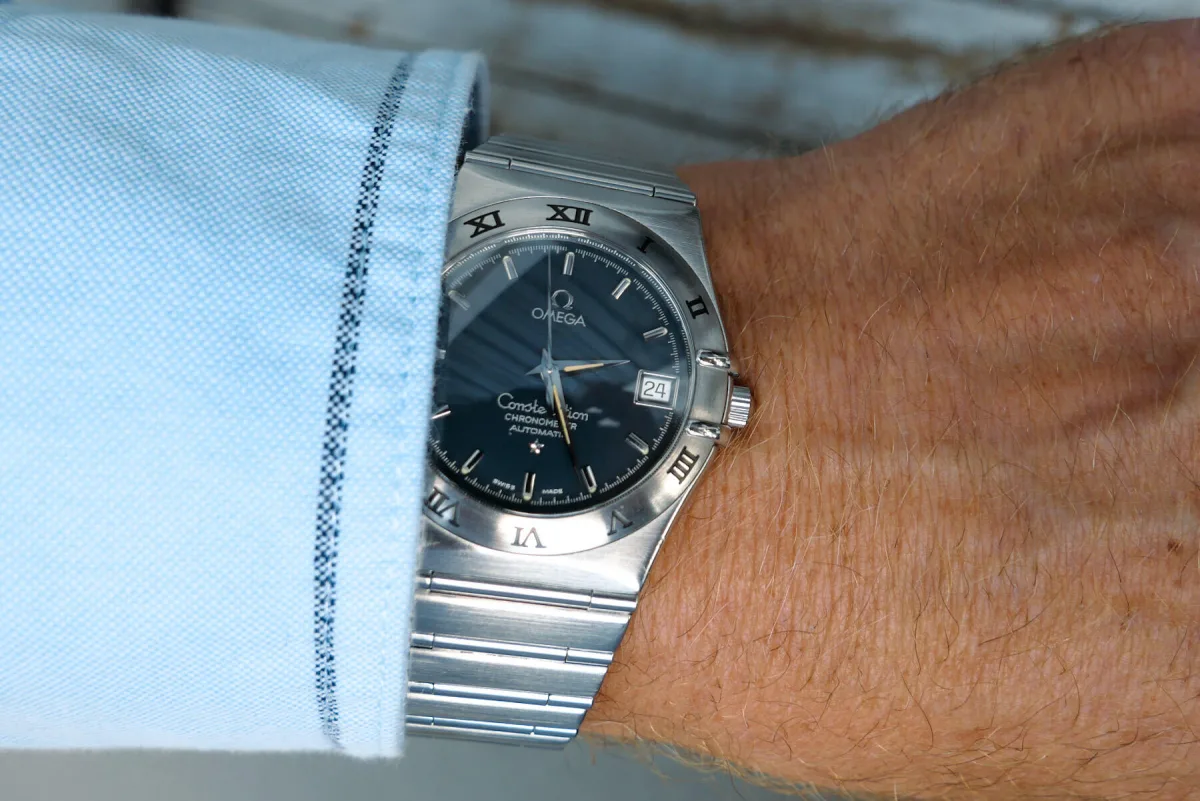
The Constellation ’95 is characterized by high comfort, reliability, and relatively affordable price. If these match your requirements, it's worth considering such a model. Steel watches with a blue dial (ref. 1502.40) can be purchased for less than €2000, the same applies to the white version (ref. 1502.30). In Japan, they may be even cheaper. The quartz model with a blue dial (ref. 1512.40) costs less than €1000.
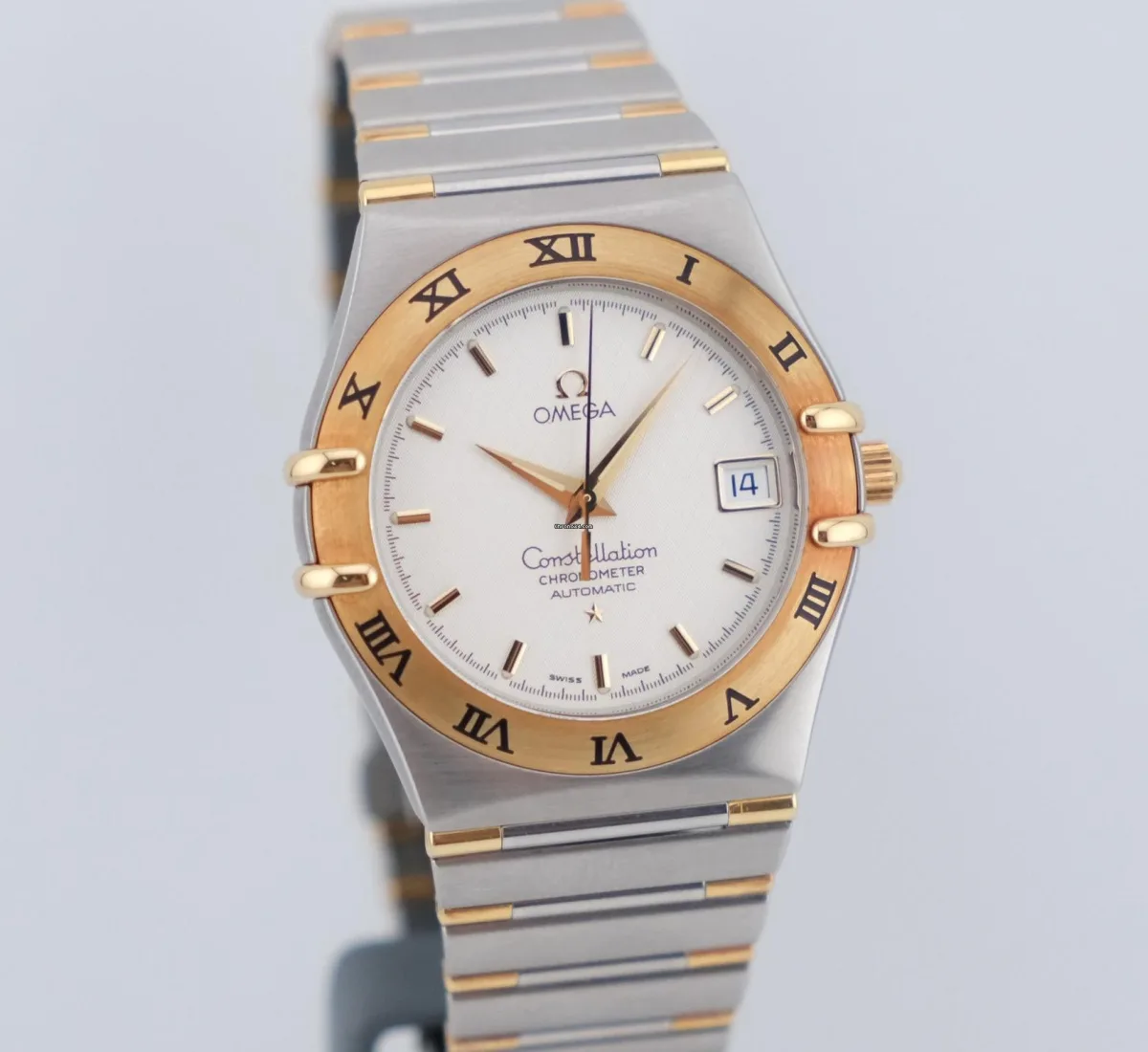
Bracelet Features: "Half" and "Full" Links
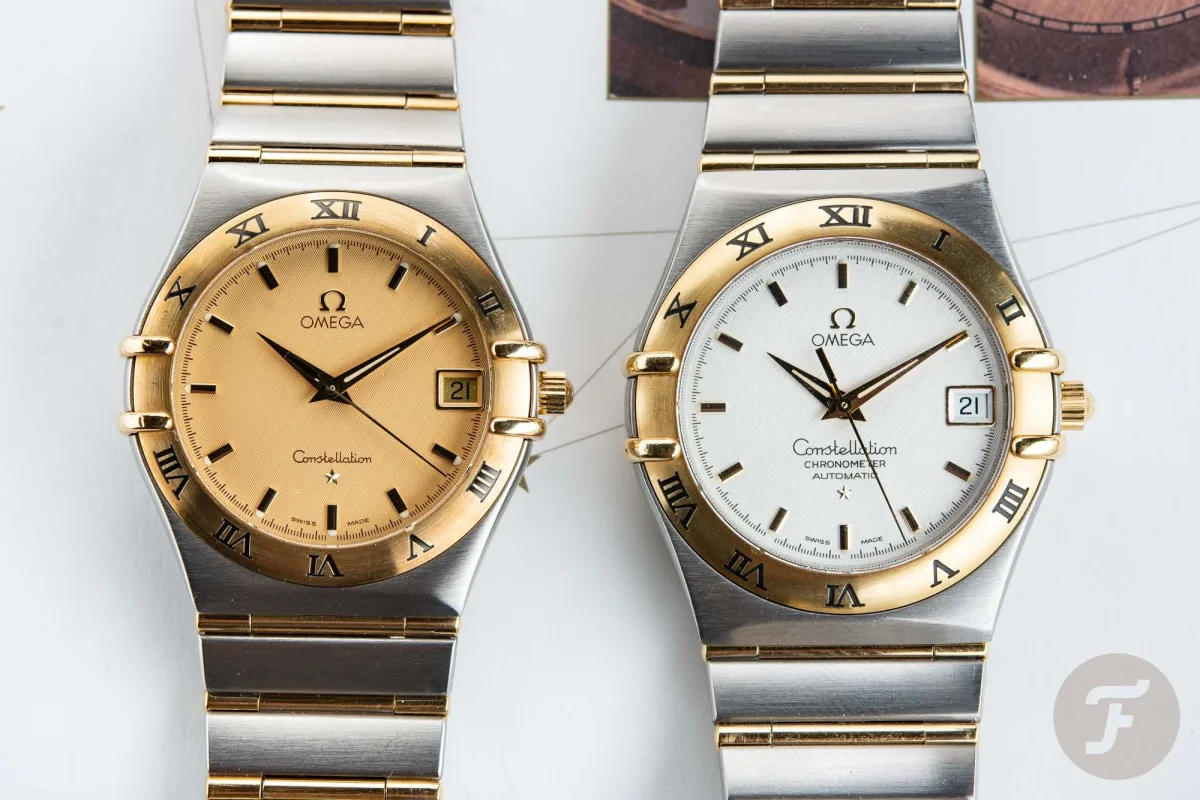
My preferences are for two-tone models, such as ref. 1202.10. Note that two-tone options come with two types of bracelets: with "full" and "half" links. This is evident from the name, but the "full" link bracelet contains more gold. The white version is numbered 1202.30, while "half" variants are 1302.30 (white dial) and 1302.10 (champagne).
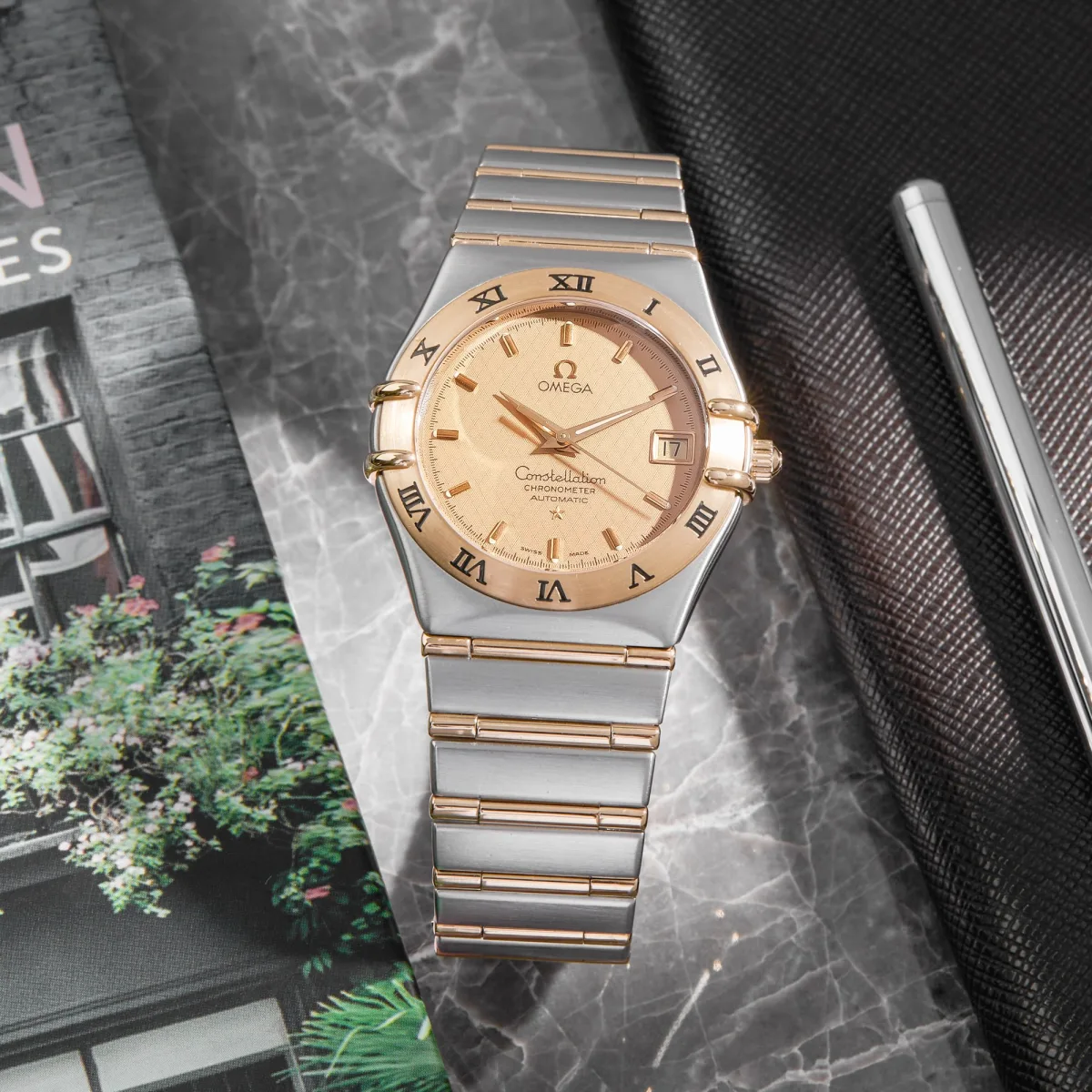
I specifically mention this since references are often confused on the secondary market, and you can find models with "half" links labeled as "full" and vice versa. It's annoying but usually due to a mistake rather than intentional deception. Now you know what to look for. Models with "full" type bracelets range from €2000 to €2500. All versions are also available with a quartz movement, making them even thinner and more compact.
What to Look for When Buying?
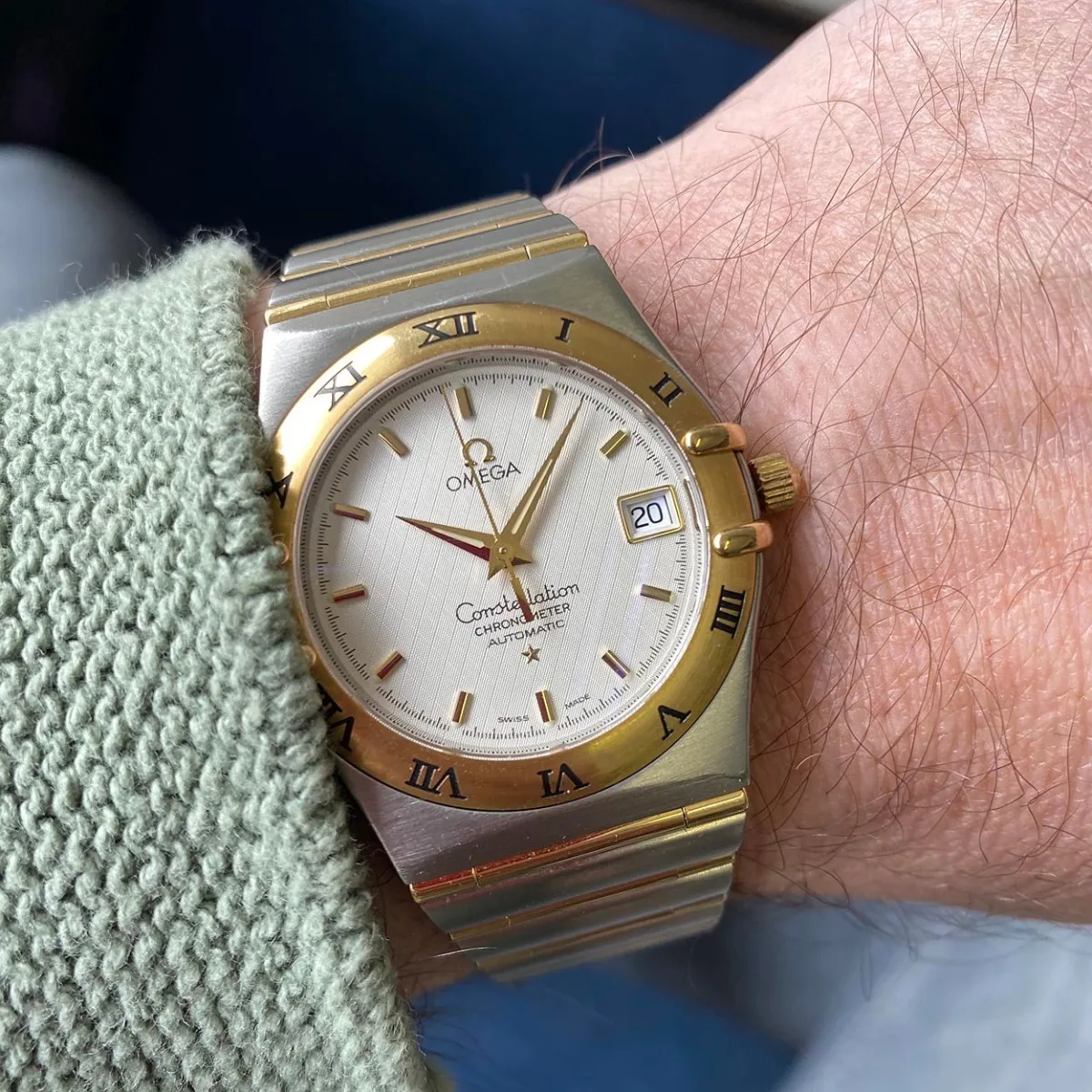
Some sellers may list entirely different models under incorrect numbers, including watches released before 1995, without the brand's "dauphine" hands or characteristic dial motifs, and with older movements (such as caliber 1109). Fortunately, Omega has an online catalog with most references, where you can verify everything.
Also, make sure there are enough links in the bracelet (there should be 23, including the clasp) and that they are not deformed. Deformed links are easy to spot by the excessive gap between them - the bracelet should look uniform and smooth.
Purchasing a Constellation ’95 with the original box and documents should not pose any difficulties. Keep in mind that Omega boxes from the 1990s were not of high quality, so don't worry too much if you find a box with signs of wear - this is quite typical for that time.