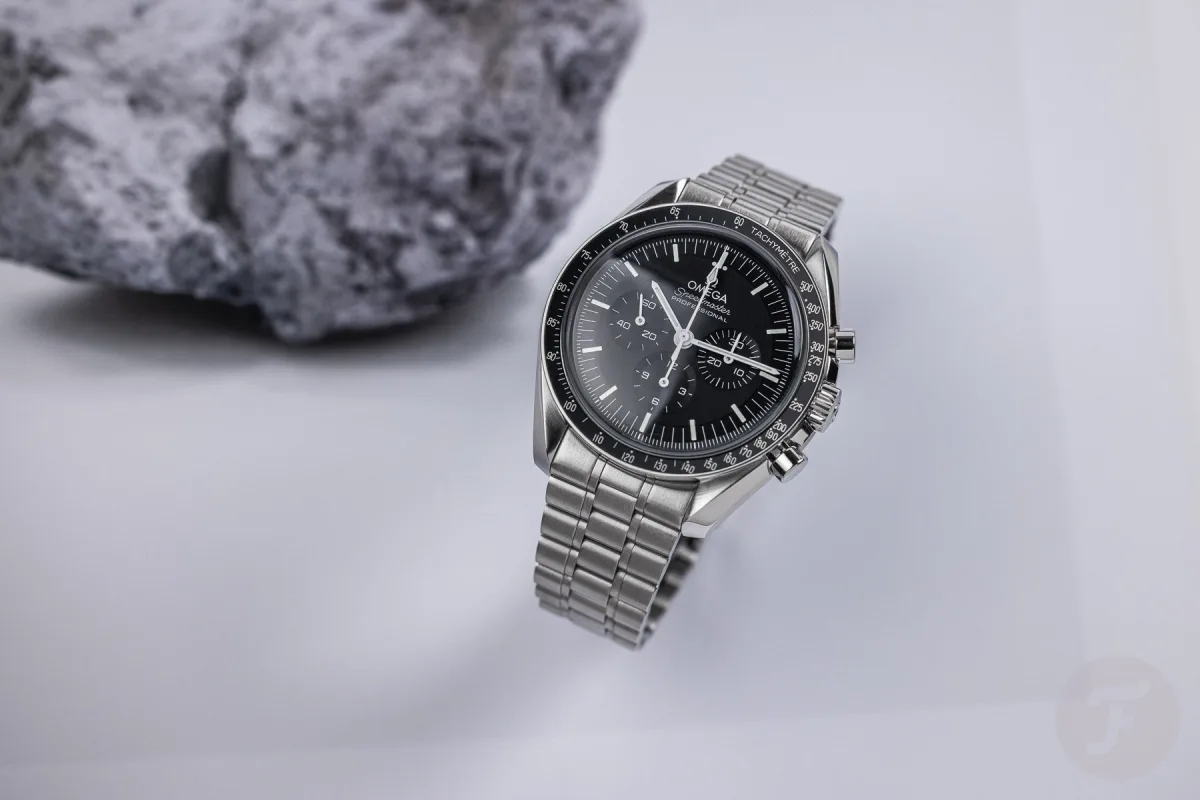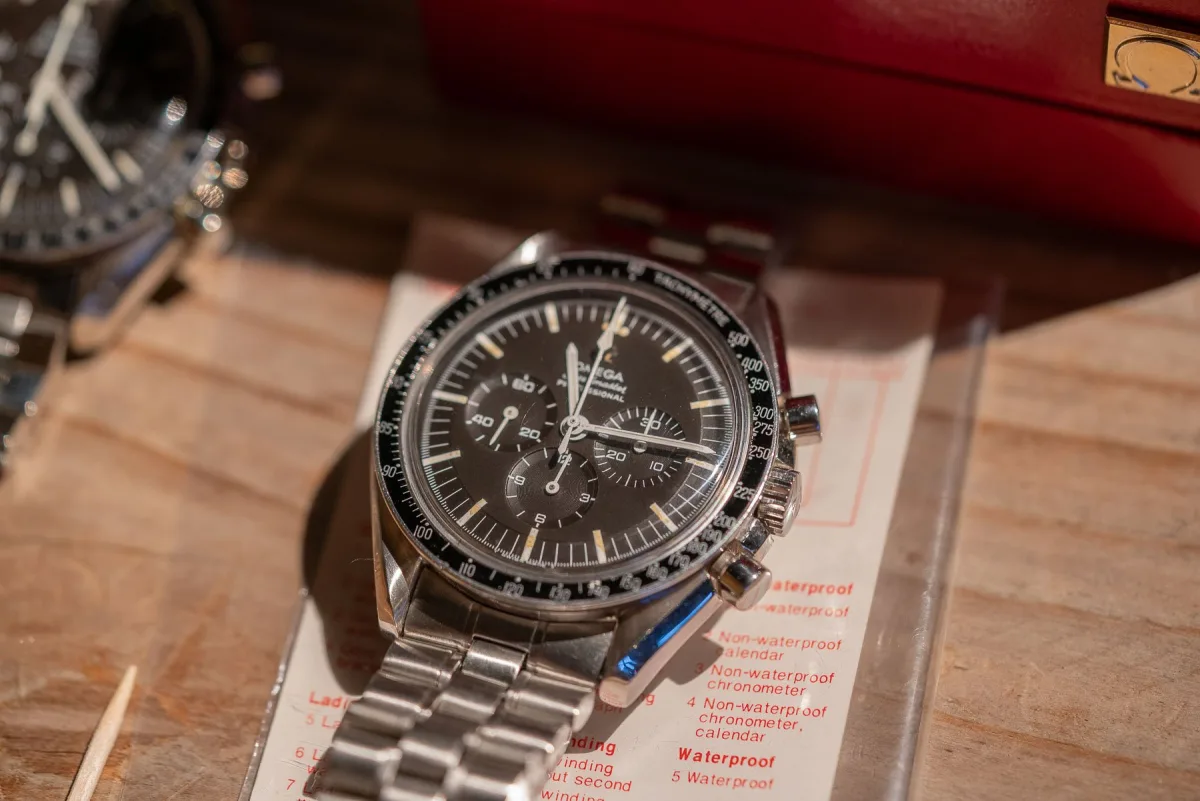
July 21 - the day when the Omega Speedmaster Professional earned the nickname Moonwatch.
This is one of the first nicknames ever given to a wristwatch, and it has been used for decades. If you are a watch enthusiast, you have probably heard the story of the Moonwatch a thousand times. However, if you are new to the world of watches or simply don't mind hearing it again, get acquainted with the details of one of the greatest chronographs of all time.
Omega Speedmaster Professional Moonwatch: The Beginning of a Legend
The Omega Speedmaster did not become the Moonwatch by chance. On the contrary, it was preceded by a careful selection process. One of the most common myths in the watch industry is the story that NASA bought the Speedmaster in a jewelry store in Houston, making it their official choice. But NASA is an organization with strict standards, procedures, and procurement rules for astronaut equipment. To understand how the Speedmaster ended up on astronauts' wrists, we need to go back in time even further. The fact that Schirra, Slayton, and Cooper already owned the Speedmaster CK2998 was irrelevant.

How the Speedmaster Became the Moonwatch
On September 21, 1964, Deke Slayton, Director of Flight Crew Operations, issued an internal directive stating that the crews of the Gemini and Apollo missions needed a reliable and accurate chronograph. This request was initiated by the astronauts themselves, who wanted watches for training and flights. The memorandum landed on the desk of NASA engineer James Ragan, who prepared a request for proposals and sent it to about ten watch manufacturers, including Omega, Rolex, Longines, and Lucien Piccard.
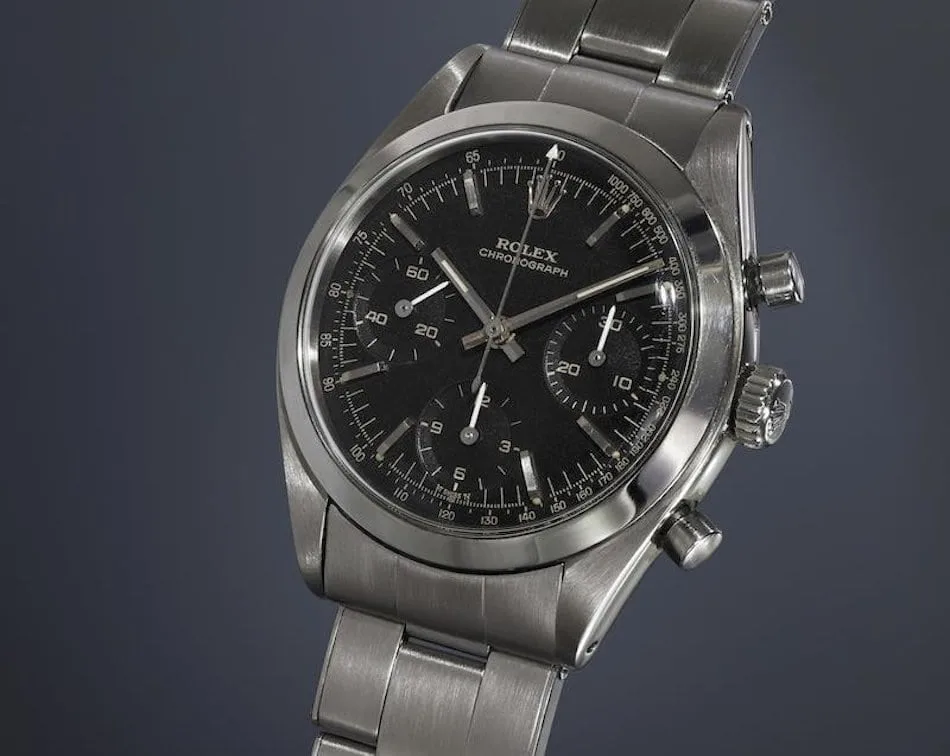
Of the ten companies, only four responded: Rolex, Longines-Wittnauer, Hamilton, and Omega. NASA immediately disqualified Hamilton - the company mistakenly sent pocket watches instead of wrist chronographs. In retrospect, this is one of the grossest errors in watchmaking history. The only thing that could surpass this failure was a complete lack of response from the other brands.
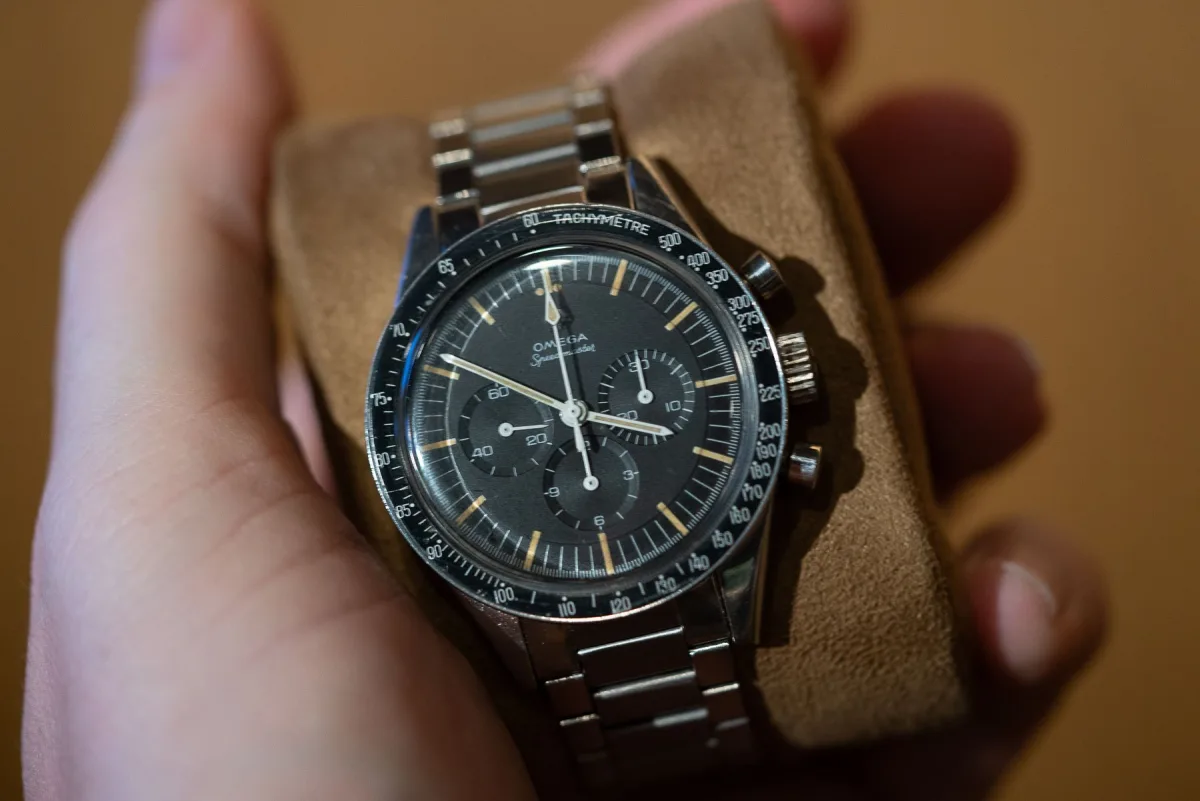
Testing Longines, Rolex, and Omega
Longines-Wittnauer sent the chronograph 235T, Rolex sent model 6238, and Omega sent the Speedmaster 105.003. Interestingly, both the Rolex 6238 (pre-Daytona) and the Longines-Wittnauer 235T were equipped with the Valjoux 72 movement, while the Speedmaster used the caliber 321 based on Lemania.
NASA's Requirements for Watch Testing
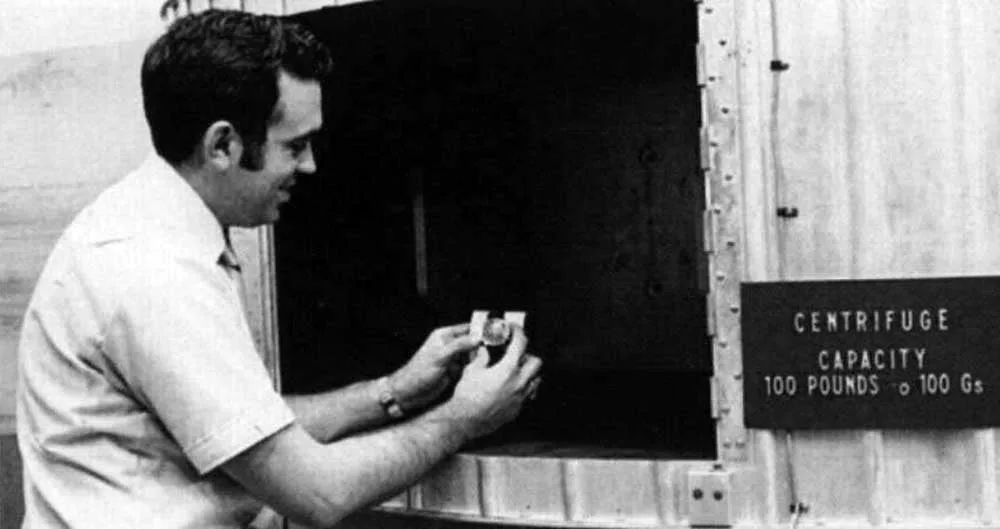
For watches to be approved for space use, NASA developed a series of extreme tests:
- High-temperature test: 70°C for 48 hours, then 93°C for 30 minutes in partial vacuum.
- Low-temperature test: -18°C for 4 hours.
- Vacuum test: heating in a vacuum chamber followed by cooling to -18°C in several cycles.
- Humidity test: 10 cycles of 24 hours at humidity above 95% and temperatures from 25°C to 70°C.
- Corrosion test: oxygen atmosphere at 70°C for 48 hours.
- Shock-resistance test: six shocks of 40 g in six directions.
- Acceleration test: progressive acceleration to 7.25 g for about five minutes, then to 16 g for 30 seconds along three axes.
- Low-pressure test: pressure of 10.6 atm at 70°C for 90 minutes, then at 93°C for 30 minutes.
- High-pressure test: air pressure of 1.6 atm for 60 minutes.
- Vibration test: random vibrations along three axes with frequencies from 5 to 2000 Hz and acceleration of 8.8 g.
- Acoustic test: 130 dB at frequencies from 40 to 10,000 Hz for 30 minutes.
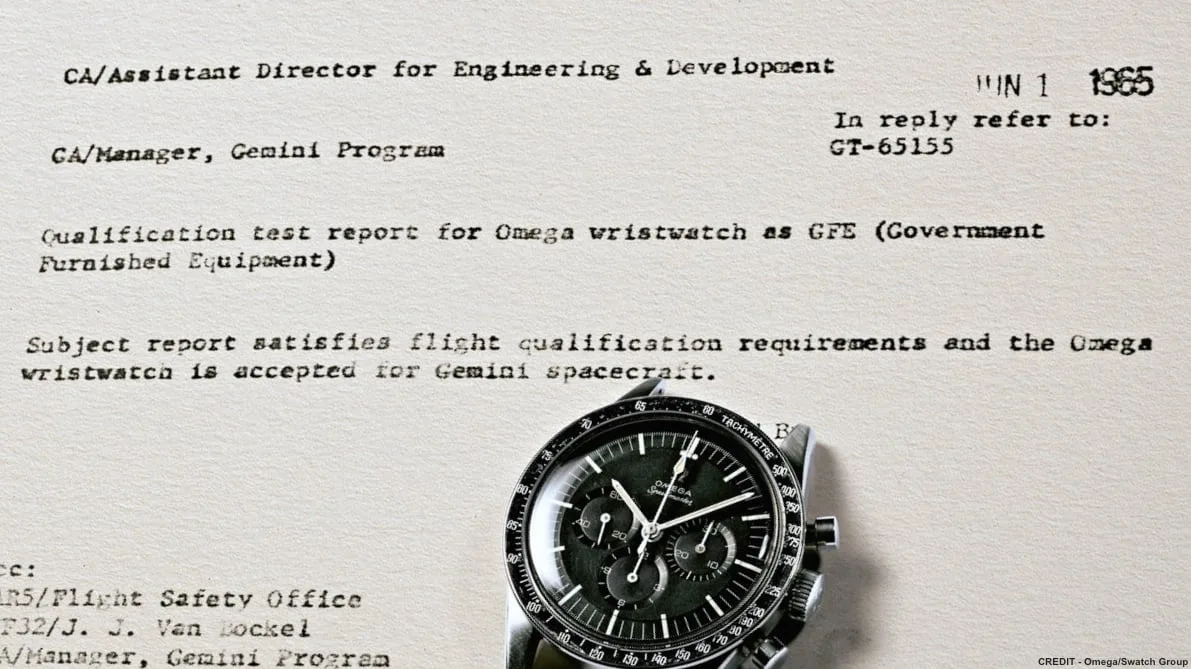
NASA Qualification Results for the Speedmaster
NASA allowed a maximum daily deviation of no more than six seconds after the tests. According to Omega's archival documents, the Rolex 6238 did not pass the humidity test - the mechanism simply stopped. Additionally, the watch failed the high-temperature test. The Longines-Wittnauer 235T also could not withstand the high temperature - the glass deformed and detached.
All tests were completed on March 1, 1965. On March 23, 1965, the Speedmaster 105.003 went to space on the wrists of astronauts Virgil Grissom and John Young. On June 1, 1965, the Omega Speedmaster 105.003 received NASA qualification (not certification - NASA certifies nothing!) as the chronograph for all manned space missions.
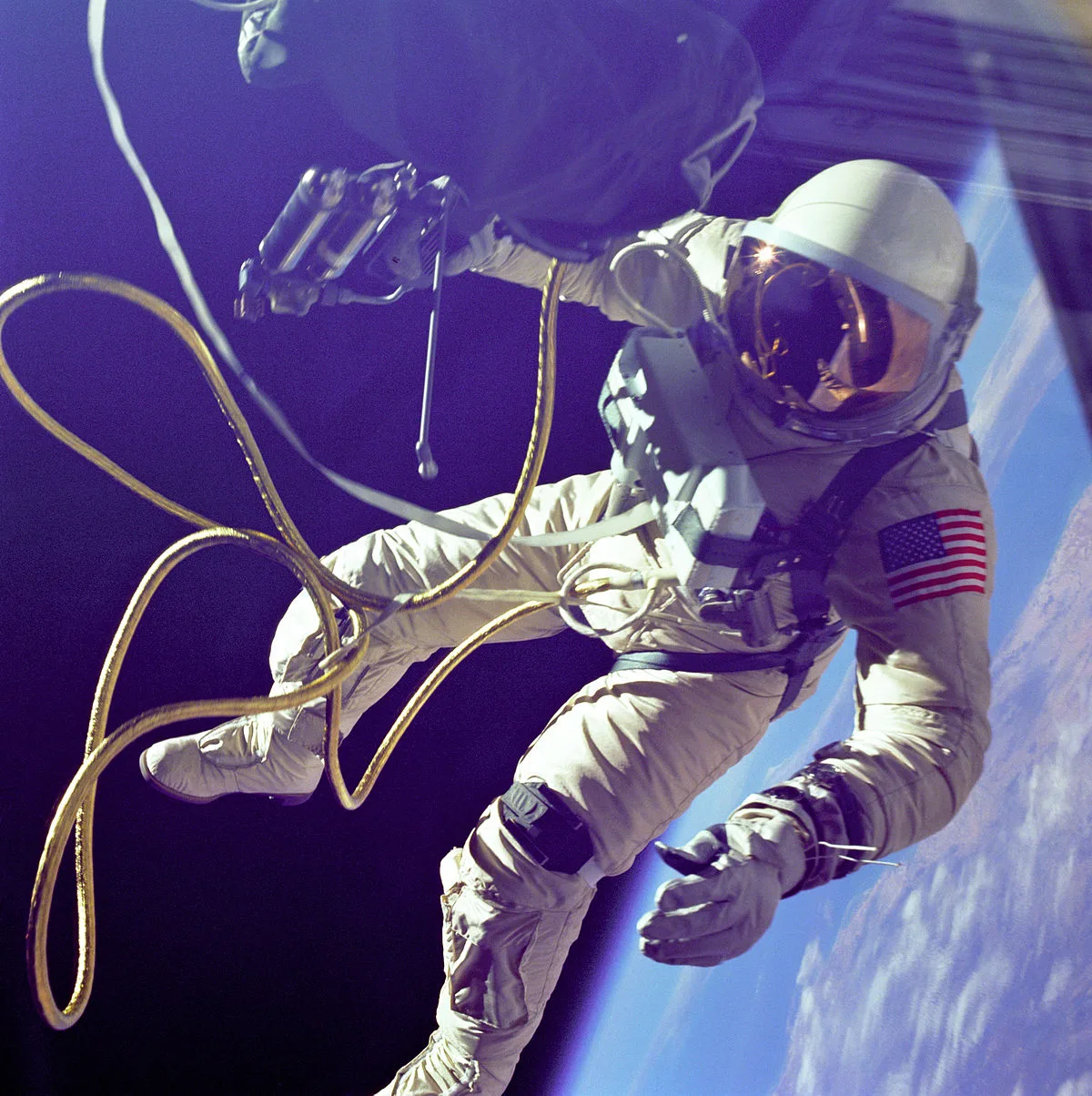
Ed White and the Double Speedmaster
On June 3, 1965, NASA astronaut Ed White wore two Speedmaster 105.003 watches over his suit during the first American spacewalk.
Now that we know how the Speedmaster became NASA's chronograph (details can be read in a separate article), let's move on to the next important event - the Apollo 11 mission.
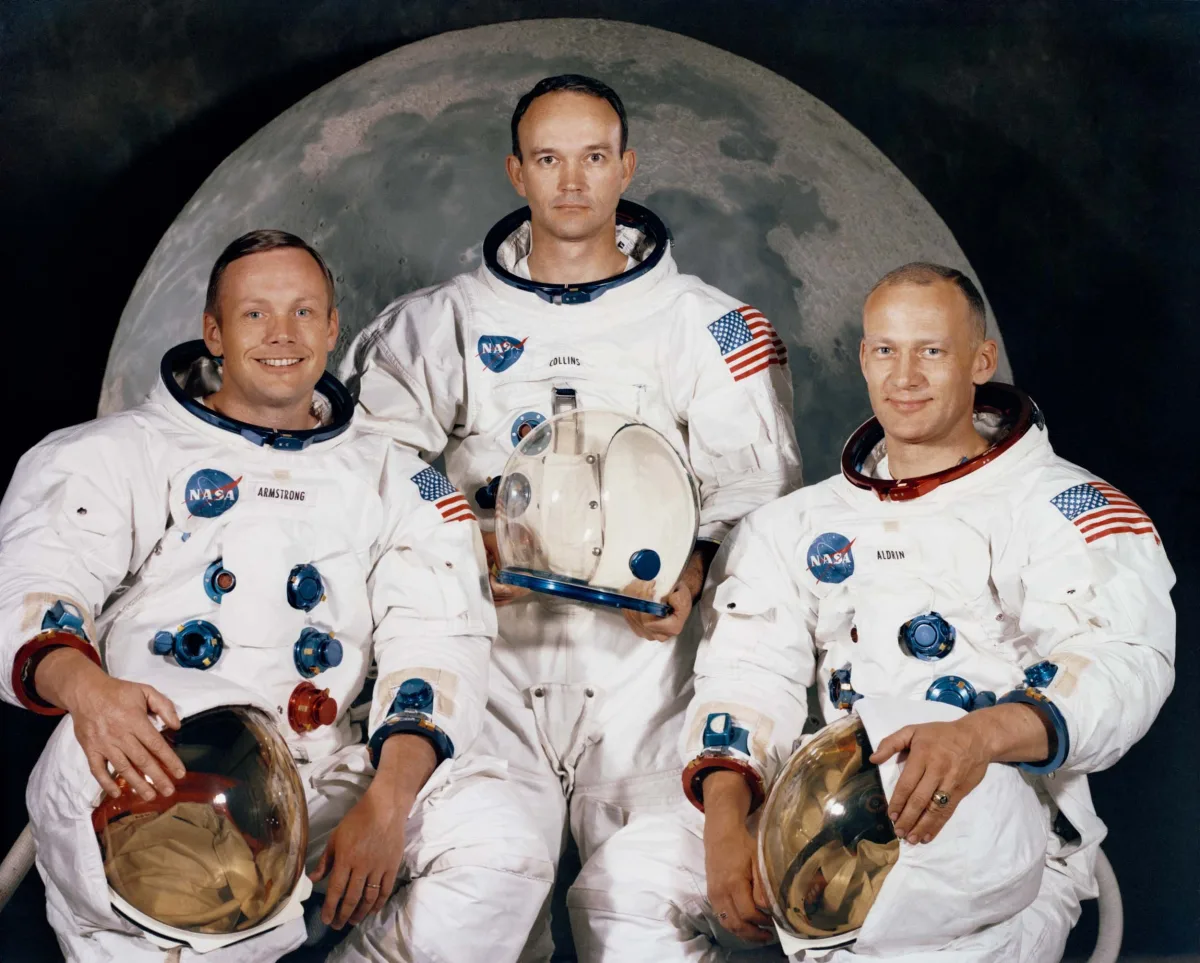
Apollo 11: Who Wore What Watches?
Omega continued to improve its models, including the fourth generation of the Speedmaster, labeled "Professional." This name appeared not because of NASA qualification, but thanks to the new 42mm asymmetrical case with lyre lugs and protection for the crown and pushers. The protection prevented damage and accidental pressing of buttons. The early generations of the Speedmaster had straight lugs and smaller case diameters (39.7 mm for models 105.003 and CK2998, 38.6 mm for CK2915 with a metal bezel).
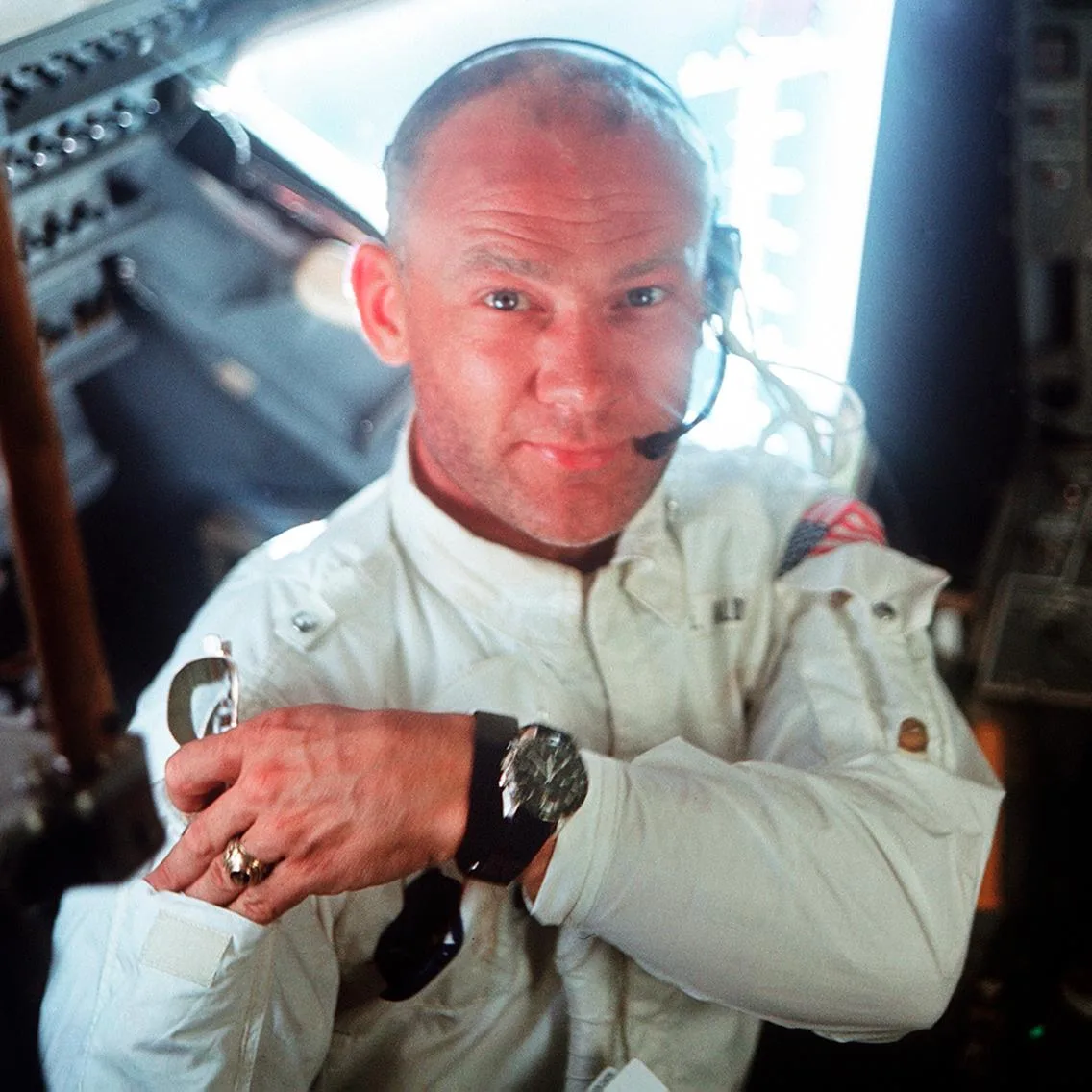
Omega began supplying the Speedmaster Professional to NASA. Thus, the Apollo 11 crew - Neil Armstrong, Edwin "Buzz" Aldrin, and Michael Collins - all wore fourth-generation watches. Armstrong and Aldrin had the Speedmaster Professional ref. 105.012 (Armstrong's was the -65 version), while Collins had the 145.012-68.
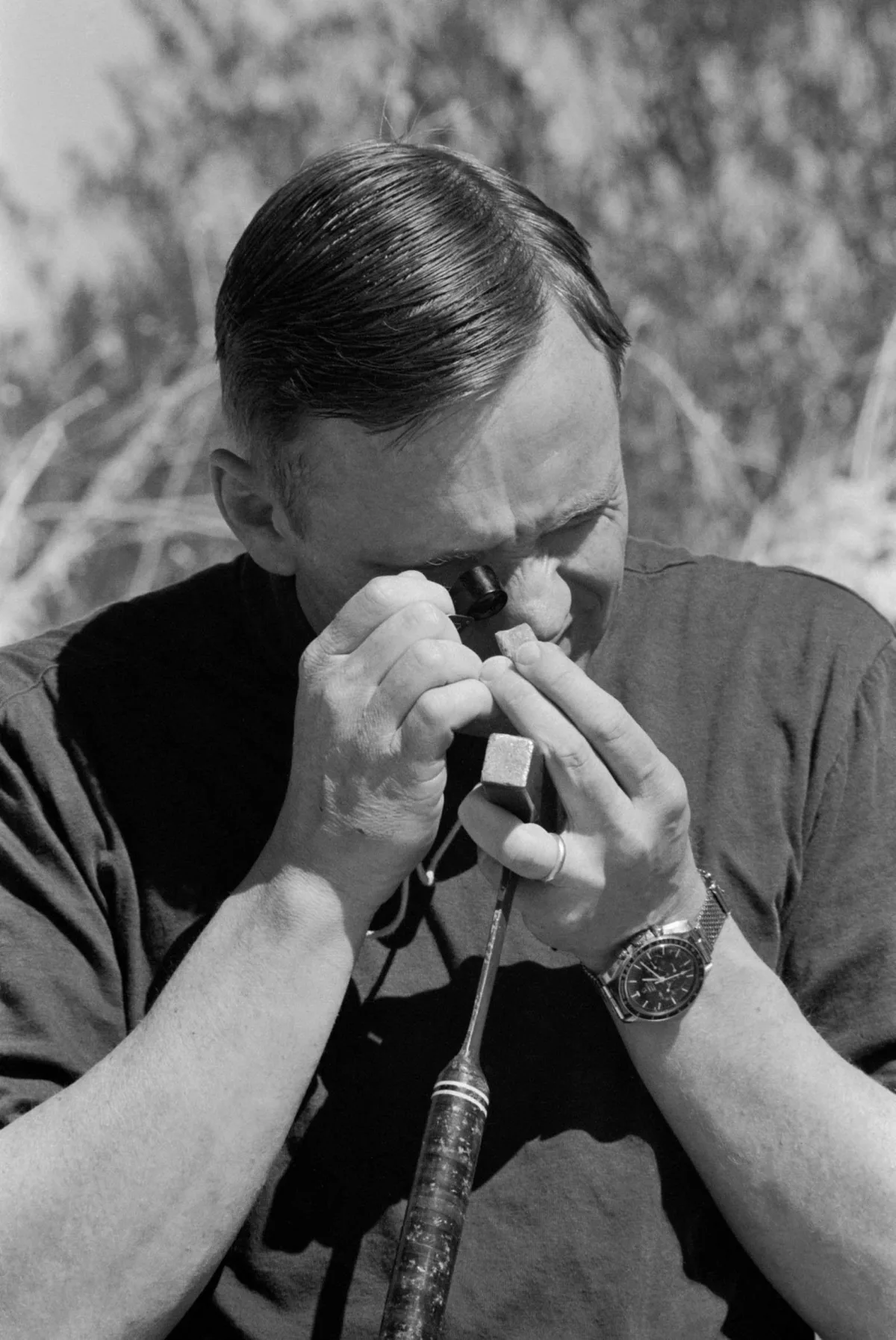
NASA Numbers
All these watches had the same internal NASA number - SEB1210039-002 (the previous model 105.003 had the suffix "-001"). This number was engraved on the case back, and a unique serial number was on the side of the case near the lugs.
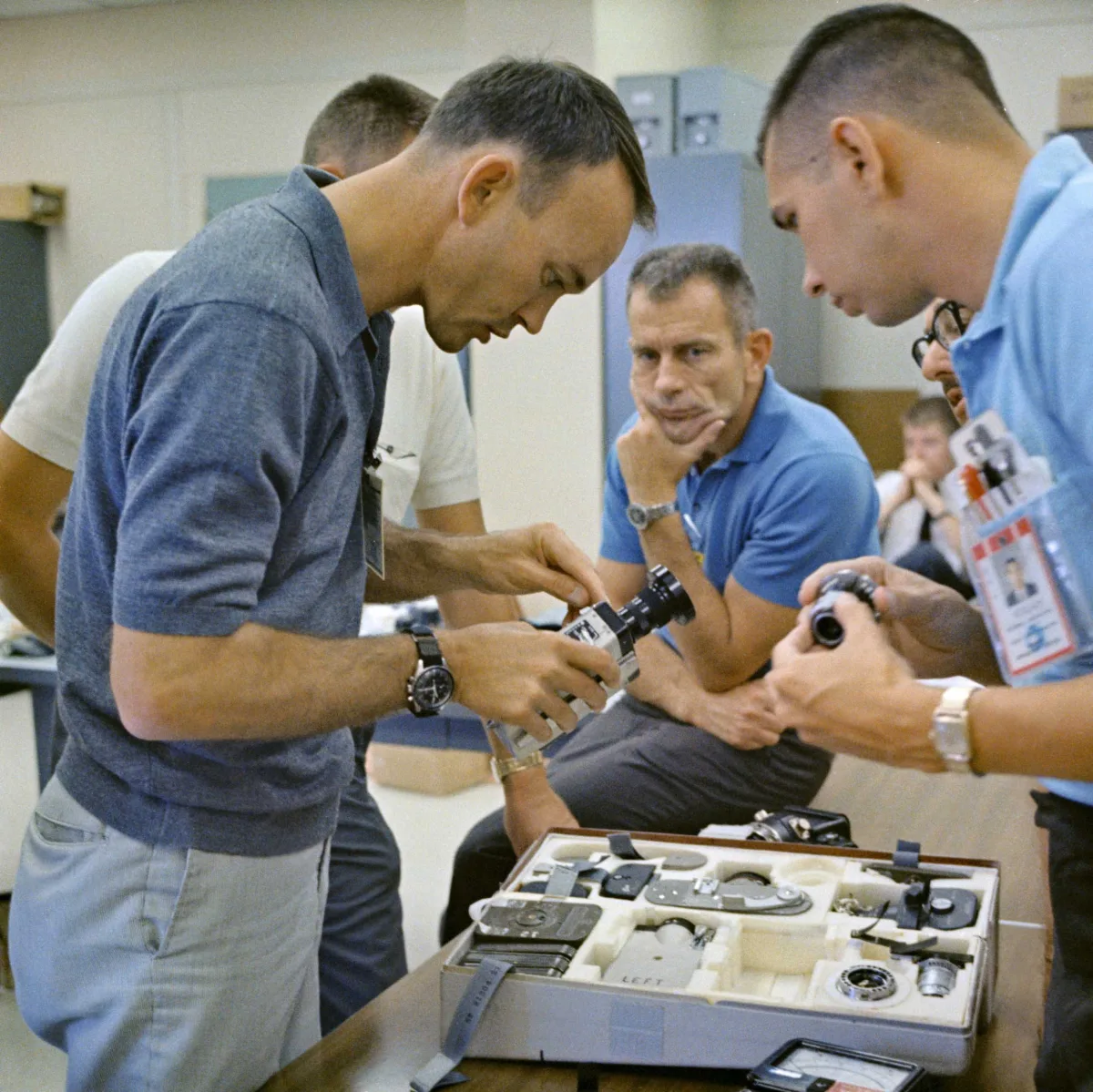
Armstrong on the Moon Without a Moonwatch
The serial number of Armstrong's watch was 46, Aldrin's 105.012 was 43, and Collins' 145.012-68 was 73. According to legend, Armstrong left his Speedmaster in the capsule as a backup due to a malfunction of the onboard timer. Michael Collins' and Neil Armstrong's watches are now displayed at the Smithsonian National Air and Space Museum. Buzz Aldrin's Speedmaster is rumored to have been lost during transportation to Washington.
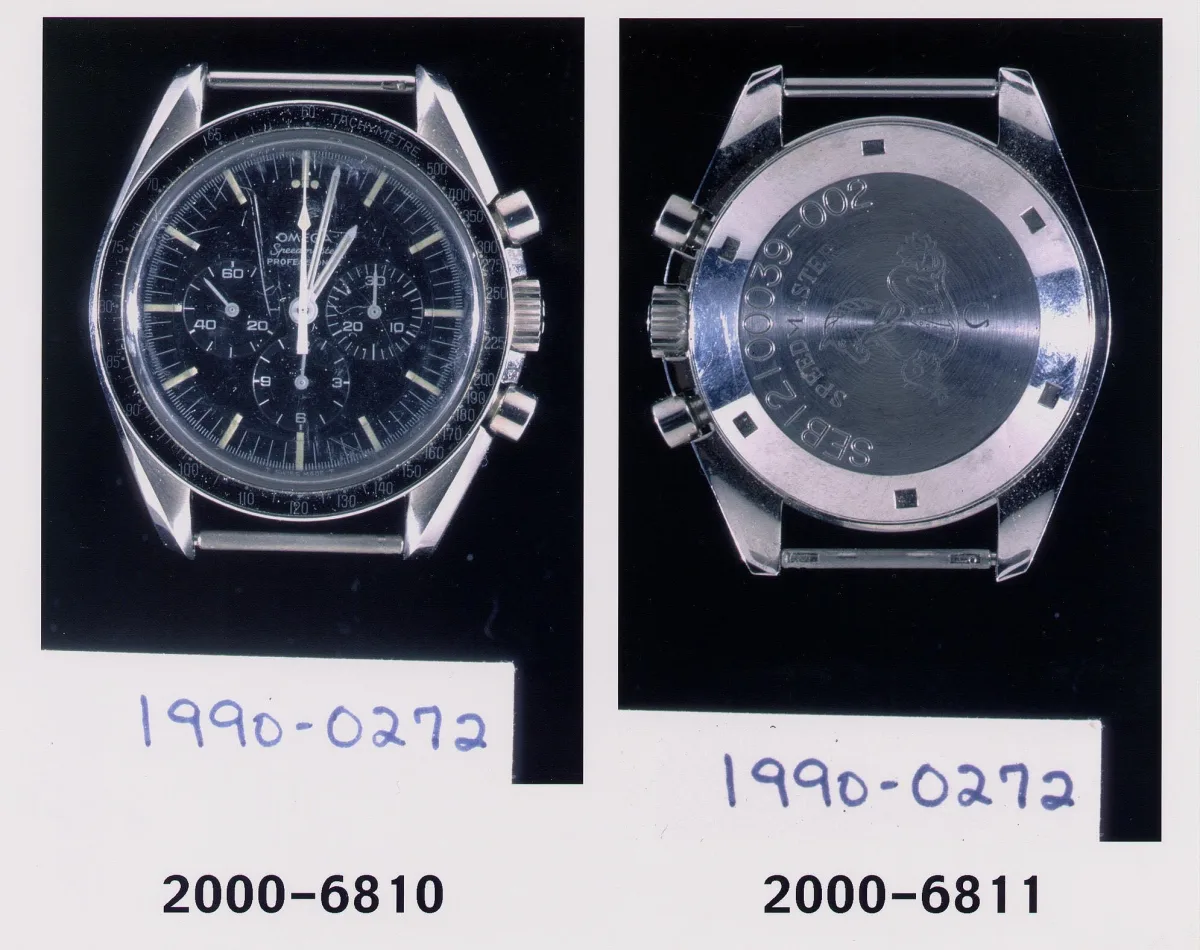
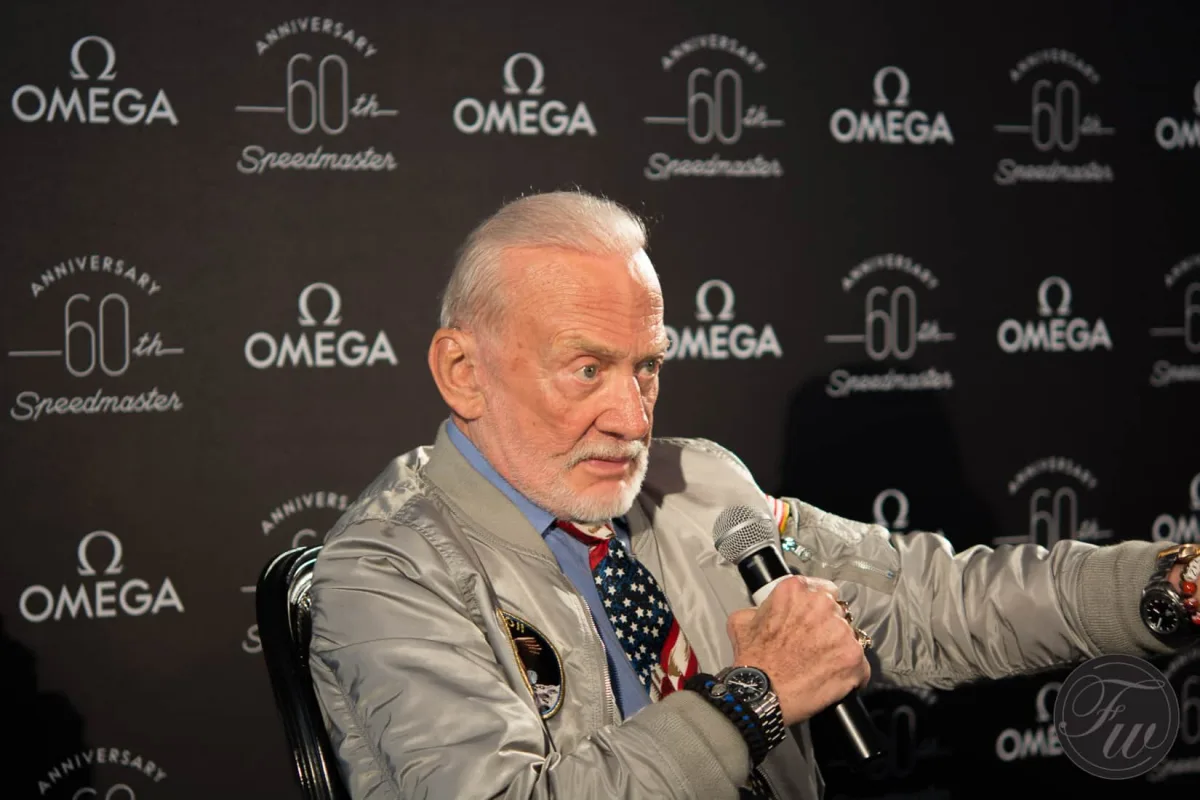
In 2021, Michael Collins passed away, leaving Buzz Aldrin as the only surviving Apollo 11 astronaut. Although Aldrin's original watch may have been lost, he still wears an Omega Speedmaster. Below is a photo I took in 2017 at a Speedmaster event in London.
How to Choose a Speedmaster Close to Lunar Models
If you want to purchase a model as close as possible to those worn on the moon, choose the vintage references described in this article. Nevertheless, the modern Omega Speedmaster Professional with Hesalite glass, as shown in the photo below, is very similar to the 105.012 model worn by Aldrin.