Why is the range of watch prices so wide and confusing? Is it all just marketing? Let me clarify this topic for you.
In many ways, the range of watch prices is like the range of house prices. A well-built house with convenient and practical features will, all else being equal, cost more. Houses with history or built by a famous architect will also add dollars to the price.
Cities are like brands. A good house in New York will cost much more than in a less economically vibrant city. Good Rolex watches will cost more than good watches (insert a brand I don't want to offend).
That's basically why watch prices make sense and don't make sense. However, let's delve into the details. This way, you can understand what is important to you and what is not, and then choose the appropriate price range!
Watch Price Range: A Practical Look at Its Breadth
The reason for such a wide range of watch prices lies in the history of watches. All a watch needs to do is tell time.
Since the invention of quartz watches, cheap and accurate watches have become easy to produce. However, mechanical and automatic movements have historically been handcrafted and require skill.
How Cheap Watches Differ from Expensive Ones
As an extreme example, mass-produced electronic quartz watches will be much cheaper than handcrafted automatic watches.
So shouldn't there only be two price categories for watches? Cheap and very expensive?
It would seem so, but no.
First, quartz watches can boast innovations worth paying for.
For example, Grand Seiko grows its quartz crystals. Specialists on-site select the best specimens for maximum performance, requiring manual and highly skilled work.
Then there's Citizen's watch group. Their Eco-Drive technology is powered by light and allows for less frequent battery changes - an innovation that also makes life easier.
Accutron and Bulova, also part of Citizen, offer military-grade high-frequency quartz movements with nanosecond accuracy.
Gray Areas in Mechanical Watches
Yes, traditional handcrafted mechanical watches require a more skilled hand than mass-produced electronic watches.
However, aside from true works of art, there are mid-level mechanical watches whose prices come close to quartz ones. In fact, many of these mid-level watches are more affordable.
Seiko, known for its discipline and efficiency, is a good example of this phenomenon. They use old parts and tools to produce watches. Since we don't use watches to tell time these days, this makes mechanical watches democratic for those simply curious about watchmaking without a sufficient budget.
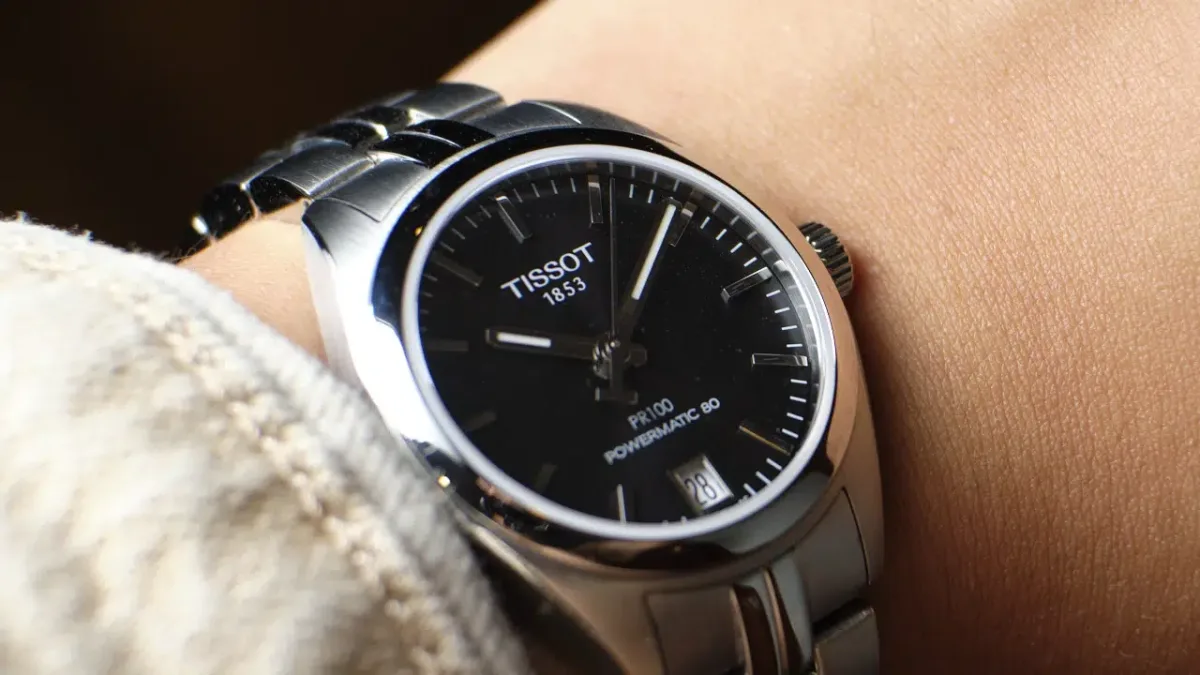
Meanwhile, Tissot combines mass production with Swiss technology. This means they can offer automatic watches with the coveted Swiss made label at prices much lower than the market (think closer to $1000, not $2000).
Many luxury brands continue to make their automatics the old way while implementing innovations. Rolex is such a major player because it patents many of its automatic technologies and advanced features.
When it comes to luxury brands, the question of whether innovation and craftsmanship preceded marketing is not straightforward. What came first - the chicken or the egg?
Nevertheless, today their watches are expensive due to a combination of marketing and genuine craftsmanship.
Now let's take a closer look at the price category.
Breaking Down Watches by Price Range
It is very important to understand what watches are in terms of price range because not all $100 watches are made the same. And not all $1000 watches are made the same.
Let's start with budget models and move on.
Budget: Under $200
There are mainly three types of budget watches: fashion watches, well-built "beaters," and heritage models - yes, even in this price category. Many will say the latter two types are "real watches."
Of course, fashion watches are real watches. I mean this in the most literal sense. You can tell time with them, they are not some prop for filming.
However, they are primarily designed for style. And they aren't always made from quality materials, even within the possible in this price range. But this is not always bad.
You might want to wear a watch as a fashion accessory or as a timepiece that helps you not linger on the screen. Great news: you can find something for under $100.
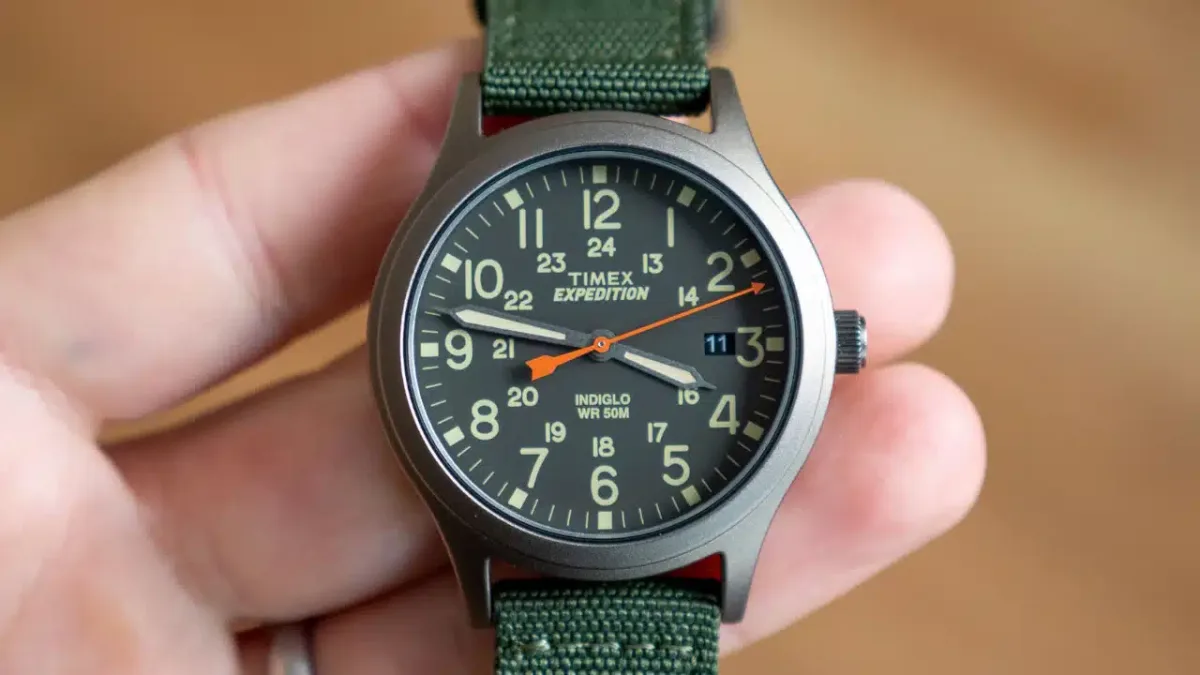
Now let's talk about timepieces that don't require much expense. These models are affordable because they lack bells and whistles. But that doesn't mean they aren't built to last. Good examples are G-Shock watches and other honest field watches.
You can even find Seiko 5 automatic watches for under $200. They are not the most beautiful or advanced movements, but they are reasonably priced.
Between Seiko and G-Shock, you can find quite decent watches on a budget.
Another common feature of these two watch companies is their followers. Their popularity makes them akin to heritage brands. Timex and Casio are also heritage brands.
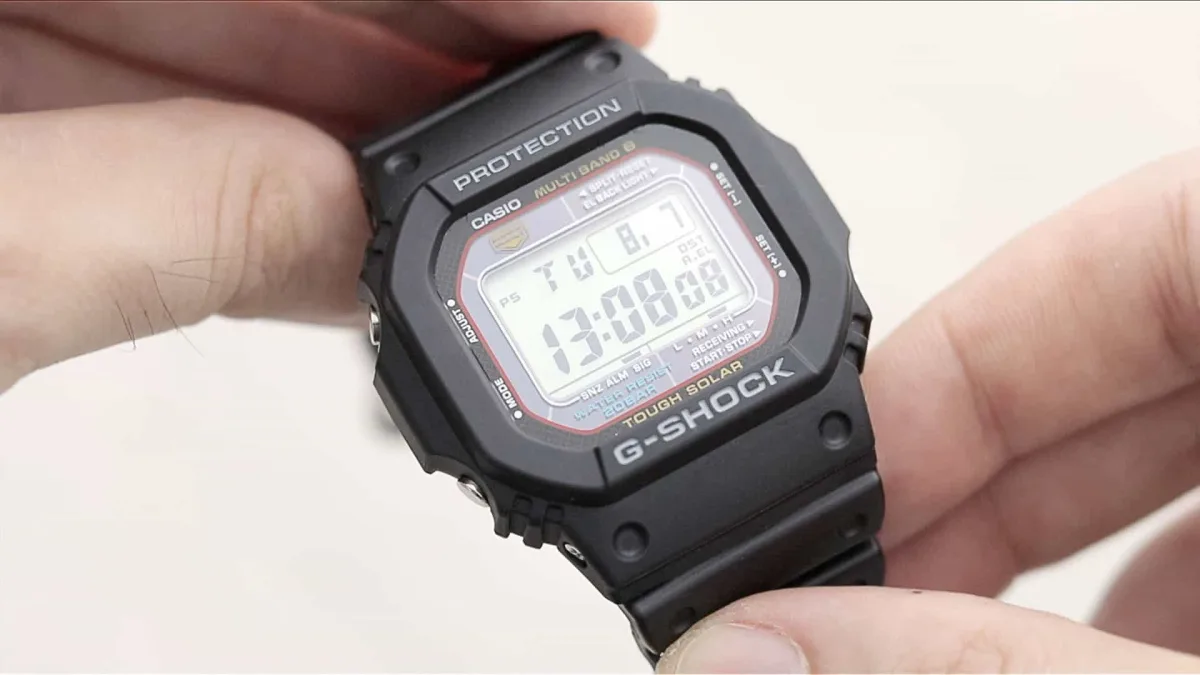
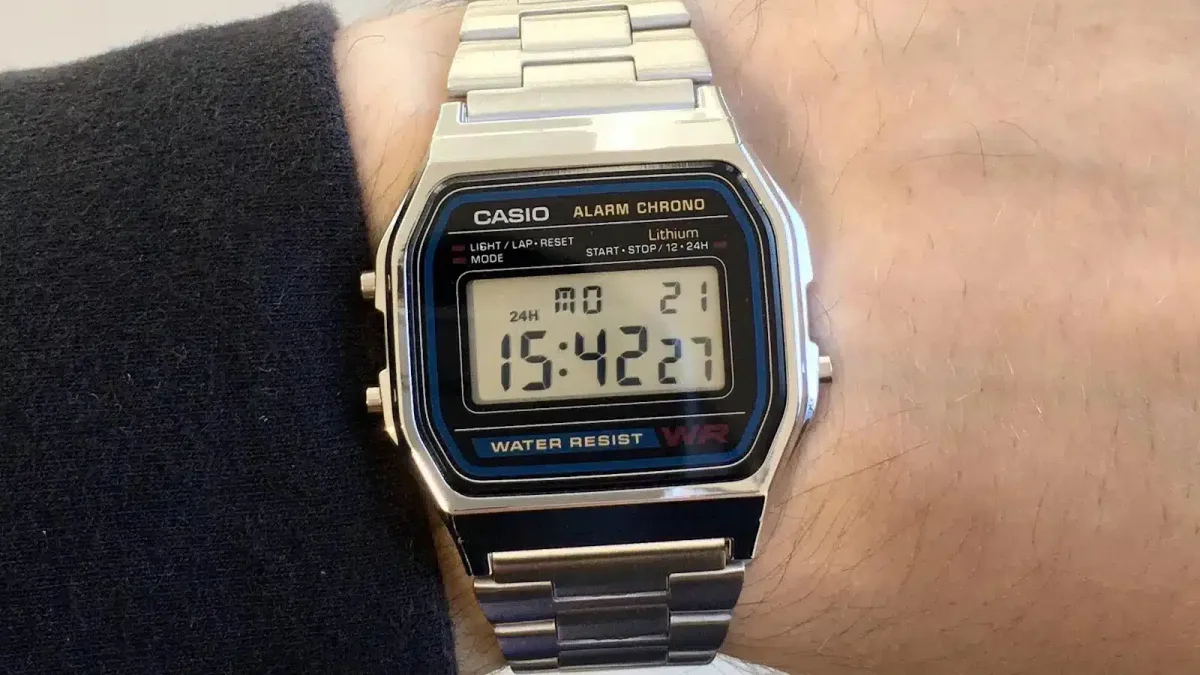
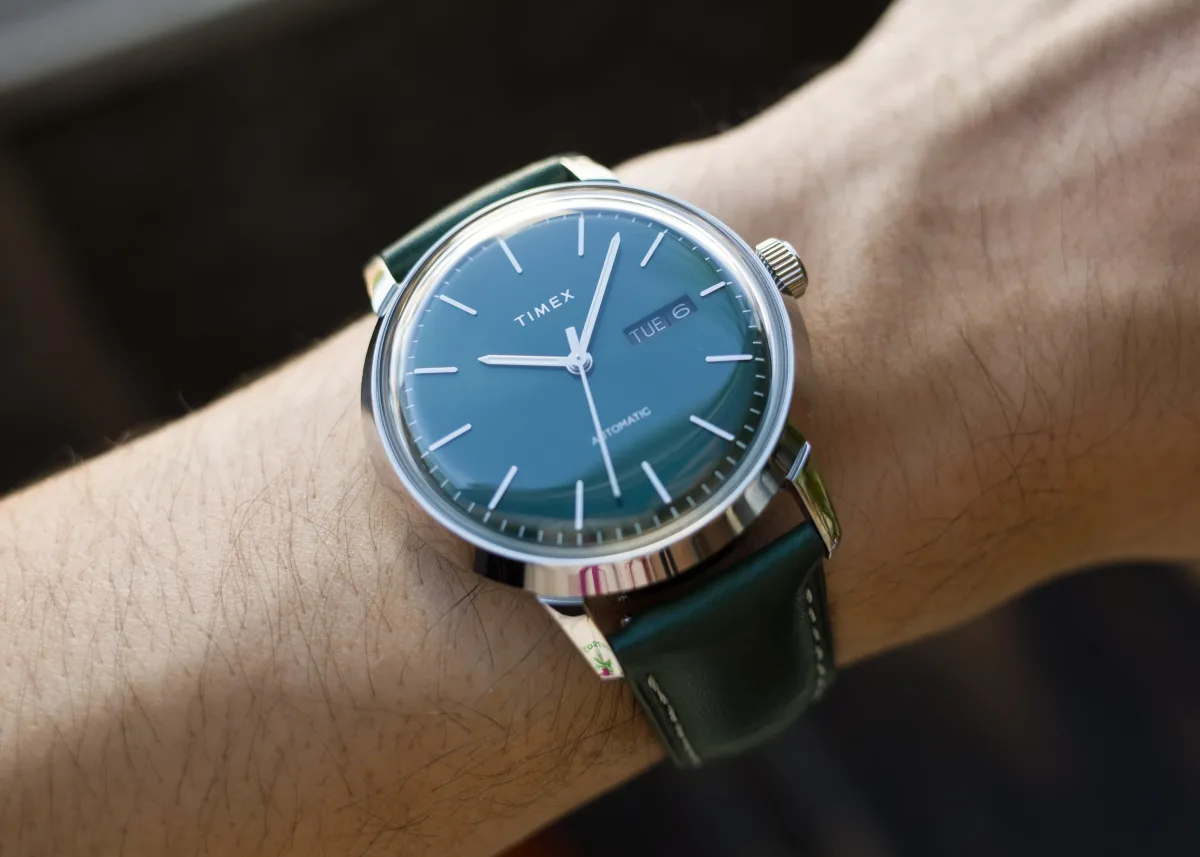
Take the Timex Marlin or Casio A158W.
No one will deny that these watches, despite their budget price, are "real watches."
But it's not all straightforward. Where, for example, do you place Swatch?
As a brand, they are collectible and associated with Swiss chart-toppers like Omega. The simple answer is that it depends on the model. It depends on who you ask, but I would say it's a mix of a little bit of all categories.
Mid-Range and Affordable Luxury: $300-$1000
Why such a wide range for this category? Well, the phrase "luxury," especially when it's paired with "affordable," is subjective.
For example, some brands might be considered "affordable luxury" for some. Tissot makes Swiss watches, offers automatic movements, and has a certain fame.
Ask any watch and film enthusiast about the unnamed, unmentioned Tissot in the movie "Rear Window." They'll consider it one of the "white whale" mysteries of the watch world.
However, $300 quartz Tissot watches, while real watches, are more affordable than luxurious. And this despite being part of the $1000 Swiss-made automatic watches, which many may consider affordable luxury.
Unfortunately, there is no universal edict.
By the way, $1000 is more than a reasonable budget for Swiss-made automatic watches.
But what's most remarkable about this range is that you can find several great options with both quartz and automatic movements. You can even find historically important and culturally significant models here.
In fact, this category is rich in quality, honest, and affordable chronometers that will last a long time.
For example, the Bulova Lunar Pilot is a well-made watch. They are affordable for a chronograph, boast American heritage (with Japanese watch discipline), and have their own history. Like the Speedmaster, these watches went to the Moon, but unlike the Speedmaster, they won't cost you several thousand.
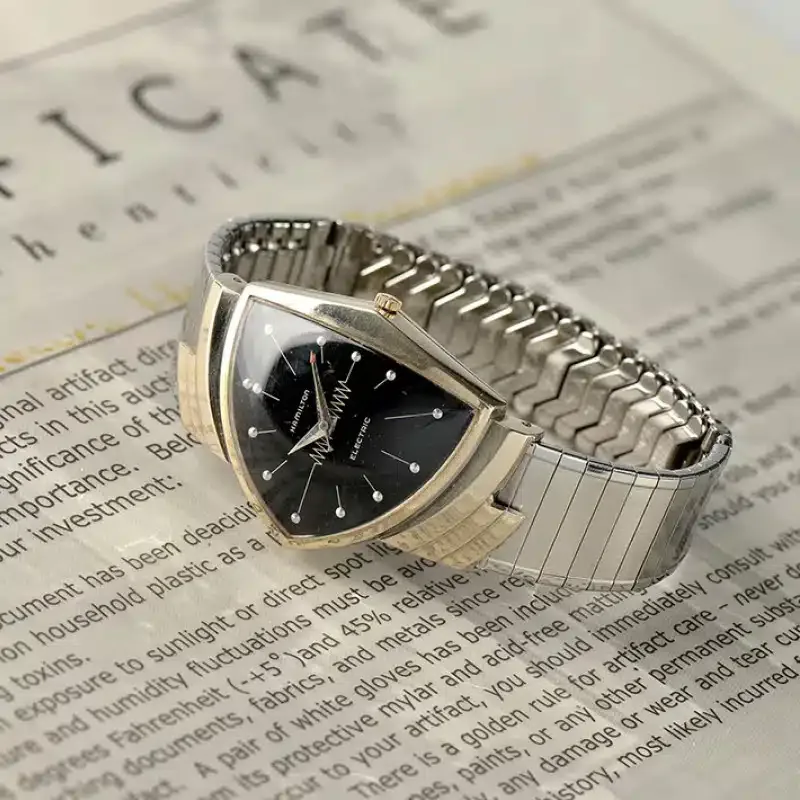
Elvis famously wore a unique Hamilton Ventura in the movie "Blue Hawaii." Unlike the mysterious Tissot from "Rear Window," you can easily find them.
Even if you stick to the under $500 range, the Seikos and Citizens of the world are high-quality workhorses that will serve forever.
Affordable Luxury and Entry-Level Luxury: $1000 - $8000
Unless someone is really trying to rip you off, most watches over $1000 can be considered affordable luxury.
Otherwise, these are watches in such demand that few will notice you bought them for such a price. Take the Seiko SKX007 model for example. The SKX007J model released for the Japanese market can be found for almost a thousand dollars.
However, it’s a basic diver that shouldn’t cost more than $200. But it's discontinued. The J version is harder to get than the K version and its beloved diver. Many rare, vintage pieces technically shouldn’t be worth as much as they are.
So it’s about rarity, and the market dictates what falls into the luxury category.
For me, entry-level luxury means it’s definitely luxury. It doesn't need the "affordable" clarification. But at the same time, it's quite basic. Many classic luxury sports watches fall into this category.
Technically, the Rolex Submariner, Omega Speedmaster, and even the quartz Seamaster of the 90s can be found in the range of $2000 to $8000.
The catch is that you will likely pay more to avoid getting on a waiting list. The Explorer II has an MSRP of $9,650, but even on gray market sellers like Jomashop, the starting list price is $12,000.
However, you can also purchase a pre-owned car for less than $8,000. But will it come with boxes and papers? No guarantees. And between us, at the time of writing this article, Rolex's secondary market prices are not at their peak (I'm sure they'll rise again).
Luxury: From $8,000 to "Sky's the Limit"
Finally, anything over $8,000 is definitely luxury, whether it's entry-level or advanced.
Sometimes watches justify such high prices by their construction alone. They may be perfectly applied, flawlessly finished, handcrafted, and have difficult-to-make complications. Additionally, like in the case of Rolex, the watches may have patented features you can't get anywhere else.
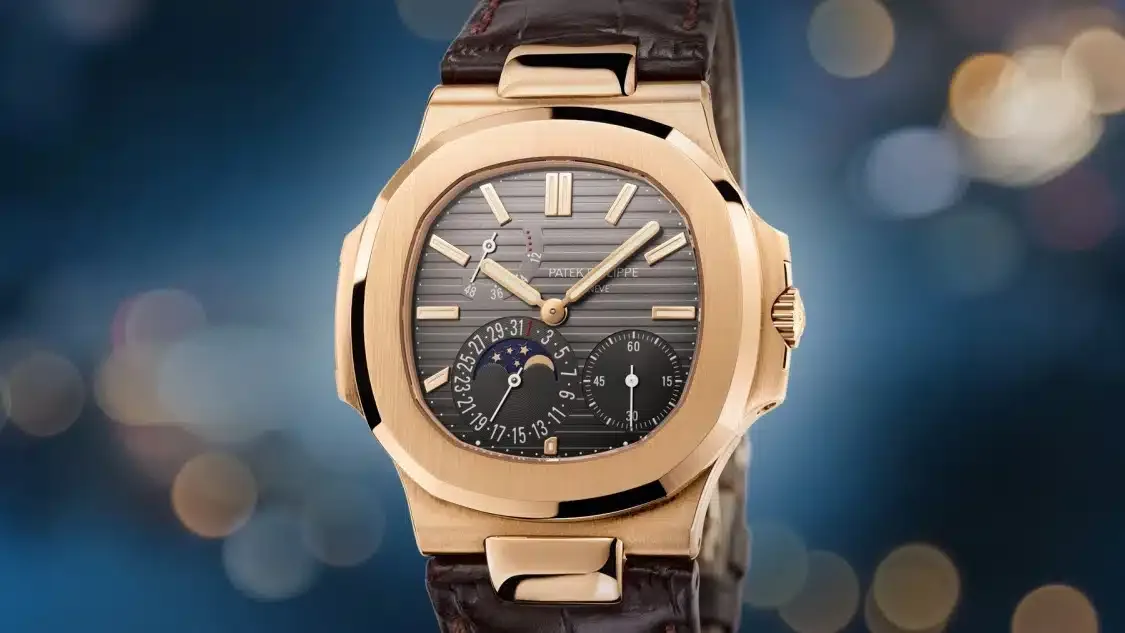
In other cases, they are well-made, but depending on who you ask, the brand name doesn't justify the price. Conversely, the brand's heritage and cool history might be worth it, raising market value.
And, of course, the rarer the watch, the more expensive it will be. That's why limited editions usually make good investments.
Conclusion: The Complex Reasons Behind Watch Price Ranges
Do you just need quality automatic watches? Then you can cap your budget at $500.
Do you need a big name but also a watch that will last you forever? Then go for entry-level Swiss-made watches priced from $2000 to $8000.
Ultimately, watch price ranges can be confusing because there are so many moving parts.
What is important for you when it comes to the price-functionality ratio of watches? Do brand names matter to you at all? Have your views changed after reading this article? Tell us about it on our Telegram channel!