Every collection has a pair of watches that quietly rest at the back of the box, rarely making it to the wrist and not quite fitting into the everyday rhythm of life.
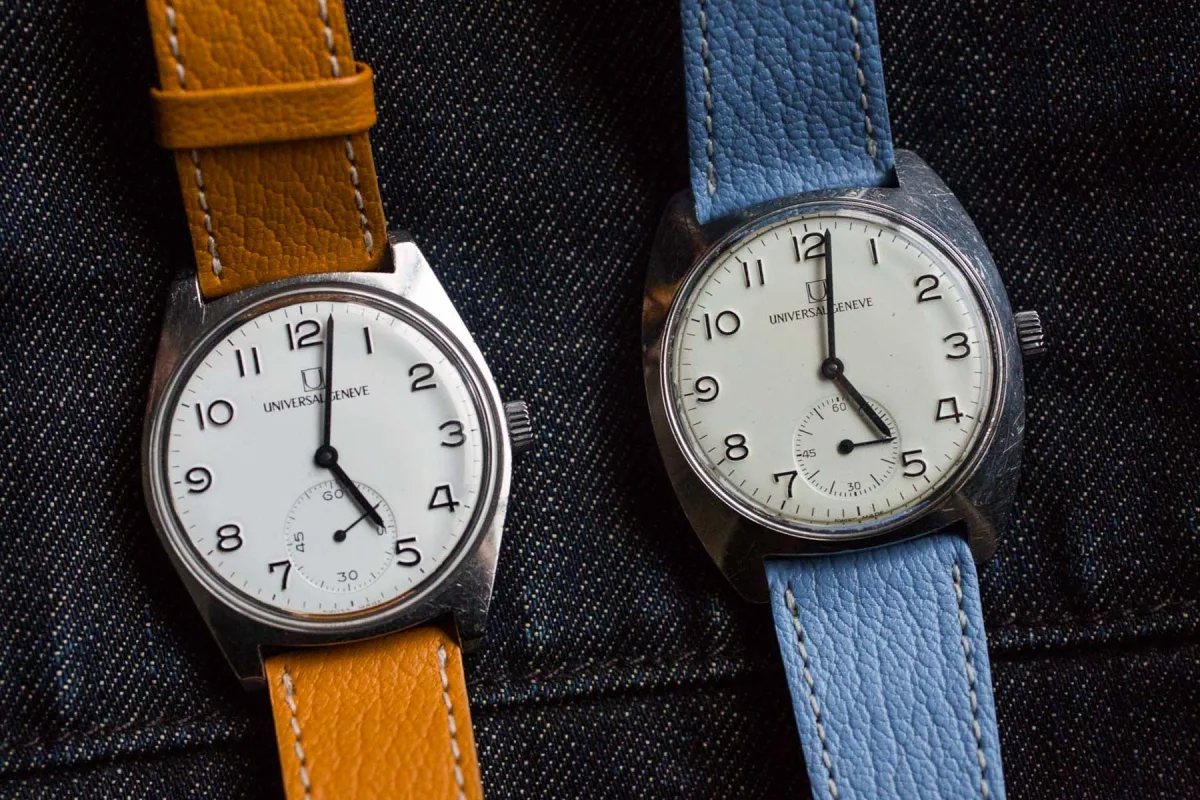
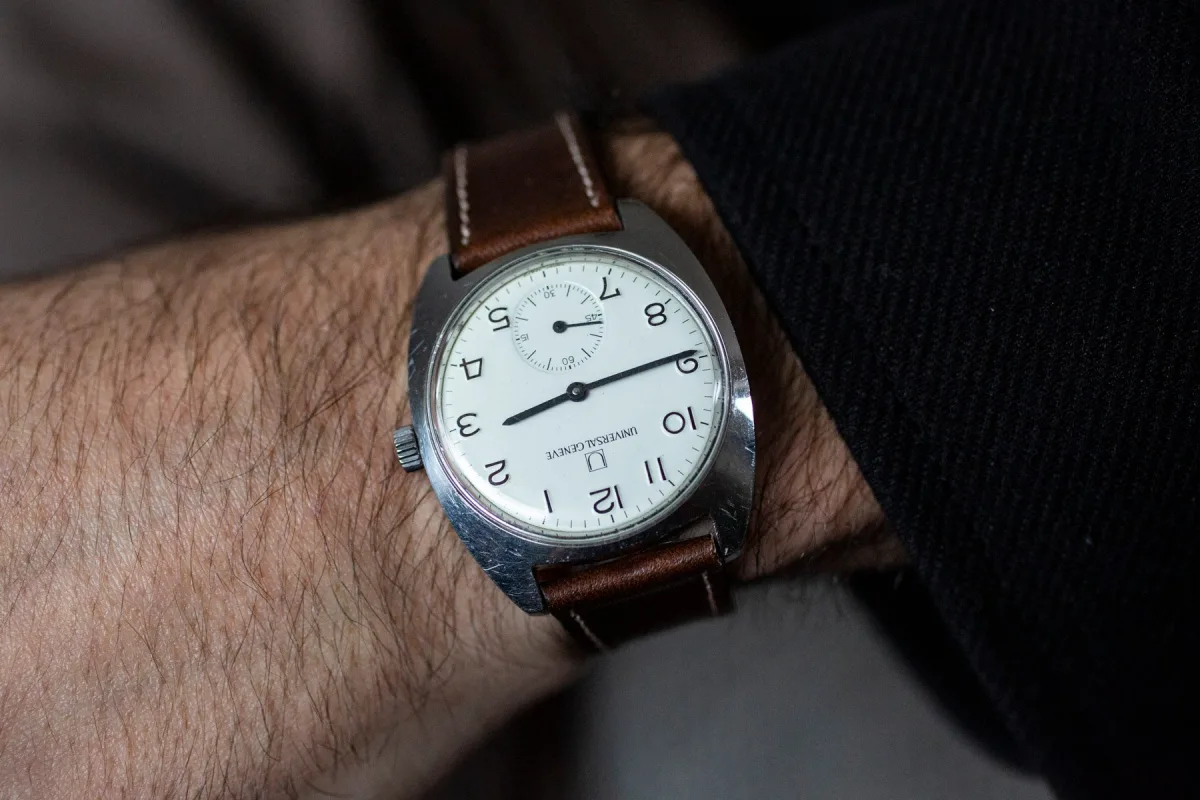
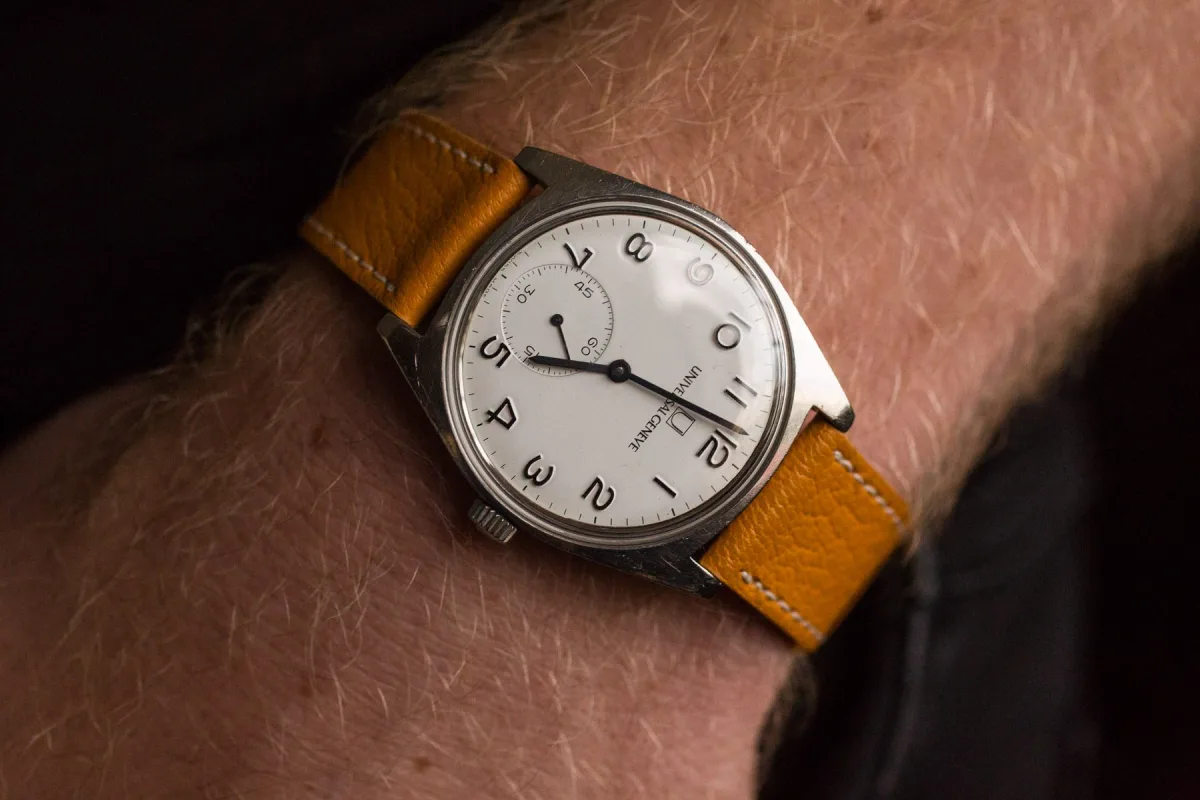
In my collection, it's the Universal Genève Ferrovie dello Stato Mark II, and I will never part with them.
Open your watch box now. Skip the everyday models, avoid the weekend watches and the new acquisition you're still getting used to. Somewhere in the depths, I'm sure there's a pair of watches you haven't worn for months - maybe even longer. You remember buying them, you remember why you wanted them. Yet they lay there, patient and silent, while other watches rotate on your wrist.
I often think about this because I have such a watch. My Universal Genève Ferrovie dello Stato Mark II is one of the most interesting watches I've ever dealt with, and I wear them maybe twice a year. It's not because I've fallen out of love with them. It's just that watches like these occupy a special niche - somewhere between a wearable item and a historical artifact, and this category has its own features.
Watches That Changed My Approach to Collecting
The Universal Genève Ferrovie dello Stato - or "FS" for short - has a truly unusual history. Produced for the workers of the Italian state railways since the 1960s, these watches were a functional tool created to perform a specific professional task. In the railway industry, accuracy was crucial. Schedules, signals, and operational safety depended on precise and easily readable time. FS watches were not luxury items. They were tools issued to people who truly needed them.
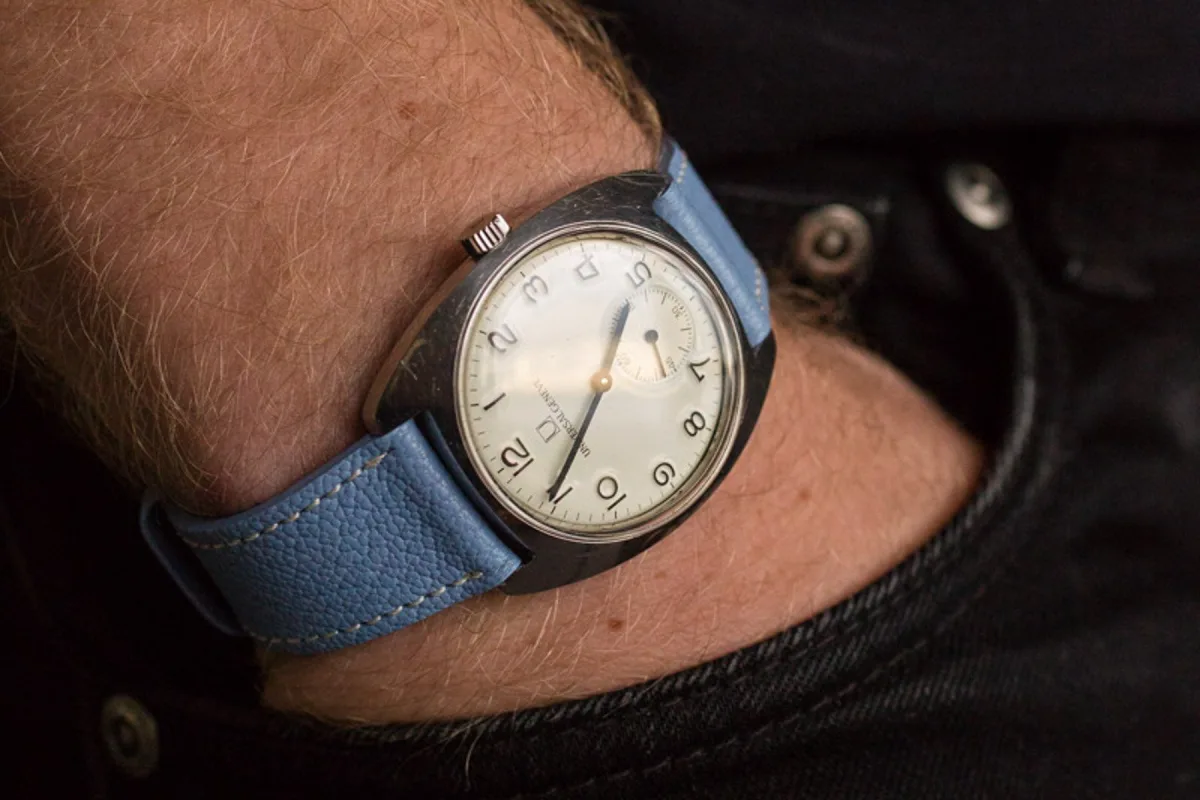
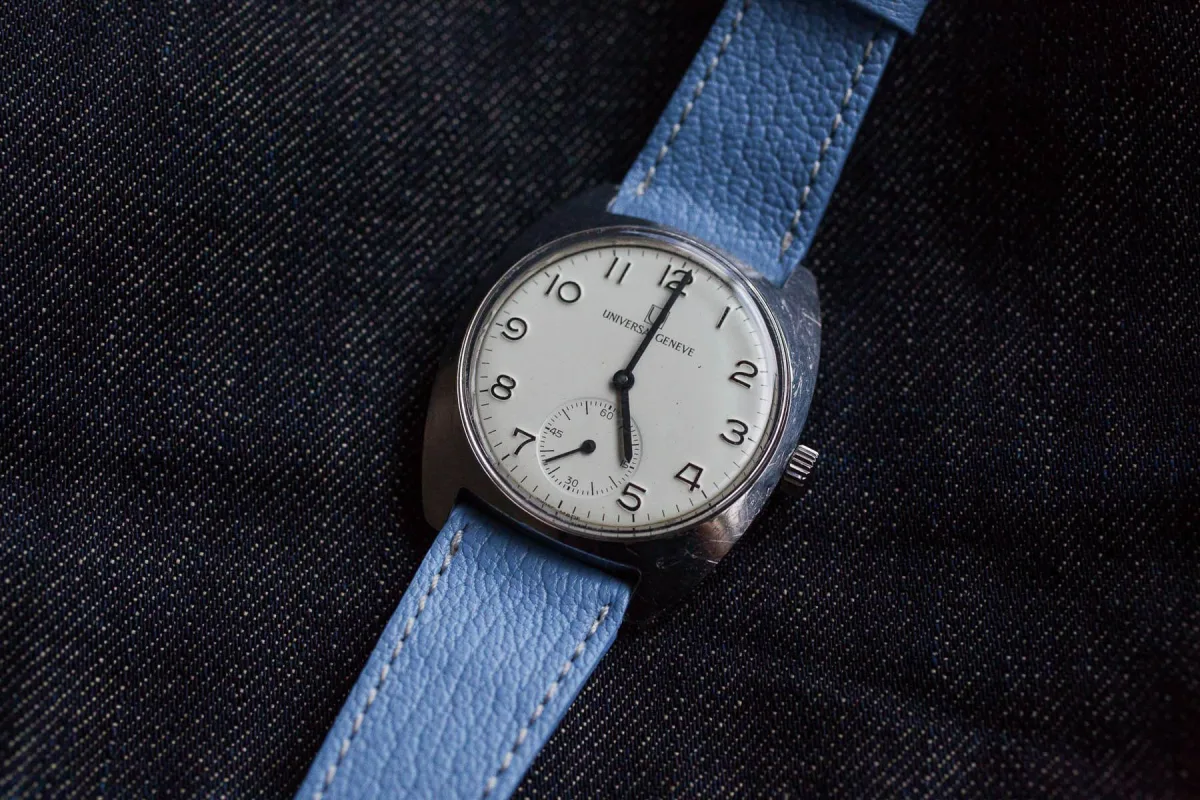
The feature of the Mark II is that it retained character despite its utilitarian nature. The dial is clear and easy to read. The case is simple, without frills, emphasizing its working origins. The history behind these watches, the idea that they were worn for decades by workers ensuring the movement of Italian trains, gives them a weight that no marketing campaign could create. In short, these are watches worth having. So why do they so rarely leave the box?
The Rhythm Problem
One topic that isn't discussed enough in watch collecting is rhythms. Life is active: bags are thrown onto overhead shelves, watches knock against sports equipment. Sleeves snag on bracelets, and saltwater, sunscreen, and the general chaos of everyday life leave their mark. Without much thought, most of us reach for watches that can withstand such a rhythm without extra worry.
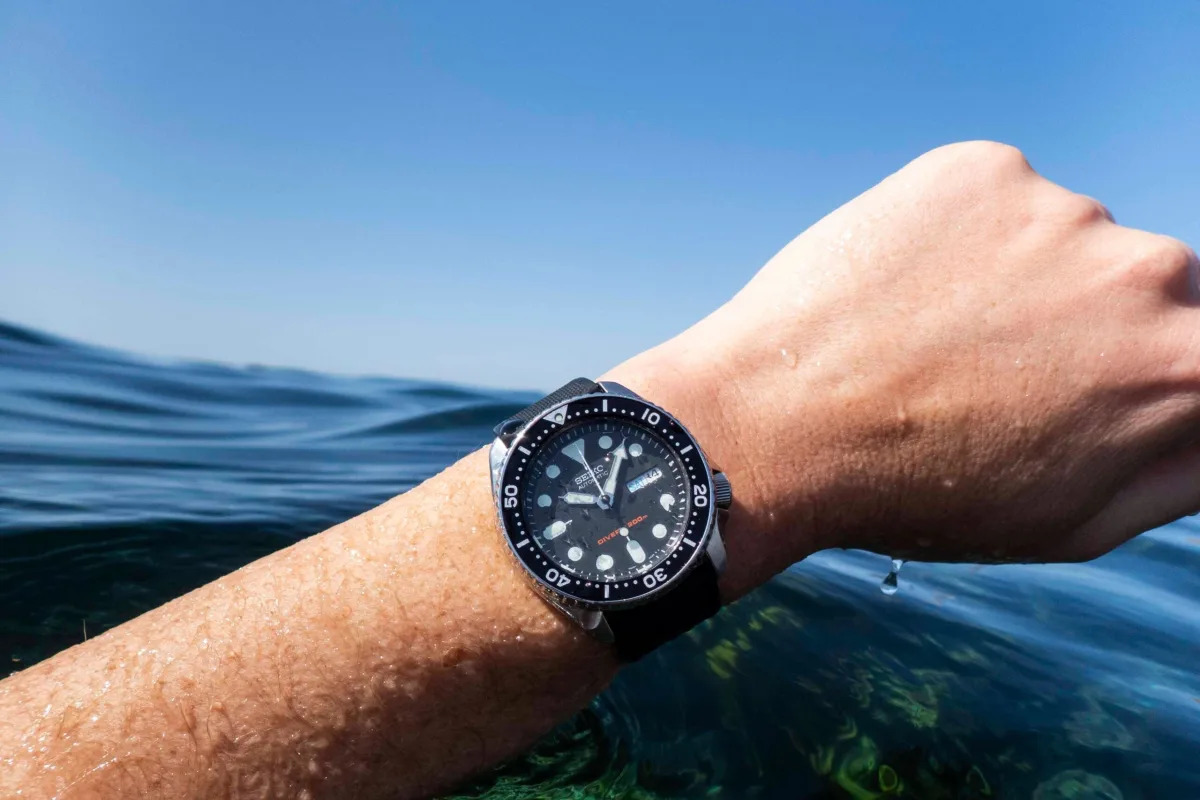
For me, this means that on most days I choose reliable watches with a bracelet and good water resistance. Usually, these are dive watches, which look the same after the weekend as they did before. The Universal Genève FS doesn't fit this scenario. It's a vintage model, which means it's fragile. The acrylic glass needs protection, the movement requires careful handling, and swimming with them in the Pacific Ocean is not an option.
Everyday Wear Requirements
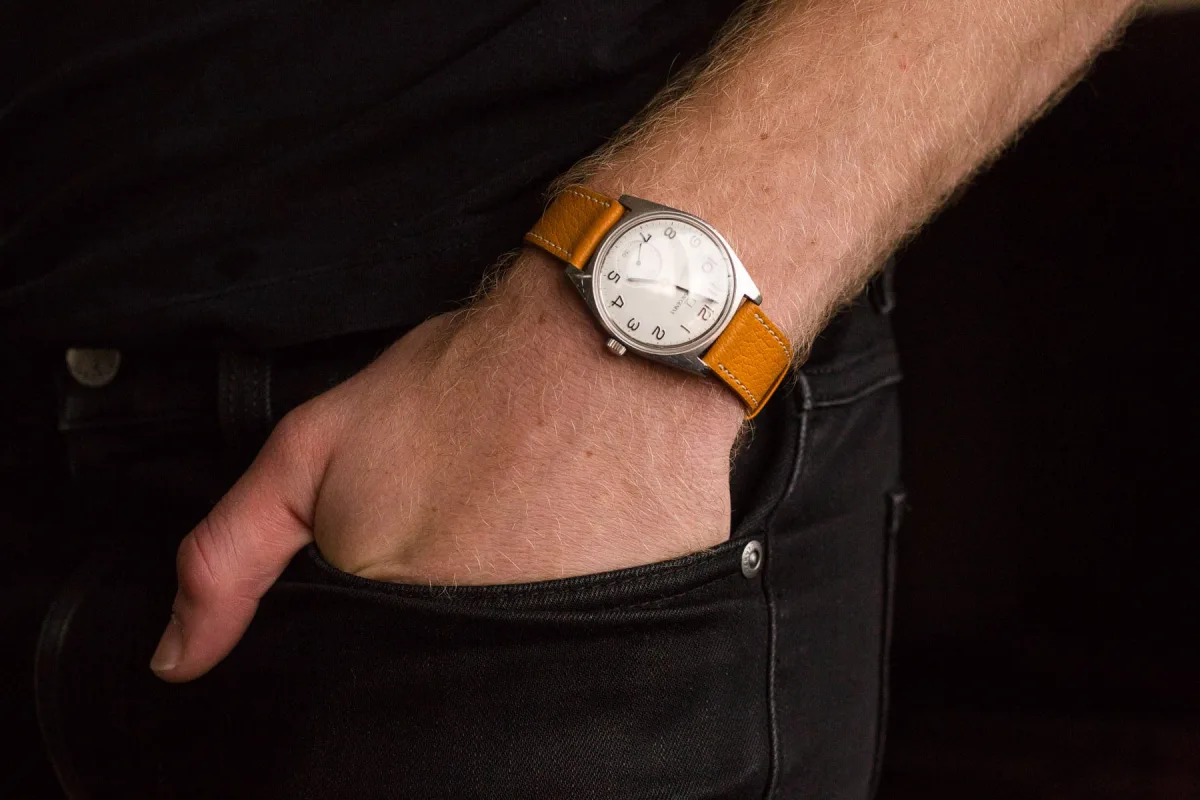
Besides fragility, there's also the question of visual perception. Some watches are harder to wear daily. Bright, colorful dials attract attention and raise questions. Unusual case shapes require thought-out outfit selection. The FS is a watch with a distinctive design that requires a certain mood - a day when there's time to think about what and why you're wearing.
On a regular Tuesday morning when I'm already late, making another choice is unnecessary. I put on reliable dive watches and get on with my day. This isn't a flaw of the FS but an honest observation of how collecting works in practice, not theory.
Why We Still Keep Them
So why not sell them then? That's a question any rational person would ask. If the watches aren't worn - then they aren't enjoyed. If they're not enjoyed - then they're just an unused asset. It would be logical to find them a new owner who would wear them more often.
Nevertheless, the thought of selling the FS never seriously crossed my mind. Some watches deserve a place in a collection not because of how often they are worn but because of what they symbolize. The FS is exactly such a watch. The history embedded within them, the craftsmanship of the Swiss manufacturer serving the Italian state industry, the specificity of their purpose - all this gives them a value not related to market worth or everyday practicality.
Rare Occasions Make Them Special
There's another aspect - the rare occasions when I wear these watches. Twice a year, maybe three times in a lucky year. Each time I remember why I bought them. The dial is perfectly readable. The case feels solid on the wrist in a way not typical of vintage items. The entire wearing experience has a quality that constant use would only dilute. Some things are worth saving for a special moment.
Sentimental attachment in collecting causes some discomfort among collectors, as if true collectors are driven only by cold logic. I disagree with this. An emotional connection to an item is an important part of the meaning of collecting. Watches that evoke feelings when you wear them are worth keeping, regardless of how often that happens.
Watches That Get Left Behind
The FS is a special type of forgotten watch, historically significant and requiring careful handling and special occasions. But there are other types in this category. Many collectors have watches with provocative designs that they liked in the store but find hard to incorporate into everyday life. A bright dial color, which seemed bold and exciting at purchase, can feel like too serious a commitment in a typical weekday setting. An unusual case shape that stood out in a boutique becomes less natural when you're just trying to get through the day.
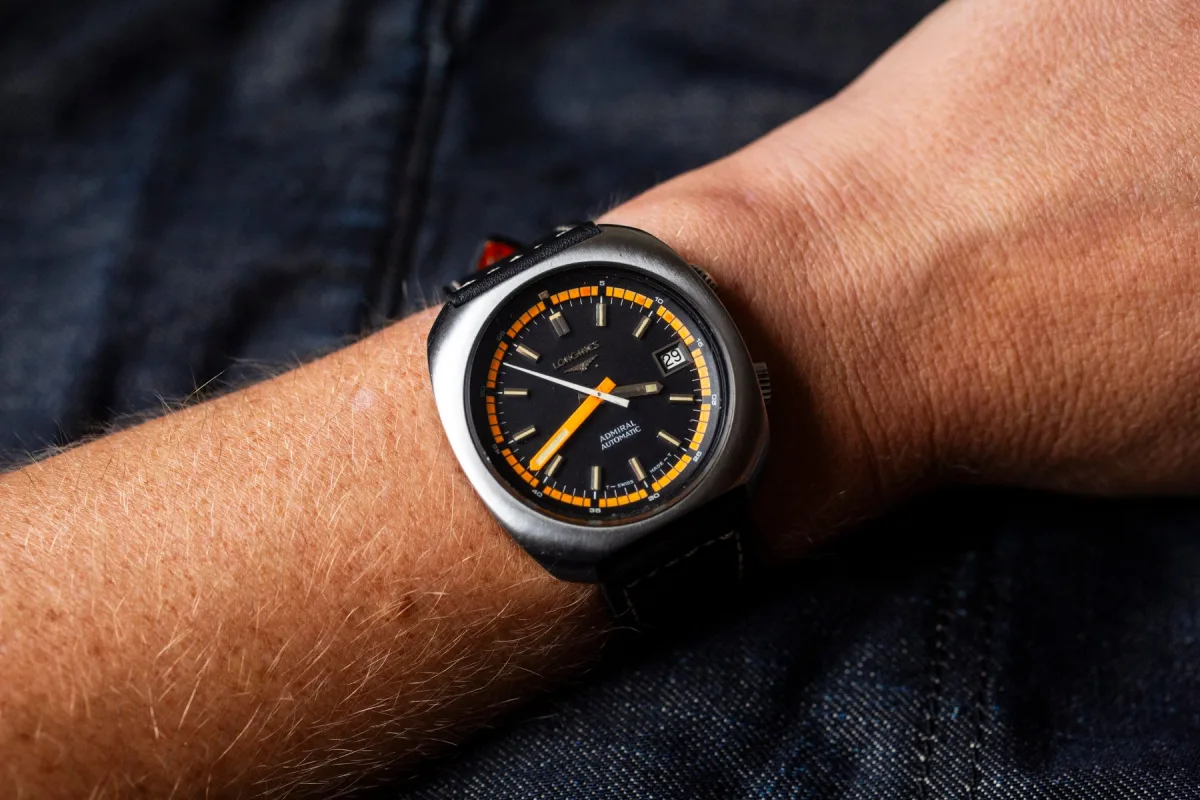
Watches bought for sentimental reasons often end up in the same situation. The first serious purchase, technically outdated compared to subsequent models; a watch received as a gift, too significant to sell but too personal for everyday wear; an impulsive purchase during a vacation that seemed logical at the time but less so at home... All these watches deserve more than constant residence at the back of the box. However, that's where they often end up because the rhythm of everyday wear is relentless and efficient. It chooses the universal and reliable, leaving the rest behind.
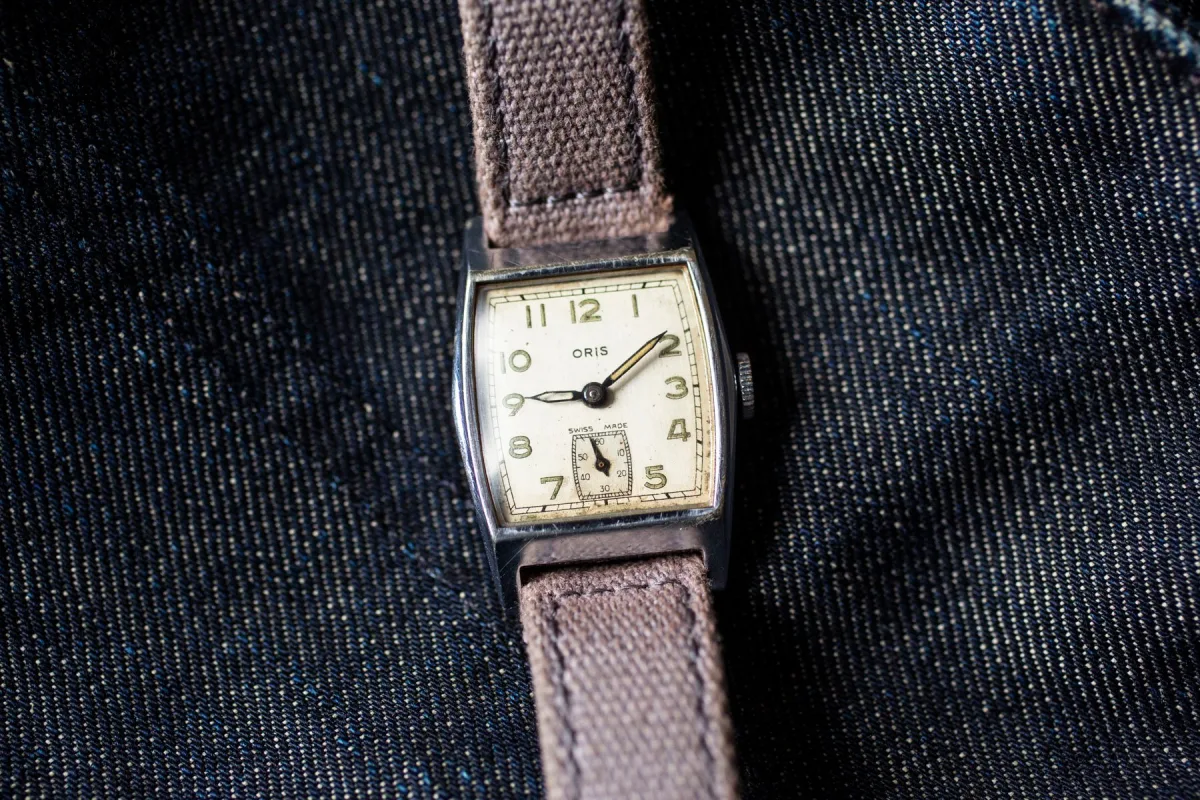
Open the Box
Here's what I want to suggest to you. The next watch you plan to buy, the one you're following on the secondary market or waiting to try on in a boutique, will most likely be a good purchase. But before you make the choice, do this.
Open your watch box and find the one you haven't worn the longest. Put it on. Wear it for the rest of the day, the weekend, or as long as you see fit. Notice how it affects your mood. Check if the original reasons for the purchase still hold.
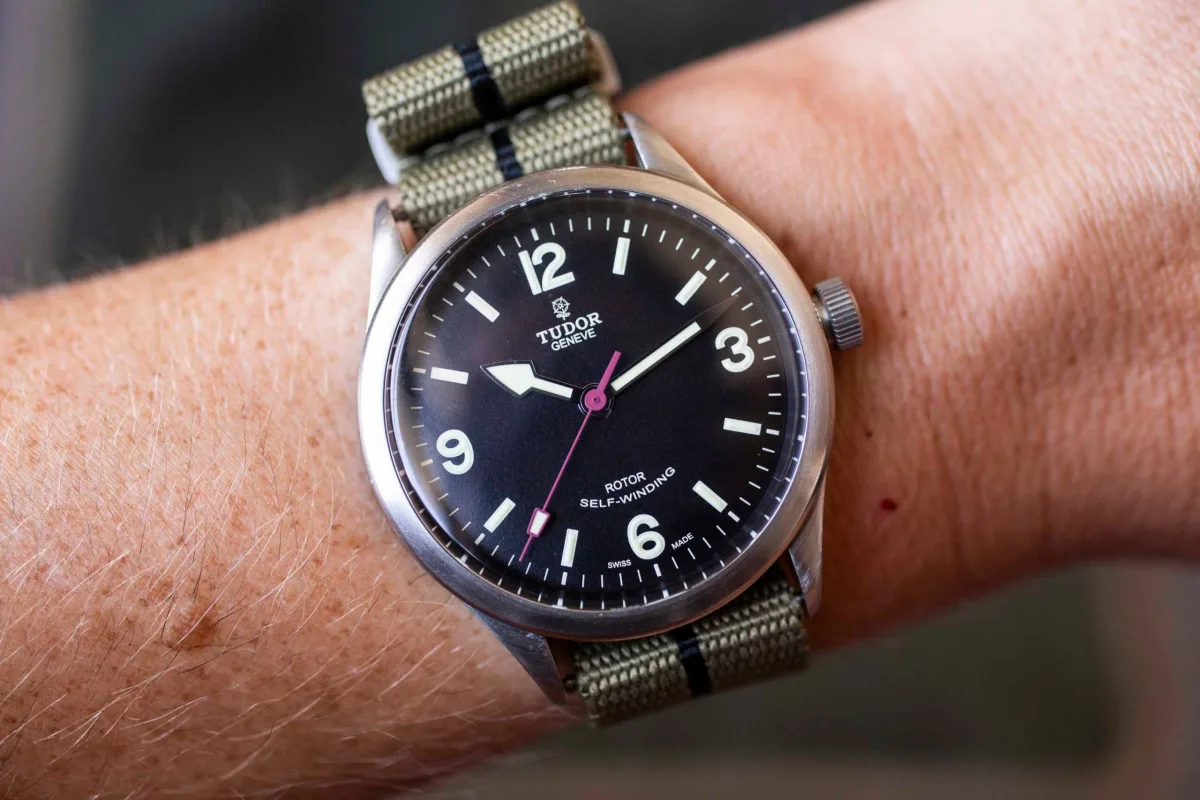
I think for many enthusiasts, rediscovering forgotten watches will feel like a true revelation. The value was always there. It just needed an opportunity to reveal itself again. My FS will come out this weekend. Perhaps the Heritage Tudor Ranger will join me on my next motorcycle trip. No special occasion, no specific destination. It's just a reminder of why I loved these watches and decided to keep them. And that's enough.