Among watch enthusiasts, there is an aphorism: the right mechanical watch never truly belongs to you; rather, you are merely caring for it for the next generation.
Beneath the romantic sound of this phrase lies a harsh reality: longevity is only half of the equation. The other half, which determines whether a watch can last for decades and even centuries, is its repairability and the potential for restoration in the future.
The Experience of Long-Term Ownership of Mechanical Watches
In my experience with mechanical watches, I have journeyed from brand-new models to vintage pieces with decades on the wrist. It became clear that in the world of mechanical watchmaking, longevity depends not only on engineering solutions but also on the availability of support, spare parts, skilled specialists, and the commitment of the brand and watch community to preserve the pieces.
Personal Example: A Long-Term Perspective
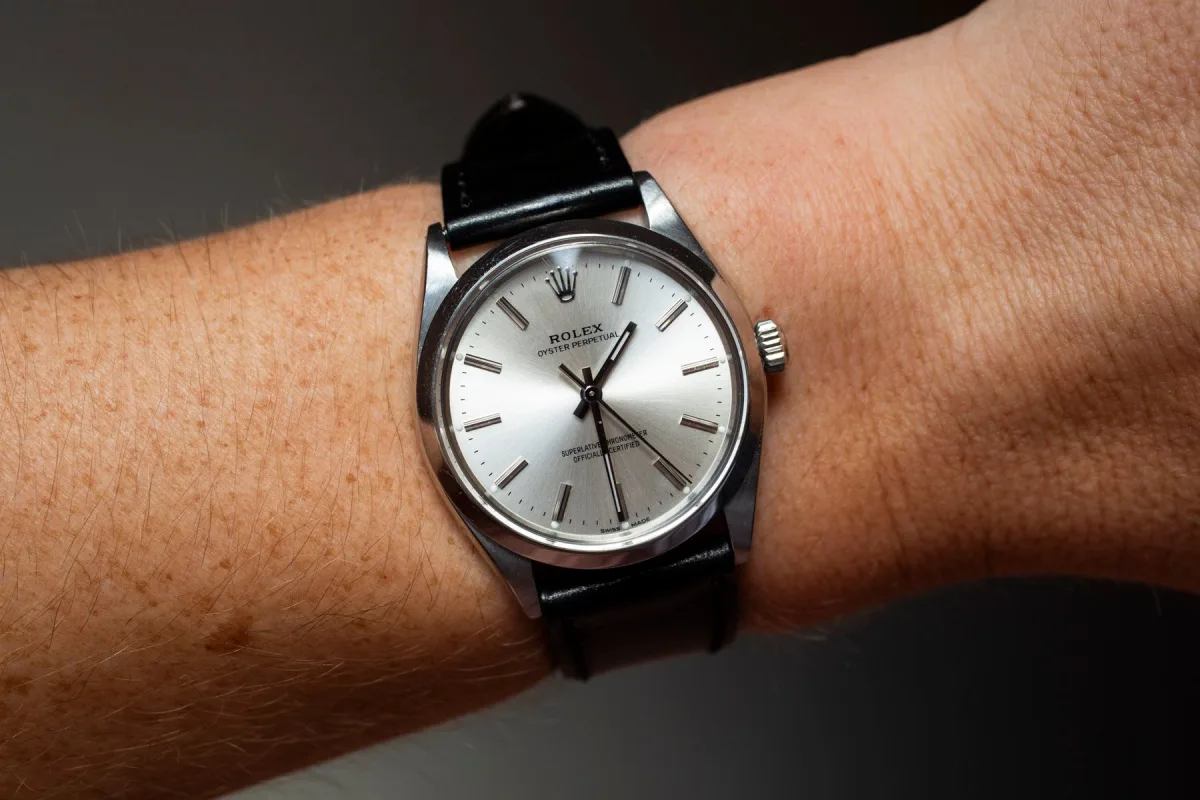
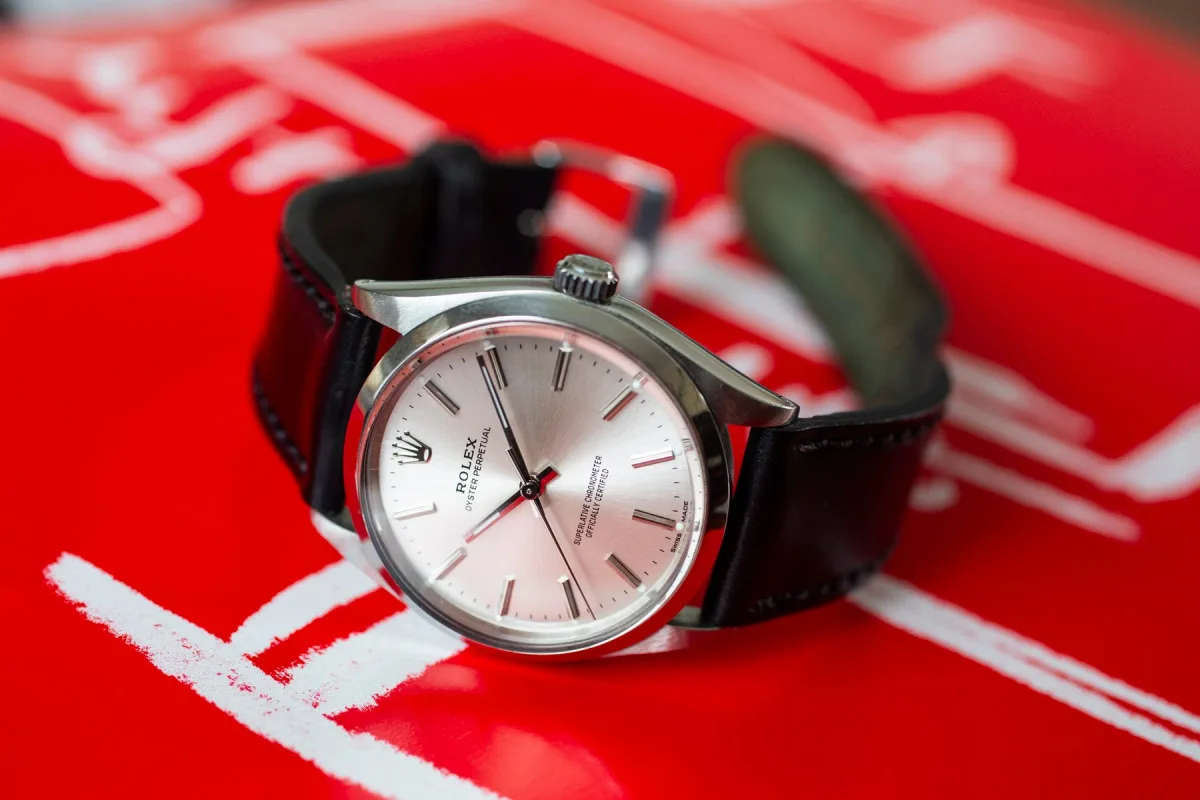
Take, for example, my first Rolex Oyster Perpetual 1002. Outwardly, these simple three-hand watches taught me the importance of vintage models. However, experience showed that beyond appearance and current feelings, one must consider how the watch will be serviced over the years. For vintage Rolex, this is relatively simple, except for particularly rare specimens.
The 1002 model was my entry into the world of watches. I liked its proportions and understated confidence on the wrist. But later, I realized that behind its long-term existence lies a developed infrastructure - from Rolex's global service centers to independent watchmakers well-acquainted with this mechanism. Not all brands or mechanisms have such support.
Why Repairability Is More Important Than It Seems
Most mechanical watches are not “buy and forget” devices. They require regular maintenance. Experienced watchmakers confirm that even the best mechanisms need cleaning, lubrication, parts replacement, and calibration approximately every 5-10 years. Buying a mechanical watch is like taking responsibility for an antique car or vintage guitar. Caring for them is only possible with parts, skilled craftsmen, and support from the brand or independent experts.
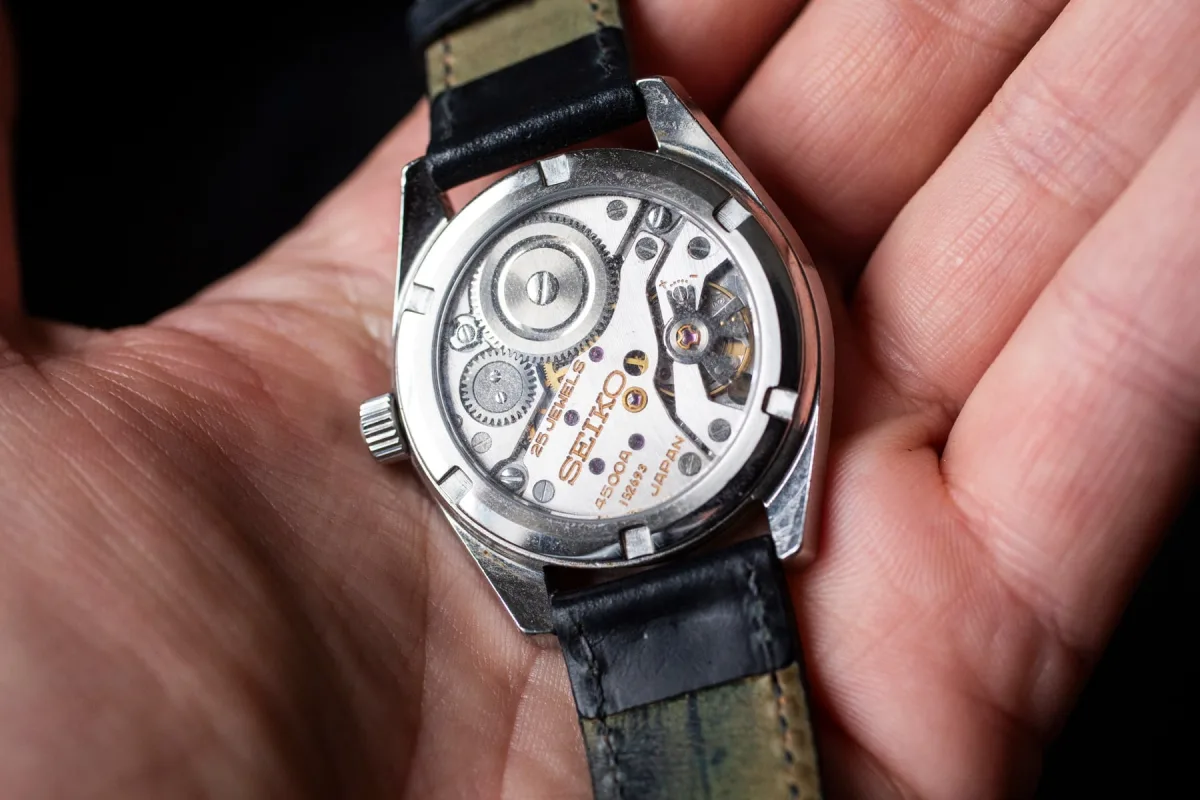
If even one of these elements is missing, the future of the watch, no matter how beautiful or significant it may be, becomes uncertain. I personally encountered this problem with neo-vintage Seiko, whose servicing was more difficult than expected due to some brands' unwillingness to work with outdated models. This experience made me rethink the importance of service support.
The Importance of the Brand and Availability of Spare Parts
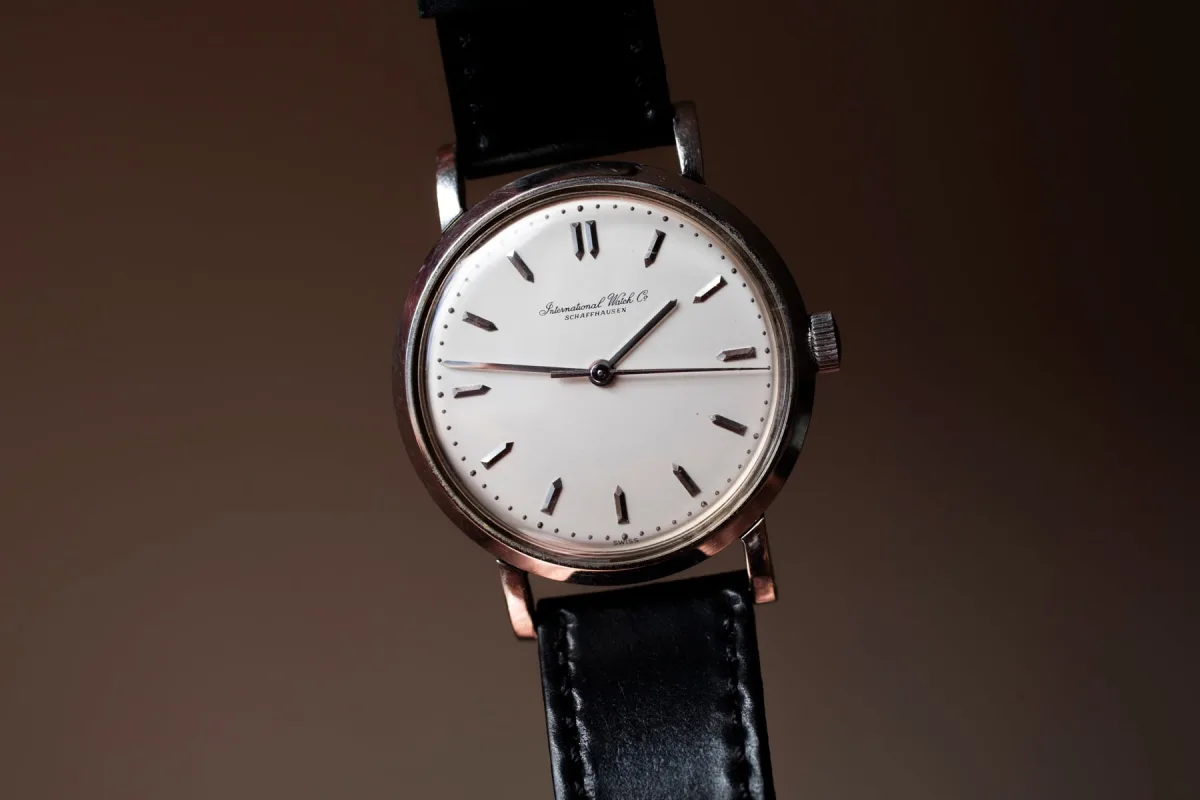
A key aspect of long-term watch care is the availability of spare parts not only for current maintenance but also for decades to come. Here, the stability of the company and the standardization of parts are important. For example, IWC invests significant resources in the heritage of its watches. Their restoration department not only services antique models but fully restores 19th-century watches using original documentation and manufacturing missing parts.
This level of after-sales support is rare. Most brands do not have archives, trained staff, or parts stocks to support watches into the second or third generation of owners. When this is possible, it means the watches were created with longevity in mind and the manufacturer's willingness to support this.
Vintage Watches as an Indicator of Repairability
A striking example is the IWC caliber 89. Produced from the late 1940s to the late 1970s, this mechanism is part of watch history and an example of timeless engineering. Its preservation is possible thanks to a network of specialists and the availability of spare parts both from IWC and independent artisans.
In contrast, some brands have faced the fact that their vintage mechanisms have become “orphans”: parts are scarce, specialists are almost nonexistent, and owners are forced to seek out a craftsman capable of opening the case and conducting diagnostics. Sometimes restoration is possible, but it requires significant work to manufacture custom parts or the help of dedicated craftsmen, which does not guarantee longevity for several generations.
The Role of Independent Craftsmen and Industry Infrastructure
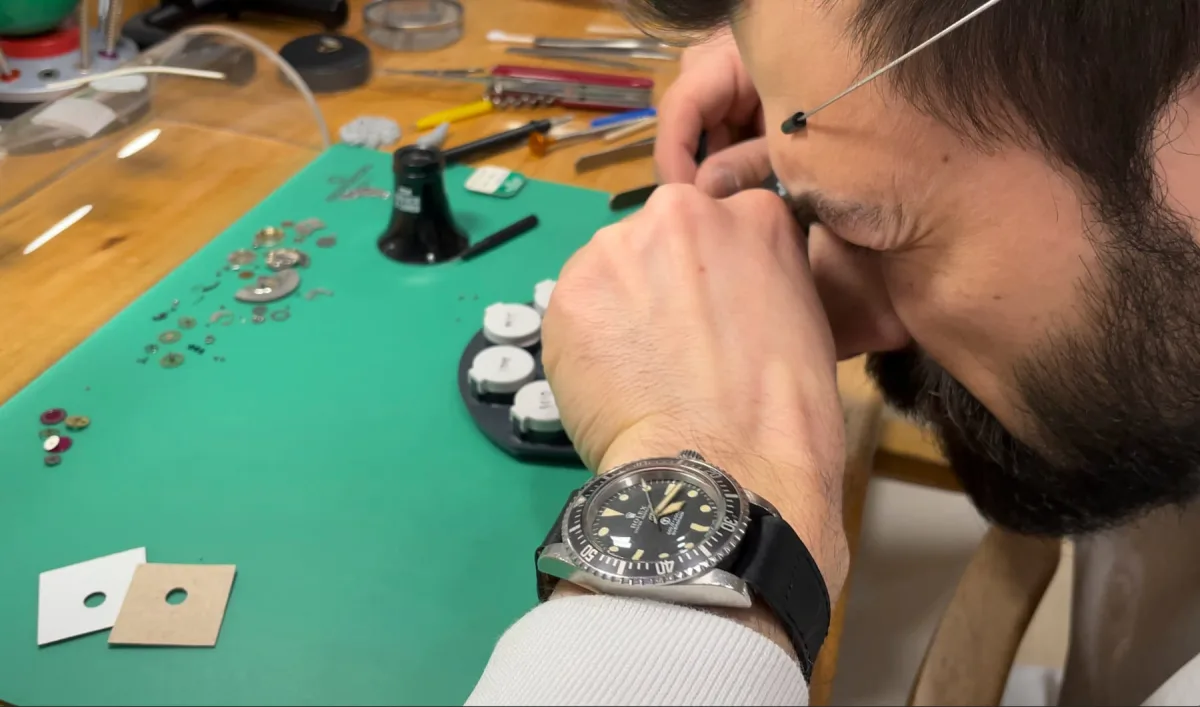
Even brands with good service policies face a problem: the number of experienced independent watchmakers is dwindling. Many traditional skills are disappearing as training is concentrated in factory service centers. For the collector, this is a serious challenge. When purchasing a watch from a niche brand or with a newly released mechanism, you are effectively tied to the manufacturer's service policy.
If the brand ceases service, spare parts run out, or specialists disappear, your watch may become a museum exhibit rather than a living, working legacy. Therefore, when choosing mechanical watches - be it Rolex, IWC, or another historic house - it is important to honestly answer the questions:
- Will the brand exist and remain relevant in 50 years?
- Does the mechanism have a developed service ecosystem, both official and independent?
- Are parts standardized and available?
- Will there be craftsmen capable of restoring the watch if necessary?
Answers to these questions should hold as much weight as the quality of the case finish, the brand's history, or popularity among collectors.
Conclusion: Repairability as the Key to Watch Longevity
The idea that mechanical watches can last “forever” is not just a marketing ploy. However, longevity depends not only on the shine of the dial today. It is built on the foundation of future repairability and the real capabilities of the watch industry. If these factors are not considered when purchasing, there is a risk of acquiring not a working antique but a non-living legacy.
Mechanical watches are beautiful, romantic, and personal items. But to earn the title of “many generations,” they need “legs” - spare parts, expertise, and an ecosystem that will support their operation after the factory warranty ends. Buy with an eye to the future. Watches worth having are watches worth preserving not only for yourself but also for those who will wear them after you.