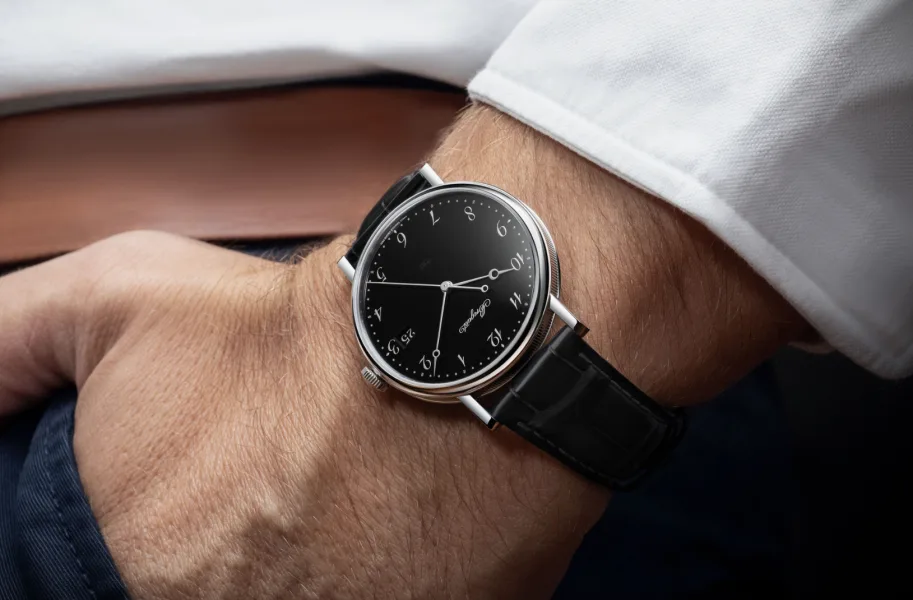
The tuxedo dial always evokes a special feeling in me.
The high-contrast combination of black and white - usually a dark outer part with a lighter center - not only enhances readability; it transports us to an entire era of design. Imagine evening events in tuxedos, cocktail hours, and the confidence in aesthetics that only true contrast can provide. In the 20th century, such a dial design was not just decoration but a visual symbol of elegance itself.
Today, I increasingly notice the return of this style - from classic wristwatches to surprisingly versatile tool models. This revival seems thoughtful rather than nostalgic, so I want to take a closer look at five modern interpretations of the tuxedo dial and understand why this design is gaining popularity on wrists once again.
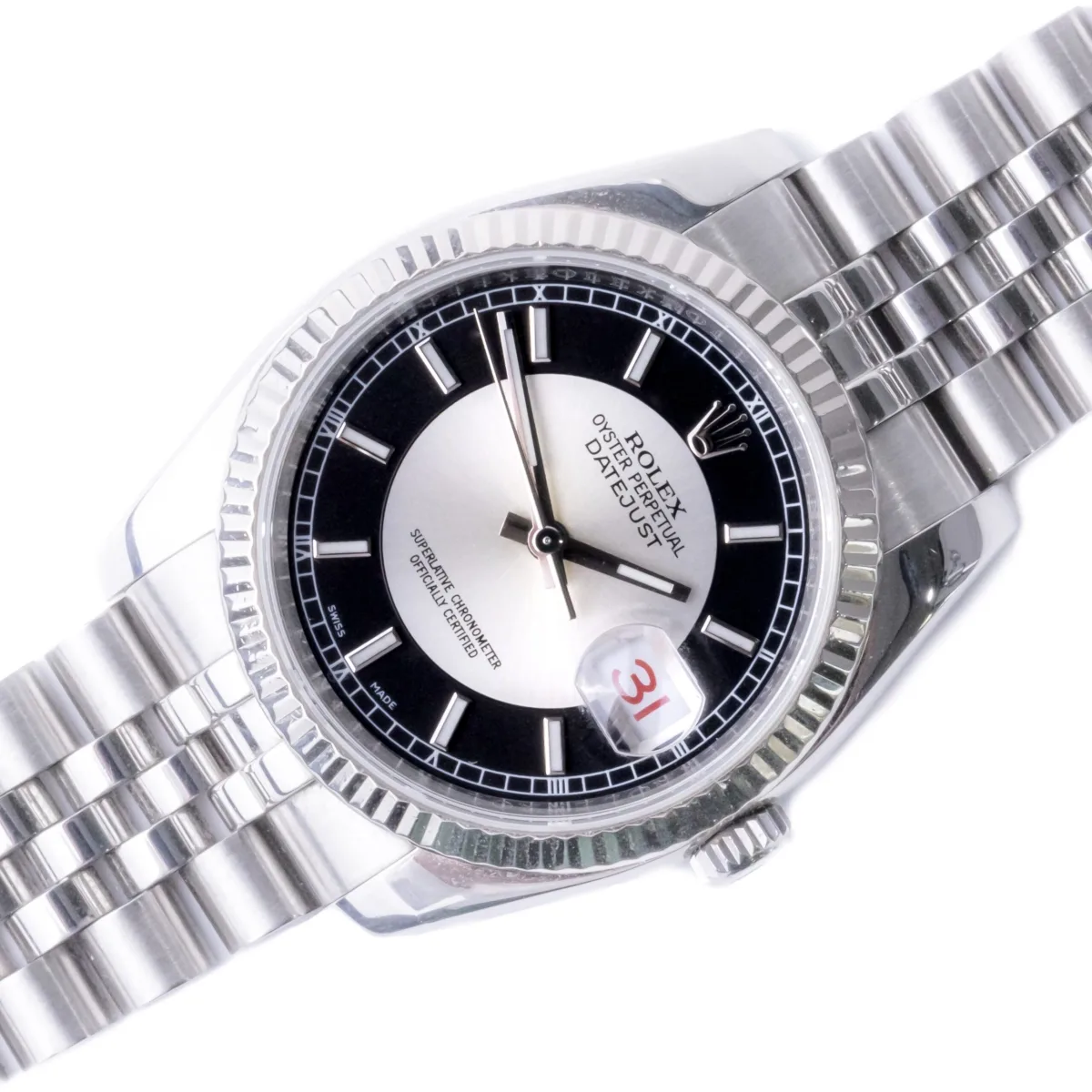
Rolex Datejust with Tuxedo Dial
I'll start with a watch that has quietly become iconic among collectors - the Rolex Datejust with a tuxedo dial. On paper, the Datejust is one of the most recognizable watches in the world. Reliable, versatile, and known by practically everyone. But add a tuxedo dial - usually a silver or light center with a black outer ring - and the watch takes on an entirely different character. The contrast adds depth and rhythm, making the hour markers and hands stand out in a way the standard monochrome Datejust cannot.
What I particularly like is the dual nature of this model. It's unequivocally a Rolex Datejust, yet it possesses a playfulness, even a certain mischief, as if the watch is breaking the established rules of the classic formula. On the wrist, it looks equally good with a suit or jeans and a sweater, which perhaps explains the loyalty of its fans. Such dials are no longer produced regularly, and their rarity only enhances their appeal. It's a classic Rolex with a touch of irony.
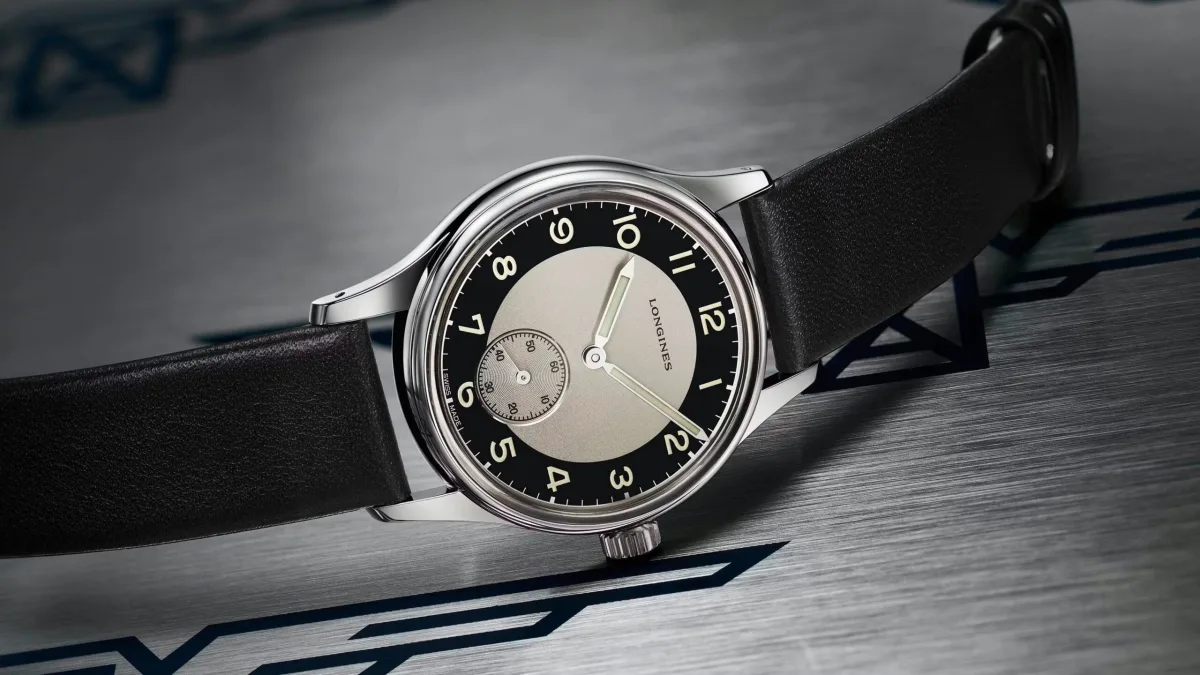
Longines Heritage Classic "Tuxedo"
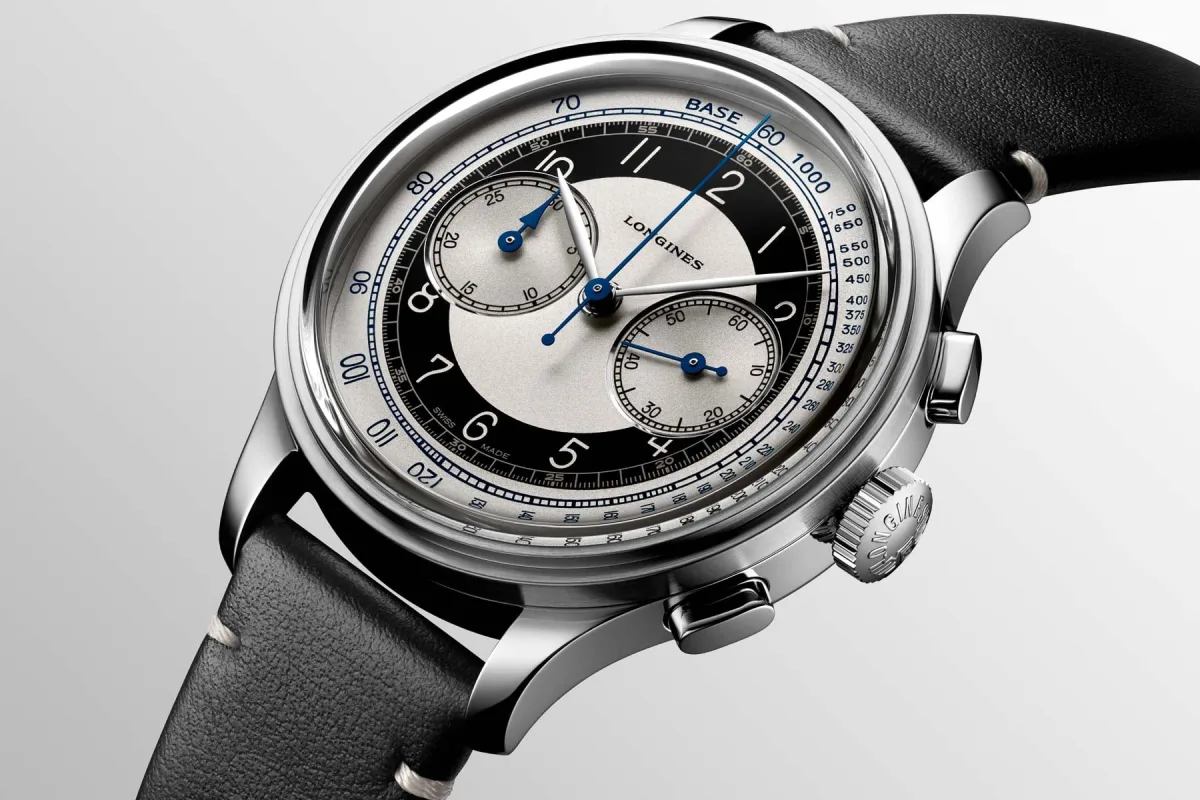
If Rolex is a subtle challenge to tradition, then the Longines Heritage Classic "Tuxedo" is an act of respect. In recent years, Longines has been confidently turning to its archives, and these watches are one of the best results. The design is directly inspired by mid-20th-century models when contrasting dials were not a stylistic excess but a practical solution for better readability. I personally owned a Longines Heritage Classic with a sector dial and can attest to the brand's attention to detail in these vintage reissues.
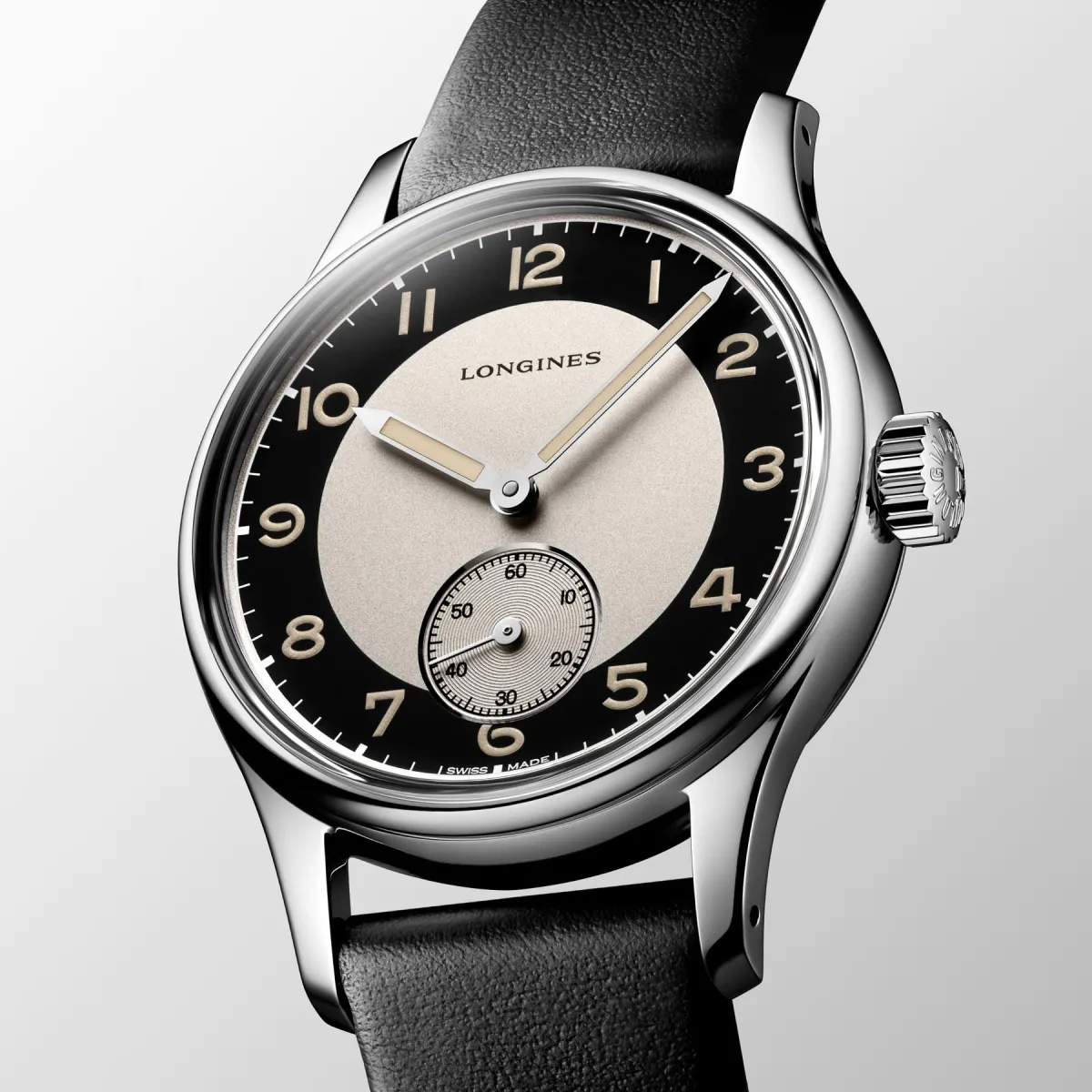
In this model, a silver-opaline center is surrounded by a deep black ring with vintage-style Arabic numerals and an additional seconds sub-dial at the "6 o'clock" position. The proportions are calm and well-thought-out, with all elements seeming to be placed exactly where they belong. No unnecessary drama - just balance. On the wrist, the watch feels unmistakably vintage, but not costume-like. Modern production and a contemporary automatic movement firmly keep it in the present. Longines reminds us that tuxedo dials were once the norm, not the exception. They existed because they worked and looked good. By restoring this formula, the brand has not just reproduced an old model but revived a design philosophy that equally values clarity and elegance.
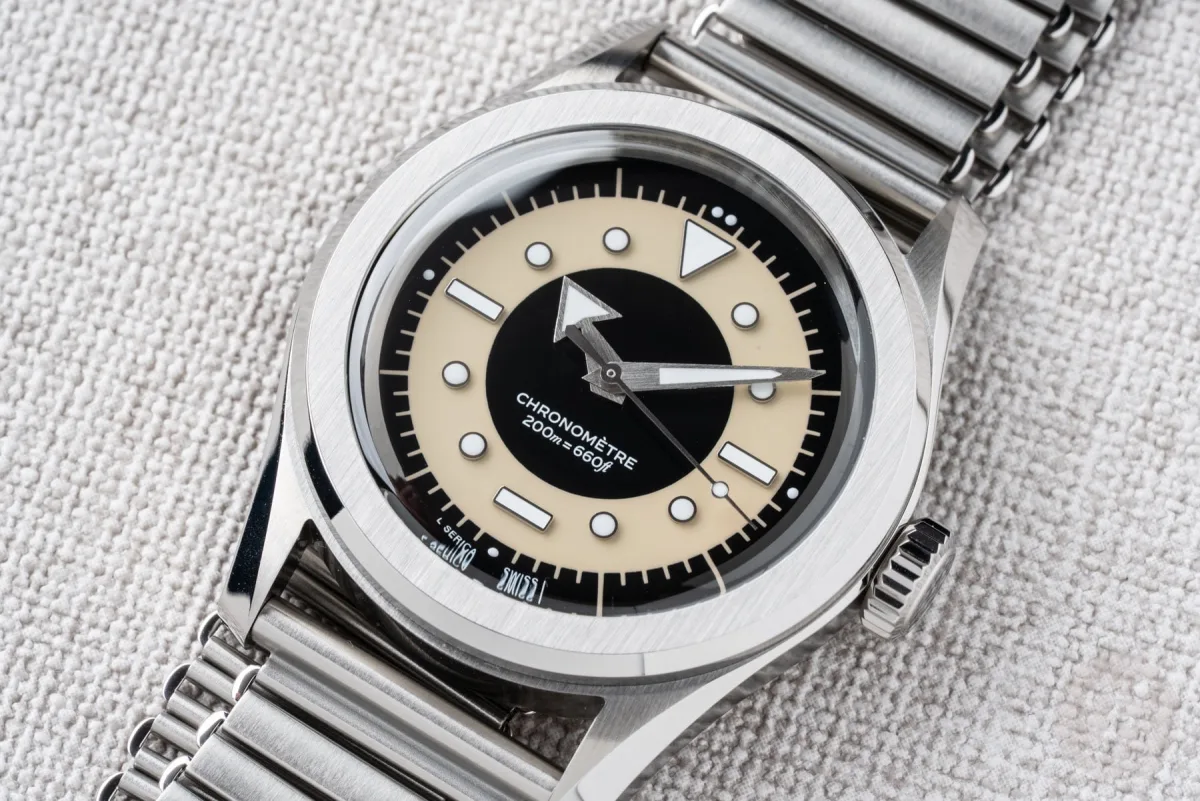
Serica 6190 TXD
Serica looks at the tuxedo dial from an entirely different perspective. The 6190 TXD model is essentially a field watch: compact, reliable, and precise. However, in this version, Serica has added an unexpected yet entirely natural degree of elegance. The glossy black center and lighter ring with hour markers give the dial a depth rarely found in this segment while maintaining excellent readability.
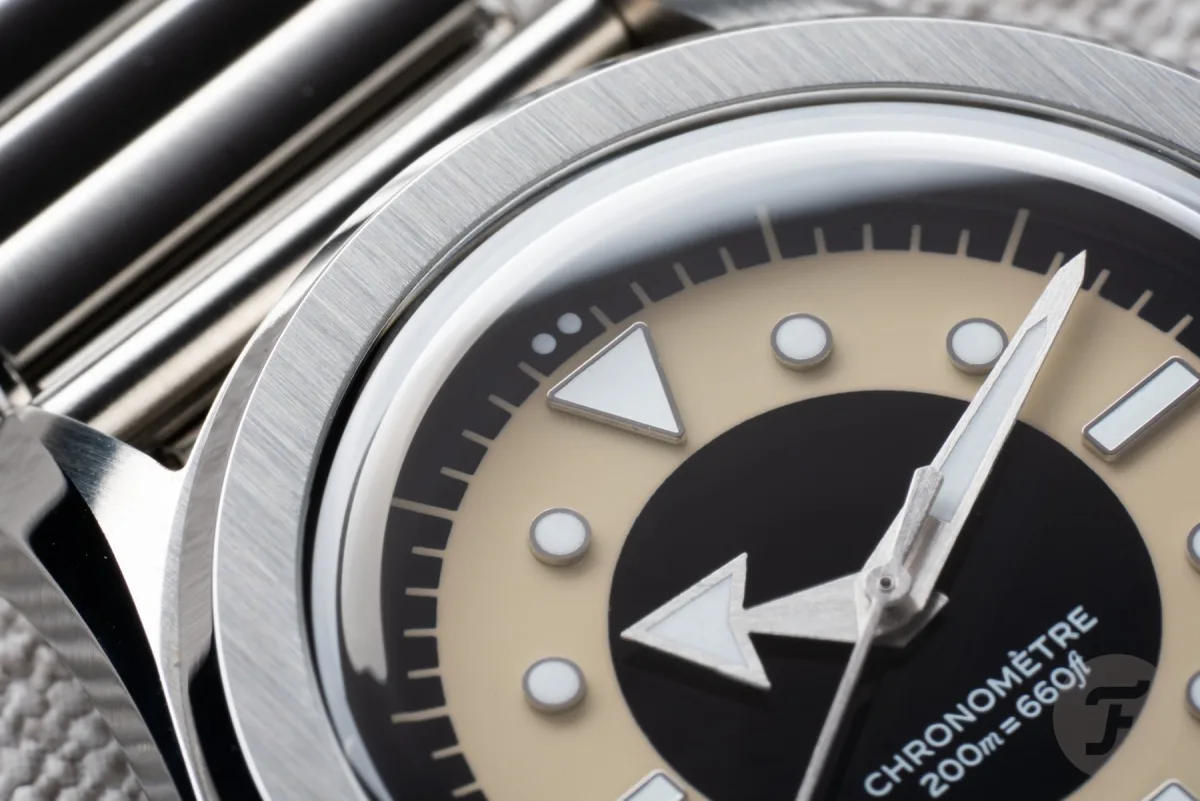
What impresses me most is how confidently Serica blurs the lines. Despite the dressier dial design, the 6190 TXD remains a true tool watch with high water resistance and a chronometer movement. It's not just a wristwatch pretending to be sporty or vice versa. It's a modern interpretation of a watch where aesthetics and functionality are not considered opposites. In many ways, this model reflects modern trends in watchmaking: collectors want versatility and individuality. The tuxedo dial gives the watch character, adding charm and elegance to a utilitarian tool.
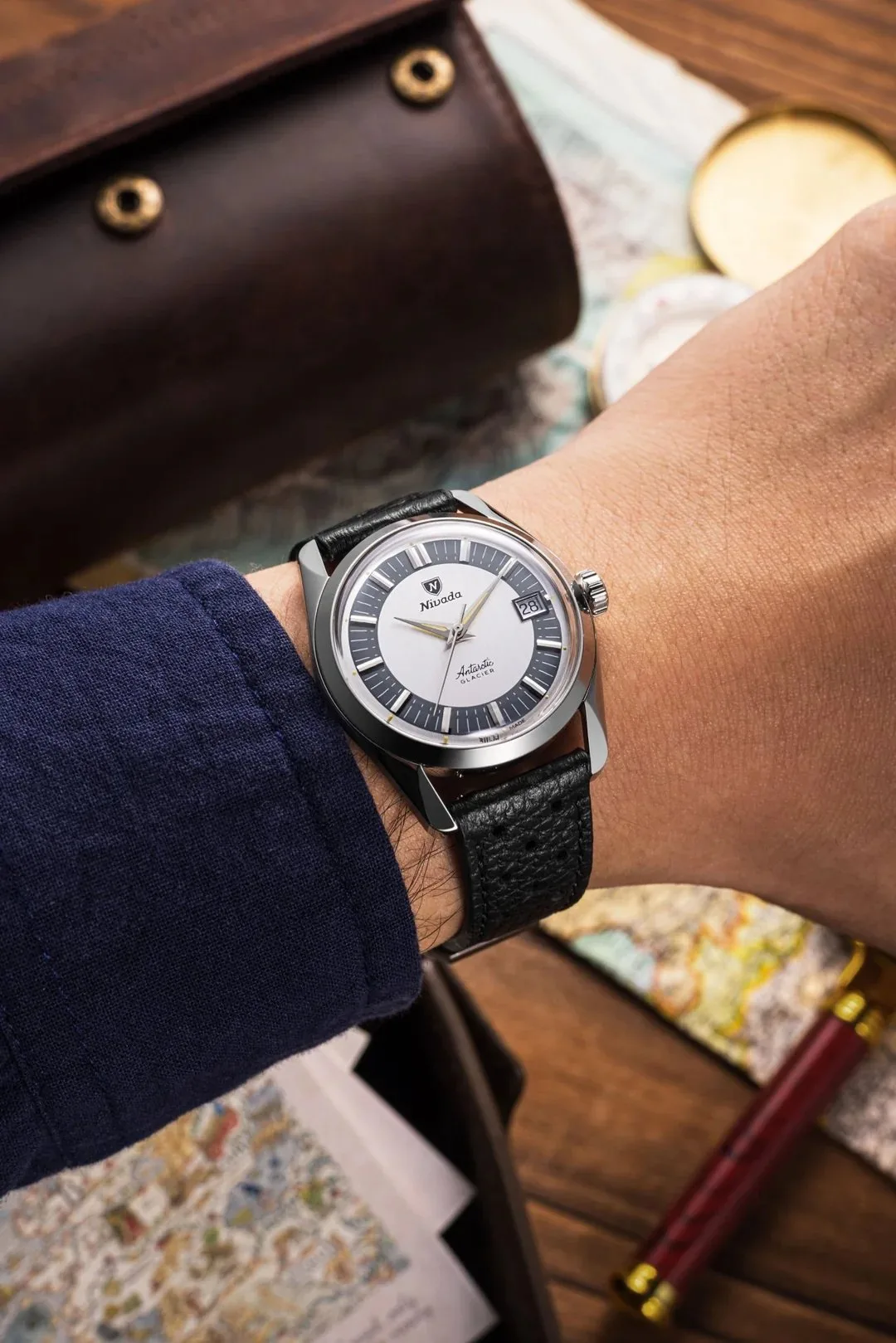
Nivada Grenchen Antarctic Glacier 35 mm
The Antarctic Glacier from Nivada Grenchen adds another dimension to the discussion. These watches are inspired by themes of exploration and endurance, but the tuxedo dial introduces an unexpected element of sophistication. In a 35 mm case, the vertically brushed silver center contrasts beautifully with the dark outer ring, creating a dial that is both restrained and expressive.
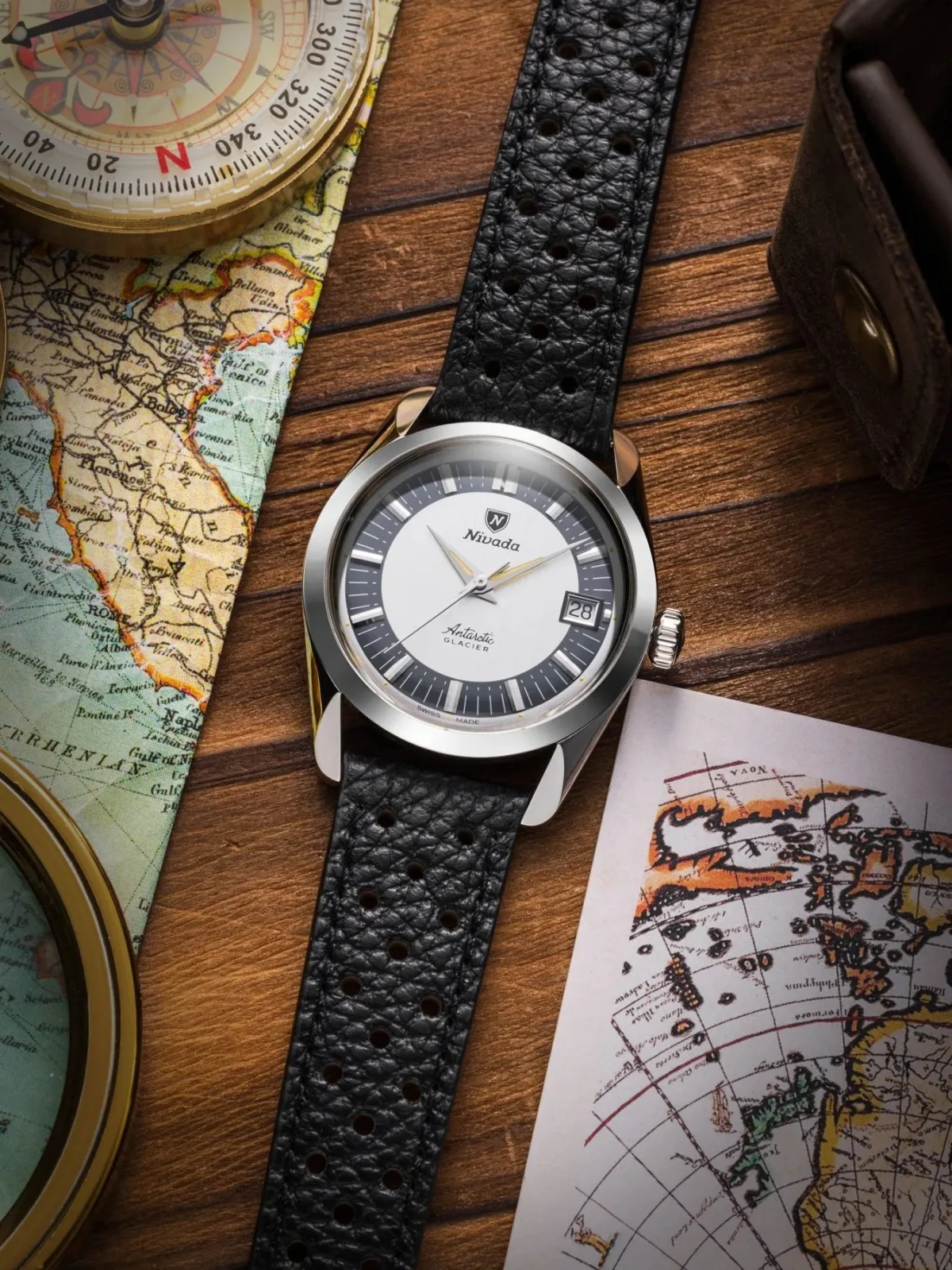
The design exudes quiet confidence. It doesn't shout about itself but rewards careful consideration. The size is in keeping with the mid-century era, and the hand-wound movement enhances the connection to the past. Despite the polar theme, the Antarctic Glacier 35 mm is suitable for everyday life. It's the tuxedo dial that makes it versatile, elevating the watch beyond its tool origins. This model reminds us that tuxedo dials weren't limited to formal watches alone. Historically, they appeared in chronographs, sports models, and even exploration watches. The revival of this tradition here feels genuine, not artificial.
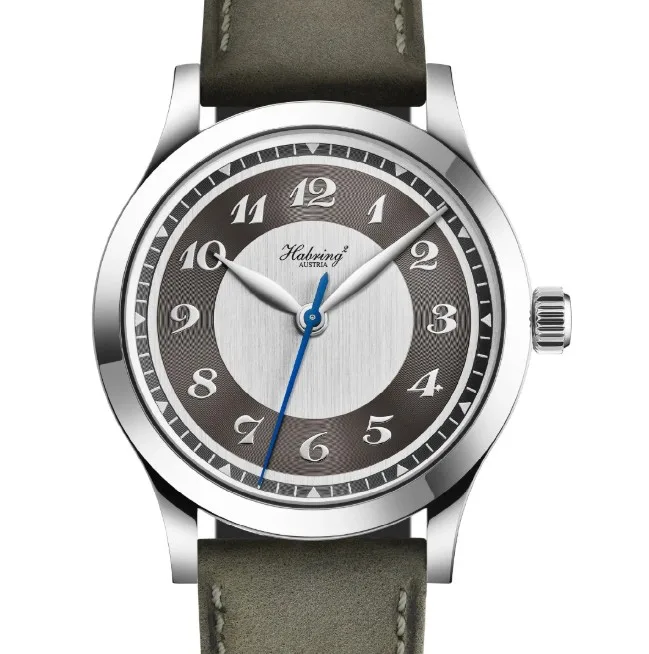
Habring² Erwin with Tuxedo Dial
And finally, the Habring² Erwin with a tuxedo dial is the most artisanal interpretation of this design concept among the five. Habring² is known for its pragmatic approach to independent watchmaking, focusing on mechanical reliability and thoughtful design rather than flashy appearances. The tuxedo dial in the Erwin fits perfectly into this philosophy.
The contrast here is more subdued, playing with shades of silver and gray rather than stark black and white. Combined with Breguet-style Arabic numerals and leaf-shaped hands, the dial looks classic but not overly stylized. The true merit of the watch lies in its movement. The hand-wound movement with a dead-beat seconds function gives the Habring² Erwin a tactile and engaging quality that is becoming increasingly rare.
These are watches that demand patience and attention. They don't rely on brand recognition or flashy style. Instead, they focus on proportions, craftsmanship, and the timeless appeal of a quality contrast dial. For me, this is one of the most compelling modern proofs of why tuxedo dials still matter.
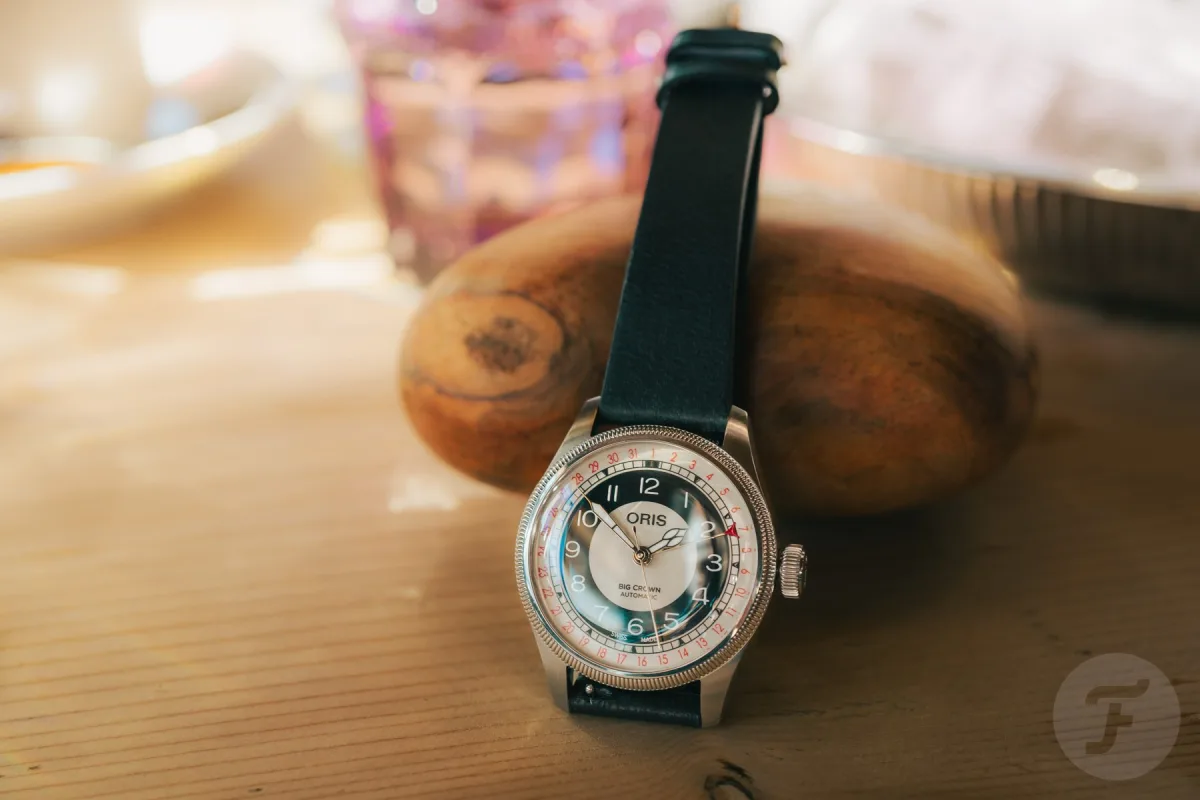
Bonus: Oris Big Crown Pointer Date Bullseye
An interesting addition to the conversation about tuxedo dials is the new Big Crown Pointer Date model from Oris. The brand has revived a striking historical motif in the Bullseye model. These watches bring back the two-tone target-style dial, which long-time fans may recognize from past collections but has been absent from the catalog for decades. While Oris calls it a "bullseye" and not a "tuxedo," the visual language is very close. High-contrast concentric zones and strong graphic balance make the design part of the same family.
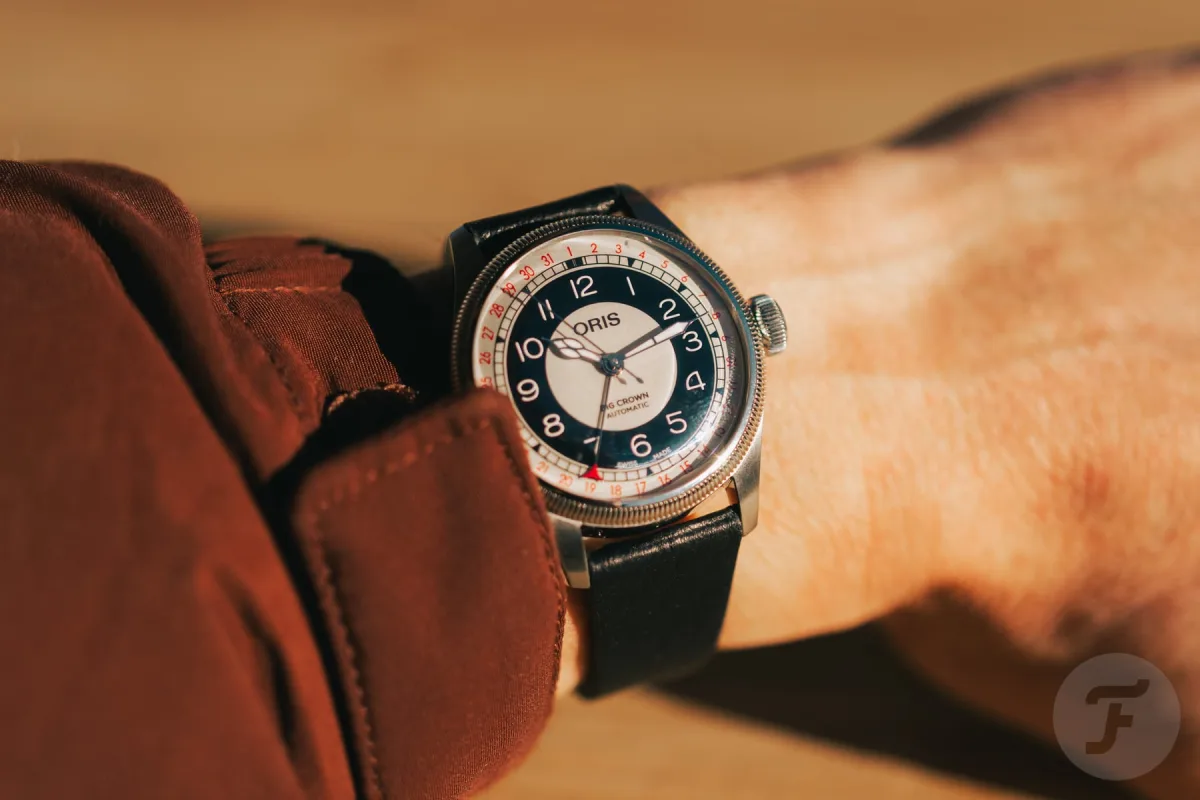
The 38 mm stainless steel case is a classic Big Crown, with an enlarged knurled crown for convenience and a domed sapphire crystal adding warmth and slight edge distortions. The dial is the main stage. Several concentric rings create a layered effect: a light outer ring with a red date scale, a thin railroad minute track, a bold black ring with clear white Arabic numerals, and a light center completing the bullseye effect.
The result is a dial that is both playful and functional, with excellent readability from any angle. The cathedral-style hands with luminescent filling emphasize the watch's pilot heritage and add visual weight to the center of the dial. The red date hand moving around the perimeter adds a bright accent, preventing the design from becoming too formal. It's a reminder that contrast doesn't necessarily have to be limited to black and white to be effective.
Specifications Table for Oris Big Crown Pointer Date Bullseye
| Parameter | Value |
|---|---|
| Case Diameter | 38 mm |
| Case Material | Stainless Steel |
| Movement | Automatic, Oris caliber 754 |
| Power Reserve | 41 hours |
| Dial Features | Multilayer "bullseye" design |
| Crystal | Domed sapphire |
| Water Resistance | Standard for Big Crown |
Inside is the caliber 754 - a tested and reliable automatic with a central date hand and a 41-hour power reserve. The sapphire crystal case back showcases the signature Oris red rotor - a small but pleasing touch of brand style.
On the wrist, the Bullseye strikes a balance between formal and casual. It's not a classic formal watch, but the strong contrast and structured dial give it an elegance that sets it apart from standard pilot models. Paired with a simple black leather strap, it looks sophisticated; swap the strap for something more sporty, and the watch easily returns to its tool roots.
The Oris Big Crown Pointer Date Bullseye compellingly demonstrates how the tuxedo dial philosophy continues to evolve. It proves that the appeal of high-contrast, carefully segmented dials isn't limited to classic wristwatches. It's a design principle that can be adapted, reimagined, and refreshed while retaining immediate recognizability and deep satisfaction from wearing.
Why Tuxedo Dial Watches are Coming Back in Style
Why are tuxedo dials regaining popularity? Partially, it's due to fatigue. We've lived in a world of monochrome sports watches, integrated bracelets, and subtle variations on familiar themes for a long time. Tuxedo dials offer contrast without excess. They are visually interesting but not loud; expressive but not divisive.
There's also a renewed appreciation for the fundamentals of design. Collectors are paying more attention to balance, readability, and negative space. Tuxedo dials excel in all three aspects. They naturally direct the eye, clearly structure information, and give the dial form. In a world saturated with textures, colors, and complex functions, such clarity feels refreshing.
Finally, there's the emotional factor. Tuxedo dials connect us to an era when watches were both a tool, an accessory, and an expression of taste. They evoke associations with cinema, travel, and a particular effortless elegance that transcends fashion. Wearing such a watch is a touch of tradition, even if the watch itself is brand new.
Considering these five (plus one) models together, I'm convinced: the tuxedo dial is not just a trend but a return to one of the most enduring design codes in watchmaking. Whether it's a major brand, a heritage revival, or an independent atelier - the appeal remains unchanged. Strong contrast, thoughtful proportion, and a sense of calm confidence. For those who appreciate not only functionality but also the feel of a watch, this combination is hard to ignore.