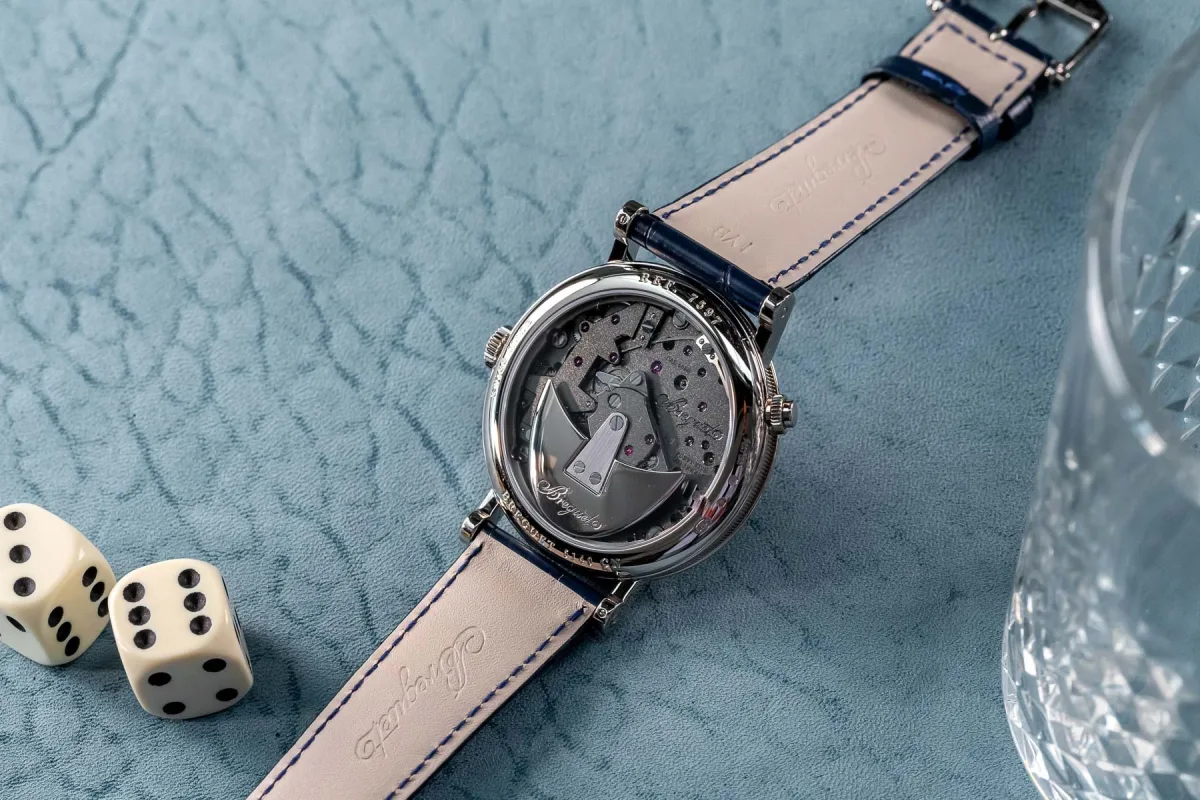
Is there a best rotor? A pragmatic watchmaker might say the heaviest central rotor, which winds the spring most efficiently, is the best choice.
A collector of traditional watches with such mechanisms might argue that nothing compares to a massive micro-rotor. And those deeply invested in the technical art of horology have a special fondness for peripheral rotors. So, which rotor is closer to your heart - central, micro, or peripheral? If you answer, I'll tell you which mechanism I prefer. Perhaps it's a system you haven't heard of yet.
History of the Automatic Mechanism and Its Spread
Before examining different types of rotors, let's briefly explain how the automatic mechanism emerged and why it has become the most widespread in the world of mechanical watches.
Which Rotor Do You Prefer? John Harwood Preferred the "Bumper"
As you know, automatic mechanisms use a system that winds the spring with the movement of the wearer's wrist. The exact date of invention is unknown, but the idea dates back to the 18th century, when watchmakers like Abraham-Louis Perrelet and Joseph Galmar contributed to the early development of automatic winding. Pocket watches dominated at the time, and wristwatches were just beginning to emerge. It was in the constantly moving wrist mechanism that automatic winding fully manifested itself.
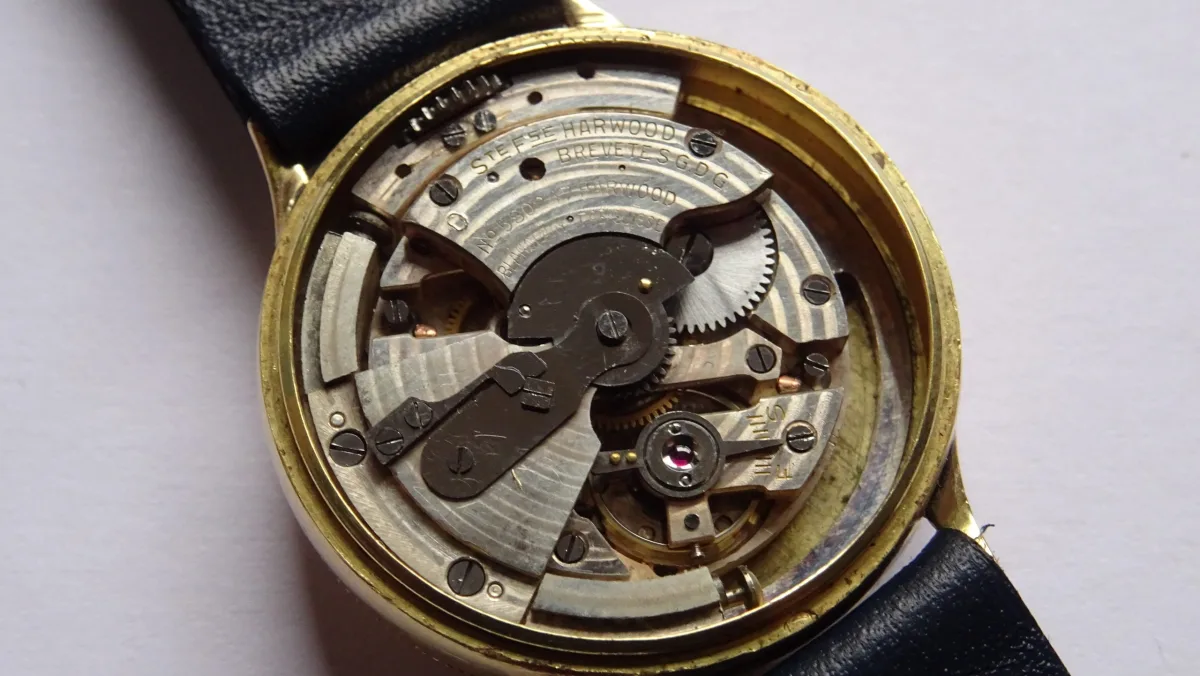
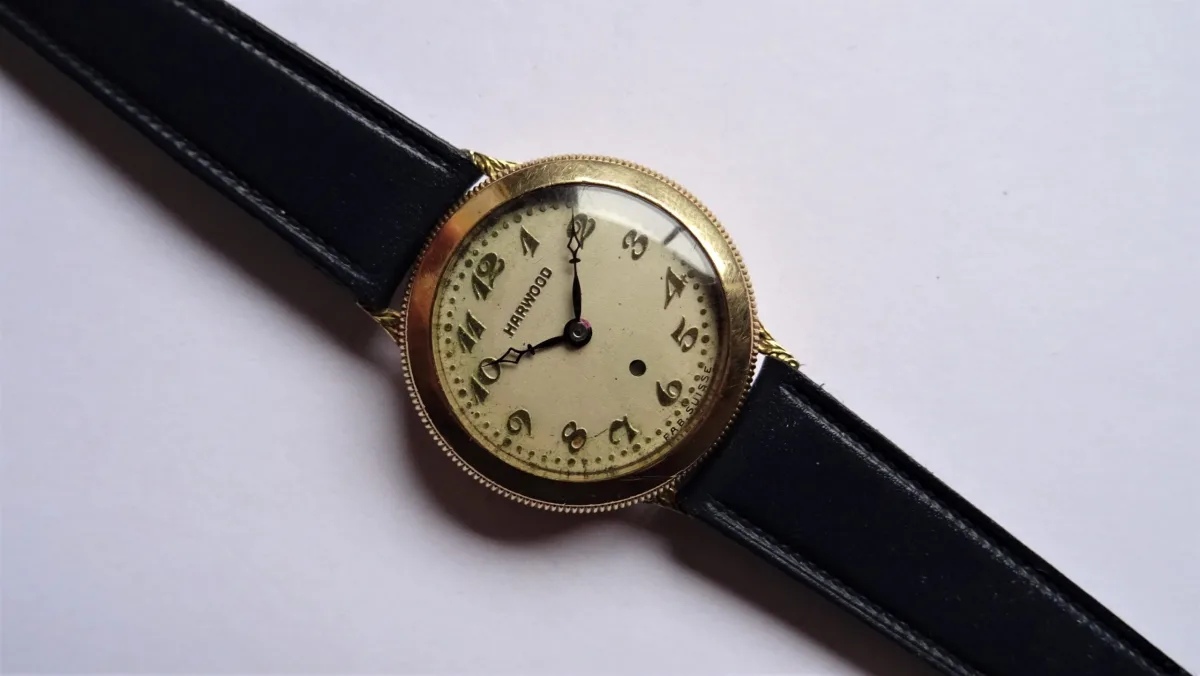
The first automatic wrist mechanism is attributed to John Harwood's invention in 1923-1924. His design used a "bumper" system, where the rotor made a swinging motion at 180º and was stopped by springs on both sides. Although the efficiency of such winding was inferior to modern rotors with 360º rotation, it was a breakthrough. Harwood's innovation also eliminated the need for a traditional winding crown, and in 1926, the Swiss company Fortis introduced the crownless winding system.
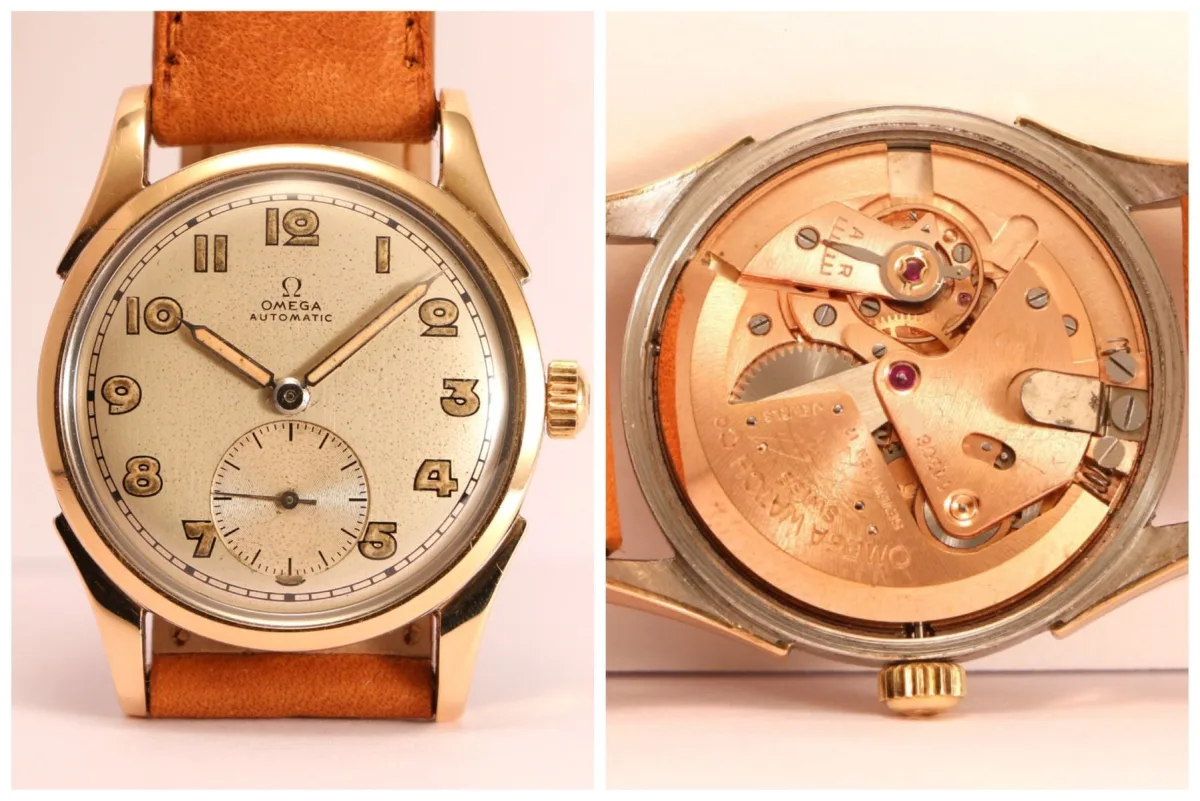
The watch industry quickly recognized the potential of Harwood's design, and several brands began producing watches with bumper winding. The most notable among them was Omega, which from the late 1930s to the 1950s produced various calibers with bumper winding, such as the model 2478. These watches were very popular and are still beloved by collectors of vintage models.
Modern Bumper Mechanisms
Alpina also has a history with bumper mechanisms. In 2021, the brand introduced the Startimer Pilot Heritage Manufacture model with the modern caliber AL-709. This mechanism is improved compared to vintage versions: in older models, the rotor weight covered an arc of about 120°, while in the AL-709 it rotates at 330°, increasing winding efficiency. Additionally, the springs at the edges of the arc were replaced with a spring and rotary stopper. The mechanism retains the characteristic click appreciated by bumper system enthusiasts. Alpina released 188 pieces in a stainless steel 316L case with a diameter of 42 mm, as well as 188 gold-plated models. Both versions were priced just under 3000 euros.
Contribution of Rolex: The Central Perpetual Rotor
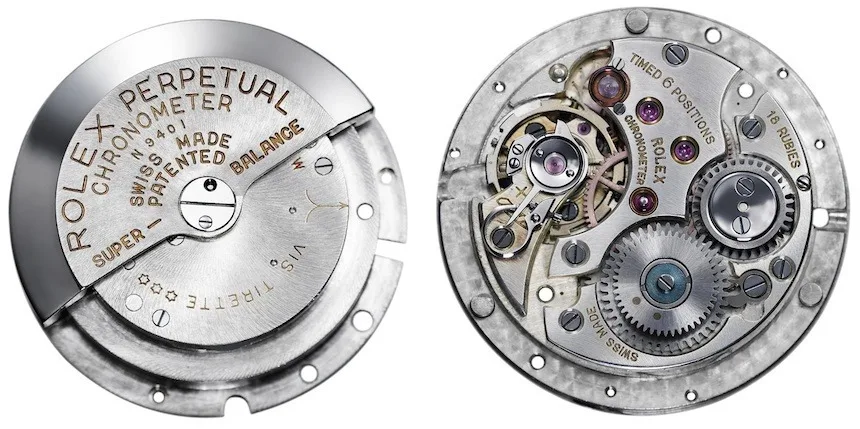
In 1931, Rolex perfected the automatic mechanism by introducing the Perpetual rotor with full 360º rotation, which became the benchmark for modern automatic watches. In combination with the waterproof and dustproof Oyster case introduced in 1926, the Oyster Perpetual model marked the beginning of a new era. The 360º central rotor is the most efficient and economical way to wind the spring, which is why it has become the foundation of most automatic watches.
Today, central rotor mechanisms are produced by manufacturers such as ETA, Sellita, Miyota, Seiko, and La Joux-Perret. The central rotor has become the industry standard - from budget brands to luxury ones.
However, the traditional rotor usually covers about half of the mechanism. If a watch has a transparent case back and you want to observe the movement, the rotating rotor obstructs the view. Decorating the rotor doesn't solve the problem, and skeletonization only partially improves visibility. If you want to fully see the mechanism, there are two options - a watch with a micro-rotor or with a peripheral rotor. Let's first consider the micro-rotor.
Micro-Rotor: Compactness and Complexity
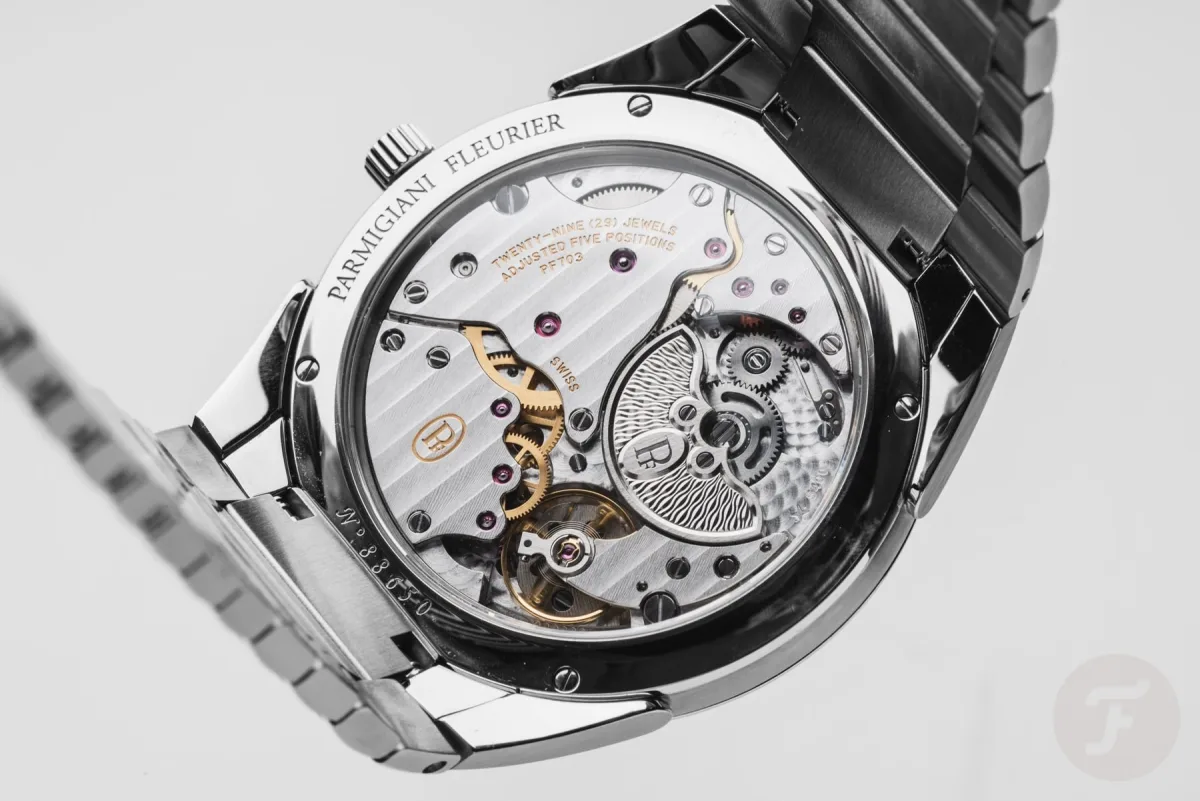
The micro-rotor is integrated within the mechanism rather than placed on top like a traditional rotor. This allows more of the mechanism to be visible. However, creating a micro-rotor is more expensive and complicated, as it requires ensuring winding efficiency comparable to a full rotor. The small and offset mass is less efficient because due to less mass and less distance to the axis of rotation, insufficient force is created to overcome the resistance of the mainspring, especially with partial load.
Micro-rotors are more fragile and structurally complex. Nevertheless, in the 1950s, companies Universal Genève and Büren independently developed micro-rotor technologies. Why? Probably to create thinner watches, although the first models were not thinner than usual ones with a central rotor.
Development of Micro-Rotor Mechanisms and Accessible Options
In 1959, Piaget introduced the caliber 12P with a thickness of only 2.3 mm - the thinnest automatic mechanism in the world. Today, micro-rotors are used in Haute Horlogerie, often made from a dense platinum-like material for maximum weight.
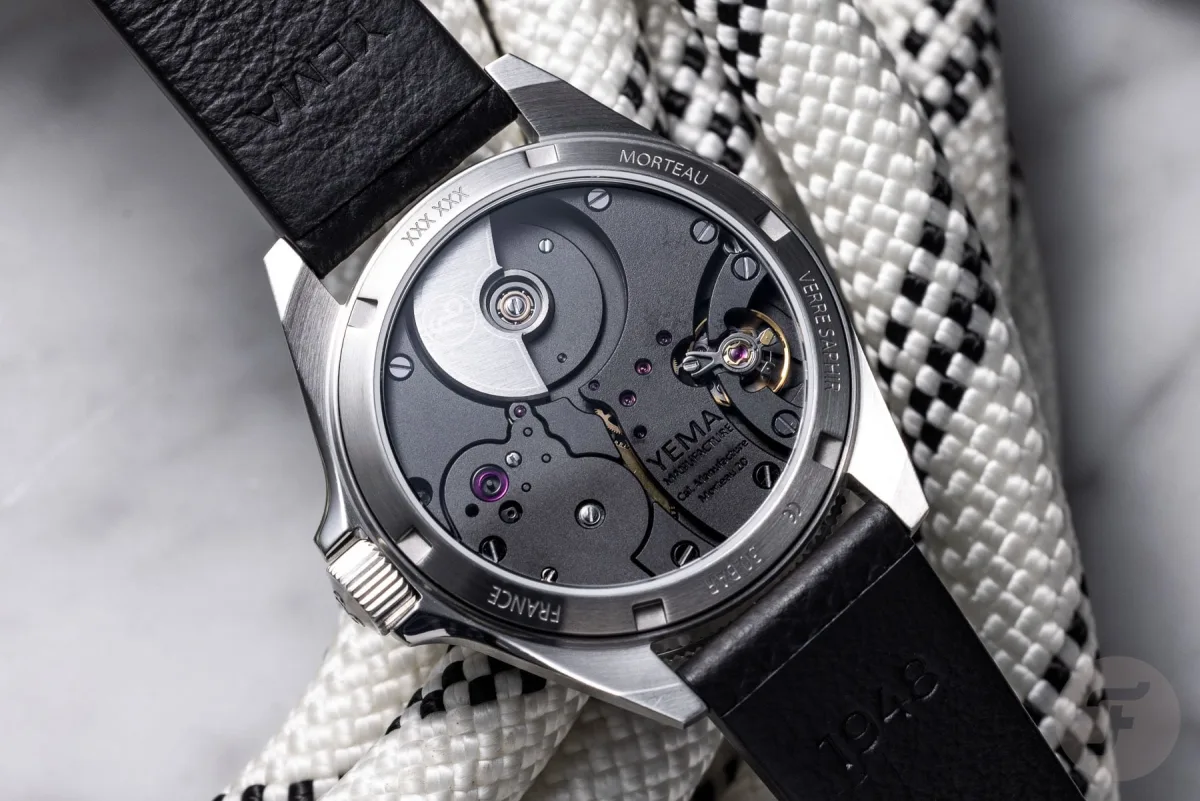
An interesting example is Yema, which two years ago introduced the Navygraf Slim CMM.20 Limited Edition model costing less than 2000 euros with a tungsten micro-rotor instead of platinum. Tungsten is slightly less dense and lighter, but about ten times cheaper. The Manufacture Morteau 20 mechanism is not high horology but has a modern look with a black satin finish and a contrasting tungsten micro-rotor on ball bearings. It's an affordable way to get acquainted with a micro-rotor.
Dominique Renaud, one of the founders of Renaud & Papi, understands that micro-rotors are not the most efficient. Together with Julien Tixier, he created a system in Renaud Tixier Monday watches with a micro-rotor, reinforced with a spring and flywheel working like an "engine" that increases winding energy. The mechanism is also equipped with a shock absorber that protects the fragile structure from impacts. The price is 79,000 Swiss francs excluding taxes.
Peripheral Rotor: Efficiency and Transparency
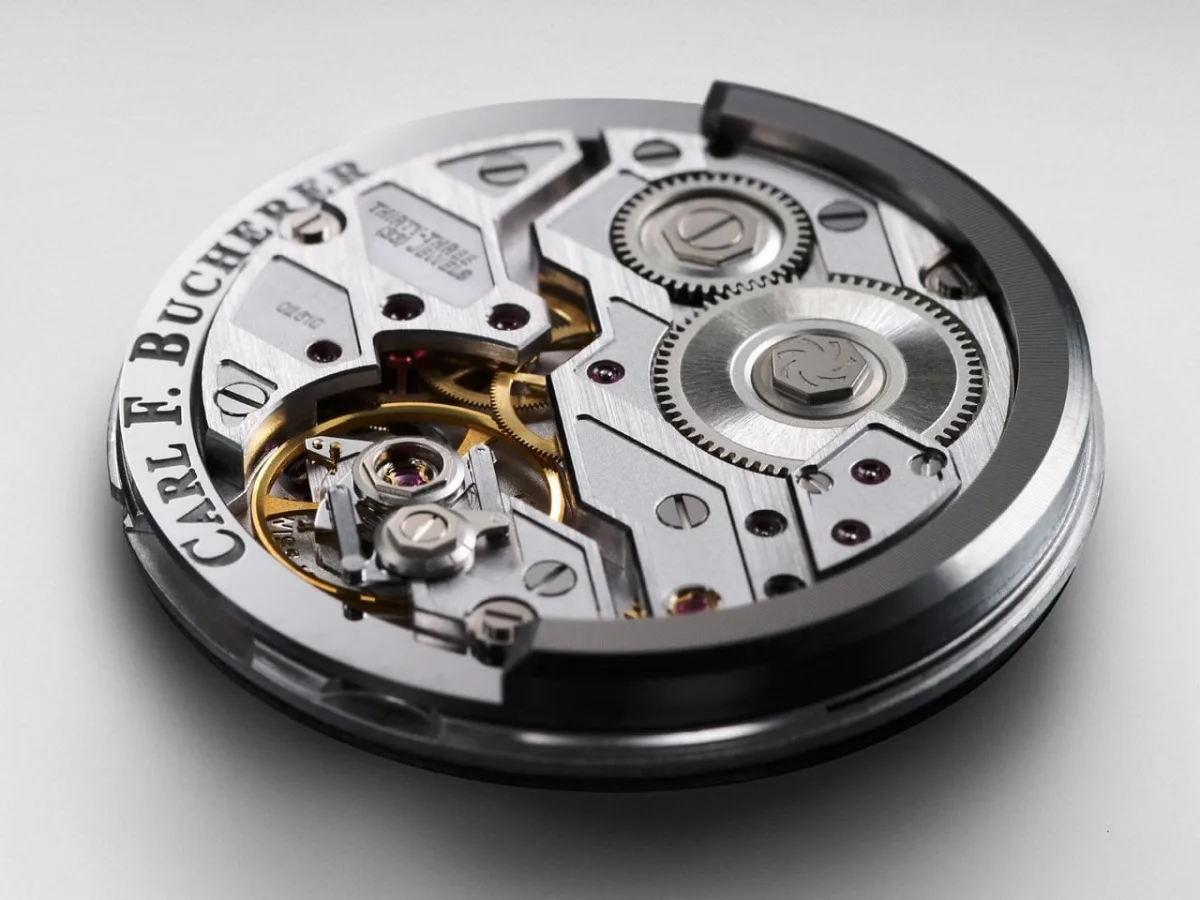
What if you could combine the efficiency of a central rotor with minimal visual interference? The answer is a peripheral rotor, which rotates along the outer edge of the mechanism, keeping it thin and open for viewing. Although the system is complex and expensive to produce, it is mainly used by luxury brands such as Vacheron Constantin, Audemars Piguet, Jaeger-LeCoultre, and Breguet.
The peripheral rotor gained attention in 2009 thanks to Carl F. Bucherer with the caliber A1000, equipped with DLC-coated rollers and ceramic ball bearings for bi-directional rotation of the tungsten rotor, which increased stability and reliability. Another example is the Perrelet Lab Peripheral with the P-411 caliber, costing 4080 euros, which is cheaper than most micro-rotor models. Abraham-Louis Perrelet, the inventor of automatic winding, would be proud.
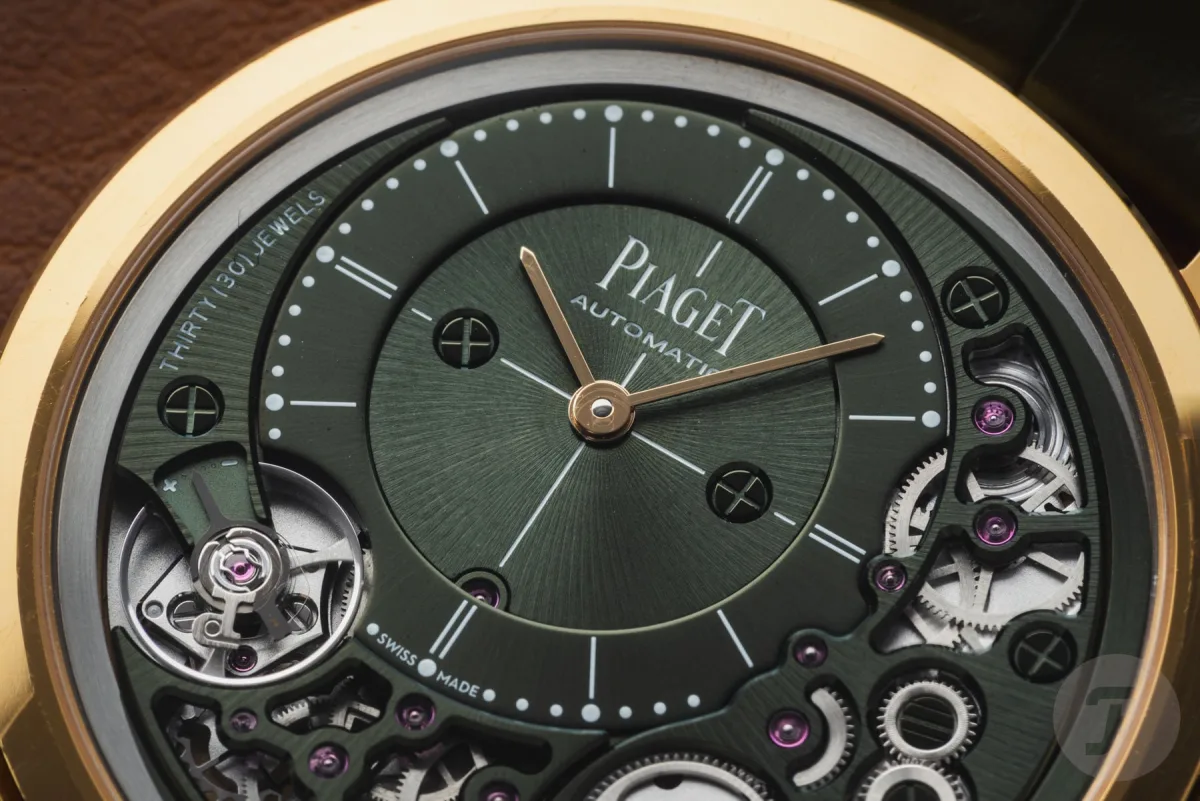
Record Holders with Peripheral Rotor
Piaget Altiplano Ultimate Automatic, debuted in 2017, became the thinnest automatic watch in the world with a thickness of only 4.3 mm thanks to the peripheral rotor. Bvlgari went further, creating the Octo Finissimo Tourbillon Automatic with a thickness of 3.95 mm and a mechanism thickness of 1.95 mm.
Equally interesting is the Jaeger-LeCoultre Hybris Mechanica Calibre 362 model measuring 41 × 7.8 mm with 566 components, a tourbillon, minute repeater, and a peripheral rotor protected by eight patents.
Breguet Marine Tourbillon Equation Marchante 5887 - a platinum model with civil time, equation of time, perpetual calendar, and tourbillon. The peripheral rotor of the caliber 581DPE is decorated with a delicate wave pattern.
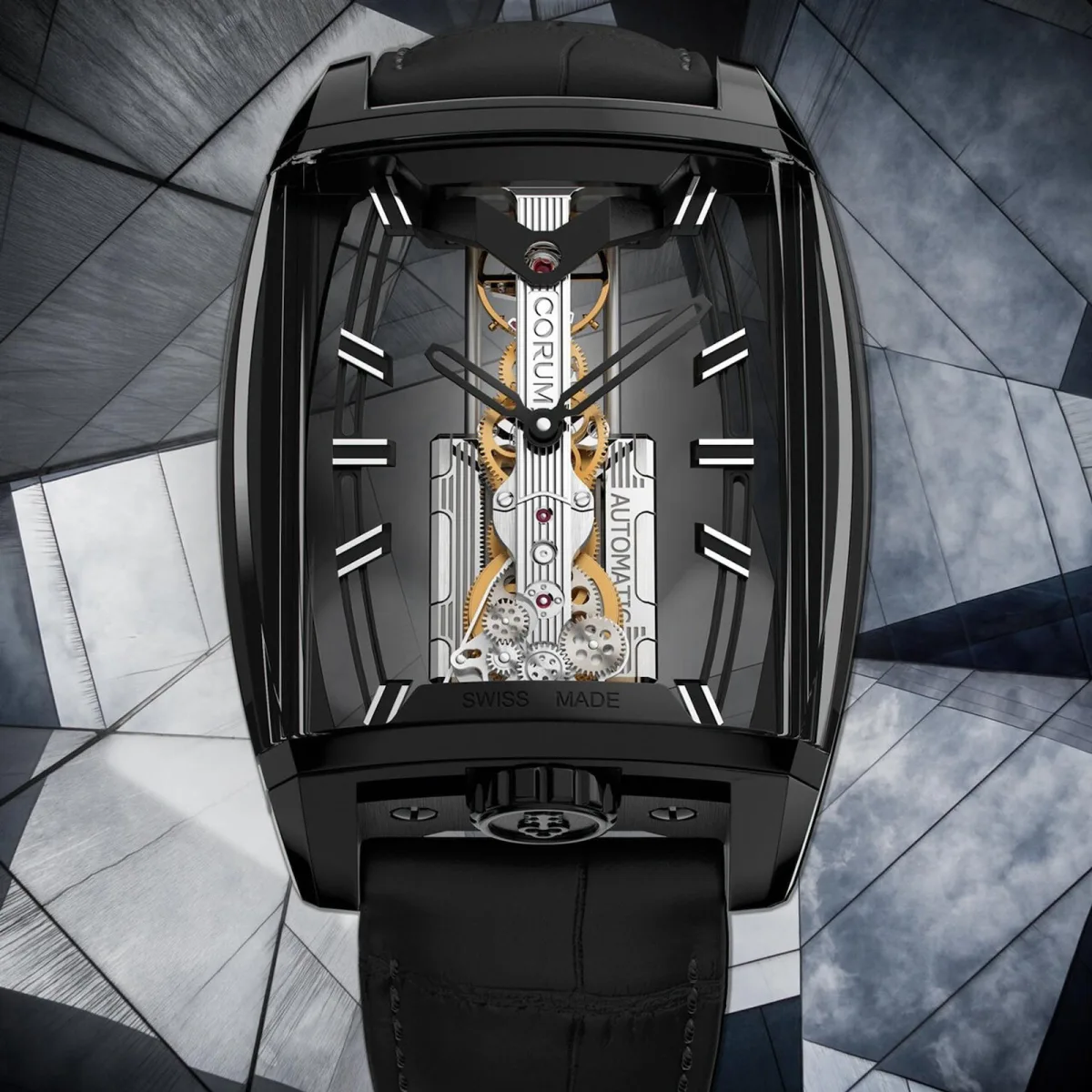
Linear Winding: The "Hammer" System at Corum
Linear winding is also possible, where the weight slides up and down like in the "hammer" system. Modern watches with such a system are produced only by Corum, such as the Golden Bridge Avant-Garde Titanium. The issues with linear winding are the mass of the weight, friction, and efficiency. Corum uses a copper-beryllium alloy and steel with a nickel-polytetrafluoroethylene coating, similar to Teflon, to ensure smooth movement of the 4-gram platinum weight.
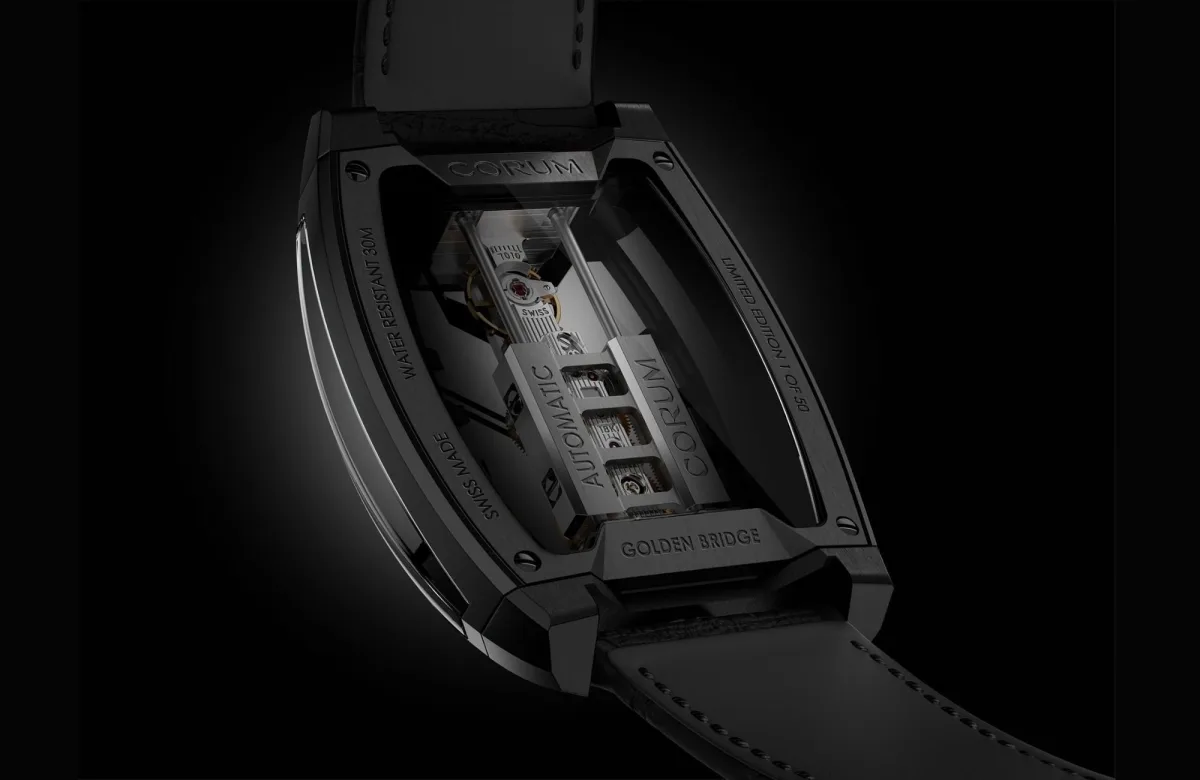
The caliber CO 313, developed in collaboration with La Joux-Perret, features a weight that moves along steel guides for one centimeter, then decelerates and returns back thanks to a seal system. The system does not require lubrication due to ceramic ball bearings.
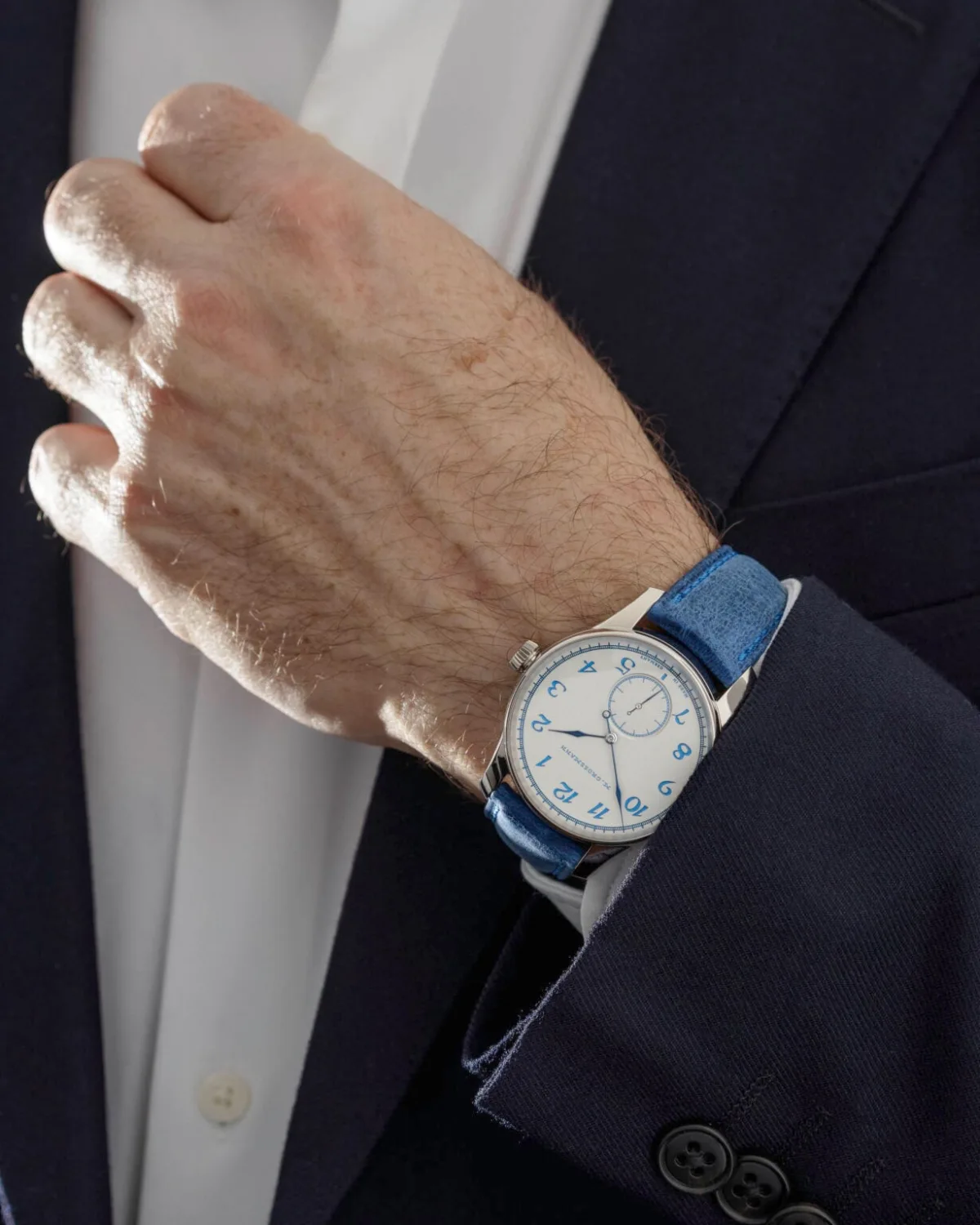
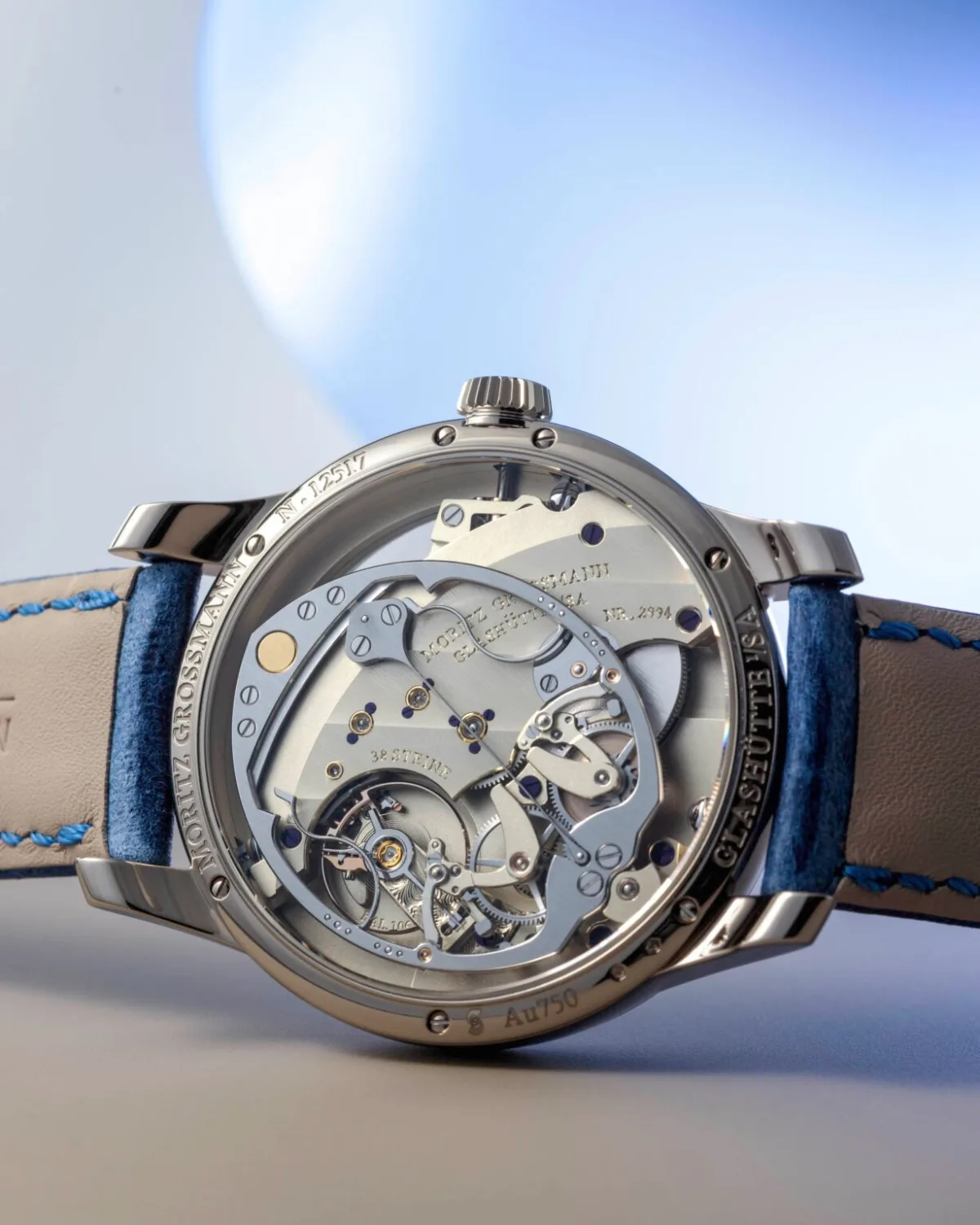
The Hammer Reimagined: Hamatic by Moritz Grossmann
Moritz Grossmann from German Glashütte released the Hamatic with the caliber 106.0, using a "hammer" winding system but differing from Corum. The mechanism features a pendulum weight with an oval shape with a gold weight at the end to increase winding efficiency. The weight swings along a narrow arc and is cushioned by two curved springs that contact a buffer and a thin plate in the center of the mechanism. This is a rare and interesting design, dating back to Breguet pocket watches and Perrelet's ideas.
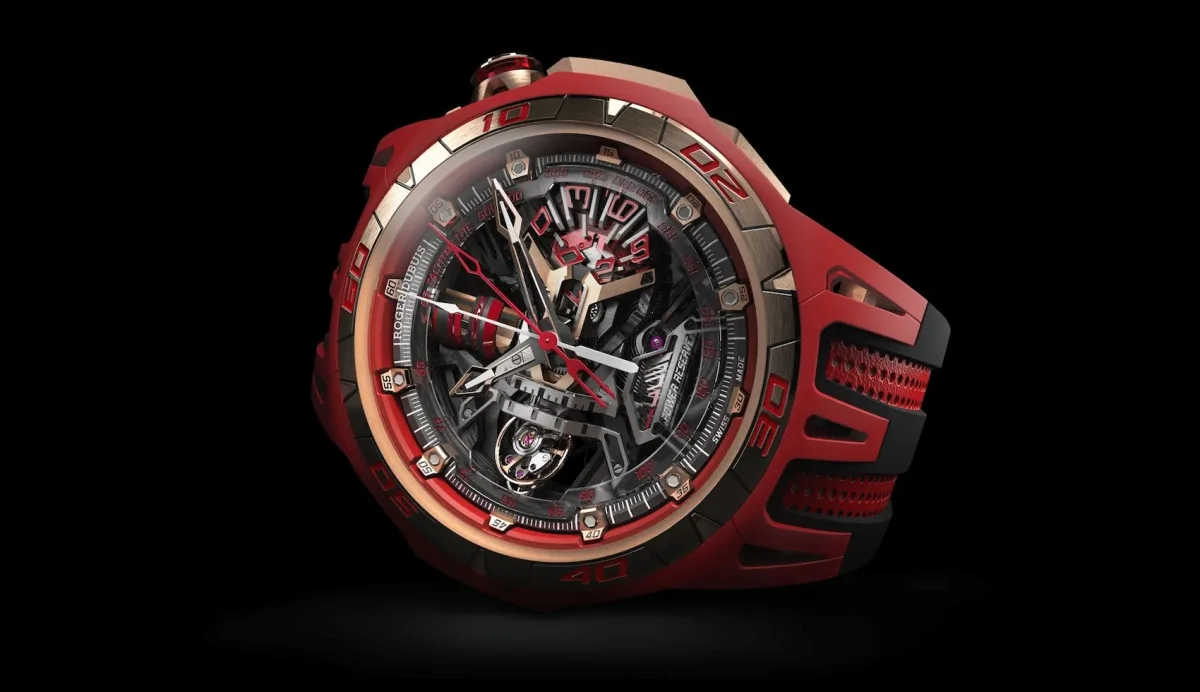
The conceptual Monovortex Split Seconds Chronograph by Roger Dubuis, presented at Watches and Wonders 2023 in a red composite fiber case with a diameter of 47 mm, features a unique Turborotor - a vertically oriented cylindrical rotor. This new automatic winding system with a rotating cylinder, developed over eight months, is not yet in mass production but deserves attention.
Which Rotor to Choose?
Now tell me, which rotor do you prefer? And don't say you prefer manual winding - we'll discuss that another time. My personal favorite is the micro-rotor because it allows for the creation of thin watches and offers a dynamic spectacle on the movement side. The central rotor obscures the view too much, and the peripheral, no matter how elegant and interesting it is, is too effectively hidden from view. Therefore, in my opinion, the best rotor is a beautifully decorated platinum micro-rotor.