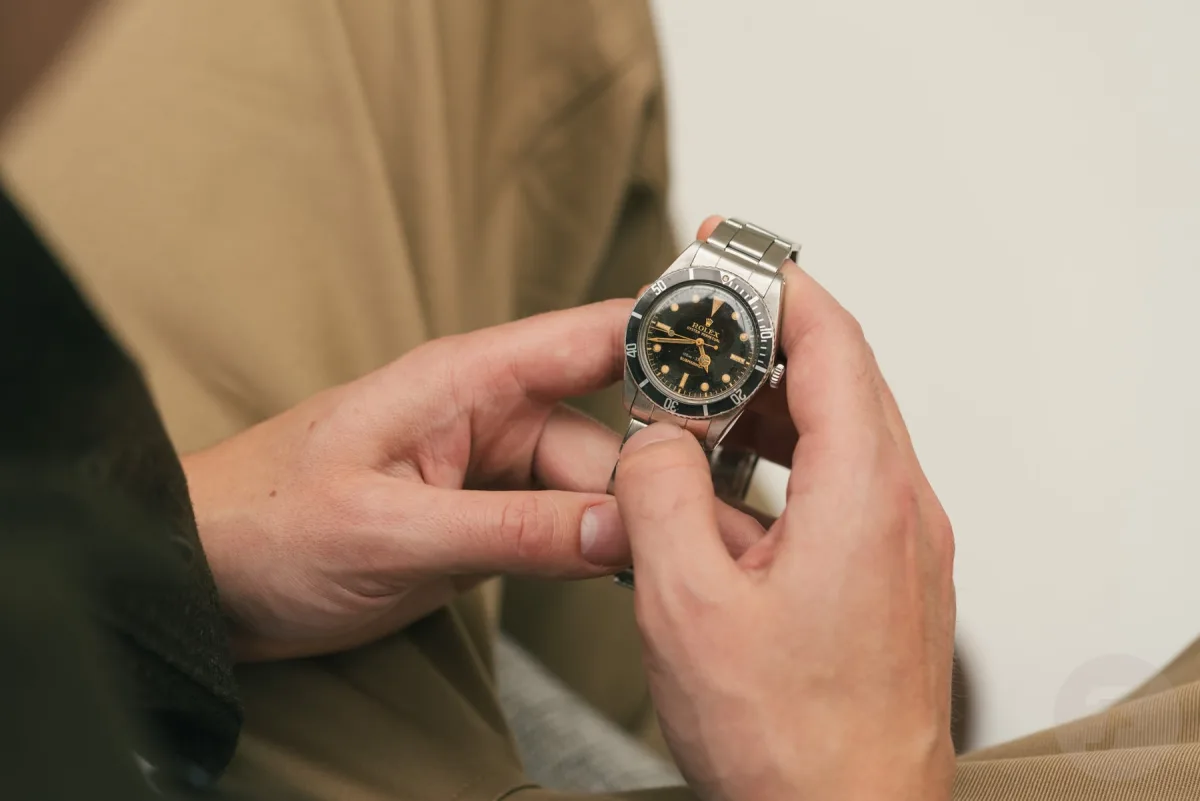
Welcome to another edition of the “Back to Basics” series, dedicated to newcomers in the world of watches.
In this article, I will share tips on how to properly evaluate vintage watches and avoid buying a bad model. This material is primarily aimed at those looking to buy their first vintage watch. As always in our “Back to Basics” series, I invite experienced readers to share their observations and advice in the comments. Let's make this article as useful as possible for beginners!
I won't delve into the specifics of particular vintage watch models - there are plenty of specialized resources online for that. My goal is to equip you with a critical eye and the right approach to evaluation. Let's begin!
The Right Mindset for Evaluating Vintage Watches
Most materials like this teach you to think like a museum curator. With this approach, you try to identify the smallest defects, as if working in the quality control department at A. Lange & Söhne. Let me debunk this myth: such an approach will not bring you enjoyment in the process.
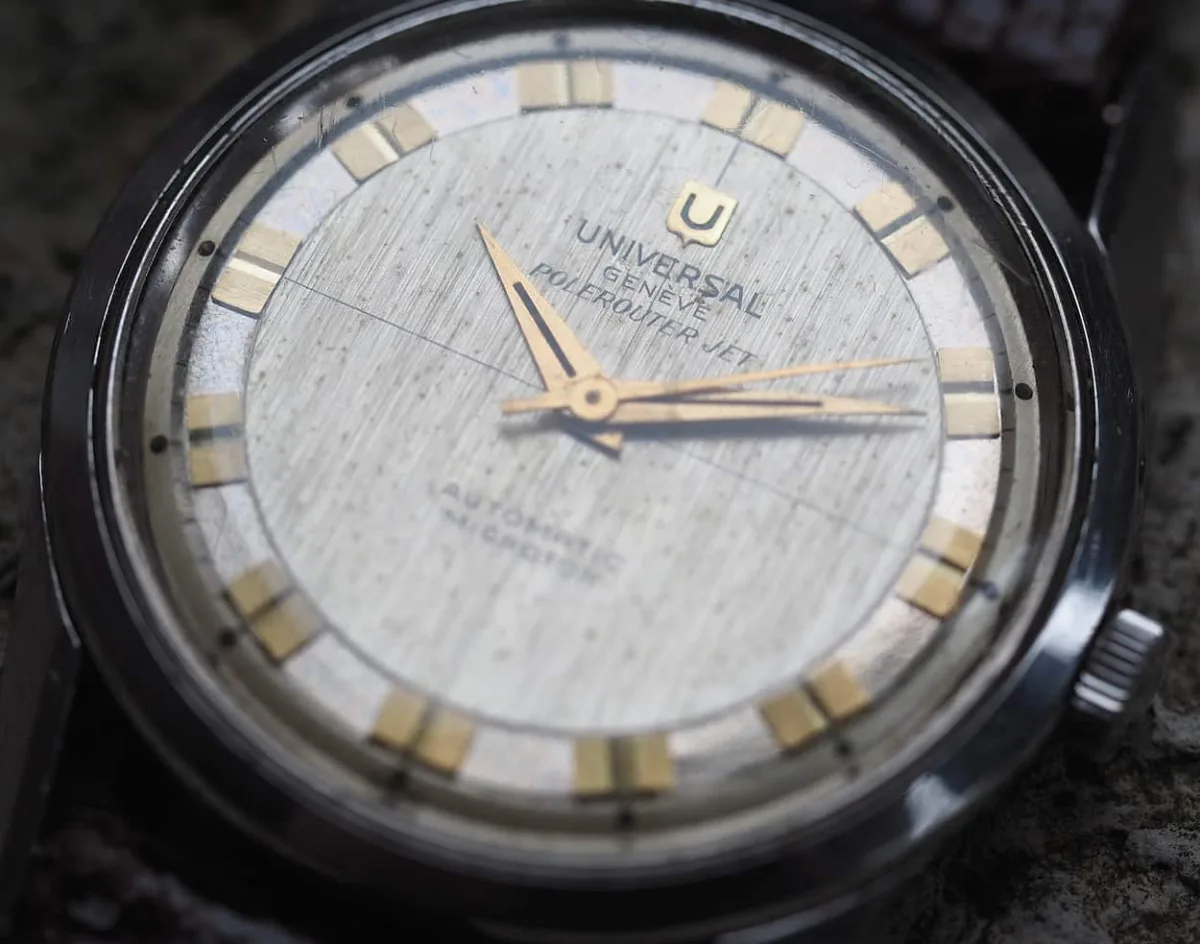
Especially at the beginning of your journey in the world of vintage watches, some leniency is needed. I advise beginners to focus on more affordable price segments until you learn to understand the details. The truth is, museum-quality vintage watches won't be found in these segments. Except for rare “barn find” rarities, any available model will have its compromises. It’s important to know which of these can be accepted and which are best avoided.
Recalling my experience as a former vintage watch seller, I often saw buyers coming in with a wealth of knowledge from the internet. As soon as they were shown the watches, they would pull out a magnifying glass and point out “flaws”. For rare Patek Philippe models, this is justified, but for a first purchase, like classic Longines, it's excessive. Let me explain further.
Player-Grade vs. Investor-Grade: An Analogy with Vintage Guitars
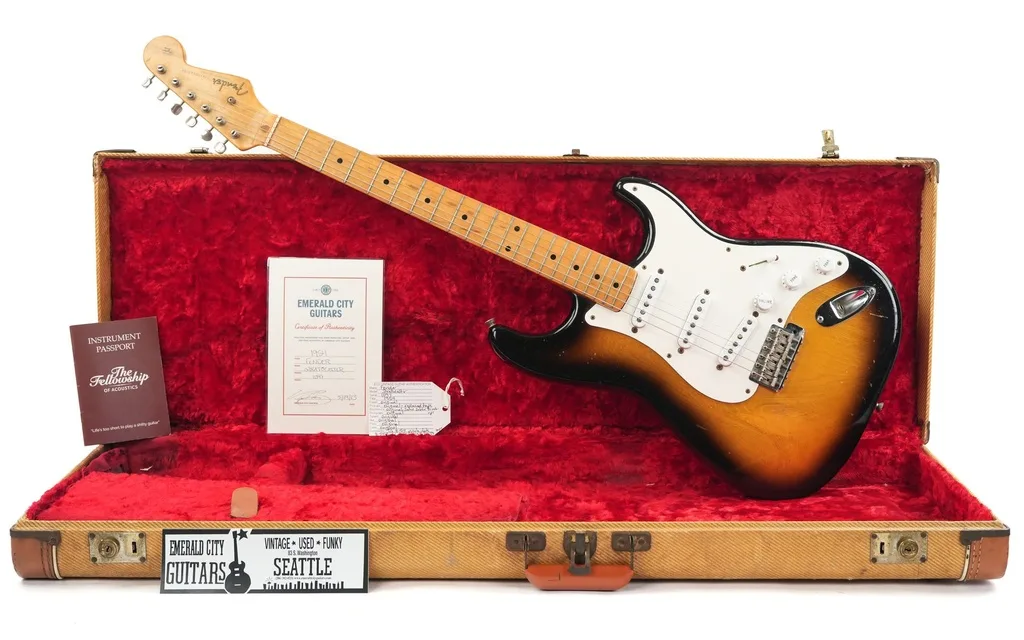
To better understand, let me draw an analogy with vintage guitars. In the guitar world, there are two main classes - player-grade and investor-grade.
- Investor-grade guitars are preserved in their original form and excellent condition. The lacquer is original, potentially slightly cracked due to time, but there are no signs of play wear. The body has no repairs, cracks, or scratches. The ideal investor-grade guitar is one that has been stored in its case for decades.
- Player-grade guitars have been actively used. They show signs of wear, repairs, may be repainted, with replaced necks and new fretboards. Such a guitar has lived its life and it shows.
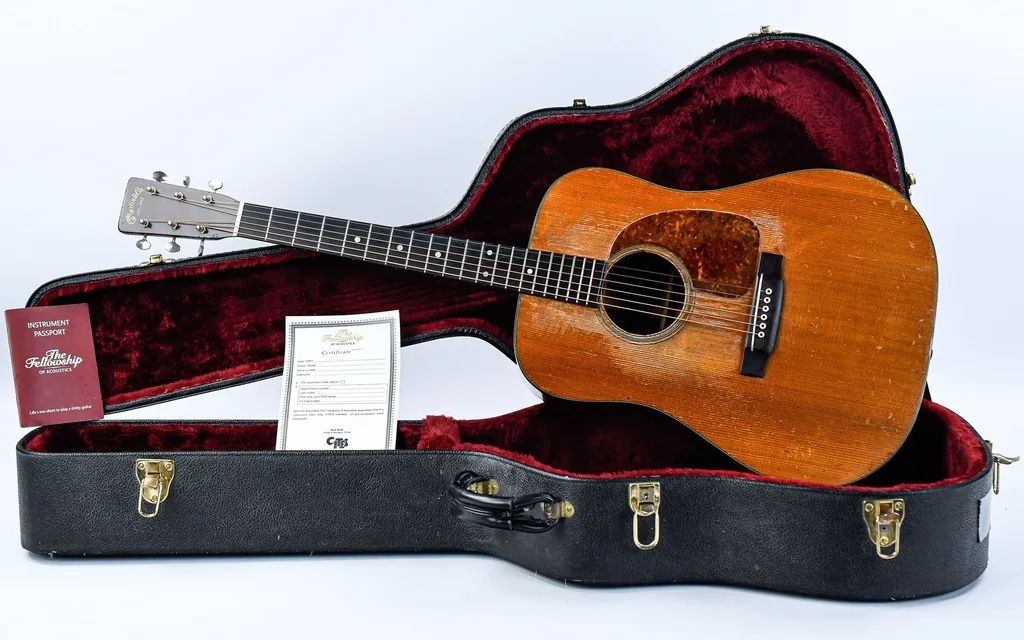
And guess which guitars legends prefer? Of course, player-grade. They often sound and play better and are less expensive. When choosing such a guitar, focus on sensations: does it inspire you to play? Do you like the sound? Is it comfortable in your hands and on your body? An investor, on the other hand, examines the lacquer under a magnifying glass to confirm the originality of the finish. These are two fundamentally different approaches to purchasing.
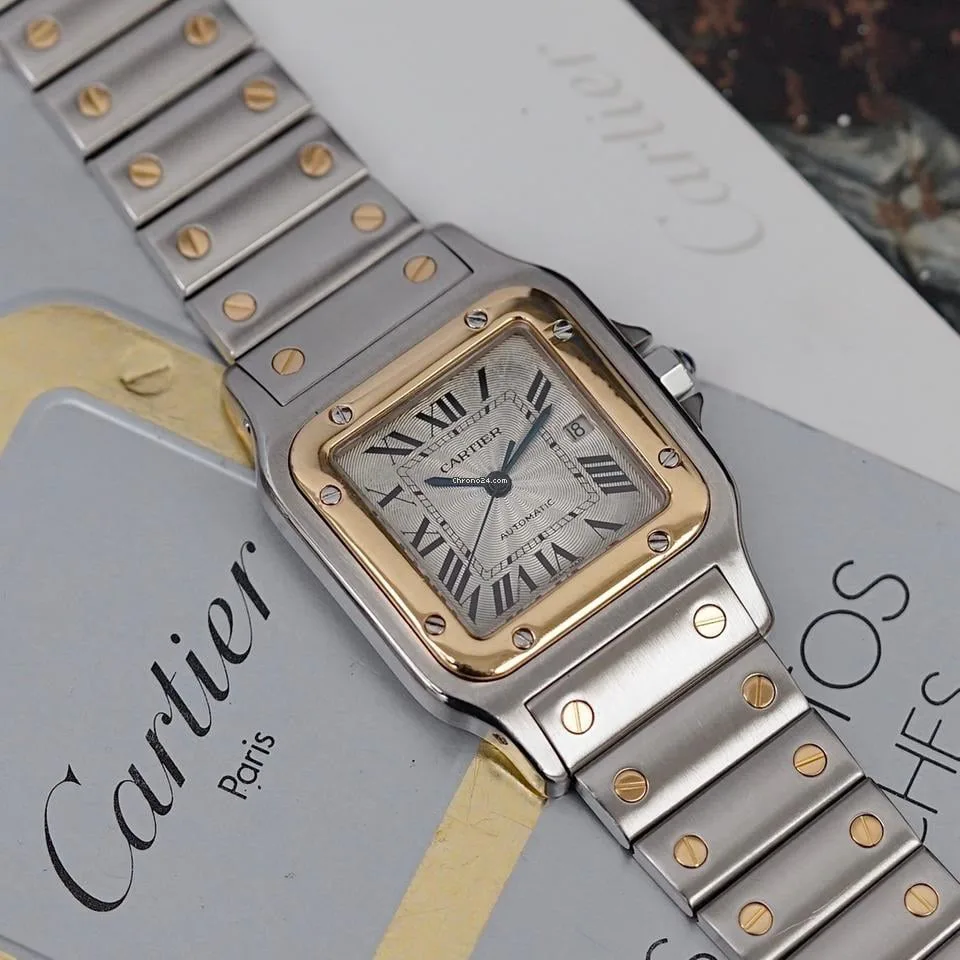
When evaluating vintage watches, a beginner should adopt exactly the player mindset. Otherwise, there is a risk of disappointment.
How to Evaluate Vintage Watches: Configuration, Condition, and Completeness
When evaluating vintage watches, I focus on three key aspects, examining them in a specific order:
1. Configuration
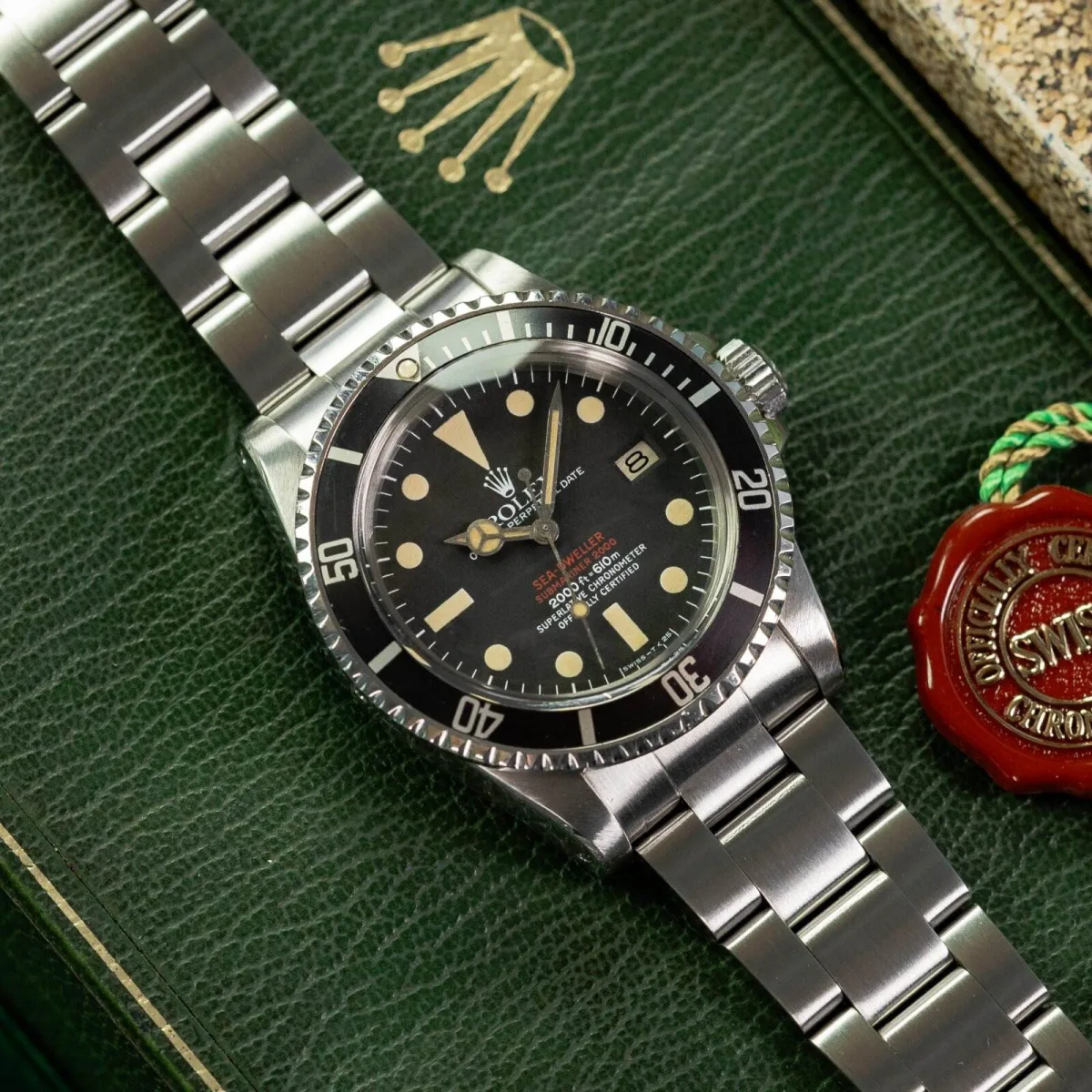
At this stage, it is important to conduct preparatory research on the specific model and year of release. Each detail should be checked:
- Does the part match the original configuration?
- Is the correct dial installed?
- Does the hand mechanism correspond to the dial?
- Is the crown original?
This helps to identify discrepancies and possible replacements.
2. Condition
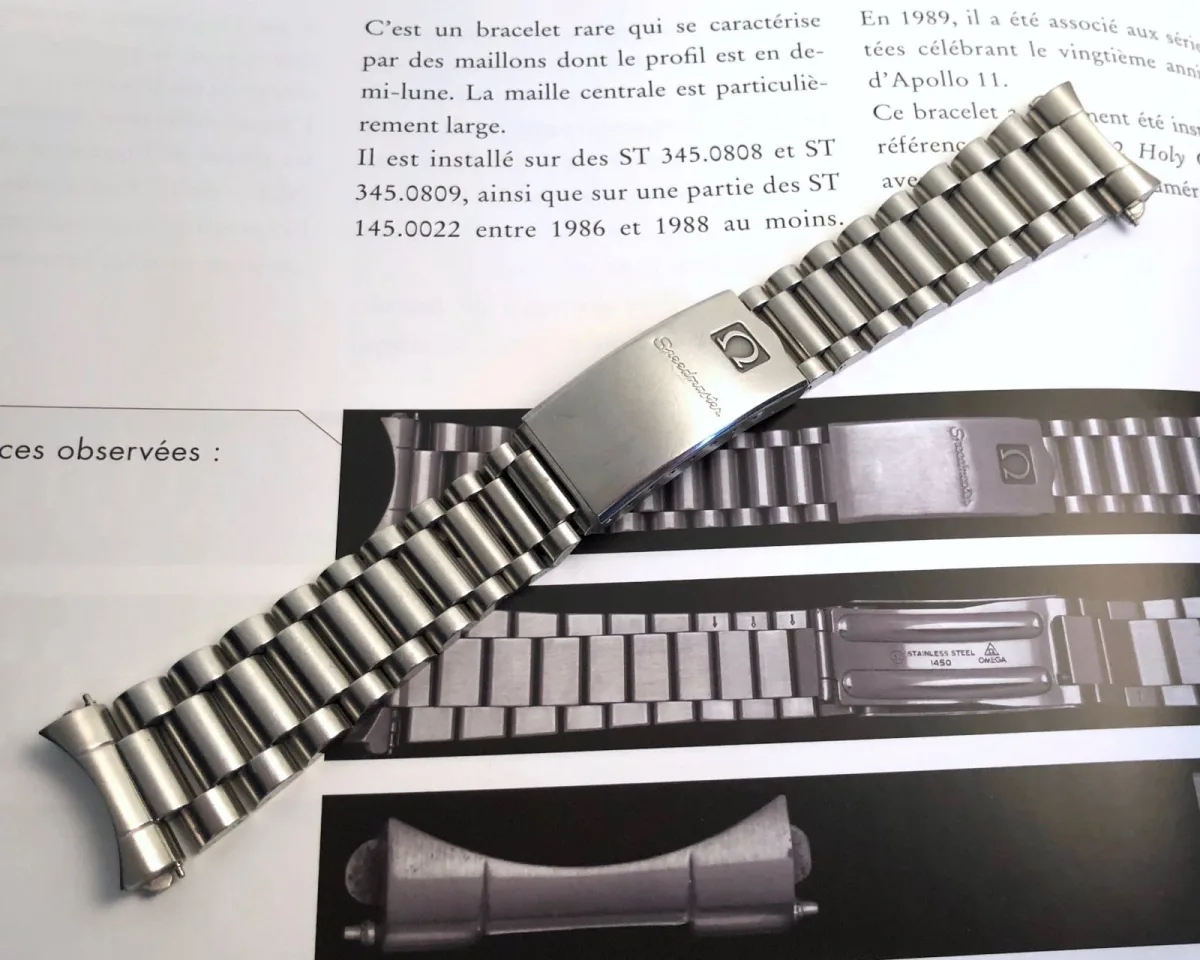
I look at the overall condition of the watch: are they worn, have they been polished, are there any damages. It is important that all parts look as if they have lived one life together. Signs of aging in vintage watches are called patina. When evaluating, the decisive question is: do you like this patina? The dial may be darkened or oxidized but still look spectacular.
3. Completeness
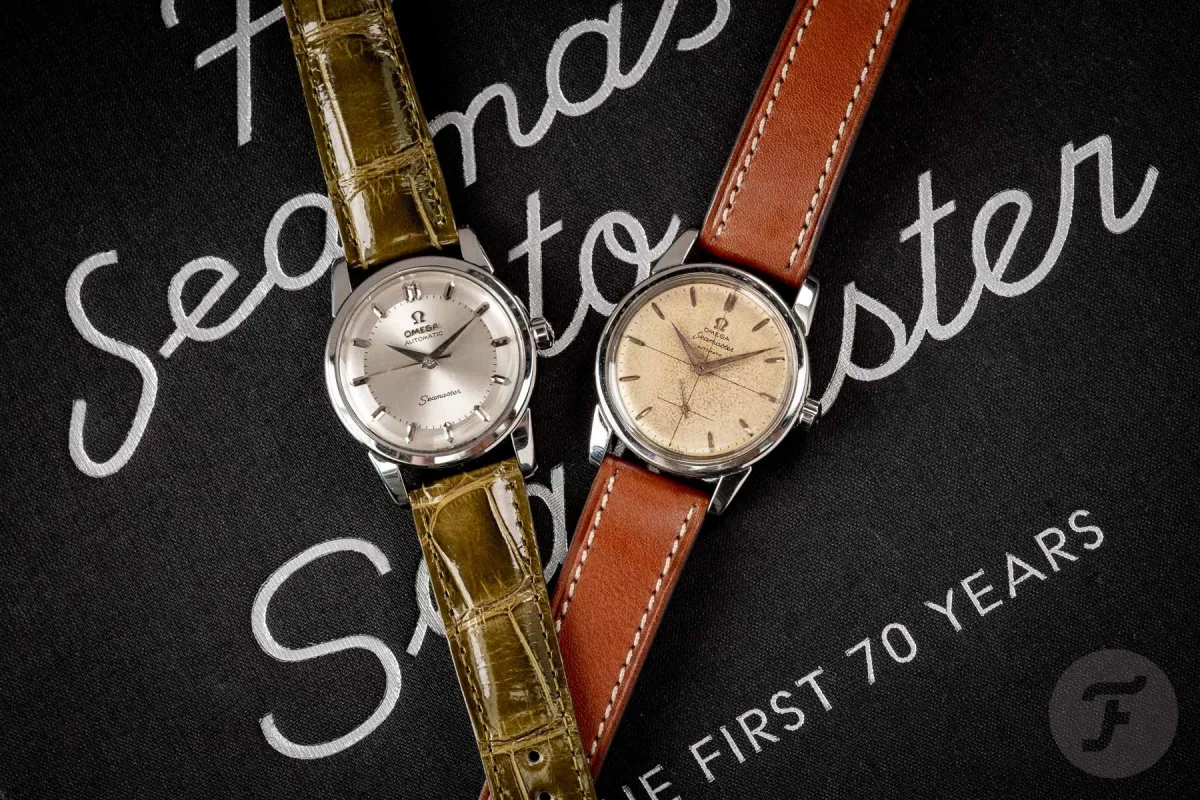
I check whether the watch has the original bracelet, whether the documentation or packaging has been preserved. Having recent servicing by a qualified watchmaker is also important - if so, it is desirable to obtain supporting documents with a description of the work performed.
How to Identify Part Replacements and Restorations
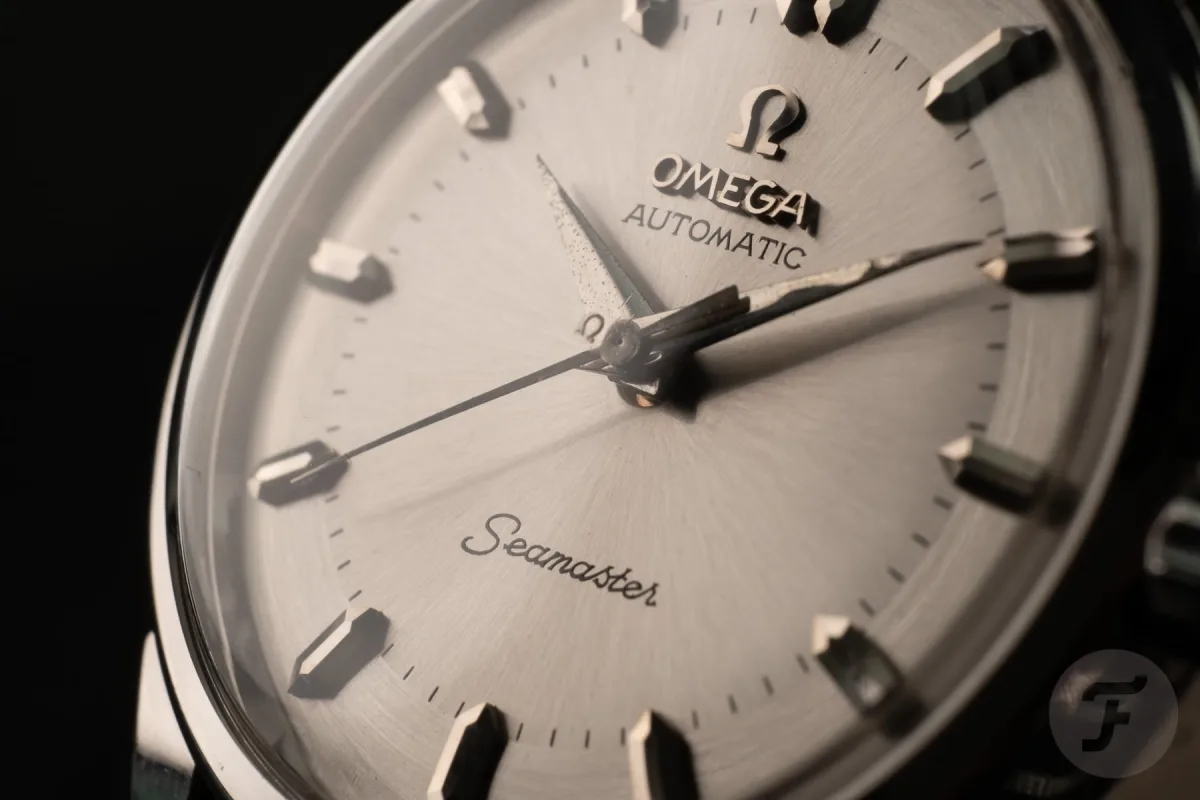
This aspect is very specific to each model and therefore requires preliminary study. For example, let's take my two Omega Seamaster ref. 2846 - from 1956 and 1958.
- They have different dial configurations.
- The 1956 model is heavily patinated, likely due to radium luminescence and moisture exposure.
- The 1958 model looks too good - the dial was restored: the original lacquer was removed, new markers and coating applied. Upon close examination, small imperfections in typography are noticeable, indicating restoration.
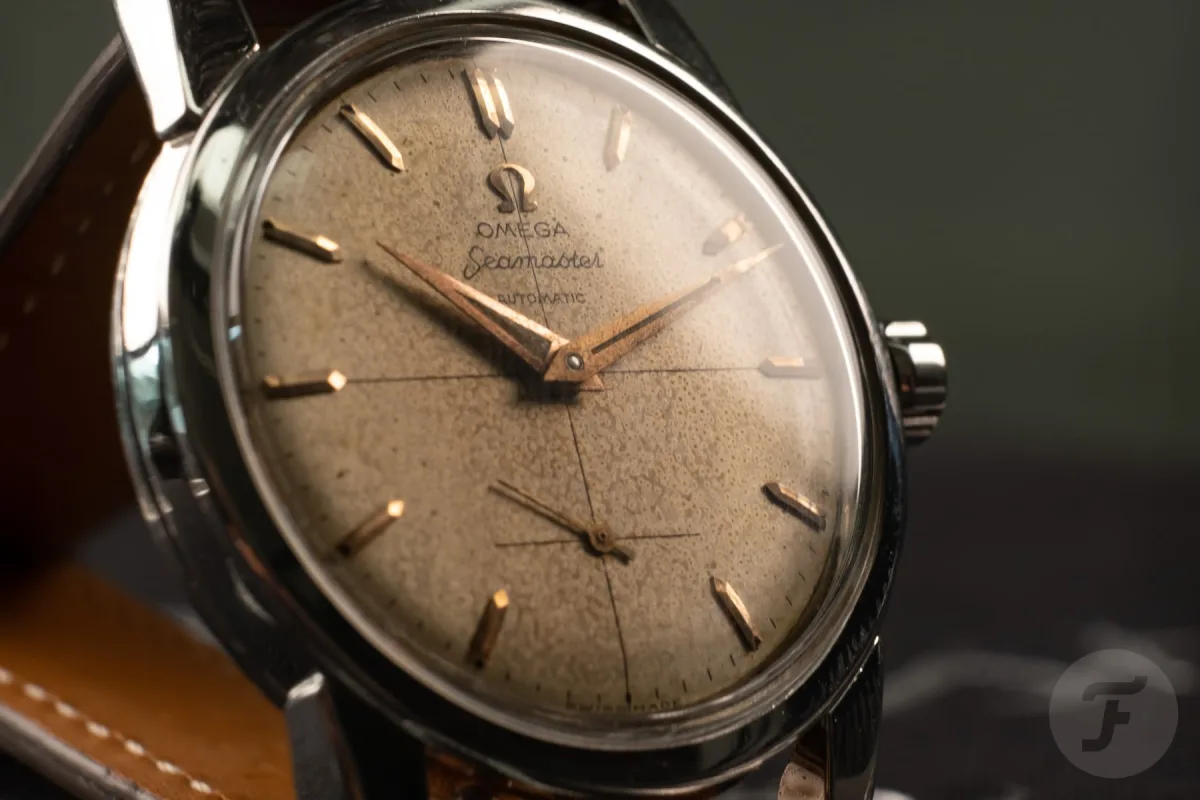
The patinated dial, on the other hand, may be completely original, and the hands - although refilled with luminous material - fit the style. Even experts find it hard to recognize this without special equipment, like a Geiger counter. The watch case may look too neat, indicating polishing.
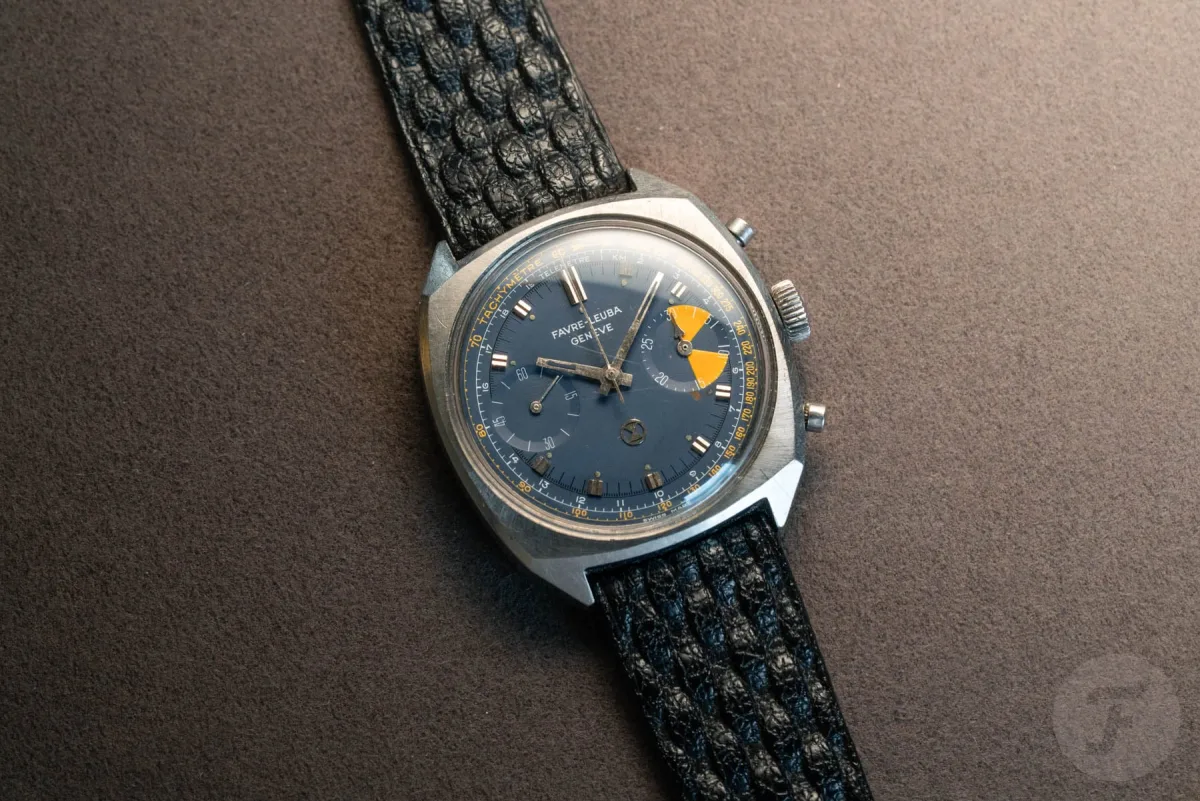
How to Apply This Knowledge When Buying Your First Vintage Watches
My two Seamaster models are examples of player-grade watches. The 1958 model may be misleading, appearing to be investment-grade, but it is not. The plus is that I can wear them every day without worry. After all, that's what they were created for.
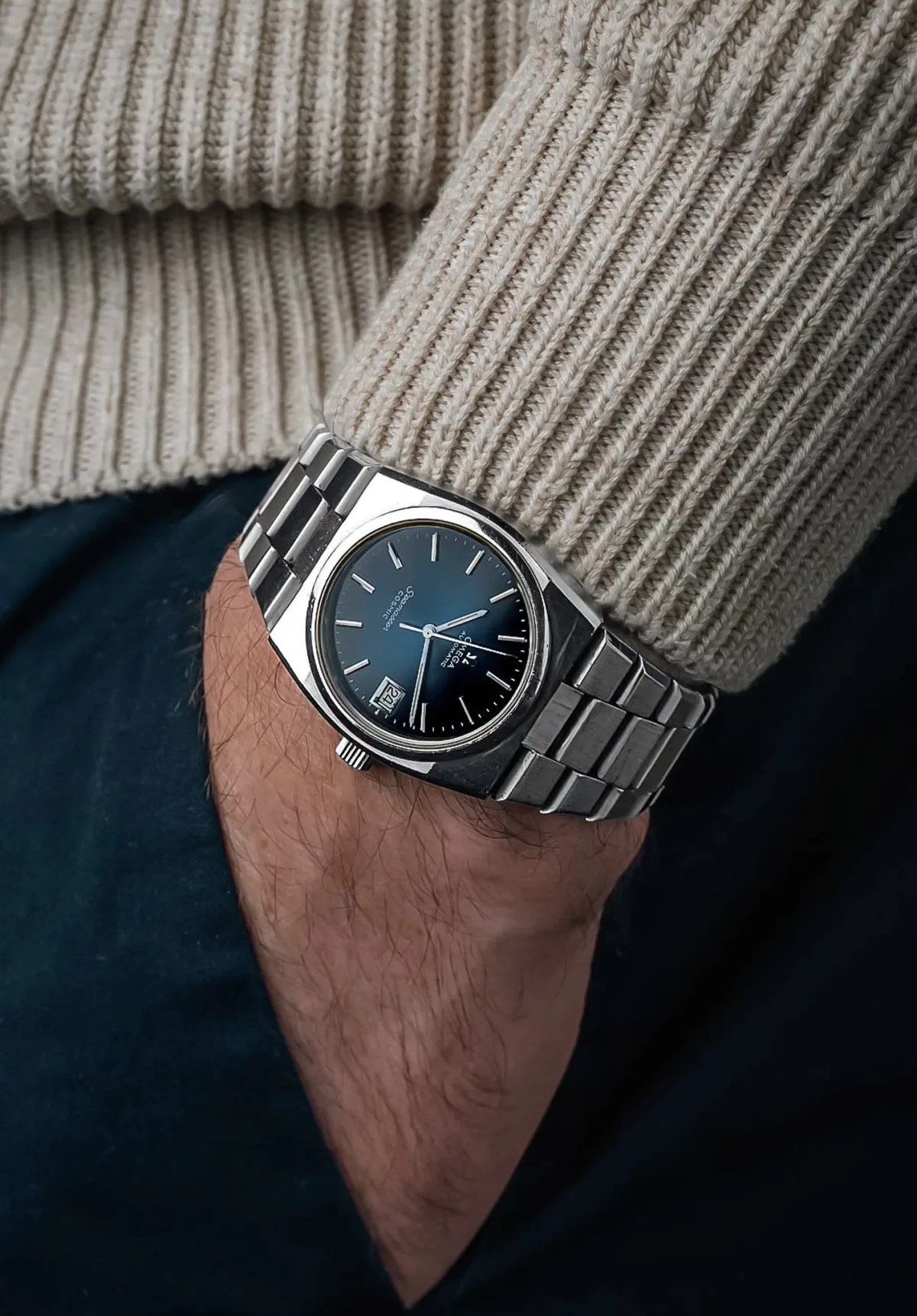
Understanding these nuances helps to avoid overpaying for watches that aren't worth their price. The market is saturated with sellers offering player-grade models at investment prices. However, this doesn't mean you have to be a fanatic about purity and originality. I love my imperfect Seamaster and wouldn't trade them for more “perfect” specimens because I like them as they are. The main thing is to know what to look for and what compromises you are willing to accept.
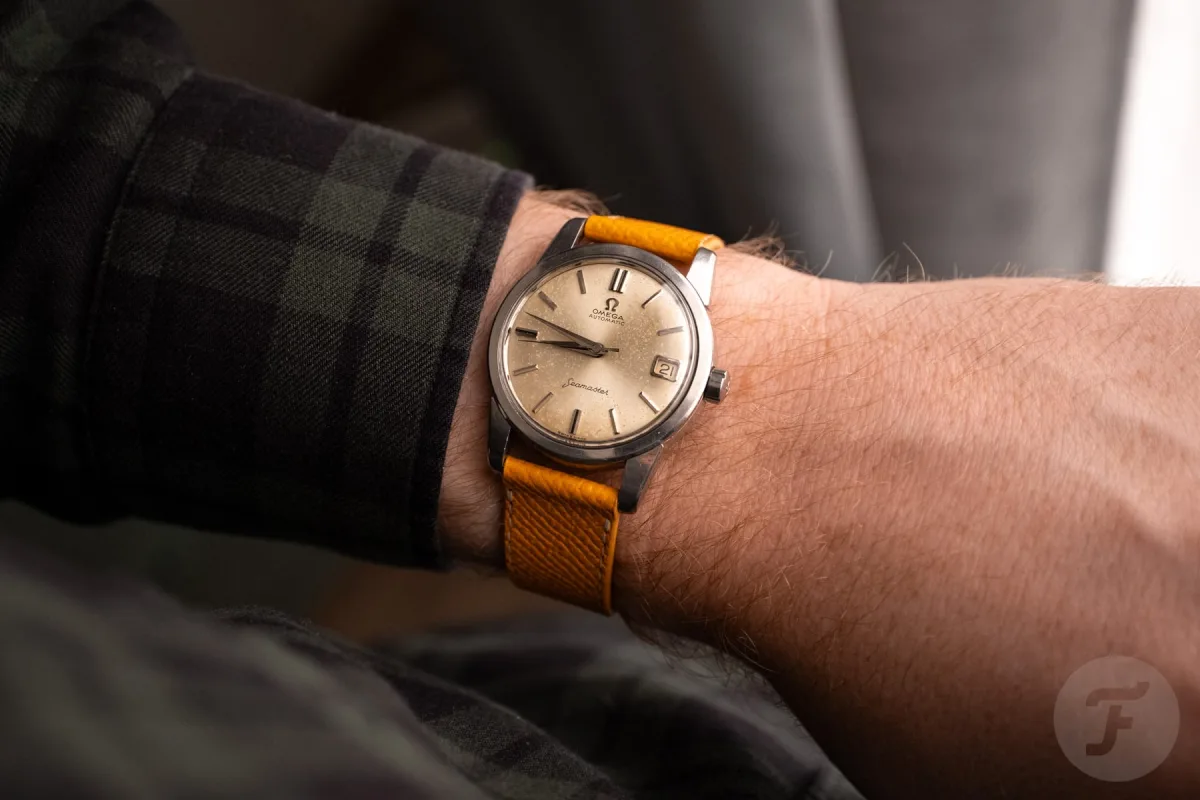
Returning to the guitar analogy, the conclusion can be drawn: it's important for the watch to evoke positive emotions in you. If you choose a model with the right “defects”, you will love them for that. Knowing how to properly evaluate vintage watches helps to be critical but not overly strict.
Conclusion
The correct evaluation of vintage watches is a balance between attentiveness and the ability to accept compromises. I hope this article helps beginners make informed choices and avoid buying bad models.
What advice can you give to help beginners evaluate vintage watches? Share in the comments!