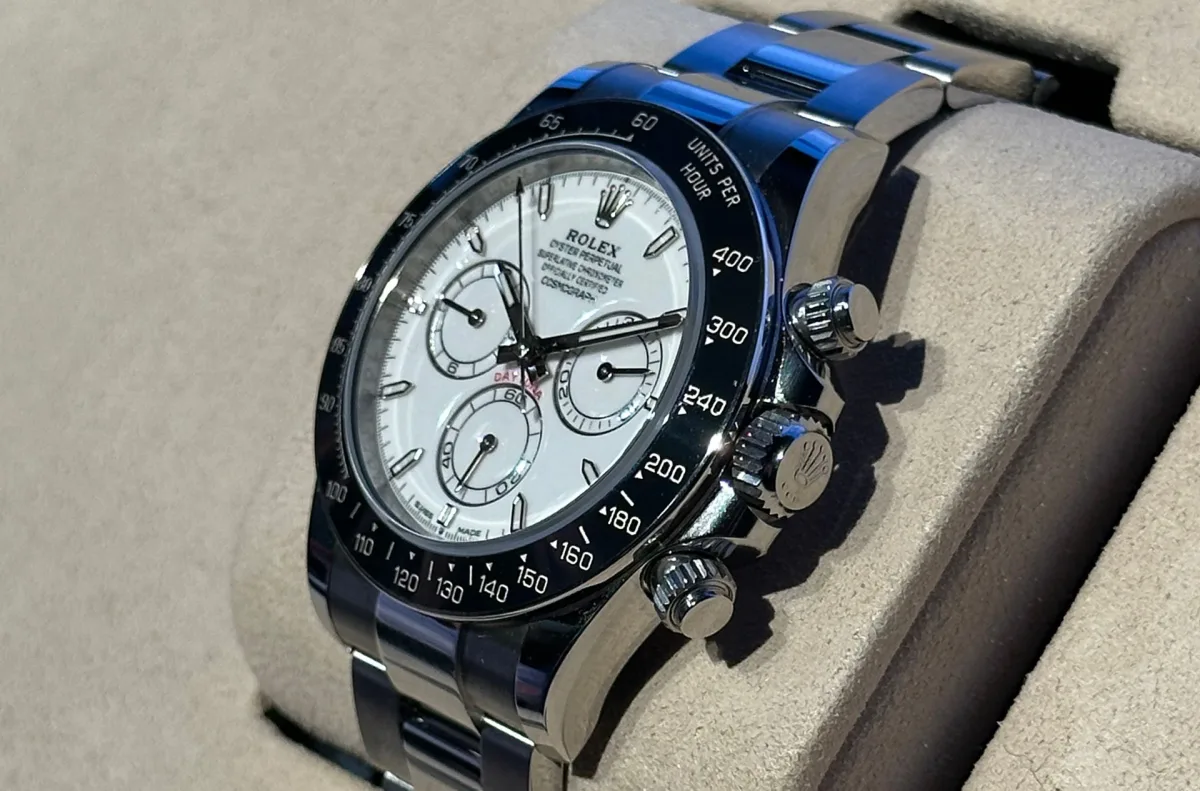
White enamel, sapphire caseback, and more durable ceramic... Is this enough to justify a price just shy of $60,000?
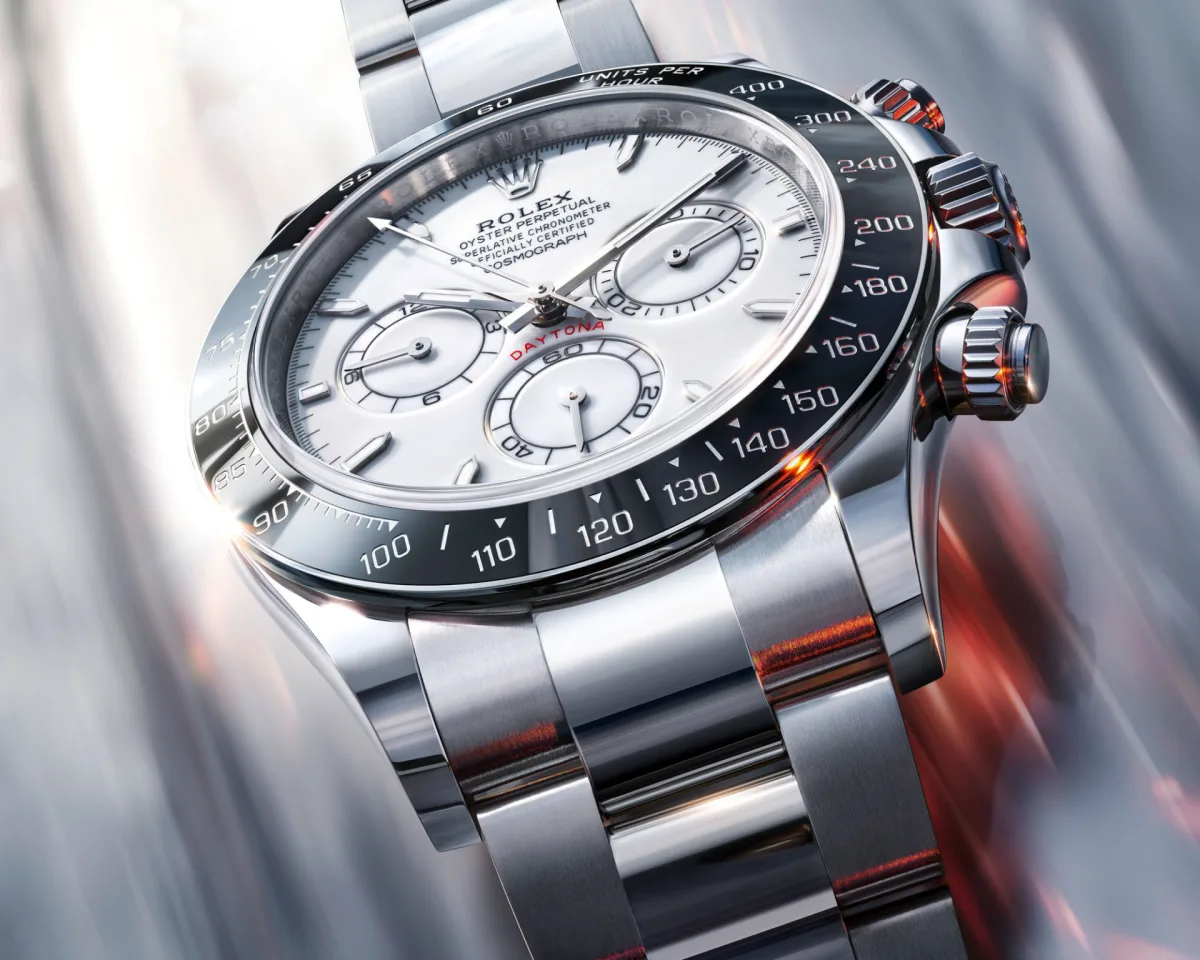
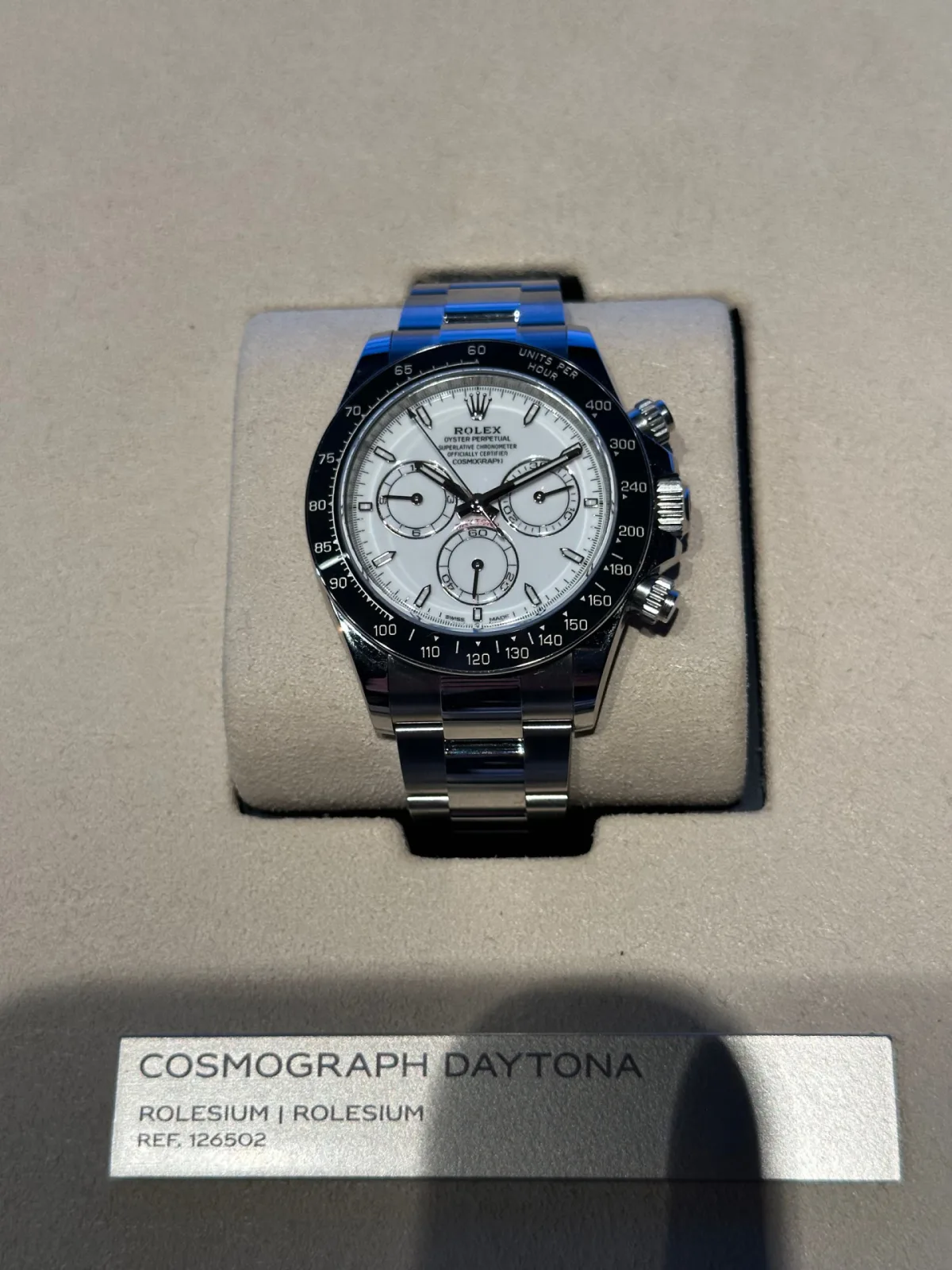
This watch is called the end-game Daytona, and obtaining it will be quite a challenge. It costs just shy of $60,000 ($57,800). You may ask, what justifies such a staggering price? At first glance, it seems like a nearly classic Daytona chronograph with a steel case. But hidden behind this "nearly" are several intriguing nuances.
It is worth recalling that in over 60 years of the Rolex Daytona collection's production, steel models in this sports line have, with rare exceptions, only been released with "panda" or "reverse panda" dials. At first glance, Rolex continues this tradition, but...
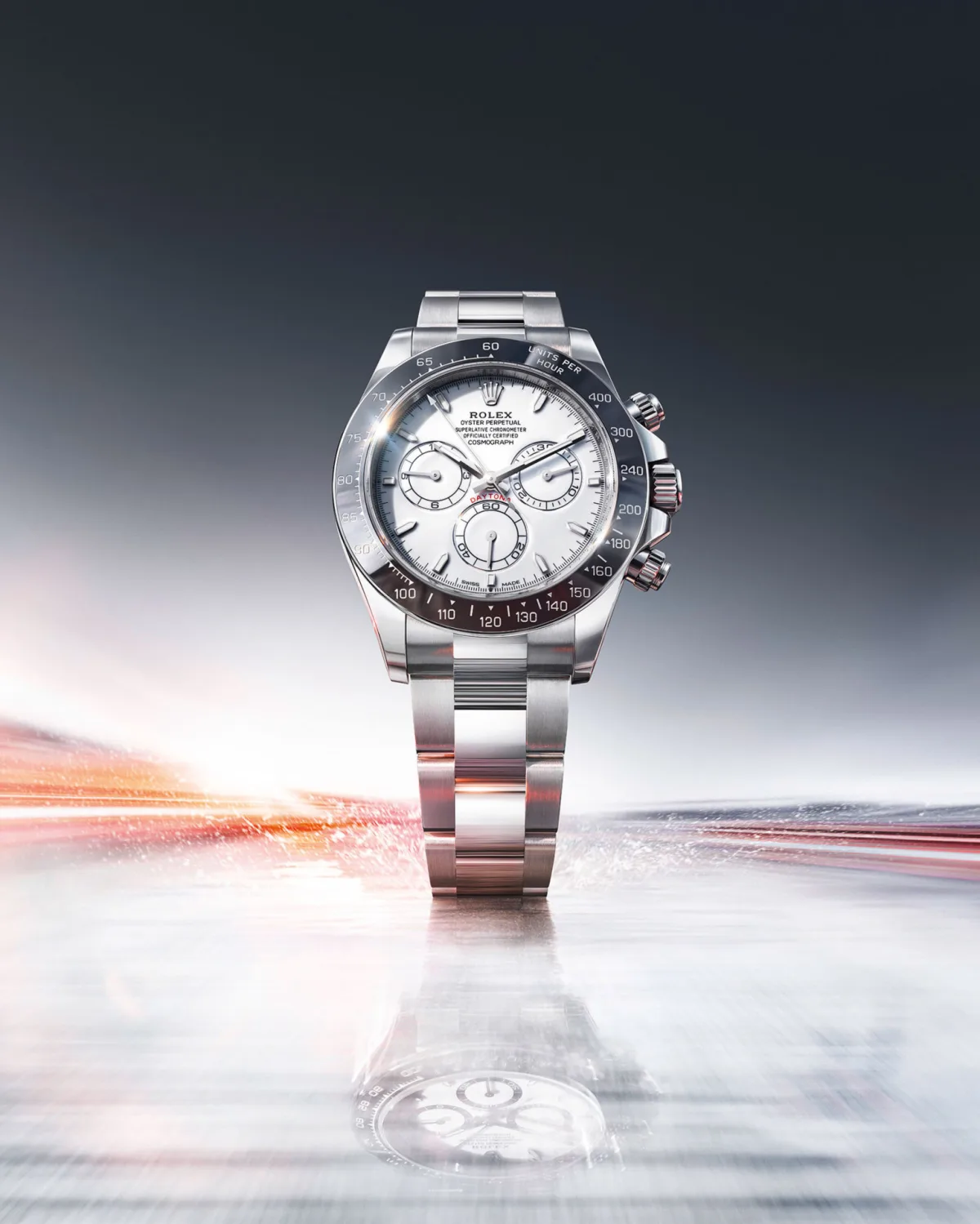
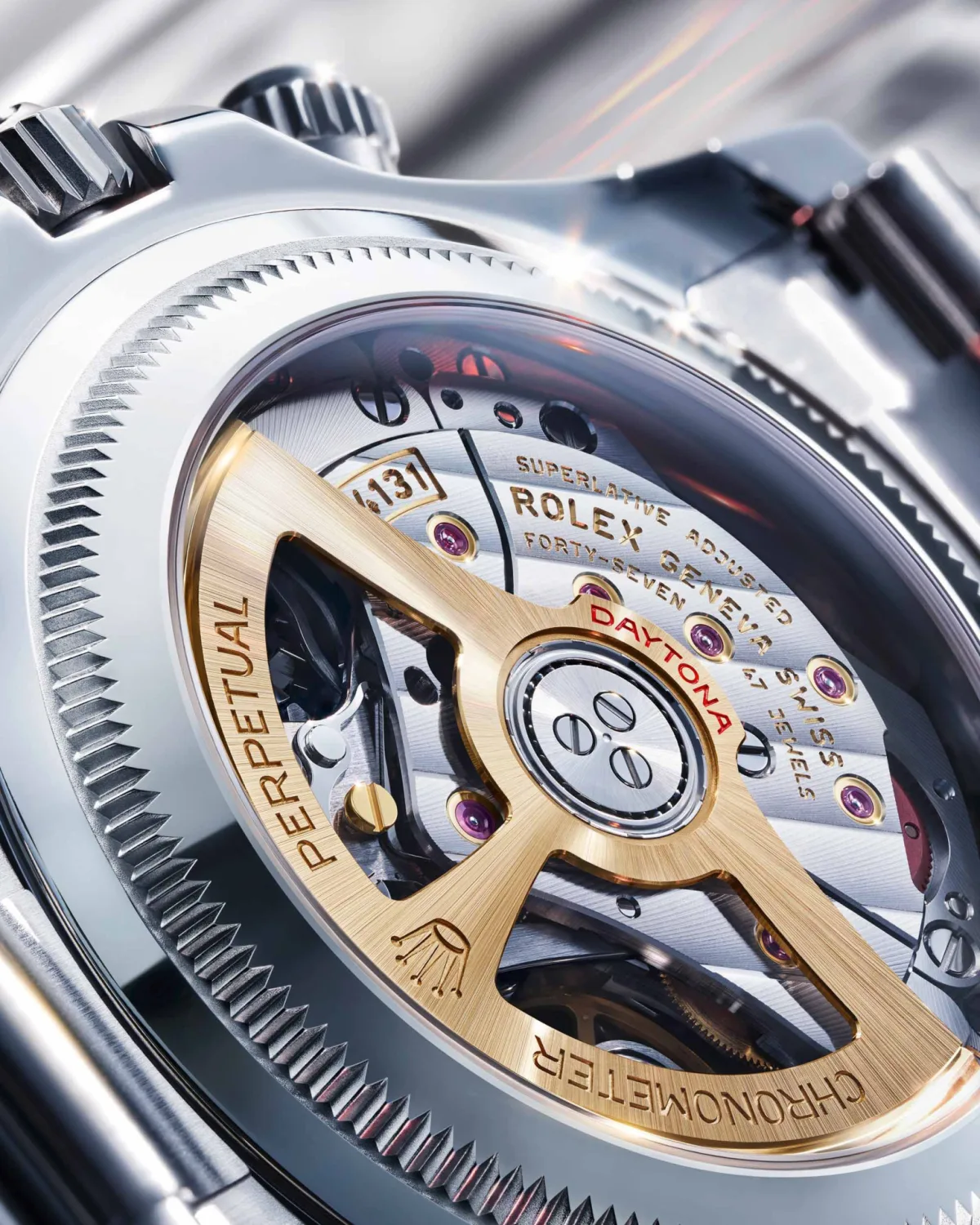
Almost everything is made of steel (in this case, 904L steel). The exceptions are the caseback and a thin strip of metal around the ceramic bezel. For the first time in steel Daytona models, the caseback features a sapphire glass insert. As a result, the case thickness is 12.20 mm compared to the usual 11.90 mm for models with a solid caseback.
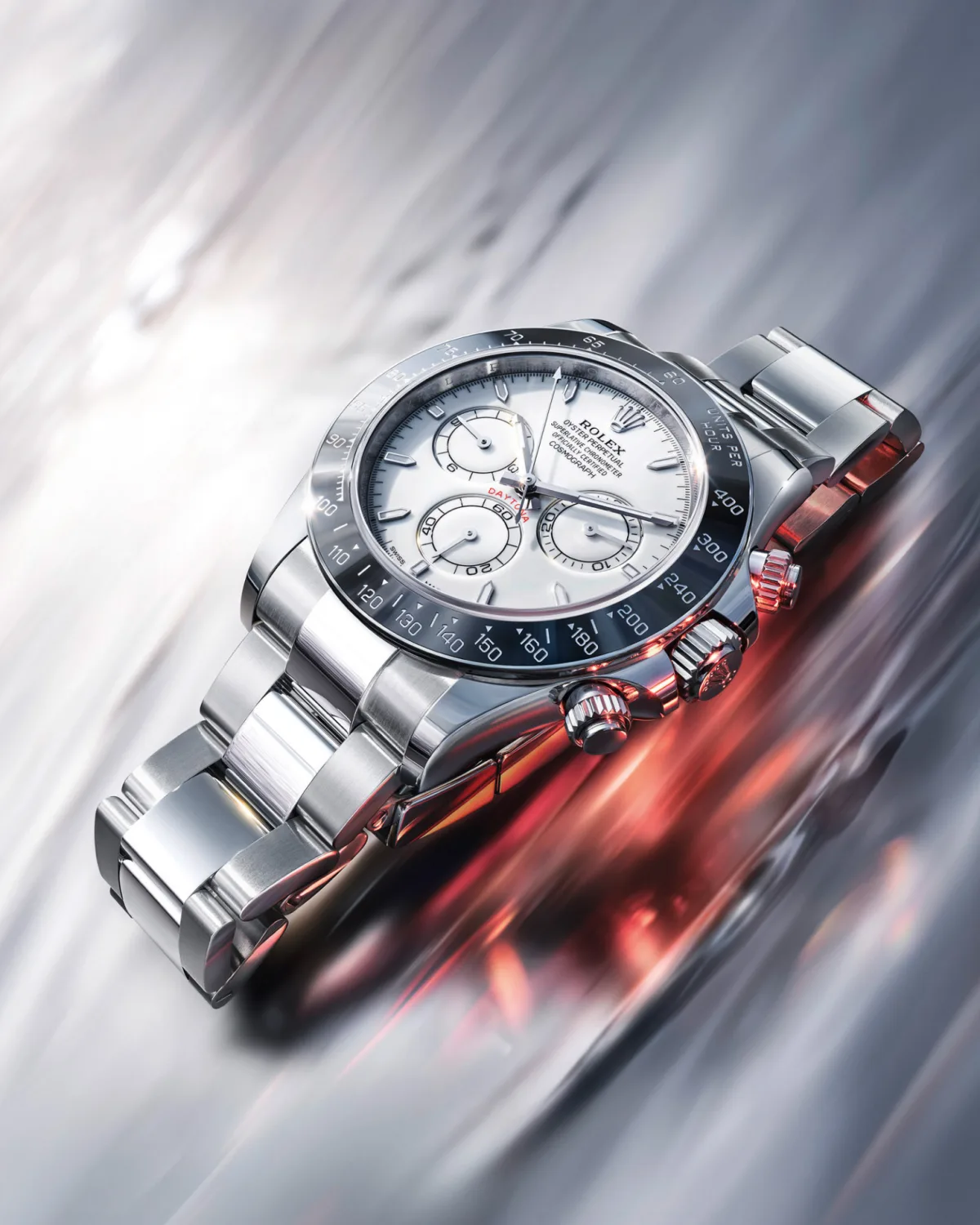
The bezel also has its features. This is not the familiar Cerachrom bezel based on zirconia ceramic, but a zirconium composite with tungsten carbide. Rolex claims that such ceramic is more scratch-resistant, and visually, this material is slightly lighter than the standard black ceramic in modern steel Daytona models and has a characteristic muted gloss.
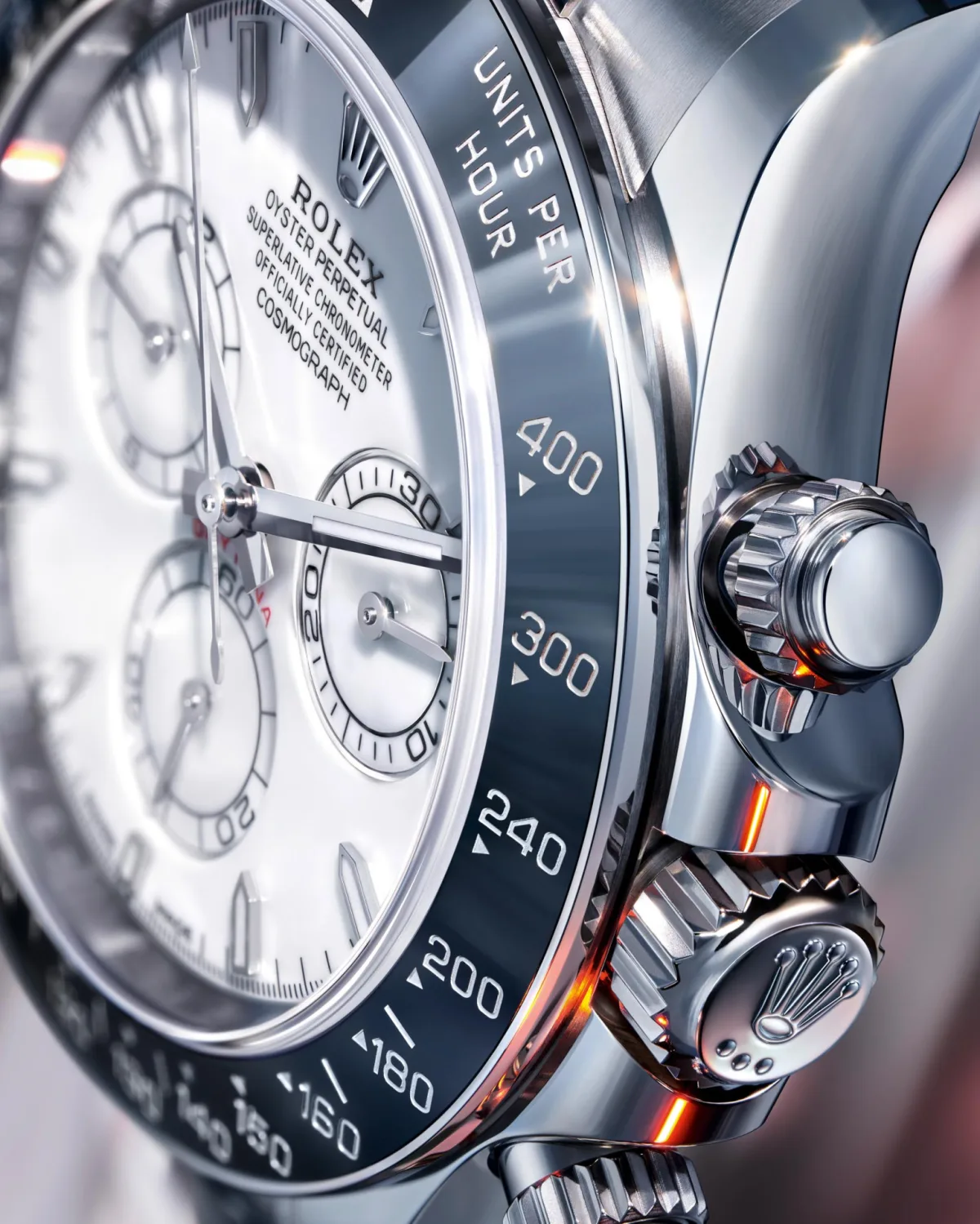
The numbers on the bezel (tachymetric scale) are filled with platinum using PVD coating. The orientation of the numbers has been changed: they no longer flip at the bottom of the bezel but are placed vertically. This is a kind of return to the roots of the Daytona collection, because from 1963 to 2016, the numbers on the tachymetric scale were positioned vertically and not upside down. Moreover, all inscriptions have become smaller and more elegant. In particular, the triangular markers indicating the numbers on the scale have become smaller.
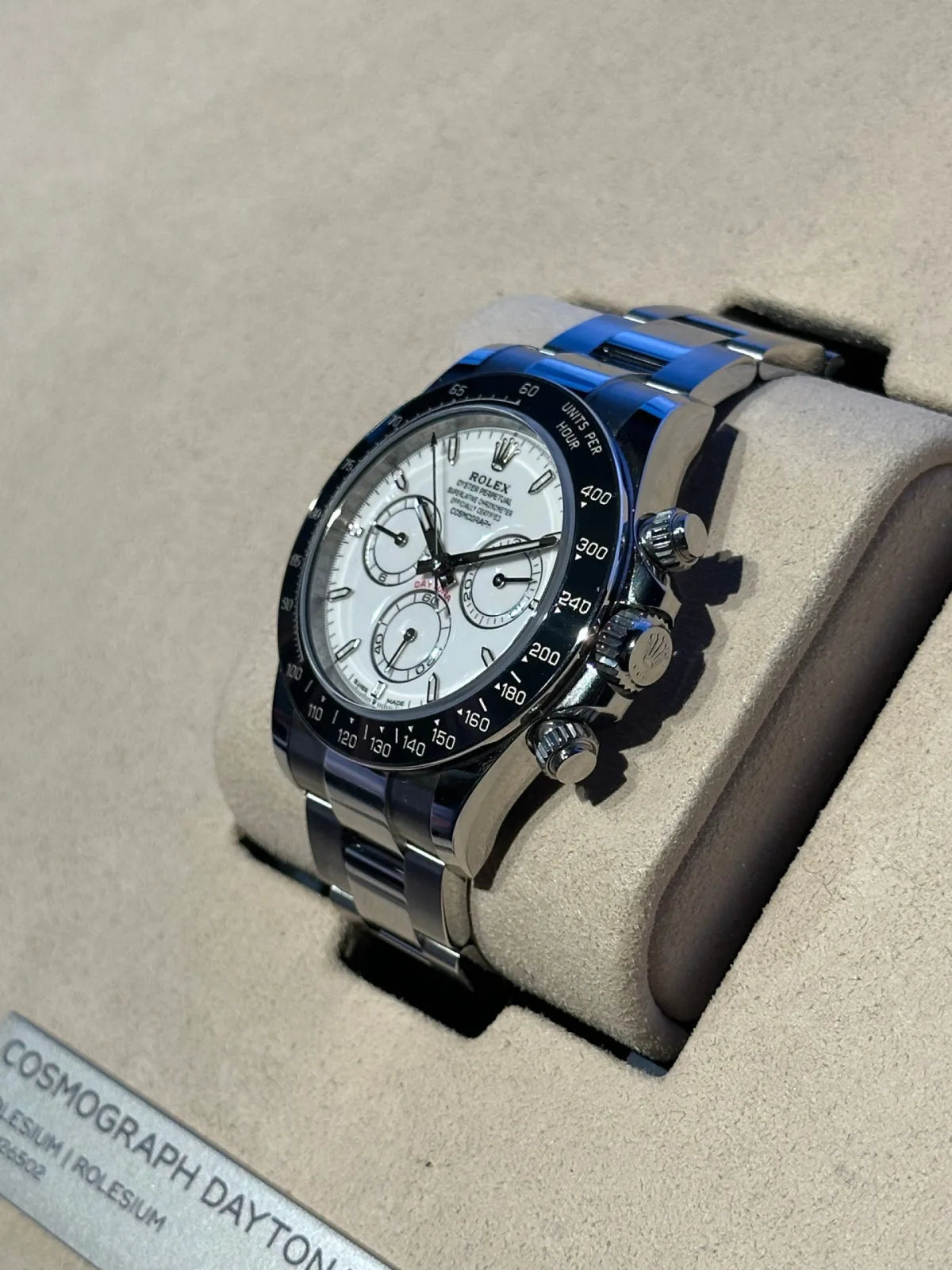
The dial of the watch offers a "white on white" combination for the first time, making you want to call this Daytona an "albino." Another small upgrade is that the hands made of white gold have, for the first time since 1988, lost the traditional black insert. The insert with luminescent material is now white, matching the subdials, and despite this, the watch is excellently readable.
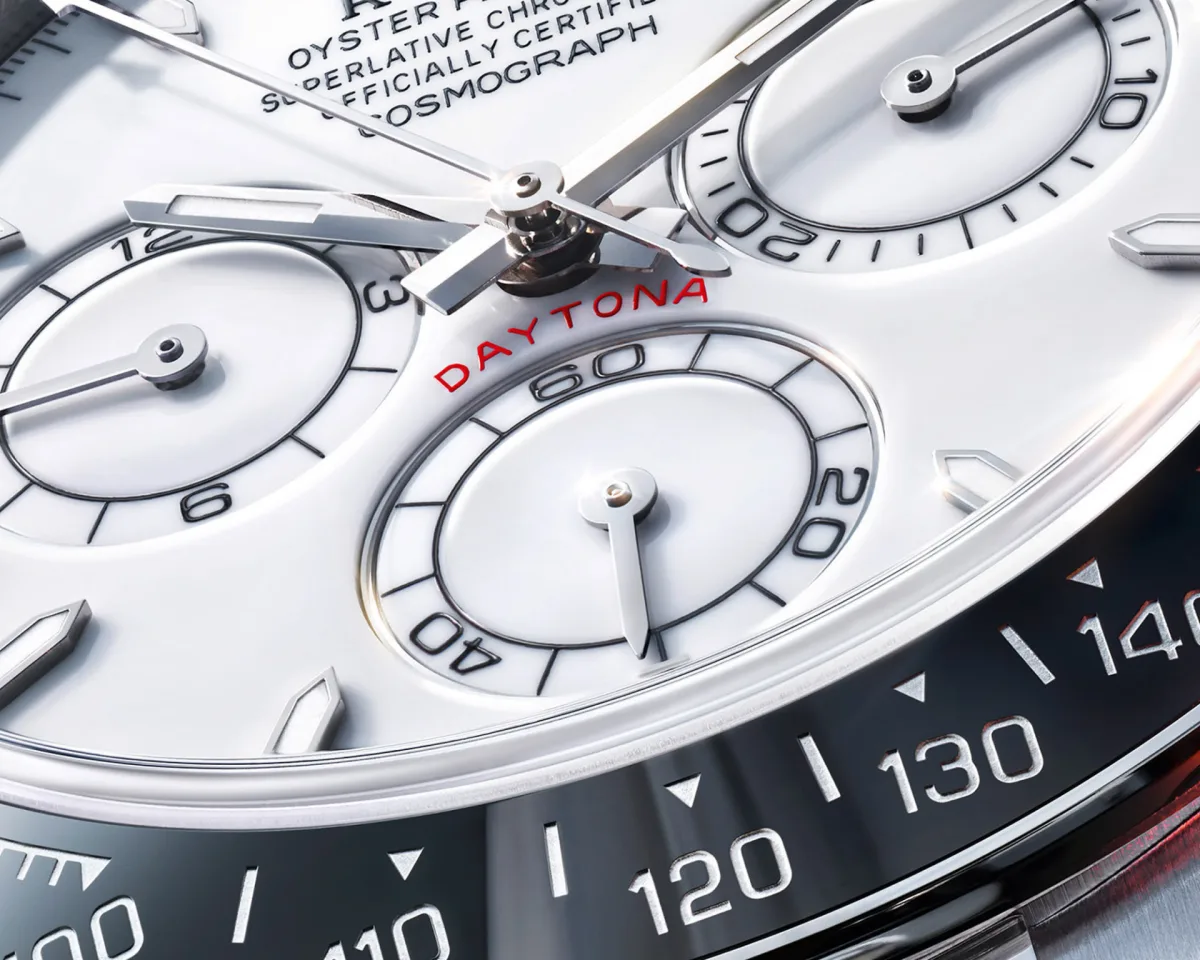
The dial is covered with white enamel, and it is worth pausing on this point in more detail. Rolex claims that it is made using the Grand Feu hot enamel technique, which is over 300 years old. Such dials are traditionally valued for their depth of color, characteristic "milky" gloss, and durability, but they remain expensive to produce - largely due to the complexity of the manufacturing process and the high rejection rate.
The classic Grand Feu technology looks as follows: enamel powder is mixed with water, after which the resulting composition is applied to a base, most often metal. Then the workpiece undergoes several cycles of firing at a temperature of around 800°C and above. During these firings, the enamel vitrifies - turns into a glass-like layer firmly bonded to the substrate. To reduce the risk of metal deformation and coating cracking, counter-enamel is often applied to the reverse side. As we can see, the process is multi-stage, labor-intensive, and demanding in terms of control, which explains the high rejection rate (up to 40-50%).
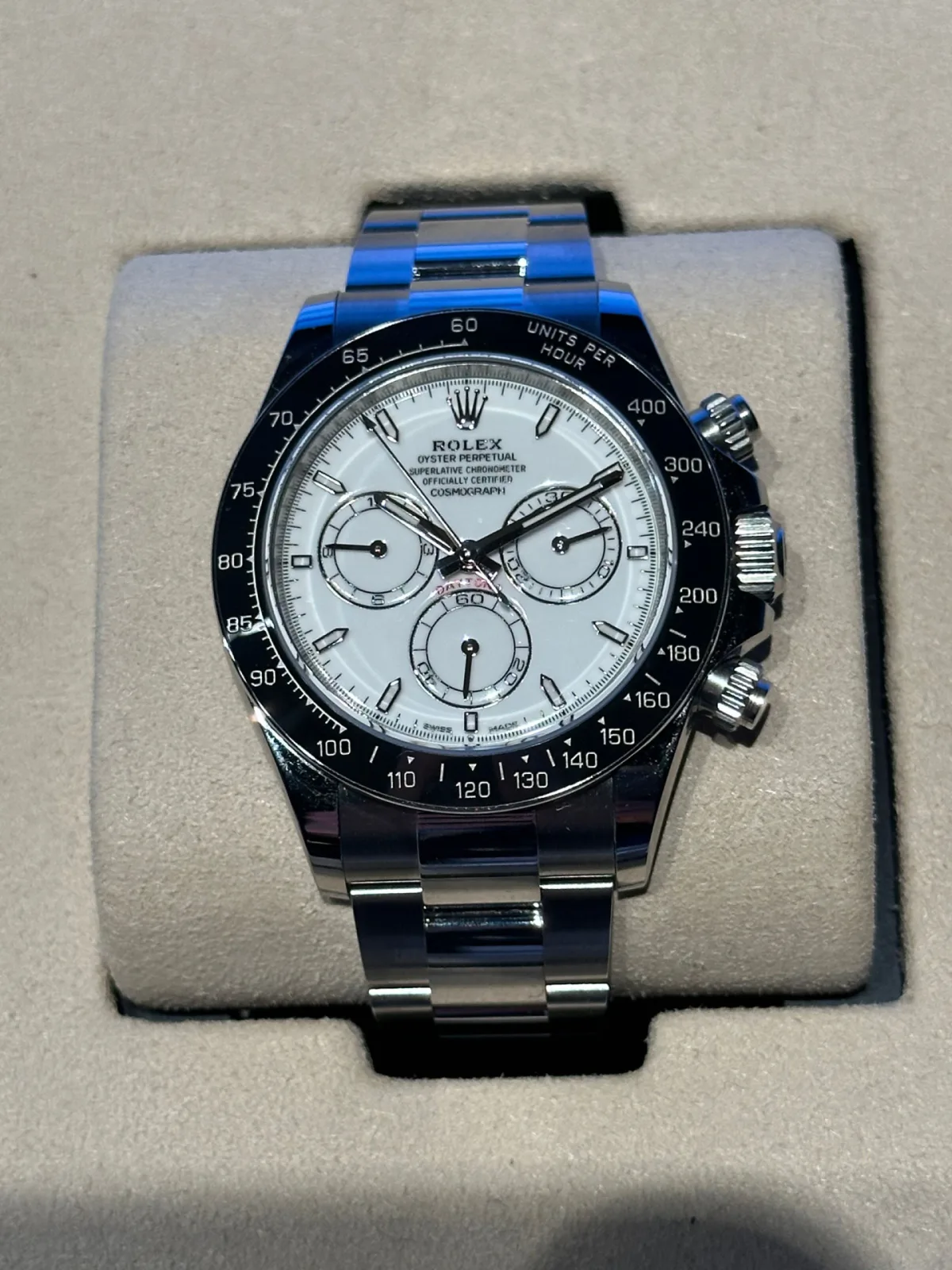
However, in the case of modern interpretations of Grand Feu, everything is not so straightforward. Judging by the available information, Rolex likely uses not the classic scheme with metal as the base, but an option with a more controlled and thermally stable ceramic substrate, which is then fixed to a metal base (the company usually uses brass). This approach allows for better control of deformations during firing and reduces the rejection rate.
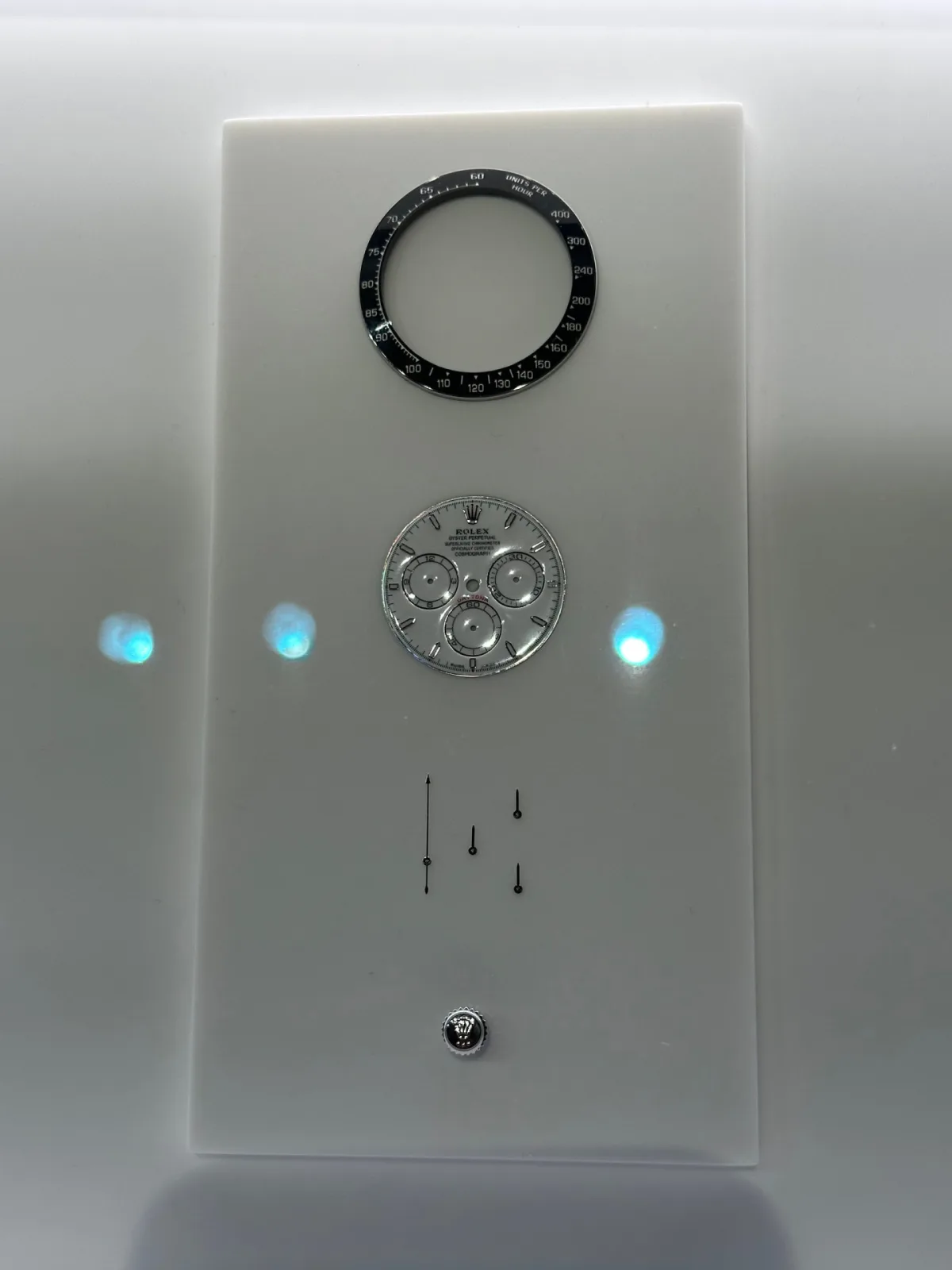
It is important to understand: regardless of the nature of the substrate (metal or ceramic), we are talking about enamel. Visually, such material gives a very similar effect: the same deep white tone, the same soft light diffusion, and the characteristic "volume" of the surface, which cannot be confused with lacquer or electroplating. However, the exact production technology is not disclosed. Therefore, it is more correct to talk not about the classic artisanal Grand Feu in its historical form, but about its industrial interpretation, adapted to the requirements of modern production.
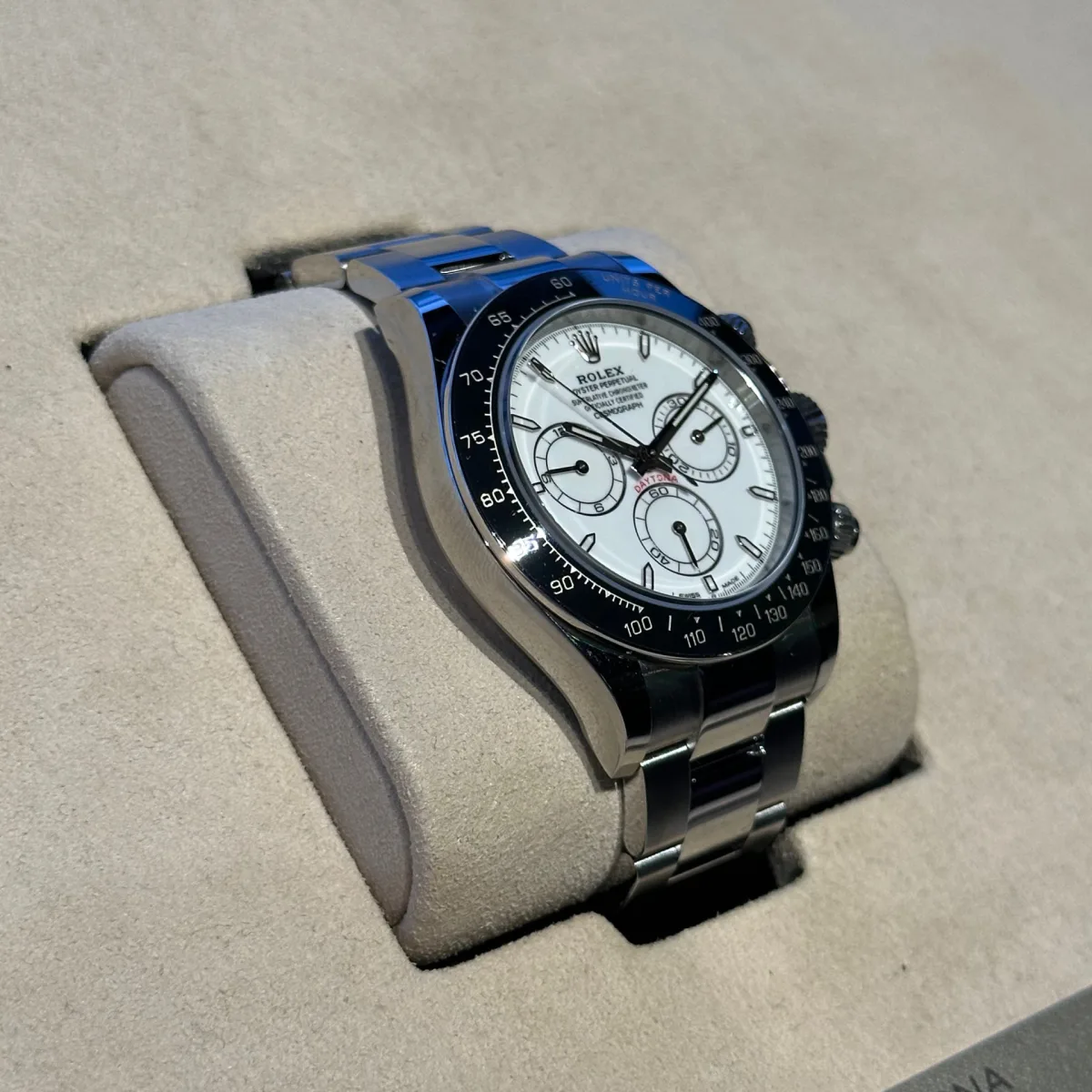
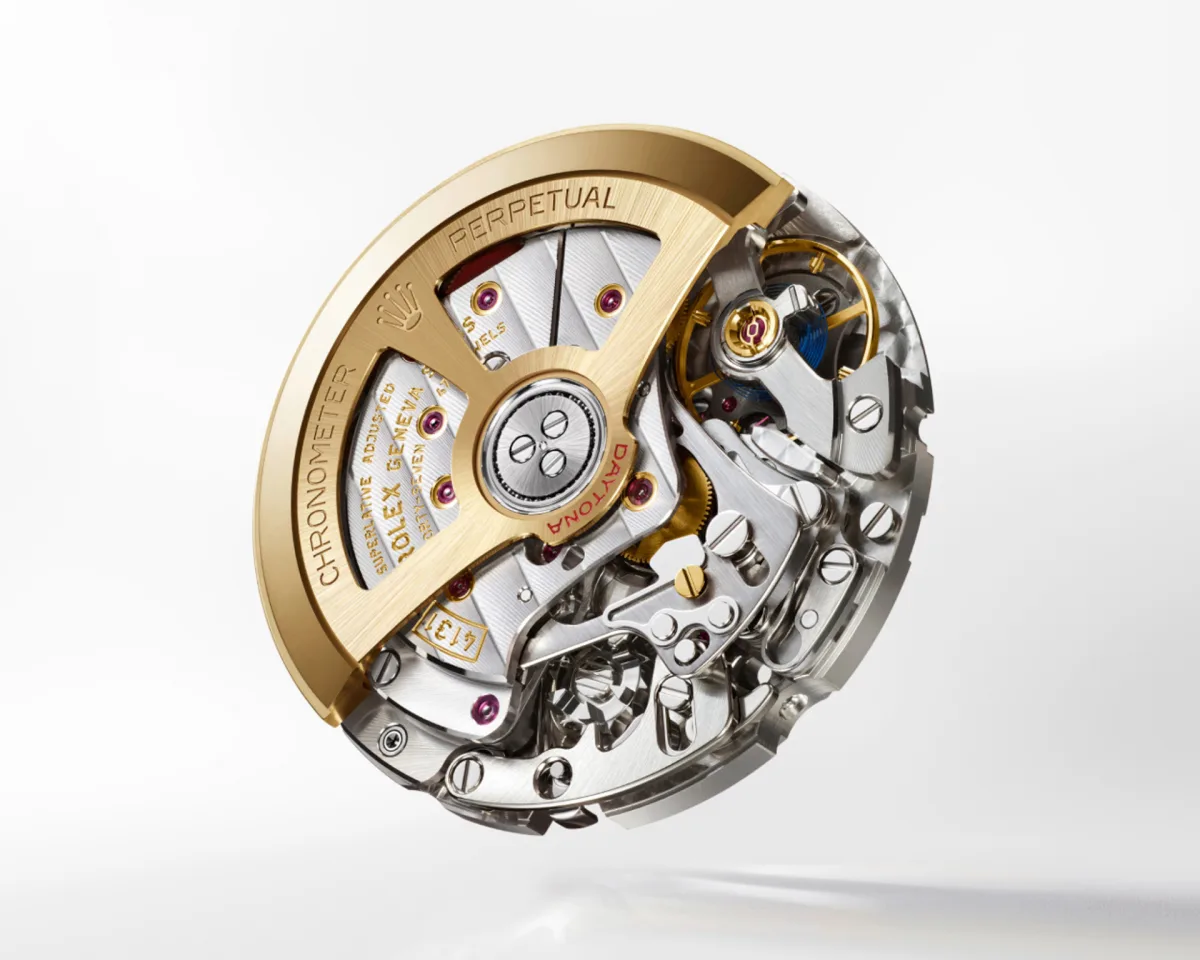
The model is powered by caliber 4131, which can already be considered the gold standard for modern Rolex chronographs with automatic winding. It is an integrated chronograph with a column wheel and vertical clutch. It is equipped with a yellow gold rotor, Chronergy escapement, Parachrom hairspring, and Paraflex shock absorbers. An important detail: the mechanism has a Superlative Chronometer certification, and the testing criteria were updated this year, adding tests for magnetic resistance, reliability, and durability.
The watch is equipped with a standard three-link Oyster bracelet, which is fitted with a practical Oysterlock folding clasp with the Easylink extension system, allowing you to adjust the bracelet length by adding 5 mm. Obtaining this watch will be difficult because it is a model with "off-catalog" status. This means that the watch will not be listed on the official Rolex website, will not be printed in official catalogs, and will not be displayed in boutiques. They can only be ordered if there is a quota, as both the model's production and deliveries to sales points will be limited.
And here the question arises: who is willing to pay nearly $60,000 for a Rolex Daytona? This price cannot be explained by the symbolic addition of platinum, the improved ceramic on the bezel, nor the expensive enamel, which appears to have been made slightly more accessible due to changes in the production process. We have no answer to this question. What do you think?