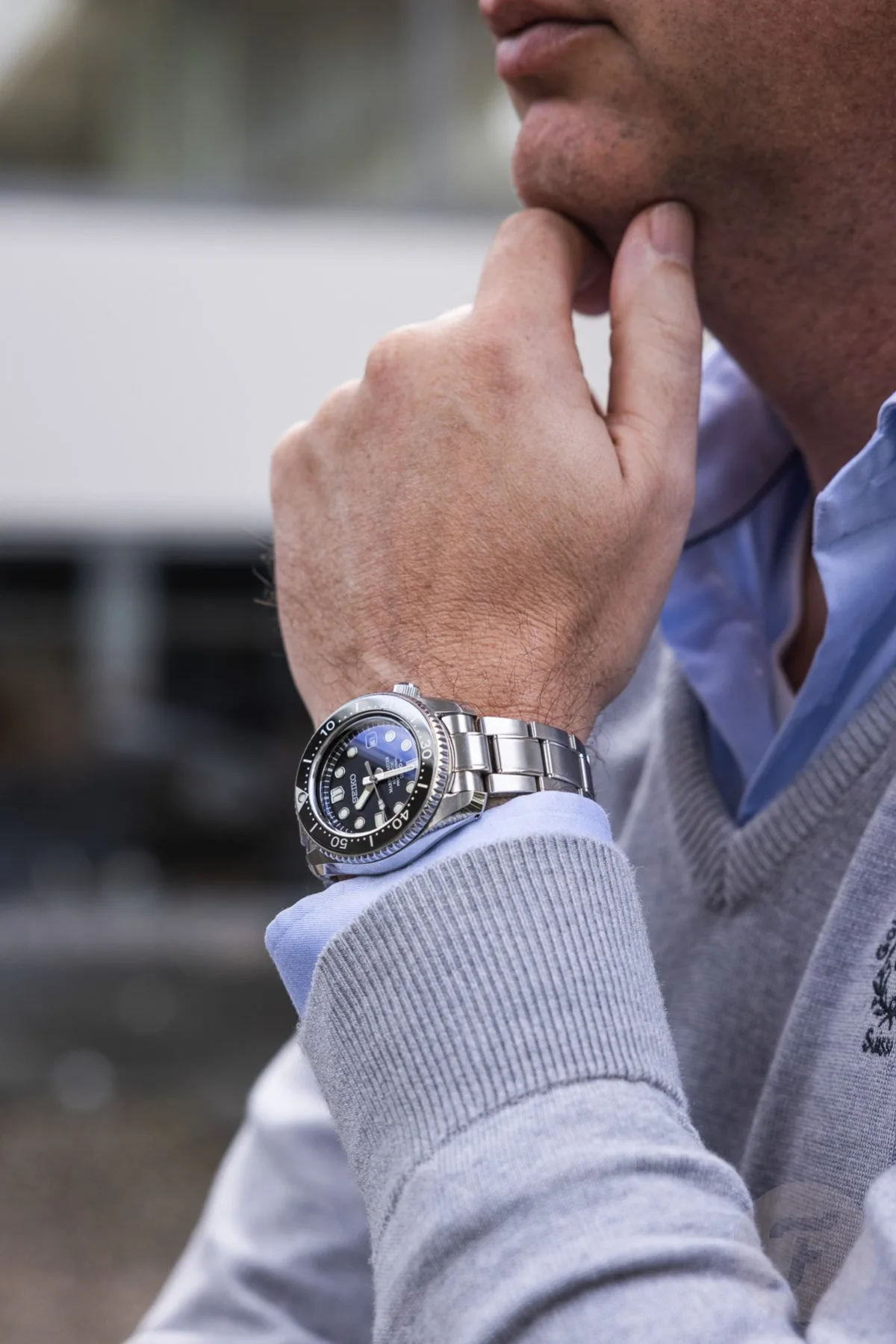
Once, I was asked why we rarely write about Seiko, five years into running my WatchTested blog.
I didn't deliberately ignore this brand; I simply focused more on Swiss and German brands. Encouraged by the question, I bought my first Seiko watch - the SBDC001, known as the "Sumo." After some time wearing it, I was impressed and wondered, "If these watches are already so good for their price, then what about the Marinemaster 300?"
Seiko Marinemaster 300 - First Impressions
In that same year, 2014, I purchased the Seiko Marinemaster 300 SBDX001 for around €2000 retail. It was immediately clear that the case finish level was significantly higher than that of the "Sumo" with its satin finish, which seemed relatively superficial compared to the Marinemaster 300 (often abbreviated as MM300). The polished surfaces were very sharp and neat. Inside was the caliber 8L35 - based on the Grand Seiko 9S55, which I also knew from my dual-signed Grand Seiko SBGR023 from 2006.

Grand Seiko Masters in Japan - My 2017 Experience
During a trip in 2017, I visited the Grand Seiko production facility in Morioka. There I learned a lot about how watches and movements are made. It turned out that Seiko Marinemaster watches are produced at the same factory as Grand Seiko and receive Zaratsu mirror-polishing. This explains the high-quality case finish, which noticeably surpasses my first "Sumo."

Monoblock Case - A Key Feature
One of the reasons why the Marinemaster 300 intrigued me was its monoblock (one-piece) case. All elements are assembled through the front glass, with no case back, eliminating potential points of water and moisture entry. This design also prevents glass detachment in a decompression chamber after helium saturation during dives. Thanks to the monoblock, helium practically does not penetrate inside. Screw rings are used for additional glass fixation, rather than the typical press-fit.
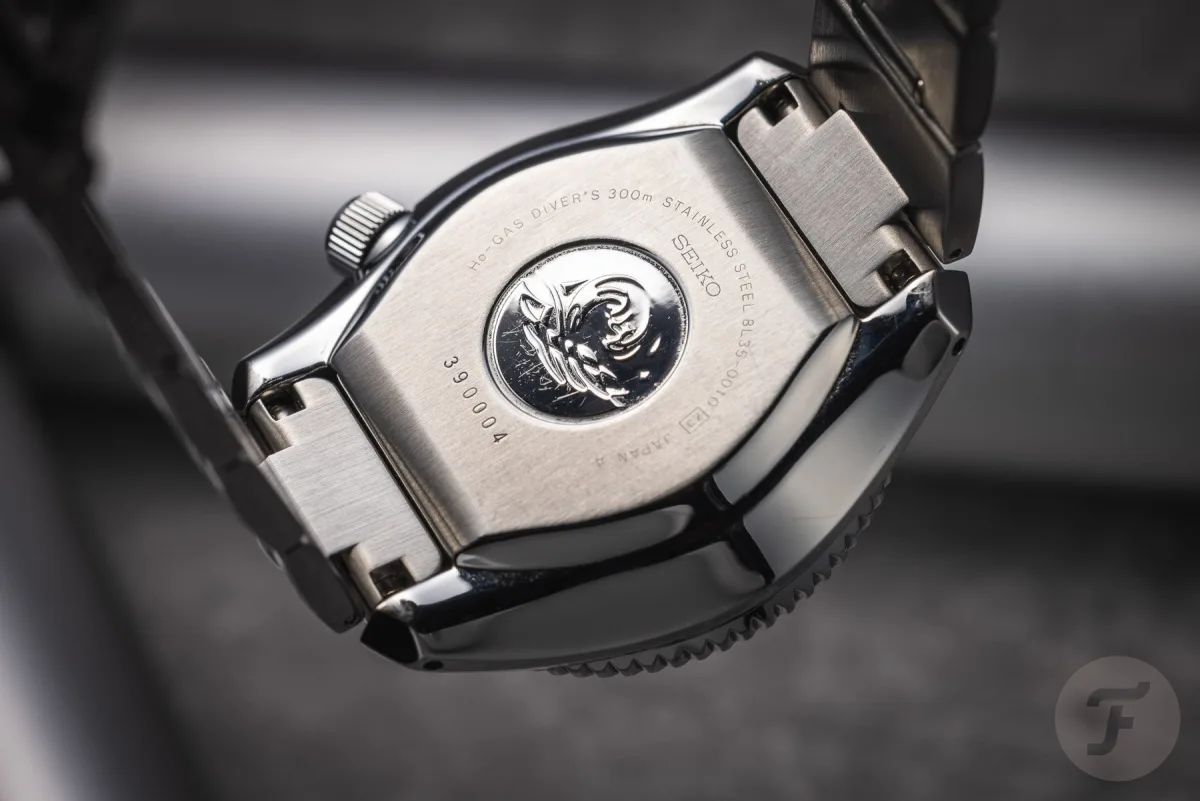
Another well-known diver with a monoblock case is the classic Omega Seamaster PloProf 600M. An alternative solution for helium protection is a pressure release valve, used by Omega, Rolex, and Doxa - both in manual (Seamaster 300M) and automatic versions (Sea-Dweller, PloProf 1200M, Sub 300T).
Wearing and Dimensions
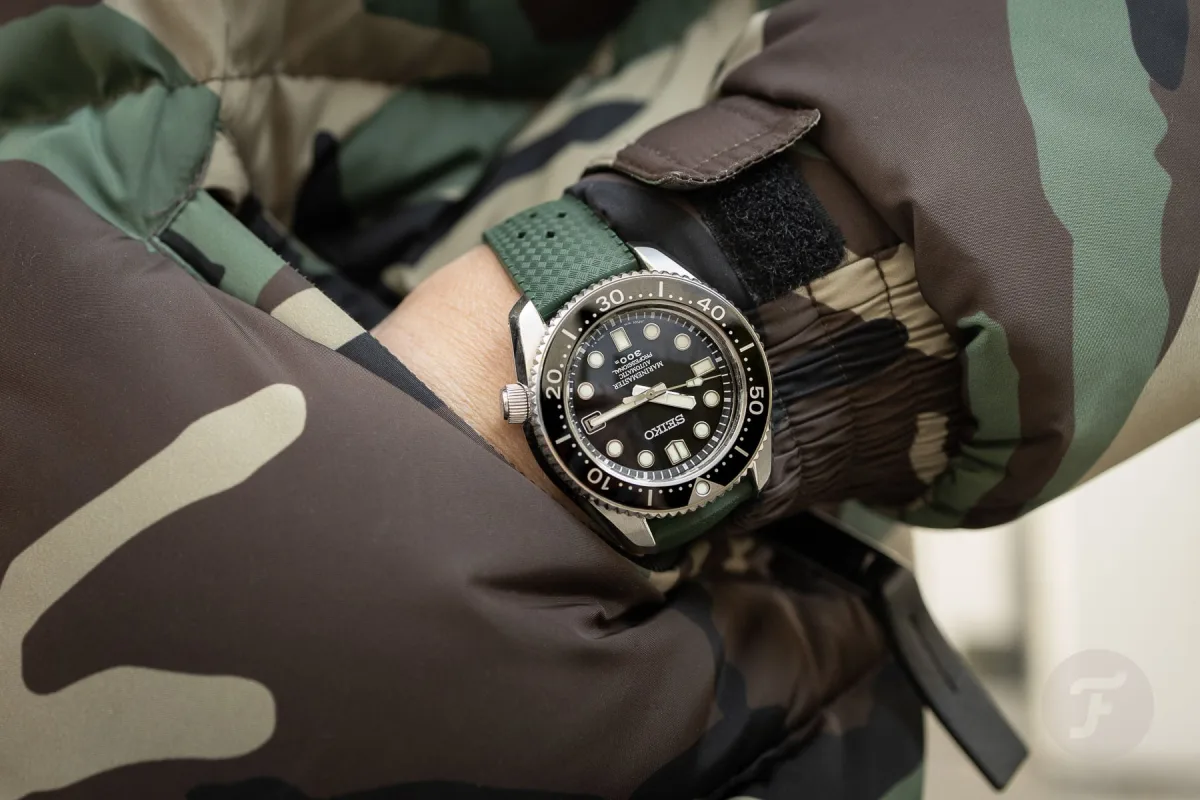
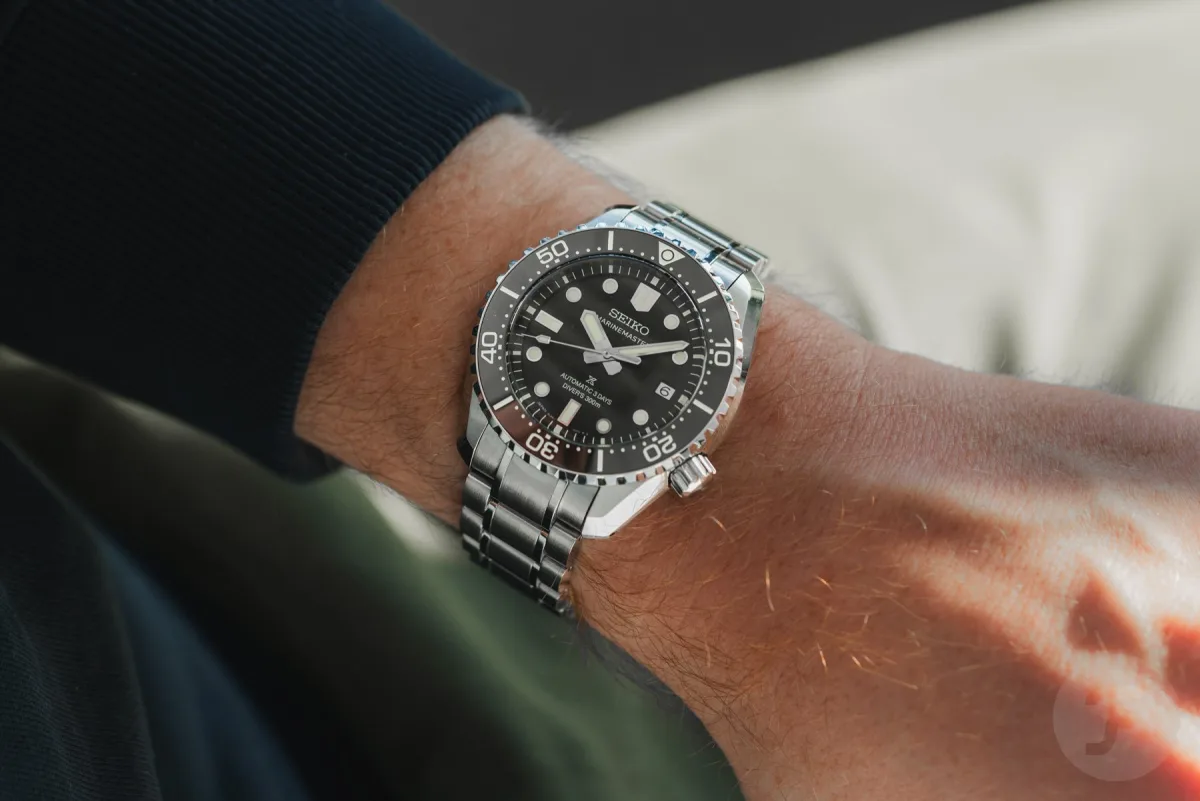
In terms of size, the Marinemaster 300 is more friendly than the PloProf, but it's still a large watch - 44.3 mm in diameter and 15 mm thick. These dimensions didn't bother me, and for owners of large wrists, they can be an advantage. The SBDX001 model often accompanied me on trips and became a true go-anywhere, do-anything (GADA) watch.
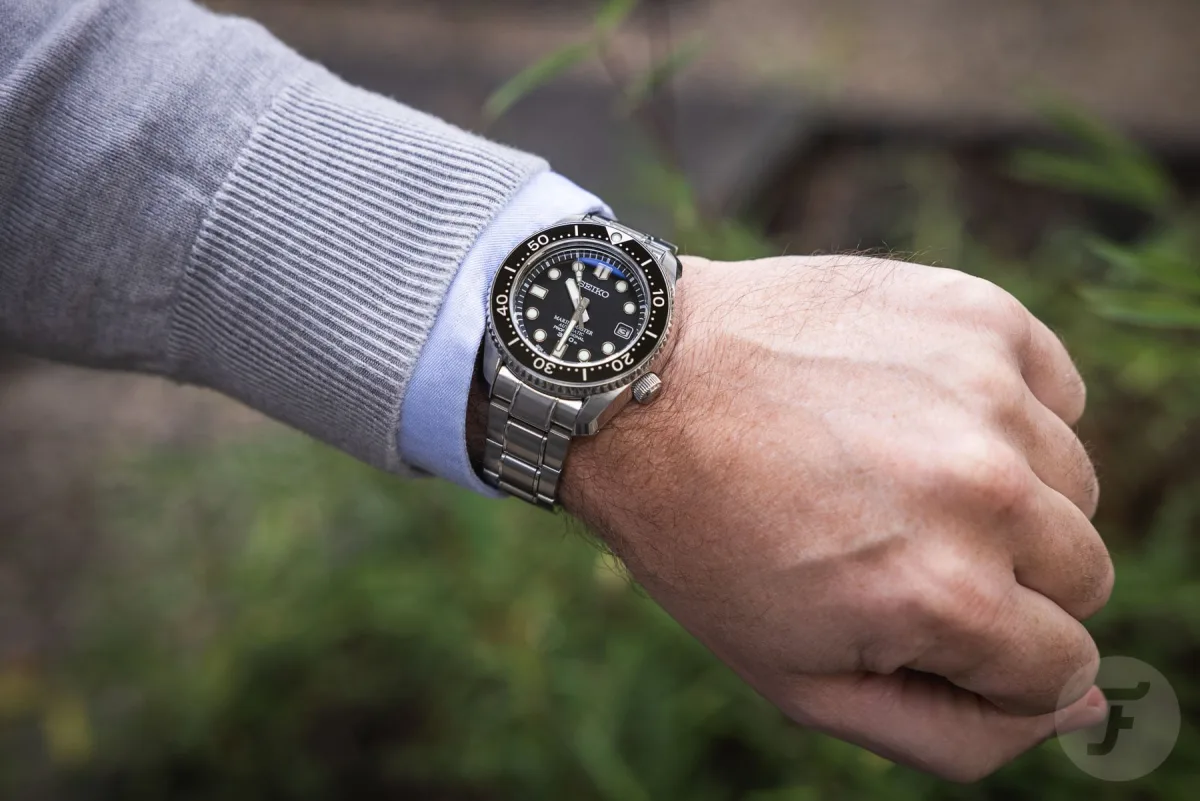
Besides its professional features, the watch is a pleasure to wear. Its design and quality finish provide comfort, and the Seiko Marinemaster 300 won't let its owner down. Perhaps that's why there's not much available on the secondary market - owners prefer to keep them in their collections.
Is the Seiko Marinemaster 300 Worth Buying Today?
The price of the Marinemaster 300 has gradually increased - the current HBF001 model costs about €3800. However, on the secondary market, interesting offers can be found, including SBDX models and later SLA models (e.g., with sapphire glass). The question arises, how well have these watches stood the test of time, and should they be considered for purchase.
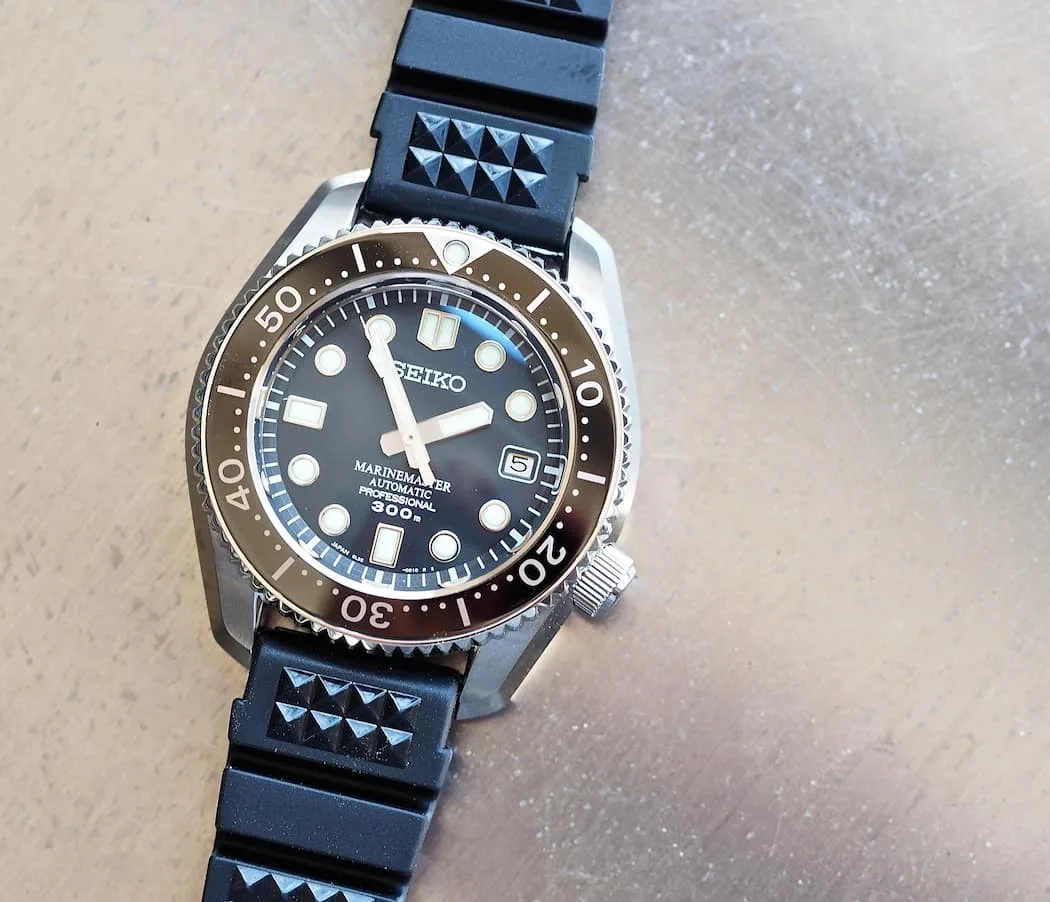
Following the SBDX017, the SBDX021 model was released, also sold as SLA019 internationally. It was followed by the SBDX023/SLA021 series, produced until around 2022.
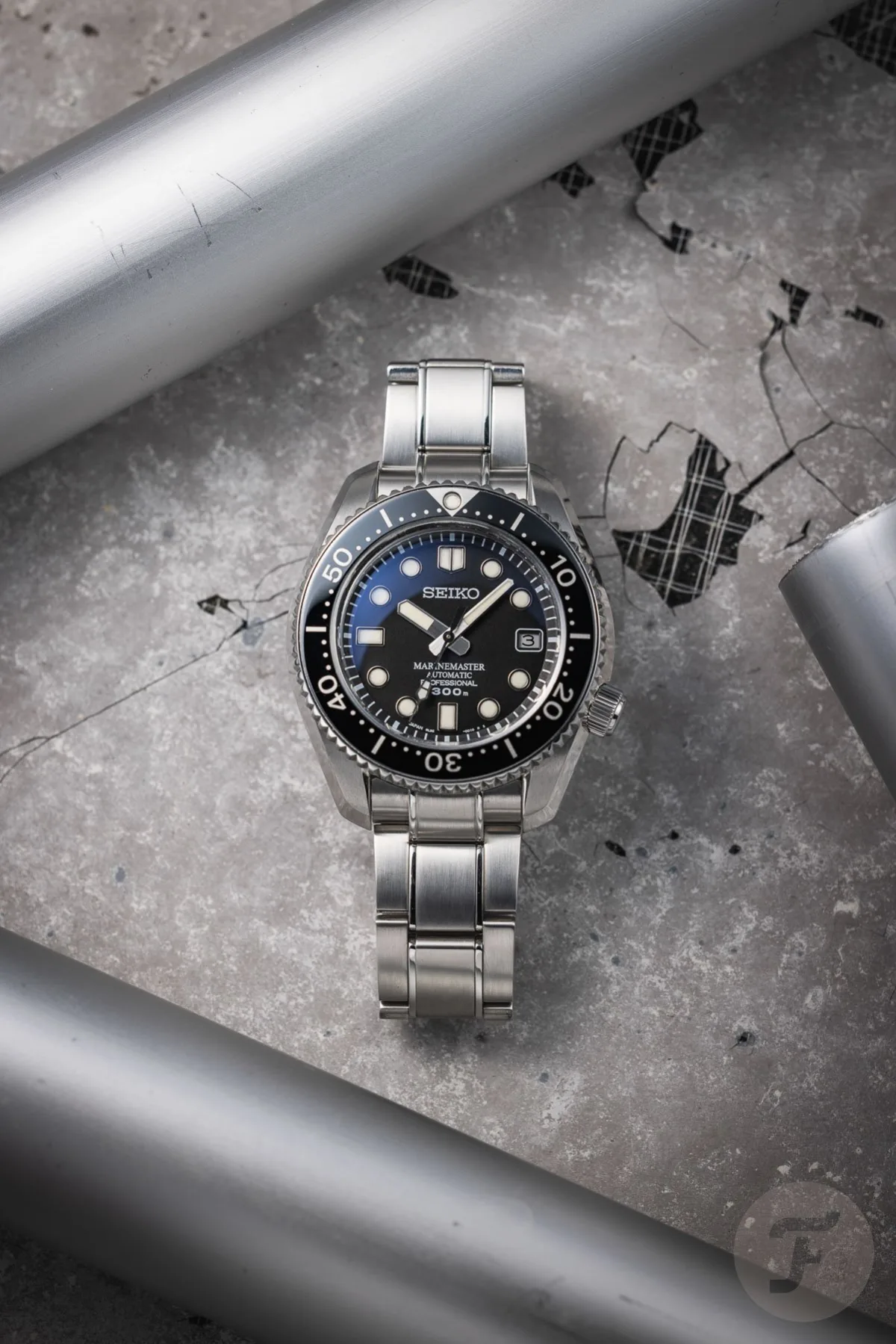
SBDX001
All these magnificent Seiko Marinemaster diving watches, which ceased production some time ago, await your purchase on the secondary market. The Seiko Marinemaster 300 SBDX001 can be acquired for less than €1500 if you're willing to order from Japan. If you want to buy the watch in Europe, it can be purchased in Denmark for just over €3100 with a box, documents, bracelet, additional bezel, and several spare straps.
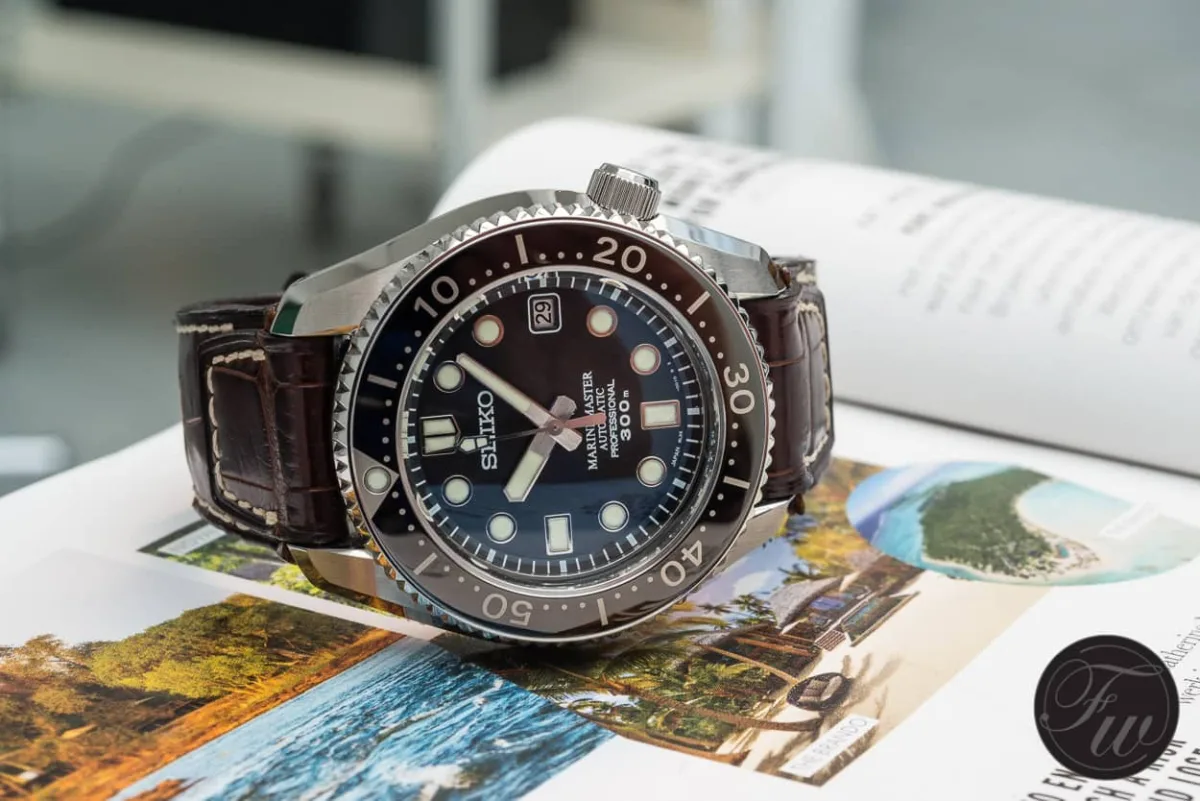
SBDX017
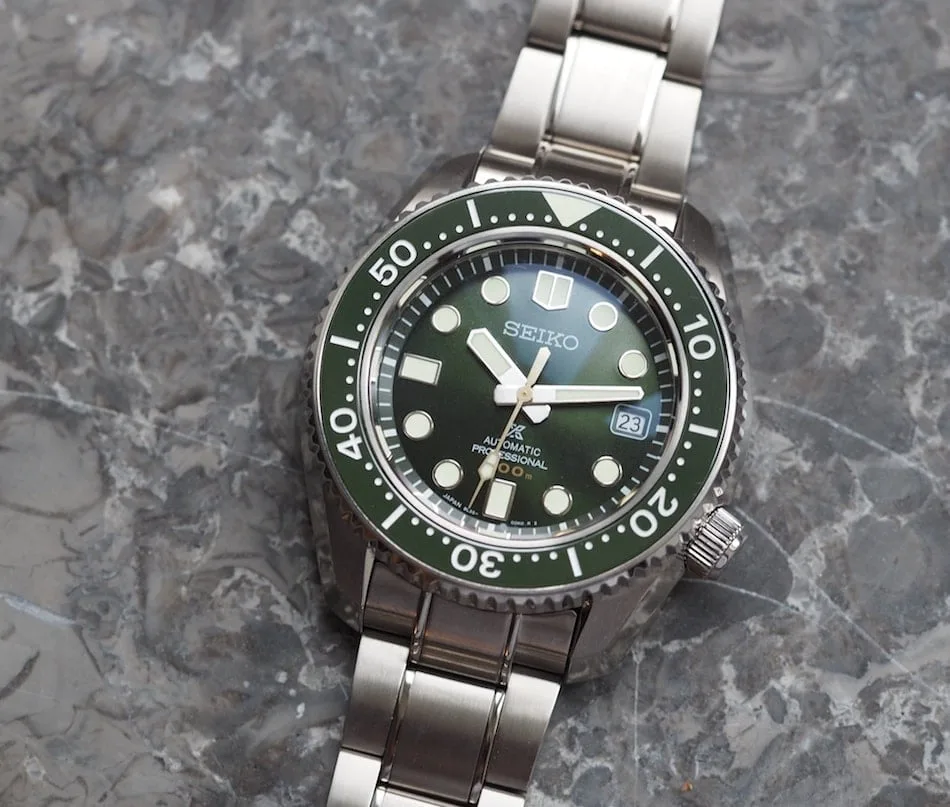
Another option is the Seiko SBDX017 watches, but they are not widely available now. A full set can be found in Hungary for €2821. The limited edition SLA019 (SBDX021) is sold in Germany for slightly less, but you'll have to accept the green color.
Key Models and Secondary Market Prices
| Model | Description | Price (Euro) | Notes |
|---|---|---|---|
| SBDX001 | Classic Marinemaster 300 | from €1500 (from Japan) | In Europe - around €3100 with set |
| SBDX017 | Next version | around €2821 (Hungary) | Limited availability |
| SLA019 | Limited edition (SBDX021) | slightly less than €2821 (Germany) | Green dial color, taste consideration needed |
Features and Usage Nuances
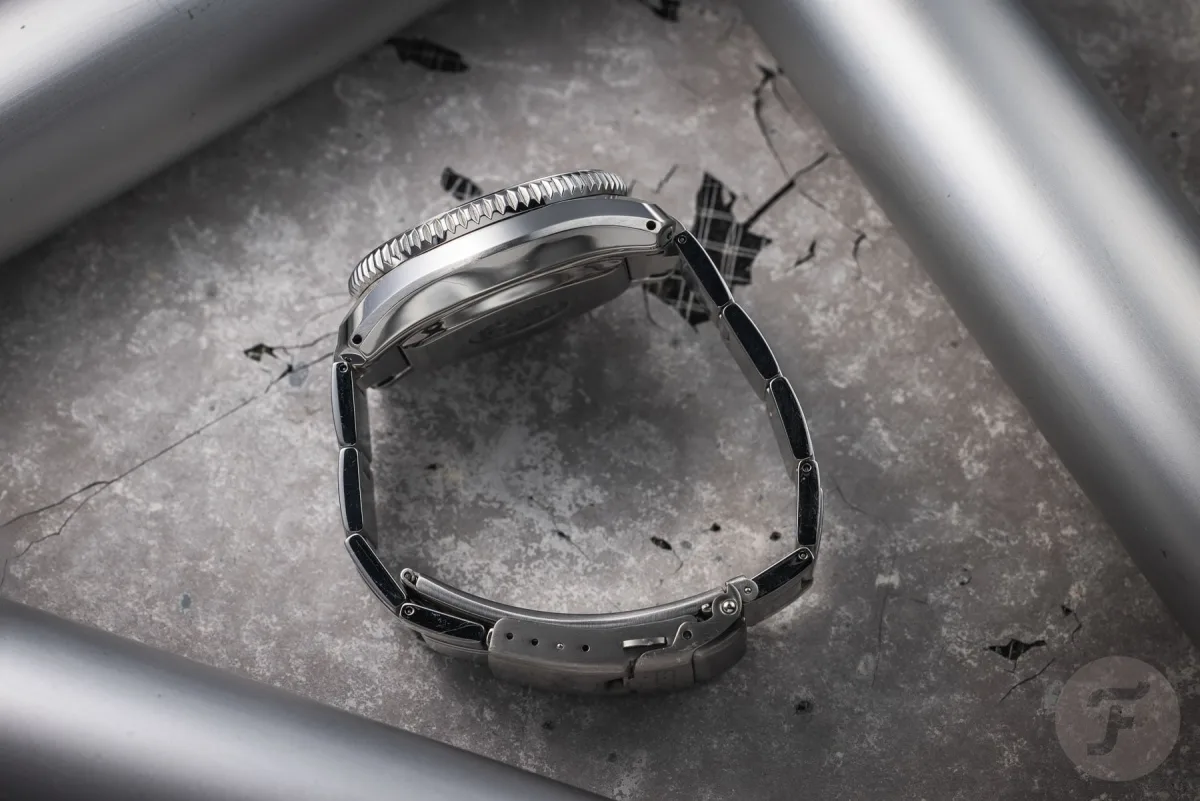
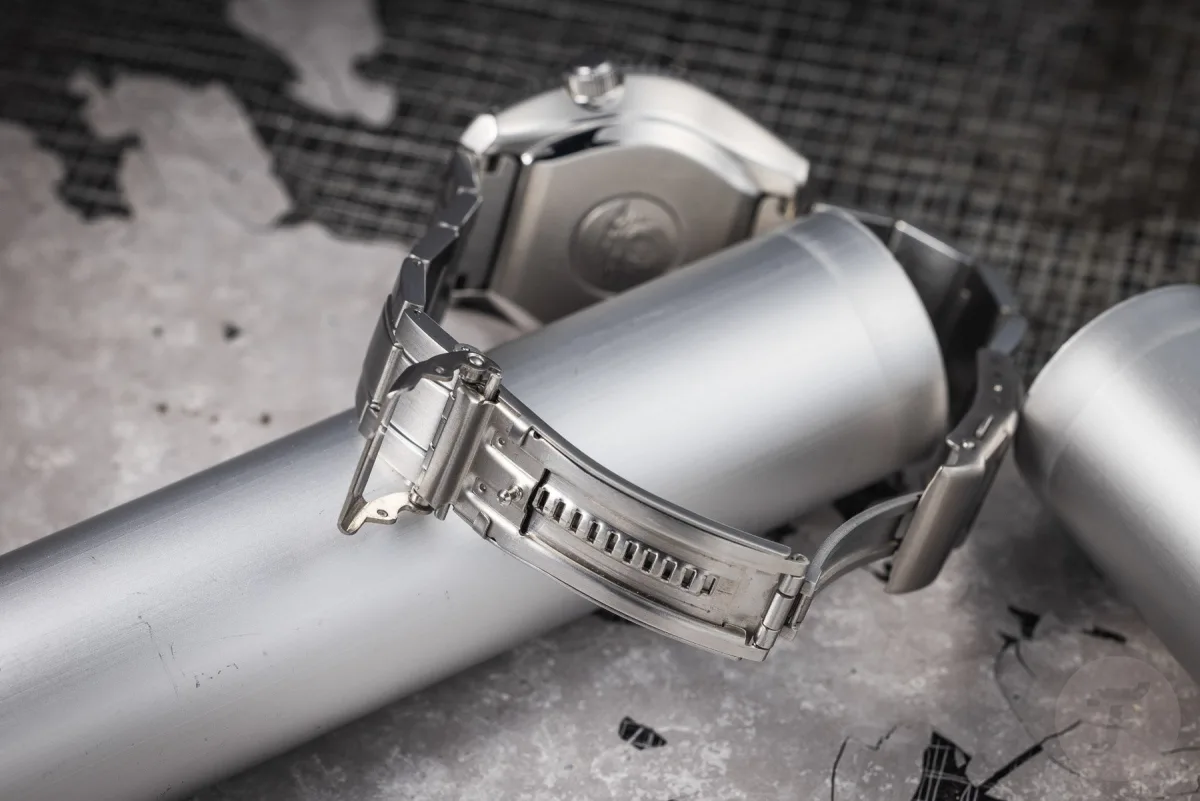
The Marinemaster 300 is a watch for those who value functionality and reliability without excess. However, like any model, there are areas for improvement. In particular, the bracelet - the famous "Speedmaster" style that Seiko uses in other models. The main issue is the clasp with an extension, which sometimes accidentally extends during movement, and it needs to be returned back. Some praise such a system, but personally, I find it annoying. When worn on the wrist, there are no issues, and the extension is useful.
Current Model HBF001 and Its Differences
The current version of the Marinemaster 300 costs about €3800 - roughly €1000 more than the full set SBDX017. For this extra money, the buyer gets new technical improvements: a ceramic bezel, caliber 8L45, and other updates, but no longer the monoblock case. For the premium watch segment, this difference is significant.
Note on the Marinemaster Name
The name Marinemaster is not exclusive to Seiko. For example, Fortis has been using it since 1954. According to Fortis representatives, there is mutual understanding between the brands that both can use this name.