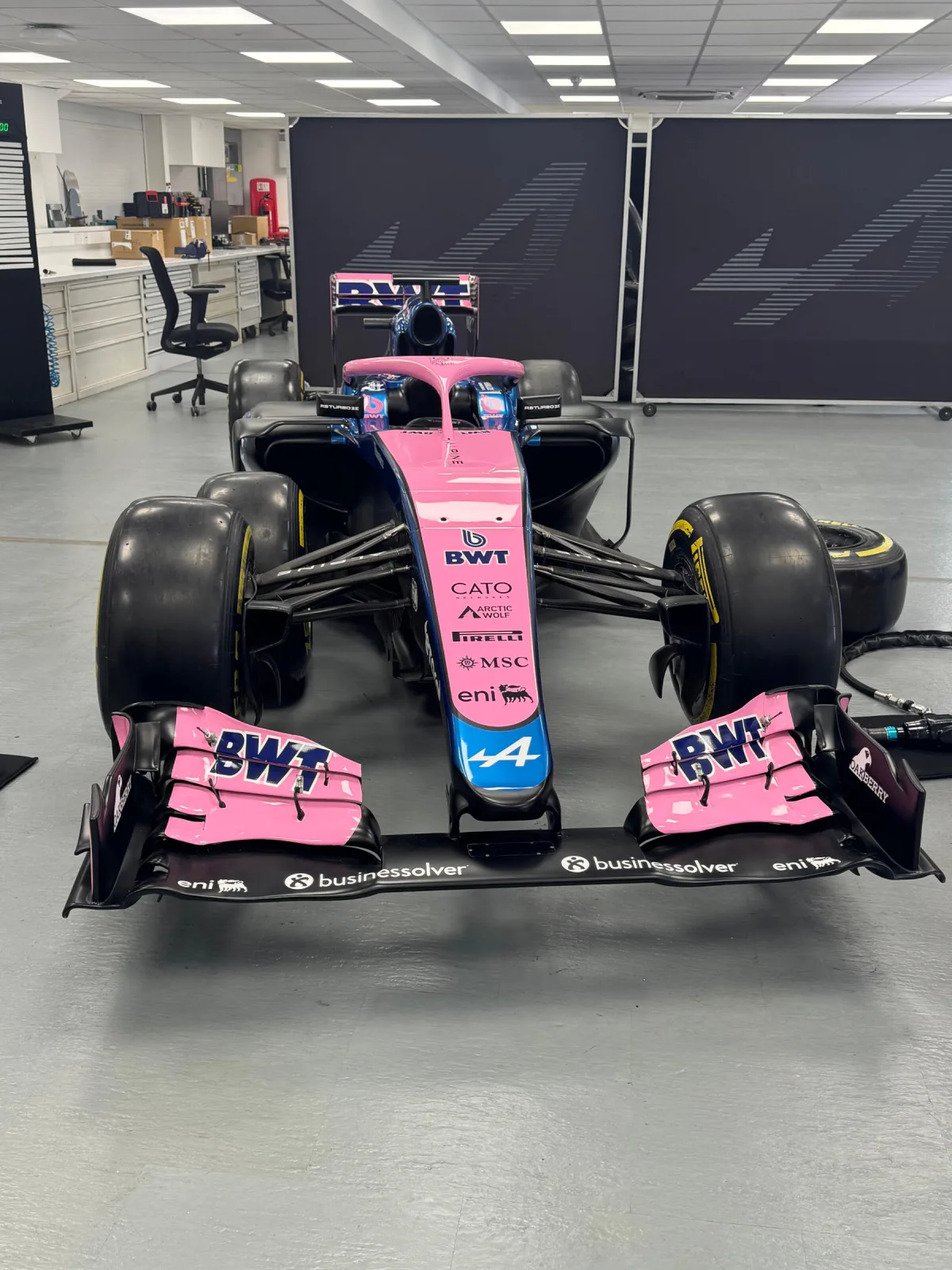
My team finished last. We had one task - actually three, which were the essence of the challenge.
During a visit to the Alpine F1 factory in Enstone, together with H. Moser & Cie., a pit stop race was organized for journalists: teams of three people, one tire, on time - one with a pneumatic wrench, one removing the old tire, the third installing the new one. I started with the wrench. One of my teammates struggled with the tire's weight, and we swapped roles. This seemed like a noble decision for about four seconds - exactly the time it took me to realize the wrench was heavier than the tire itself.
Switching roles didn't help. At one stage, we had a mishap, and the whole operation fell apart. Not dramatically, but inevitably. Our best result was 6.5 seconds. The real Alpine team changes all four tires in less than two seconds.
What struck me was not the speed gap but the nature of the error. None of us was slow at everything. We failed because a pit stop is not just a task. It's a mechanism - three narrow operations that yield results only with precise synchronization. If one element goes out of tolerance, the result is not 'a bit slower' but incorrect. If you've ever watched a watch through the back cover, you'll understand what I mean.
Location: Where the Pit Stop Test Took Place
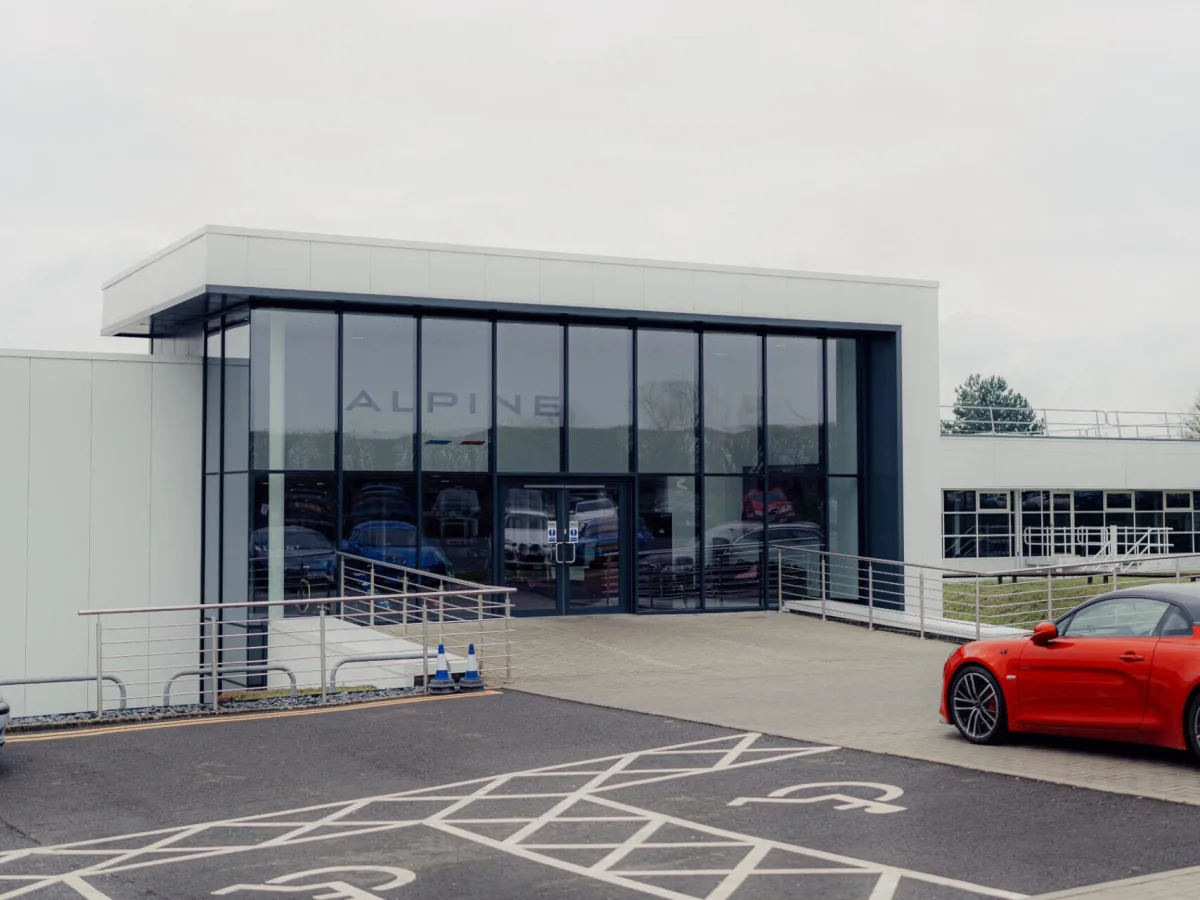
The test took place at the Alpine factory in Enstone - the technical headquarters of the team, where race cars are designed and assembled. I wouldn't claim that the factory tour was a revelation. It's just a factory tour. But visiting it before the race weekend changed my perception of everything that followed.
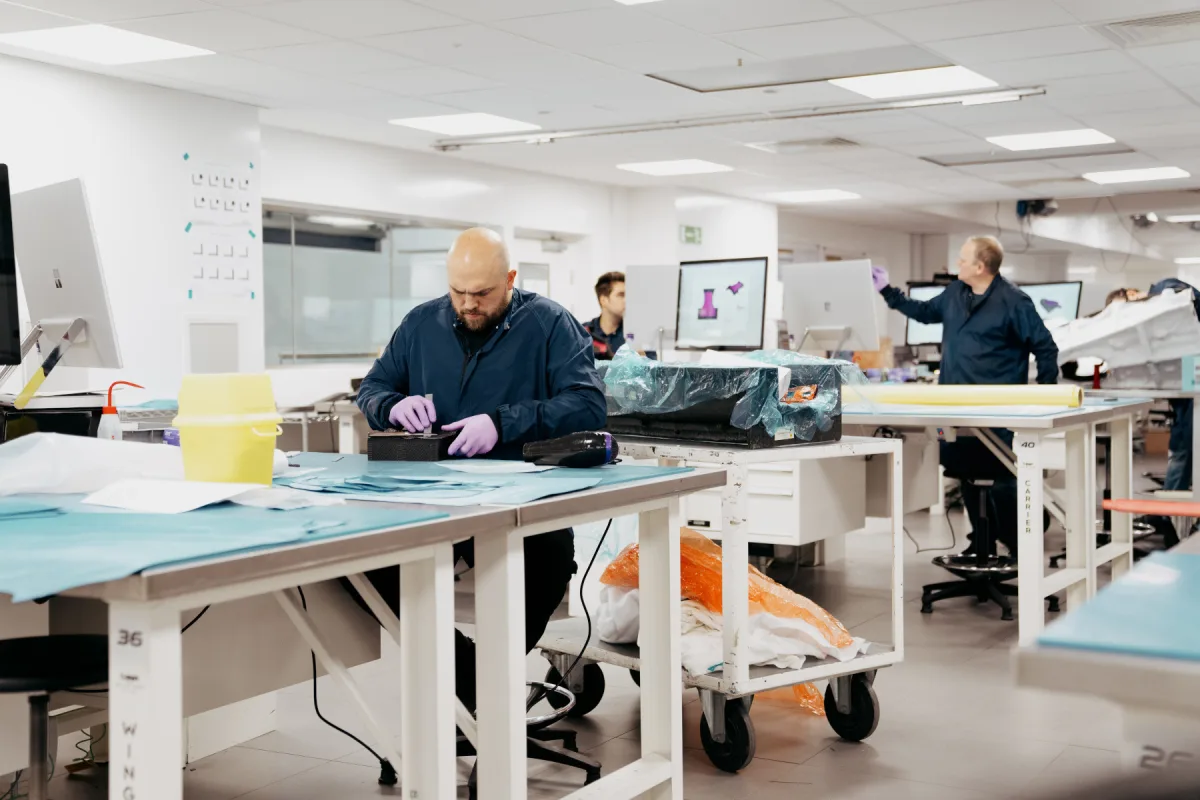
What I remembered most was the degree of specialization. No one at the factory works on the 'car' as a whole. Each person is responsible for one system, often for a specific component of the system, alongside colleagues whose professional lives are dedicated to a part adjacent to theirs. The pit crew I tried to imitate is not an exception to the rules of working in a Formula 1 team, but its condensed version. The entire organization is a pit stop operating at different speeds.
A Comparison That Truly Matters
Every watch brand sponsoring motorsport repeats the same phrase: Formula 1 and watchmaking are about precision. This is true in the sense of advertising texts - vague and without specifics. TAG Heuer has said this. Richard Mille says this. It all sounds the same.
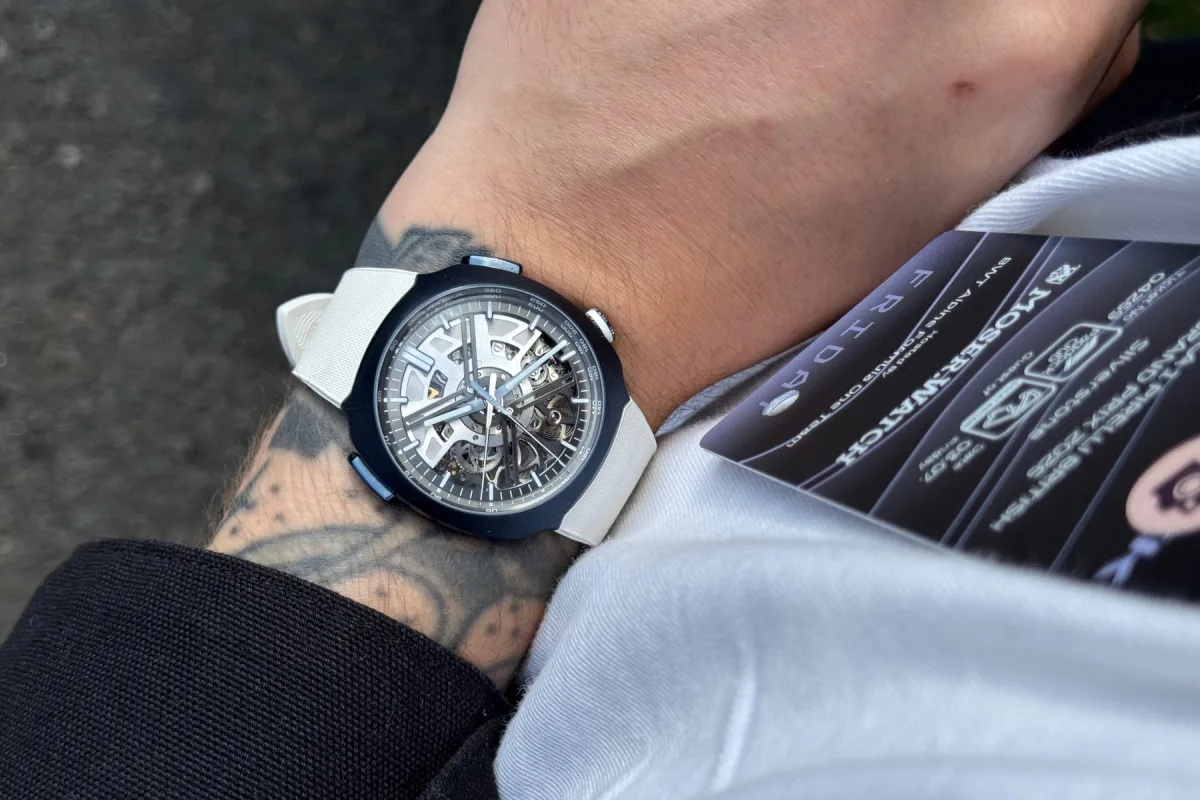
However, the weekend with Alpine showed something more concrete. A racing team is a collection of specialists, each responsible for one precise function, synchronized in time, with zero tolerance for errors. This is not a metaphor for a watch mechanism - it is the description of the mechanism itself. The anchor mechanism does not compensate for transmission failures. Each part performs its function on time, otherwise, the entire mechanism stops working correctly.
H. Moser & Cie., the official partner of Alpine F1, probably did not sign the contract based on this observation. But this connection stands the test of time.
Why This Particular Weekend
A bit about the format that defines the course of events. The race at Silverstone was held in the Sprint Weekend format - one of several stages in the season with a compressed schedule. Instead of three practice sessions on Friday and Saturday - one, called P1, then a sprint qualification, a short sprint race, the main qualification, and the Grand Prix.
For spectators, this means more competitive sessions. For the team - compressed preparation times. Everything usually studied over three sessions - tire behavior on the track, at a given temperature and fuel load - needs to be understood in one. There is no second chance to correct an error.
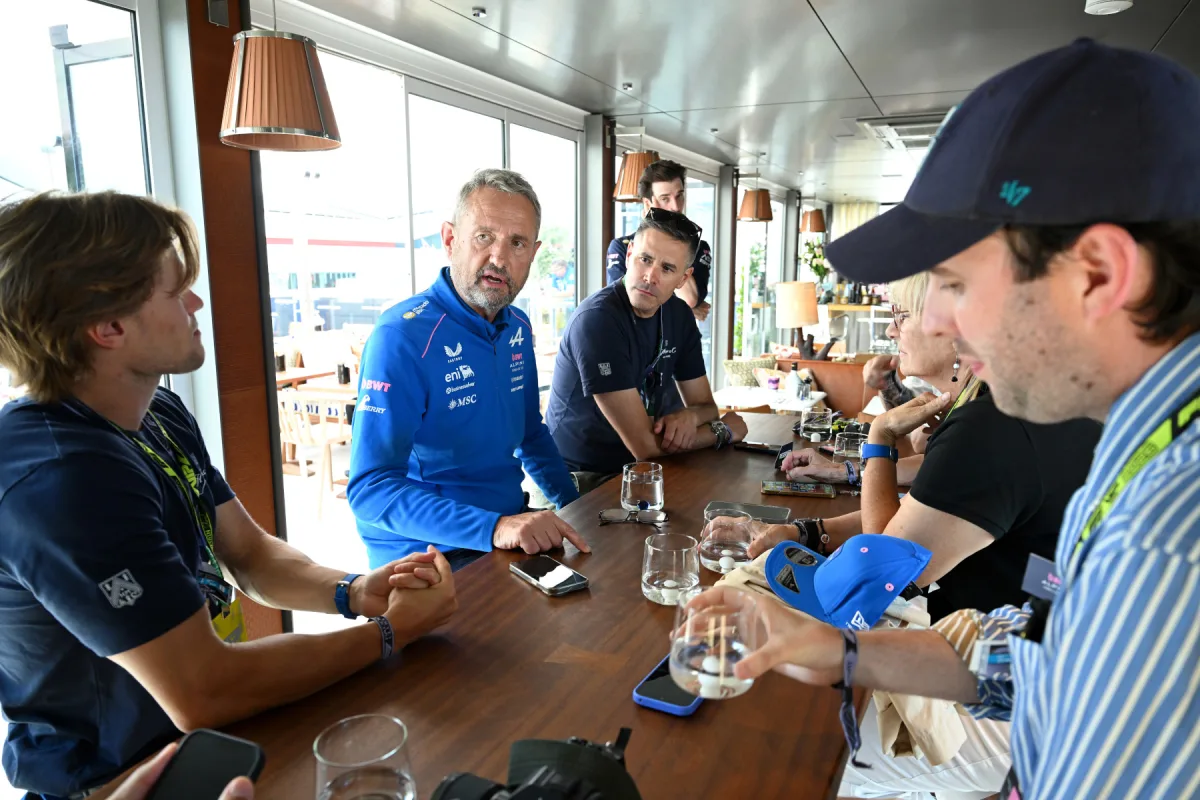
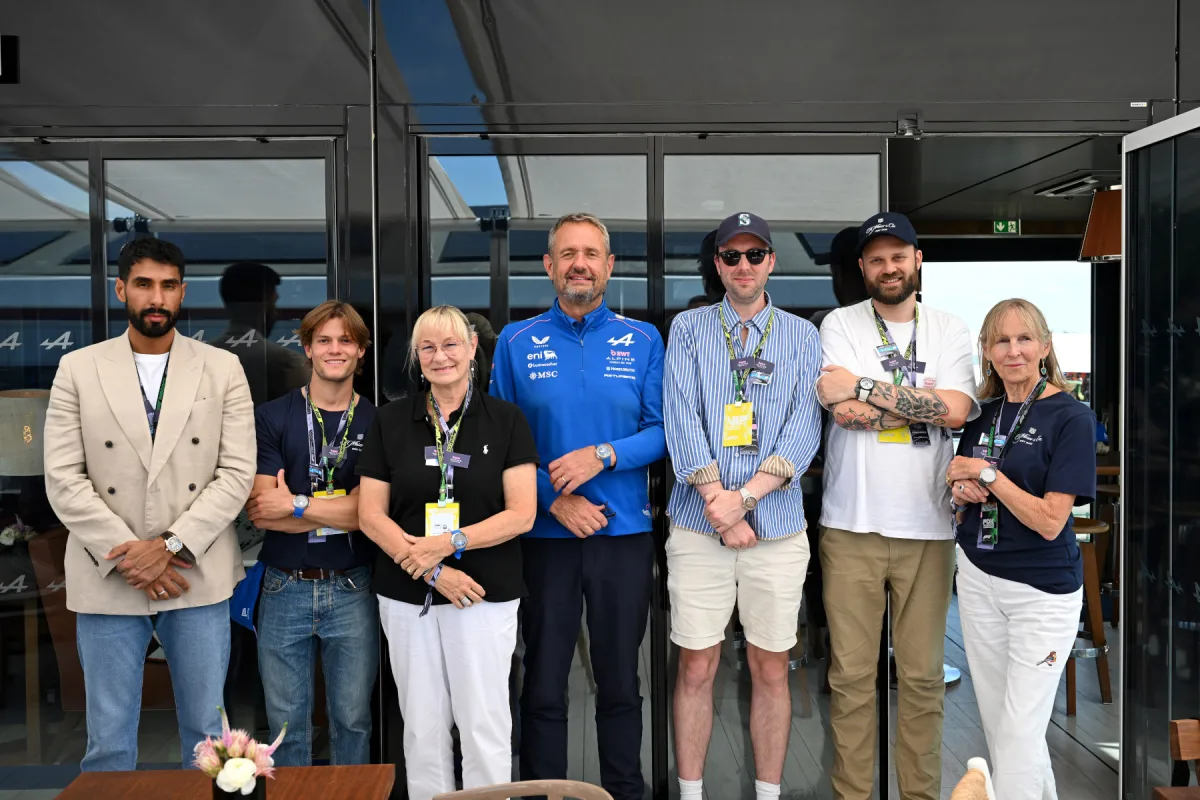
For Alpine, the stakes are particularly high. "Last year, we were unlucky, we finished last," said Steve Nielsen, Alpine's managing director, to our group over the weekend, calmly, considering his first season in the paddock was in 1985. "This year, things are going better." It's fifth place in the overall standings, leading the midfield. By Sunday evening at Silverstone, the gap was just one point from Racing Bulls, which the team held by bringing both cars to the finish line in ninth and tenth places.
Enstone: A Forge of Specialists
The trip began in Enstone, where Alpine race cars are created. It was there that we failed the pit stop test. The factory tour revealed nothing new but allowed us to see the structure and organization of work.
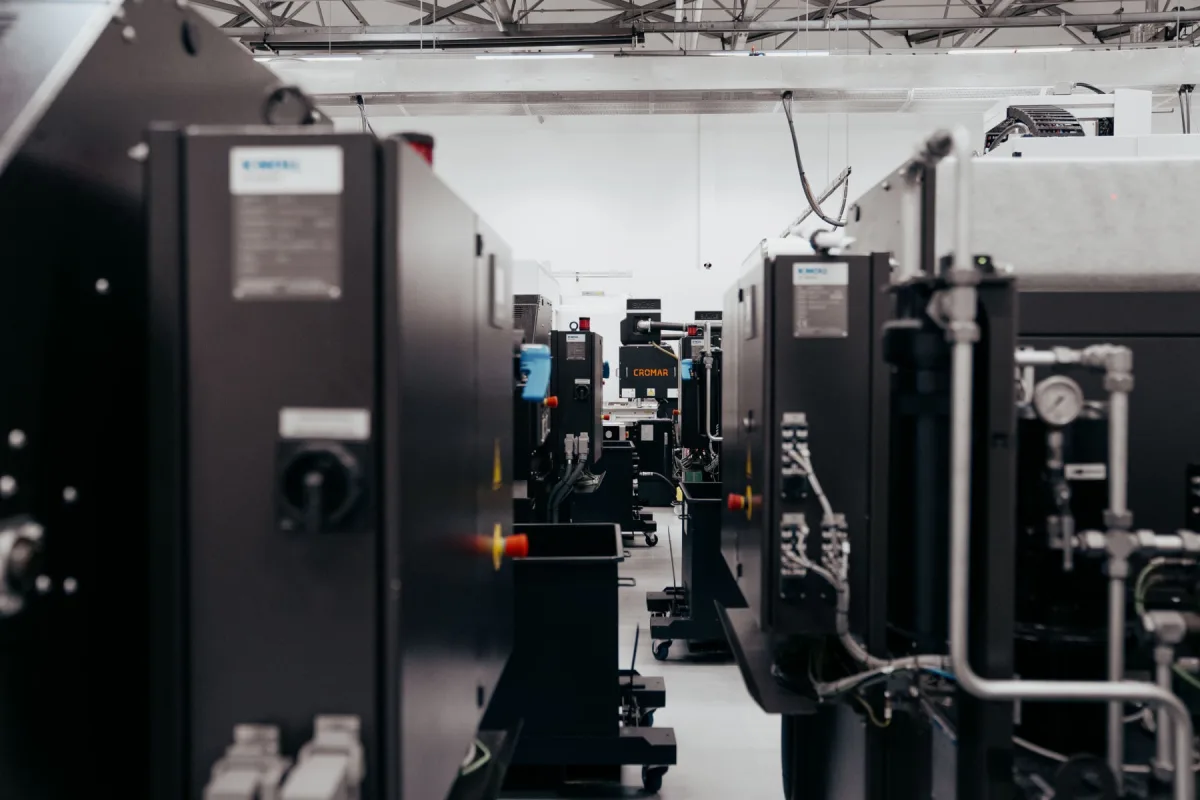
The main impression is the degree of detail. No one works on the 'car' as a whole. Each person is responsible for a narrow part, alongside colleagues whose task is an adjacent element. The pit stop team is the most condensed version of this system. The entire organization is a pit stop, only moving at different speeds.
The Human Factor
Luca Mazzocco, head of Alpine's partnership experience department, explained the key balance: "In a Formula 1 team, you need people who, on the one hand, are very competitive and ambitious, and on the other - able to work in a team, pursuing a common goal rather than personal tasks."
This tension increases as time intervals decrease. "When you're fighting for hundredths of a second in constant innovation conditions, human energy and interaction become crucial factors," added Mazzocco. "It's this confrontation of technology and human qualities that makes Formula 1 a unique sport."
This tension is felt everywhere in Enstone. The people we met were ambitious but represented themselves by their functions, not achievements.
A Partnership Deeper Than Appearance
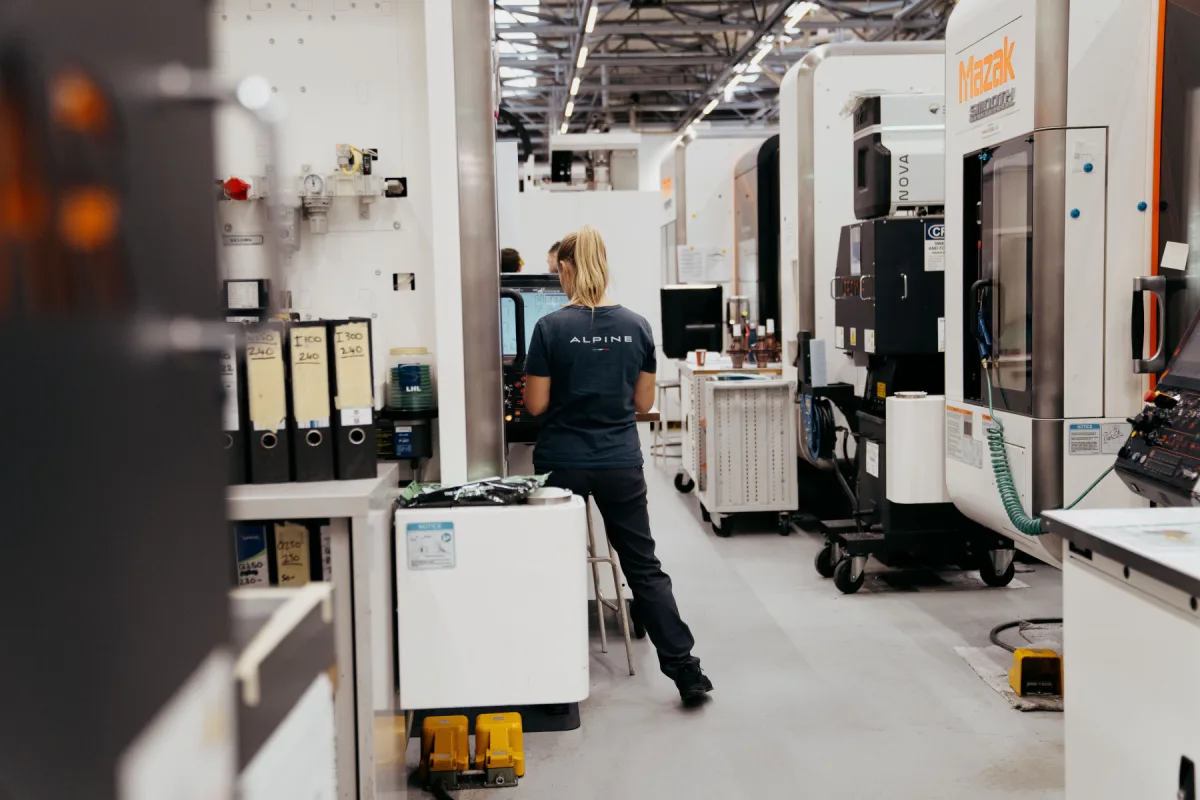
An unexpected discovery was the bidirectional movement of knowledge. Alpine specialists, developing ultra-thin titanium parts for the limited edition A110 S Enstone Edition, consulted with H. Moser on metal processing methods to combine manufacturing precision with the aesthetics of a luxury watch product.
Think about it: it's not watchmakers learning from racers, but the racing team's engineers asking watchmakers how to process metal. This is a clear sign that both industries are connected not only by color schemes. The partnership is a true exchange of experience between two disciplines solving the same problem on different scales - creating ultra-precise parts from complex materials.
One Radio Session During Silverstone
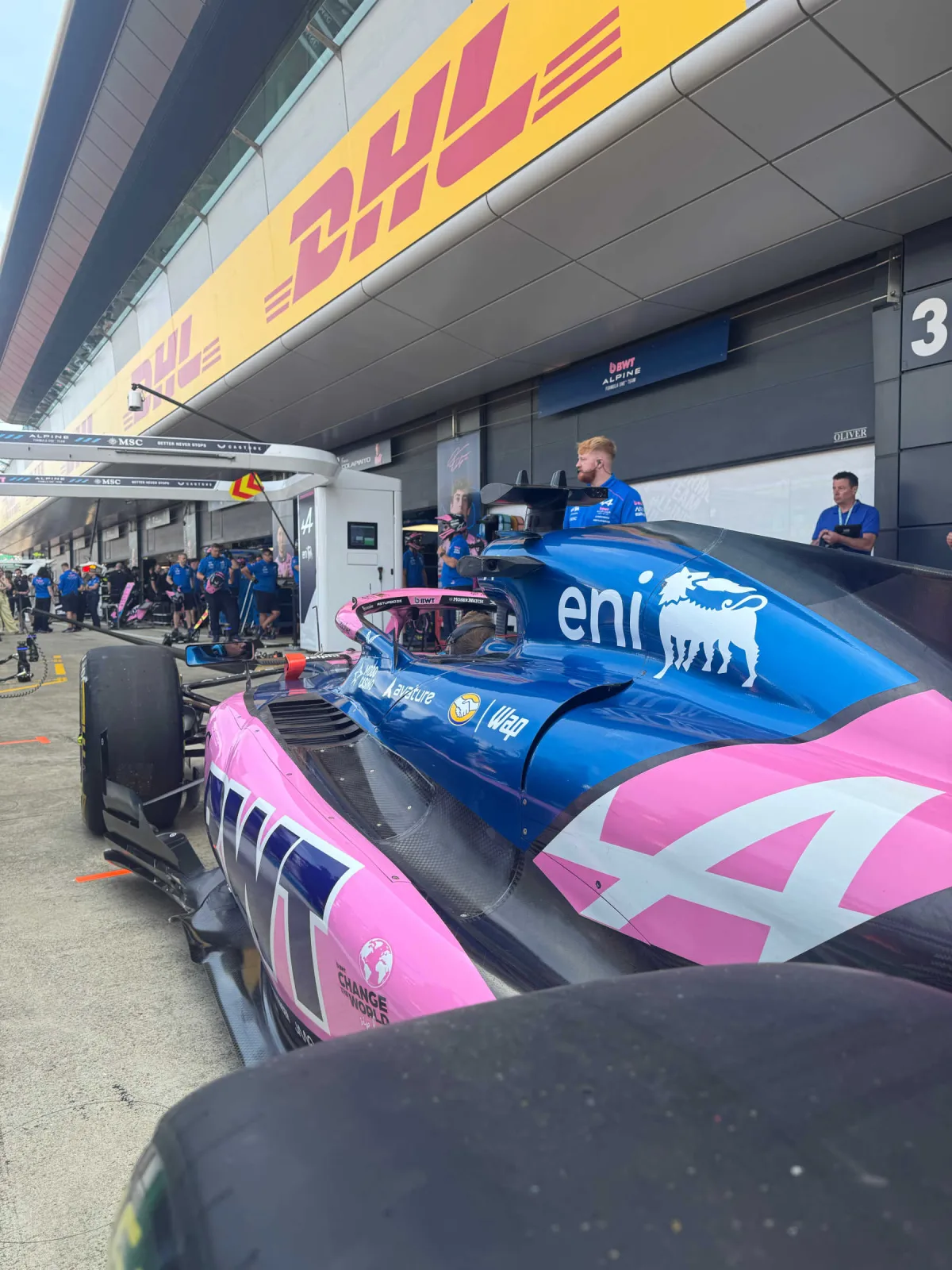
The most informative moment of the weekend was standing in the Alpine garage during P1 practice and listening to the radio communications. Photography was prohibited - secrecy remains a priority.
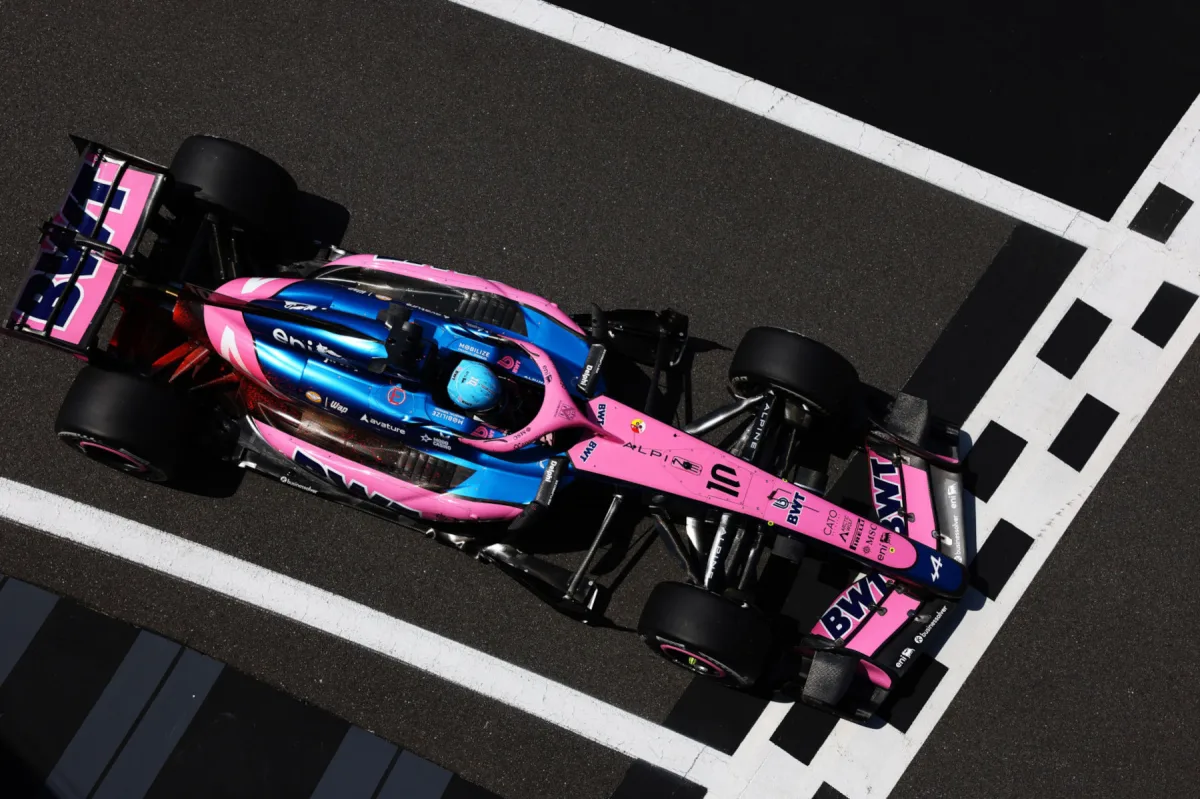
communication with incomplete information. The car goes out, data returns, engineers make decisions in real-time. Settings, run plans, tire choice - everything is done with the understanding that there will be no second session to fix a mistake. Each message is short, specific, and addressed to the responsible person. No unnecessary words. The channel works without wasting time.
The pressure is not chaotic - it is dense. The session is short, the track changes with each lap, and the team exchanges one invaluable resource for another - time for information, the exchange rate of which constantly changes.
The Two-Second Mechanism
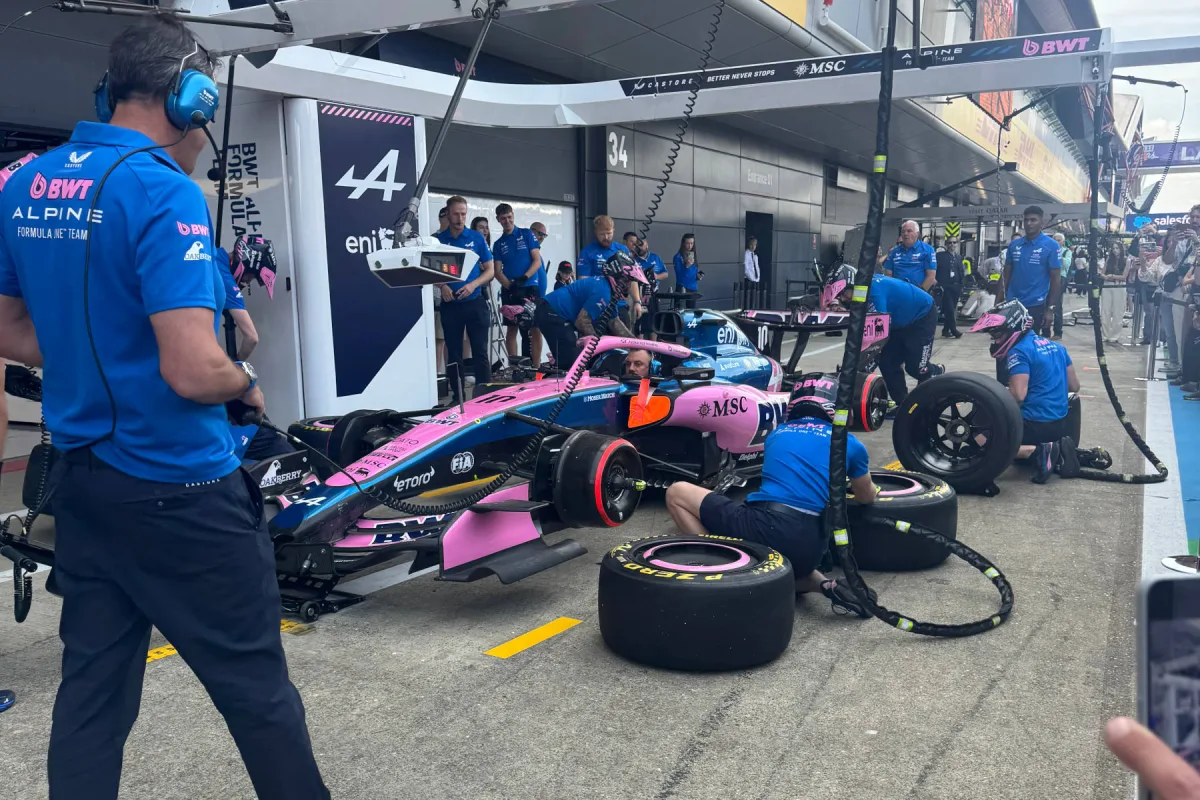
Returning to the real pit stop. Watching the Alpine team work after our own failure was instructive, but not because of the speed, but because of the choreography. Around each wheel are the same three roles that we spoiled in Enstone: the wrench, tire removal, new installation. Only here, everything happens simultaneously on four corners, supported by people with jacks and stabilizing the car. Each person is responsible for one movement, honed through multiple training sessions, and no movement makes sense on its own. The person putting on the tire cannot work faster than the one turning the wrench. The jack won't go down until all four wheels confirm readiness. Two seconds is not just time, but the tolerance in which all parts of the mechanism must work precisely synchronously.
Hours of Work for a Tenth of a Second
Nielsen, who was a long-time sports director of the team and now its managing director, shared: "We spend hours in meetings discussing how to save a tenth or a couple of tenths of a second on a pit stop. It's a tiny amount of time, but we spend hours on it." These are hours of specialists' work to bring the mechanism closer to perfection by tenths. Similarly, watchmakers in Schaffhausen work.
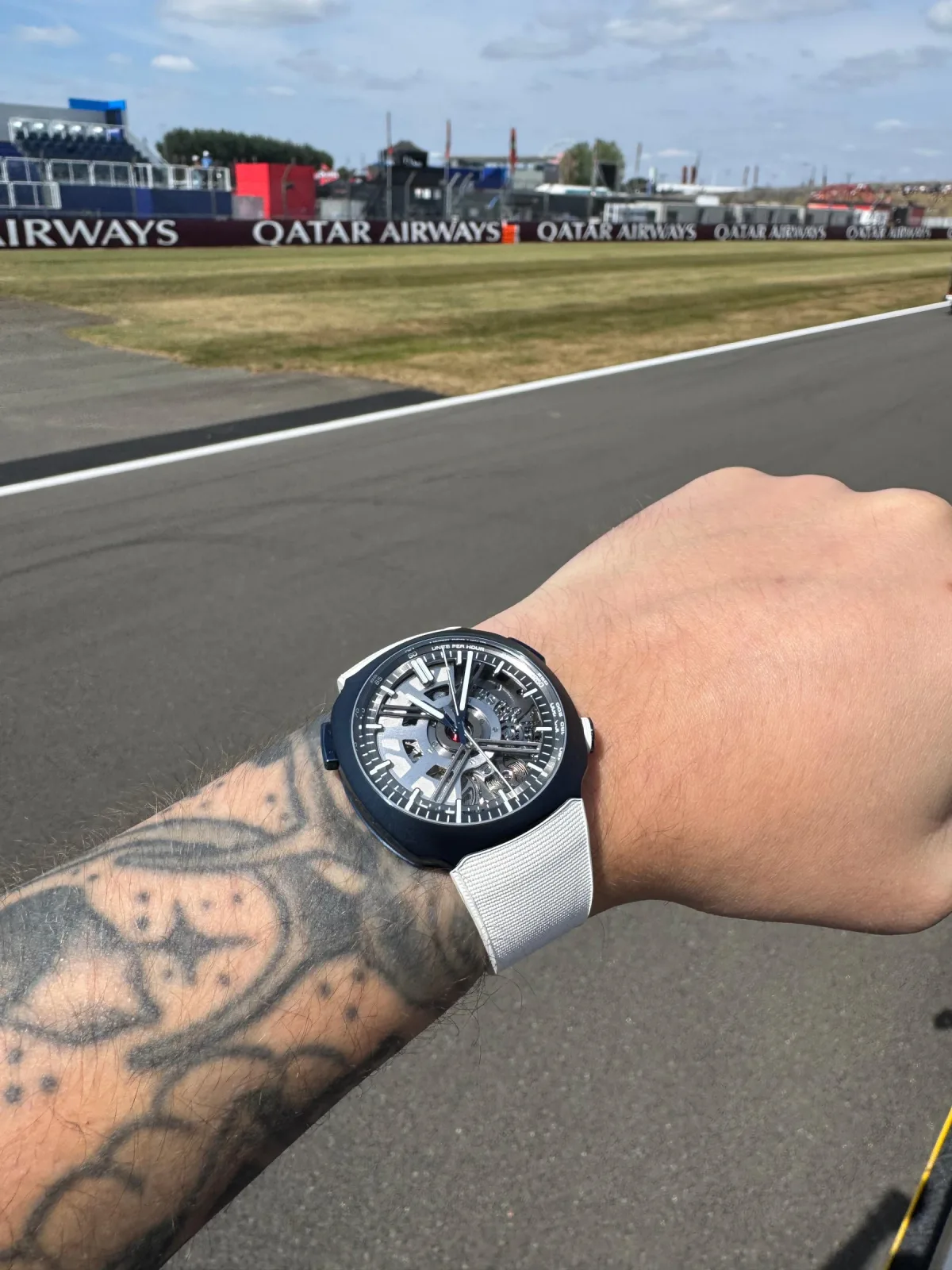
Here, the connection between watchmaking and motorsport ceases to be just an advertising slogan and becomes obvious. The hand-finished mechanism created by H. Moser & Cie. consists of dozens of components, each with a narrow function, useless on its own, but creating something outstanding through synchronization. When my teammate struggled with one tire, we didn't just lose a tenth of a second - the operation failed. Our 6.5 seconds against their two is not a difference in speed, but the difference between a precise mechanism and a group of people with tools.
Qualification at Silverstone: Synchronization Under Maximum Load
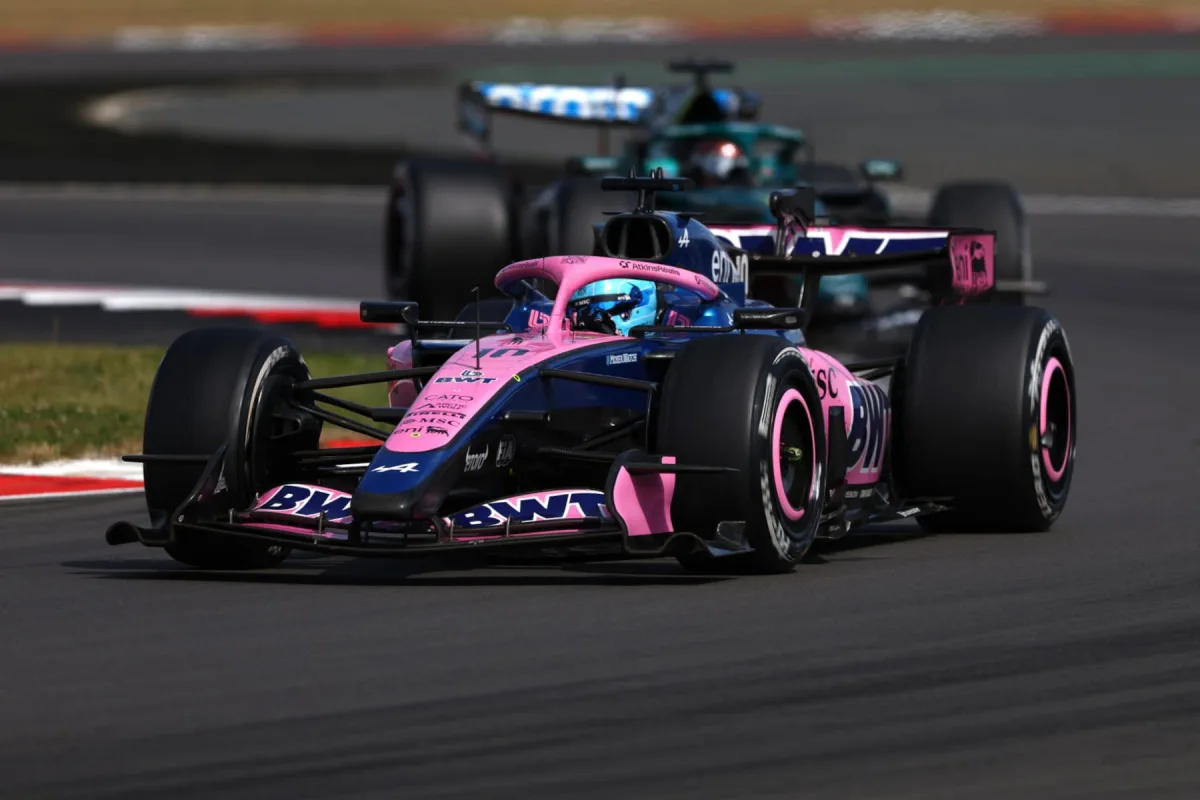
Sprint qualification, when viewed from the inside, is the same mechanism but under maximum load. The session is short, the track changes, and each car has only a few laps to show the best result. Everything I've observed all weekend compresses: narrow tasks, dense radio communication, rehearsed sequences. Track outings are calculated by seconds to find a free section. Tire preparation becomes a science. A team that did everything right over the weekend can lose everything due to one slow reaction in the garage, one lap spoiled by traffic, or a decision made a few seconds later.
And these time intervals are not a figure of speech. In SQ1, the first elimination round in sprint qualification, Carlos Sainz took 16th place with a time of 1:31.073, and Oliver Bearman - 17th with 1:31.083. The difference is one hundredth of a second, which determined who continues to fight and who does not. Watch enthusiasts will appreciate this interval - it is the minimum value that most chronographs can display. An entire weekend of hundreds of specialists performing their tasks perfectly, and everything is decided on an interval that can be measured but not felt.
Nielsen already explained what such precision means: "Ten kilograms in a car give a difference of three-tenths of a second per lap." In Austria, they missed Q3 by a tenth of a second, which is approximately equal to three kilograms. If you count to hundredths, it's 300 grams - roughly the weight of a pair of wristwatches.
Somewhere at that moment, I stopped perceiving Formula 1 as a sport with engineering elements and began to see engineering, interrupted by sport.
A Partnership Earned by Experience
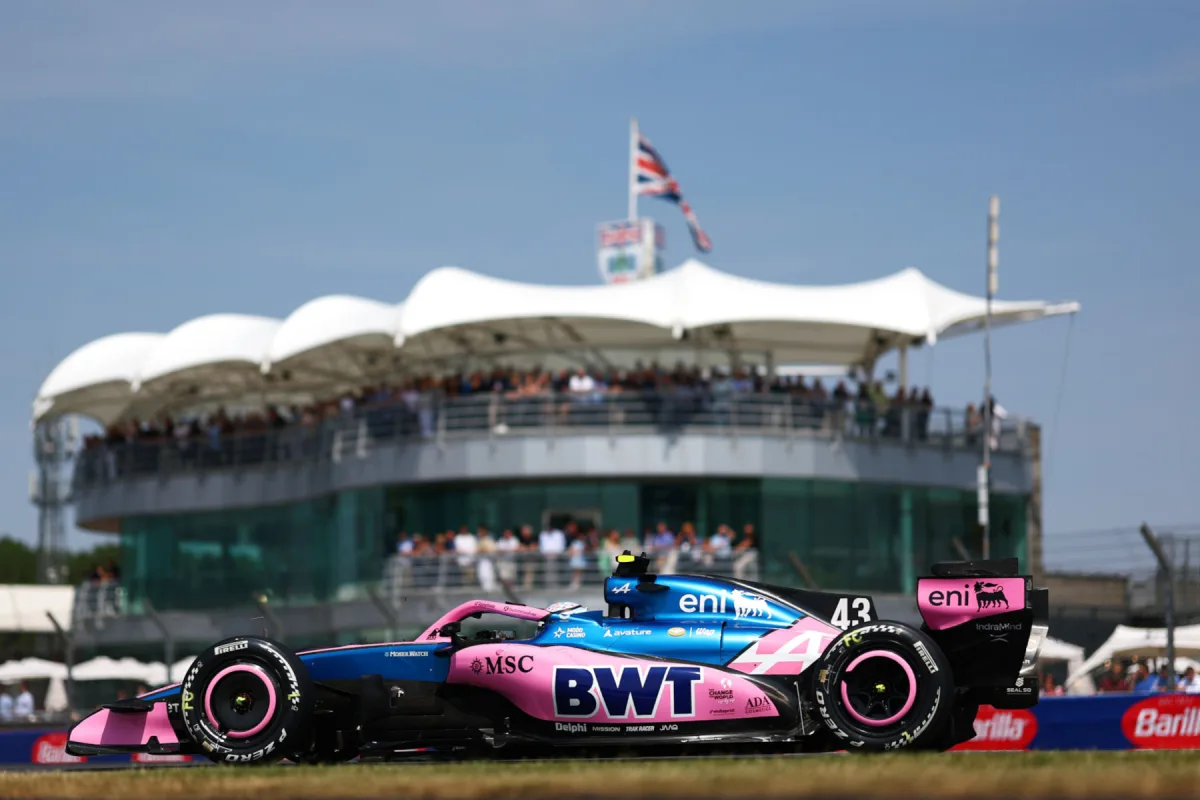
Partnerships in watchmaking and motorsport are often built on adjacency - speed, glamour, and common words like "performance." Alpine and H. Moser & Cie. maintain a more literal connection on two levels. Structurally, it's mechanisms of hundreds of specialists whose narrow, precise contributions only work in synchronization, on a scale you can walk through; and on a scale worn on the wrist. Practically, they share metal processing technologies, and at least once, expertise flowed from Schaffhausen to Enstone, not the other way around. This is not sponsorship, but a supplier relationship dressed in the form of sponsorship.
My team finished last, and I'm glad about it. A successful result wouldn't have taught anything. Failure showed the mechanism. The only way to see synchronization is to watch what happens when one element fails.