
What is Simon Brette doing that creates a waiting list for his watches 5 years in advance?

In the watch industry, events sometimes occur like a supernova explosion. A new brand emerges seemingly from nowhere and instantly captures the interest of collectors, media, and watch enthusiasts. This is what happened with Simon Brette. About 3 years ago, an unknown engineer from Auvergne suddenly became the subject of such intense and widespread discussion that even the media acknowledged an overheating effect and fatigue from endless mentions of the new brand.
The Frenchman's first watches were sold out even before the official presentation, and six months later received the Geneva Grand Prix d'Horlogerie in the Revelation Prize category. However, the Simon Brette phenomenon cannot be explained solely by marketing. Behind it lies almost a decade of work in the most challenging engineering schools of the watch industry and a thoughtful philosophy: watches as a result of collective craftsmanship, not the work of one 'star' master.
From Carpenter's Son to Working with MB&F
Simon Brette acquired the skill of making things with his hands in childhood: his mother ran a farm, and his father was a carpenter. Young Simon received an engineering education while dreaming of realizing himself in the watchmaking field. To fulfill his dream, he enrolled in the Neuchâtel watchmaking school.

After graduating in 2011, Brette joined Chronode, founded by Jean-François Mojon. Here, he worked for 5 years creating mechanisms for IWC and HYT. The next step towards his dream of becoming an independent watchmaker was working with MCT as a project manager. Less than 2 years later, Brette parted ways with MCT and moved to the same position at MB&F.
While at Chronode, the Frenchman participated in developing MB&F Legacy Machine 1 and Legacy Machine 2 models. This experience helped him quickly adapt to Max Büsser’s team and achieve several accomplishments, including the design of the Horological Machine 10 'Bulldog' case and mechanism, and the sapphire case of Horological Machine 9.
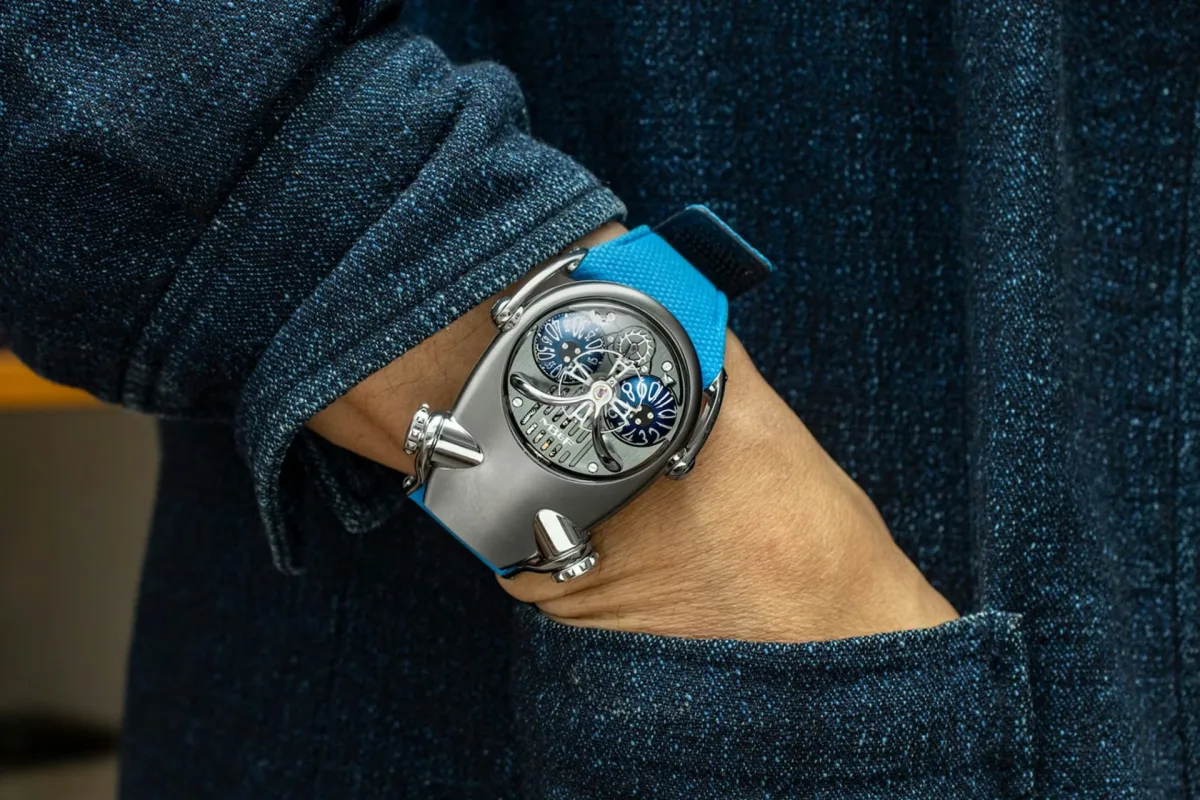
His main achievement over several years of collaboration with MB&F was the creation of the LMX model. Let us recall, this model, presented in 2021 for the 10th anniversary of the Legacy Machine collection, received the Geneva Grand Prix d'Horlogerie in the 'Men's Complicated Watch' category.
The Birth of a New Brand. Watches by Subscription
The success of the LMX model coincided with the birth of Brette's daughter. During his 2-month paternity leave, he seriously considered creating a company under his name. Fortunately, he had enough time to sketch his own watches and think about the business model of the future brand. By this time, he had officially left MB&F and worked as a freelancer, fulfilling orders for other watchmakers specializing in construction and development of mechanisms.

Analyzing the situation in the watch industry, Brette concluded that he wanted to support small craftsmen. He saw that due to the growing verticalization of the industry, small masters quickly lost their clientele. And since these people almost always worked behind the scenes for larger watch manufacturers, they had no significant commercial levers to provide them with a livelihood.
Thus, the Simon Brette concept was born, which in many ways resembles the collaboration of masters in MB&F. Without the funds to release his first watches, Brette chose a bold and straightforward strategy, used by the great Abraham-Louis Breguet - watches by subscription, that is, by prepayment.

He sent messages to several well-known collectors on Instagram, hinting at what he was working on. Apparently, his offer was so enticing that 12 people from different corners of the world took the bait, despite the obvious risk of such ventures. Since then, these 12 collectors have kept in touch with Brette himself and with each other through a group chat in WhatsApp.
Bright Debut and First Criticism
The prototype of the Chronomètre Artisans Subscription Edition model was presented in April 2023. Even before the official presentation, Brette thoroughly warmed up potential clients. During the Watches & Wonders exhibition, the smiling face of the Frenchman could be seen literally everywhere - in restaurants, bars, hotels, nightclubs. Everywhere he carried his 'firstborn' with him and was ready to talk about it to anyone. The result - the waiting list for these watches was already closed until 2027.

The watches feature a 39-millimeter zirconium case, which already makes them stand out in the watch market. Rare uses of zirconium have been seen at Hublot, De Bethune, and Konstantin Chaykin. And this is zirconium, not zirconia ceramics. Working with it is challenging since zirconium dust and shavings tend to self-ignite. Hence the rare use of this metal in watches.

The dial of the model, made of red gold, was adorned with an unusual hand-engraving called 'Dragon Scale'. It was done for Brette by Yasmina Anti, who also does engraving for Romain Gauthier and Philippe Dufour. On the dial, the mechanism, designed as a modern chronometer, is partially visible. It is equipped with a large balance wheel, which, like in historical marine chronometers, works at a meditative frequency of 2.5 Hz.
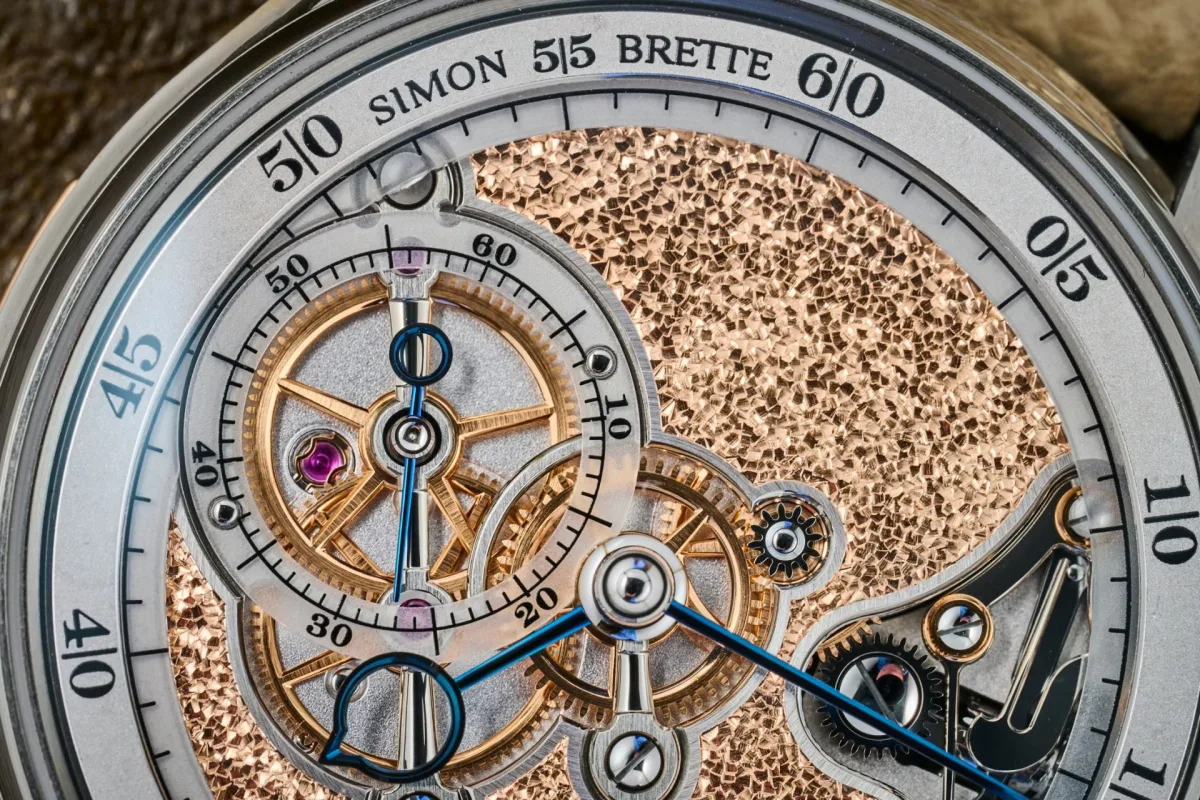
The balance is supported by a direct rounded bridge made of non-magnetic grade 5 titanium. Details around the balance are made of the cobalt alloy Phinox. For precise time adjustment, the mechanism is equipped with a stop-seconds option. The power reserve is enough for 72 hours. The visual highlight of the mechanism is the screws, polished to a mirror shine and fitted in gold chatons.
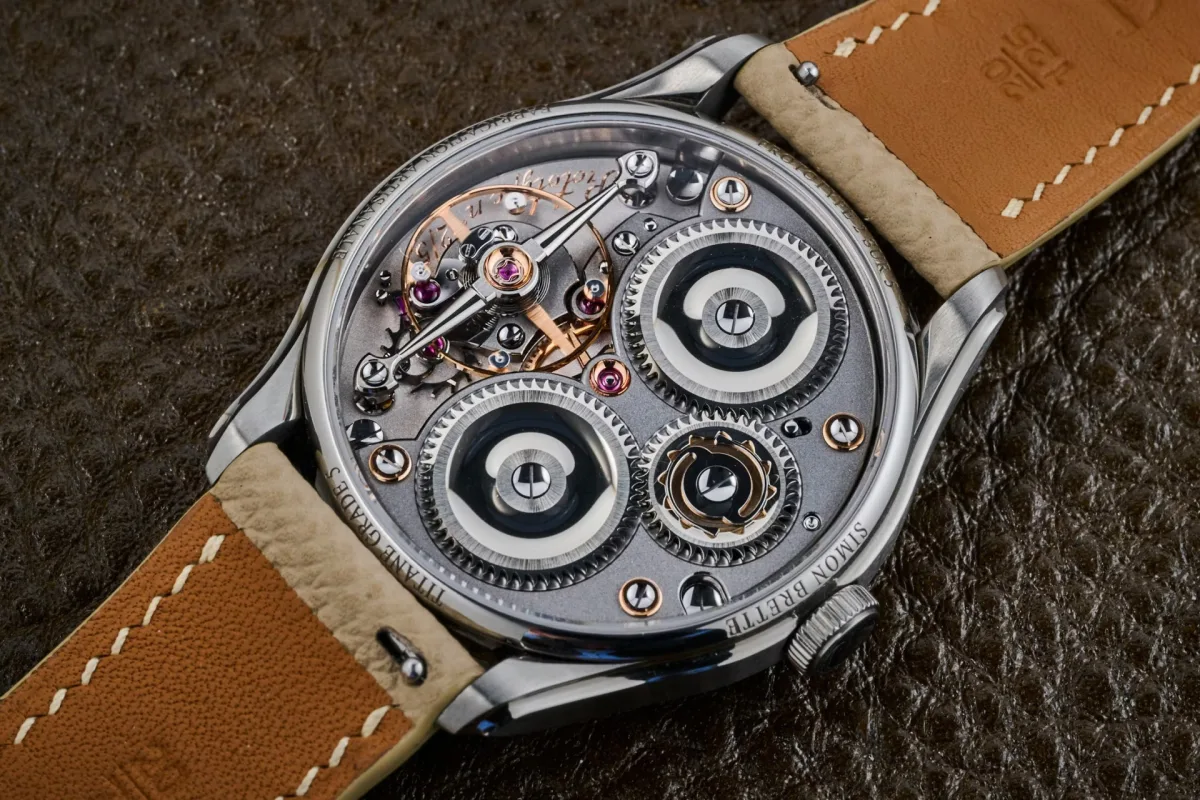
Overall, the watches look like an interesting combination of distinctly modern aesthetics and somewhat old-fashioned mechanisms, created in the best traditions of the 19th century. At the same time, the share of manual labor here exceeds 60%, and the price for the watches was set at around CHF 60,000.
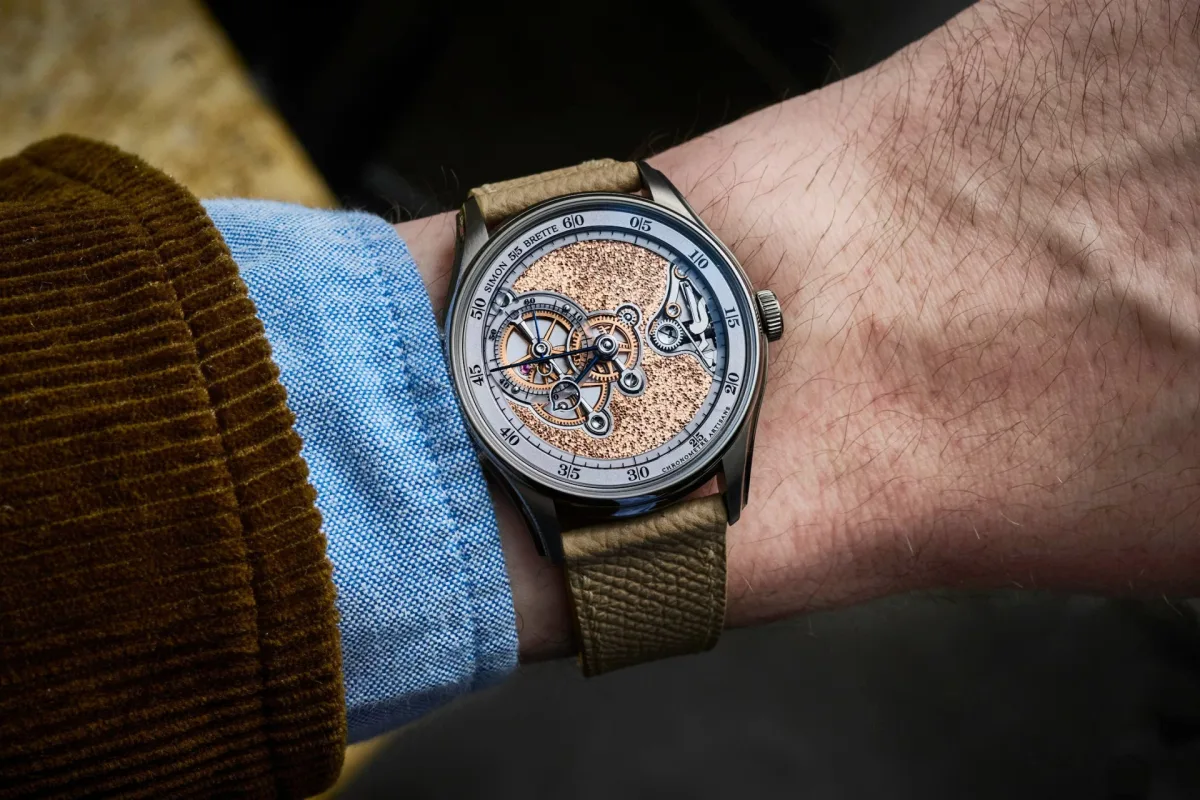
This sparked a wave of criticism - why, they say, devalue the work of craftsmen? But Brette is doing the exact opposite: a total of 13 people worked on the creation of the Chronomètre Artisans, and the names of each of them are listed on the brand's website. The logic of the 'low' price of the first model is quite simple: if you are a nobody, your watches are unlikely to be bought for crazy money. Later, both the circulation and the price of the watches increased.
Chameleon Watches with Clever Illumination
The first Chronomètre Artisans model, released in a decent edition (99 pieces), was the Chronomètre Artisans Titanium. The pattern on the watch's dial was named 'Tiger Claws'. It was followed by the Chronomètre Artisans Rose Gold model, released in a series of 50 pieces. The black dial of the watch was decorated with an engraving pattern 'Battle'.

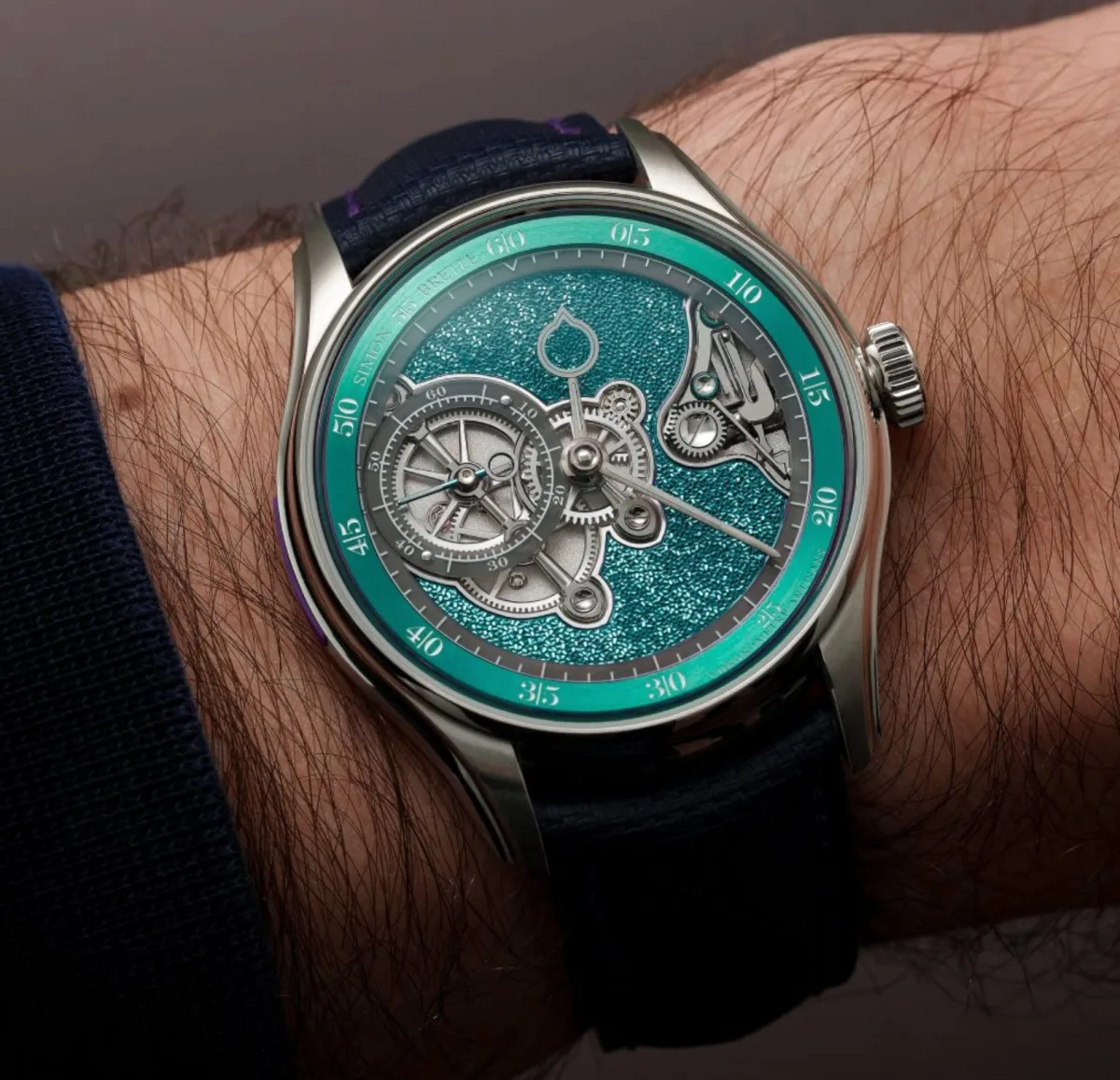
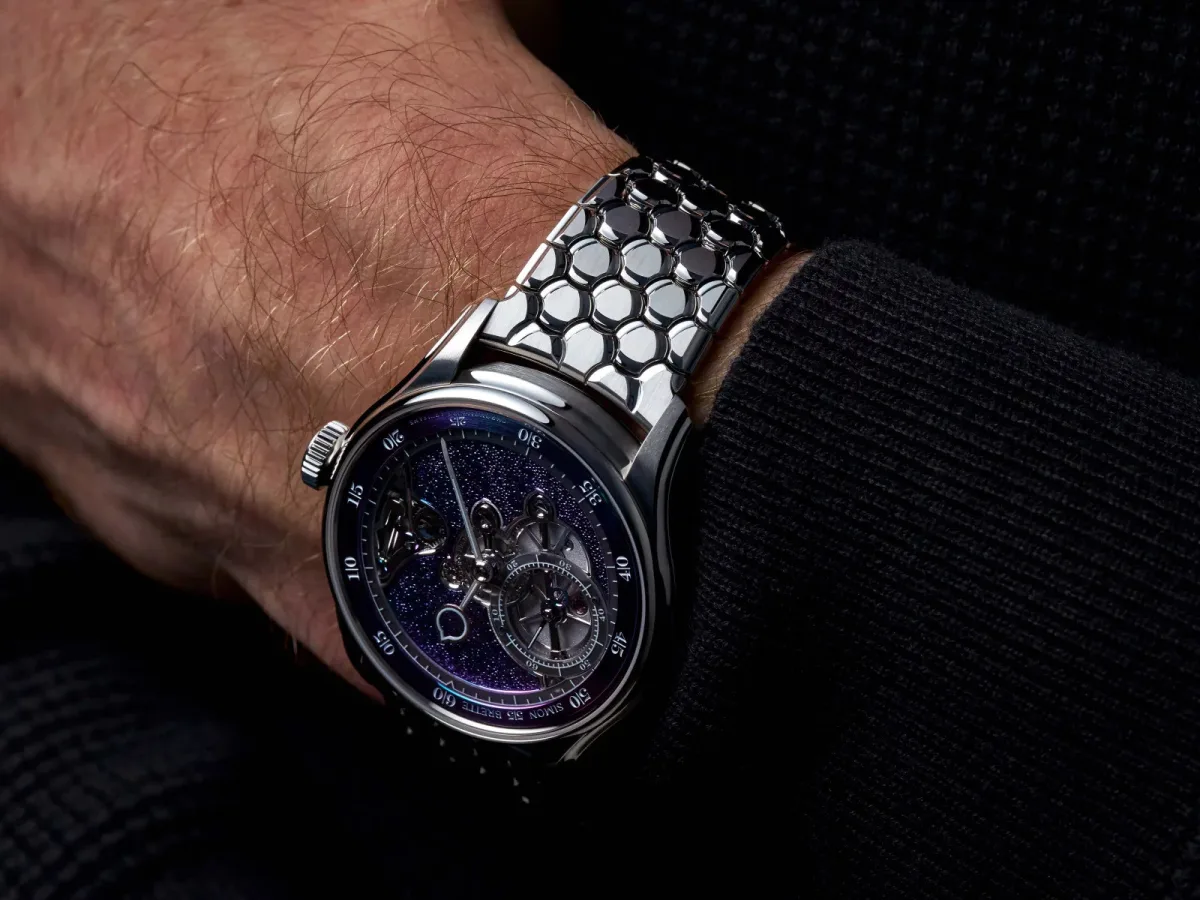
In December 2025, the Chronomètre Artisans model in a steel case was officially presented. The white gold dial here is adorned with the 'Aurora Waves' pattern. These watches are strongly recommended to be viewed in person, preferably not only in daylight but also at night. All because they change color like a chameleon from dark green to purple and back.


The basis of this effect is the atomic layer deposition (ALD) method, which is widely used in semiconductors, optics, and biotechnology. This technology involves creating an ultra-thin film on the surface of the metal, which 'animates' the three-dimensional texture of the engraving, allowing light to move and play on the dial's surface.
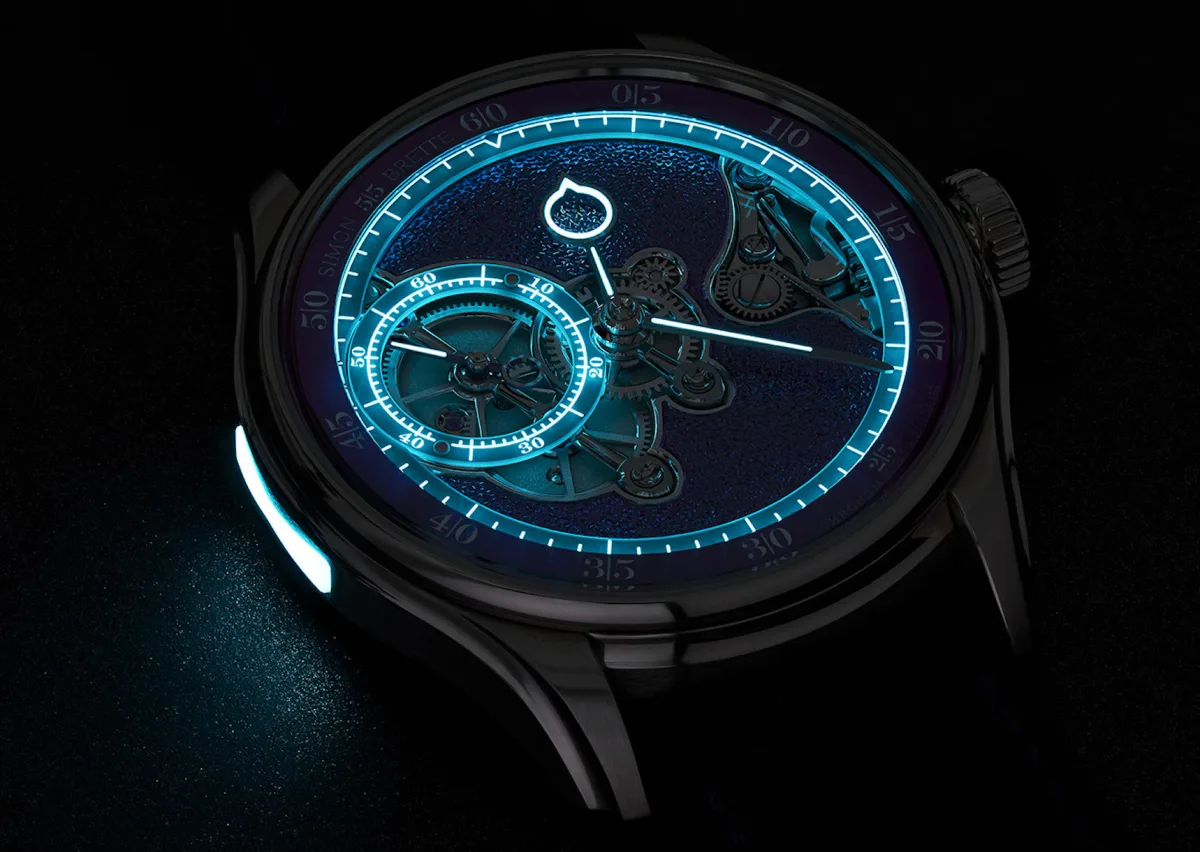
In the dark, the watch dial turns into a real light show. The hour markers are coated with Super-LumiNova pigments, while the hands use HyCeram or ceramic with phosphorescent material.
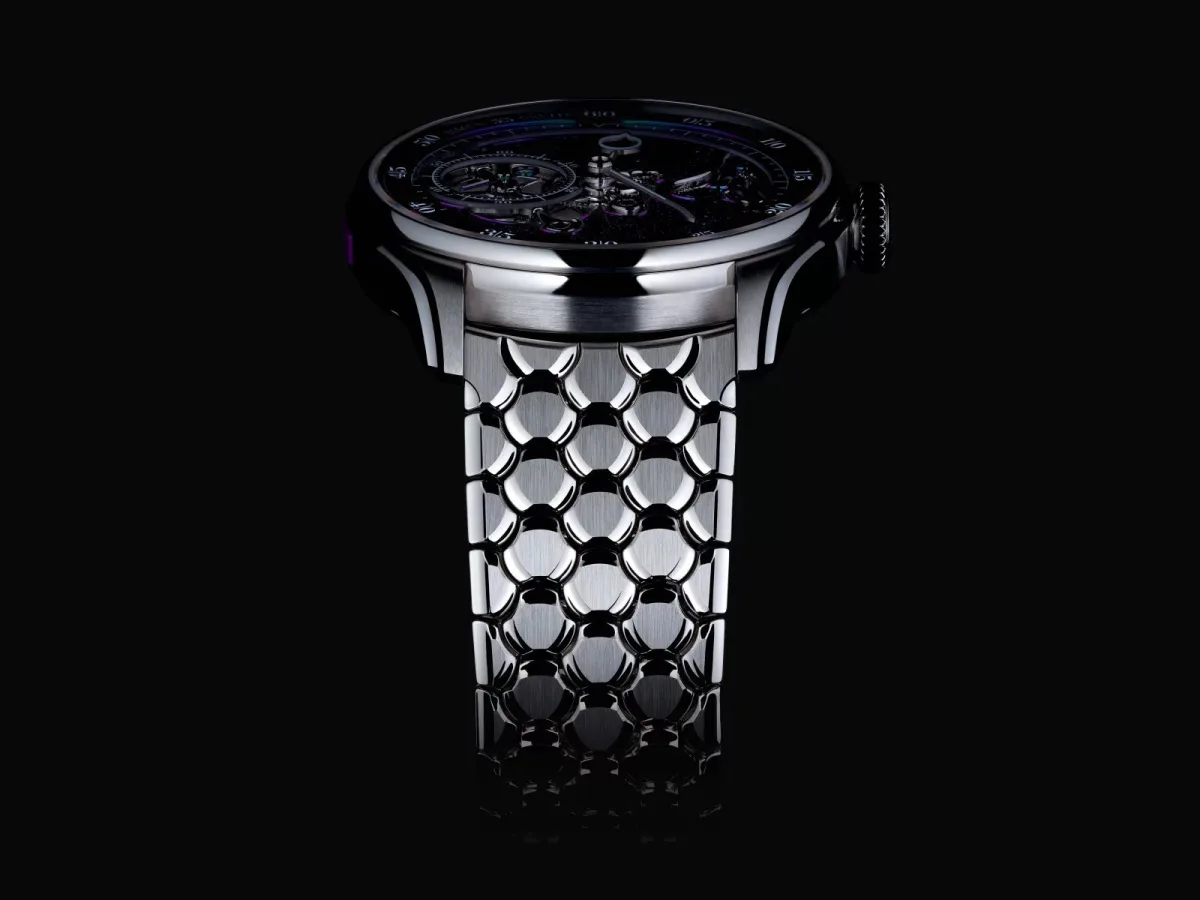
The watches come with calfskin and rubber straps. There is also a third option - an impressive steel Prisma Cobra bracelet, which took 2.5 years to develop. It consists of 446 individual components, including 146 concave screws. The thickness of the bracelet is only 3 mm, and the design includes the option of fitting to the owner's wrist.
The release of the watches is limited to a series of 60 pieces, which have already found their owner by subscription. The cost of the model is CHF 81,000.
Important! The Chronomètre Artisans series is not yet complete: a model in a platinum case is scheduled for release in 2026. These watches will surely feature an original dial pattern and some other features. It's just a little more waiting.
What Comes Next?
All Simon Brette watches share one detail. On the side of the case, there is an element resembling slightly elongated hourglasses. This is the so-called 'dovetail'. It has become something like the brand's logo, although it is not a logo at all. It is a type of detachable connection of parts, which refers to the carpentry craft of Simon Brette's father. Such a sentimental tribute to his roots and a reminder of the value of manual labor. So far, the 'dovetail' serves purely symbolic purposes, but in the future, Simon Brette plans to turn it into a functional element of the watches.

Currently, the history of Simon Brette is built around one model, which is not surprising, since it has been only 3 years since the debut of the Frenchman as an independent master. The watchmaker has already been criticized for the inaccessibility of his watches: they say he deliberately creates an atmosphere of a closed club, inaccessible to ordinary mortals.
Besides envy, such a message may hide doubt: 'Will you, boy, manage to maintain this high standard?'
Whether he will or not is up to Brette himself. He already has a 'club' of collectors interested in his product. Connections with talented craftsmen ready to work with him too. And he needs nothing more. Except, perhaps, fresh ideas that he will certainly realize not alone, as Philippe Dufour does. Brette initially refused the position of a star master, behind whom co-creators are not visible. His watches are the product of collective creativity. At least he openly admits it, unlike the giants of the watch industry.