Neo-vintage Jaeger-LeCoultre watches are a real delight for enthusiasts.
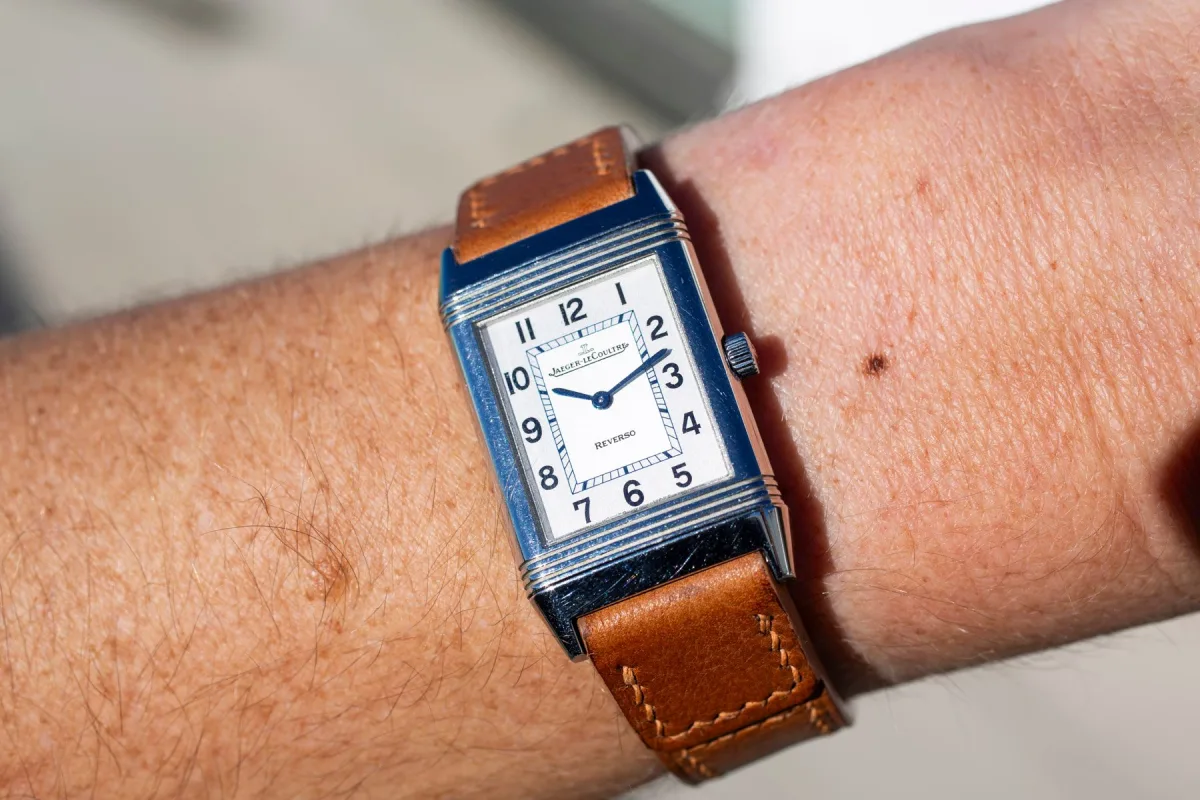
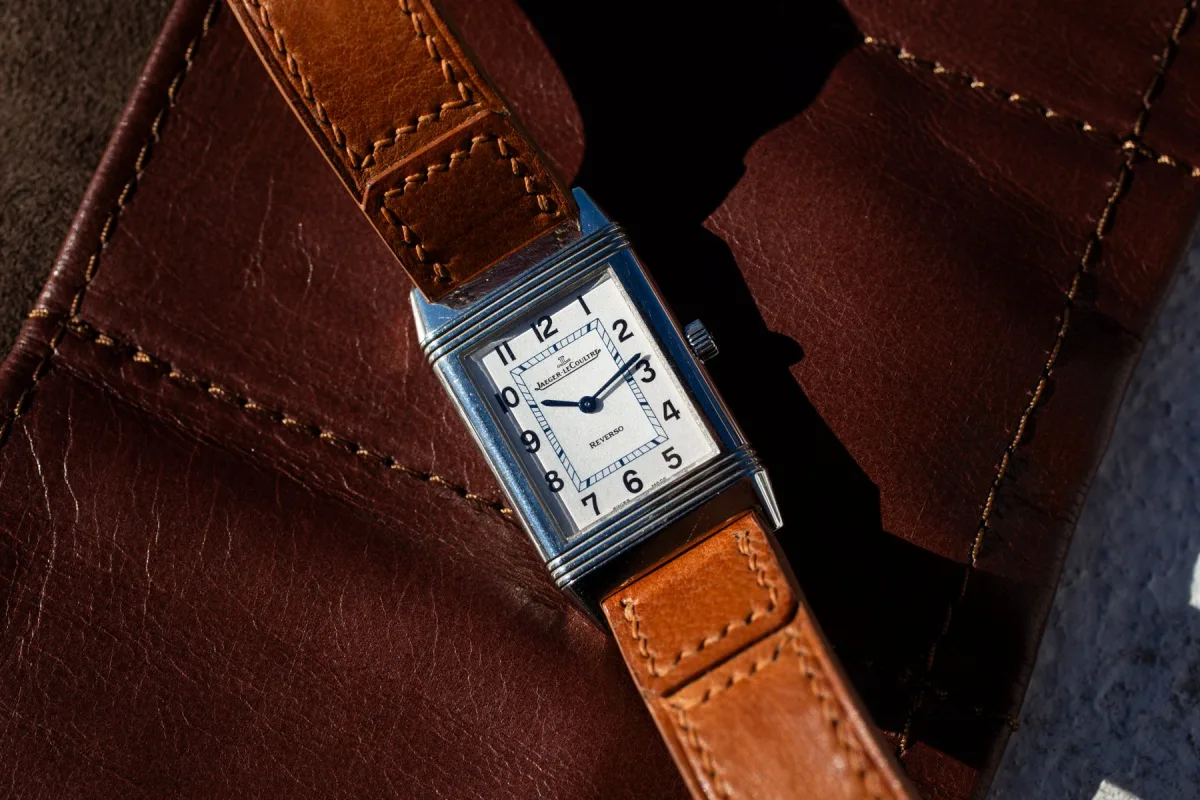
The watch that best illustrates this is the Reverso Classique, reference 252.8.86. This is a mid-2000s steel model with a manual winding, recently put up for auction. At first glance, it's quite an ordinary watch. Without complications and with a relatively modest (for the brand) take on the Reverso. For me, that's the essence: they perform basic functions excellently and perfectly serve their purpose.
Based on this, I would like to modestly state that neo-vintage Jaeger-LeCoultre (like neo-vintage IWC) represents an excellent and promising direction for experienced collectors and watch enthusiasts. There are numerous references offering exciting options for true connoisseurs. At the same time, I do not intend to diminish the merits of modern JLC, which have been showing successes recently, but we are fortunate to have great opportunities in the neo-vintage segment. Let's take a closer look at this.
Reverso Jaeger-LeCoultre, reference 252.8.86
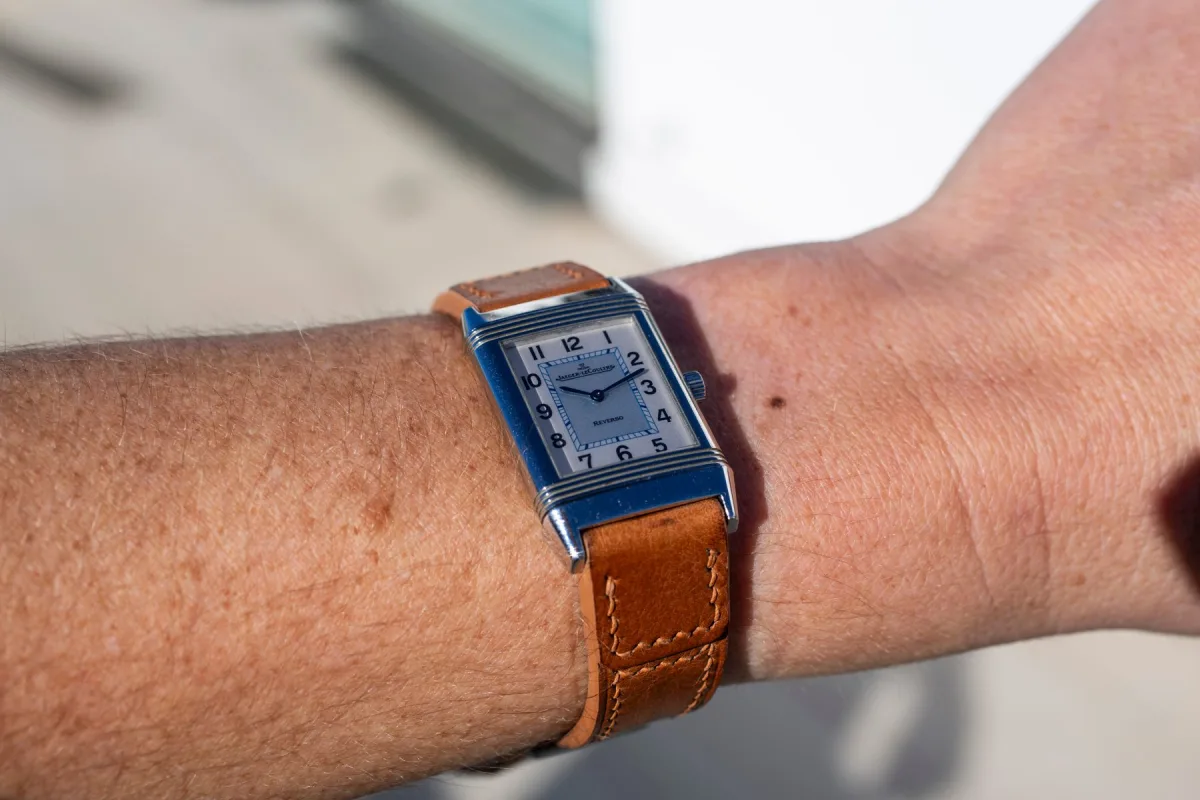
Let's consider one of my favorite models, owned by my friend. The Reverso Classique brings JLC's signature design back to its 1931 roots. The steel rectangular case measures 23 mm by 38 mm, mounted on a sliding carriage. This carriage still rotates with the same pleasant click that once protected the watch glasses of polo players. The mechanism is almost one hundred years old. The reference dates back to the mid-2000s. The dial is monochrome silver, with Arabic numerals and blue steel hands. In person, it looks simply magnificent.
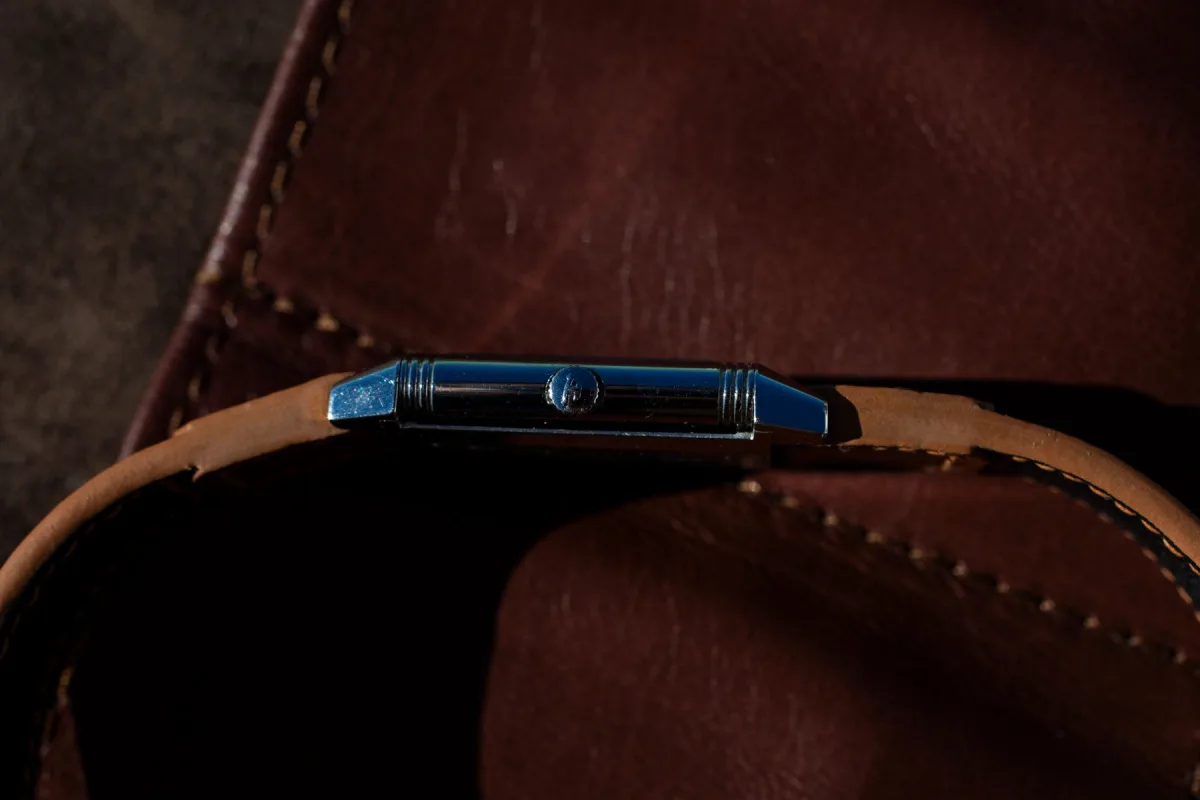
This combination is JLC classic in its purest form. The watch runs on the caliber 846/1 manual winding movement, relatively simple but beautifully executed. The overall impression of the model is a blend of luxury and modesty. This is due to JLC's attention to the smallest details, which is noticeable, as well as the universal size of the watch and the simple, easy-to-read dial layout. At the same time, the spirit of the original Reverso's tool watch is felt.
Why Neo-Vintage Jaeger-LeCoultre is Interesting
The period from the late 1990s to the 2010s is an extraordinarily interesting time for Jaeger-LeCoultre for several reasons. Firstly, it was then that JLC reaffirmed itself as a full-fledged manufacture. The company designed, produced, and finished its own movements, cases, and components mainly at its facility in Le Sentier. Such a level of vertical integration is rare in the industry. Secondly, this period preceded the era when any brand called itself a manufacture. Back then, the term had a specific meaning, and the fashion for "in-house" as a marketing gimmick had not yet peaked. During this period, JLC deservedly bore the title of a true manufacture.
The third reason, which is primarily important for buyers, is reasonable prices. The secondary market has not yet fully realized the value of these watches. Steel sports models from Rolex, Patek Philippe, and Audemars Piguet have seen significant price increases over the last decade. JLC, however, mostly stayed aside from this frenzy. Serious manufacture watches from this period can be purchased at quite affordable prices. These models have hand-finishing and quality movements. They were created by people not thinking about social media and hype. Ah, those were the days!
Master Control Line: "Exhibit A"
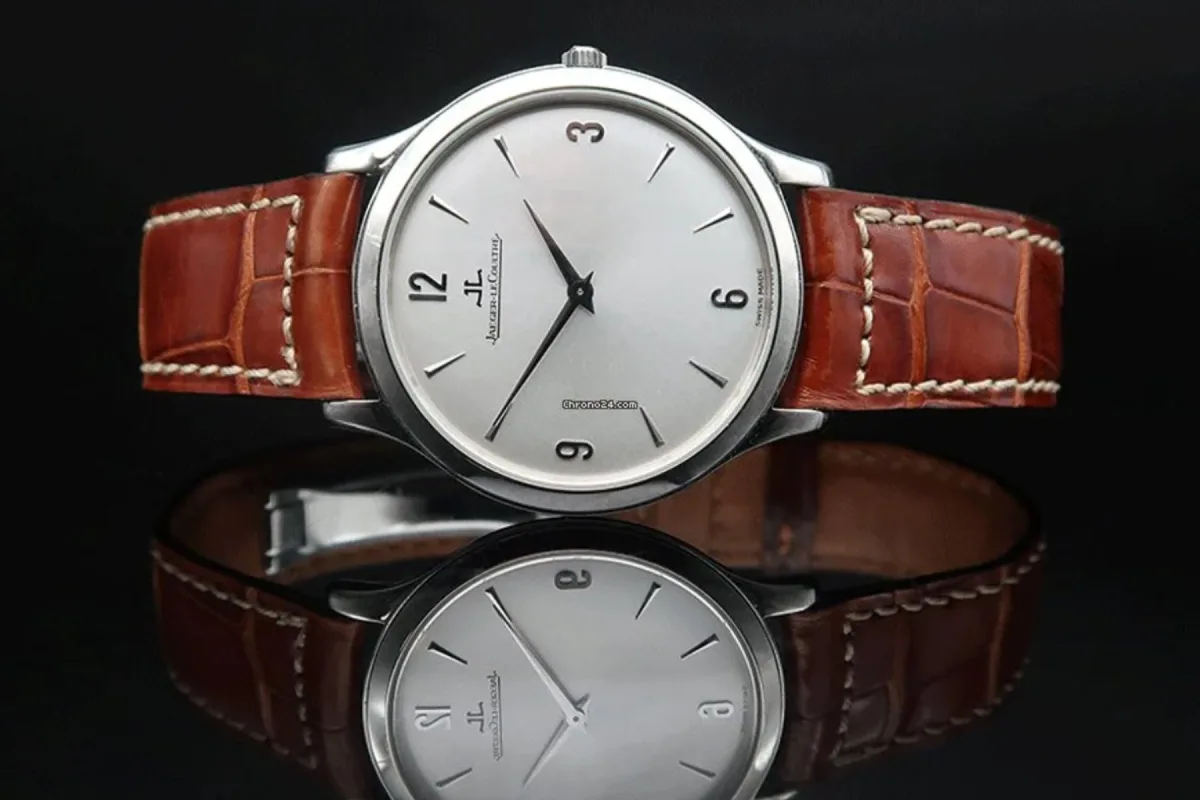
If you want to see the cost gap clearly, take a look at the Jaeger-LeCoultre Master Control collection. This is JLC's answer to the simple question: what should serious, restrained, and reliable automatic everyday watches look like? The answer is clean dials, concise case shapes, and elegance in every detail. The movements underwent JLC's own testing - a thousand-hour control conducted before the watches left the manufacture.
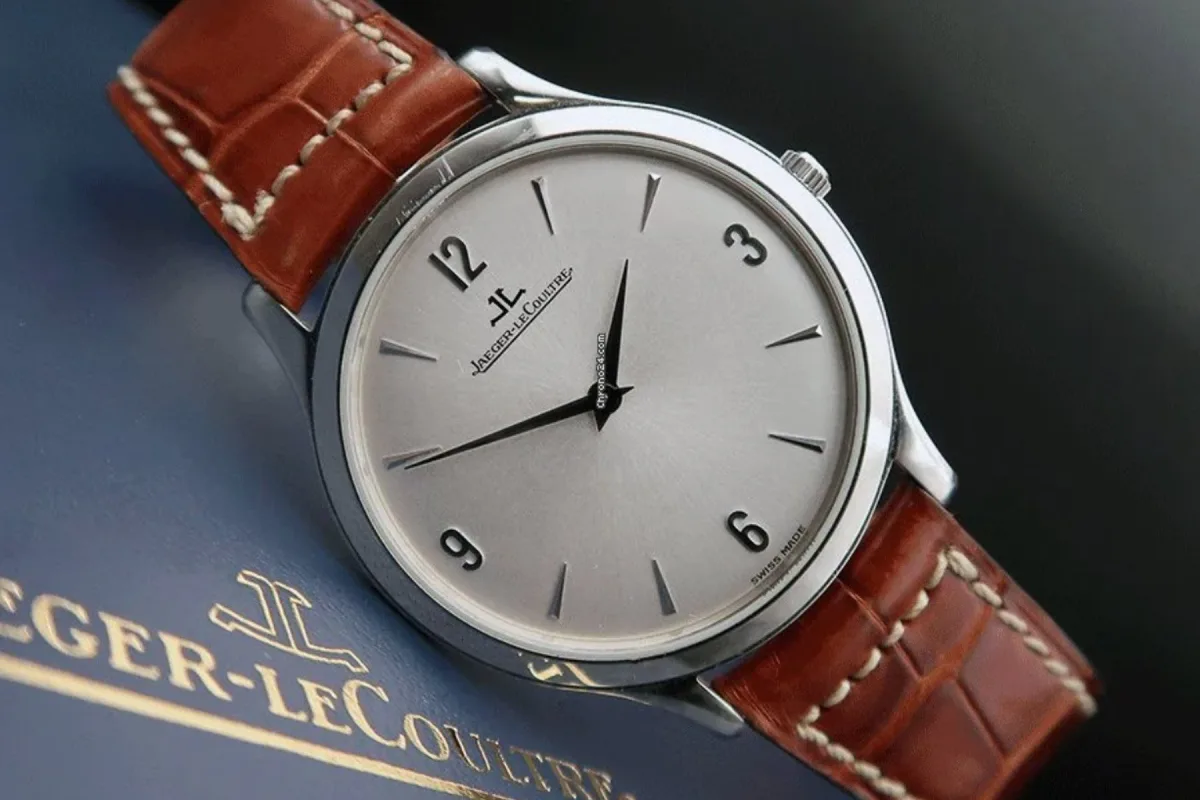
This self-appointed standard far exceeds basic chronometer certification. These watches are created with the same philosophy as the brand's more complicated models but without complications. On the secondary market, well-maintained Master Control models from this period cost only a fraction of the price of similar automatics from other brands. Many of these models exemplify simple elegance, harmonious proportions, and high quality. Personally, I often look at used Master Control with admiration, browsing online offers.
Choosing Formula for a Jaeger-LeCoultre Enthusiast
None of these arguments guarantee preservation or growth in value, and that's not why I am passionate about watches (as many of you are). No one should buy watches, including neo-vintage JLC, solely as an investment tool. The production of Reverso and Master Control during this period also has practical sides. Servicing the manual winding mechanism 846/1 requires a watchmaker well acquainted with JLC's architecture. But when choosing a watch, it's always worth "buying the seller" and focusing on personal preferences, not just potential investment appeal. This is a hobby of the heart, not the mind!
For entering the world of true Swiss manufacture watchmaking, this period of JLC production is hard to surpass. It's not a tribute or a brand indirectly associated with high watch fashion. It's genuine craftsmanship. The Reverso Classique, like my friend's (252.8.86), doesn't shout about itself. The design has remained relevant since 1931 thanks to its classic, elegant, and pure form. Currently, such watches are still affordable - well-maintained examples can be found for less than 5000 euros. I'm sure this situation won't last forever.
Final Thoughts on Neo-Vintage Jaeger-LeCoultre
You might ask: "Why don't you own a JLC yet?" The answer is simple - lifestyle. I often wear watches while swimming, and many JLC models I like do not have suitable water resistance. That's why the Rolex Oyster is so popular - it combines elegance with necessary water protection. So I write this article as an enthusiast who does not yet own new, neo-vintage, or vintage JLC. But that should change because I greatly appreciate the brand's history. Prices for modern JLC models, despite significant brand investments in production and updating product lines, are still beyond my reach.
Fortunately, it's enough to look back a decade or two to find JLCs that are much more affordable yet have excellent design and proportions. Proportions are an important criterion, as, in my opinion, the best Reverso models are those that are smaller in size and closer to the original. And what do you think, friends? Have you considered adding a neo-vintage JLC to your collection? If so, which model would you choose? I eagerly await your comments.