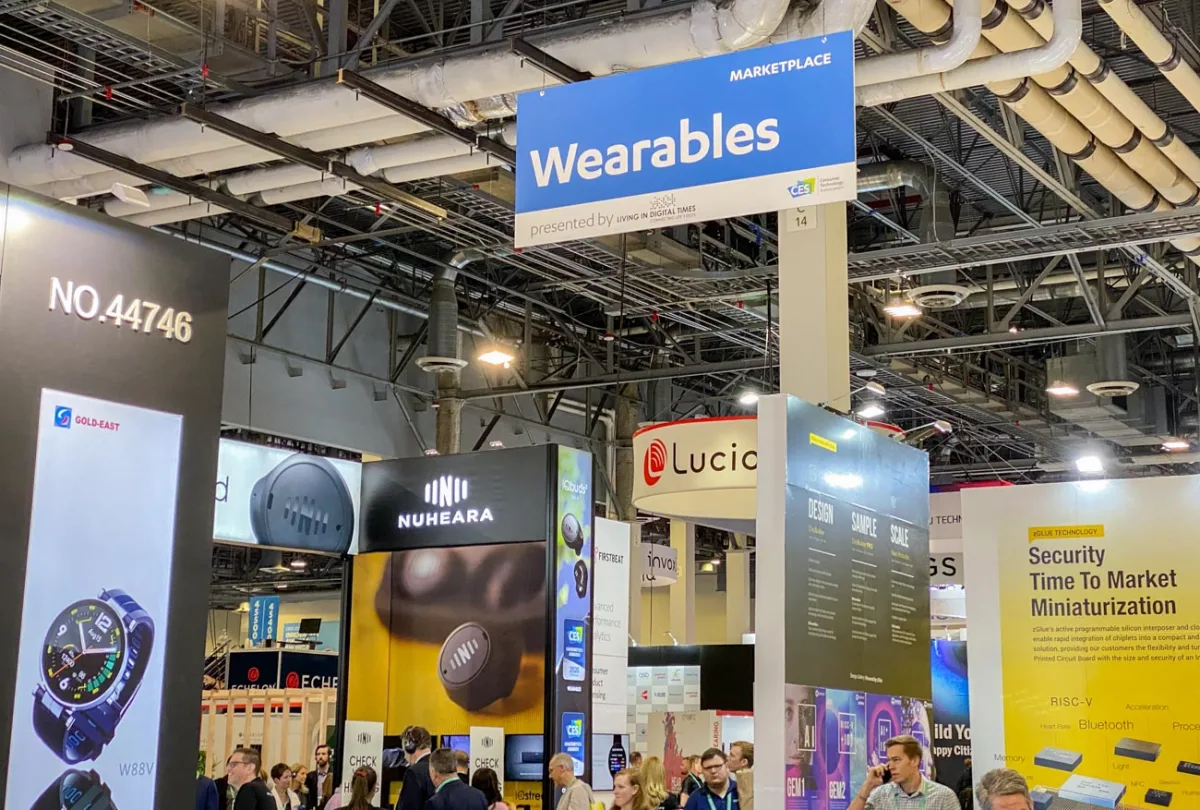
The Consumer Electronics Show (CES) is one of the most important exhibitions dedicated to technological products and media events, if not the most popular event in the tech industry overall. Every January, this large-scale event takes place in many conference centers and halls of Las Vegas. Relatively recently, CES officially included 'wearables' as a separate category of products (which naturally implies smartwatches).
CES tries to present the technologies you wear (mostly on your wrist) in one exhibition area. However, it is clear that not all 'wearable' brands agree that their products belong to the same category. This situation is an apt analogy for the smartwatch mentality at the beginning of 2020. Participants of CES, producing smartwatches, seem scattered in what types of products they consider theirs (and who should wear them). Even though smartwatches as a technological product are undoubtedly evolving positively (mostly gradually, with small spurts here and there), the companies that produce them seem to have equally ambiguous promises about why consumers might want to purchase them.
Speaking with brands, I noticed several hints at the reasons. First and foremost, tech brands today are fiercely trying to follow consumer trends and preferences. Instead of introducing products that will work in various usage scenarios, smartwatches are a good example of how companies try to match the product to a lifestyle. Although the hardware and software part of smartwatches are mostly similar, 2020 products seem to be targeted at niche consumer groups - examples of such groups are consumers who primarily want smartwatches for health tracking or those who want smartwatches for fitness training.
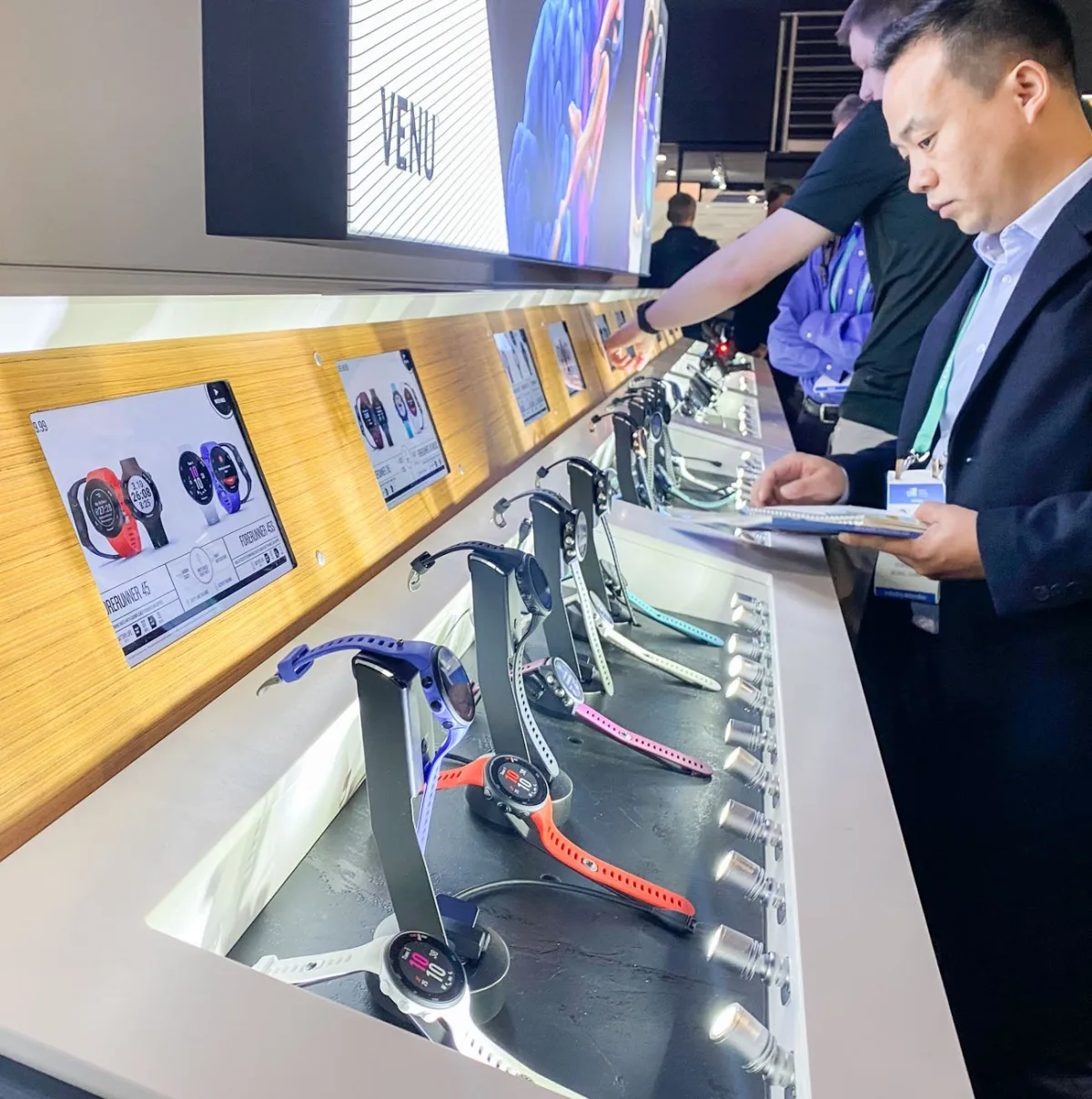
Others want to buy smartwatches for sports, hiking, or other relatively niche (but easily conceivable product) purposes. The irony, of course, is that given the variety of things most smartwatches can do, such segmentation of categories might seem somewhat arbitrary if you see them all in one place. An example is Garmin, which, being a serious competitor in the wearable device sphere, probably showcased more smartwatches at CES 2020 than any other company.
If you saw all Garmin smartwatches in one room, any consumer would be predictably intimidated. In the real world, according to Garmin, this is unlikely. The reason for such a wide selection of smartwatches seems to be an attempt to offer a specialized product to different types of retail stores worldwide, as well as to different types of consumers who frequently visit these stores. Thus, in the case of Garmin, the variety of smartwatch products is associated with the company's attempt to satisfy diverse retail and distribution channels.
When it comes to fitting smartwatches into a specific category, it certainly doesn't help that CES is just one of many places where smartwatches can be launched. Despite the name 'consumer' electronics show, many products presented at CES are hardly ready for purchase by the public, and there are many other events where consumer electronics debut. The Apple Watch occupies the largest market share of smartwatches - they are presented at special Apple Keynote events. Samsung often follows this example, preferring to present major products at its own sessions.
Although Google is present at CES in various forms, it does not have a dedicated space to showcase the latest capabilities of its Wear OS operating system (recently renamed from Android Wear OS). Instead, Google seems to prefer collaborating with third-party product developers to showcase its newest software. Google takes a low-risk position when it comes to smartwatch hardware - a lesson it learned with mobile phones, as its focus is primarily on software used by third-party developers.
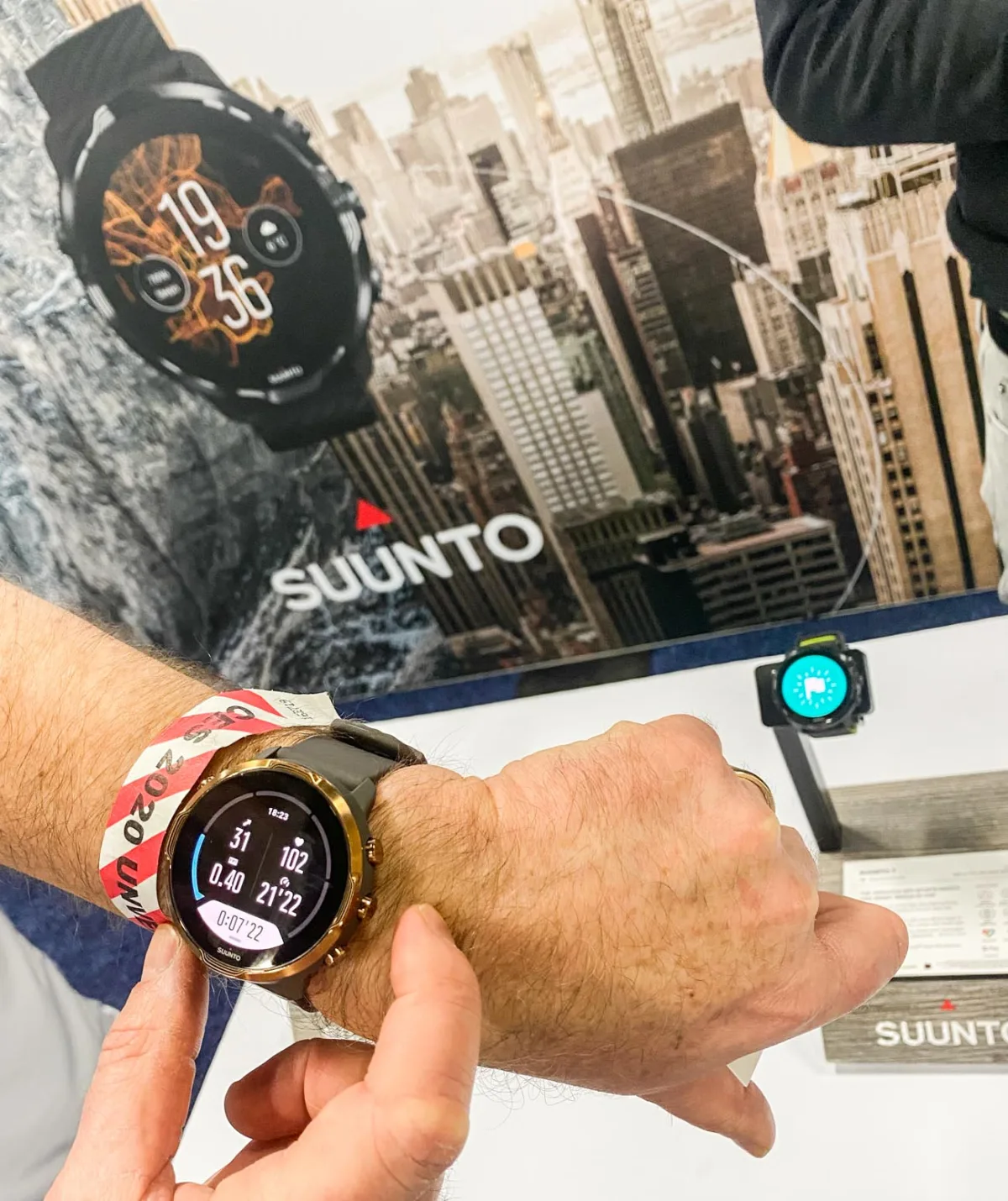
Two companies at CES 2020, whose smartwatches are equipped with Wear OS, included the Moto360 brand and the Finnish company Suunto. The latter company only recently began using Wear OS in its Suunto 9 smartwatches, and at CES 2020, it introduced the model 7, which is a more affordable sports smartwatch based on Wear OS with a very beautiful user interface.

The French company Withings was fully represented at CES 2020, and probably had the most traditionally elegant smartwatches at the exhibition. Its latest collection called Scan has mostly an analog dial with a round window containing a bright OLED screen. If anything, female buyers seem to have been the focus of many new wearable devices, as evidenced by more compact cases, softer streamlined shapes, and color solutions matching modern clothing and makeup.
Women have proven to be a powerful consumer base for activity and fitness tracking smartwatches. Products like Fitbit (also presented at CES) are popular among women, as are the Apple Watch. It's not that men don't wear smartwatches, but evidently, marketers find it harder to determine what male smartwatch consumers want - that is, besides such common wishes as increased battery life and screen brightness.
In most cases, such improvements are simply unavailable given current technological constraints. Women buying smartwatches simply have more recognized reasons for using them, and thus this part of the market seems overloaded with product options. Consumers are still undecided on the best-in-class product, just as the brands themselves don't understand what can make smartwatches the best in-class in the minds of many consumers.
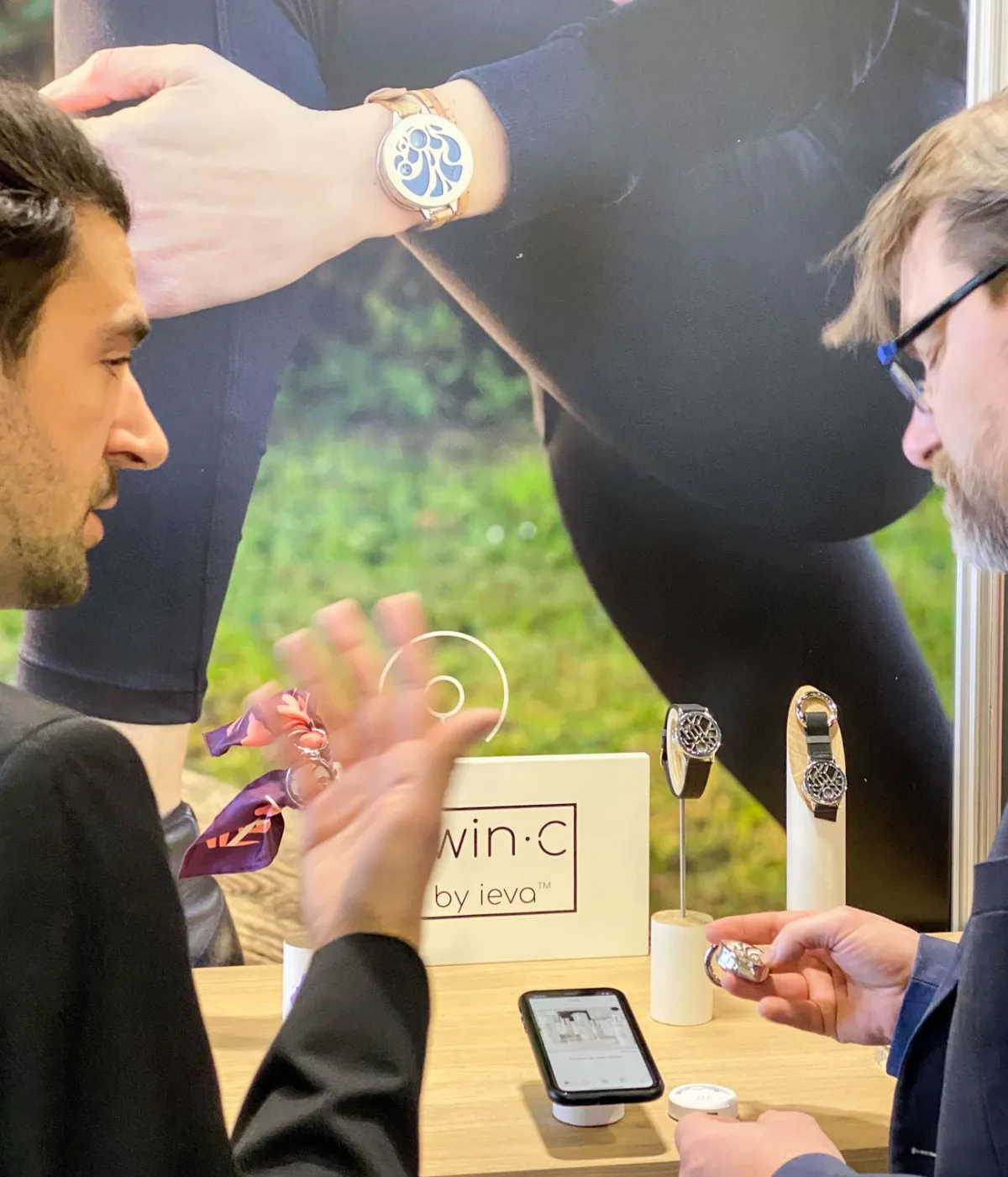
Speaking of technological constraints, what innovations were presented in smartwatches at CES 2020? I did not see any significant leaps in performance, screen technology, or miniaturization. Each year these aspects of smartwatches get better and better, but no one uses them as advantages. In fact, the main selling points at CES 2020 for many smartwatch manufacturers were: 'We do this as well as X, but at a lower price' and 'This health tracking feature or sensor that wasn't available in smartwatches before is now available in our smartwatches.'
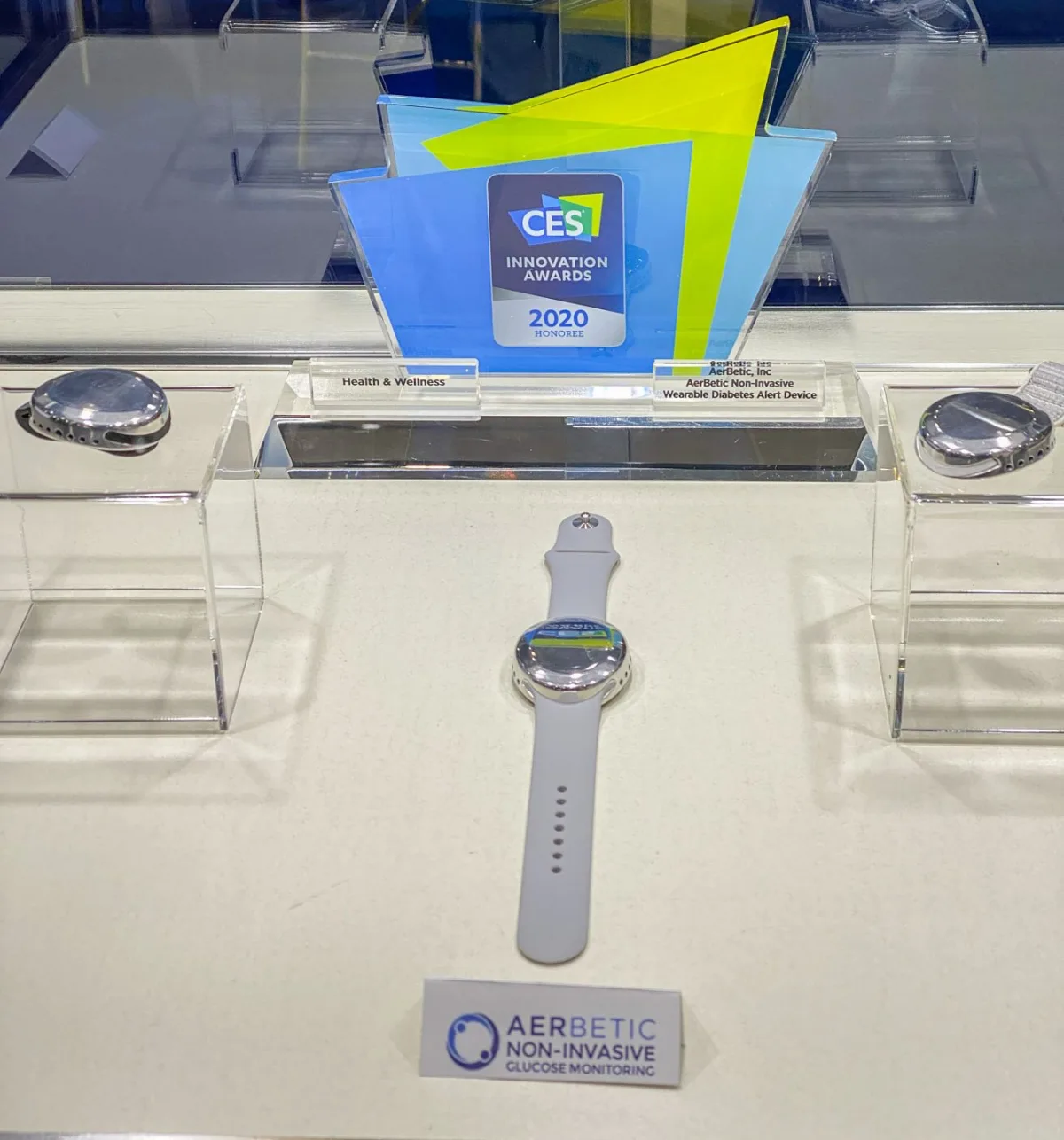
Most of the latest news relates to the healthcare field, where watches can now (apparently) non-invasively track blood sugar levels for diabetics, (apparently) determine if you've eaten too many calories today, (apparently) treat motion sickness, (apparently) determine hydration levels and body fat content, and (apparently) inform your concerned loved ones if you, as an aging person, have eaten enough today or walked enough outside.
To become increasingly useful as monitors and alert devices, smartwatches have to invade our private lives much more. This is happening at the most inopportune time, when legal scrutiny over user data and privacy is the biggest issue facing the American tech industry.
Despite numerous Asian smartwatch manufacturers not bound by the same fears, they could be more willing to create features based on the constant collection of personal data, these companies seem more focused on copying what Apple, Garmin, and other leading smartwatch manufacturers are doing.
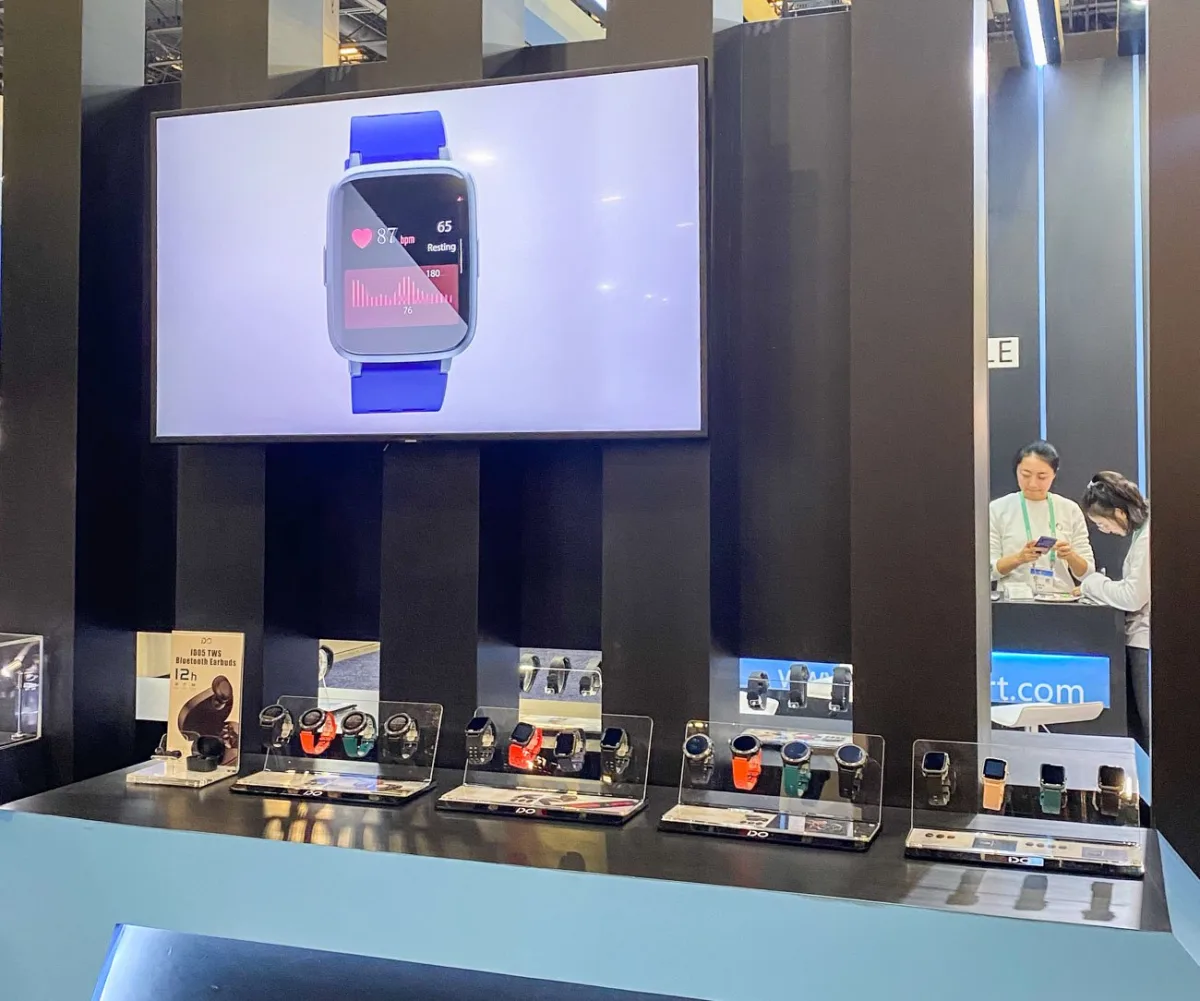
All smartwatch brands presented at CES (names I hadn't known before) seem to have two product lines: copies of the Apple Watch and copies of the Garmin Fenix (or other similar sports watches in a round case with buttons). The only innovation at first glance was cost-cutting and emulation.
It's a shame because I believe that more enterprising small smartwatch manufacturers can create important technology, stimulating them to gain popularity among consumers and become attractive acquisition targets for large brands seeking to acquire as much of their own technology and tools for their smartwatches as possible.
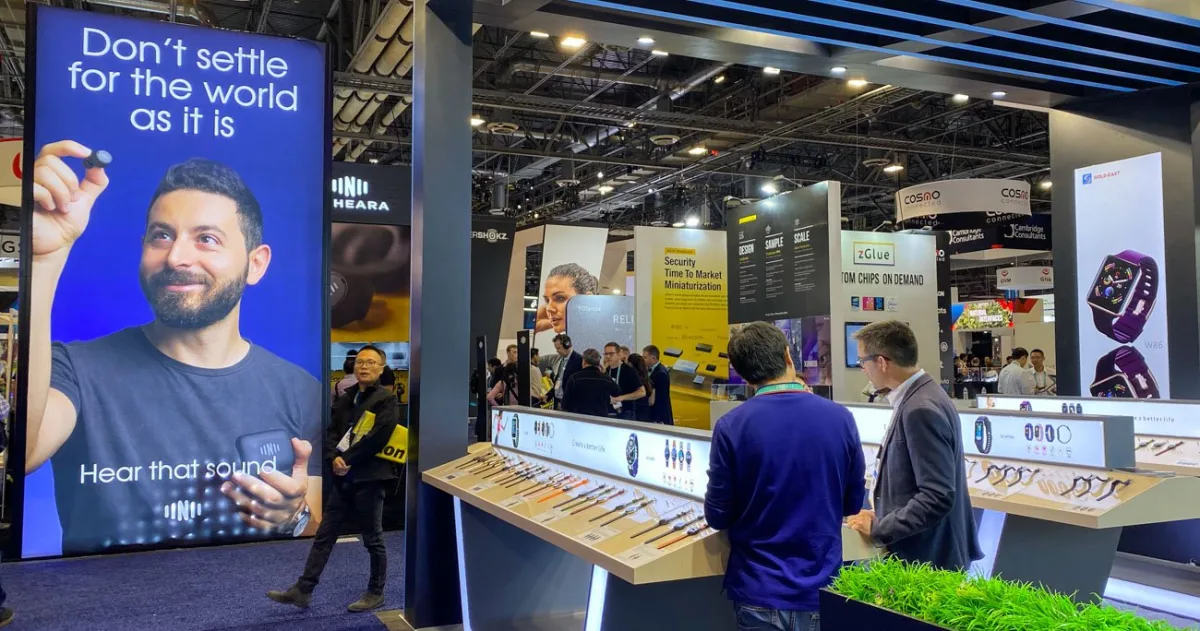
At the beginning of this article, I noted that despite CES having a 'Wearables' section, smartwatch manufacturers seem to be present throughout the exhibition. I believe this is partly because 'wearing' smartwatches is not quite their usage, but rather their form. It's the same as optical devices, pendants, 'smart' clothing, and other items that fall into the wearable category. Some smartwatches are intended for fitness, and thus such a brand might feel more comfortable in the fitness part of CES.
Another brand might see itself as an everyday essential part of a well-equipped home IoT (Internet of Things), and thus its smartwatches (despite having fitness features) will be placed in the 'home' part of CES. In other areas of CES, such as telecommunications, medicine, or simply on large brand displays, there is an abundance of smartwatches.

What CES does not lack is smartwatches. But what it does lack is a collective agreement on what consumers absolutely rely on smartwatches for (despite most CES participants probably wearing smartwatches). Smartwatches, without a doubt, are here to stay, and the tech industry and consumers are decisively fascinated by them. In my lifetime, I've never seen such encouragement of an emerging tech product category from the masses.
It's as if the sci-fi portrayal of an incredibly useful communication and sensor smartwatch device has become so ingrained in the collective consciousness that consumers are pushing brands to develop them, even if the technology needed to achieve sci-fi satisfying functionality hasn't been created yet.
A few years ago, the promise of smartwatches was tied to a wearable notification device. Then it was about activity tracking features. Then smartwatches were used as medical sensors and health tracking devices.
Today, smartwatches are finally trying to incorporate more interesting environmental state determination features, as well as connectivity protocols for communication with other devices. The logical next step will be turning smartwatches into a universal digital personal assistant (which will know you better than any assistant without connection or flesh and blood).

Where tech companies still fail is in design, but that's nothing new for an industry led by engineers. Often in the luxury watch sector, the opposite is true, where much effort is devoted to aesthetic design at the expense of practically everything else (including practicality).
While there are a few smartwatches on the market with 'Swiss design' (and most of them are quite cool), the main smartwatch industry will eventually start to benefit from beauty becoming one of the main selling points. However, I'm not too worried about it, as I want to have compelling reasons to wear my traditional 'simple' watches during 'off-duty time'.
Regarding design, overall smartwatches are undoubtedly becoming smaller, more comfortable to wear, and more expressive (unless they are trying to copy competitors), though most still have a long way to go before traditional wristwatch aesthetic adherents call them 'beautiful'. Engineers don't have a great track record for designing beautiful things, just as they don't for designing things that work.
Most smartwatch manufacturers seem to still lack graphic designers, creative directors, and artists who could be responsible for more interesting cases, straps, and, most importantly, dial graphics. This is not to say there isn't work being done in this department, but it will take several years before smartwatch R&D budgets shift from purely engineering concerns to more cosmetic or fashion considerations.
Before smartwatch manufacturers begin investing in new features based on data access that is unclear in the future, they will need to sort out privacy and data sharing policies. It's not just about third-party data access, but also the limitations companies impose on collecting data directly from their users.
Unfortunately, there is still so much unknown at a time when access to more data and a more liberal consumer attitude towards it would help accelerate the acculturation of smartwatches as a fresh tool for solving many of our current tasks related to time management, health, fitness, diet, social life, entertainment, and mental health.
In 2020, smartwatches are becoming better, cheaper, and more beautiful. However, in the Far East, there appears to be the usual race to the bottom in terms of pricing, even before industry leaders or established consumer applications have been determined. Such a situation practically guarantees that many of today's small and less diversified smartwatch manufacturers will struggle for success over the next 5-10 years.
During this time, only brands like Apple, Garmin, Samsung, Google, and a few others with more stable income sources will be able to consistently invest in smartwatch R&D as the market evolves and develops, develops and evolves.
I noted this fact a few years ago when I realized that the costs currently needed for serious innovation development in the smartwatch sector are still far from clear profit opportunities. The largest tech companies will have to risk losing money on smartwatches if this category is to evolve as quickly as consumers demand.
The good news is that smartwatches will be replaced by consumers very often, provided that the upgrade path leaves their data and personalization experience intact when transitioning from product to product. If anything, consumers who are hooked on smartwatches will buy many, because it's fashionable to have several appearance options, as well as because the physical wear of wristwatches is often high.
At CES 2020, I wore traditional wristwatches on one wrist and an Apple Watch Series 5 on the other throughout the exhibition. Few smartwatch manufacturers seemed to comment or take notice of my 'double-wearing', which told me a lot about what they think about watches and that they still don't see them as items of beauty. I hope this changes.
What other serious challenges will the smartwatch industry face in 2020 and beyond? In short, bottlenecks. By that, I mean innovation or even manufacturing bottlenecks. You see, smartwatches as a product truly depend on several competencies to become a great tool. These competencies include materials science, processors and power consumption, miniature hardware manufacturing, case, dial, and strap design - case manufacturing, dial, and design - and a whole range of software development skills.
Few, if any, companies can do it all, so what happens is that companies capable of innovating in one area often have to carry companies in other necessary areas to keep up or offer some part of the puzzle that doesn't yet exist. The most striking example is the limitation of battery capacity and recharge speed.
The Consumer Electronics Show did not present me with new smartwatches that I would immediately want to give up my Apple Watch for, but CES 2020 did release at least a few new interesting wearable smartwatches that I look forward to reviewing throughout the year, as well as devices I can recommend to many people for whom the Apple Watch might not be suitable. See you next time, CES.