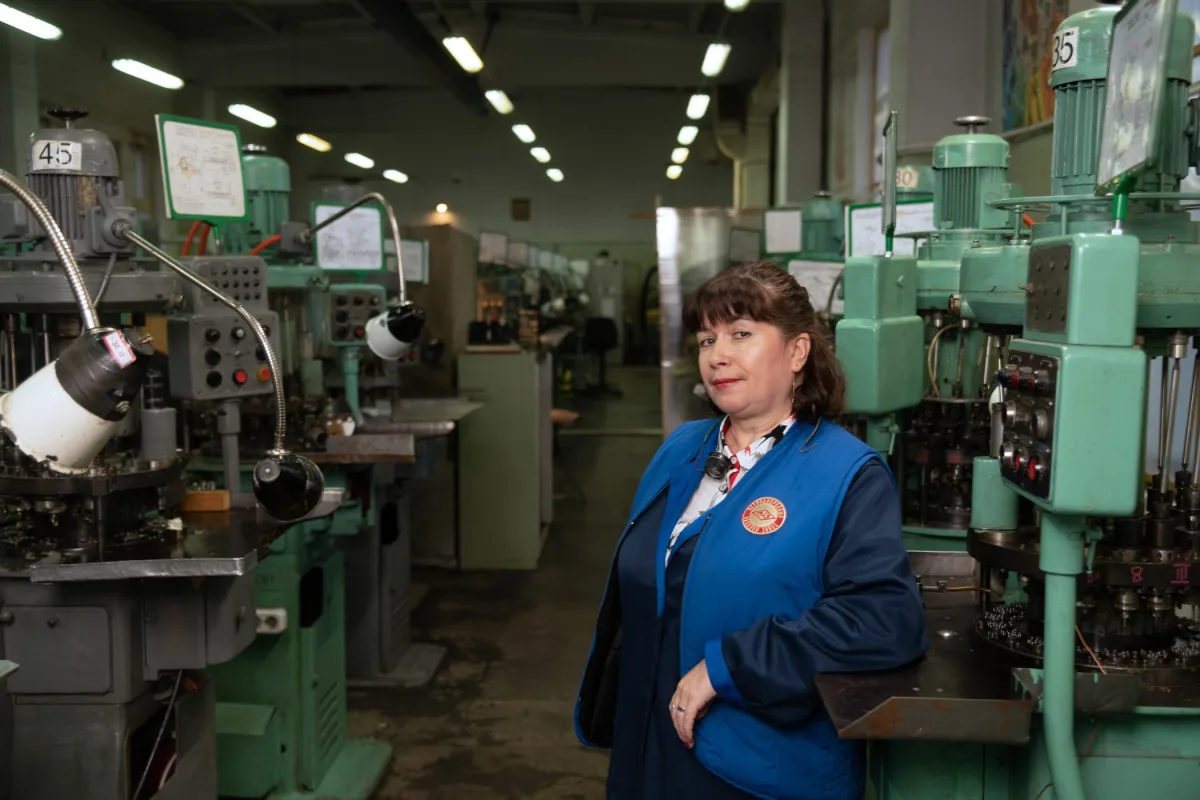
Anyone visiting the Raketa watch factory in St. Petersburg will be surprised by the appearance of the machines in the main production hall. They seem to belong to another era. Nowadays, most watch factories use modern equipment with computerized numerical control, but most of Raketa's machines still date back to Soviet times. As I have noted during my visit to the factory, they appear distinctly old-fashioned and out of place in the 21st century! And if the fact that the Raketa factory has its own horror story surprises you, there is something else equally surprising related to toothbrushes... Why? Read on!
Olga, the production manager at Raketa, explains: “Our machines are quite simple to use, but they allow us to achieve very high precision. They are easy to maintain, as they do not have complex hydraulic systems, electronic circuits, or computer software. With proper maintenance, they will work for another 100 years.”
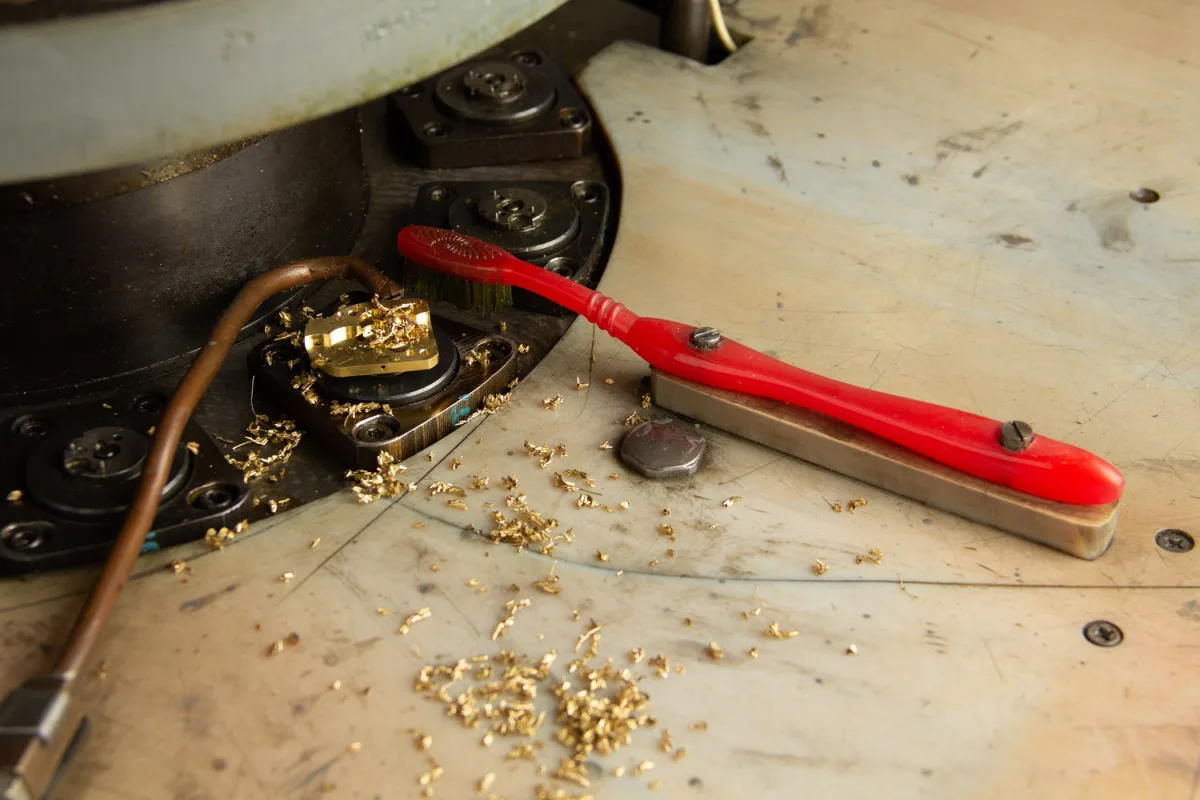
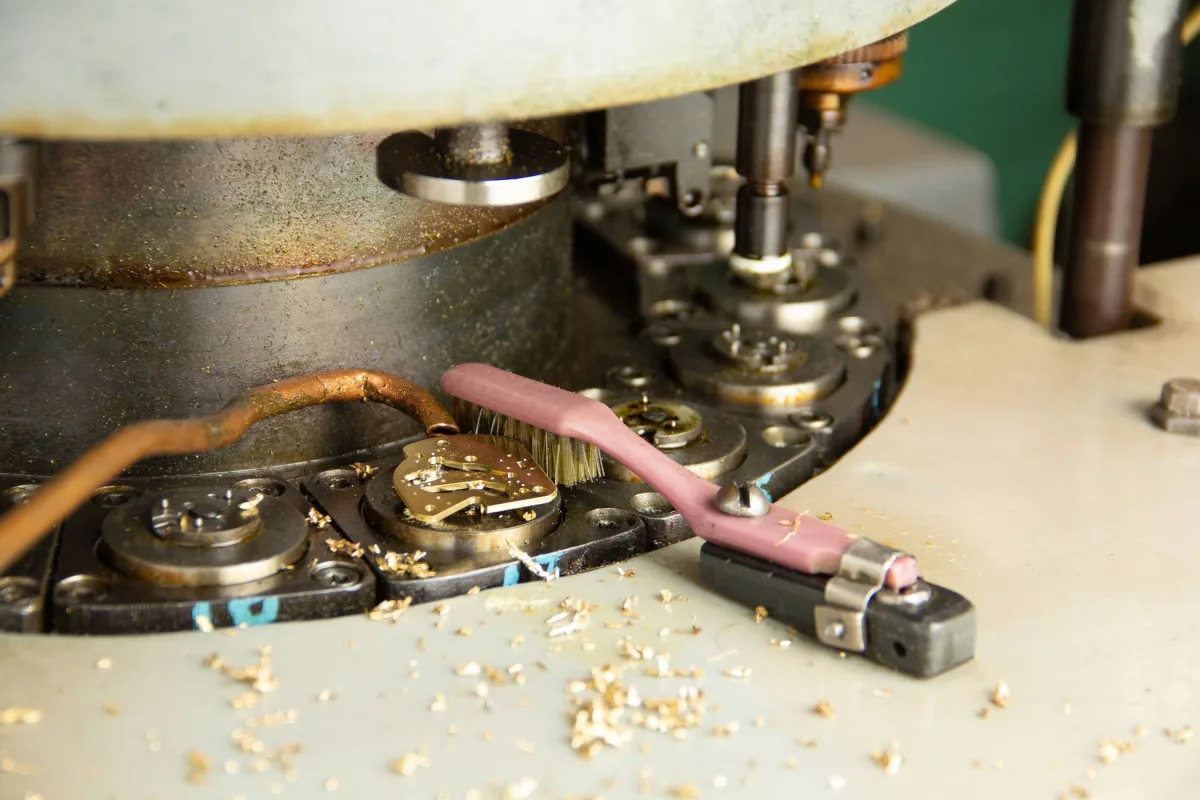
But what surprised me even more during my visit to the Raketa factory last year was that in many of these machines toothbrushes are screwed into the frame, making them an integral part of the machine.
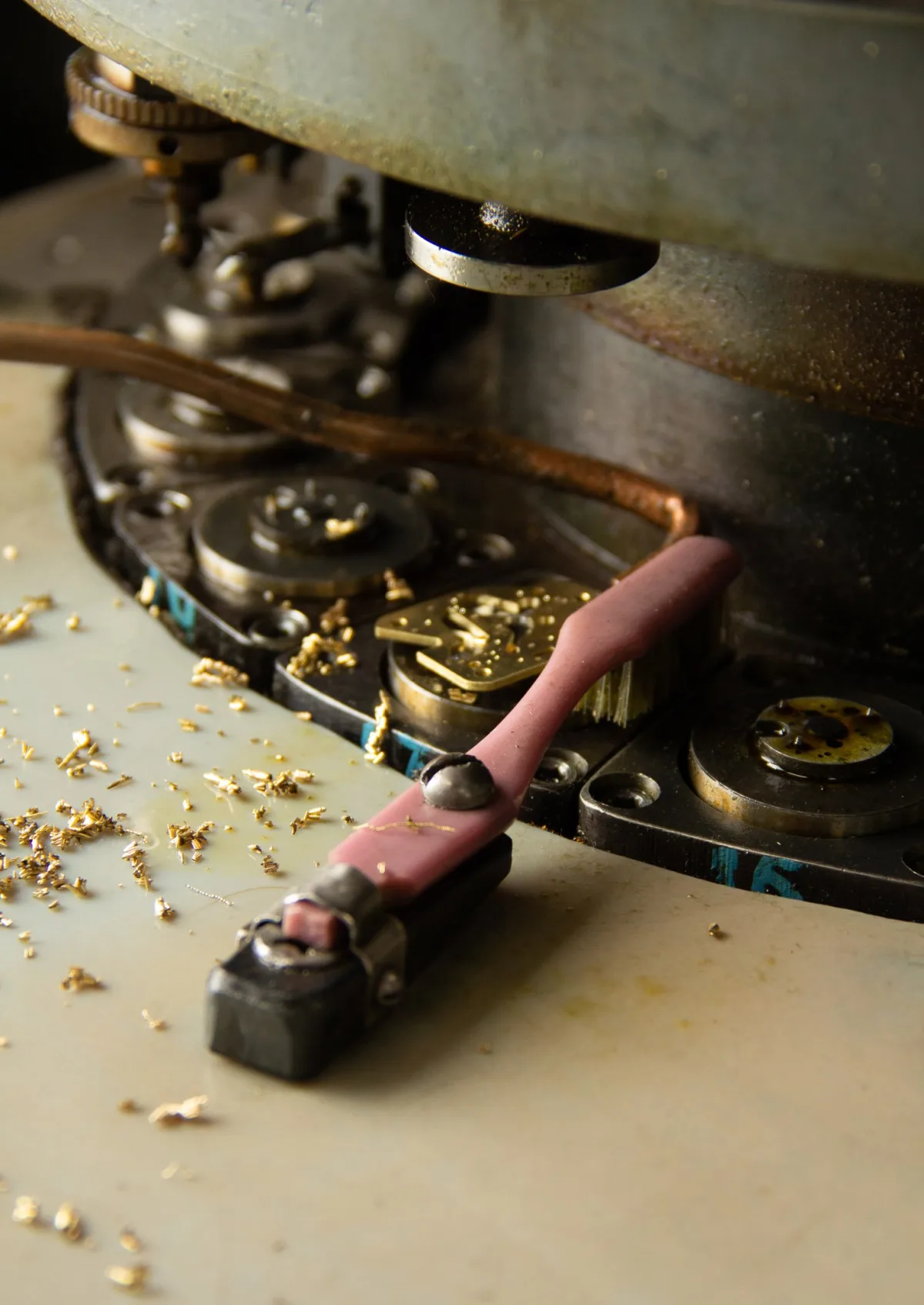
In other cases, these toothbrushes are used manually by Raketa's watchmakers or workers. A few steps away from laboratory-like Omega rooms...
What is the purpose of these toothbrushes? The largest components of a mechanical movement are plates, bridges, and rotors. Manufacturing these components involves turning a flat piece of brass into an extremely precise and complex part. For this, the metal is cut with high-speed rotating cutters. Milling produces chips, and the role of the toothbrush is to clean the workpiece (and the holder on which the workpiece is fixed) and remove the chips. This is an exceptionally important step: any dirt left on these surfaces can affect the precision of subsequent milling operations, and later, the accuracy of the watch itself.
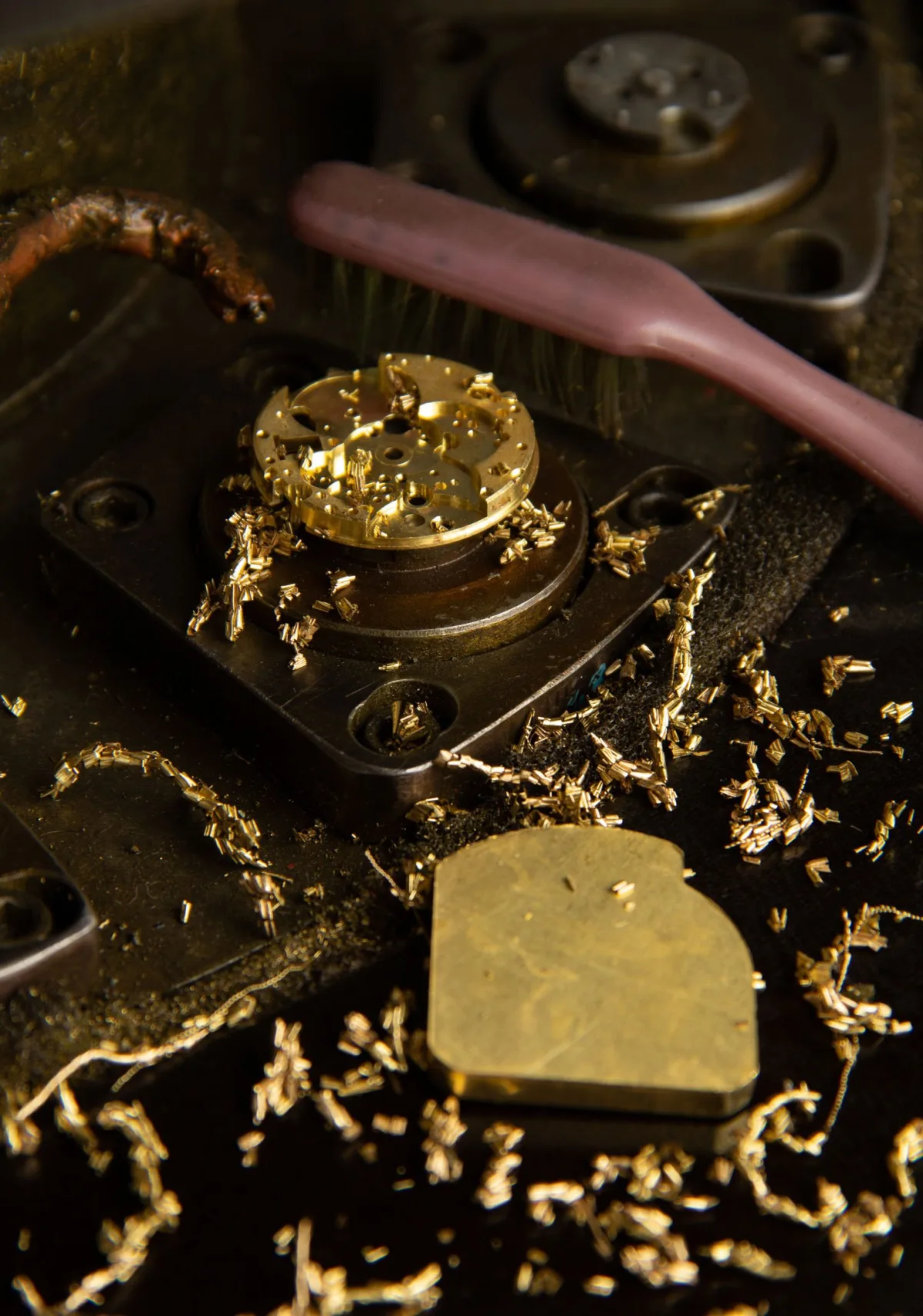
As Olga explained: “I've never been to Swiss watch factories, but their modern milling machines must perform an equivalent function – except that it must be done with some more sophisticated technology. We just use a toothbrush!” Pragmatism and ingenuity at their finest!
Natalia, the supply manager at Raketa, went further: “Toothbrushes are definitely one of the most important consumables in our factory: I buy them by the box!”
This use of toothbrushes says a lot about the Russian mentality. Russians are well known for their simple and robust designs. Why make something complicated when you can make it simple? It reminds me of the story of how NASA spent over a million dollars developing a pen that could work in space without gravity – instead, the Russians relied on a pencil!
This Russian mentality is reflected not only in the machines and production process of Raketa but also in the Raketa mechanical movement. This mechanism has a simple, reliable engineering design that dates back to the brand's creation in 1961 and has undergone few changes since. Just like the Russian Soyuz launch vehicle, also developed in the 1960s, which due to its simplicity has become the most used space rocket in the world to this day.
As Lyudmila, the chief engineer at Raketa, explained: “Many ask if we will ever develop a tourbillon for the Raketa mechanical movement. The answer is a resounding: 'No!'. Not because it is too difficult for us, but simply because it does not fit the Russian mentality at all: tourbillons are incredibly beautiful complications, but they are very fragile and do not serve any useful function in wristwatches. We prefer to make simple, useful things like the 24-hour Raketa movement, which allows submariners to distinguish day from night in the depths of the oceans, and astronauts in space.”
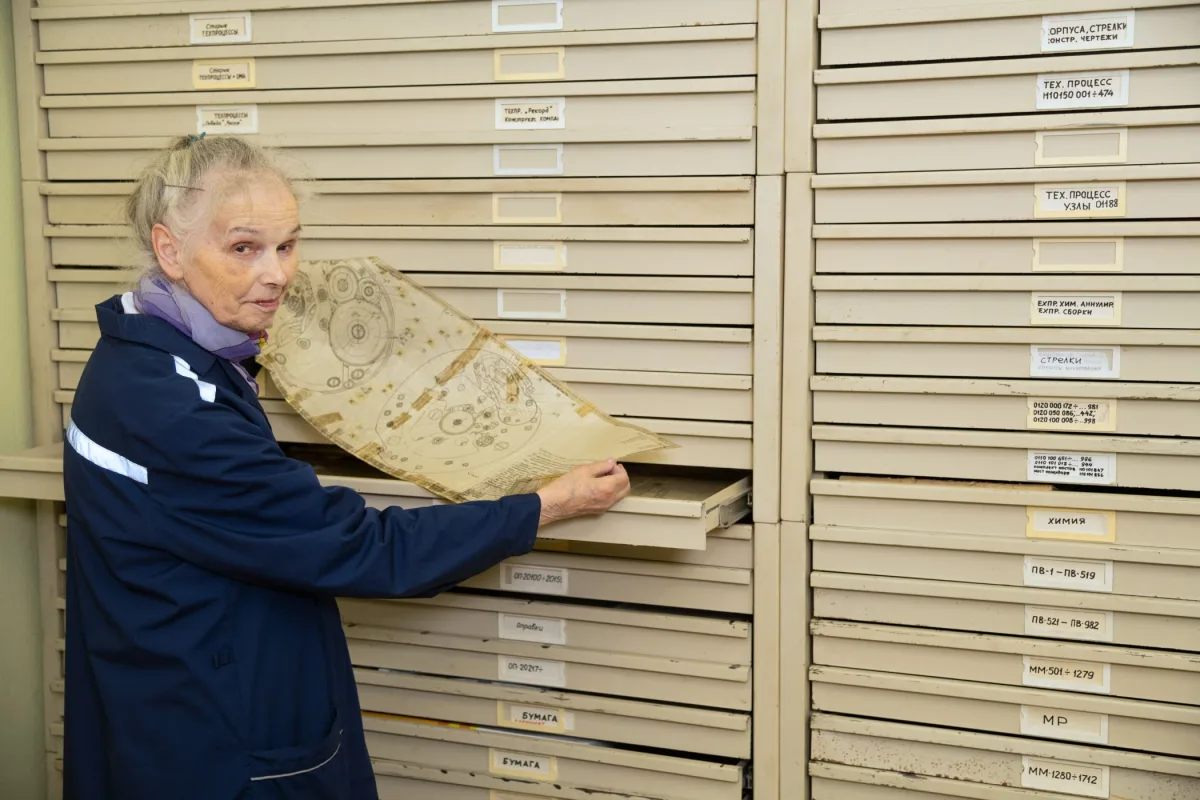
Lyudmila also told me why Raketa does not want to change this old way of working: “First, why change something that works? Second, many European watch specialists and journalists visiting our factory recommend not changing this way of working because it carries a very strong human touch: they tell me that we work the way the Swiss did 50 years ago!”. And I am definitely one of those journalists!
It's nice to see each machine manually adjusted and operated by a man or woman who imparts a bit of their soul into each component they produce. This is what watchmaking is about: human emotions! At the Raketa watch factory, you will certainly find them in abundance.
“I've been working at the Raketa factory since 1984. I've seen with my own eyes how our factory survived the difficult years of the restructuring and the 1990s when the fallen communism was replaced by brutal capitalism,” explains Yuri, brushing away chips from the milling of Raketa automatic mechanism rotors. “Our way of working, proven over the last 60 years, is simple and effective. This simplicity allowed us to continue working in these very difficult times. I wouldn't trade my toothbrush for anything else!”
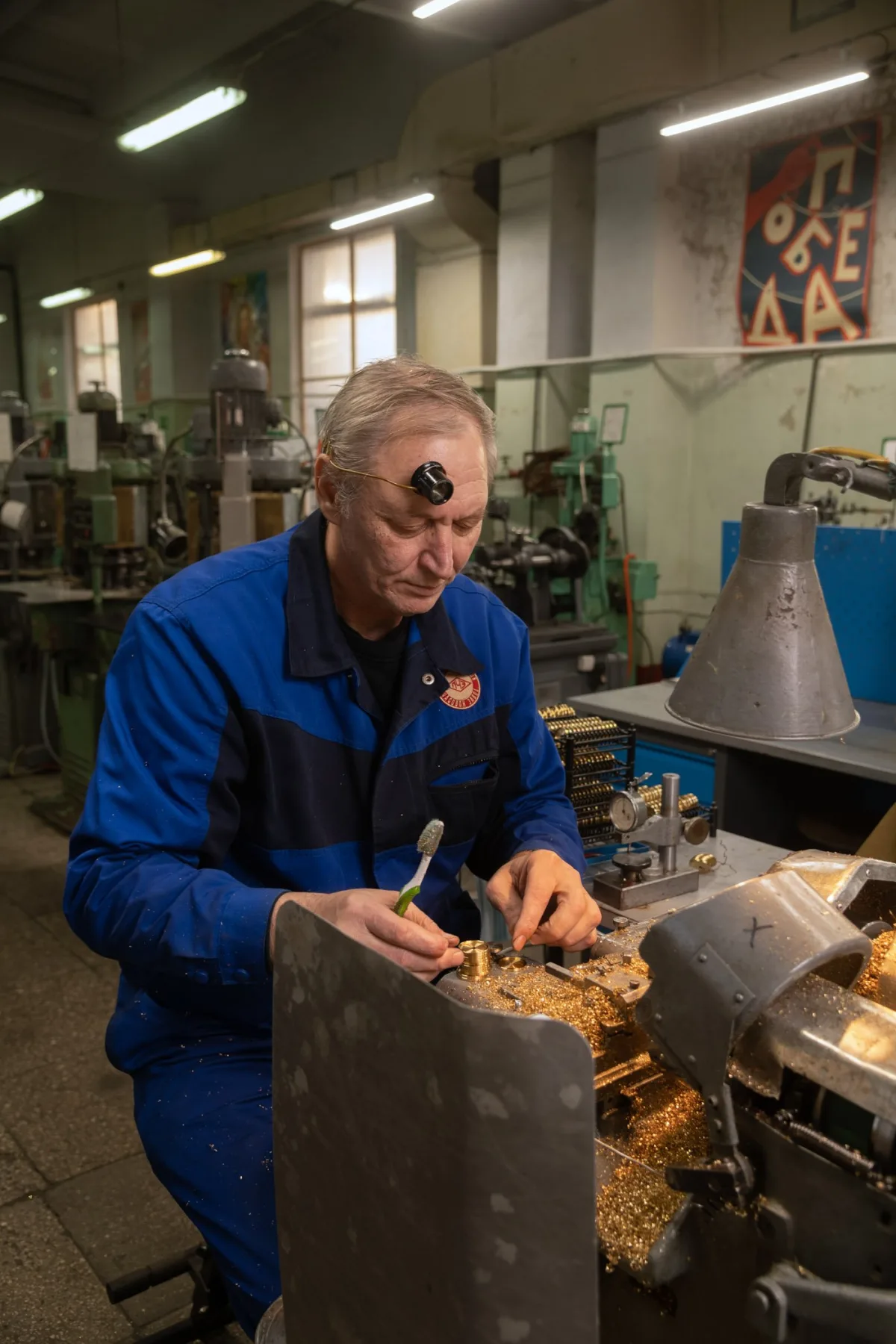
Well, Yuri, don't change it! It's anecdotes and fun facts like these that give such authenticity and humanity to the watches produced by Raketa.
More detailed information about the brand can be found at www.raketa.com.