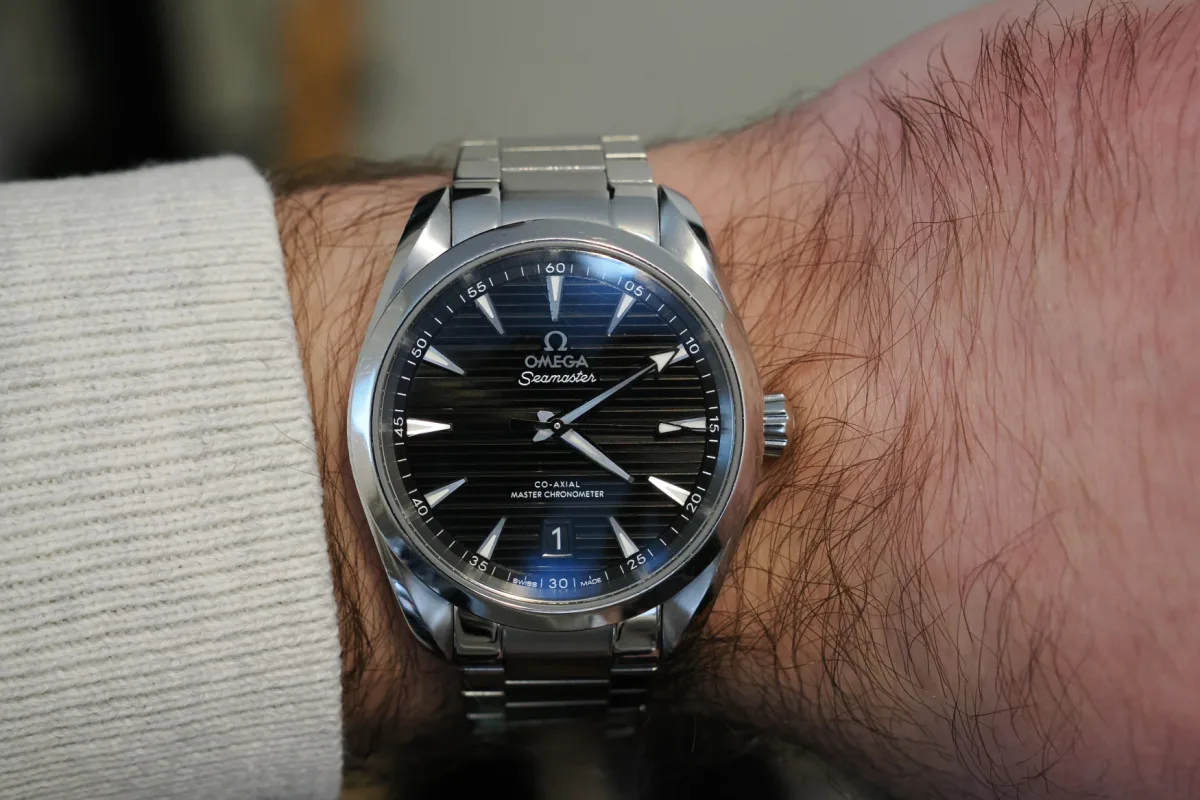
Watch collecting gradually infiltrates my overall consumption, both for better and worse.
Receiving your first quality watch is often a crucial experience. They are usually purchased to mark an event, even if it's just a symbol of the ability to acquire a good watch. When choosing a model, the key factors were likely brand, design, size, and wearing comfort. However, as you delve deeper into the world of watch collecting, accumulating and handling them inevitably leads to forming clear preferences in tactile sensations.
The Importance of Tactile Sensations in Choosing Watches
Choosing a watch depends not only on how it feels in hand and on the wrist but also on details like bezel clicks, satisfying button presses, precise bracelet micro-adjustments, screw-down crowns, and reliable clasps. Many of us have rejected a favored model due to unsatisfactory diver's bezel rotation or inconvenient clasp micro-adjustment. As tastes develop, these aspects play a decisive role in the decision to include a watch in a collection.
The Influence of Watch Collecting on Other Purchases
A diver's chronograph with a quick-change strap is true ASMR for watch enthusiasts.
Recently, I noticed that my decisions when choosing watches also influence other purchases. While I am not looking for sneakers with a chronograph button, the process of selecting a watch usually involves determining necessary functions, assessing their practicality in life, and feeling the interaction with them. This approach can easily extend to other product categories.
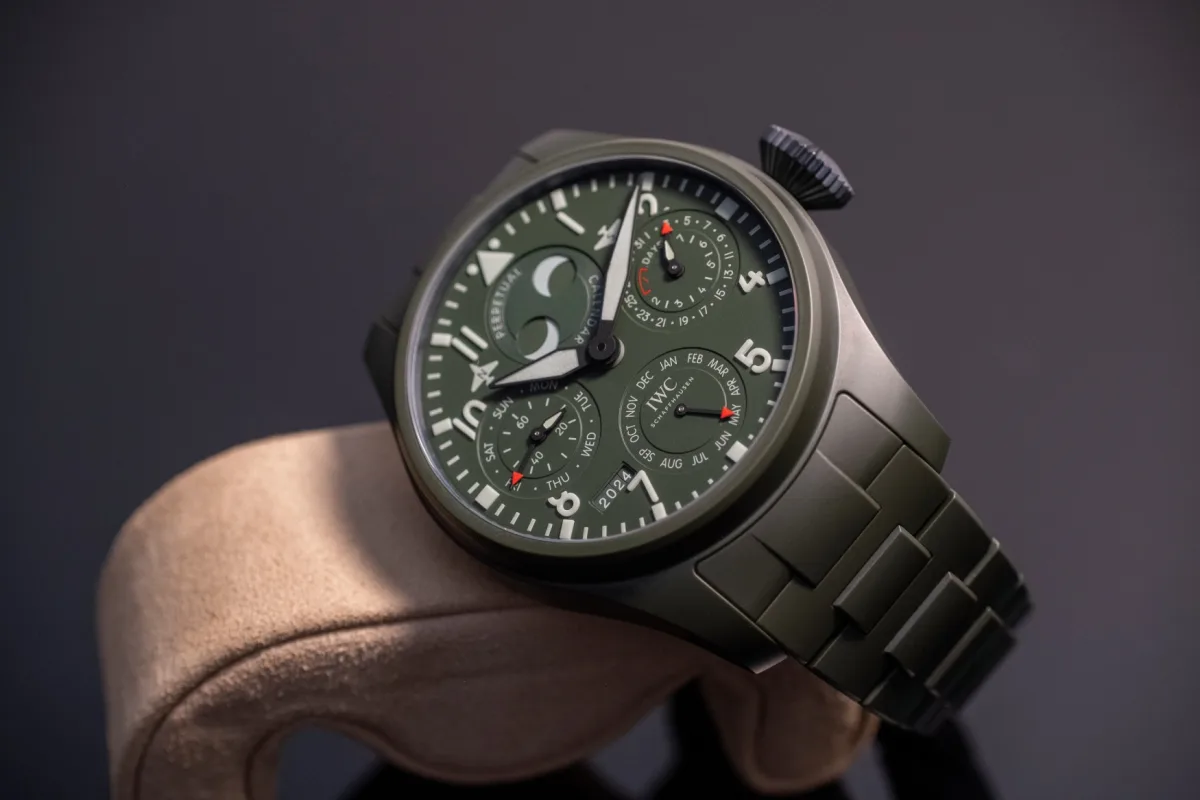
For example, the IWC Big Pilot is a model I love to see, but I will likely never acquire it as it physically doesn't suit me in size.
When choosing watches, many of us first decide on the style (after budget). This could be diver's watches, chronographs, or classic watches. Then we narrow it down by form factor and technical specifications: do we need a compact or large case, 100 meters of water resistance, a date feature, automatic or quartz movement. After eliminating unsuitable options, we can proceed to the final choice.
Challenges of Choice: An Example with Buying a Camera

Recently I bought my first good camera and noticed that the process of choosing a camera is very similar to choosing watches, especially for beginners. I had no idea how much was reasonable to spend, but I knew I wanted a compact, reliable camera with the ability to shoot video and macro photography for work.
While a universal "point-and-shoot" could fit, I learned about cameras with weather sealing and external microphone connectivity - this immediately ruled out most models. The desire for compactness narrowed the choice to mirrorless cameras, and the limited selection of lenses with weather sealing ruled out some brands. I also studied important video features: unlimited recording duration, in-body stabilization, stacked sensors, and more. In the end, the list of options became quite compact.
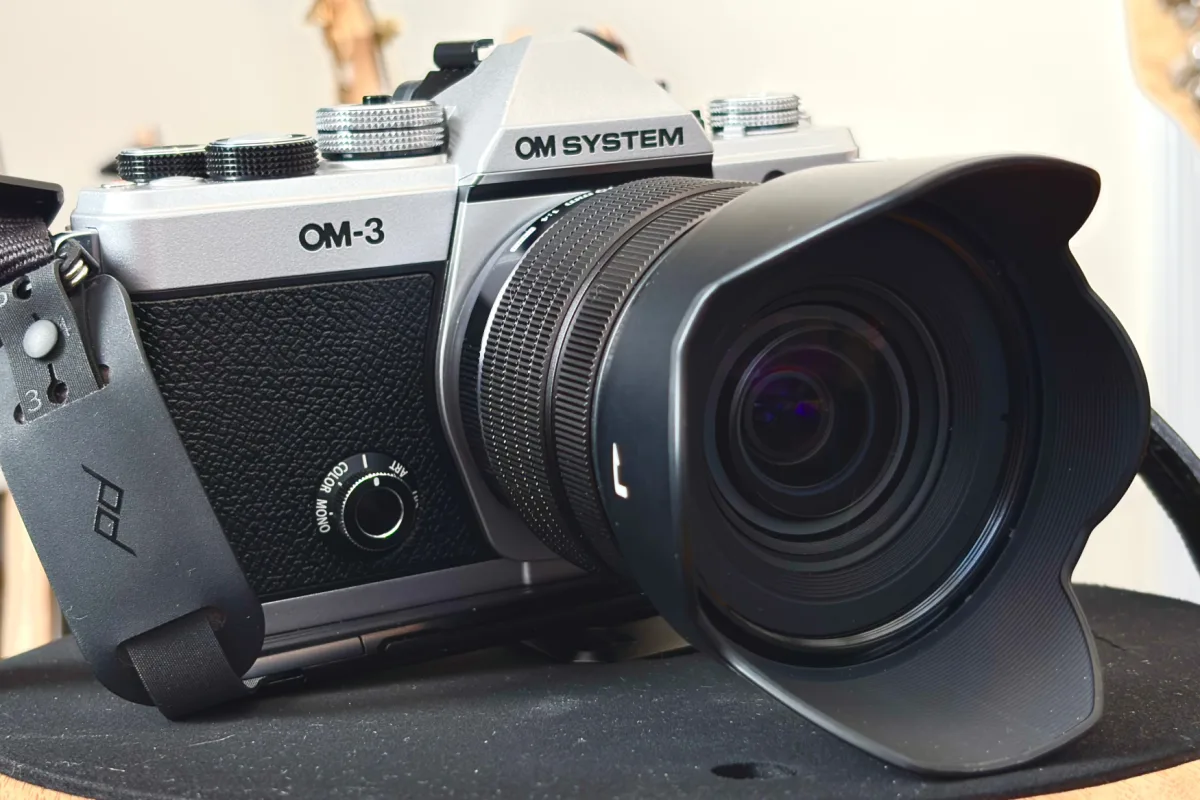
Like with watches, after compiling a shortlist, I needed to physically handle the devices. All the considered cameras were available in-store, set up for testing. I did macro photography of watches, checked video, and simply assessed the feel of holding the camera. Of course, different lenses are better suited for different tasks, but for the first camera, I didn't want to complicate matters.
Ultimately, I chose the OM Systems OM-3: a camera with weather sealing, good video, microphone input, and headphone output. The included lens handles macro photography excellently. The aluminum body and compact design make the camera pleasant in hand compared to plastic models. I also liked the mechanical shutter - its distinctive sound during shooting is a delight. All switches and buttons feel quality. I realized I was buying the camera as I choose watches.
Functionality and Specialization in the World of Watches
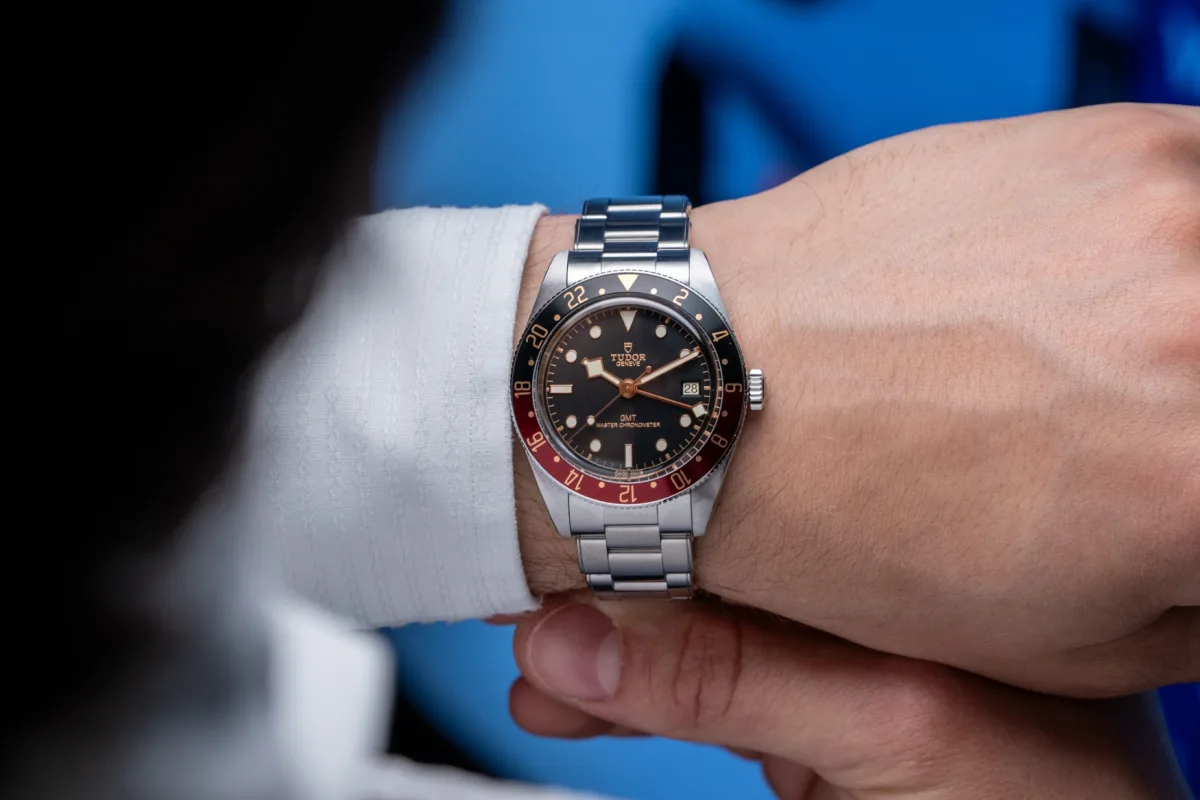
Watches remain functional and practical items despite their non-essential role in the modern world. Many use different categories of watches to justify adding to a collection: divers for sports, classic for formal occasions, chronographs for timing, GMT for travel. Such categories help appreciate having a specialized tool for a specific task. Versatility is important, but the right tool for the job provides a more satisfying user experience.
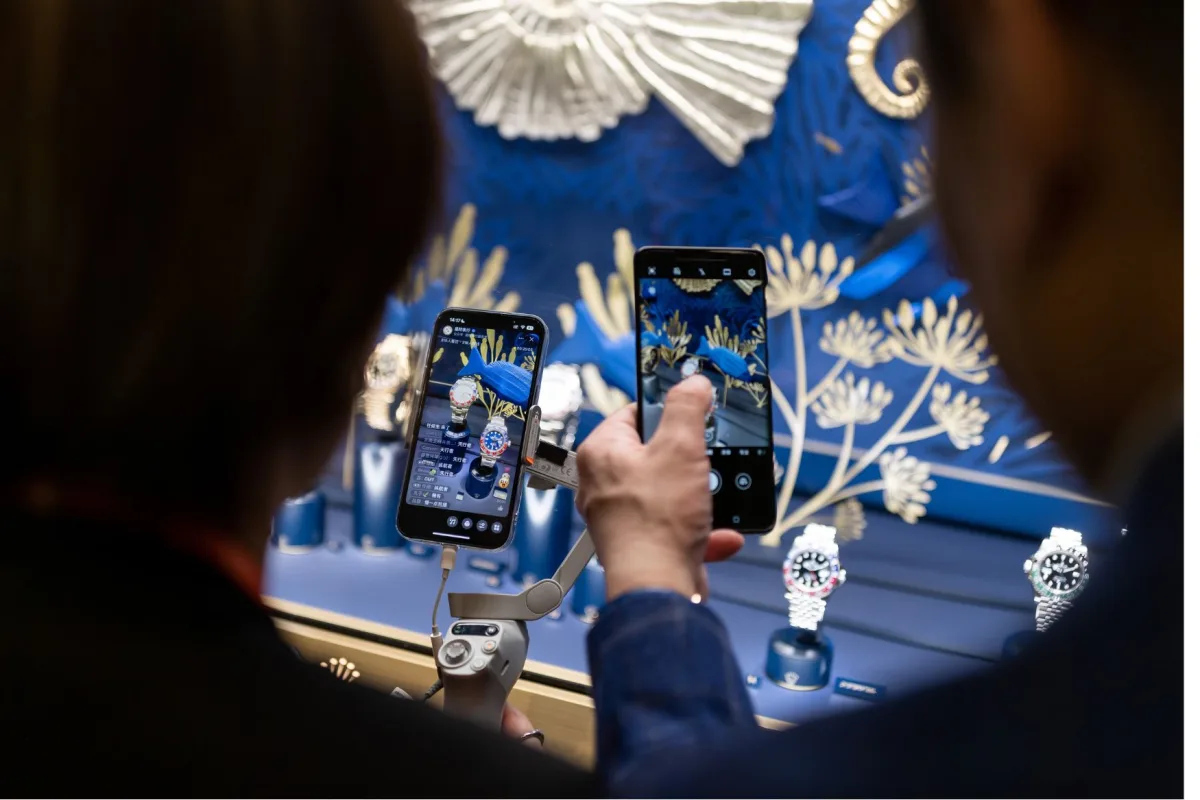
Choosing a Smartphone from the Perspective of User Satisfaction
Smartphones are versatile devices for calls, messages, internet, GPS, photos, videos, games, and numerous apps. They can become the center of our lives, which is not always beneficial. Despite this, when buying a new phone, I focused more on comfort and enjoyment of use rather than the latest technical innovations.
I currently use the Apple ecosystem and do not plan to change it, as it suits my needs. The iPhone 17 series was recently released. I visited the Apple Store and held all the new models in hand. The winner was the iPhone Air - the lightest, thinnest, and most pleasant to the touch. Thanks to the titanium case, it resembles the Octo Finissimo watch more than a phone, which attracted me. Of course, the Pro series has better cameras, but I already have a good camera, and I want to use the phone as a phone, not as a disposable technology.
Conclusions: Watch Collecting as a School of Conscious Consumption
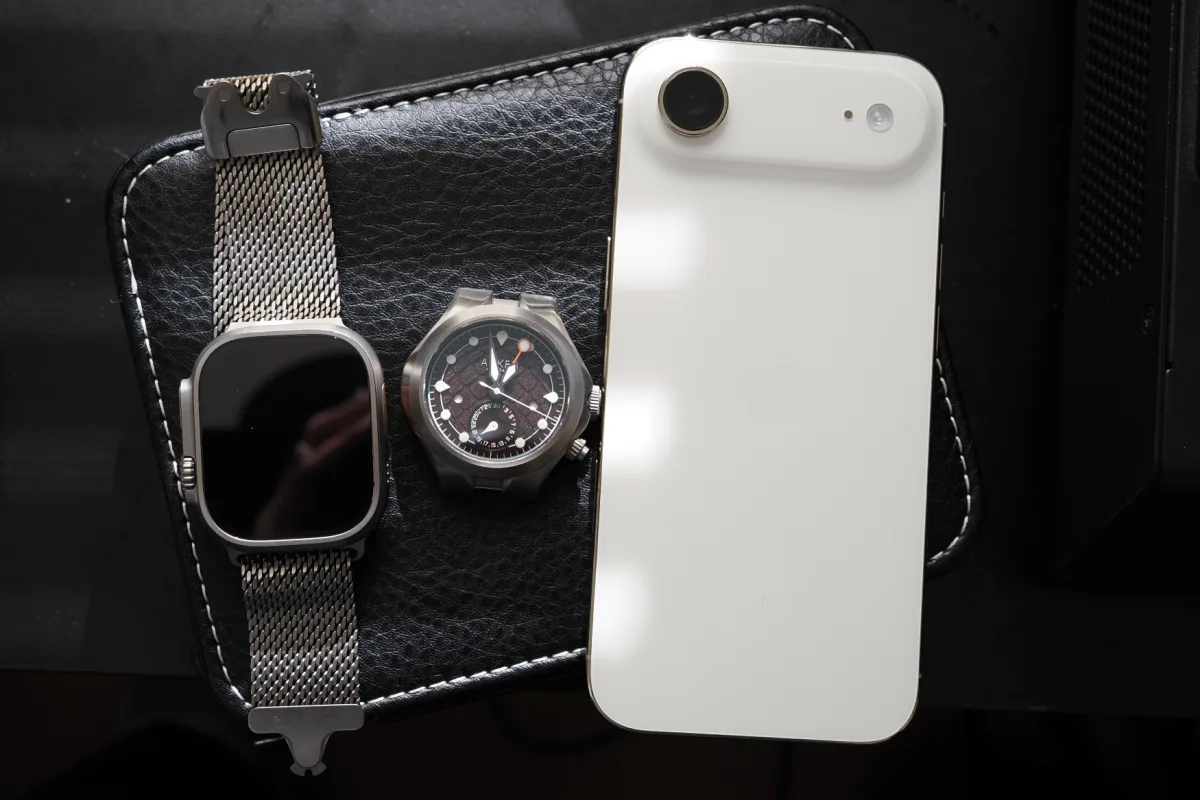
Watch collecting has taught me to be a discerning consumer - not from a position of authority, but from the perspective of understanding why I am looking at a product, what I want to achieve, and how to make the best choice. Money is hard-earned, life is short, so it is important to get the most pleasure and benefit from every purchase.
This has helped me make a number of more conscious purchases and reduce unnecessary expenses, which is a positive outcome. However, I fear that now I cannot simply buy socks without long deliberations about materials, place of manufacture, and quality. If you see a man in a store agonizing over socks - help him. Or better yet, direct him to the watch counter.