Welcome to another installment of the "Back to Basics" series, dedicated to newcomers in the world of watches.
Today, we will look at watches that can be a great starting point for your collection. What watches can be considered a successful "first serious" acquisition?
I will offer a selection from different categories so you can consider various approaches to buying your first watch. In each category, examples of models will be provided. As always in the "Back to Basics" series, I also invite experienced readers to share their knowledge and opinions. Together, we will create a useful guide for budding enthusiasts. Let's get started!
No, this is not a typo - this is how I designate the first category of watches suitable for starting a collection. You may be familiar with the collectors' term "keeper" - watches that never leave the collection. "Cheeper" is their more accessible counterpart. While the word sounds somewhat dismissive, that is not the intention. Almost every watch enthusiast has at least one such model in their collection, including me.
What makes "cheeper" watches suitable for starting out? Simply put, these are models you won't outgrow. In the watch world, there are several models found in both budget and premium collections. Their appeal does not diminish even if you move to a higher price segment over time. These watches have achieved cult status. And if you ever wish to part with them, they can usually be sold without much trouble.
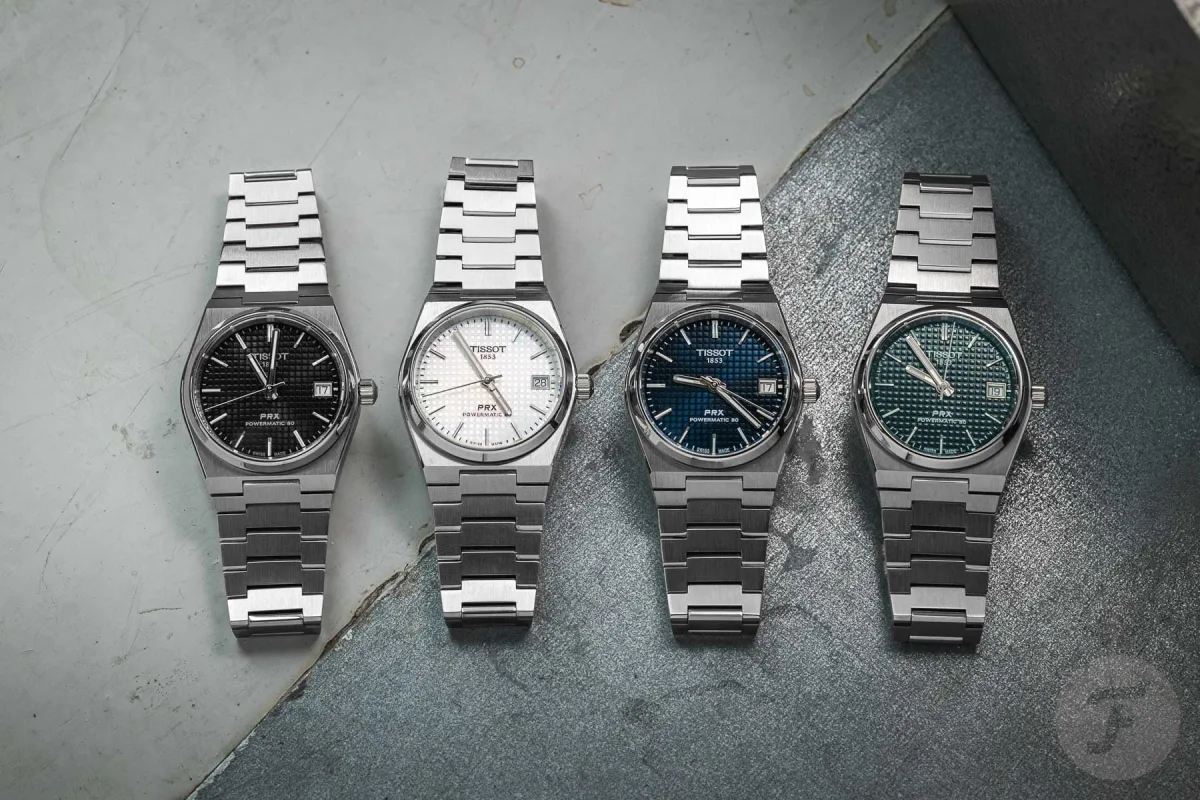
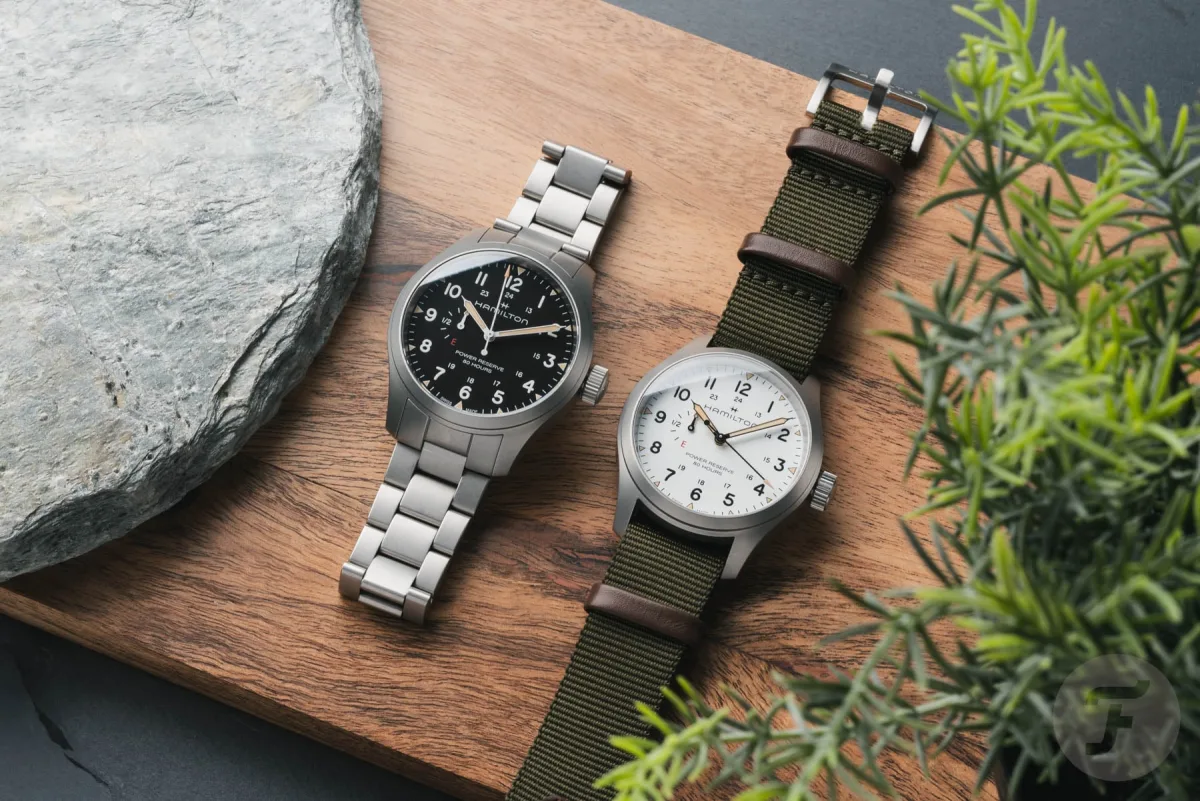
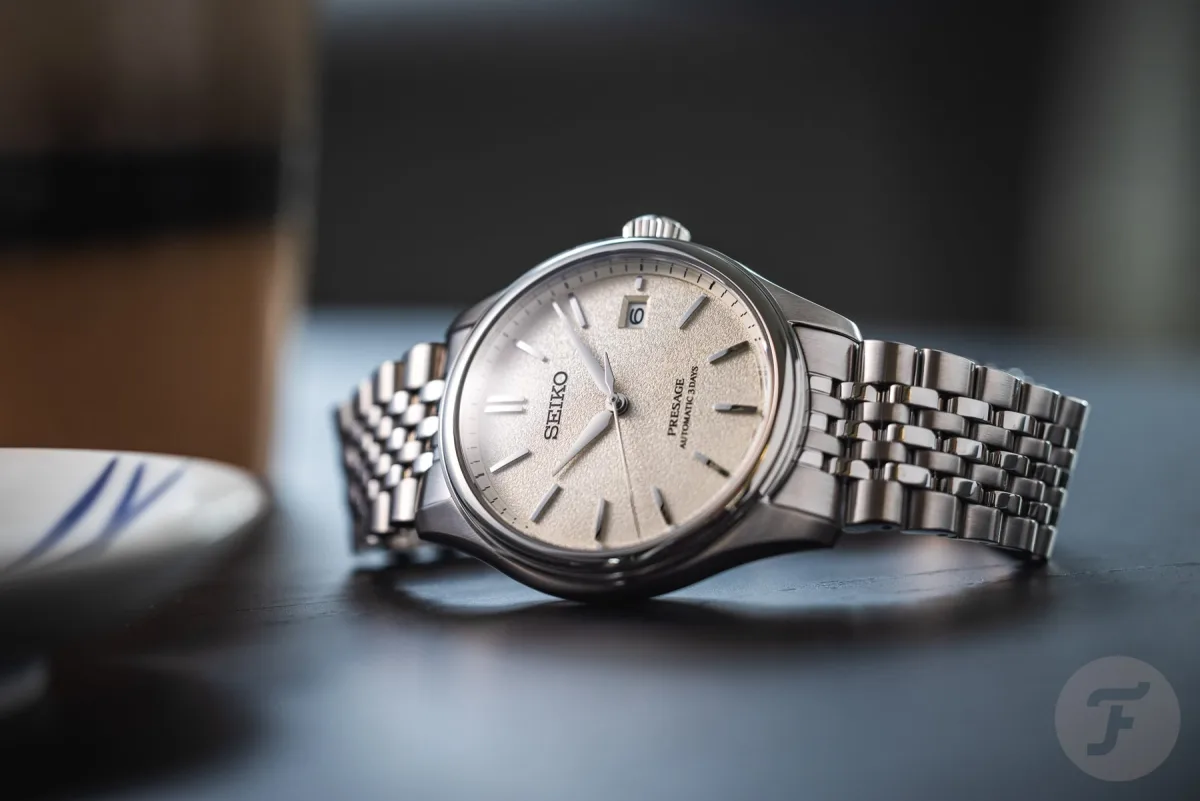
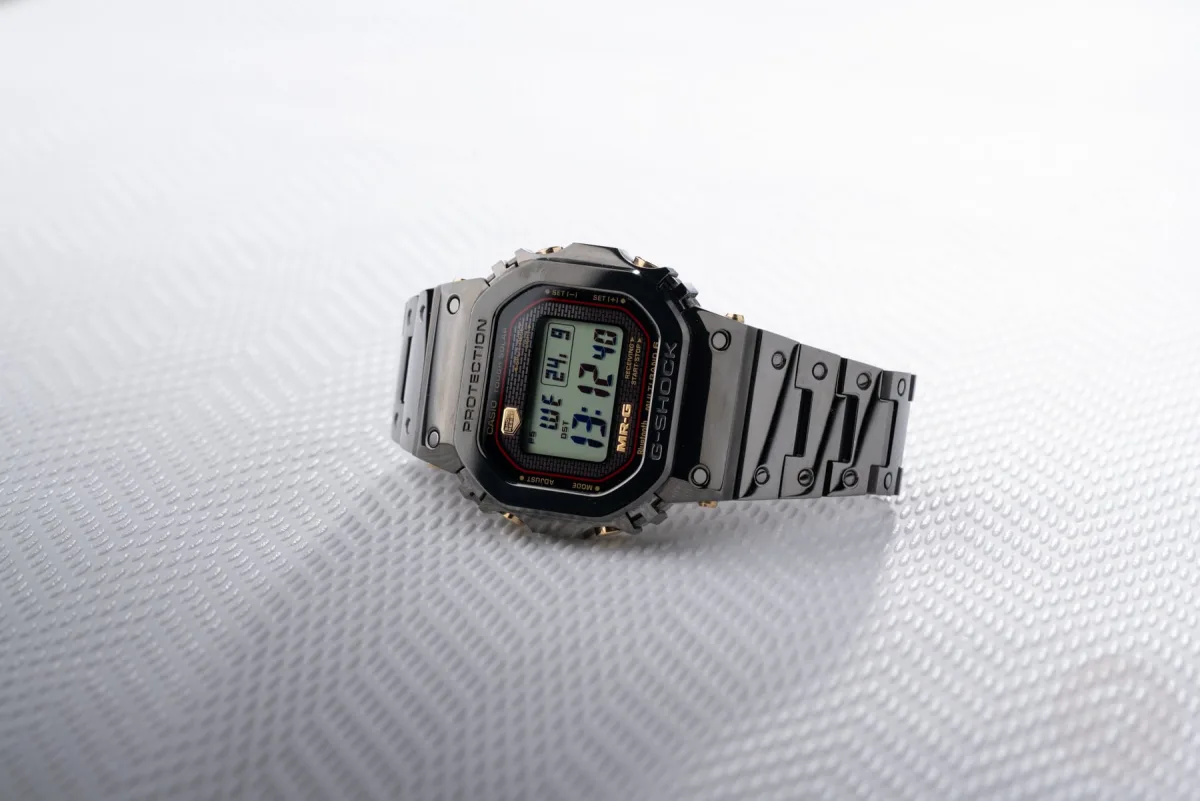
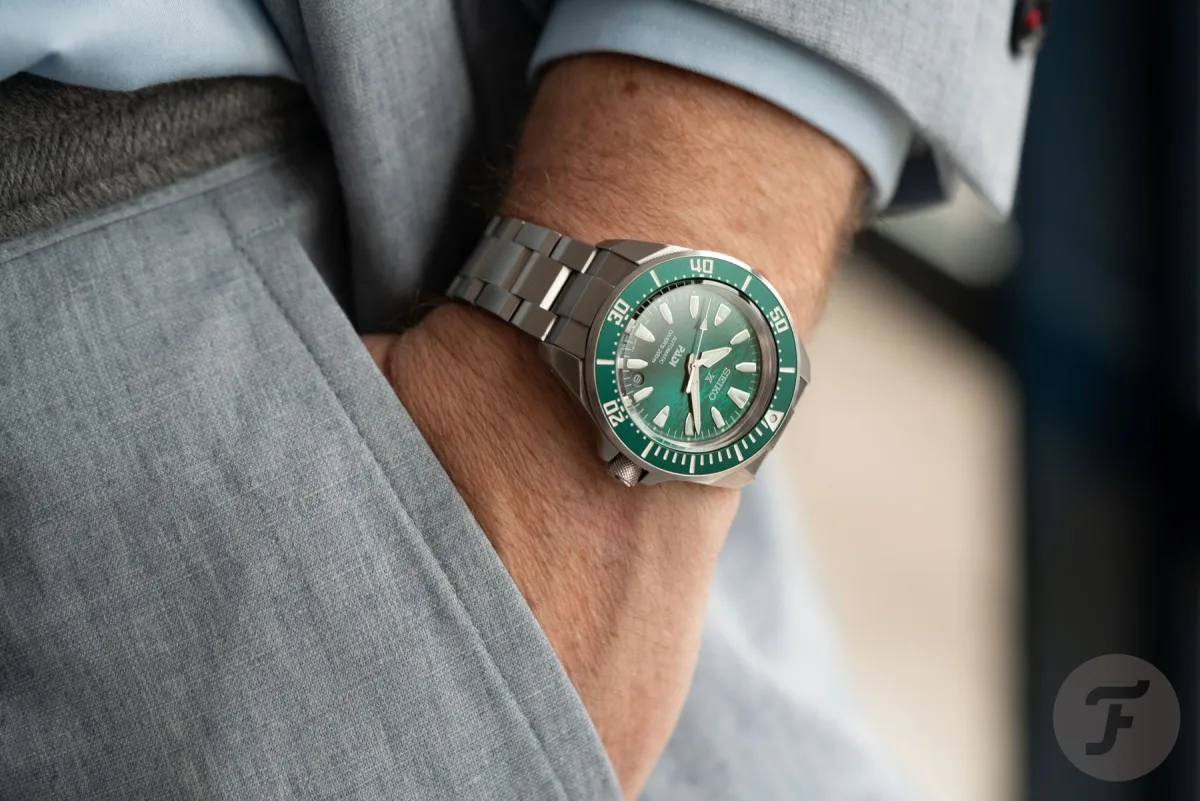
My "cheeper" watch is the Seiko SKX009J1. Unfortunately, the SKX series is no longer produced, and their successors, the Seiko 5, do not generate the same interest among enthusiasts. Nevertheless, worthy examples include Seiko dive watches, Presage models, Tissot PRX, Hamilton Khaki Field, and practically any G-Shock. Most are priced between 500 and 1000 euros.
Undervalued Vintage Watches
The second category is undervalued vintage watches, which also make a great starting point for a collection. Like "cheeper," they maintain value well and provide long-term enjoyment. This is important because as your taste and knowledge develop, you are unlikely to be disappointed in them.
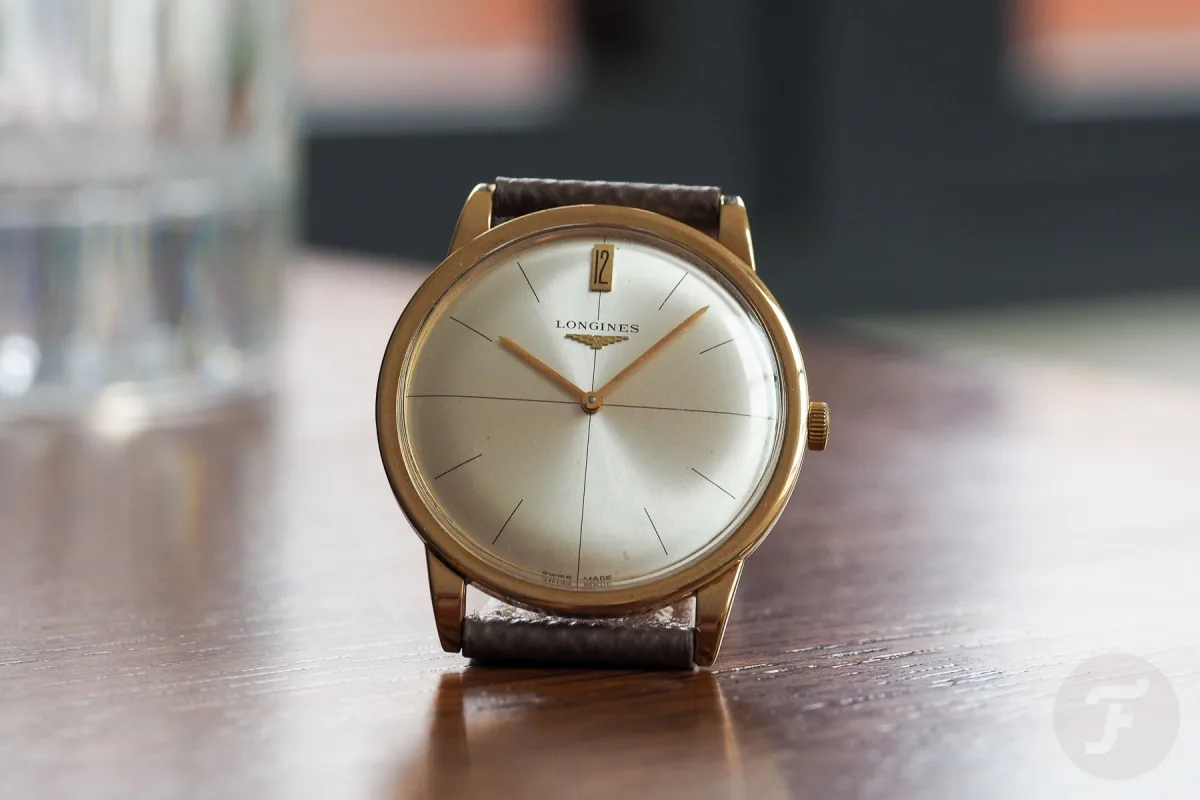
The main advice is to choose trusted brands. There are many cheap vintage watches on the market, but owning them often comes with difficulties. Parts can be rare, and repairs costly and complex. Beginners should focus on models produced by major brands and in significant quantities. Before buying, be sure to study the reliability and serviceability of the movement. Sometimes it's worth choosing a model a couple of years newer to get a more refined caliber. If you enjoy the research process - congratulations! You are already diving into the essence of the watch hobby.
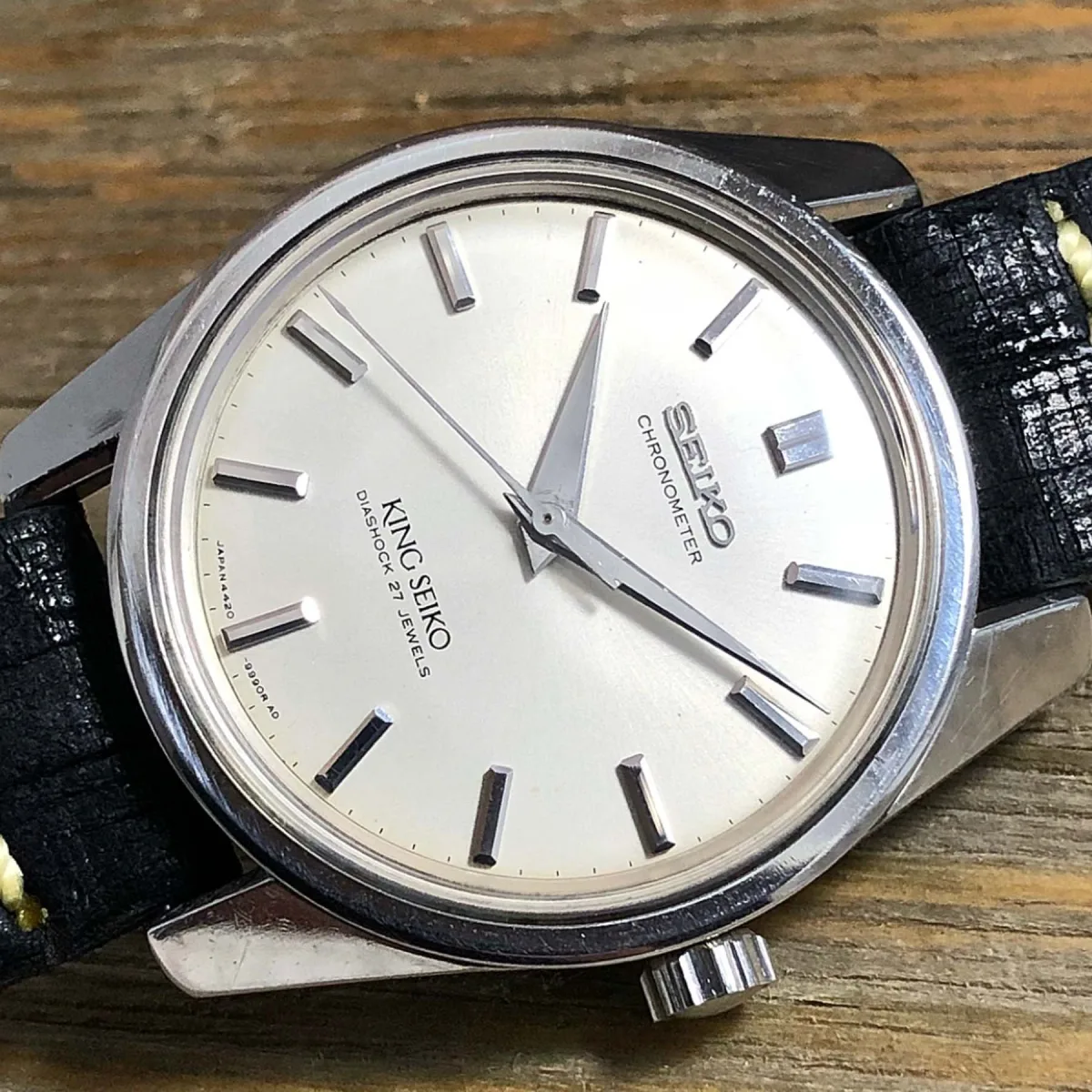
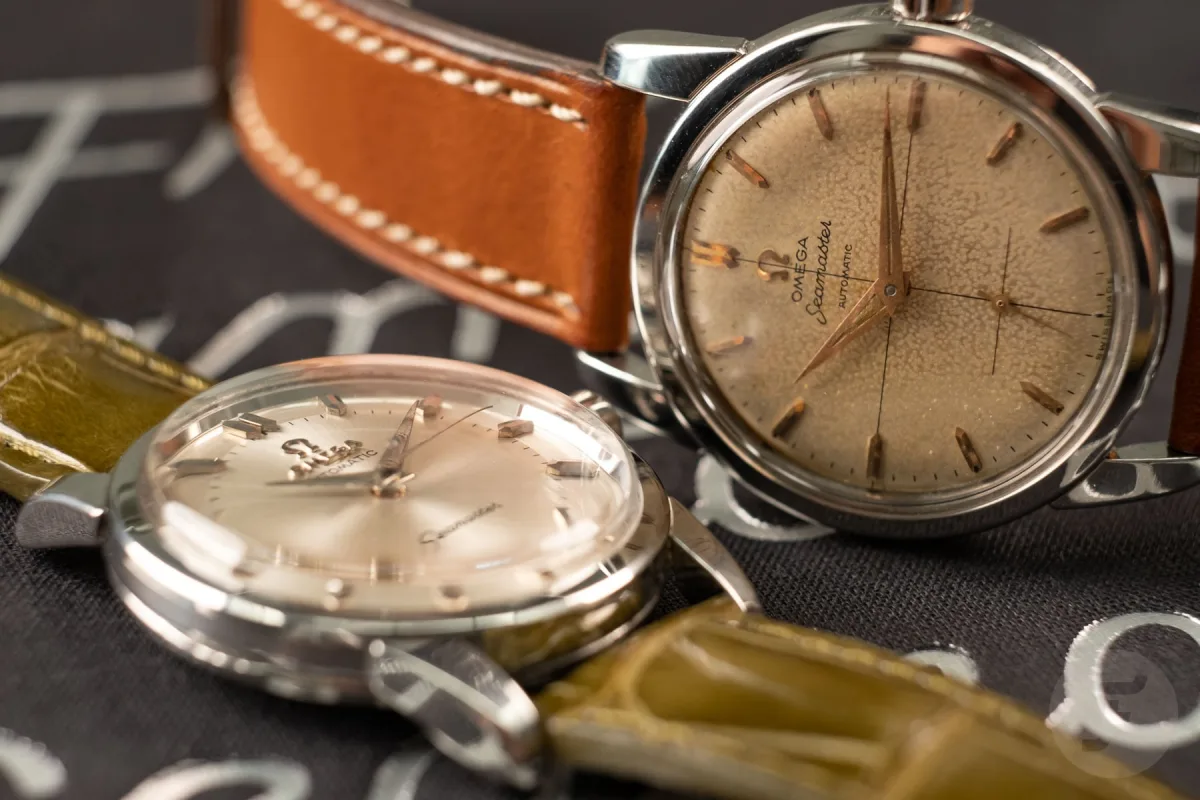
Vintage watches suitable for starting include Omega Seamaster, Omega Constellation, Omega De Ville, Longines wristwatches, Grand Seiko, King Seiko, Seiko 5 models, and with enough budget, vintage Rolex with bubble back cases. I have two versions of the Omega Seamaster ref. 2846 (from 1956 and 1958) that still serve me well. Good specimens can be found for about 1000 euros.
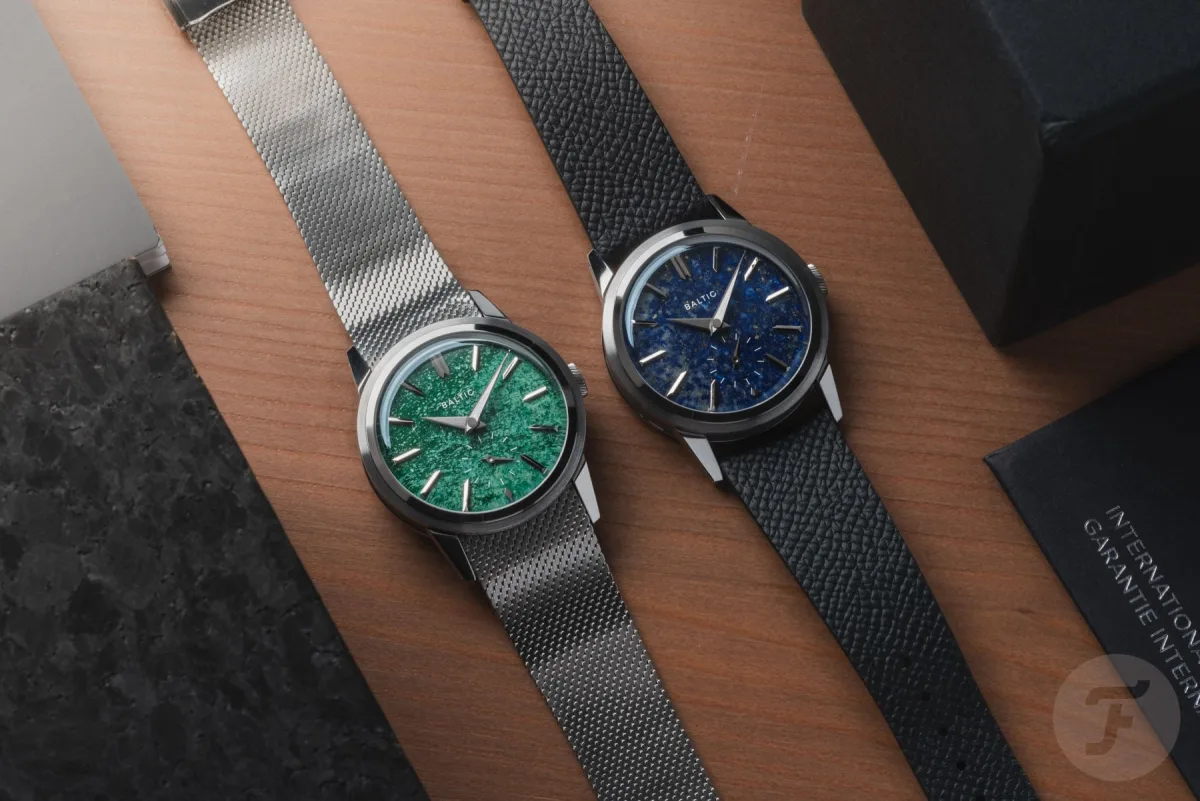
Expressive Microbrands - Another Good Starting Point
If the two previous categories seem too familiar to you and you want to stand out, it's worth paying attention to microbrand watches.
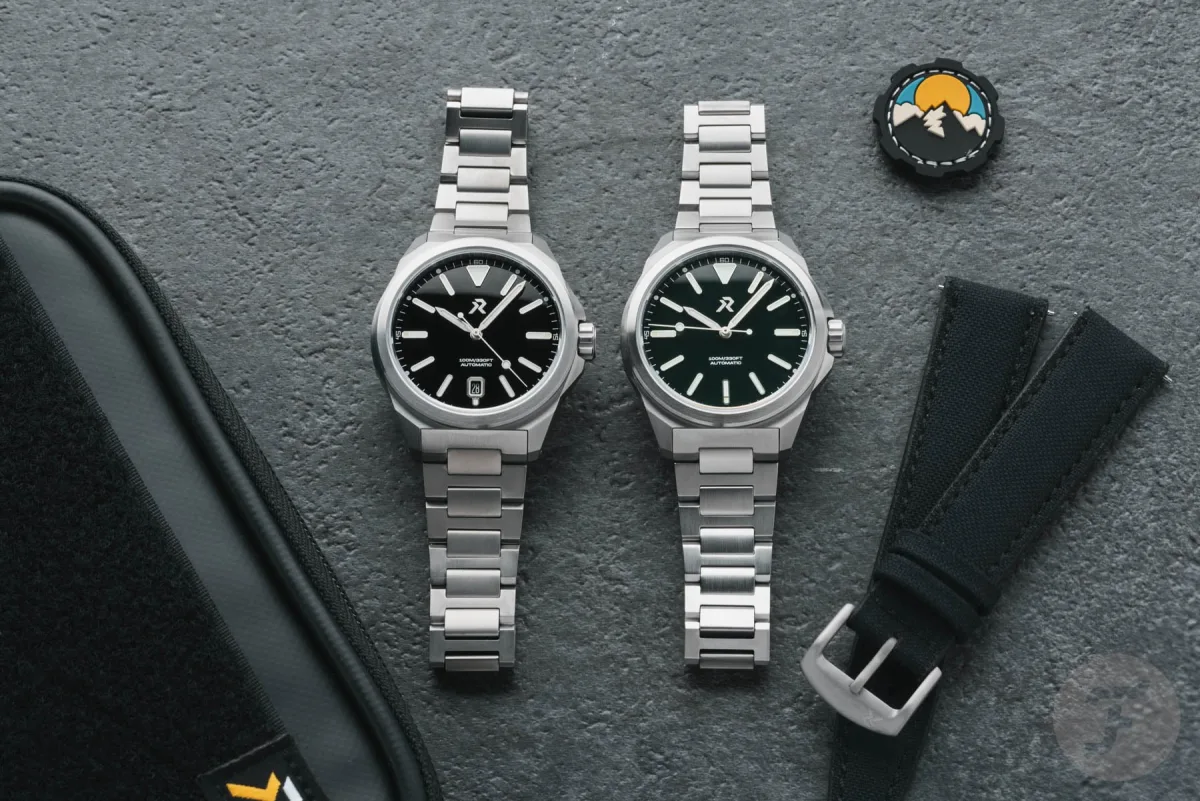
Although there is no exact definition of a "microbrand," it usually refers to young, small companies with production in Switzerland or Asia. Their advantage is low overhead, and most importantly, an individual approach and no compromises in design. This often means bolder, original watches in limited series. Such models are created for true enthusiasts.
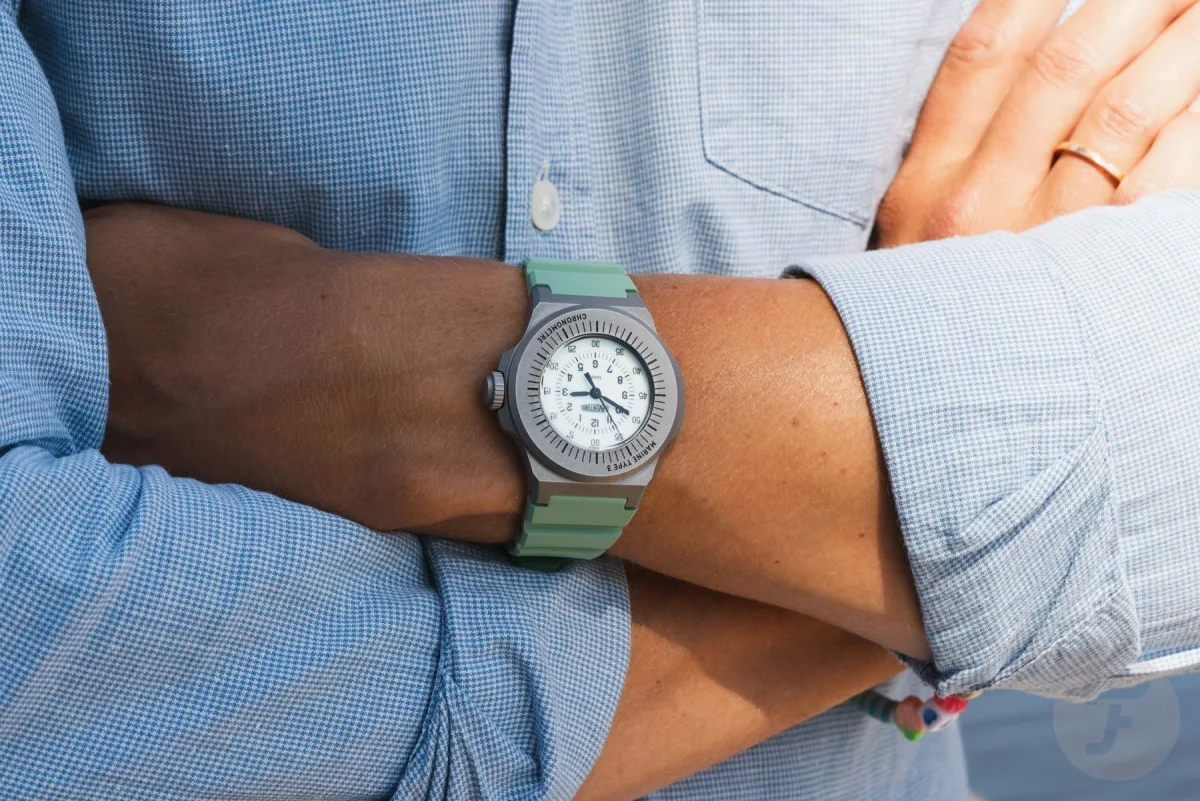
If you like vintage style, I recommend Baltic, Serica, and Lorier. For fans of modern design, RZE, Micromilspec, or Farer will suit you. Microbrands were previously represented mainly by budget models, but now more expensive options can be found, comparable in quality to brands from large groups. Examples include Fam al Hut, Atelier Wen, Lorca, and Laventure. It's important to pay attention to after-sales service: does the brand have a service network and how easy are the movements to service. Miyota, Sellita, Seiko, and La Joux-Perret calibers can be repaired almost anywhere. Beginners should avoid microbrand proprietary calibers - this is a topic for a later stage.
All-Inclusive: Straight to Dream Watches
All the above categories are focused on the more accessible segment. However, if you are ready to immediately invest in dream watches, you can make this move.
It makes sense to gradually develop taste and knowledge, as preferences can radically change. For example, I have twice completely changed direction, selling almost all my watches. If you look at photos of my first small collection of five models, today I wouldn't wear a single one. That's how much my taste has changed.
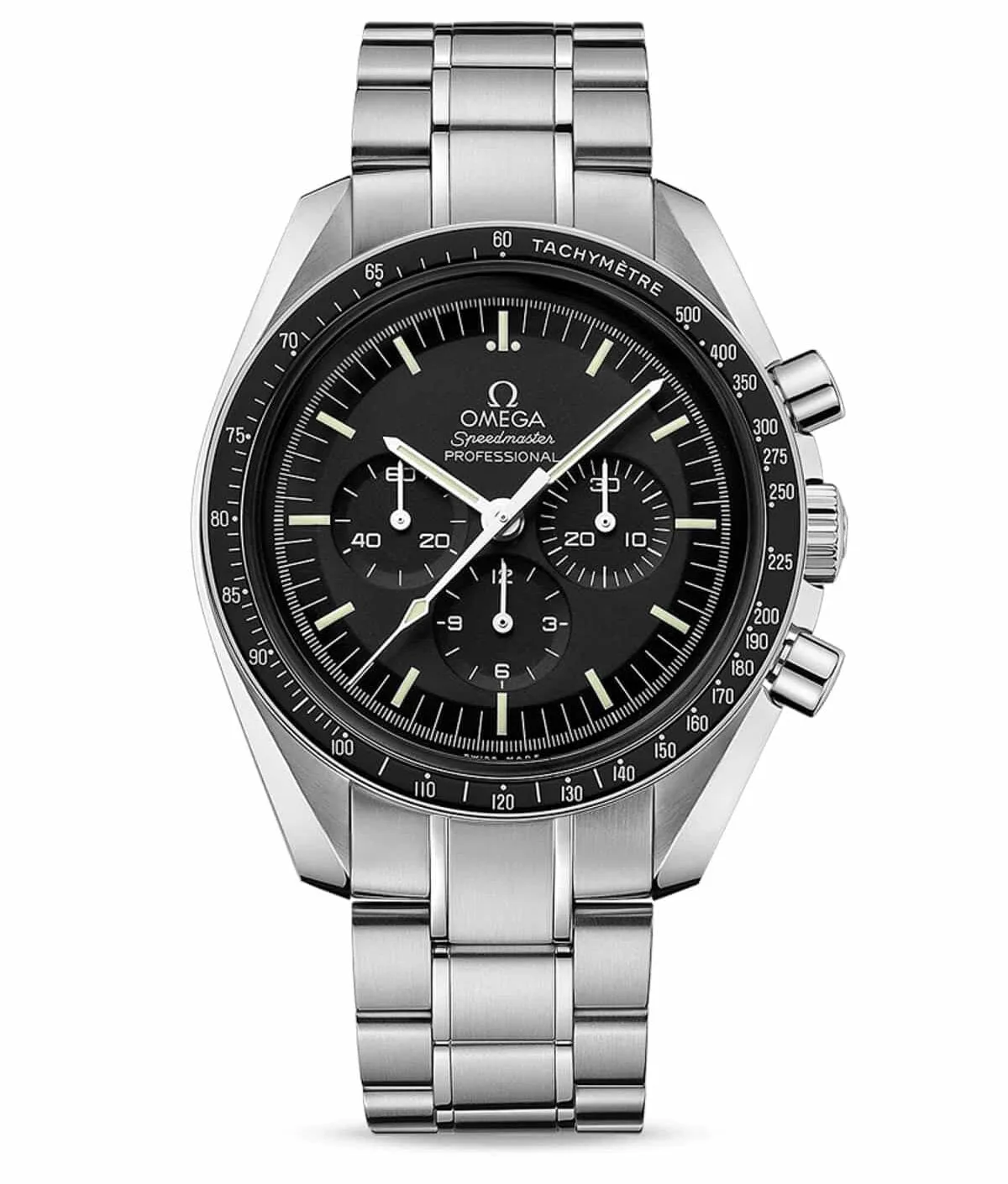
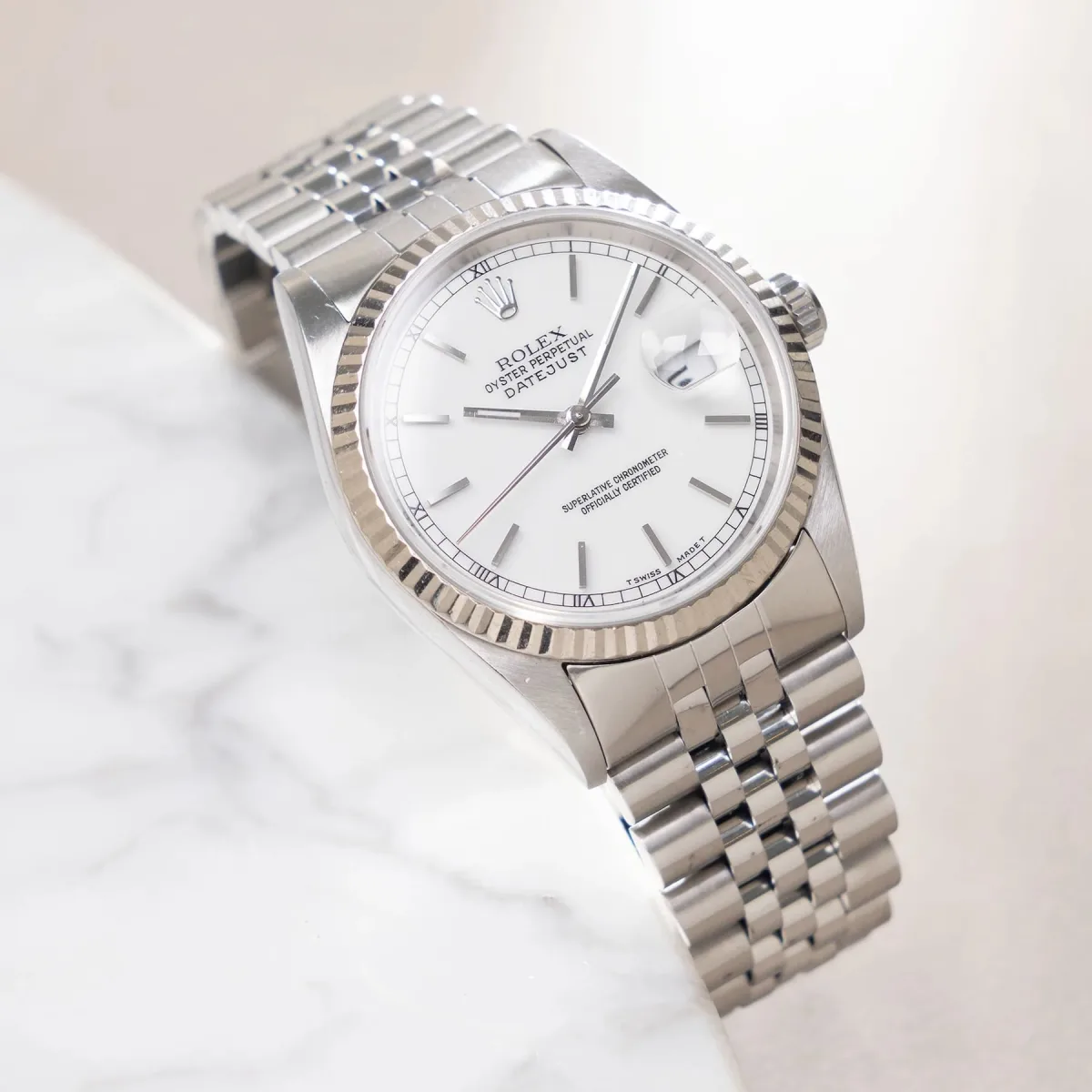
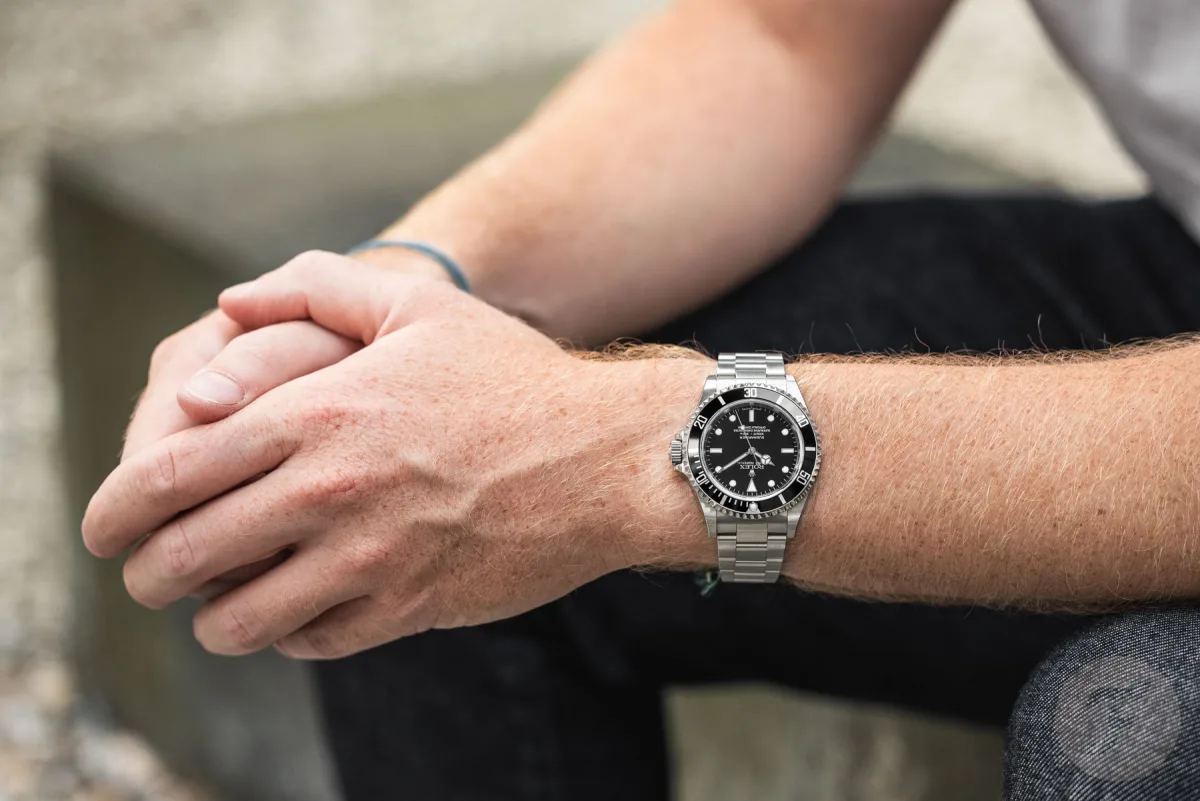
Buying "heavy artillery" right away is fraught with risk. My advice is to choose classics. They may seem boring now, but these are the models loved and appreciated worldwide. Over time, you are likely to value them more and more. If not, they are easy to sell. Examples of such watches: Rolex Datejust ref. 16234, Rolex Submariner refs. 14060/16610, Omega Speedmaster ref. 311.30.42.30.01.005, any Cartier Tank, and others. It is better to choose not entirely new, but neo-vintage versions, as they often offer the best price-quality ratio. Modern models are also excellent options.
Final Thoughts
This list does not claim to be exhaustive. And, of course, you don't have to follow my recommendations. My task is to offer different approaches to choosing watches that can serve as a good starting point for a collection. In any case, you will pay the "price of learning," but these tips will help avoid serious mistakes.
Ultimately, this hobby is deeply personal and subjective. It doesn't have much significance, so buy what brings you joy. The last advice - don't get hung up on technical specifications. It often seems that watches with maximum numbers and functions are the best, but most modern models are excessive for everyday life. What matters is how the watch makes you feel, not how it looks in an Excel table. A few years ago, I wrote an article on this topic with light irony.
I have not touched on the functionality of watches here. The concept of GADA ("go anywhere, do anything") could be considered a good starting point. But it is too personal. If you spend your days in a business suit in a financial district, your watch requirements will differ from those who study marine life. Nevertheless, the versatility of starting watches is an important factor.
Overall, I believe that the categories outlined above are a fair starting point for choosing watches on which to build a collection. Now, it's over to you, friends! What advice can you add? Write in the comments!