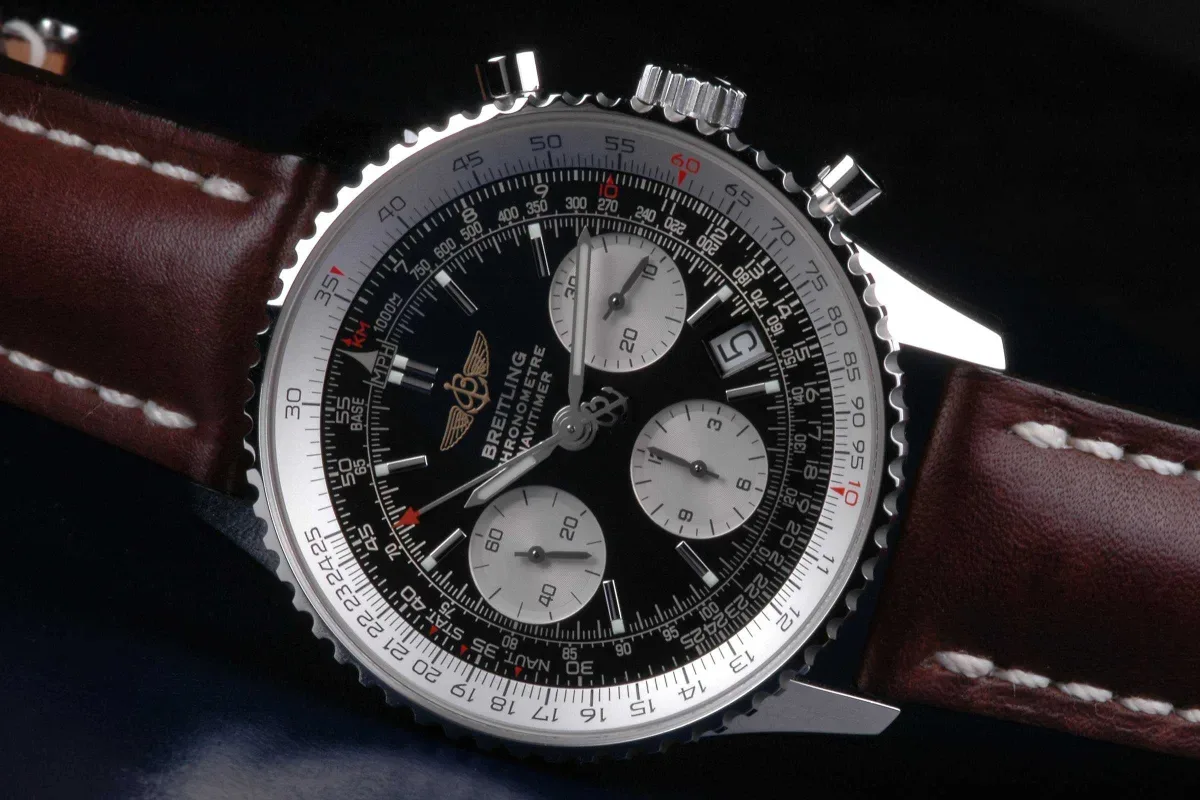
Hello everyone!
Nowadays, you can find many technical discussions online about what a chronograph in wristwatches is and how to use it. However, specific examples and simple explanations are often lacking.
Articles are either written by watchmakers for watchmakers, or they're just a collection of facts that few understand. We won't do that in this article.
Here we will explore what a chronograph in wristwatches is, in simple terms with examples of how to use it, where it is applied, and whether it is truly a useful feature or just another embellishment by watch companies.
Let's start with the first point...
What is a Chronograph in Wristwatches?
Currently, any self-respecting watch company produces at least one model of wristwatch with a chronograph. Many people interested in watches follow fashion trends and features offered by manufacturers. Thus, this device is not new, but it often raises many questions and creates myths around it.
So, what is a chronograph? And is it really a useful feature in wristwatches?
The word "chronograph" originates from two Greek words "chrono" and "graph," meaning "recording time."
In other words, a chronograph is a specific model of a watch or a watch mechanism that helps measure small time intervals precisely: seconds, minutes, or hours.
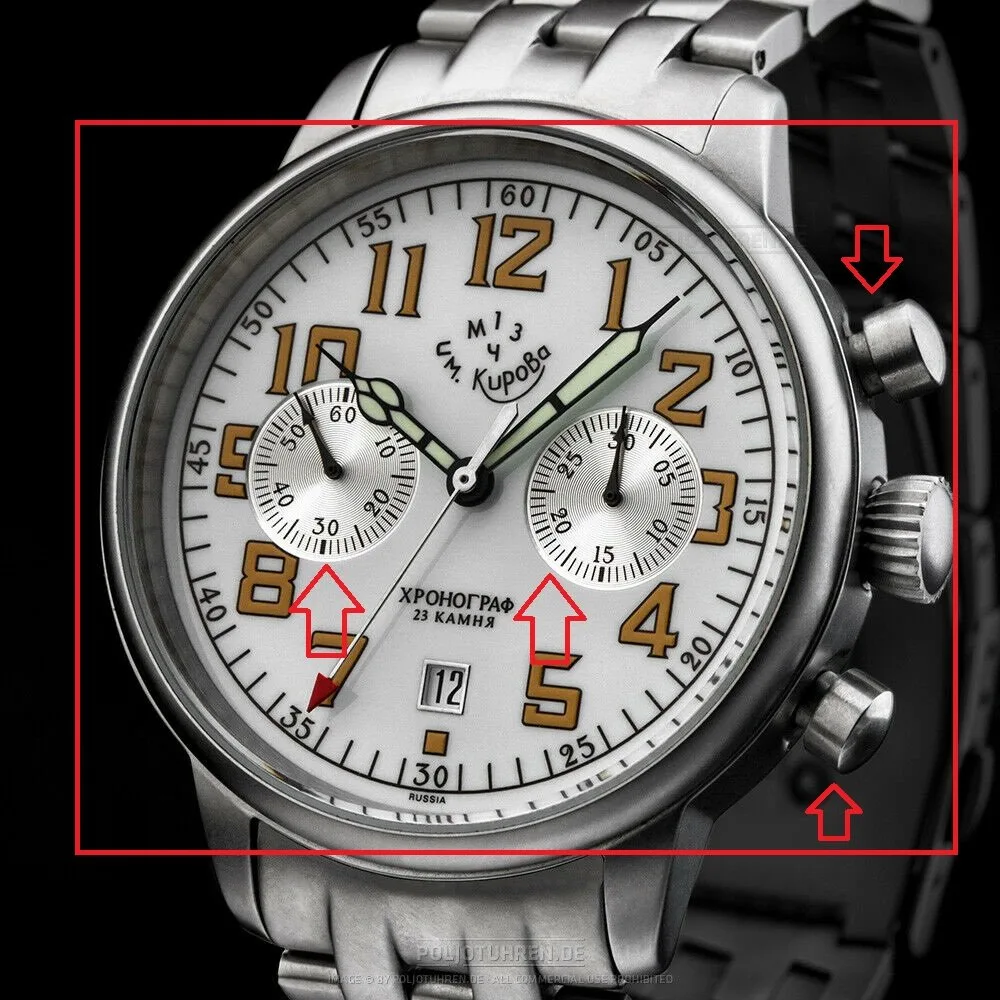
Essentially, it's a built-in mechanism in the watch with three main functions:
- Start - beginning of measurement;
- Stop - end of measurement;
- Reset the result.
Even though this feature is useful and necessary in some life situations, such as when you need to time egg boiling precisely or measure your heartbeat for 1 minute, it is intended only as an addition to the primary purpose of a watch - measuring the current time.
Therefore, a chronograph is not a separate mechanism, but an auxiliary function.
Most likely, after reading this paragraph, you thought: "Why do you need a chronograph if there's a stopwatch? They essentially do the same thing. Why overload the watch with an unnecessary feature?"
But this is a common misconception.
A stopwatch does not have a familiar dial, does not work through the main watch mechanism, and does not count the current time. Unlike a chronograph. Therefore, these are two different mechanisms.
By the way, you might also be interested: Yema Superman Slim: "hand in hand" with an elegant diver
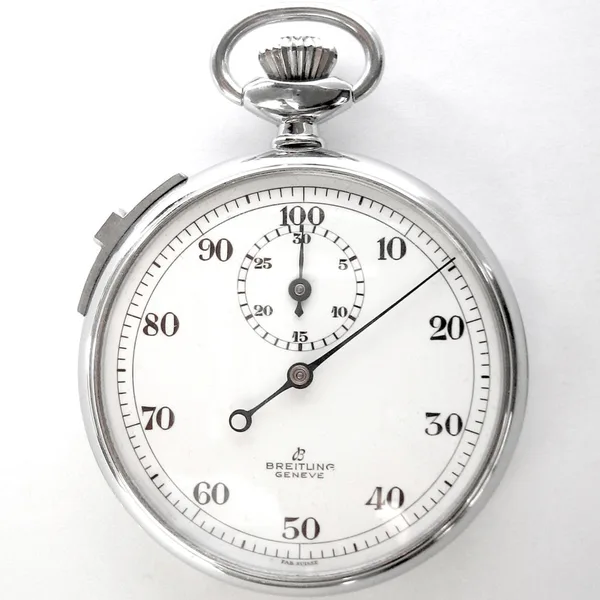
Additionally, the appearance of a chronograph does not differ from regular watches, except that it includes auxiliary dials and additional hands.
In a regular watch model, you can see two, sometimes three, hands: hour, minute, and second. In a chronograph, there are five hands: the central hour and minute hands for current timekeeping, the central second hand as a chronometer (stopwatch hand), the small seconds hand for current time, and another hand for minute counting in the chronograph.
Thus, the chronograph and stopwatch indeed have similar functions, but they have different mechanisms and sets of tasks.
Now that we've briefly introduced the chronograph mechanism, it's time to delve into its history.
Where Did the Chronograph Come From - A Brief Historical Overview
The birth date of this remarkable mechanism is considered to be 1820. It was in this year that a French master named Rieussec invented the world's first chronograph. This device was a mechanism where time intervals were recorded with arcs and dots on a rotating dial with a small pencil.
And this design can rightfully be called the first "chronograph."
However, the roots of the chronograph go much deeper. In 1720, a watchmaker named George Graham invented a mechanism that could record time intervals with an accuracy of up to 1/16 of a second.
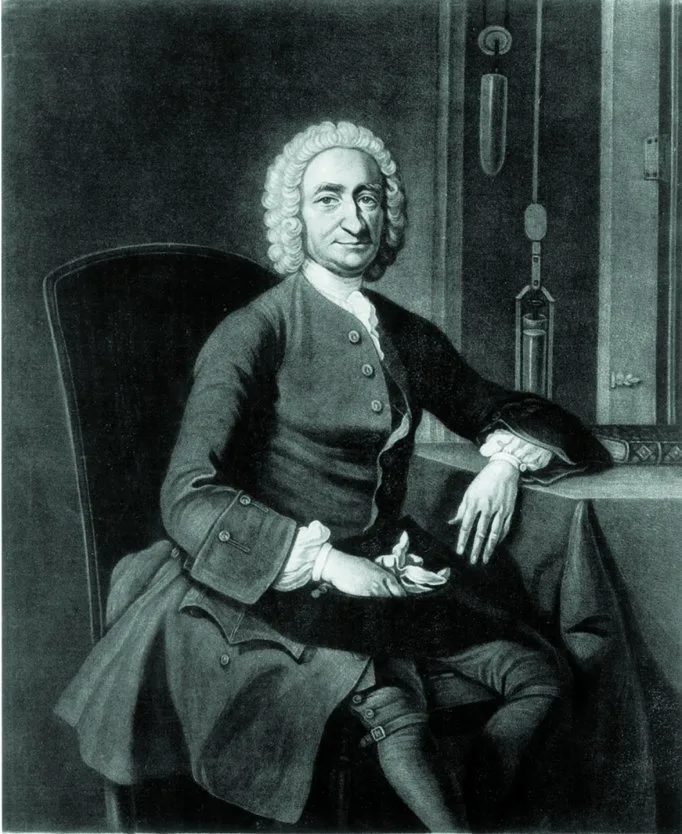
Thus, with a 100-year difference, two scientists laid the foundation for the production of chronographs.
Later, in 1830, master Thaddeus Winnerl created a watch where the second hand could be stopped independently of the entire mechanism. But these watches had a significant drawback - the hand could not be returned to its original position by pressing a button.
However, in 1844, Adolphe Nicole solved this problem.
And in 1910, the first chronograph watches were manufactured, which became very popular and in high demand among the population.
In the 1990s, the watch company Swatch began mass production of chronographs. Moreover, these devices were quartz, not mechanical. Since then, chronographs have become an integral part of watchmaking. Every company produces at least one model of watch with this device.
How to Use a Chronograph in Wristwatches?
The chronograph mechanism is activated by pressing buttons located on the watch case. These buttons start the time counting process, stop it, or reset it.
By the way, you might also be interested: Discover elegance and innovations with Carl F. Bucherer Heritage Chronometer Celebration Watch
Currently, there are two types of chronographs that differ in their mechanism of operation: single-button and split-chronographs.
As you might have guessed, the difference lies in the number of buttons intended to start the chronograph.
In single-button models, all processes are controlled by one button (which sometimes acts as a winding mechanism for mechanical watches), meaning the first press starts the chronograph, the second press stops it, and the third resets it.
This combination of functions in one button proved useful for military personnel, pilots, drivers, and doctors, as these professions often require precision and immediate response. And it's easiest to do this with just one button.
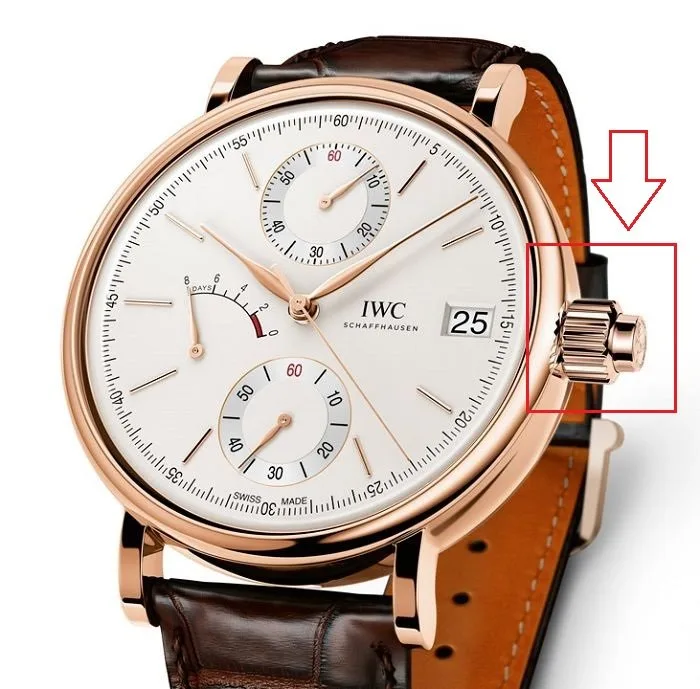
In split systems, these processes are differentiated: the upper button is responsible for starting and stopping the count, and the lower button resets it. Additionally, such chronographs have another feature - the ability to measure two processes that started simultaneously, as these devices have two central hands.
This measurement of two or more time events with the same start is extremely useful for sporting events where it's necessary to measure not only time but also the difference between athletes.
However, that's not all. This type of chronograph can not only measure different time intervals but also sum them together.
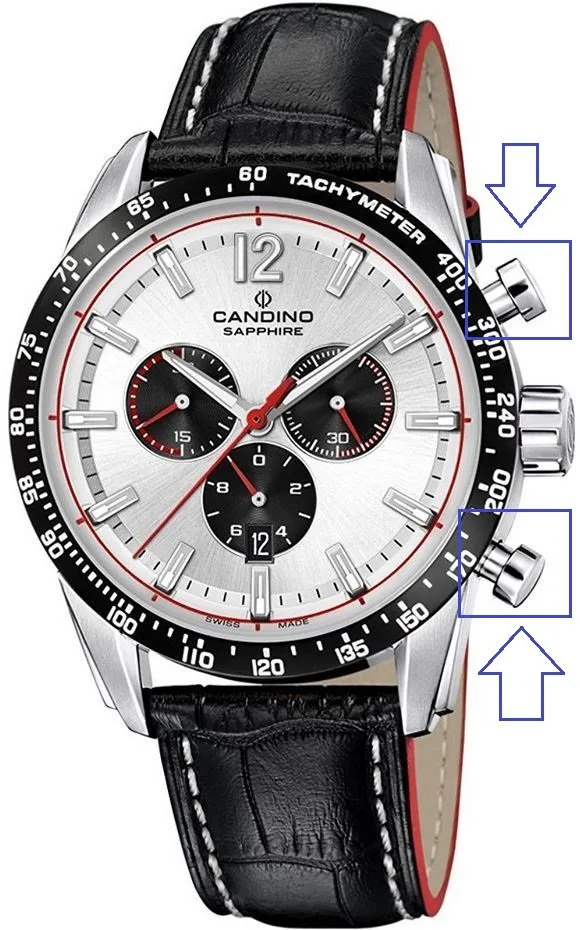
Despite some differences, the main principle of operation remains unchanged - the chronograph is activated using special buttons. As we mentioned earlier, the operation of the chronograph does not interfere with the main function of the watch.
Who Needs a Chronograph and How Can It Be Used in Life?
This tool, the chronograph, is primarily used by athletes, military personnel, and scientists to measure extremely important events. For people in these professional fields, a chronograph is an essential item.
For example, the military uses a chronograph with a logarithmic scale to perform quick and accurate calculations. This is especially true for sailors. The military also used this mechanism for tactical operations.
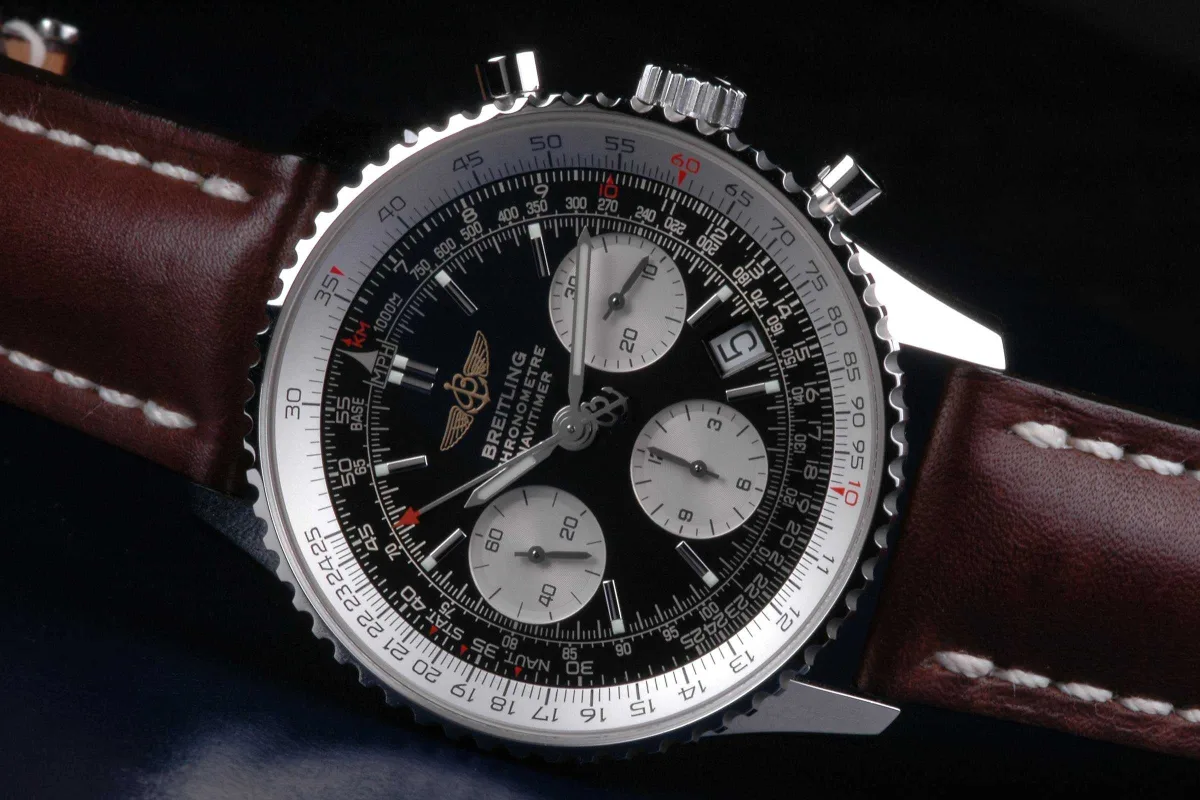
For athletes, a chronograph is an excellent tool for measuring the time taken to complete a distance or training. This type of training is often called Tabata.
But there's more.
Chronographs are always used in world-class competitions where precision determines who wins and who loses. A simple stopwatch won't suffice there 😉
Later, chronographs were produced for scientists. These devices were enhanced and modified: new scales were added, such as determining speed of movement, beats per minute, distance by sound, breathing frequency, number of items or operations, and others. Such chronographs had practical significance for scientific fields.
By the way, you might also be interested: Watch Review: Maurice de Mauriac Pillow Watches
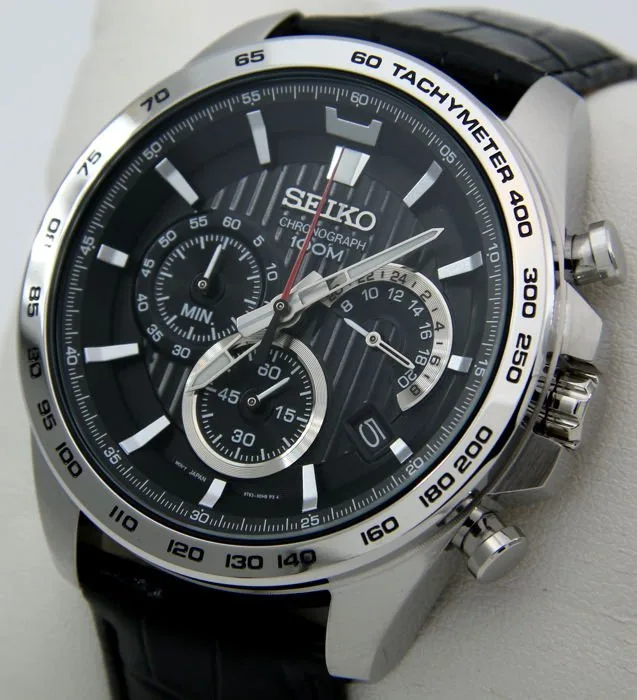
As for everyday life, the chronograph is also a useful tool. After all, you must agree with me that there are situations in life when we need to know exactly how much time has passed, for example, when cooking a dish or doing a task with a specific interval. Therefore, a chronograph is not only a technical mechanism intended for certain professions but also a useful tool in everyday life.
Advantages and Disadvantages of a Chronograph: Pros and Cons
Regarding the advantages of a chronograph, we can certainly note its exceptional accuracy and ability to time specific operations or actions, such as a run, bike ride, or even food delivery time 😉
In addition, the mechanism is so simple to use that even someone who is not tech-savvy can handle it, like housewives or children.
Lastly, the chronograph does not interfere with the watch's primary function, so it becomes an excellent addition that you can use anytime you need without fear of stopping the watch.
The main downside of this tool is its complex construction, which noticeably increases the size and weight of the watch, especially wristwatches. It should also be noted that watches with this device are noticeably more expensive than their counterparts.
Furthermore, due to its complexity, this mechanism requires costly and labor-intensive repairs.
And to be honest, the chronograph is rarely used in our lives. More often than not, this mechanism is a design detail, a tribute to fashion, or a status symbol.
Such an interesting mechanism - the chronograph 😉
I hope my article helped you understand the question “what is a chronograph for wristwatches” and now you are not afraid of this strange word 😉
If you found the article interesting, please rate it. It’s just a click for you, but it’s a pleasure for me.
Would you use a chronograph in everyday life? Do you think it's a necessary tool or just an interesting detail, but nothing more?