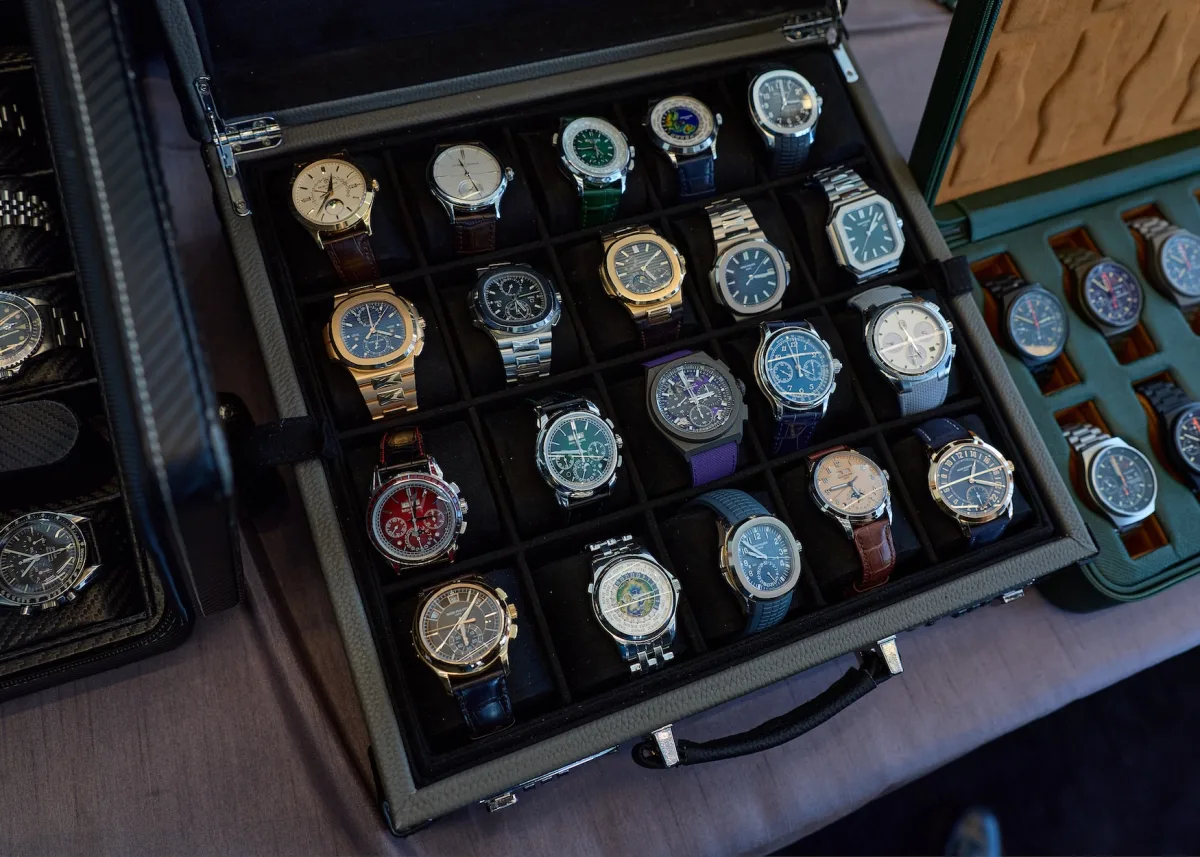
We've all faced this situation. The watch collection starts taking up too much space, and the existing storage solution is no longer adequate.
Some watches end up in unsuitable places, forgotten and gathering dust, while your everyday watches get all the wrist time. And then comes the moment to make a difficult decision - to part with part of the collection. There are numerous reasons for this, and now I want to consider the main ones, especially on the eve of the most romantic day of the year - Valentine's Day. Perhaps your partner will appreciate you downsizing the collection, freeing up capital, and spending it on them.
Watches Fell Out of Rotation
This has happened to everyone: the watches you long hunted for have not been worn since last Christmas. Don't feel guilty about it or let anyone judge you - it's natural. If you constantly wear all your watches, it means you either don't have enough watches yet, or you are too rational, and perhaps you're missing out on some fun at parties.
A friend of mine recently shared on Instagram that if he wore all his watches evenly, each would get about 20 days a year. However, I'm sure I've seen him wearing a maximum of three models. The rest are likely gathering dust in a drawer and are brought out only on special occasions.
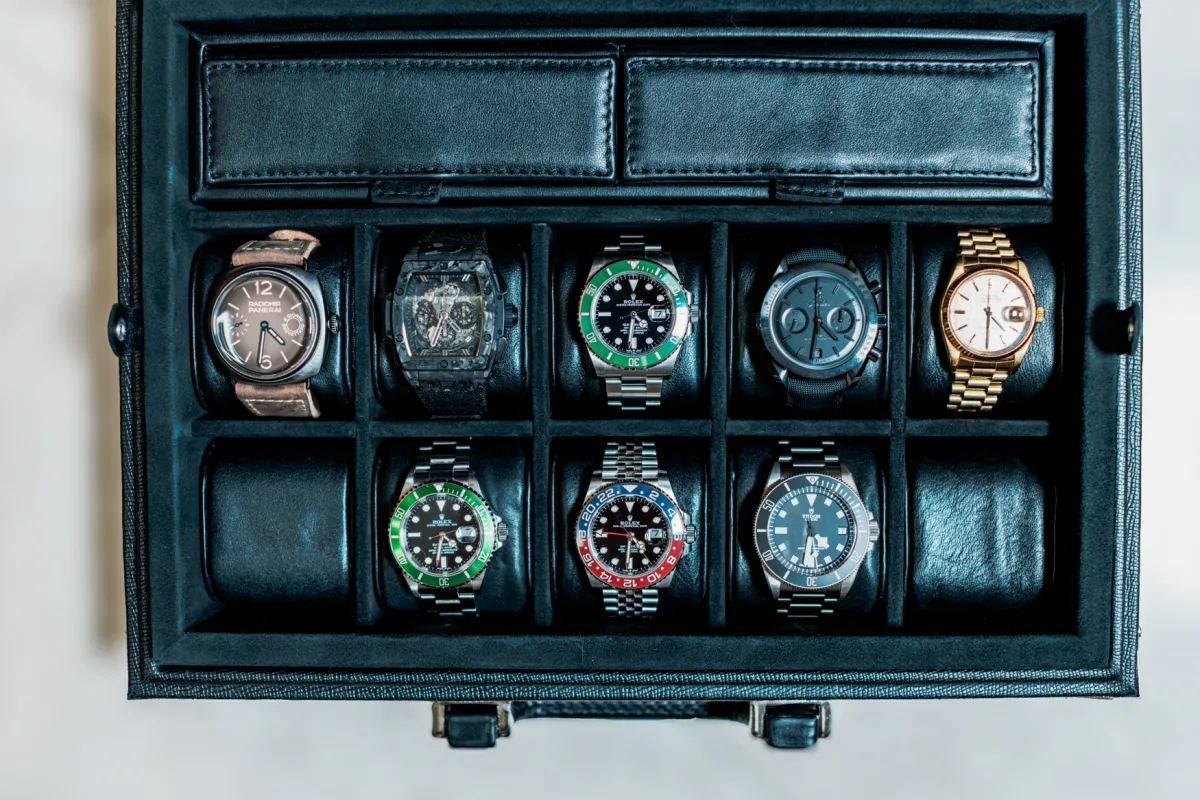
I'm not advocating getting rid of watches for special occasions - they're useful for weddings, anniversaries, and other significant moments. But it's important to differentiate between watches for rare events and those that simply aren't part of the rotation. It's important for collectors to recognize this moment and understand when it's time to put the watches up for sale or contact a dealer to get the best price for watches that could bring joy to another owner.
Sharp Rise in Gold Prices
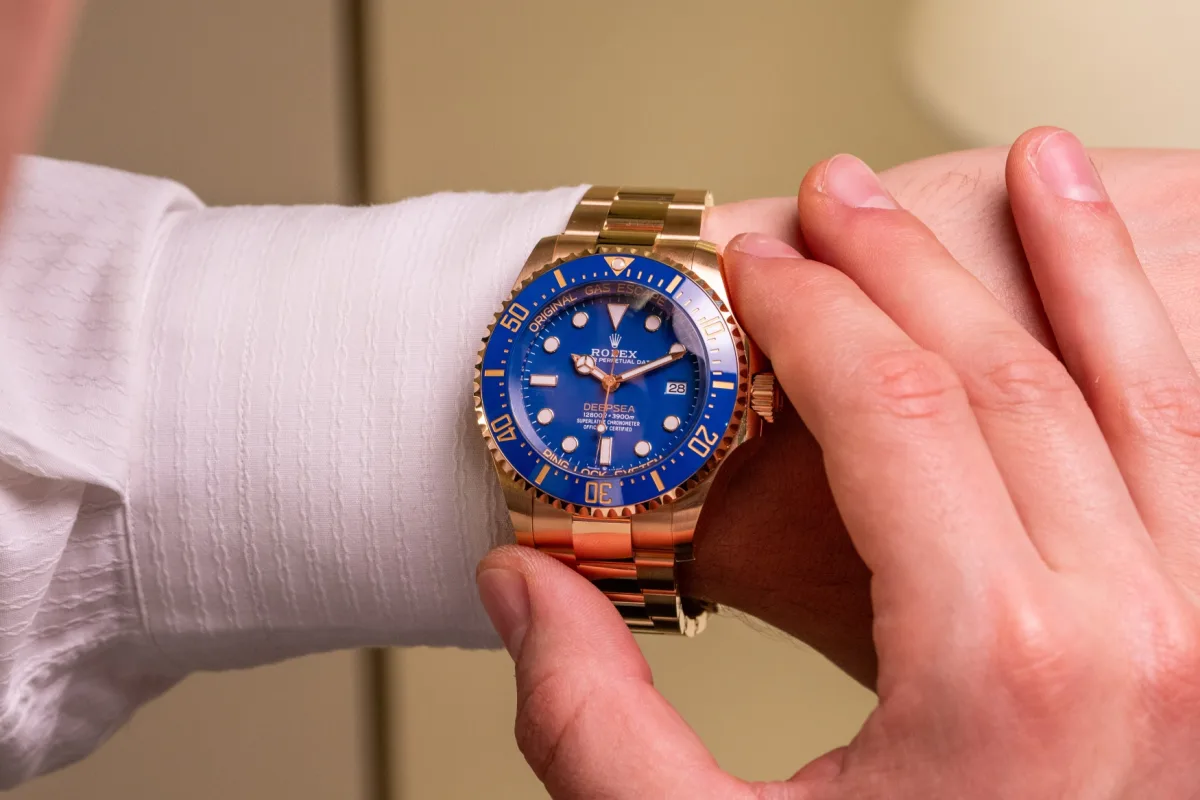
If you're lucky enough to own solid gold watches, you can't ignore the historical rise in the value of this metal. What you acquired as a collectible or accessory has now become a profitable asset. When the watches lying in a drawer have risen in price by more than 100% over three years, it's hard not to notice.
Although the price of gold watches typically includes not just the cost of the metal but also the design, craftsmanship, quality of the mechanism, and other aspects, a sharp rise in the price of gold often outweighs all this. If you have to make serious financial decisions, selling gold watches can be a profitable solution.
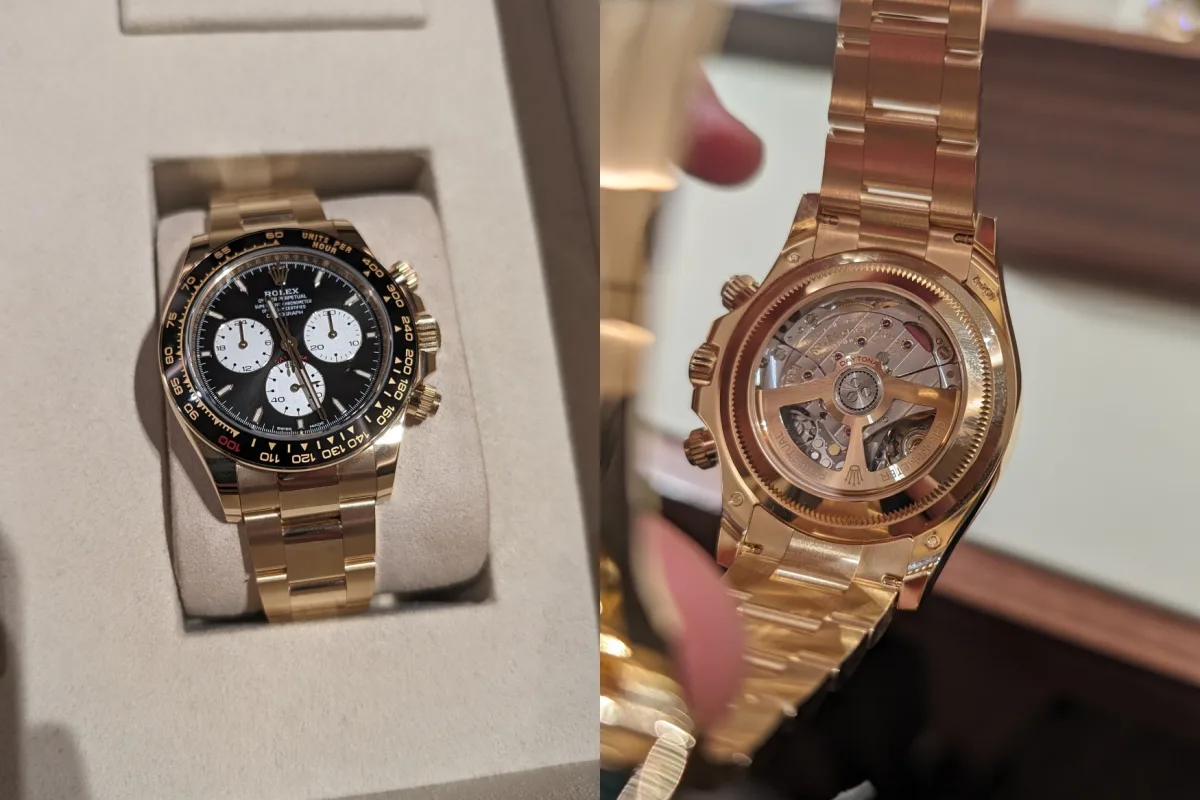
Of course, there's a risk that the buyer will simply melt down the watches. But that's how the market works now. If, for example, you need to make a down payment on an apartment, selling 18-carat gold items can speed up the purchase process. I'm not giving financial advice and don't claim expertise in this area, but the price increase is obvious, and for owners of such assets, it's a rare opportunity.
When Watches Attract Unwanted Attention

This issue is especially relevant for London residents. Walking through the city center, you might notice too many strangers' eyes on your wrist. One slip or an extra drink in Soho is enough to return home and realize that your beloved Rolex GMT was left in an Uber.
While the problem isn't limited to London, watch theft cases here get more publicity. This doesn't mean you can't wear expensive watches in the capital. However, some brands and models are more vulnerable to theft. If you feel a constant threat and can't wear such watches without fear, it's wise to sell them to someone who can wear them more peacefully. This will free up funds to buy less conspicuous models that won't attract criminals' attention.
When a Major Purchase is Necessary

We spend a lot of time reading, watching, and even dreaming about watches, but for most of us, trading them is not the main income. Important financial needs arise in life. For example, I recently sold my birth year Tudor Submariner to help with the purchase of my first apartment. It was the most expensive model in my collection and was initially acquired for this purpose. Despite a journalist's salary, living in London requires additional financial support.
It's important not to perceive watches only as objects or accessories - they can serve as financial instruments at the right moment. Therefore, it's worth taking proper care of them so that in the event of serious life events, you can count on the collection as a reserve. This doesn't mean having a sale with every unexpected bill, but knowing you have a "financial cushion" on your wrist can be very useful. The main thing is to ensure the watches are properly insured for unforeseen situations.
When Your Tastes Change
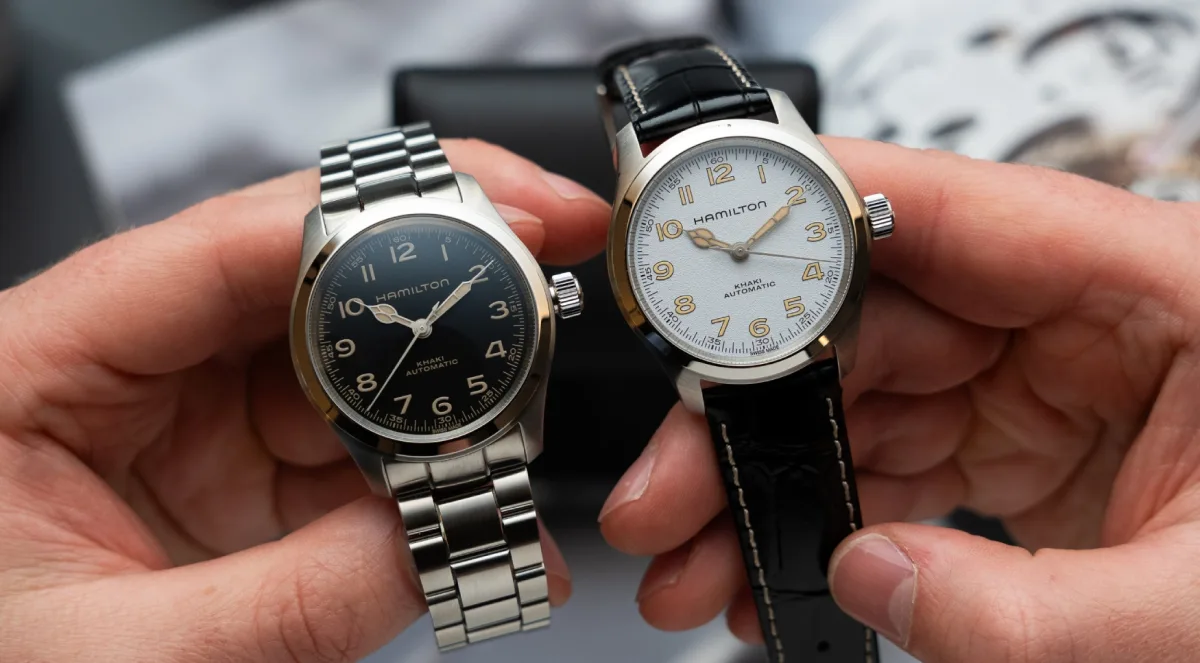
This is a natural process for all collectors. As you become more familiar with the world of watches, preferences and values change. It's normal to part with models that you no longer like. It's not a reason for shame, but a sign of growth and openness to new things.
Perhaps you're starting to prefer smaller, more elegant watches or favor alternative case materials, such as ceramic instead of stainless steel. Over time, it's useful to get rid of models that don't match current tastes. It's important to remember that you can always buy sold watches back if tastes change again. The watch market is large and active enough to find the right model later. Don't be afraid to update and rotate the collection.
This article reveals key reasons why collectors should consider parting with some pieces from their collection. Proper management of a watch collection not only maintains its relevance but also effectively uses it as a financial resource and avoids unwanted risks and inconveniences.