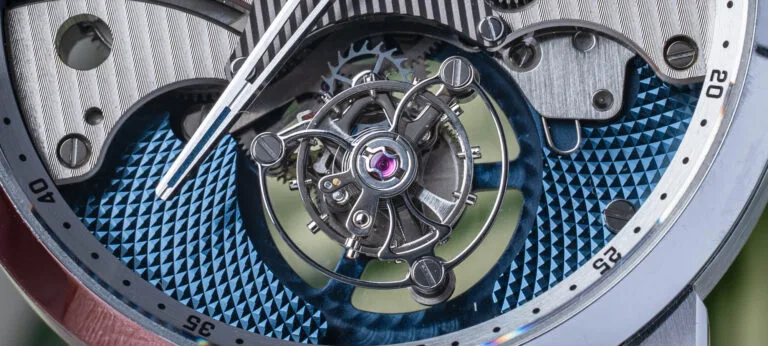
We recently received a press release from a brand selling tourbillon watches for $25,000.
The text was as ridiculous as one might expect: pompous claims about technical prowess that resemble a school bully bragging about his father's earnings. Additionally, the text contained excessive capitalization, random German words, typos, and typical exaggerations. Naturally, the watches are declared a limited series due to a "limited quantity," although no specific number is provided. But the most outrageous part - at a price of $25,000, the brand uses an almost unchanged third-party tourbillon.
Tourbillon: A Technical Anachronism and Its Role in the Watch Industry
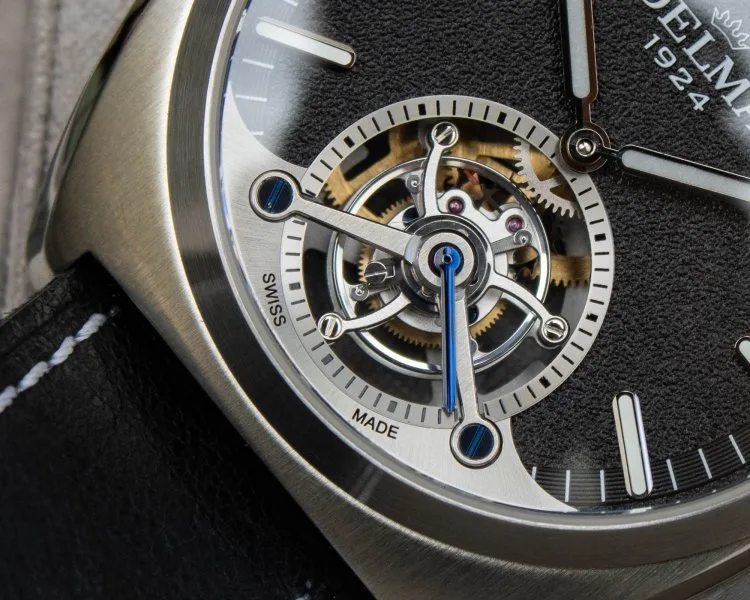
The tourbillon is an outdated and completely unnecessary mechanical complication that has been used by brands over the last 30 years to showcase technical capabilities and often craftsmanship. In the past, the tourbillon was rare, expensive, and indeed a sign of high watchmaking art, sometimes handmade. However, over the past few years, the cost of this complication has dropped from $140,000 to $10,000, and then to $2,000. The tourbillon has ceased to be the prerogative of elite brands and has become accessible to almost everyone for reasonable money. This democratization was initially driven by several small Swiss manufacturers (mainly Horage and BCP Tourbillons), and then by Chinese factories.
Why the Tourbillon No Longer Impresses?
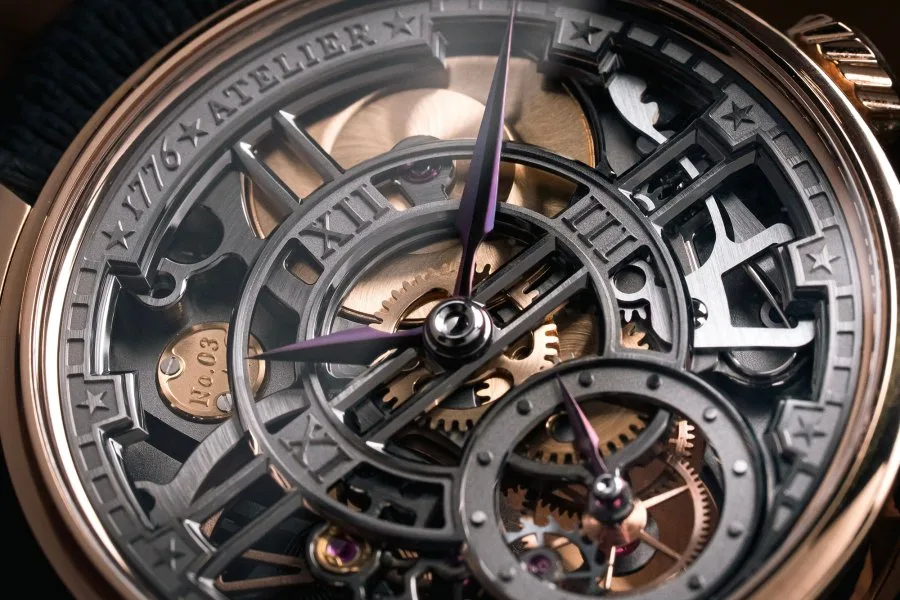
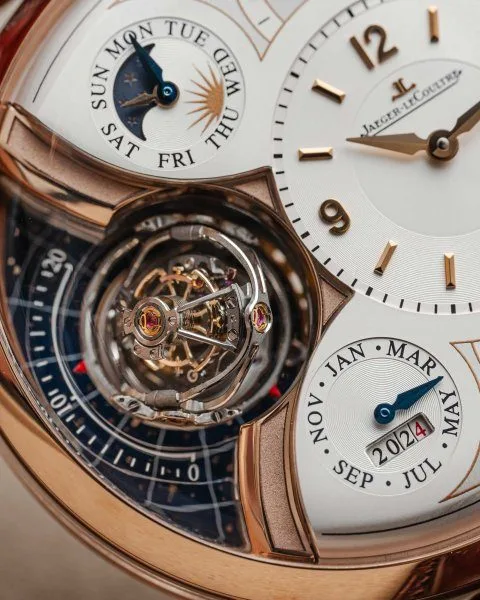
In today's world, the presence of a tourbillon in itself does not evoke admiration. Anyone can acquire a watch with this complication, and if one does not demand high standards of finishing, a tourbillon can be bought for about $2,000 - the same one installed in watches costing over $50,000. This has put ultra-luxury brands, which previously actively used tourbillons to affirm their status, in an awkward position. Now they are forced to create inclined tourbillons, heliotourbillons, and other complex variations to impress - and some of them do indeed impress. However, the common feature of all these models is that the tourbillons are made entirely or partially by the brands themselves. Despite questionable practical benefits, such brands demonstrate real technical achievement and create unique competitive advantages.
The Use of Third-Party Tourbillons: Why Is It a Problem?
Brands that use third-party tourbillons and try to present this as a significant achievement are, at the very least, exaggerating. The press release mentions "one of the most iconic successes in watchmaking" - referring to the tourbillon. But the brand does not solve any complex tasks; it merely installs a ready-made mechanism into the case. This is akin to my eight-year-old son "preparing" a bagel for breakfast - he simply takes it out of the packaging. In a world where tourbillons have become widely accessible, demanding a high price for a watch with a tourbillon to which the brand has not contributed significant effort or modifications is unreasonable and unfair.
Conclusion: How to Properly Evaluate Tourbillon Watches?
- The tourbillon is no longer a unique hallmark of technical prowess.
- It is important to consider who made the tourbillon and how: in-house production or a third-party mechanism.
- High prices should be justified by innovations, refinements, and quality of finish.
- Buyers should carefully study the origin of the mechanism and the brand's involvement in its creation.
Thus, when choosing a watch with a tourbillon, the key factor is not just the presence of the complication, but the level of technical and artistic work invested in its creation. Only then can the cost and uniqueness of the product be objectively assessed.