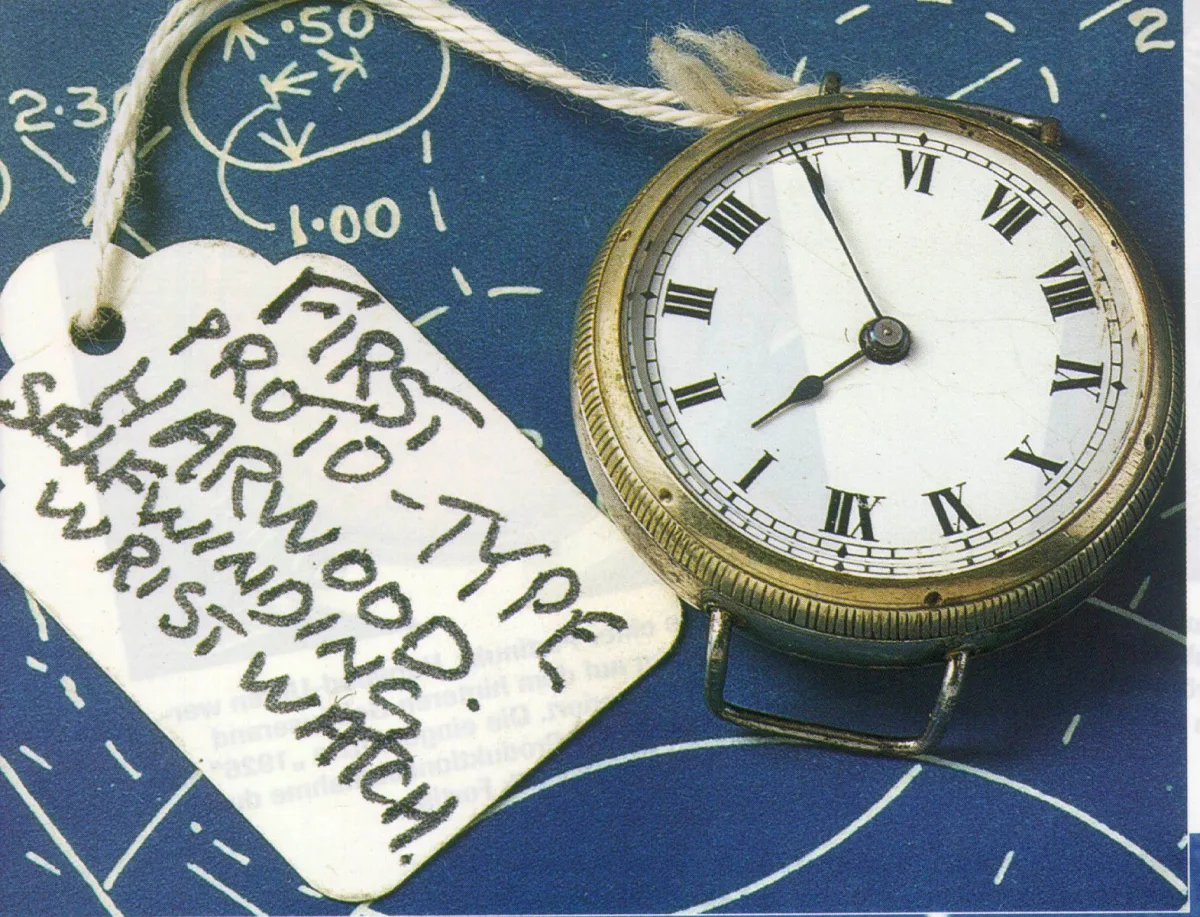
Inside nearly every mechanical watch lies a special type of mechanism that performs such a fundamental function that today its presence is taken for granted.
This mechanism winds itself. It accumulates energy from the movements of your wrist throughout the day, winding the spring with every gesture, turn of the steering wheel, or wave of the hand for a cup of coffee. You never think about it, and you shouldn't have to.
A hundred years ago, in 1926, this was not the case. This month marks the centenary of the moment when British watchmaker John Harwood and Swiss manufacturer Fortis changed the world of mechanical watches by creating the automatic mechanism. The development of the automatic mechanism is one of the undervalued milestones in horological history, rarely receiving due attention outside of narrow professional circles. Today we wish to fill this gap. To understand the significance of the automatic mechanism, it is helpful to imagine the state of the watch industry in the early 1920s.
The Early Years of the Wristwatch Era
Wristwatches were still a relatively new invention. World War I accelerated their adoption among soldiers who needed to keep their hands free, but watches remained fragile and unreliable. One of the main problems in watchmaking was reliability. Every watch required daily manual winding to keep running. This process, though seemingly routine, posed serious issues. Each time the crown was pulled or turned, the mechanism was momentarily vulnerable to dust and moisture.
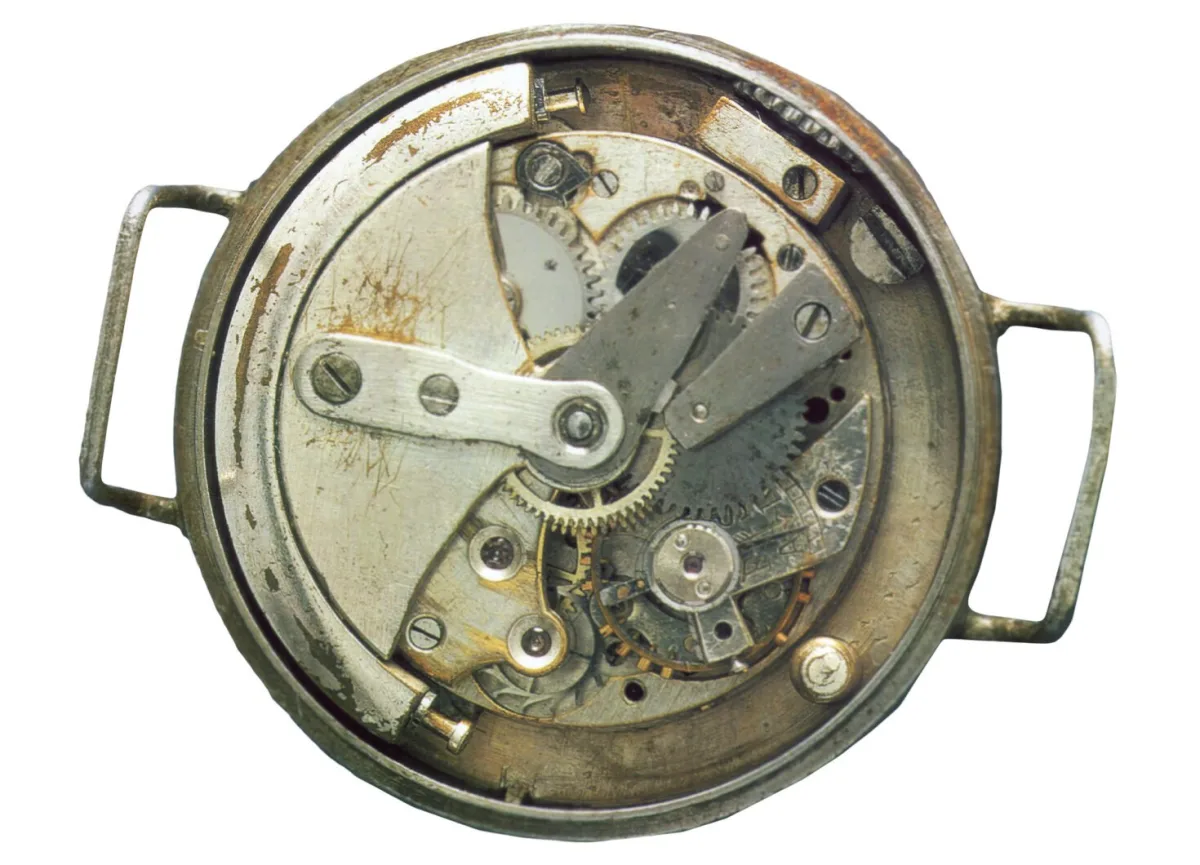
Over time, the seal of the crown would wear down due to daily interaction. Fortis founder Walter Vogt and many other watchmakers of the time understood: the crown was the weakest link in the mechanism. It was necessary but simultaneously a vulnerability. Vogt, who founded Fortis in 1912 in Grenchen, built the company on the idea of creating durable mechanical watches for everyday use. The vulnerability of the crown contradicted this goal, and changes were needed.
British Watchmaker with a New Idea - Automatic Wristwatches
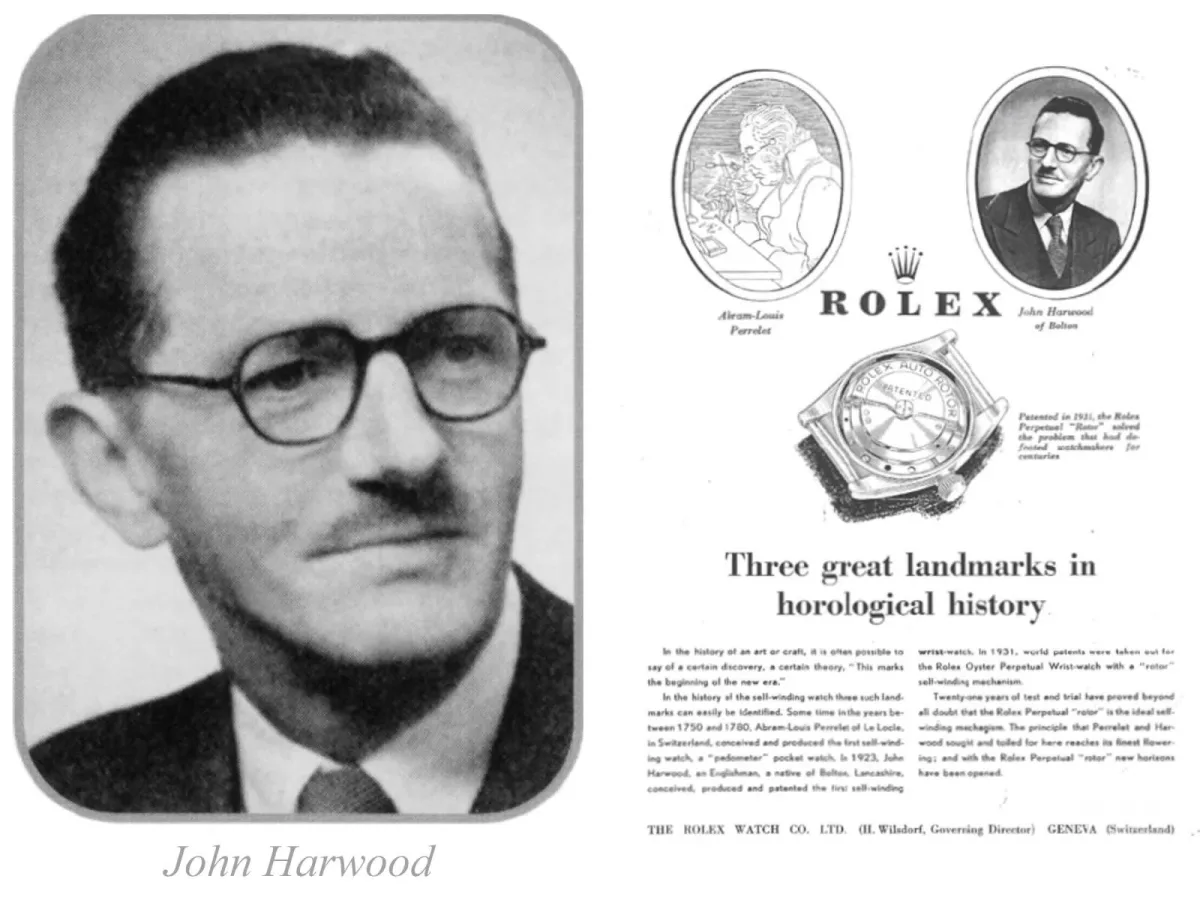
At this moment, John Harwood, a British watchmaker, came into the scene, viewing the problem from a different perspective. Most of the industry saw the crown as an inevitable limitation. Harwood, however, posed a different question: what if watches didn't need a crown for winding? After years of experimentation, he found the answer - wristwatches that could generate their own energy through the natural movements of the wearer's wrist.
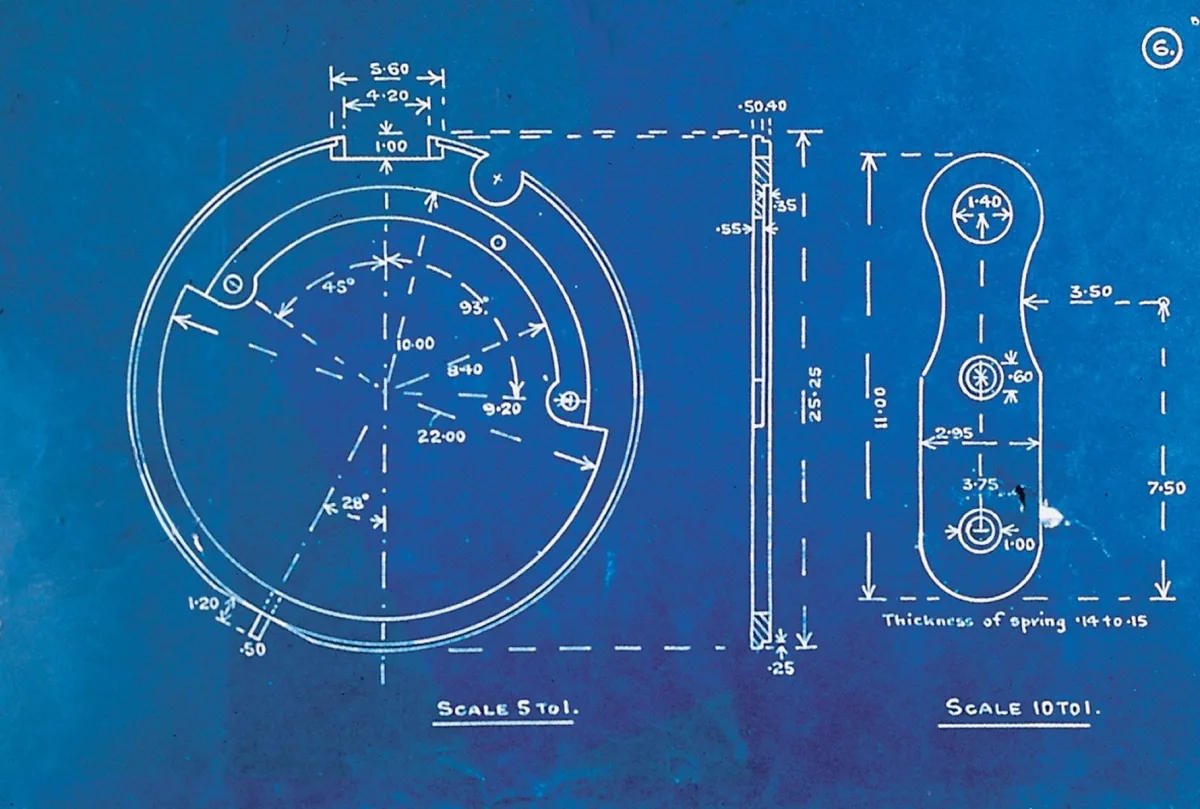
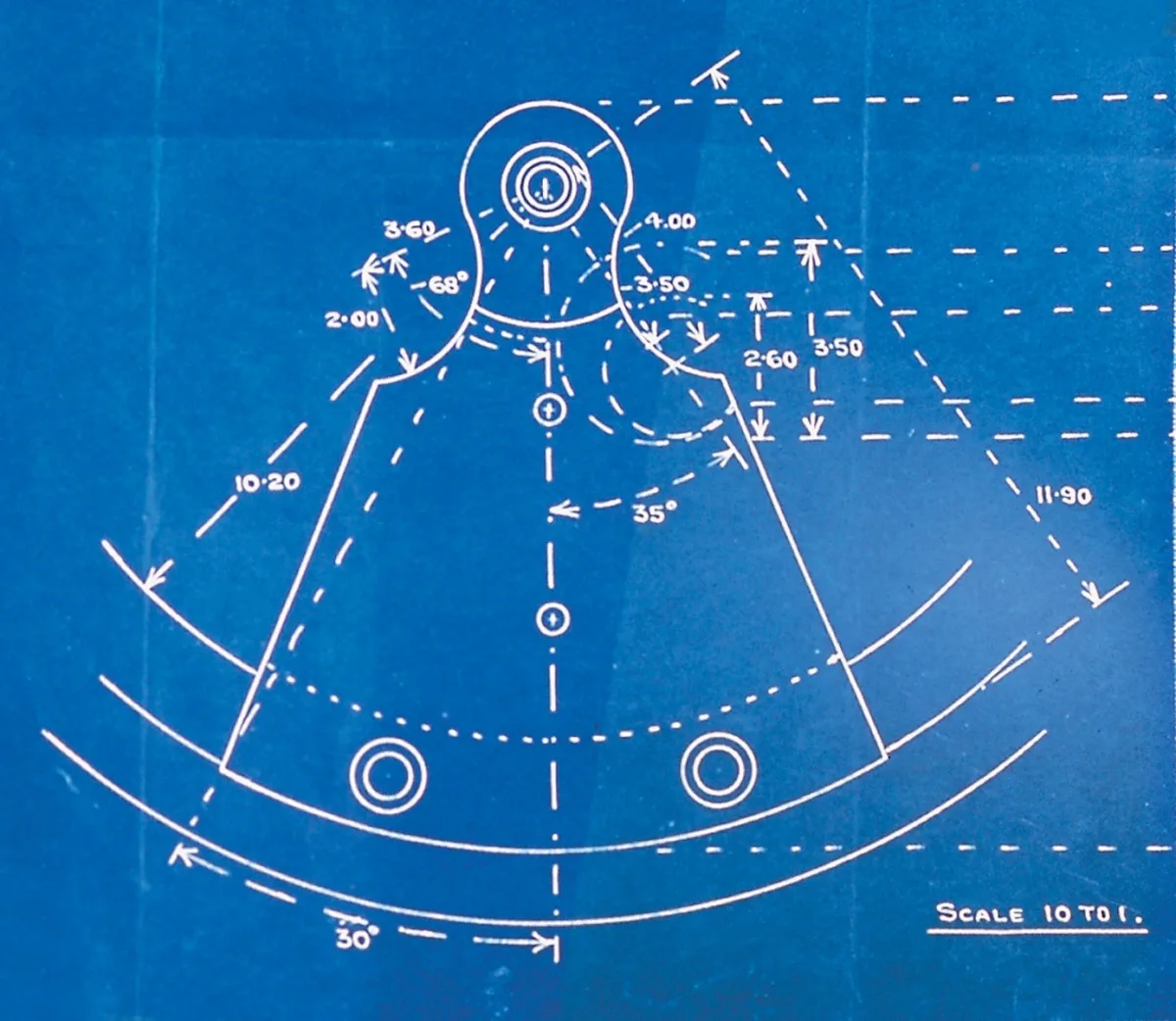
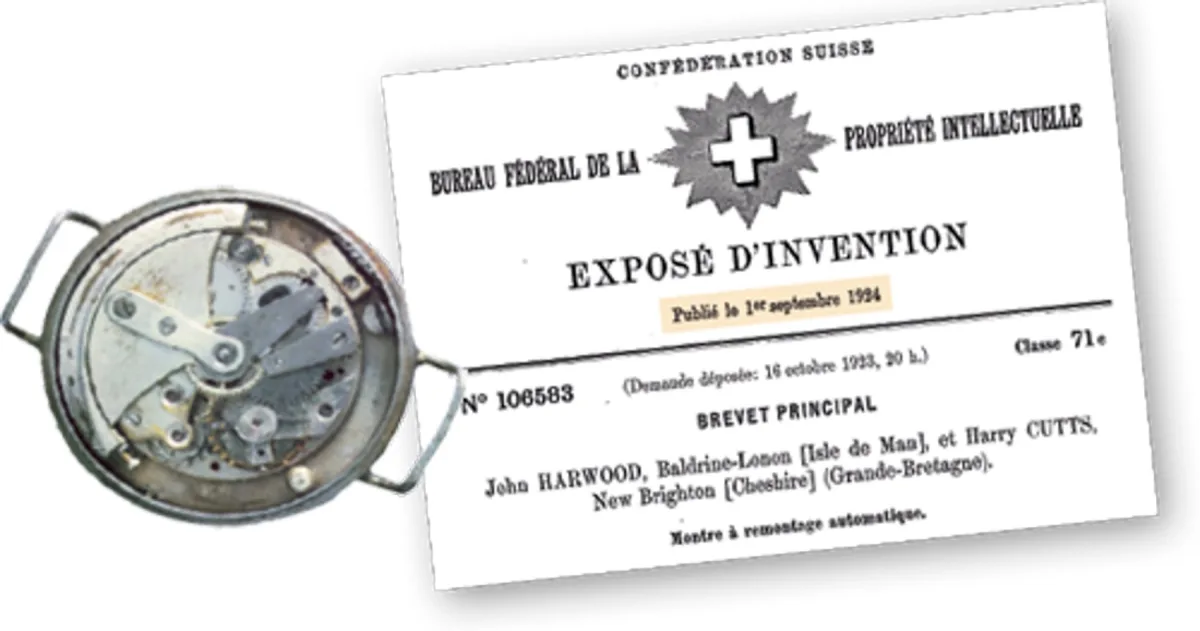
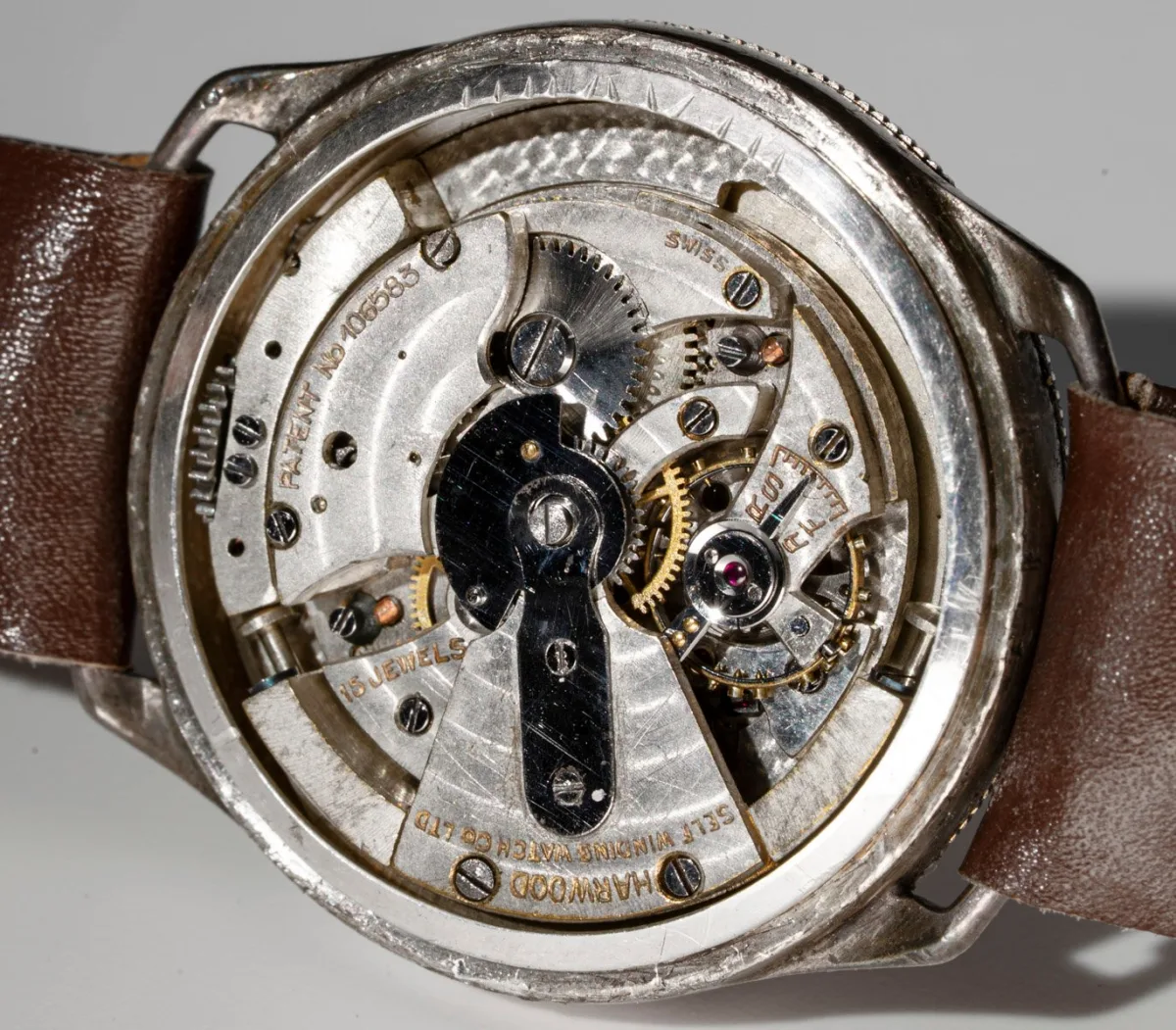
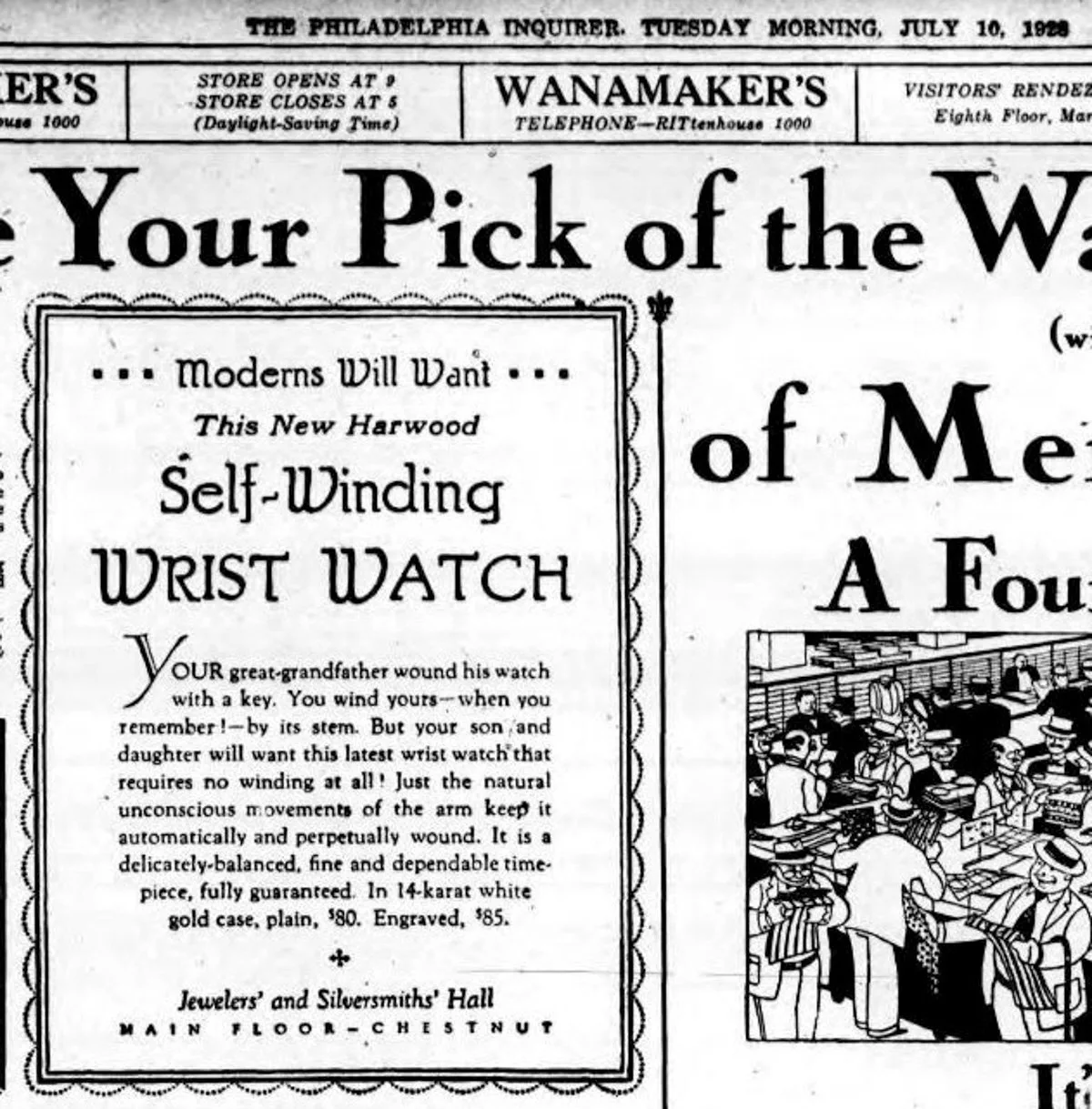
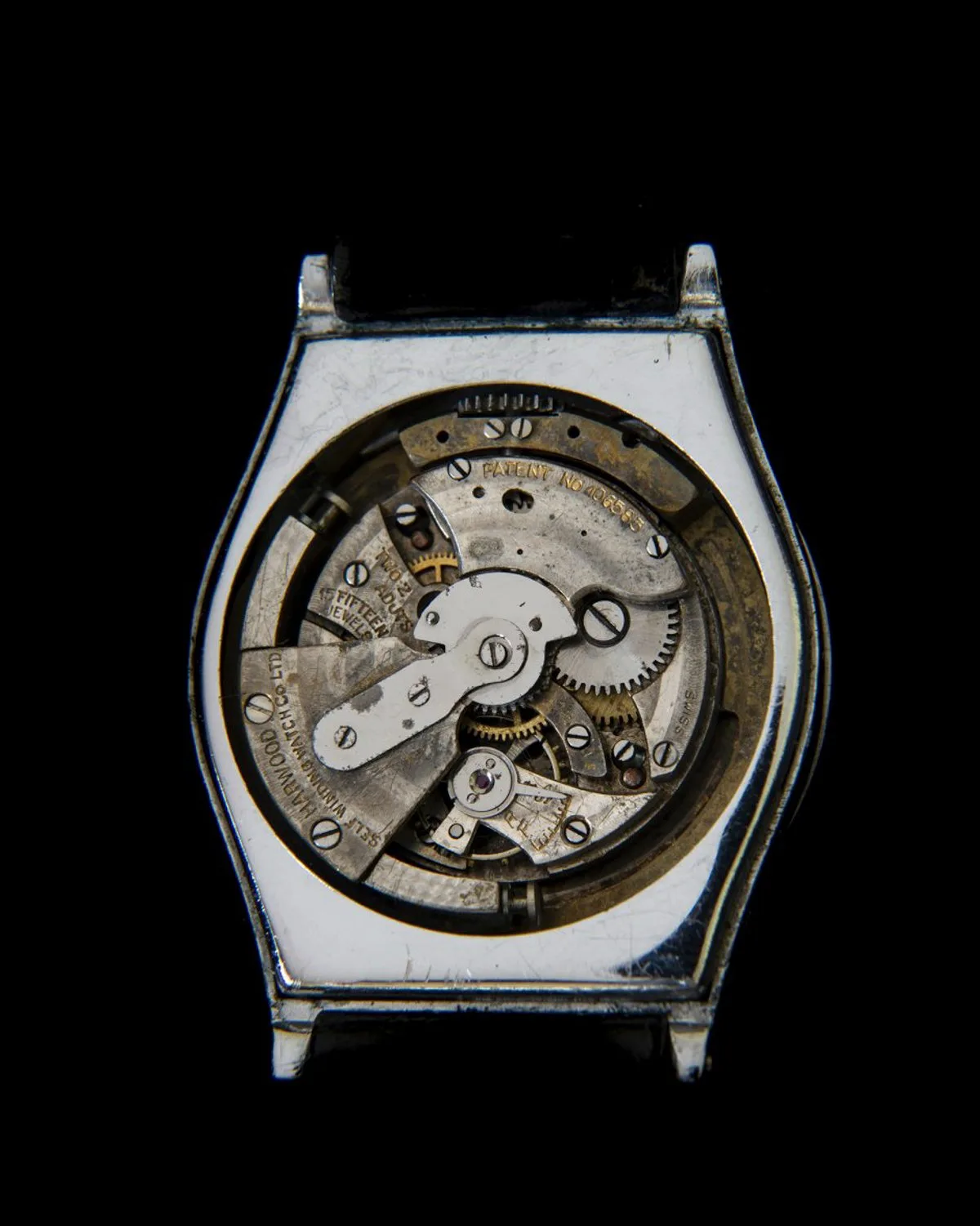
In 1924, Harwood received Swiss patent No. 106583 for an automatic winding system based on an oscillating weight. This mass swung back and forth inside the mechanism with the movement of the hand, transferring energy to the mainspring through a so-called "bumper" system. Unlike modern rotor mechanisms with 360-degree rotation, Harwood's weight was limited to a certain angle, striking spring buffers at the extremes. Despite the limited amplitude, the principle was revolutionary: the watch generated its own energy while on the wearer's wrist.
Automatic Watches: From Patent to Product
A patent is not a watch. Turning this system into a reliable mechanism capable of withstanding daily use, constant movement, and years of operation required another level of expertise and industrial production. Harwood needed a manufacturing partner, and Walter Vogt saw the potential in the invention. They teamed up to bring the idea to market - a technical challenge more complex than one might imagine today.
The construction of the watch was completely rethought, as the oscillating mechanism had to withstand constant wrist movements. The caliber remained protected despite the absence of a traditional winding mechanism, with reliability built into every detail. After all, the promise of automatic watches - to work without daily intervention - could not be fulfilled by a mechanism requiring frequent maintenance.
Technical Challenges of Creating Automatic Mechanical Watches
Automatic watches had to solve all the stated problems. Fortis had the production base, engineering potential, and determination to implement the project. Harwood brought the invention, and Fortis turned the patent into a real product. On July 13, 1926, the first Fortis Harwood automatic watches came off the production line in Grenchen, Switzerland. Automatic watches ceased to be a concept or blueprint - they became a reality.
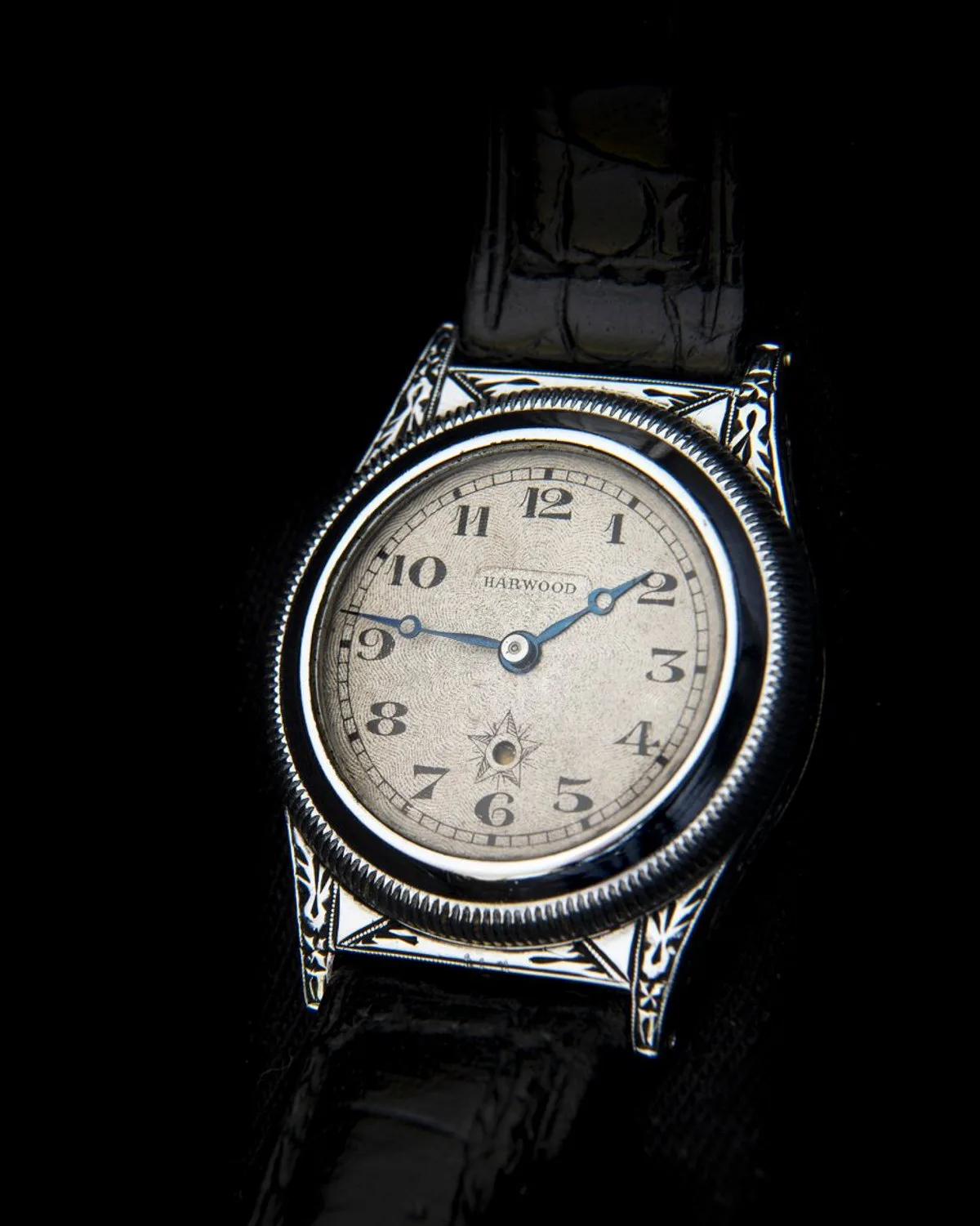
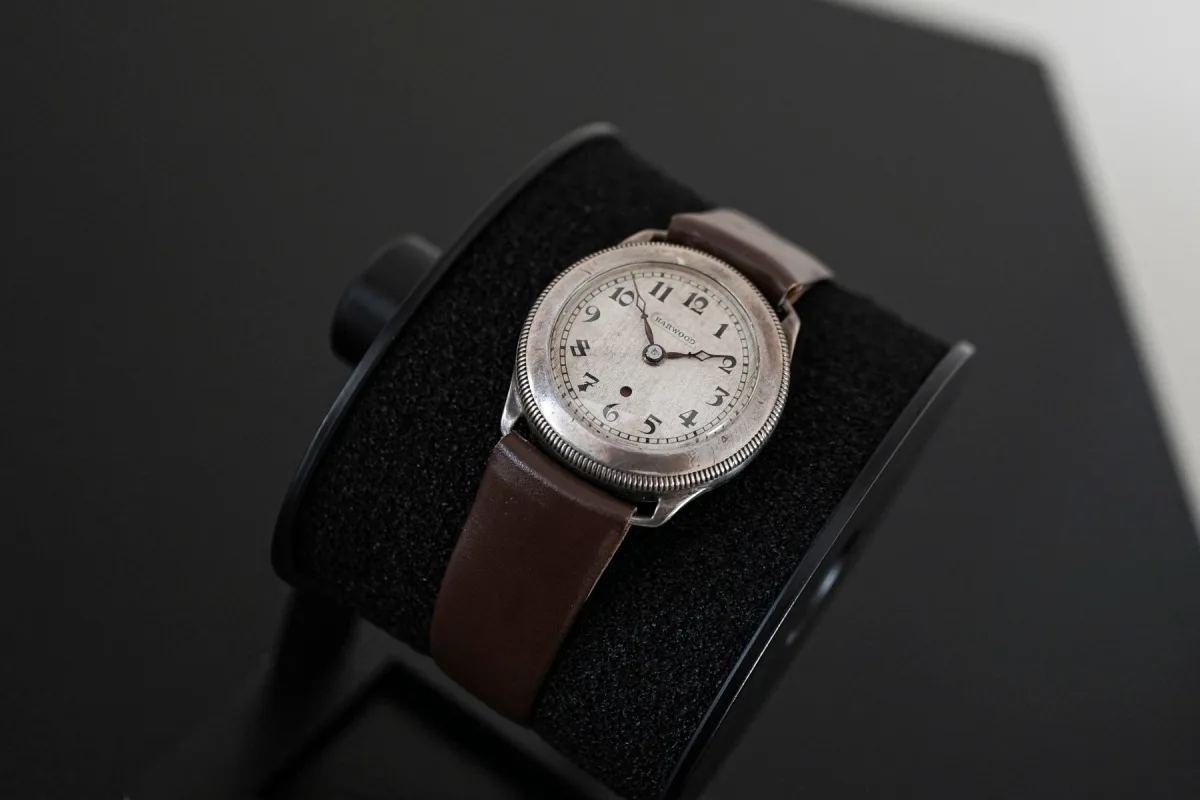
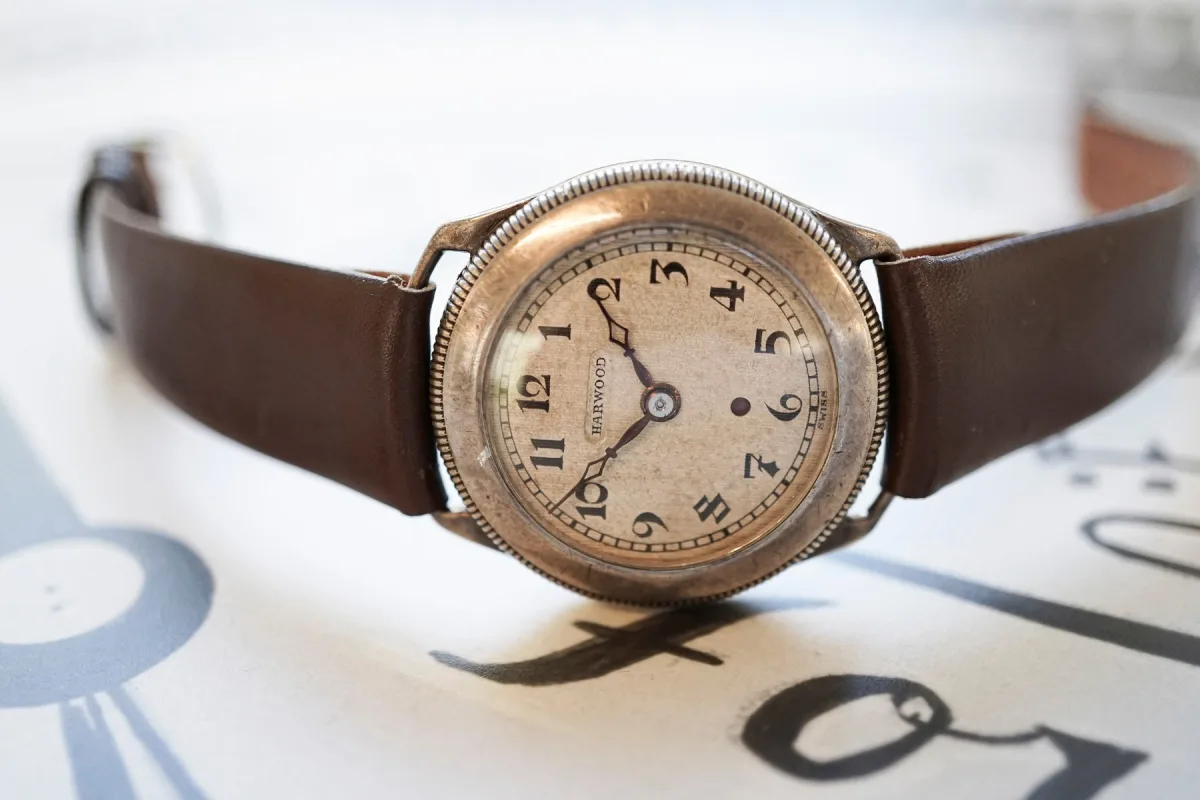
The first watches looked unusual for the time. Most notably, they lacked a winding crown. The owner set the time using a rotating bezel, and the mechanism wound itself from hand movement. A component considered essential in other watches was simply removed. In the following years, many variations of the Fortis Harwood appeared with different case shapes, dial designs, and configurations, but they all retained the main principle - the absence of a winding crown.
Thousands of Produced Units
About 30,000 Harwood automatic watches were produced in total. By today's standards, this is a small quantity, but for the time, it was significant. The automatic winding system quickly evolved. Bumpers gave way to rotor mechanisms with 360-degree rotation, which could wind in both directions, providing greater efficiency and increased power reserve. Energy transmission became more sophisticated.

Mechanisms became thinner, more accurate, and more elegant. The industry continually moved forward. But the main principle - harnessing energy from the wearer's movement - remained unchanged. It is relevant even today. Every automatic mechanism in your watches traces its lineage back to this production in Grenchen in July 1926.
Rolex and Harwood
An interesting episode relates to how close the history of automatic watches came to being forgotten. When Rolex's Perpetual system began to dominate the post-war decades, the origin of automatic watches in the public consciousness became blurred. Rolex's marketing naturally focused on the brand's achievements, giving the impression that automatic watches originated in Geneva.
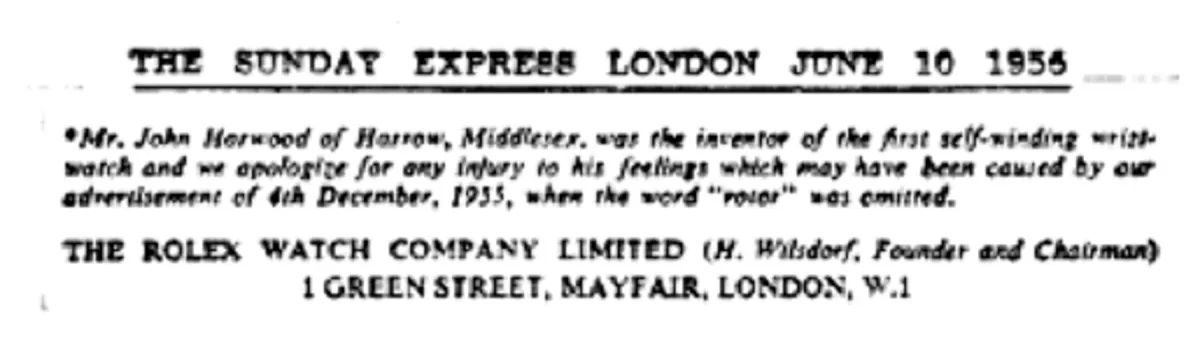
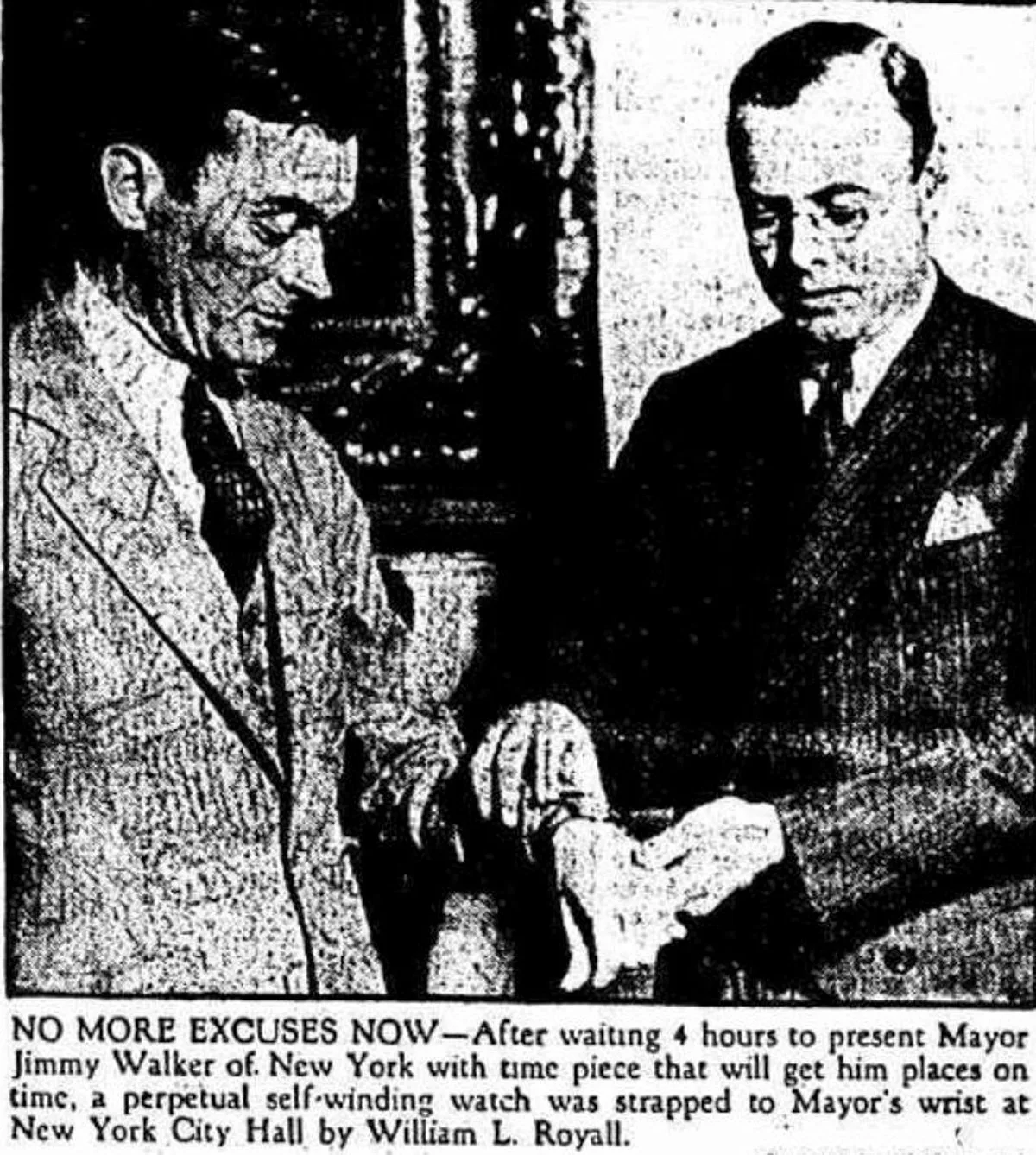
In June 1956, Rolex published a correction in the London newspaper Sunday Express, publicly acknowledging that the first automatic wrist mechanism was invented by John Harwood. The company apologized for any possible misimpression created by previous advertising. In subsequent years, portraits of Harwood even appeared in Rolex advertisements - a rare and significant gesture of recognition in the industry.
Fortis Today and the Legacy of Automatic Watches
A hundred years later, Fortis continues to produce watches in the same building in Grenchen where this chapter of watch history began. The atelier has transformed into a modern production facility, meeting today's demands, but the address and philosophy remain the same. The company, founded by Walter Vogt on the idea of robust mechanical watches for real-world use, continues to create just such products.
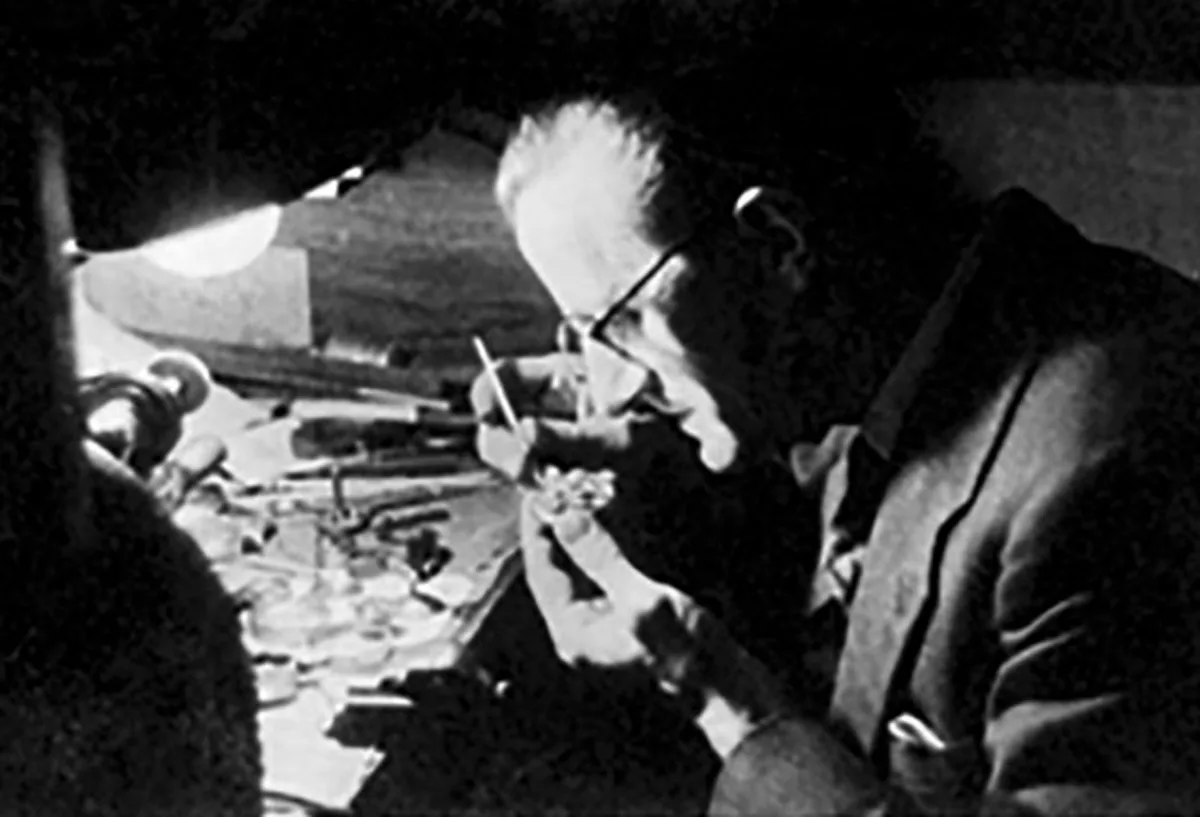
A centenary is a moment to pause and recognize not just the anniversary of a brand, but an important historical moment. July 13, 1926, is the day when automatic watches entered serial production and began their journey to becoming the main type of mechanical mechanism today. Every rotor in automatic watches - from industrial Miyota or Seiko to exclusive tourbillons - carries this date in its DNA.
Concluding Thoughts
Lovers of mechanical watches appreciate them in part because they are alive, unlike quartz. They move, "breathe," demand attention, and reward with tactile interaction with the mechanical heart - the mechanism. The automatic mechanism made these relationships more practical, turning daily winding from a necessity into a choice.
For those who want to learn more, the Fortis website offers a page with the detailed history of the Harwood Fortis watches.