The watch brand that undoubtedly creates some of the most impressive watches with skeletonized movements refers to such models as "openworked" (open).
However, this concept also applies to watches with a cut-out dial that allows viewing the movement. My spell-check tool does not recognize the word "openworked" and considers it an error, while among collectors and brands, the term is often used ambiguously and causes confusion. Audemars Piguet, which will be discussed, does exactly that, complicating understanding. Nevertheless, AP served as the inspiration for this article - both due to the controversial use of the term "openworked" and their creation of some of the most impressive open, that is, skeletonized movements.
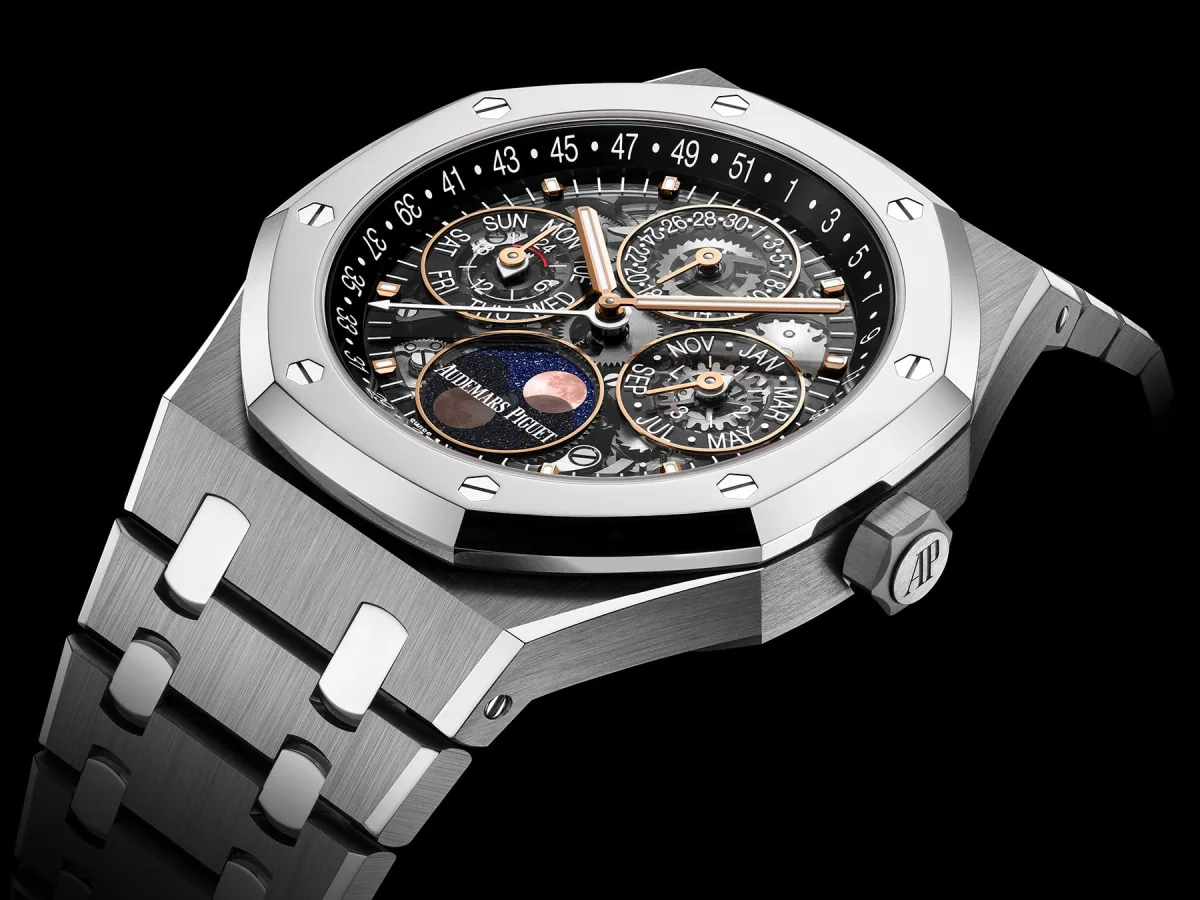
It's hard for me to choose a favorite among the two latest skeletonized creations of Audemars Piguet, which the brand called "Openworked." Perhaps it's the new Royal Oak "Jumbo" Extra-Thin Openworked ref. 16204XT.OO.1240XT.01 with a caliber 7124 thickness of only 2.7 mm, featuring skeletonized bridges, sharp internal angles, and various types of finishes on both sides of the movement. Or maybe it's this year's Royal Oak Selfwinding Perpetual Calendar Openworked ref. 26685XT.OO.1320XT.01 made of titanium and Bulk Metallic Glass (BMG).
Differences between openworked and skeletonized watches
The latest RO QP model, recently presented by AP, is equipped with the new caliber 7139. The movement takes center stage on both sides of the watch. On the front, it is framed by a black inner bezel with week numbers and a transparent gray minute scale with rose gold hour markers. The transparent sapphire dial reveals the cut-out bridges and wheels of the movement, finished in alternating dark and light gray tones. At positions 3, 6, and 9 o'clock are three additional dials with smoky sapphire rings displaying perpetual calendar data. They are highlighted by frames and hands made of rose gold, harmonizing with the central hour and minute hands of the same metal.
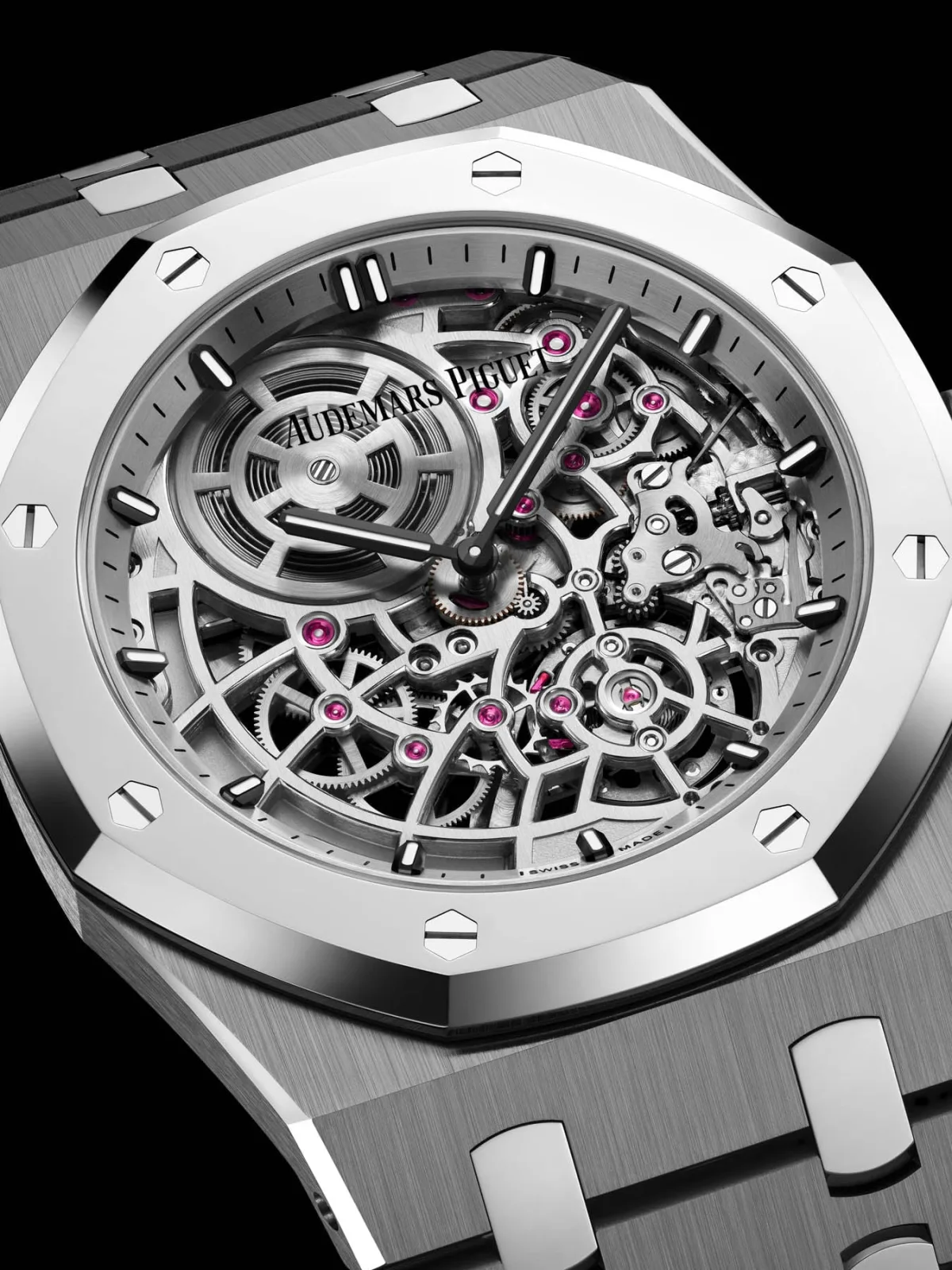
I will choose my favorite model later, but for now, note that both the new QP model and the RO "Jumbo" Extra-Thin feature skeletonized movements. According to the definition by the Fondation Haute Horlogerie (FHH), this means that the plates and bridges in the movement are cut to reveal the wheels, leaving only the parts necessary for operation. AP is an expert in the field of skeletonization, but neither the first nor the only brand to start removing "excess" material.
AP first began experimenting with opening up movements as early as the 1930s. In the 1970s, a new generation of AP watchmakers advocated for the revival of this craft. A new atelier was created for the production of skeletonized versions of the caliber 2120, with then CEO Georges Golay setting a goal of 100 pieces. Each took about 150 hours to create, and since the technique hasn't fundamentally changed, creating modern skeletonized movements also requires a lot of time. But why call them "openworked" instead of "skeletonized" if it causes so much confusion?
Skeletonized always openworked, but openworked not always skeletonized
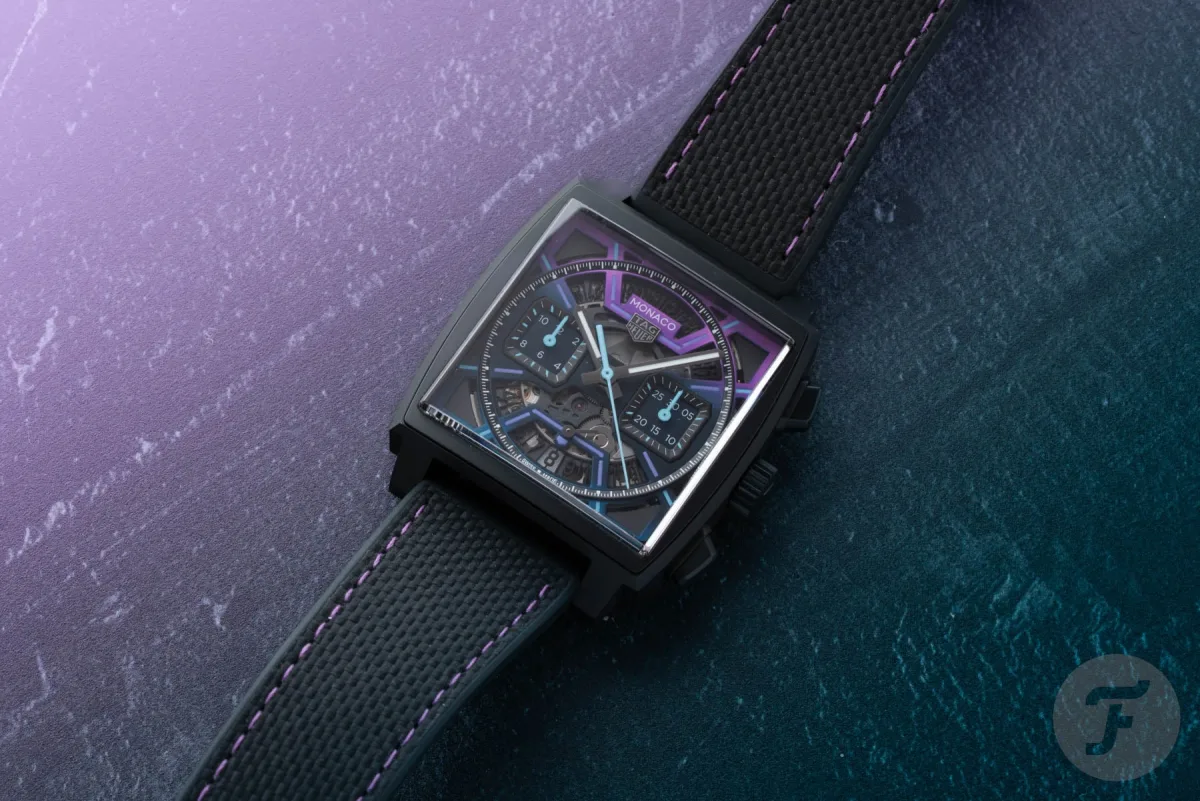
If a watch lacks a dial, it can be called either "open-dial" or "openworked." Since something is missing, I prefer the former term. However, brands often use "openworked" as it implies that the watch has more than just a missing or transparent dial. There are also openworked dials that partially reveal the movement beneath them. A classic example is the "hole" at 6 o'clock through which a rotating tourbillon can be seen. Full transparency is also an option. The limited edition TAG Heuer Monaco Chronograph for the Las Vegas Grand Prix 2026 is made of Grade 2 titanium with DLC coating and features an openworked dial with a gradient from purple to deep blue, mimicking the night sky of Las Vegas.
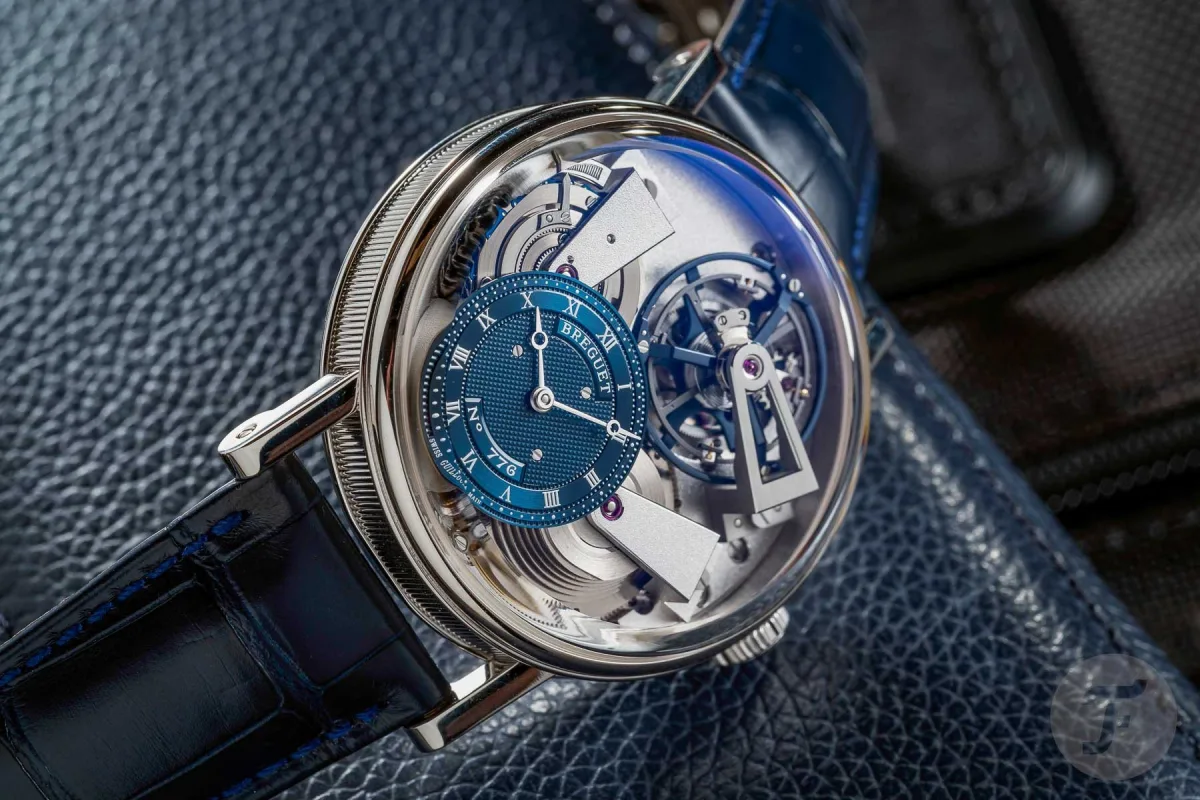
The most sophisticated openworked watches are produced by a brand with a century-old history and traditions of skeletonization - Breguet. The Tradition collection showcases key movement components on the front. The pinnacle of this direction is the Tradition Fusée Tourbillon 7047 model, where the chain and fusée are fully visible under the domed sapphire glass.
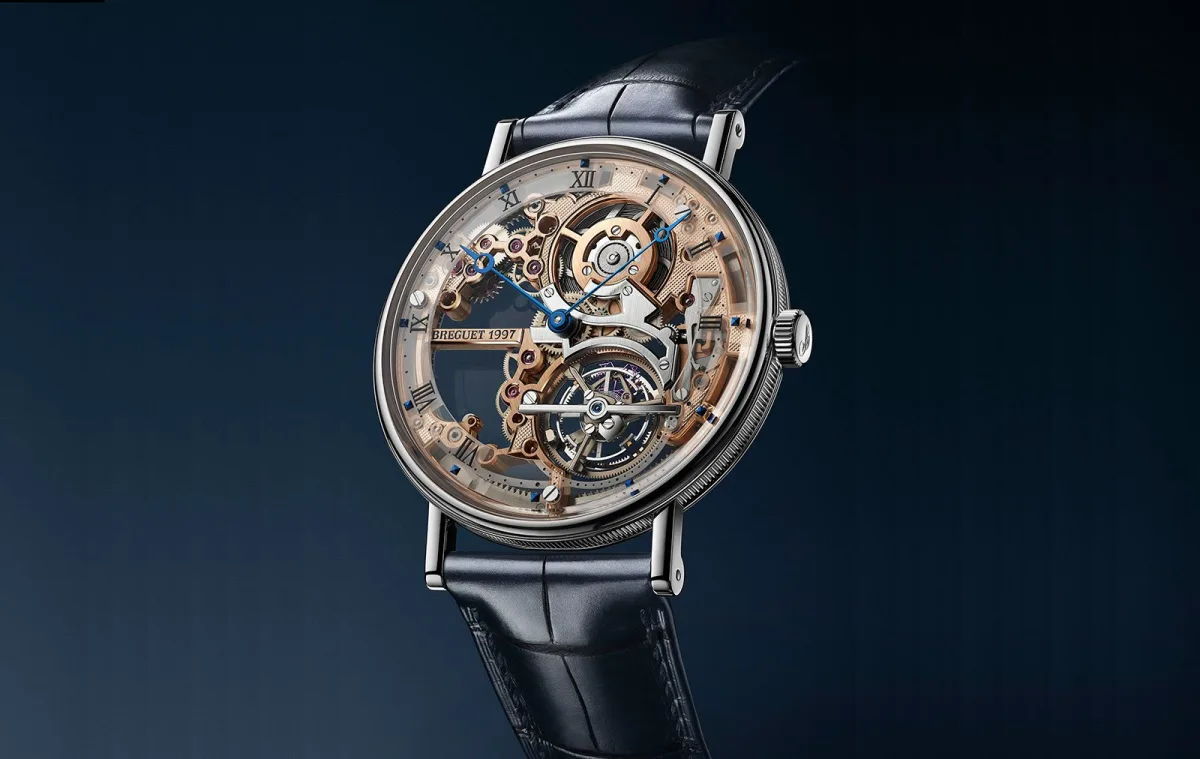
Complete Transparency
One of Breguet's most impressive skeletonized creations is the Classique Tourbillon Extra-Plat Squelette 5395. The watch is not only very thin but also maximally transparent. This is achieved not only through careful and delicate skeletonization but also due to the hidden peripheral rotor.
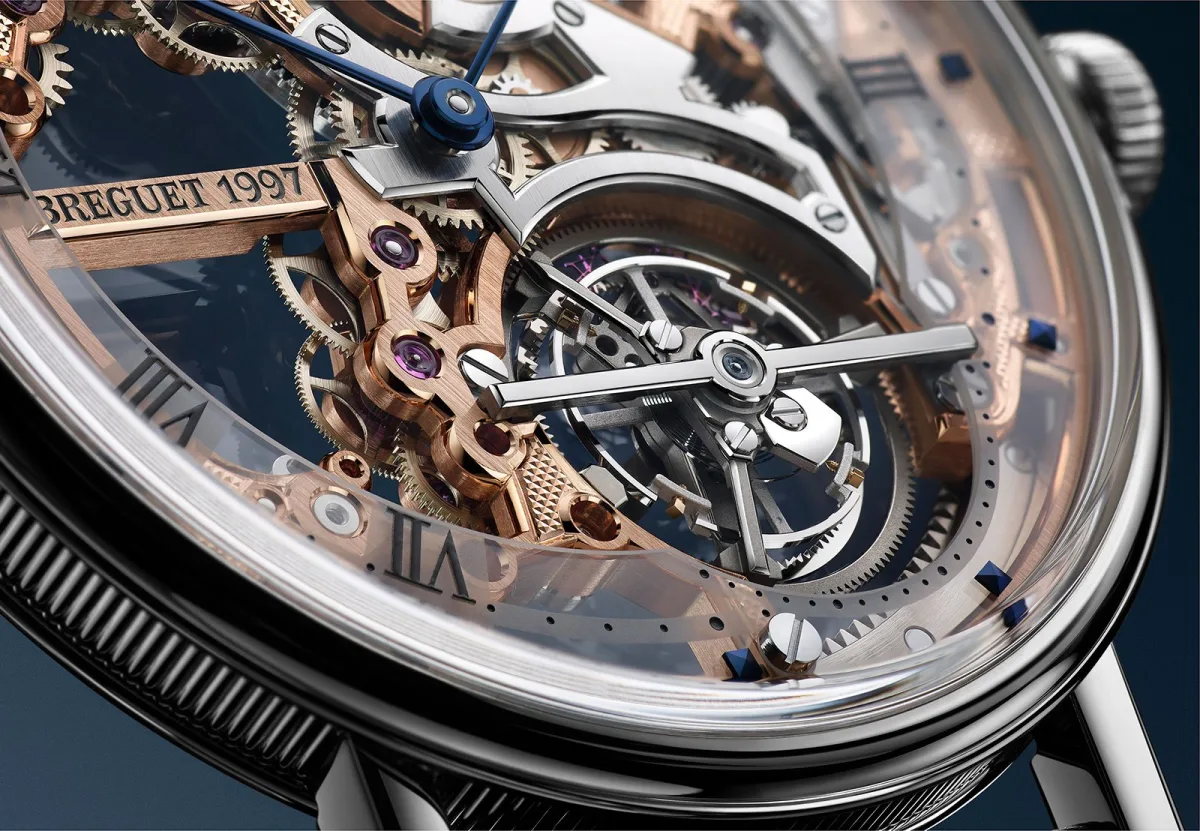
The removal of material from the mechanism creates a "transparency" effect. If you are not yet fascinated by the art of mechanical watchmaking, an elegantly skeletonized movement will surely interest you. Traditional skeletonization starts with a regular movement. The master carefully removes material that obstructs light from passing through the mechanism. By revealing bridges and wheels using traditional tools - punches, files, and saws - and manually polishing and shaping edges, full transparency is achieved.
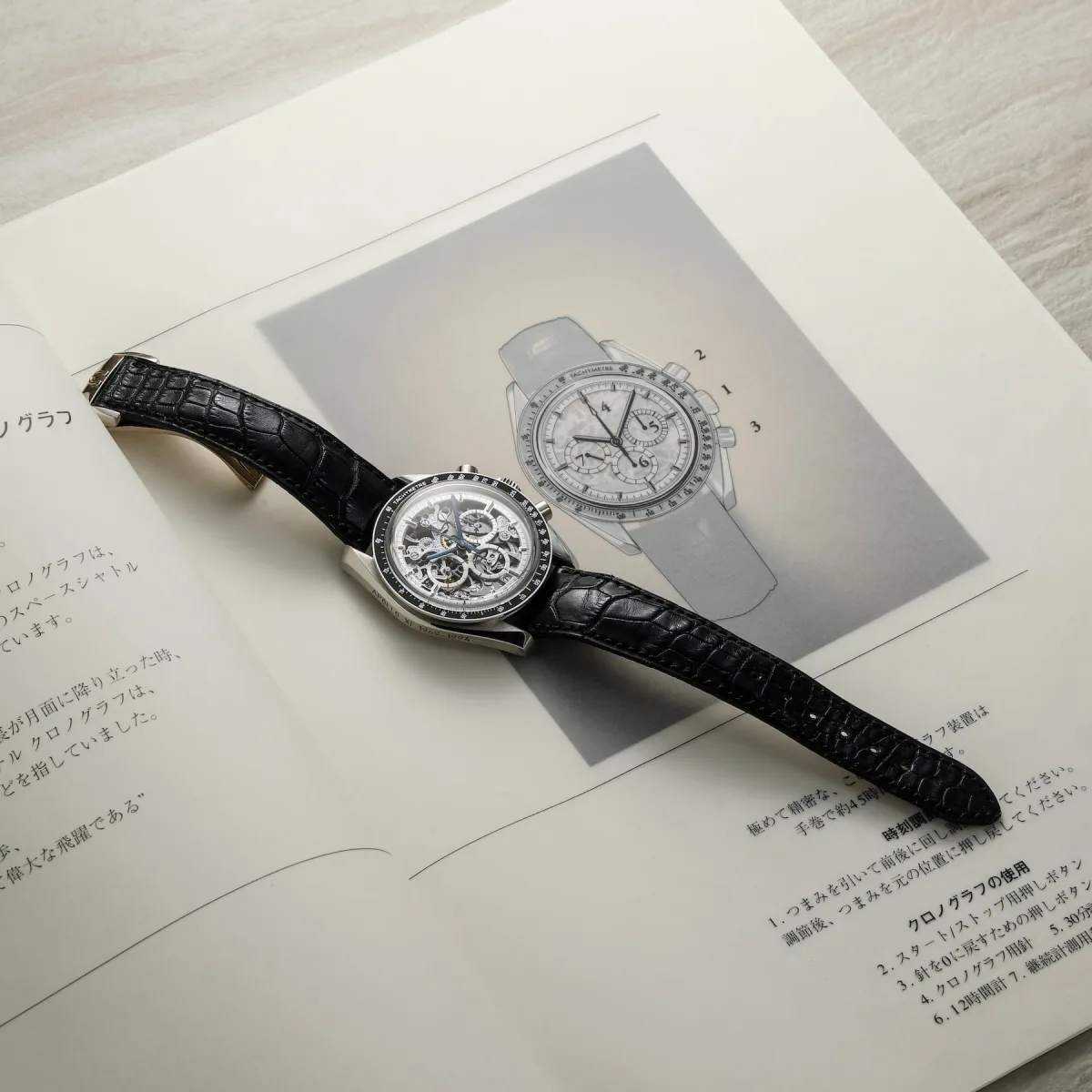
An excellent example of traditional, manual skeletonization is the Omega Speedmaster Professional 3097.30. Armin Strom manually skeletonized 50 such special platinum "Speedies," dedicated to the 25th anniversary of the Moon landing. In honor of the master bearing its name, the brand Armin Strom offers skeletonized watches in its current lineup. The Tribute 2 Aurum model is not considered skeletonized, as it is an openworked watch, but the One Week Skeleton Titanium from the System 78 collection is.
The One Week version demonstrates a modern approach to skeletonization. But before we get to it, let's consider the Chronoswiss Opus Chronograph Purple Rain - a tribute to watches released about 30 years ago.
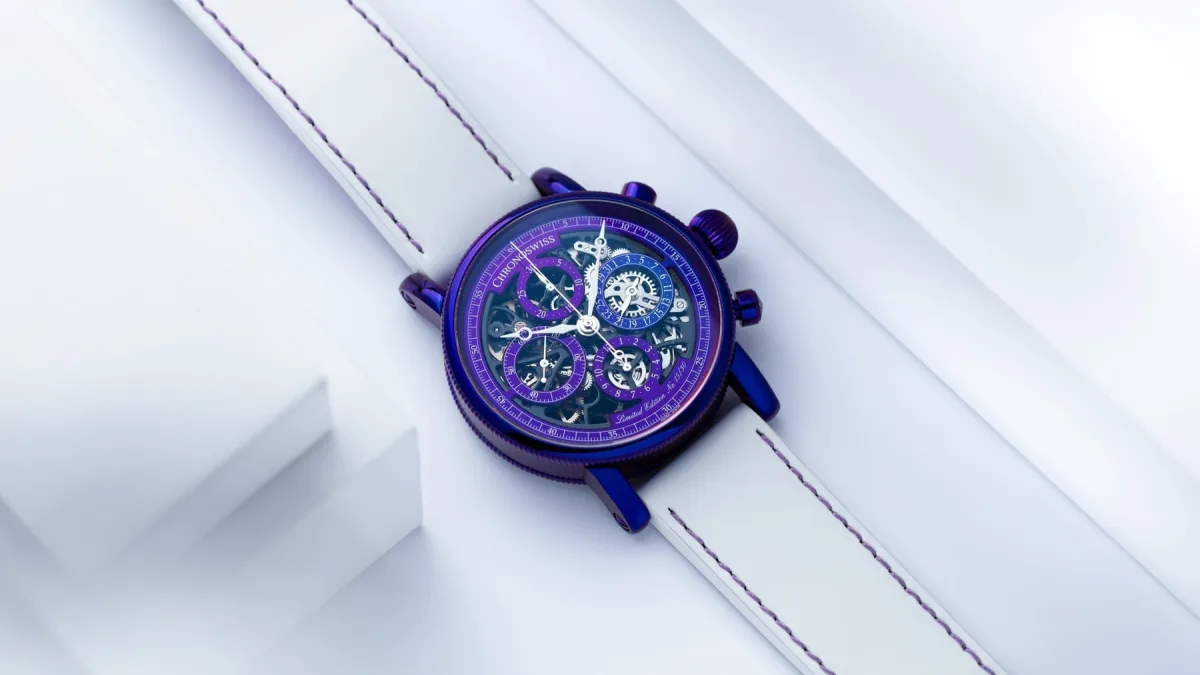
Transparent Ambassador of Watchmaking Art
In 1995, Chronoswiss founder Gerd-Rüdiger Lang introduced a watch that made history. The Opus CH 7523 became the first serial automatic skeletonized chronograph. This was significant as the Quartz Crisis was still fresh in memory, and the world of emotional mechanical watches was just emerging. The idea that mechanical watches are not just functional devices was relatively new. A chronograph with an automatic movement, with all moving parts and the "beating heart" visible, became an ambassador of all mechanical watches. It was a window into the complex and fascinating world of horology. The vibrant chronograph helped rekindle interest in the craft, positively impacting the industry. The Purple Opus Chronograph Purple Rain is a bold modern tribute that leads us to modern skeletonization methods.
Modern Skeletonization - It's Not What It Used to Be
Modern skeletonized watches are still a kind of "poster" of watchmaking art. As technology evolves, so does skeletonization. Previously, metal was removed manually, today architectural, newly designed, very transparent movements are created. Computers and ultra-precise CNC machines are the new tools. Modern technologies literally open up the world of watchmaking.
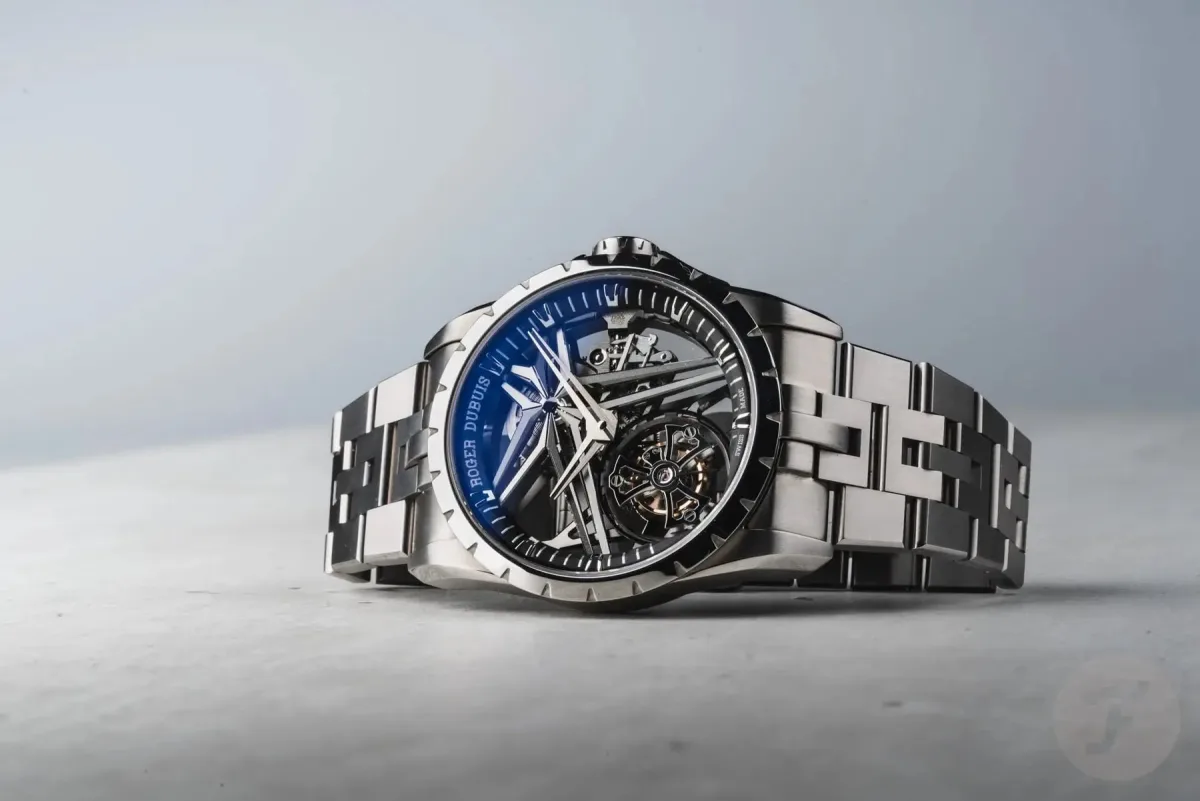
Brands like Roger Dubuis and Cartier offer watches with base plates skeletonized from the start. This provides greater design freedom. The result is a star-shaped mechanism, as in the Roger Dubuis Excalibur Monotourbillon Titanium (CHF 147,500). The skeletonized base is brought to the watchmaker's desk for hand finishing, pre-cut on the machine.
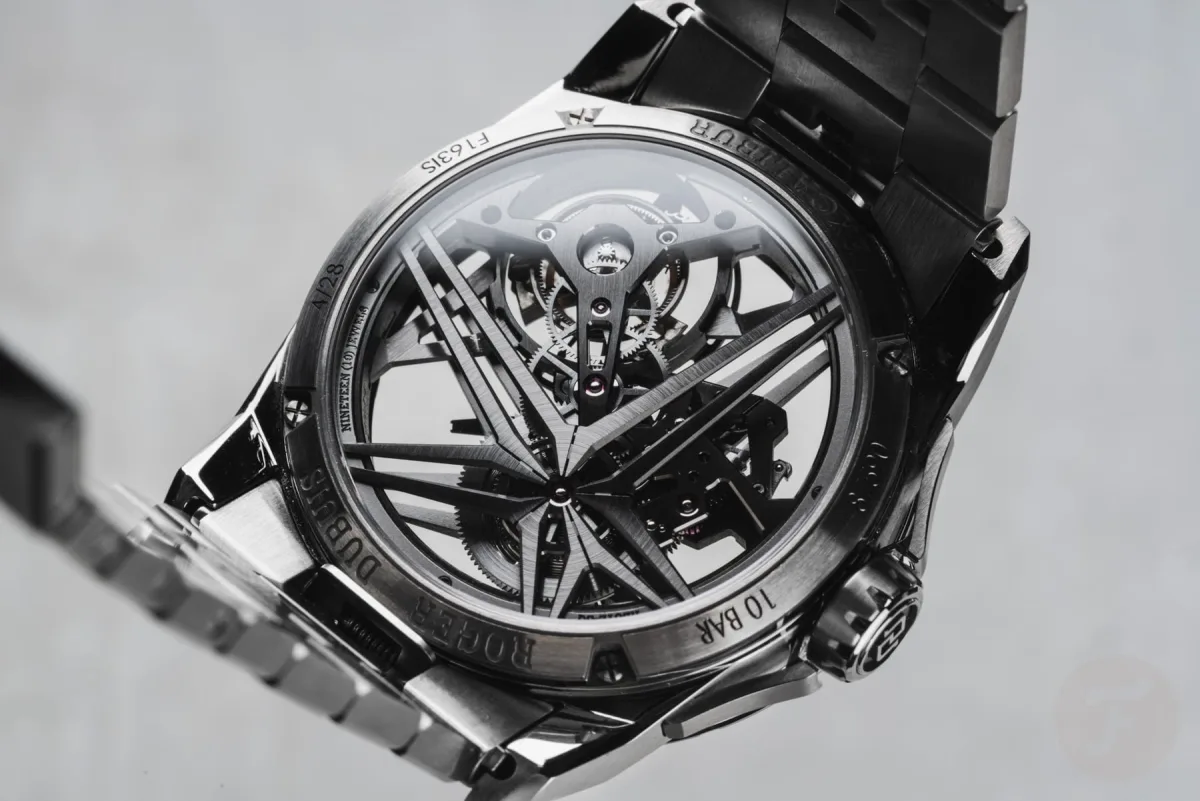
Using CNC or laser, the edges of the mechanism are cleaner and sharper than with traditional skeletonization. Manual skeletonization is often accompanied by engraving plant or ornamental patterns. Modern mechanisms, made with the latest technologies, have geometric shapes and straight lines, sometimes using titanium and other materials.
Modern Skeleton
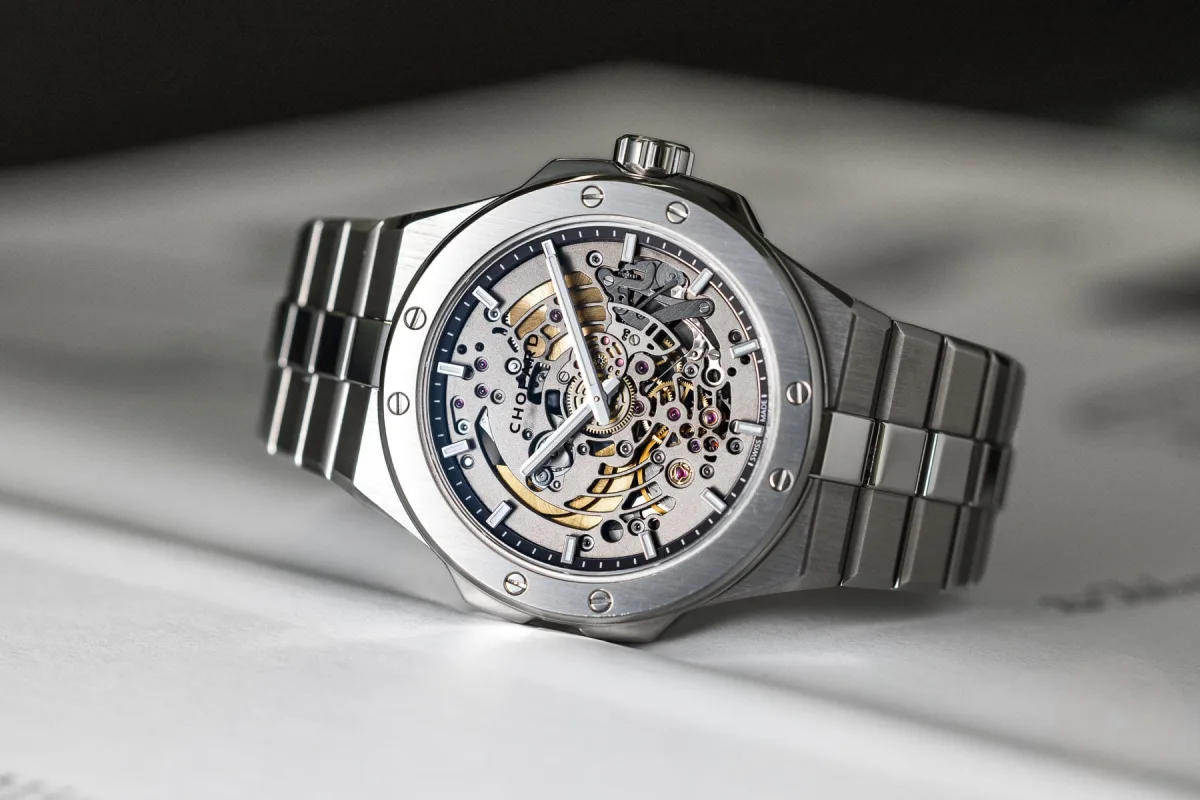
Straight lines are one example of modern skeletonization. The Chopard Alpine Eagle 41 XP TT is a lightweight version of the brand's sports watch with an integrated bracelet. The skeletonized version showcases the work of the in-house caliber L.U.C 96.17-S from both sides. The open base plate and bridges provide a clear view of the mechanics. Visually, the watch looks almost industrial, rather than artisanal, like the aforementioned "Speedies."
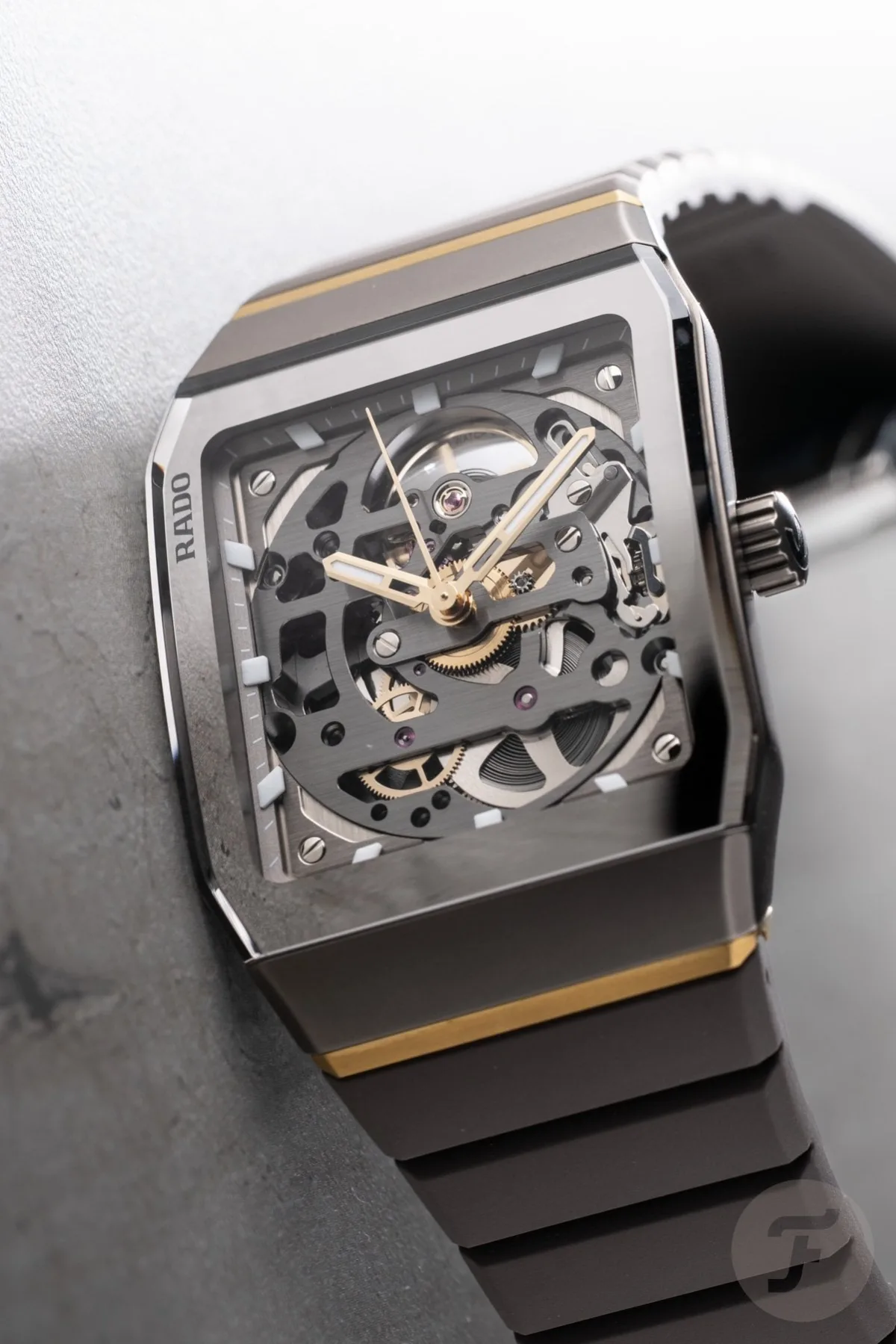
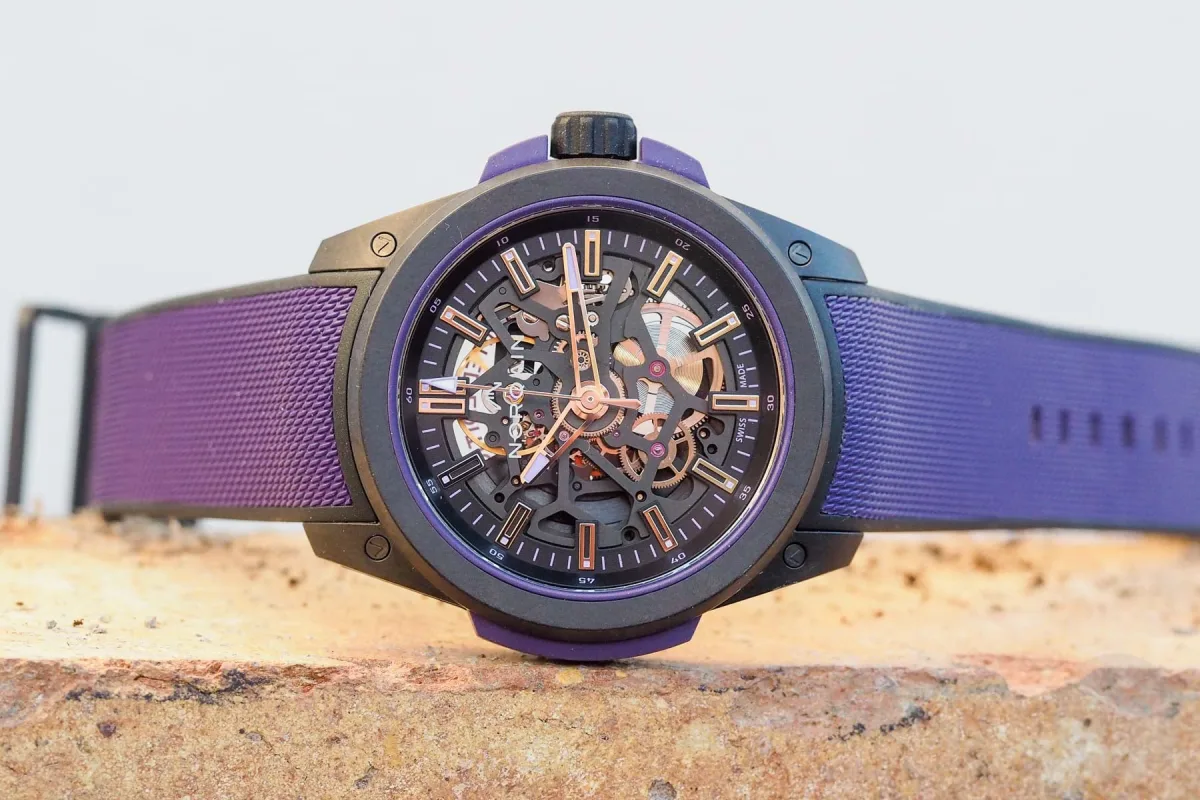
With the price of the Chopard Alpine Eagle 41 XP TT at CHF 22,500, the Rado Anatom Automatic Skeleton shows that modern technologies make skeletonized watches more accessible to a wider audience. For €4,500, Rado showcases the R808 caliber with gray bridges, coated with anthracite matte finish, and gold-colored wheels and gears. The skeletonized multi-layer construction reveals the balance spring at 12 o'clock, as well as the barrel and mainspring between 4 and 6 o'clock. If you like round and sporty watches, the €5,550 Norqain Wild One Skeleton 42mm Purple might be your choice.
Enjoy the Spectacle
Skeletonized watches are not intended for readability or functionality, but they play an important role. They open up the world of horology, showing the "secret" at its heart - the miniature mechanical interactions that allow us to see time. However, this is not the main goal. The primary task of skeletonized watches is to keep the fire of watchmaking alive. Many consider it the greatest watch spectacle. Enjoy it up close, on your wrist, or from afar, as a fan and connoisseur. Just remember: skeletonized is always openworked, but openworked is not always skeletonized. Hear that, Audemars Piguet?
P.S. My favorite skeletonized AP model is the Royal Oak Selfwinding Perpetual Calendar Openworked in titanium and BMG.