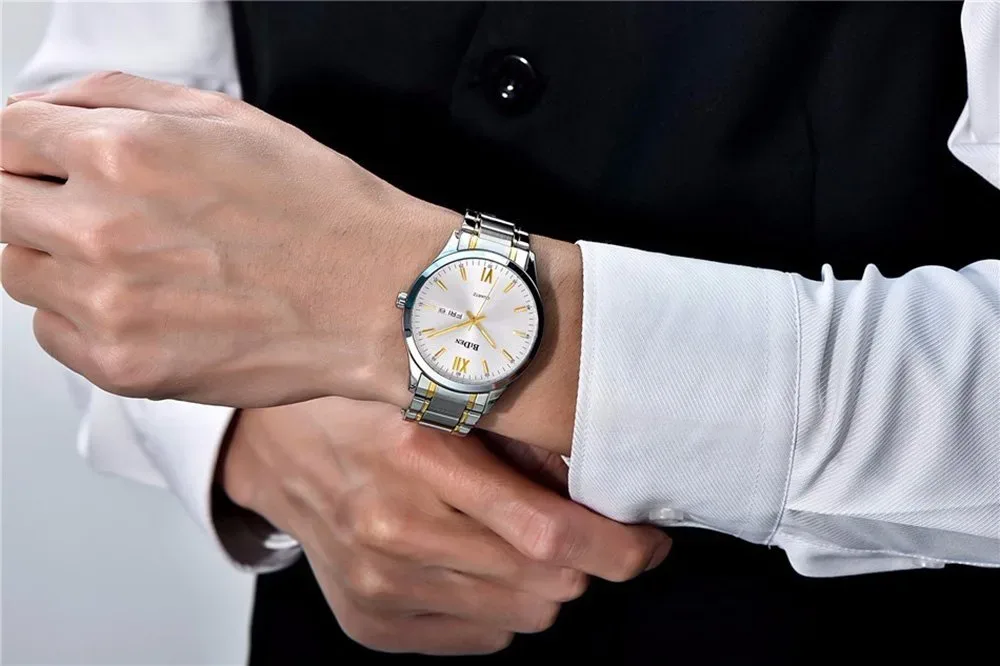
We have all heard that there are men's and women's models and even entire collections in the watch world. However, not everyone knows what distinguishes them. Sometimes, they even look identical.
This raises the question: does this mean they have fundamental differences, or is it just another marketing ploy by watch manufacturers?
Let's discuss this in this article.
Useful read: How to Choose Men's Watches - 8 Tips for Beginners
In reality, men's and women's models differ from each other both in appearance and in internal construction. We have identified 10 fundamental differences between these two types of watches.
The First Difference - Style
Of course, the first thing you can use to distinguish men's watches from women's is style.
Men's models are mainly made in classic or sports styles, unlike women's, which can have fashion, casual, and classic styles. Let's say that women's models have many more and varied styles than men's.
The Second Difference - Watch Color
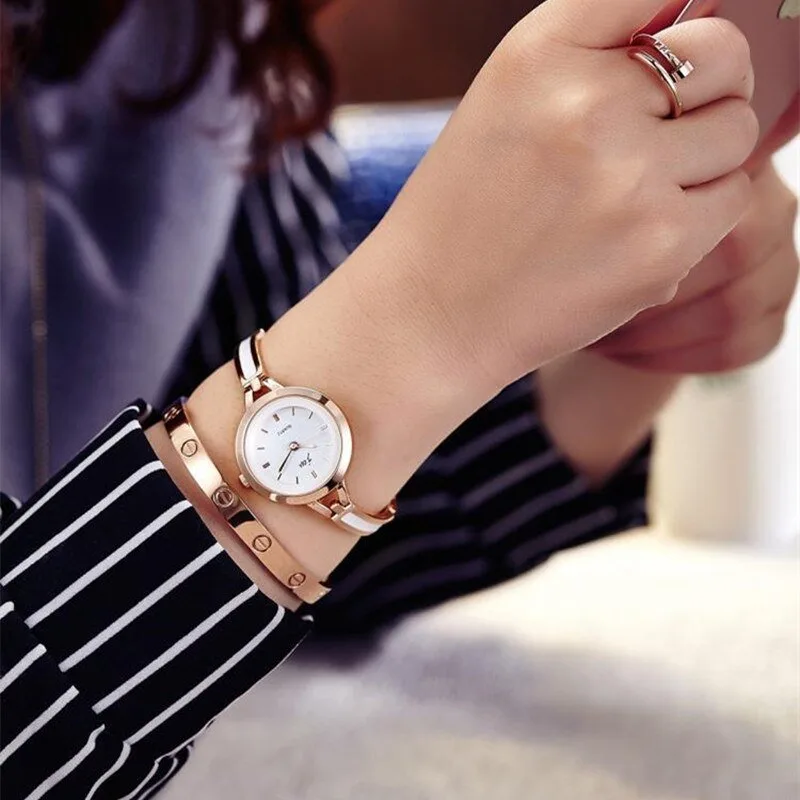
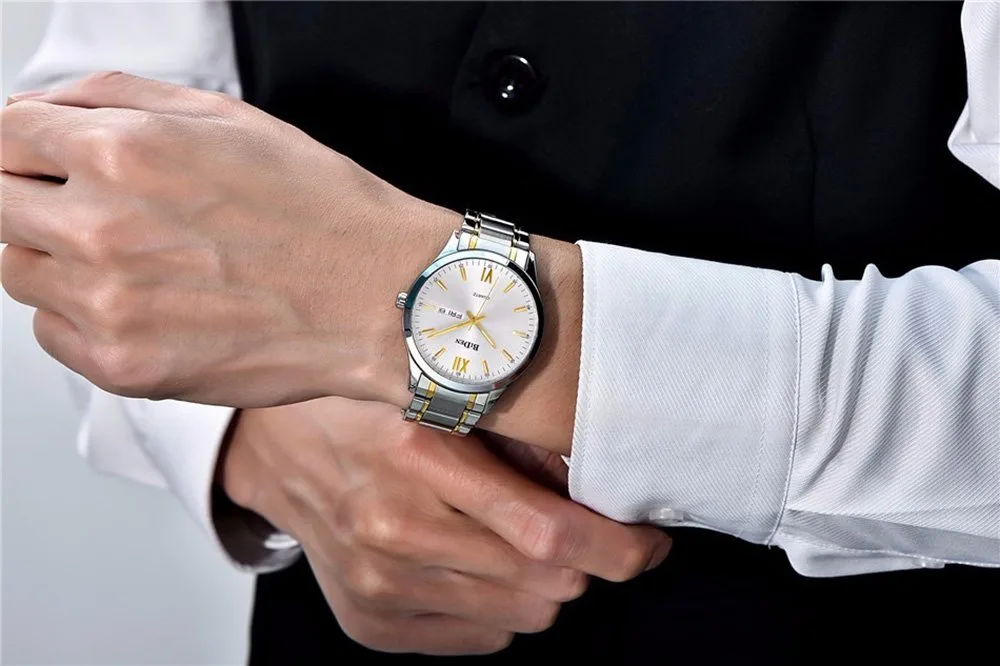
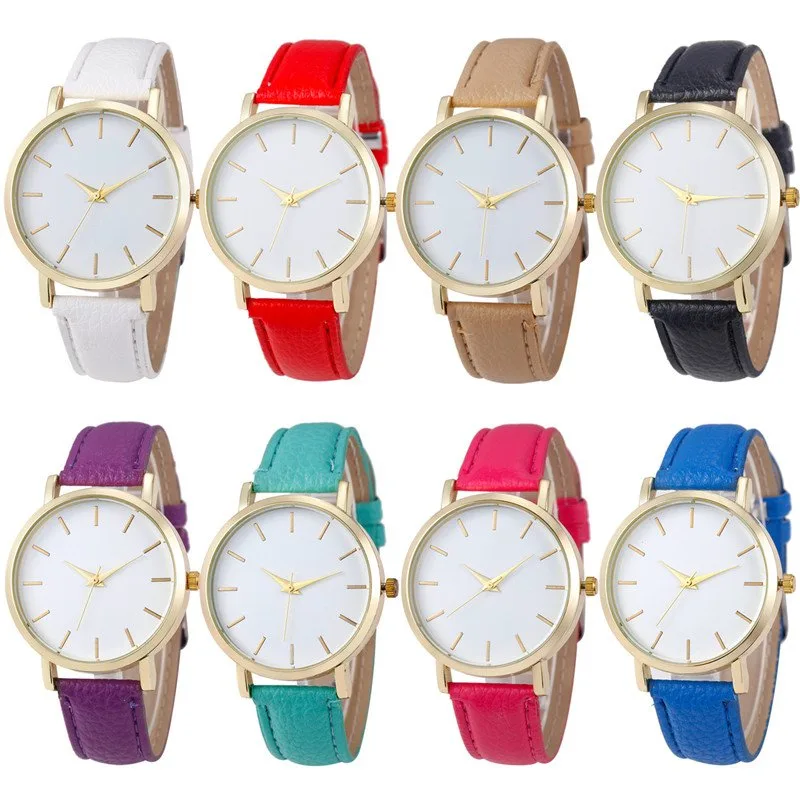
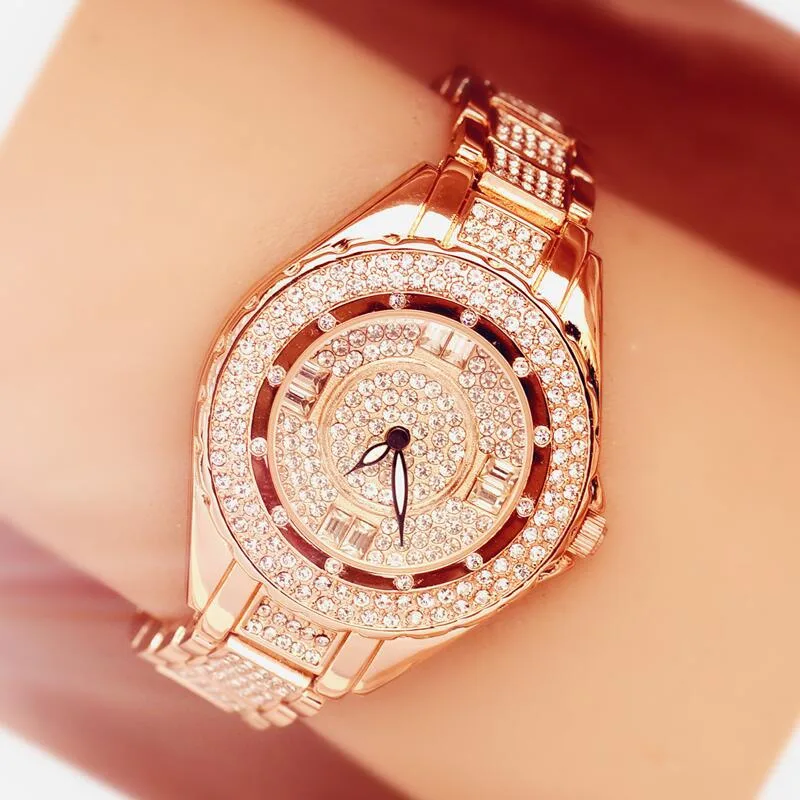
Men's watches are characterized by dark colors, such as black, dark brown, blue, or steel. As for women's models, they have a diverse palette: pastel shades, bright colors, or are even made of jewelry materials like gold, silver, platinum.
By the way, you might also be interested in: New 42mm Ulysse Nardin Marine Torpilleur Moonphase
The Third Difference - Functionality
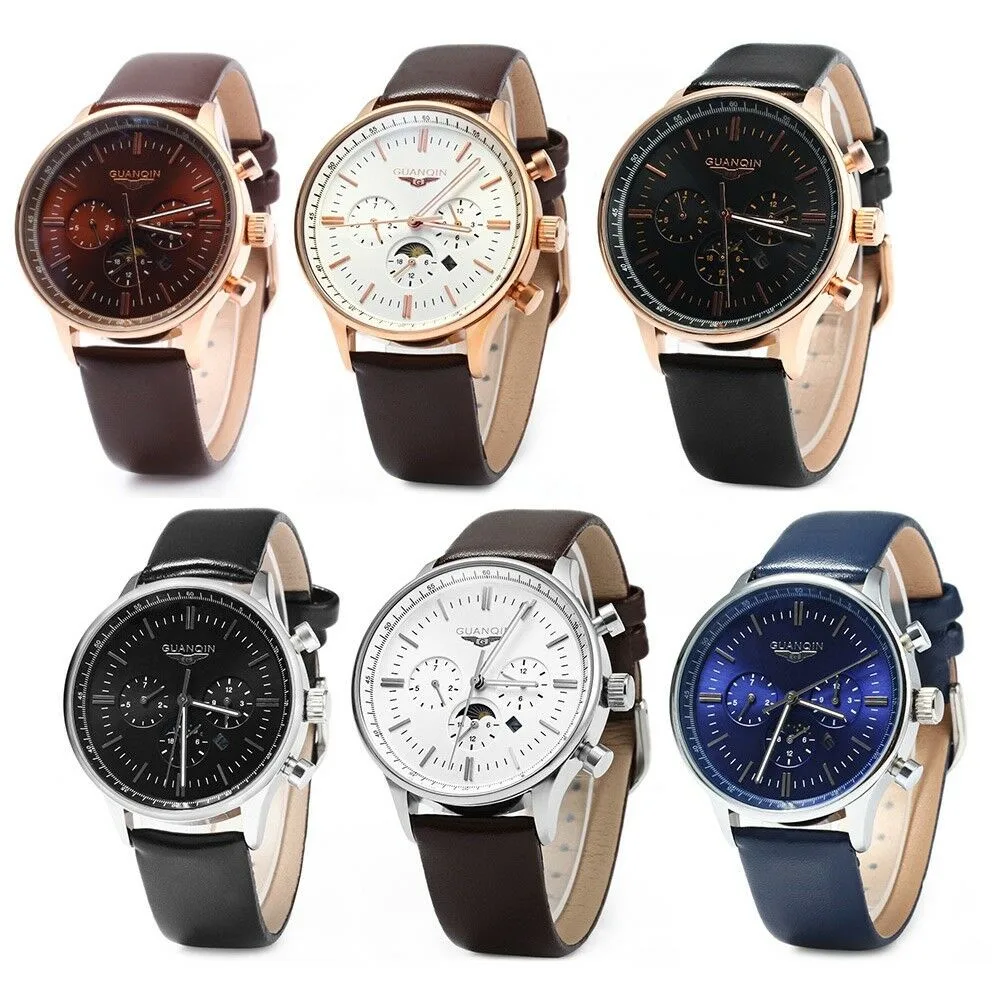
In most cases, women's watches are a stylish accessory that adds a "twist" to the overall image, unlike men's, which are a useful tool, not only for telling time.
That's why men's watches are equipped with the following set of functions and tools:
- Calendar;
- Alarm;
- Timer;
- GPS (location tracking);
- Stopwatch;
- Chronograph.
Of course, not all functions are present in all watches, but they are typical for men's watches. You will rarely find them in women's models.
The Fourth Difference - Watch Size
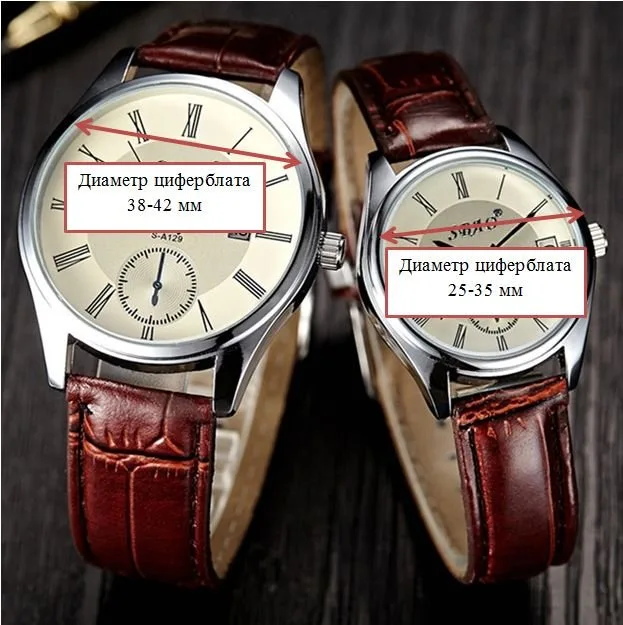
Men's watches are a massive accessory, with an average dial diameter of 38 mm, with some reaching 42 mm. Women's watches have a graceful size, not exceeding 35 mm in diameter.
By the way, in many cases, this small size is why women's watches have limited functionality, as mentioned above.
The Fifth Difference - Strap
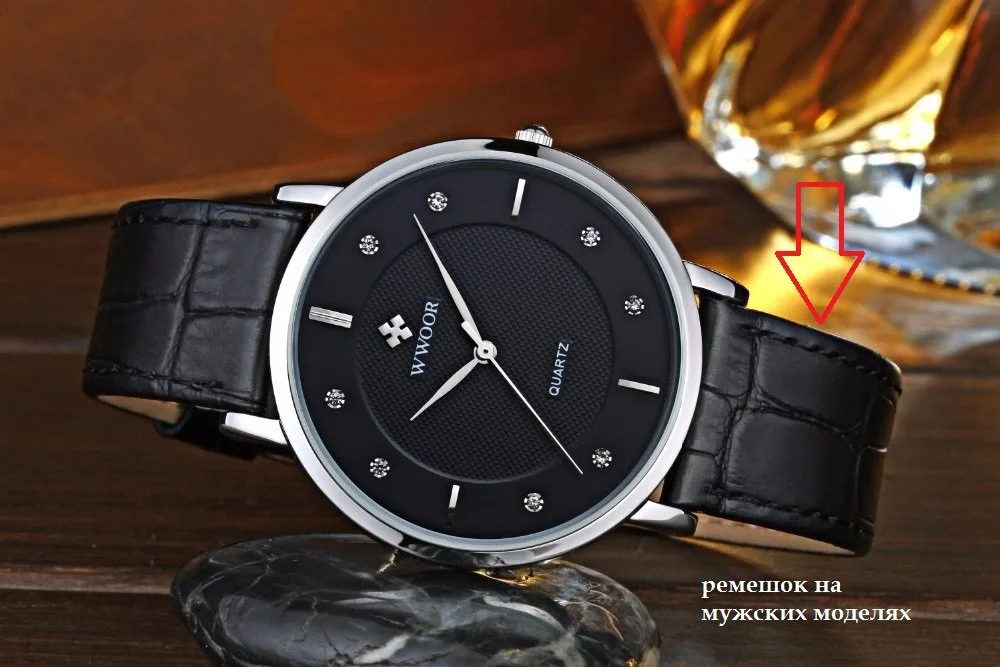
Men's watches mostly have massive and wide straps made of leather or have a steel bracelet. This element gives them solidity.
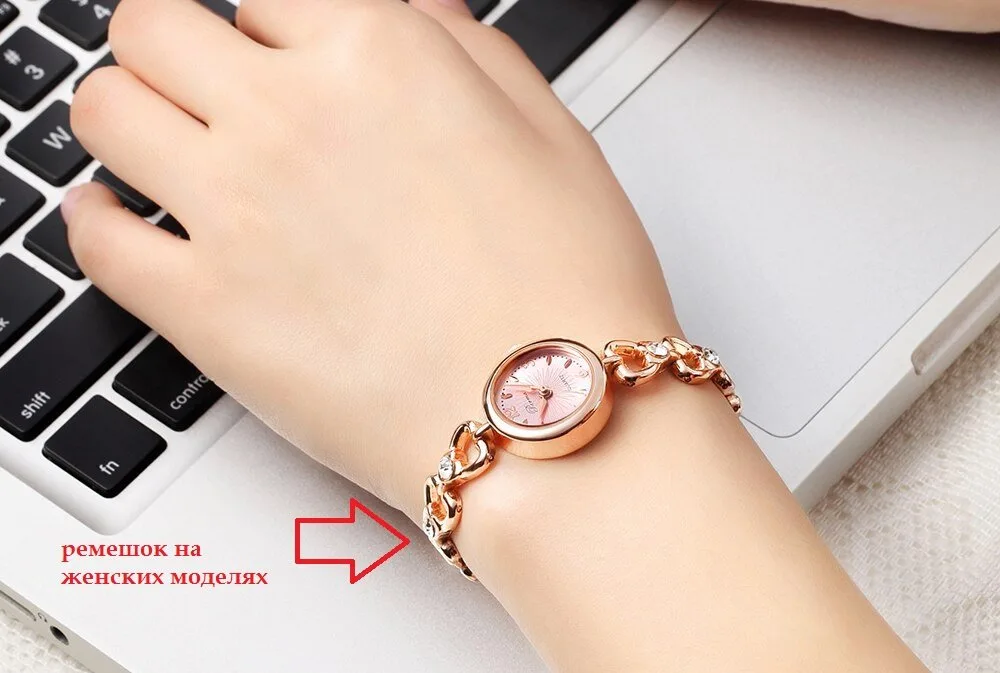
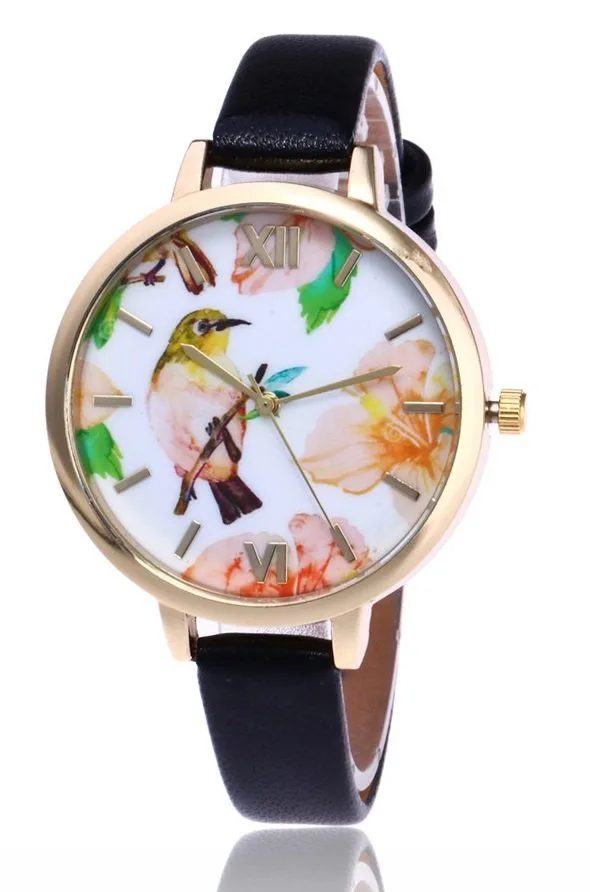
Women's straps and bracelets, on the other hand, are narrow and miniature in size to emphasize the delicate and small wrist of a woman. They are usually made of softer materials, such as fabric, leather, or a chain.
The Sixth Difference - Shock Resistance
Women's watches mostly have a low degree of protection and serve only as a fashion accessory, so you should not expect high shock resistance or reliability from them.
However, this rule is completely unacceptable for men's watches, which are designed for an active lifestyle and withstand high loads. They have a high degree of protection against moisture and external damage.
By the way, you might also be interested in: Practical Debut: Blancpain Fifty Fathoms Tech Gombessa
The Seventh Difference - Dial Decoration
Women's watches are most often decorated with various precious and semi-precious stones, rhinestones, artistic drawings, or other design solutions. Men's watches are distinguished by a strict and often minimalist construction without unnecessary details and embellishments.
The Eighth Difference - Watch Mechanism Type
Let's say this point ties into the previous one. Men's wristwatch models can be either mechanical or quartz. Mechanical watches are always more massive and heavier than quartz ones.
As for women's watches, in 99% of cases, you will find quartz models that do not require winding or studying the mechanism's operation. Additionally, they are significantly lighter and more graceful.
The Ninth Difference - Watch Weight
Yes, men's and women's watches differ not only in size and appearance but also in the weight of the product. Historically, women and men have different body builds, where men are often larger than women, so the weight of the watches also varies.
For women, lighter models are often produced so they do not burden the delicate wrist, unlike men's samples.
Let's take, for example, a paired collection from Casio. The weight of the women's and men's models is shown in the images.


As can be seen from the description, the weight of men's watches is almost twice that of the women's model.
The Tenth Difference - Purpose
Of course, regarding men, watches serve one simple role - demonstrating status and position in society. They also serve as a useful tool for measuring time, determining location, or measuring intervals. Essentially, the very functions we discussed earlier.
For women, watches are a fashion accessory that complements or accentuates the details of her image. Or it makes it unique and irresistible.
By the way, you might also be interested in: On the Wrist with Oris Aquis Date Upcycle
So, let's summarize how to distinguish men's watch models from women's:
- Pay attention to the dial size: if it's large, it's a men's model;
- Women's watches do not have additional functions, unlike men's models;
- The design of women's watches is always more refined and elegant than men's watches, which are characterized by practicality and minimalism;
- Pay attention to the weight of the watch: men's watches are always heavier;
- And finally, the mechanism in the watch will also tell you whether it's a men's or a women's model.
These are the main differences between men's and women's watch models.
We hope this material was helpful to you, and now you can definitely understand which watches belong to women's collections and which to men's.
If you liked this article, please rate it. This helps us understand which topics to cover in our project.
So, we'll end this review here 😉
What criteria do you use to determine if a model is men's or women's?
Style
40.64%
Color
3.33%
Functionality
5.27%
Size
27.46%
Strap
1.94%
Shock Resistance
1.53%
Dial Decorations
7.91%
Watch Mechanism Type
5.69%
Watch Weight
1.25%
Watch Purpose
4.99%
Votes: 721
See you soon!)