The watch industry, before becoming a product story, is primarily the story of the women and men dedicated to designing and manufacturing some of the finest yet unnecessary objects imaginable. Among the many influential figures, some names resonate more due to their impact on the industry. We remember A.L. Breguet for his influence on mechanical watch production, or Nicolas G. Hayek for reviving Swiss-made watchmaking. One name undoubtedly belonging on this list is Günter Blümlein, who worked tirelessly to bring mechanical watches back to prominence, revive watchmaking in Glashütte, and shape the industry as we know it today. As Mr. Blümlein passed away exactly 20 years ago, on October 1, 2001, this is an opportune moment to remember one of the giants of the watch industry.
Remembering Mr. Blümlein
Günter Blümlein's story is tied to three significant brands in Swiss and German watchmaking: IWC, Jaeger-LeCoultre, and A. Lange & Söhne, united under the division known as LMH, which played a crucial role in shaping the Richemont group as we know it today. Behind this successful rise in watchmaking were many women and men under Mr. Blümlein's leadership.
Günter Blümlein was born on March 21, 1943, in Nuremberg, Germany - not the most pleasant place to live, to be honest. Despite growing up in a shattered country during Germany's division, he successfully completed his studies and became an engineer. From 1968 to 1980, he worked at the German industrial group Diehl (headquartered in Nuremberg, Germany), owner of the Junghans brand, one of the largest and most significant names in German watchmaking (and once the largest watch manufacturer in the world at the start of the 20th century). Blümlein became the head of the group's watch division, tasked with restructuring the watch segment.
Following this experience, Blümlein moved to VDO Schindling AG, another German company specializing in speedometers and automotive instruments at the time. In 1978, VDO acquired two important Swiss watch manufacturers: IWC and Jaeger-LeCoultre. Thus, in 1980, Blümlein became the head of the newly created division, an umbrella company called "Les Manufactures Horlogères" (or LMH). Blümlein was also behind the restructuring of JLC, ensuring that VDO could buy 20% of the company owned by a local bank and 25% owned by Vacheron Constantin. Immediately after, 40% of the company was sold to Audemars Piguet, a manufacturer that relied on JLC's resources in some of its productions.
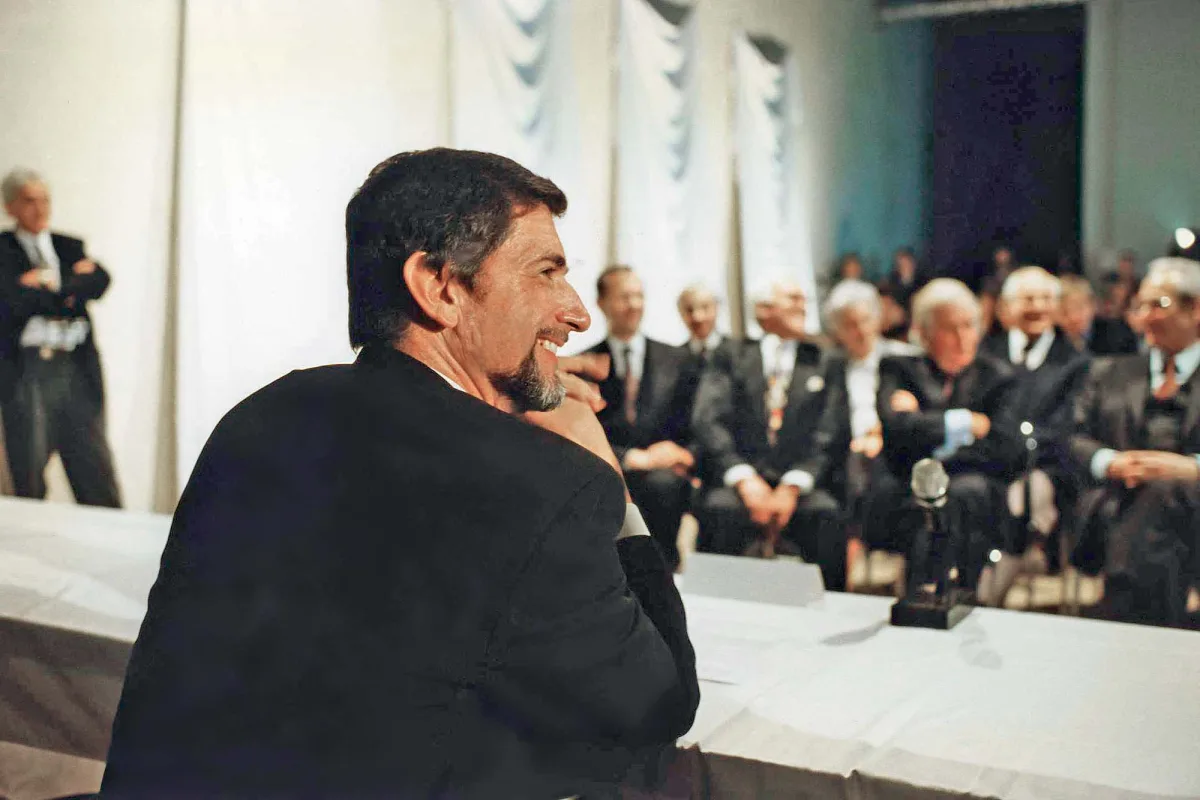
"The legend comes back to life" - these were Blümlein's first words at the A. Lange & Söhne presentation in 1994.
Another significant achievement of Günter Blümlein was his involvement in the revival of the German watch manufacturer A. Lange & Söhne with the Lange family immediately after the fall of the Berlin Wall. All three companies were under Blümlein's leadership under the LMH umbrella, part of the VDO/Mannesmann Group. This continued until Mannesmann was acquired by Vodafone in 1999. The new owner was instructed to restructure the group and put VDO and the watch business up for sale. Blümlein played a crucial role in the negotiations that led to Richemont becoming the new owner of LMH, and subsequently Jaeger-LeCoultre, IWC, and A. Lange & Söhne.
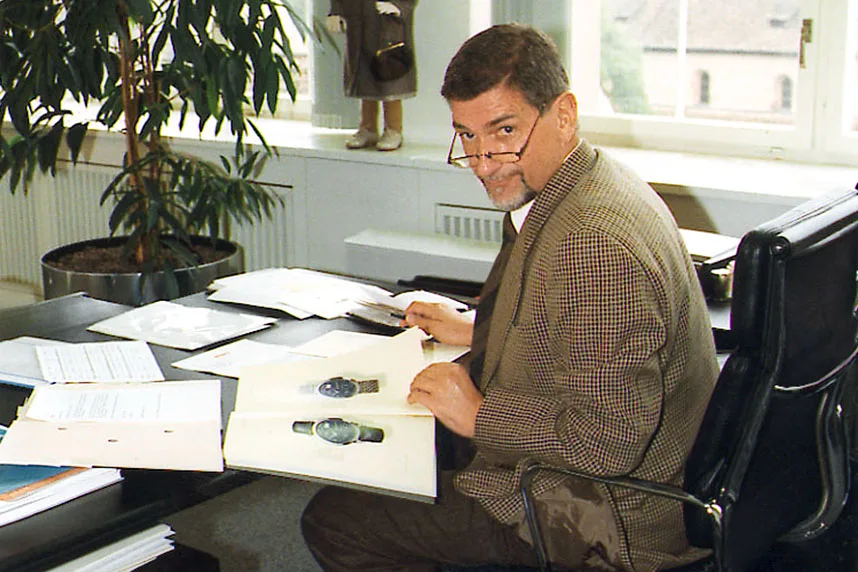
Günter Blümlein played a decisive role in this transition and the integration of the brands into the new group. He passed away on October 1, 2001, at the age of 58 after a brief but fatal illness.
Blümlein and IWC
One thing is his biographical background, but quite another is what he did for the industry and the three watch brands he led for most of his career, starting with IWC or International Watch Company AG, Schaffhausen.
Hired by VDO at the age of 38, Blümlein, as head of the VDO subsidiary Les Manufactures Horlogères, was offered by the German group to oversee two newly acquired companies, IWC and JLC. It is worth noting that this was one of the most challenging eras for the traditional watch industry, which was still suffering from the competition of quartz, digital, and electronic watches from Asia. If in the modern world mechanical watches have regained their former glory (or at least undeniable success), this was not the case in the early 1980s. At that time, mechanical watchmaking was dying. But some people, including Blümlein, believed that this traditional industry had a future. And in this case, Blümlein played a significant role in bringing mechanical watches back.
Upon arriving at VDO Schindling AG, Günter Blümlein's first task was to restructure IWC. He focused all his attention on reviving this centuries-old manufacture, located in the German-speaking part of Switzerland, to its former glory, using a very clear and very personal approach. He wanted to "put an end to boredom in watchmaking," he once said, and to achieve this, he applied his signature style: a clean, uncompromising approach to watch production, ultra-focused with clearly defined collections and a certain sense of humor in advertising campaigns. Slogans like "IWC. Official supplier to men," "Almost as complicated as a woman, only always on time," or "Ladies, you ride our Harleys, smoke our Havanas, drink our Glenmorangie. Hands off our IWC" appeared in these typically masculine advertisements of the 1980s. Today, this would be impossible, but back then it worked.

Blümlein's idea for IWC, a company known for its sports and military watches, was to attract a new audience. This was not the typical traditional collector over 40. The idea was to offer younger, more active, more adventurous potential customers watches with a clear message, bold style, mechanical movement, and specialized function. This new strategy included collaboration with Porsche Design and the creation of several new collections, as well as important innovations in watch manufacturing and materials.
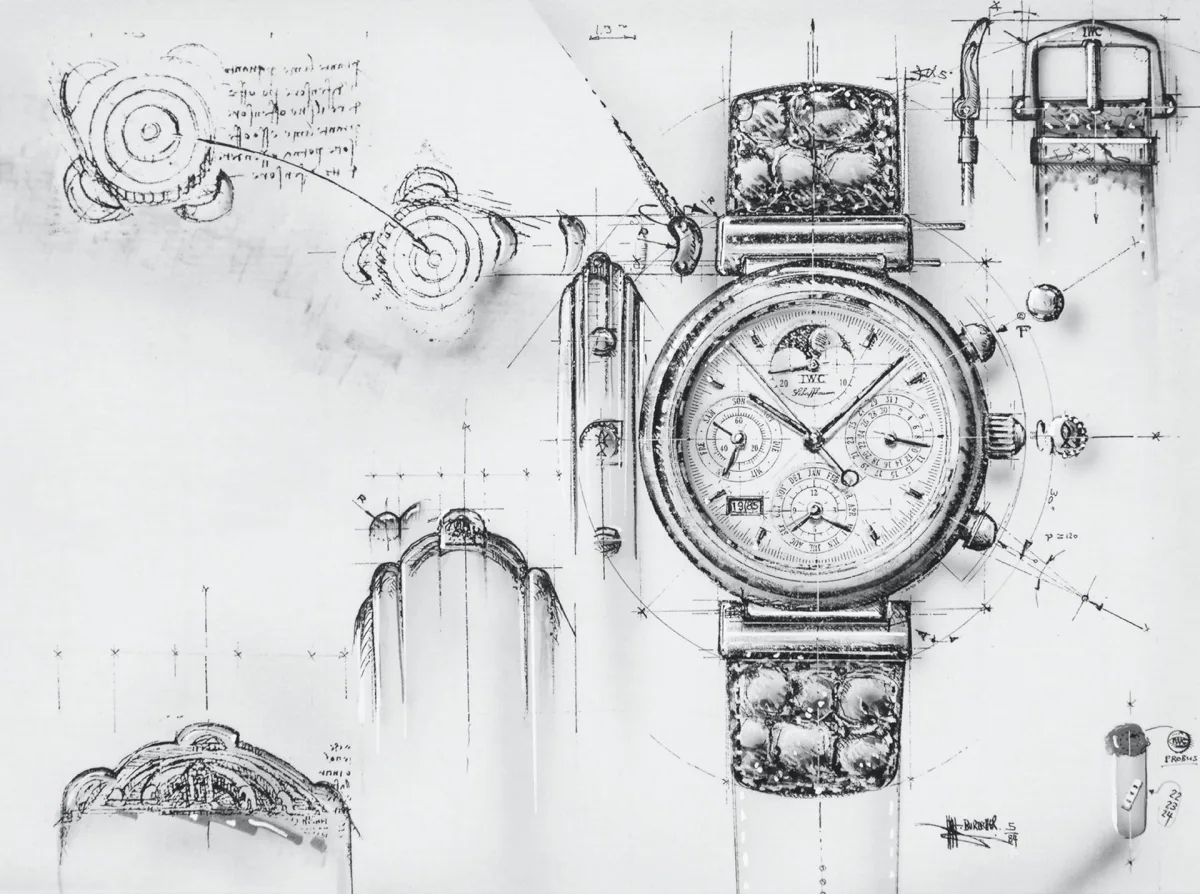
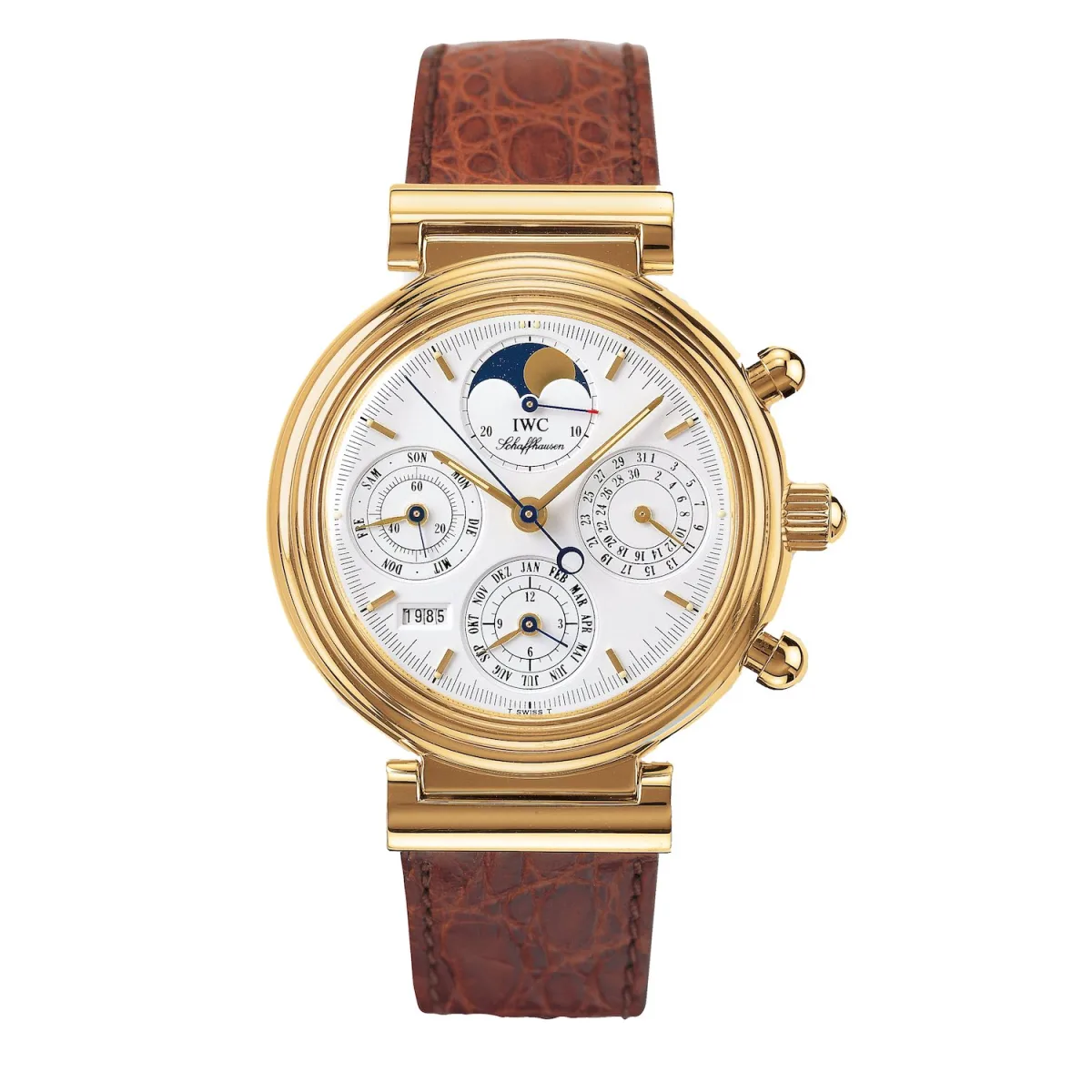
After the PD x IWC collaboration, which increased the brand's appeal among car enthusiasts, Blümlein gave the Portofino collection a twist. Furthermore, in the mid-1980s, he combined the best achievements in watchmaking with innovations and free design. It all started with the landmark Da Vinci Perpetual Calendar Chronograph wristwatch in 1985 with a QP module developed by Kurt Klaus and adapted to the Valjoux base caliber. These watches not only matched the complexity of models released by industry heavyweights but were also sold at a lower price, allowing a wider audience to rediscover traditional watchmaking. In these watches, Blümlein also introduced innovative materials and created the first ceramic cases... Once again, something bold and different.
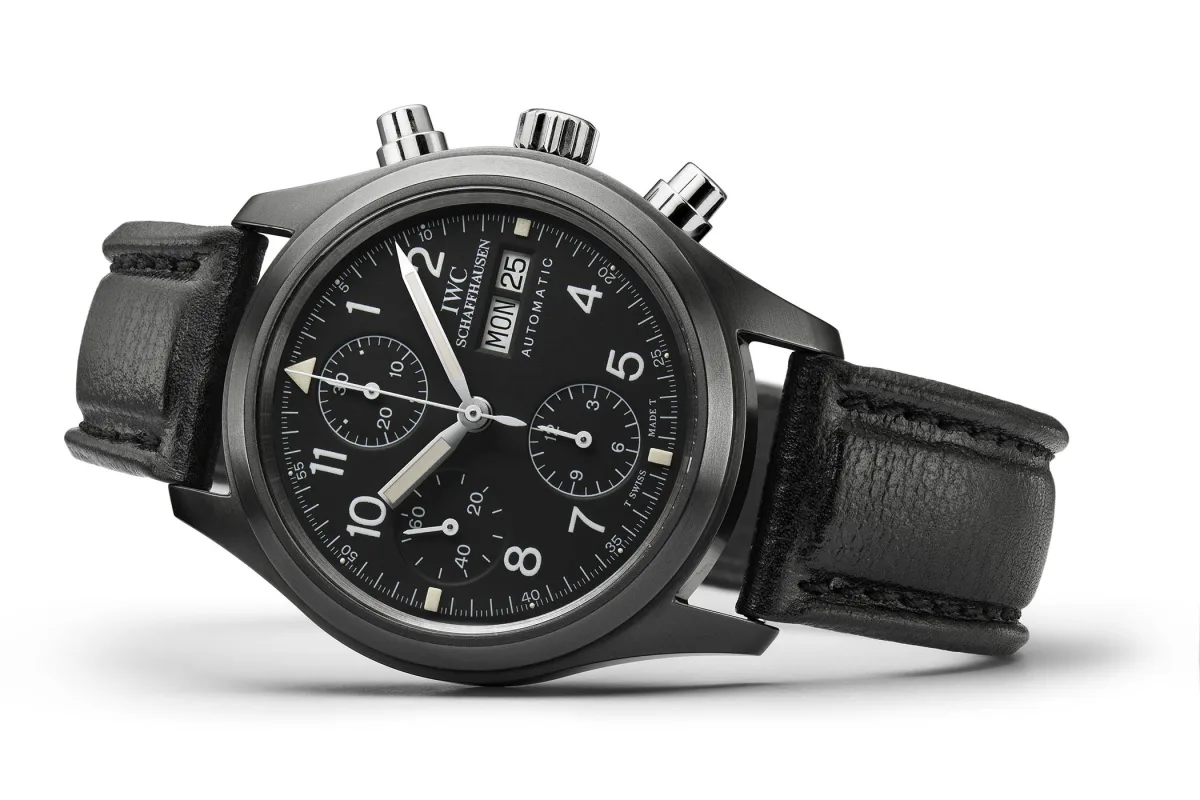
Under Blümlein's leadership, IWC also revived one of its most important collections, the pilot's watches. This time with the help of Richard Habring, who developed a rattrapante module to add to the Valjoux base, IWC laid the foundation for what is today its most recognizable collection. And, of course, Blümlein was behind the revival of the great Portugieser collection, as well as the creation of the GST line. In short, some of the greatest watches ever released by IWC in recent history. Once IWC was on the right path, Blümlein's next project was to dust off La Grande Maison...
Blümlein and Jaeger-LeCoultre
Unlike IWC, Jaeger-LeCoultre was not a brand that could be so easily transformed. Much more traditional, much more focused on watchmaking capabilities and manufacturing operations, Blümlein's task at JLC was fundamentally different. Besides being a watch brand with namesake models, it was also a major supplier of movements for brands like Vacheron Constantin, Audemars Piguet, Patek Philippe, and others.
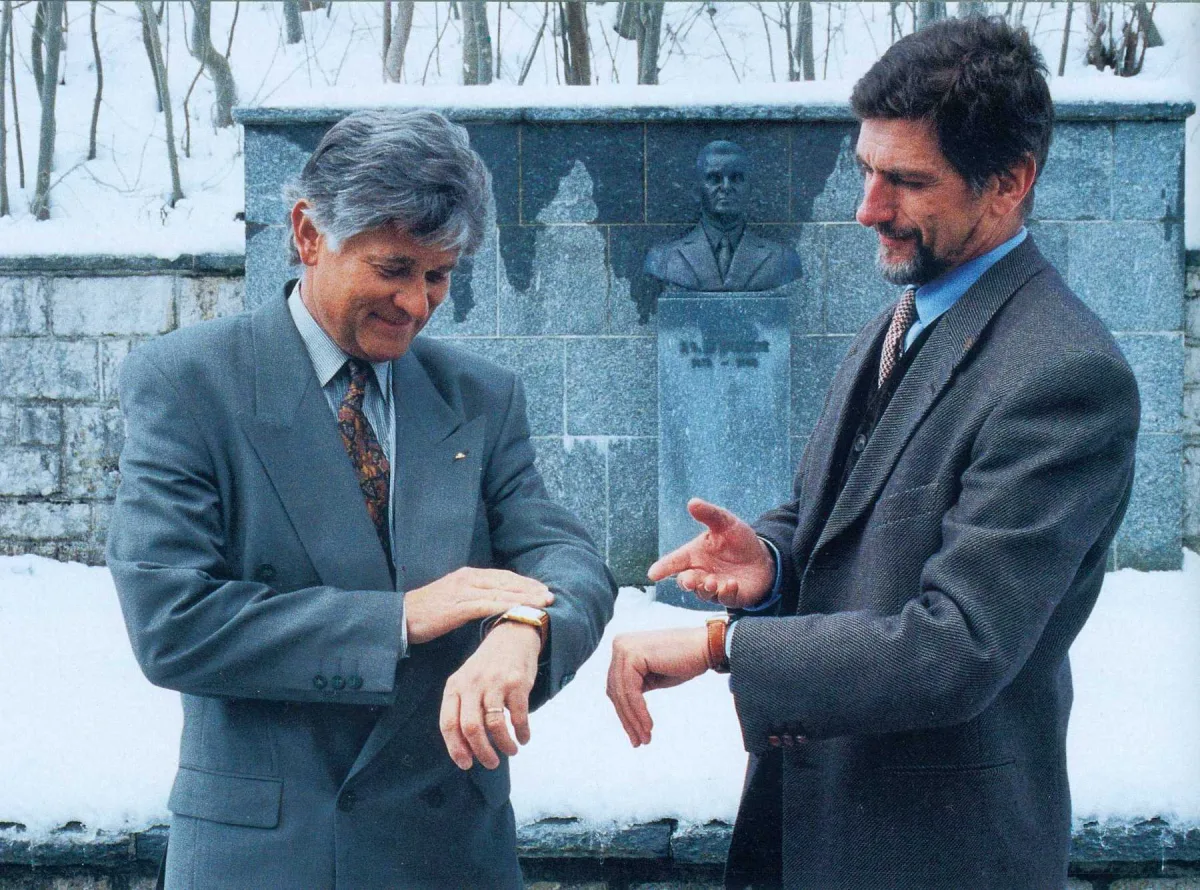
What worked with IWC could not work with the more traditional profile of Jaeger-LeCoultre. Blümlein changed direction and used existing assets rather than starting from scratch. Blümlein focused on one of the oldest and most significant watch models for both JLC and the entire industry - the Reverso, which he revived and made the cornerstone of the brand's portfolio. Indeed, today it is hard to believe, but the Reverso was discontinued for most of the second half of the 20th century (with few exceptions in the 1960s).
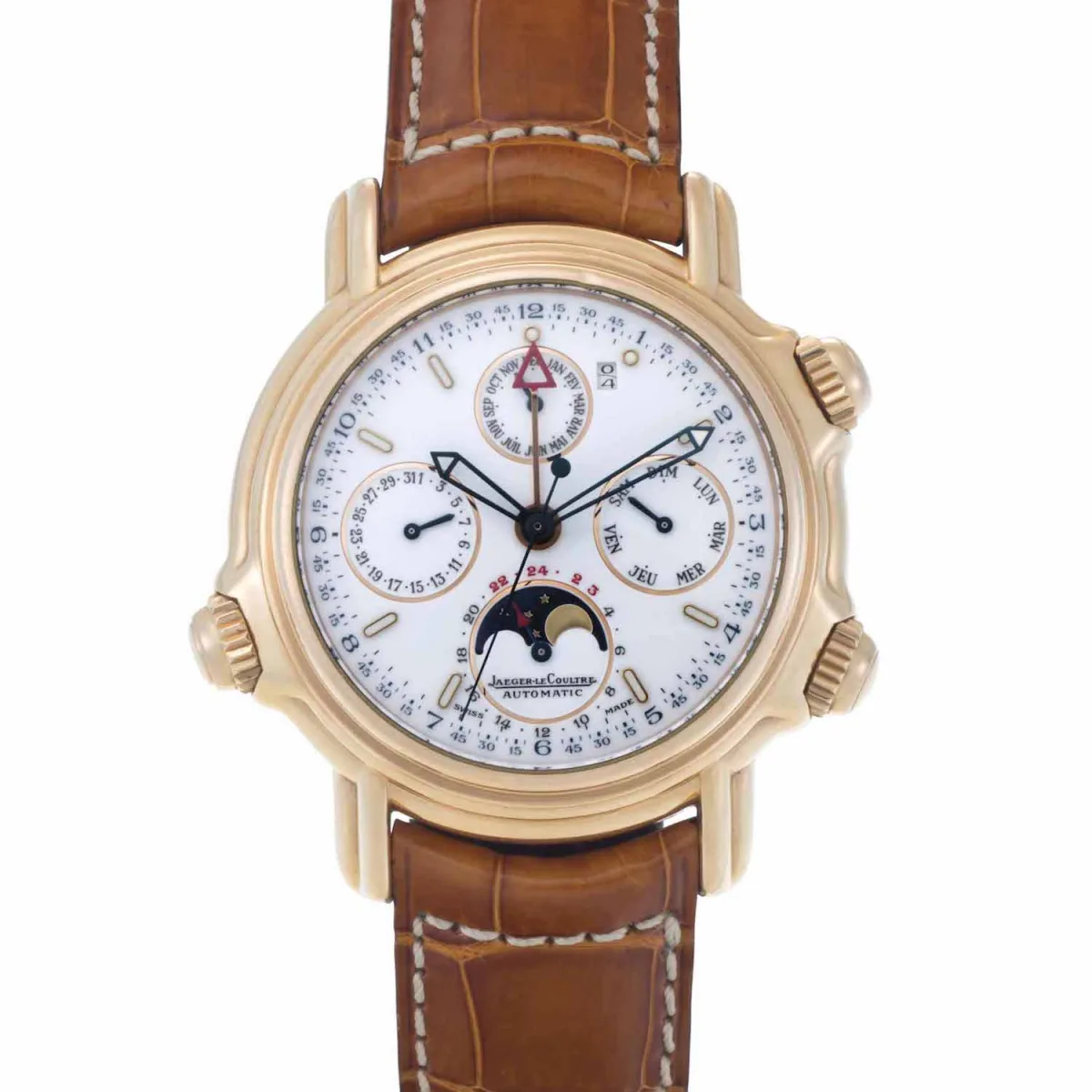
The Reverso became an instant hit for Jaeger-LeCoultre, so much so that by the end of the 1990s, this collection accounted for 65% of the brand's production. This allowed JLC to solve two tasks: firstly, to have a strong model that was instantly recognizable and immediately associated with the brand, giving JLC an incredible aura; secondly, it provided the brand with the necessary resources to revive its traditional high watchmaking and invest in the development of some of the most advanced movements and rare complications. By the early 2000s, interest in traditional high watchmaking reached unprecedented levels and continued to grow, and Blümlein decided to use JLC as a vector to meet the growing demand. This strategy led to the creation of the Master Control series, watches with strictly tested and highly accurate movements, and the invention of displays like Geographic, watches with multiple alarms (Memovox), or masterpieces like the Grand Réveil 1989 (combining QP with a signature alarm function).
But in 1990, an event occurred that changed the face of Europe forever, an event of particular significance to a man born and raised in divided Germany: the fall of the Berlin Wall. Now Blümlein embarked on a mission that might have been purely personal - to revive traditional Saxon watchmaking in the city of Glashütte.
Blümlein and the Resurrection of A. Lange & Söhne
Günter Blümlein is among the key rejuvenators of the Swiss and German watch industry. Having revived IWC and Jaeger-LeCoultre and significantly contributed to the revival of mechanical watches overall, Blümlein aimed to bring back the idea of "Made in Germany" watches as a true mark of quality. After the reunification of Germany, which officially took place on October 3, 1990, everything became possible. During Germany's division, A. Lange & Söhne was state-owned and absorbed by Glashutte Uhrenbetriebe after its state takeover in 1948.
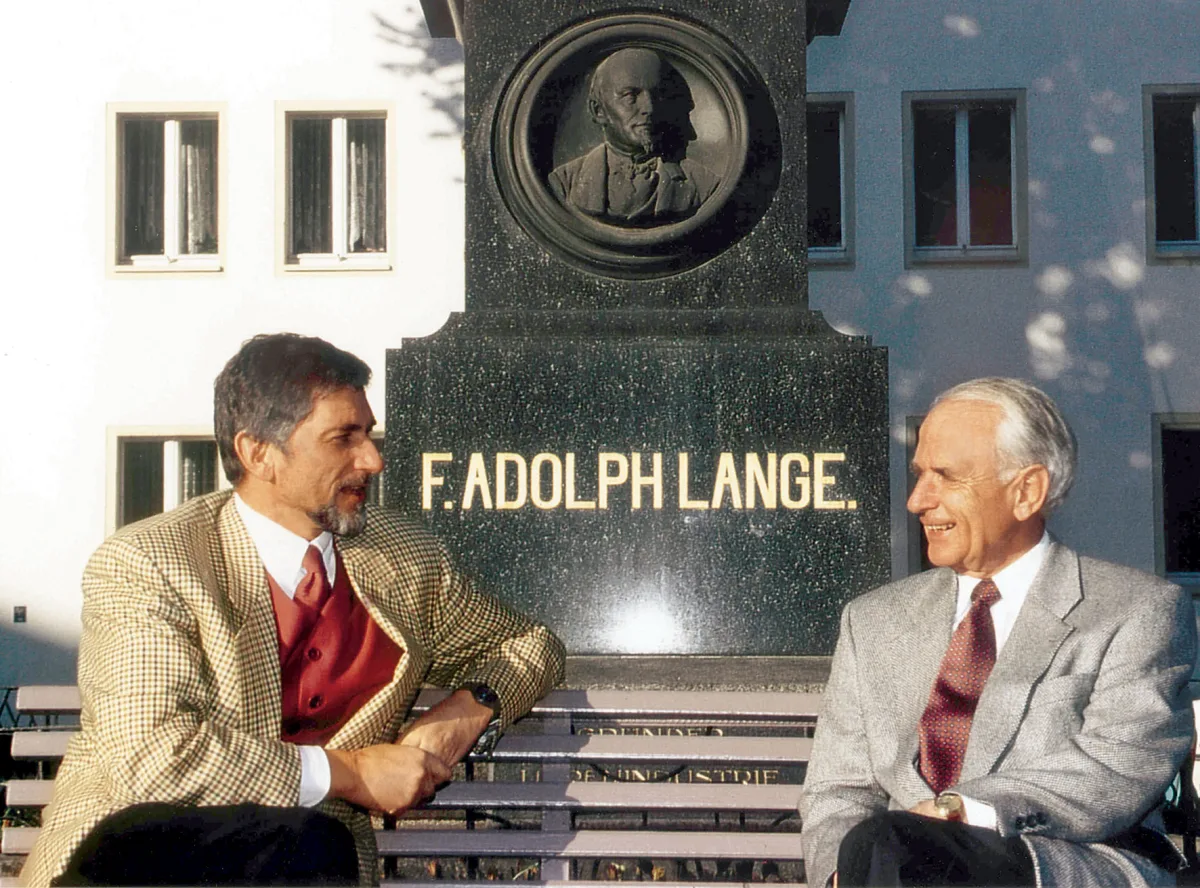
But in 1990, together with Walter Lange, Blümlein laid the first stone of what became one of his most outstanding achievements - the revival of the A. Lange & Söhne brand, essentially from scratch. It took four years and about 20 million euros to develop an integrated corporate, product, and marketing concept that subsequently brought the A. Lange & Söhne name to the pinnacle of watchmaking, not only in Germany.
In 1993, Blümlein and Lange laid the cornerstone for the restoration of the Lange I building (Lange IV manufacture was inaugurated in August 2015), the brand's historic site. Within these walls, Blümlein began creating some of the most complex watches with the highest level of quality.
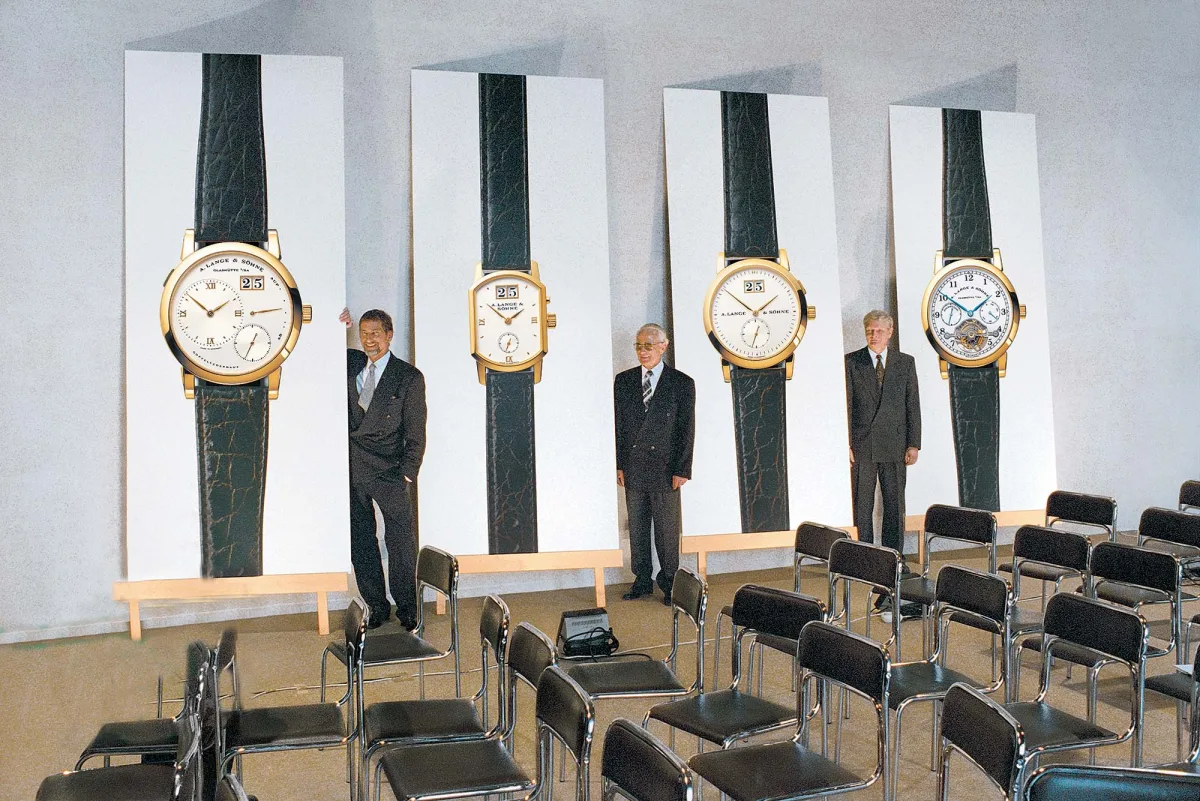
"As newcomers, we cannot afford to show weakness. Our products must be perfect down to the tiniest detail" - Günter Blümlein
He is also known for saying, "The Swiss make the best watches in the world. And so do the Saxons." And a quarter-century later, we can confidently say he was right. Without Günter Blümlein, Glashütte would not have become the center of German watchmaking again. On October 24, 1994, at the Dresden Royal Palace, Günter Blümlein, Walter Lange, and Hartmut Knothe presented the inaugural collection of the new A. Lange & Söhne manufacture. Alongside Saxonia and Arkade, two extremely important models were created by Blümlein.
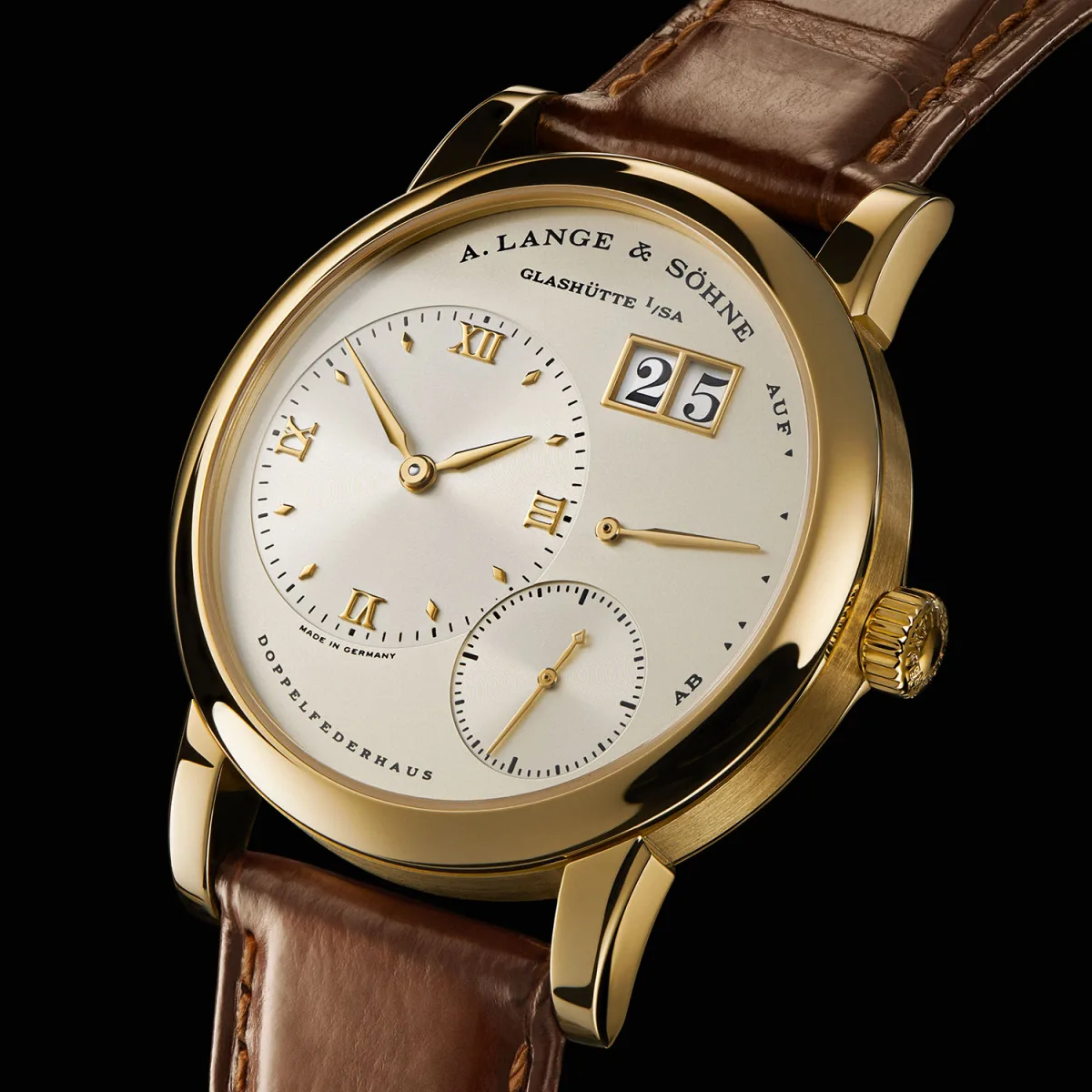
The first is the Lange 1, an iconic model that still perfectly embodies the brand's mission in 1994, showcasing a combination of elegance, typical German design, signature offset dial architecture, the first external date in regularly produced wristwatches, and a movement crafted with exceptional attention to detail.
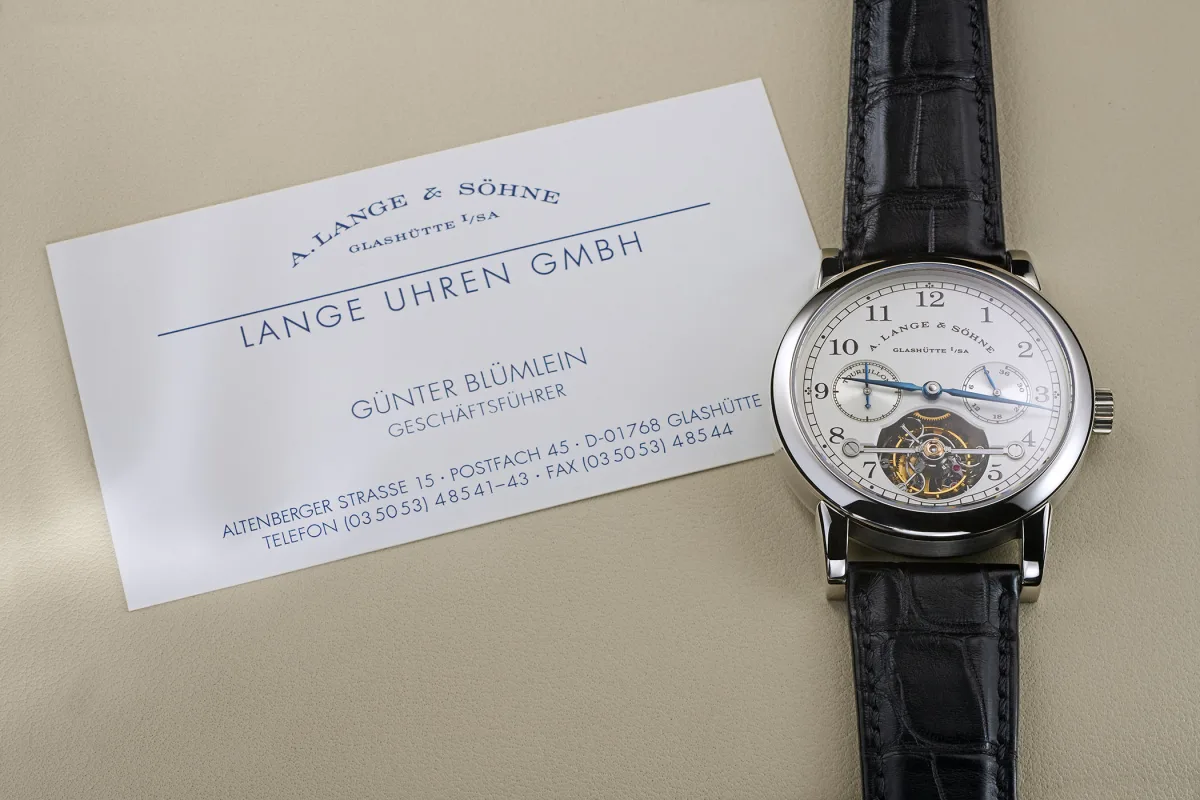
The second model was the "Pour le Mérite" tourbillon, the most complex of the four inaugural watches and one of the most complex wristwatches in existence at the time, with its combination of a tourbillon regulator and a fusée and chain transmission, a constant-force mechanism never before integrated into a wristwatch.
In 1999, A. Lange & Söhne introduced a watch (and movement) that demonstrated Blümlein's legacy in product development: the Datograph. The idea of an in-house high watchmaking chronograph was simply unique to the industry, as none of the major players of that era could do anything similar. "The legend comes back to life" were Blümlein's first words when the company resumed work... And indeed, it remains strong.
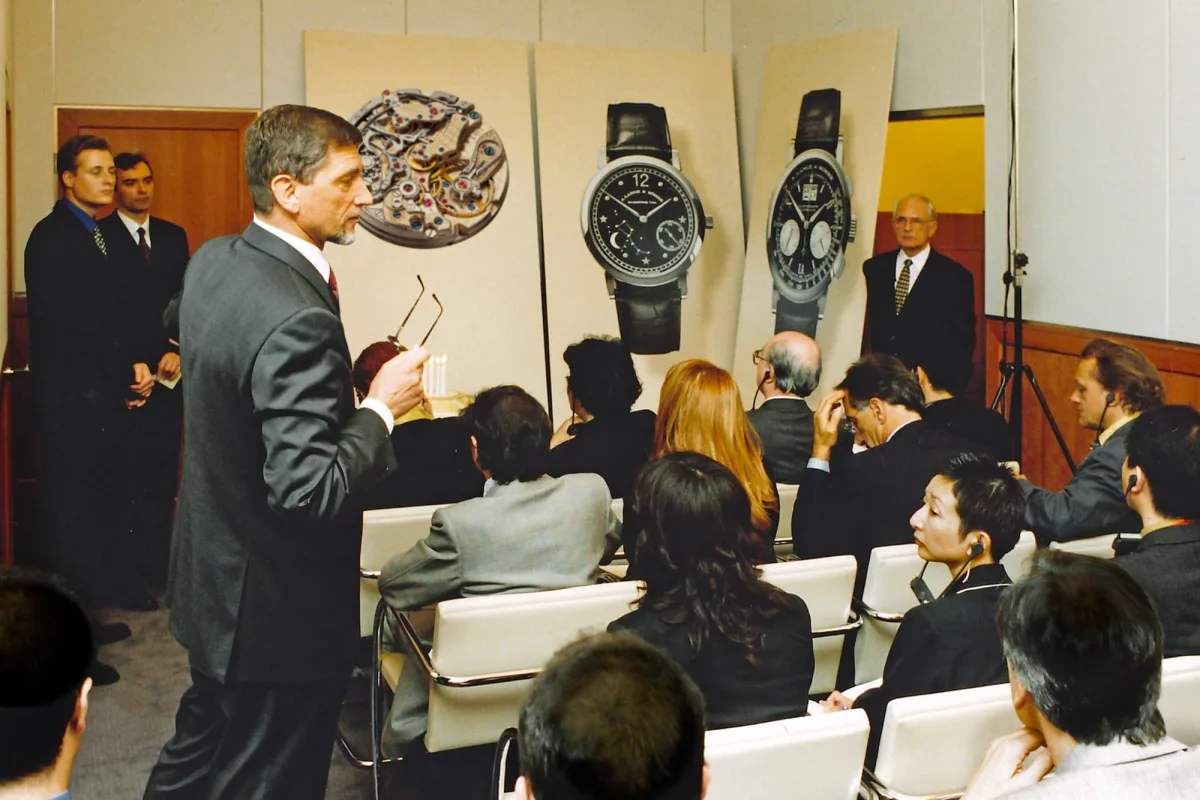
"Without Günter Blümlein, A. Lange & Söhne would have ceased to exist, and Glashütte would not have become the center of German watchmaking again." - Walter Lange
The Path from LMH to Richemont
In 1999, the VDO Les Manufactures Horlogères watch division was quite successful (at least relative to competitors of that time), with a turnover, according to Le Temps, of over 300 million Swiss francs. However, in 1999, Vodafone acquired Mannesmann (which had previously acquired VDO) and immediately put VDO up for sale. This announcement, representing a highly valuable asset in the growing watch market, led to an intense bidding war between PPR (which became Kering) and LVMH. In the end, neither of these groups was able to acquire LMH. It became the property of Richemont Group and Johann Rupert. The group acted tactfully and approached Audemars Piguet with an offer to acquire its 40% stake in Jaeger-LeCoultre for 280 million Swiss francs. With this stake, Richemont was well-positioned to acquire LMH, which was completed on July 21, 1999, for 2.8 billion Swiss francs.
"When I first met Günter Blümlein, I realized that he was the answer to all the questions related to watchmaking." - Johann Rupert, Richemont SA
Günter Blümlein oversaw the sale of LMH and the transition into the Richemont Group, becoming, by the way, head of its watch division. Known for his 80-90-hour work weeks and strong character, he "was aware of his great abilities, and therefore his sometimes explosive personality was not entirely devoid of vanity. Dialoguing with him required strength, courage, and, above all, very good arguments. Blümlein was always open to them," recalls Peter Chong of Deployant.
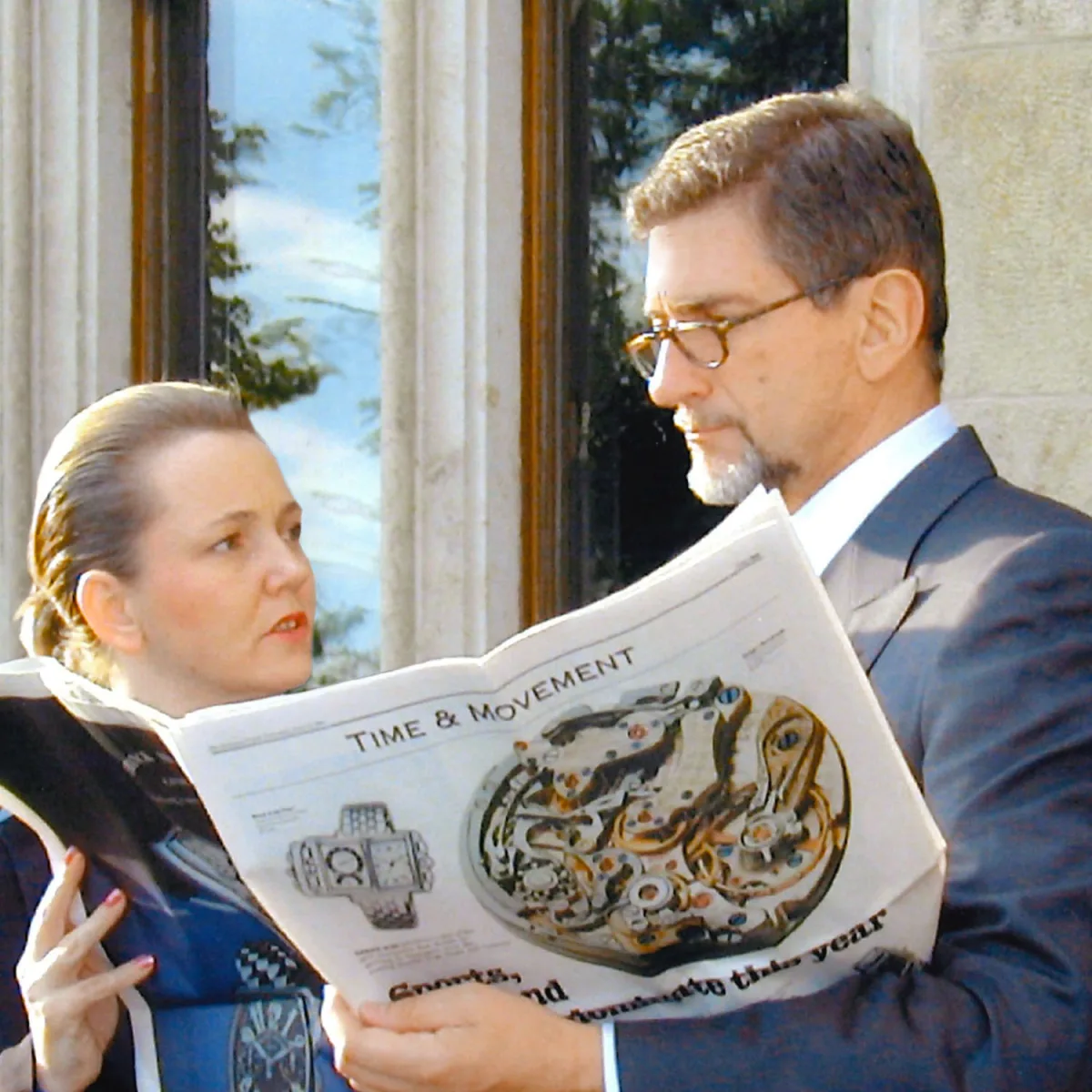
Günter Blümlein passed away at the age of 58, on October 1, 2001, after a brief but fatal illness. He left behind an incredible legacy in the watch industry; he played a significant role in reviving public interest in mechanical watches, was a mentor to women and men like Jean-François Mojon, Richard Habring, Robert Greubel, Jérôme Lambert, Anthony de Haas, and Max Büsser. He will not be forgotten.
A Few Words from Those Who Knew Günter Blümlein and Worked with Him
To conclude this retrospective, we asked some industry leaders who worked with Blümlein to say a few words about this important man.
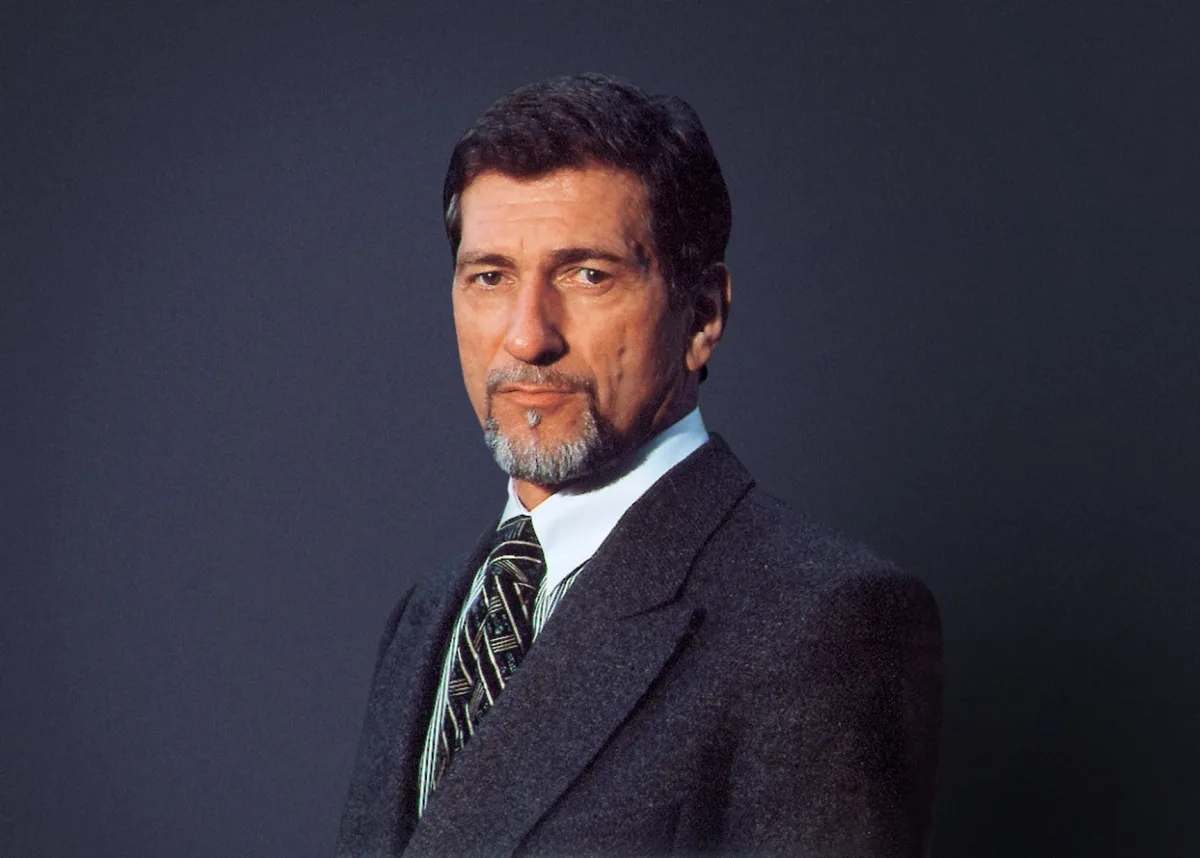
Anthony de Haas, Director of Product Development at A. Lange & Söhne
Mr. Blümlein was an impressive, charismatic man with a huge amount of positive and inspiring energy. He had deep knowledge of watchmaking, technical understanding, but not only that, he was a true genius in product marketing. A great visionary! He had a great influence on my professional life. When I was about to leave IWC for APRP, he tried to persuade me to join A. Lange & Söhne, which at the time was impossible for me because I had signed a contract. Either way, it was a moment when he "infected" me, in a positive sense, of course, with the "Lange virus."
I will never forget that moment when he showed me the Datograph prototype, trying to persuade me. You can imagine what those watches did to me... I am honored to continue the work he and Mr. Lange started in 1990; today we still work with the same philosophy and spirit as in the beginning.
Maximilian Büsser, Founder of MB&F
I would like to tell you so much about Mr. Blümlein. I owe him a great deal.
Günter Blümlein, along with Henry-John Belmont, was the most important mentor figure in my professional life. During seven years of work at Jaeger-LeCoultre (from 1991 to 1998), I was constantly in awe. His ultra-sharp strategic thinking, his unquenchable passion for high watchmaking, his ability to reinvent himself and the companies he led, his skill in explaining the most complex ideas in simple words. And, of course, how he recreated A. Lange & Soehne from scratch in the 20th and 21st centuries. A masterclass in invention, unparalleled since in our industry.
Among many anecdotes, two come to mind. The first is a five-minute "sparring match" between him and me (a young junior product manager in my twenties) about a future product feature during a meeting, when at some point he stopped me with the words: "Mr. Büsser! Creativity is not a democratic process" BOOM! Definitely ranks among the top three most important pieces of advice in my life.
The second incident was Baselworld 1999, I had just taken over Harry Winston Timepieces, which was in a very difficult position. At 31, I felt completely inadequate trying to save the company in a strong headwind. The only person who came up to me since my time at JLC was Günter Blümlein. To my great surprise, he took a few minutes from his insane schedule to come upstairs and say hello. I was desperate, and his words: "I'm sure you'll succeed. If anyone can save this company, it's you," probably saved me from falling off a cliff. In seven years at JLC, Blümlein never praised me once - he couldn't have chosen a better time for the first time. Unfortunately, that was the last time I saw him. I miss him very much even today, twenty years later.
Richard Habring, Co-Founder of Habring²
Günter Blümlein loved sayings. From time to time, we (Maria and I) repeat some of them. Here's one he liked: Was interessiert mich mein Geschwätz von gestern. (1000-zitate.de). This means "Who cares about the nonsense I said yesterday!" Mr. Blümlein used it frequently, and eventually, it was only a reminder: "Remember Adenauer!"
Another phrase was "Der Wurm muss dem Fisch schmecken!" meaning "The fish must like (and bite) the worm, (not the fisherman)!" He loved using this expression when he was dissatisfied with a product or its communication (I recently used it in relation to a young German watchmaker who spent a few days with us and talked about his ideas for a future product... laughs).
I think he considered himself (even at the peak of his career) more of an engineer/technician than a leader/visionary/marketing genius, as we see him today. The product (and its technical specifications) was always first, followed by marketing, communication, etc...
Mr. Blümlein loved unconventional solutions, directions, approaches, and his leadership style was not necessarily democratic. It took me some time to understand the amount of (internal) opposition he must have faced throughout his career. I remember lunches and dinners (in Schaffhausen and Glashütte) when he was invited on demand to spend some time discussing both technical/product topics and business/politics. Especially in Glashütte, I often had the impression that he enjoyed escaping the rigid structures of Knothe.
I should have a handwritten note from him somewhere (on ALS paper) with comments on Mr. Knothe's meeting culture: "If you don't know what to do next, you create a working group" and "From the round table to the long bench is not far."