For some collectors, the functionality of a watch is crucial when choosing which one to purchase. Potential buyers might look for dive watches with a maximum depth rating, pilot watches that can withstand greater forces than the human body, or perhaps watches with a power reserve measured in days or weeks rather than hours. These characteristics make it easy for buyers to understand why Watch A costs more than Watch B. It's a great marketing strategy - brands selling us watches convince us that their timepieces are superior!
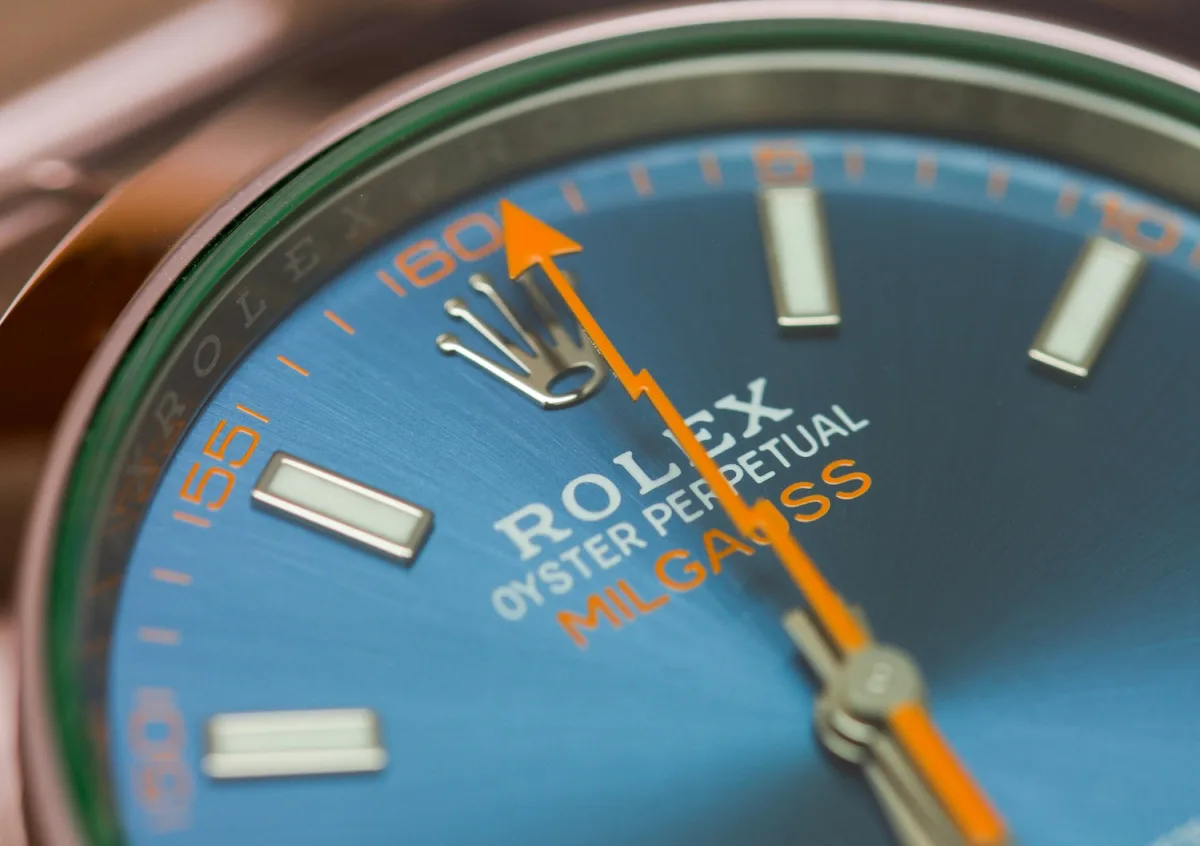
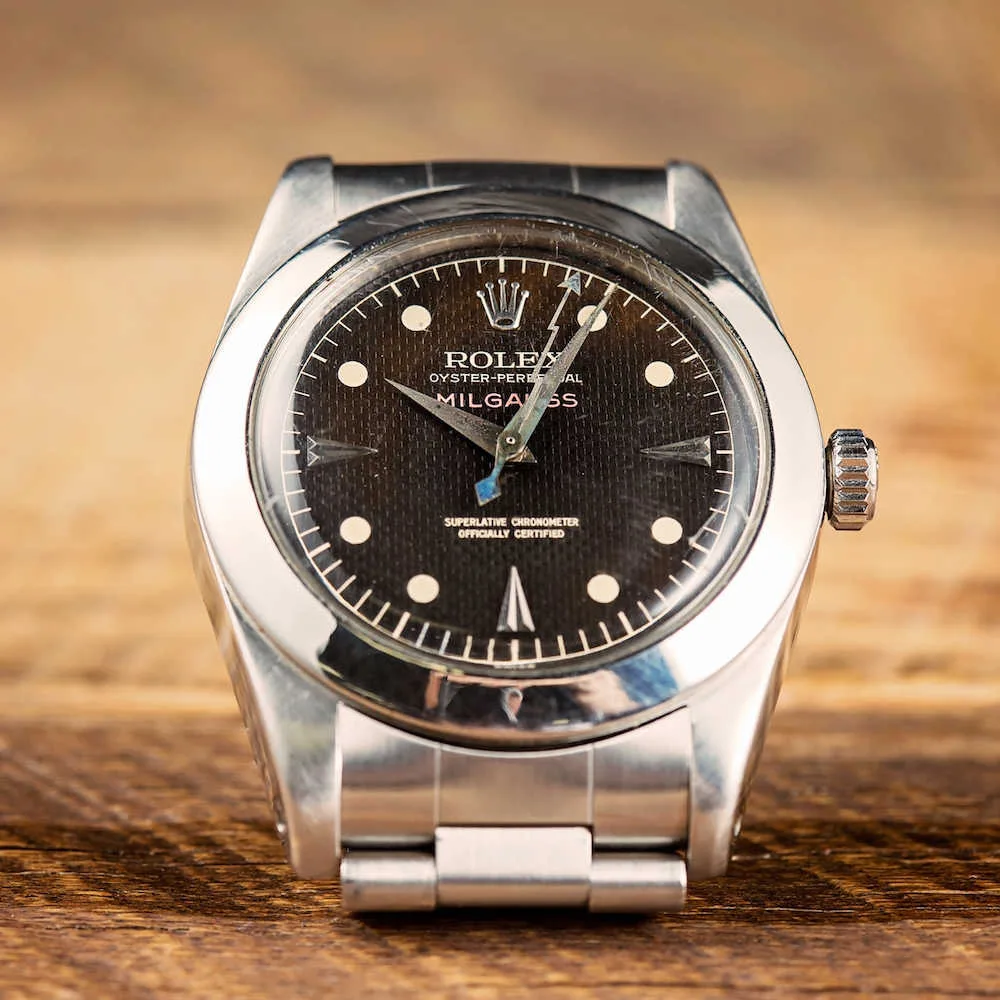
One of the technical specification races that watch brands have engaged in over the years is the race for magnetic resistance. The Rolex Milgauss has been around since the 1950s (named for its ability to withstand 1000 gauss of magnetic induction). More recently, Omega has advertised the ability of some of its watches to withstand 15,000 gauss. Other brands like Sinn advertise that some of their watches can withstand 80,000 A/m - these watches can be identified by a stylized magnetic core on the dial. It is said that many movements comply with the ISO 764 standard for antimagnetic watches or its German equivalent DIN8309. What do all these numbers mean, and do they matter to you and your watch?
The Creation of Antimagnetic Watches
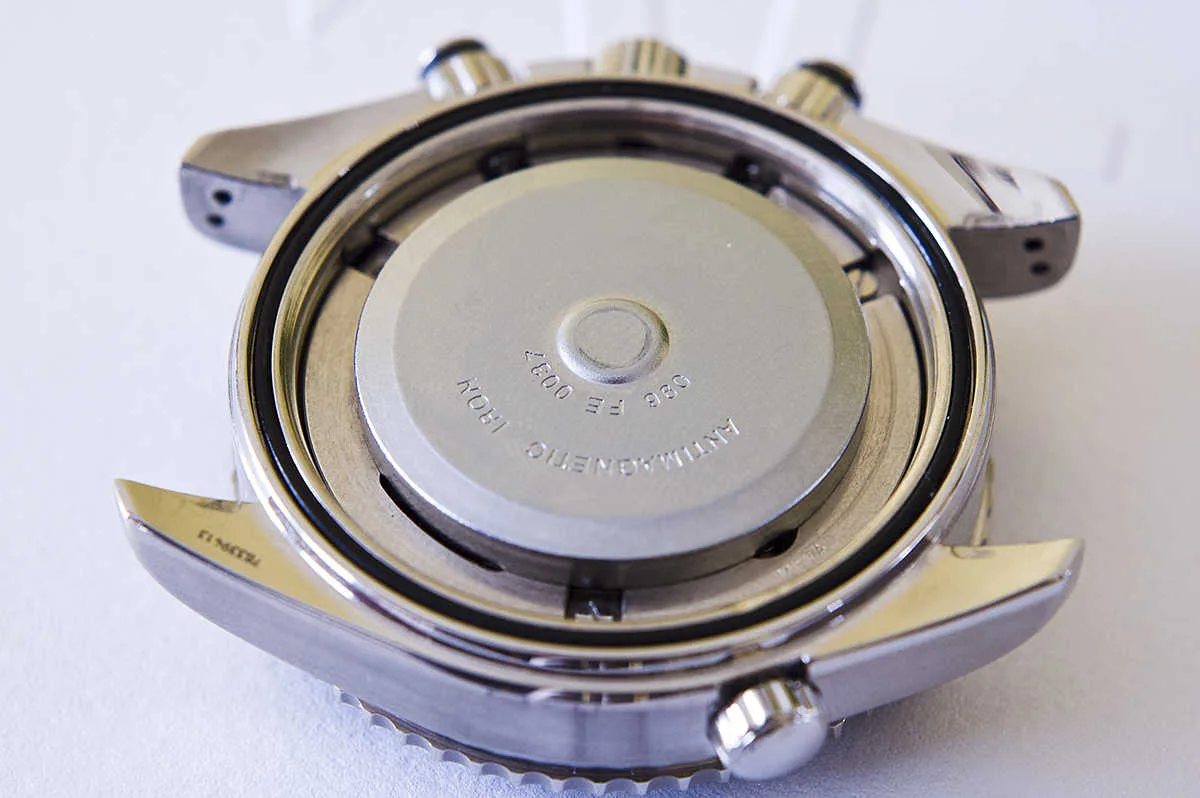
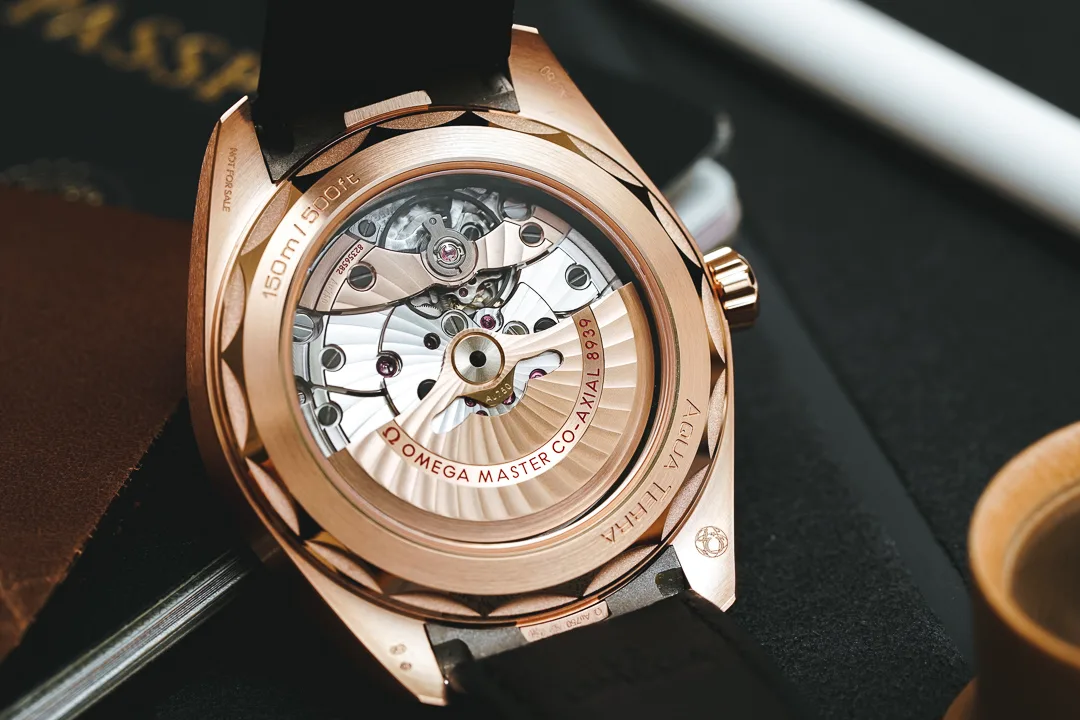
Generally, watchmakers use one of two methods to make their watches antimagnetic. The "old school" method involves encasing the movement in a metal case that blocks magnetic fields from entering the mechanism; many people describe this as a Faraday cage, but Faraday cages actually protect against electromagnetic fields, not magnetism. According to Omega, these iron cases are effective only up to 1000 gauss. The cases also require a thicker housing and do not allow for a transparent case back to showcase the movement.
For a watch to be called antimagnetic, it must keep accurate time after exposure to magnetism. For example, watches that comply with ISO 764 and DIN 8309 must continue to operate during exposure and must not exceed +/- 30 seconds per day after exposure to a magnetic field of 4800 A/m.
Anyway, What is Gauss?
Gauss is a unit of measurement for magnetic induction or simply the strength of a magnetic field. Other units of measurement for magnetic induction are Tesla and Amperes per meter (A/m). One Tesla equals 10,000 Gauss, meaning Omega's 15,000 Gauss models can withstand 1.5 Tesla. The 80,000 A/m that Sinn's antimagnetic watches are rated for is equivalent to 1000 Gauss (Rolex's Milgauss equivalent).
Speaking of everyday items, the magnetic field in an iPhone 12 pro produces between 57 and 60 Gauss. This is roughly equivalent to a refrigerator magnet (and the 4800 A/m specified for ISO antimagnetic watches). This means such a magnet is unlikely to affect most modern watches. Both movements, like the ETA2824 or Seiko 4R36, meet this standard. The Apple Magsafe charger produces 123 Gauss. Therefore, it's better to keep your watch away from the charging station if it doesn't have magnetic field protection! So, what is Omega's main antimagnetic mechanism protecting against? Most MRI magnets are rated at 1.5-3 Tesla (15,000 to 30,000 Gauss). Thus, theoretically, you could wear these watches inside a 1.5T MRI machine, and they would remain unharmed. I say "theoretically" because I expect the magnetic field to catch iron materials in the case and bracelet, potentially damaging your watch, or even rendering it inoperable!
What Happens if My Watch Becomes Magnetized?
If your watch hasn't been subjected to impacts but suddenly starts running very fast or slow, it's likely magnetized. The most common problem magnetism can cause is the coils of the balance spring sticking together. Additionally, according to Kelly, "the escapement wheel is traditionally made of steel, so it can also become magnetized." Magnetization of any of these components can affect the watch's beat rate.
To diagnose the watch's operation, placing it near a compass can often indicate if it's magnetized. Fortunately, Kelly says that magnetism usually doesn't cause irreversible damage. However, he mentioned, "I have seen cases where the alignment of the hairspring was disrupted, requiring intervention and adjustment by a watchmaker. Except for these more extreme cases, magnetized watches can be easily fixed. Any watch repair shop should be able to quickly diagnose and demagnetize your watch. If you don't live near a store or prefer to repair your accessory yourself, you can purchase special watch demagnetizing devices on sites like Amazon and eBay for around $20.
What Magnetic Resistance Do You Need in a Watch?
Initially, antimagnetic watches were intended for engineers and scientists working with magnetic devices. For many people, watches that meet the basic antimagnetic requirements of ISO or DIN are sufficient to avoid magnetism. If you are someone whose watches have become magnetized in the past, it might be worth acquiring a watch with an "iron cage" to protect the mechanisms in your watch. I believe that 1000 gauss should be enough to cover any "typical" situation anyone might encounter. However, if you frequently encounter very powerful magnets (or if you're someone who enjoys collecting watches with extreme features), you might enjoy Omega watches that withstand up to 15,000 gauss.
Is magnetic resistance important to you when buying a watch? Have your watches ever become magnetized? We'd love to hear about it in the comments.