The concept is not new - and this is far from the first case.
This time, Jaeger-LeCoultre presents its sixth capsule collection, The Collectibles, featuring museum-grade vintage watches available for purchase. You can also visit the brand's flagship boutique on Old Bond Street in London to see 12 outstanding models, including seven Reversos, rare 1946 watches with triple calendar and moon phases made for the French market, and the cushion-shaped Geomatic E560 chronometer from 1970. Other notable pieces include the 1958 Memovox Parking in pink gold and the 1969 Memovox Automatic Calendar in steel with the original Gay Frères bracelet. But since I still haven't found the perfect Reverso, I chose three models that could theoretically fit the bill.
The Collectibles Presentation in London: Restoration and History Preservation
For the first time, Jaeger-LeCoultre showcased The Collectibles in the British capital. The brand did this with style, bringing outstanding examples from the Vallée de Joux. A team of 10 master watchmakers meticulously restored all 12 watches in the JLC manufacture in Le Sentier. They serviced the movements of each model and even hand-recreated historically accurate components when necessary. Despite the complete restoration of the movements, the character and patina of the watches remained untouched.
Evolution of Reverso: Seven Models at the Heart of the Sixth Capsule
At the core of the sixth capsule collection is an impressive selection of seven Reverso models, tracing the evolution of one of the world's most recognizable watches. From the debut of the model in 1931 to the early 2000s, the selection demonstrates how Reverso transformed from practical sports watches for polo players into a true symbol of Art Deco elegance.
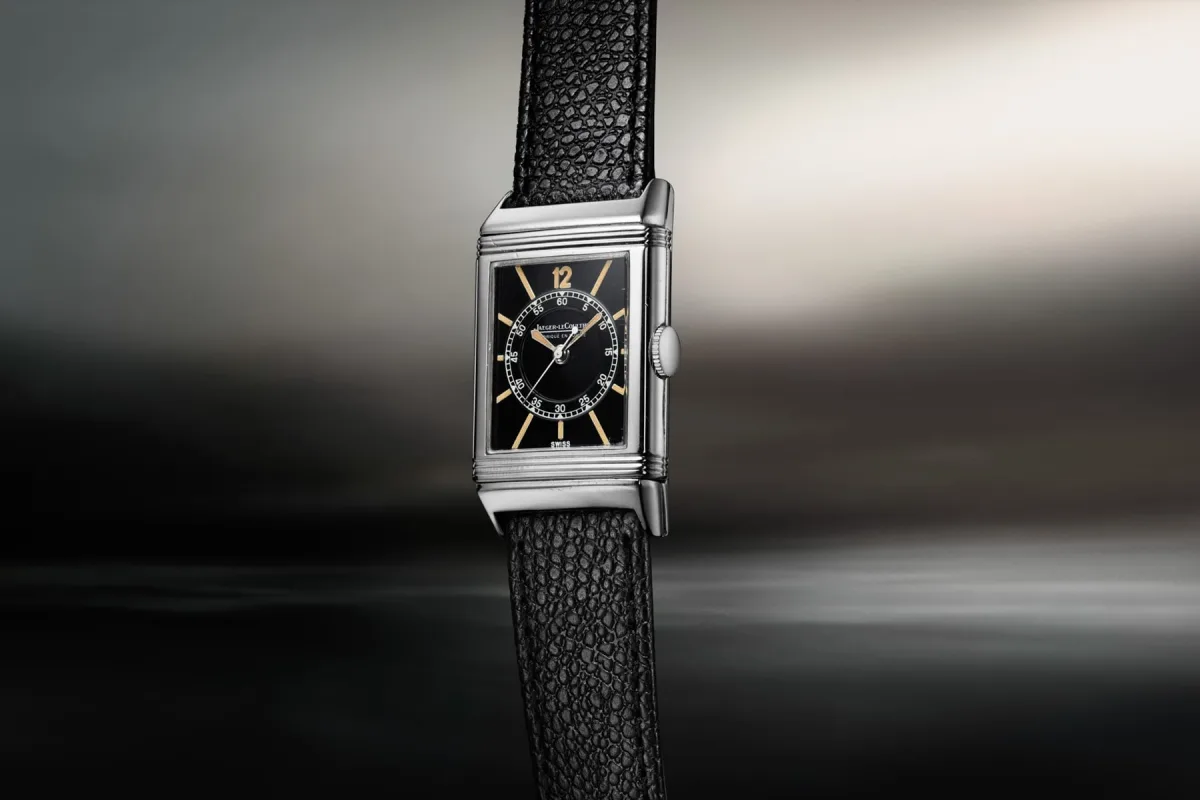
Of particular interest is the 1938 Reverso with a central seconds hand. Nicknamed the “Doctor's Reverso,” it features a pulsometric scale on the dial. Equipped with caliber 411, the watch has a central seconds hand. The dial design was developed with the needs of medical professionals in mind, allowing for quick and accurate pulse measurements at a glance. This feature gives the watch special appeal. In my opinion, a modern version of such a “Doctor's Reverso” would be a real hit.
Reverso Corvo 1972: Rescued from Oblivion
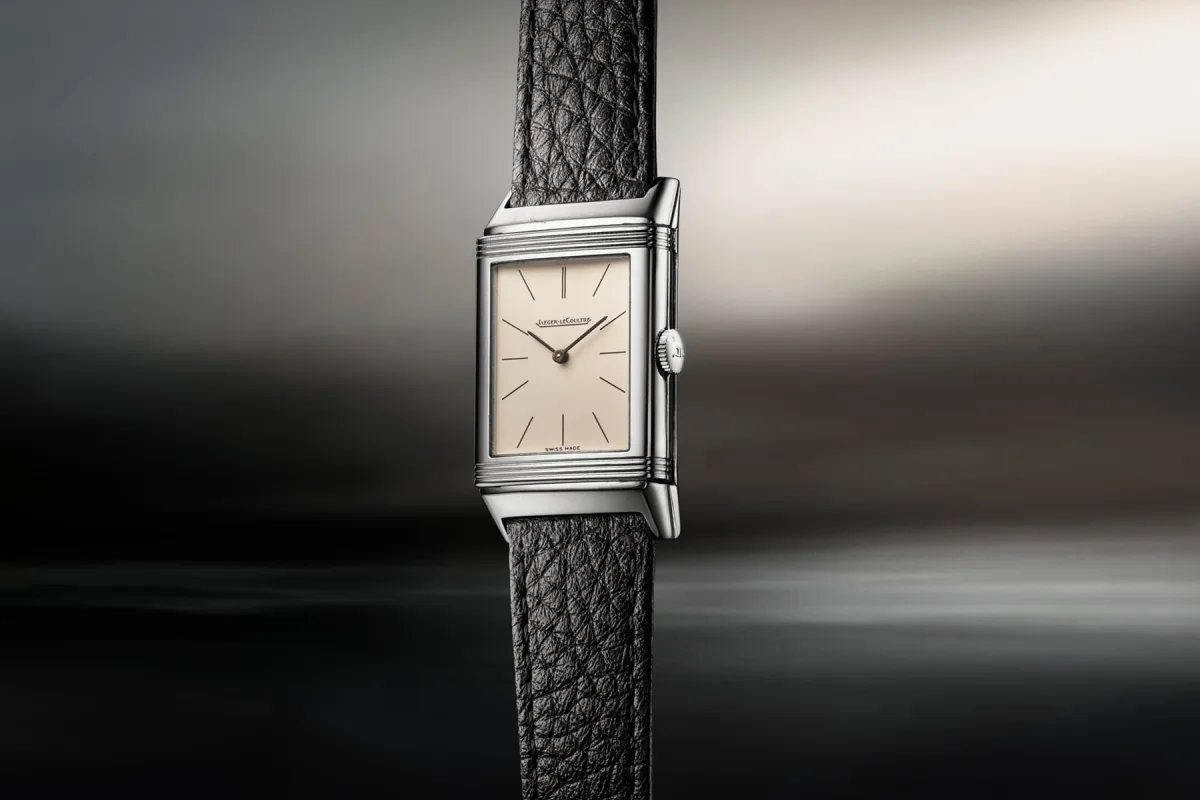
Another intriguing example is the Reverso Corvo from 1972. These watches are not just beautiful accessories but a key element in the model's revival. In the 1970s, Italian distributor JLC Giorgio Corvo discovered 200 unused Reverso cases gathering dust in a factory warehouse during a visit. He immediately recognized their potential, purchased the entire batch, and convinced Jaeger-LeCoultre to equip them with movements for exclusive sale in Italy.
Now known as “Corvo Reversos,” the watches received an updated design to match the tastes of the time: the original Art Deco numerals were replaced with elegant Roman or, in this case, slender indices. Half of the models had white dials, and the other half had gray dials. Inside the pivoting case was JLC's oval caliber 840, skillfully adapted to vintage cases. Within a few months, all 200 watches were sold, and the success inspired the brand to reissue the now-iconic Reverso Corvo - more than just beautiful watches.
Reverso Sun Moon 2000: Complex Mechanisms of the New Millennium
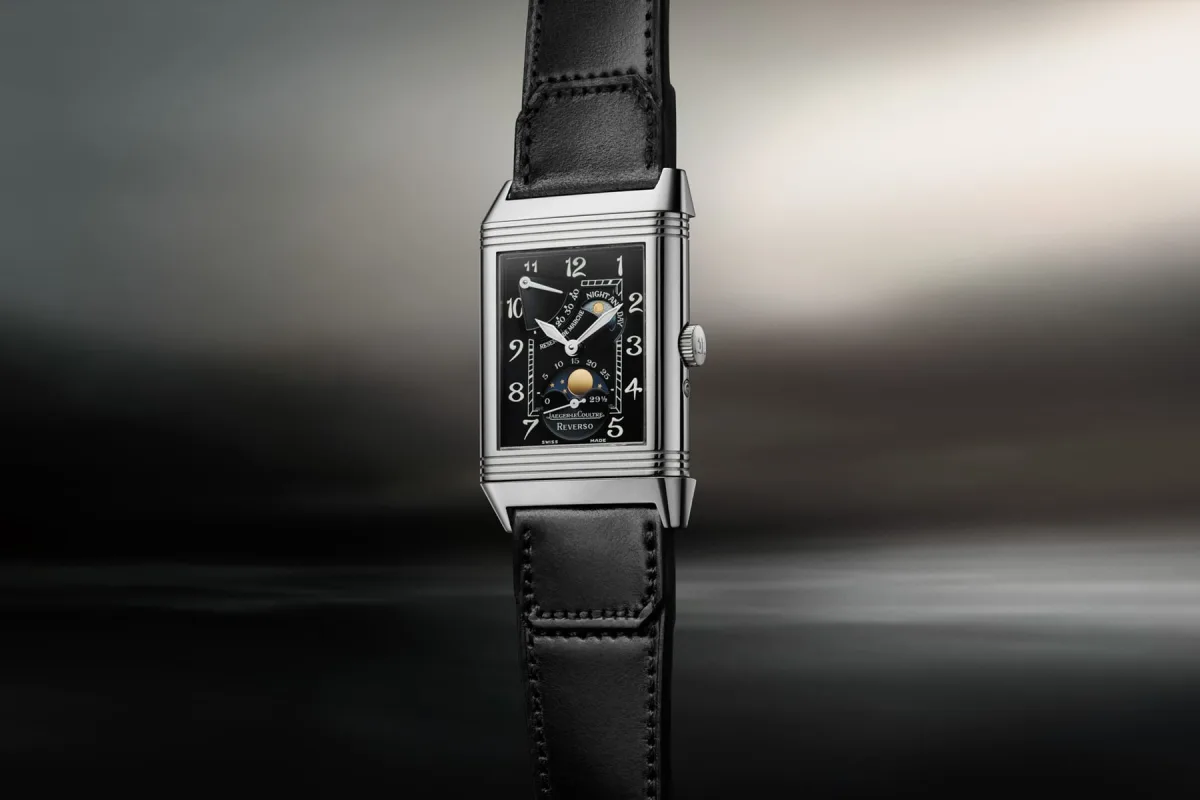
These watches are already 26 years old, which for some is vintage, yet they look modern. The Reverso Sun Moon 2000 in white gold is an example of the revival of complex watchmaking that began in the 1990s. Sturdy sports watches for polo, originally intended just for accurate timekeeping, became a complex platform for high-precision complications.
JLC's craftsmen rose to the challenge, creating a Reverso with exquisite in-house mechanisms. These watches are equipped with the manual caliber 823, and the black dial features a rotating 24-hour disk showing the movement of the Sun, a moon phase indicator at the “6 o'clock” position, and a power reserve indicator at the “11 o'clock” mark. The transparent case back allows you to see the unique gun-shaped bridge of the mechanism.
1946 Triple Calendar Model: A Choice for Connoisseurs
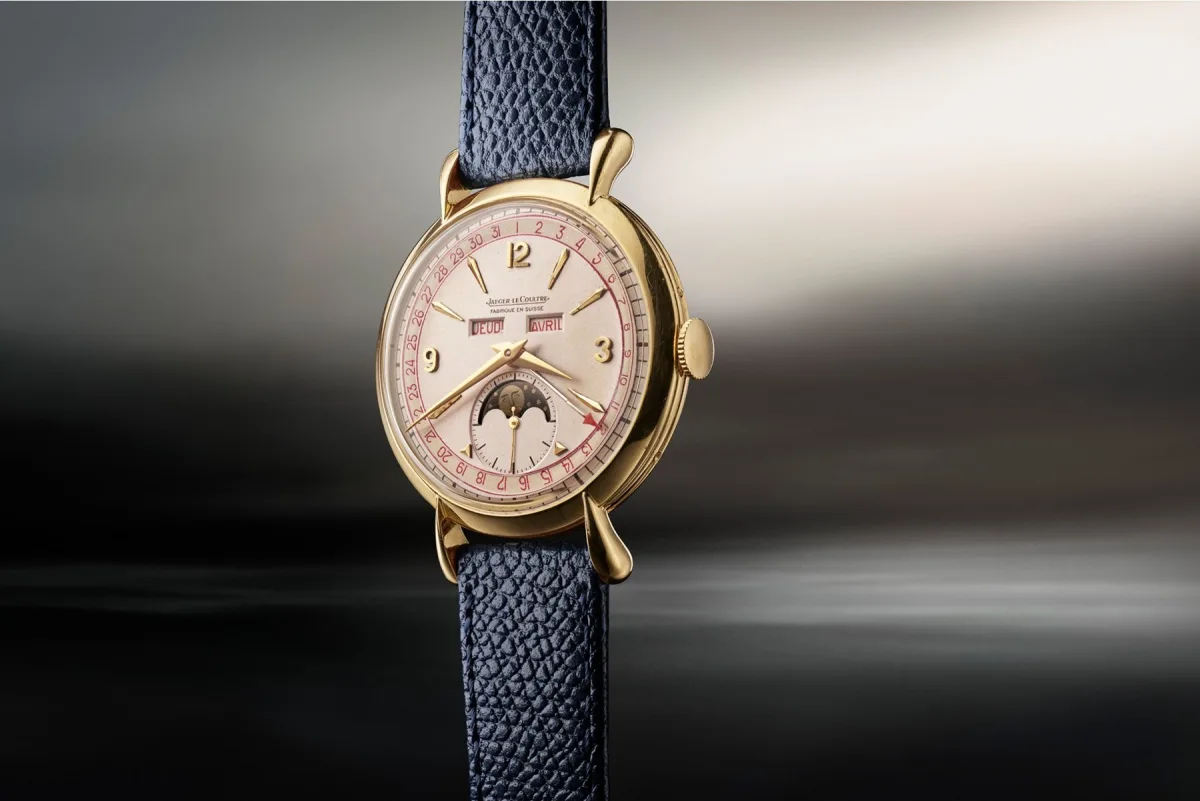
Although I reviewed several Reversos, my favorite remains the 1946 triple calendar with moon phases, created exclusively for the French market. The dial with the red date scale looks stunning, and the gold case with elegant lugs completes the look. Unfortunately, all the watches from the article are already sold - you can see them in the boutique, but collectors of rare pieces have been quicker.
Jaeger-LeCoultre's Goals with The Collectibles Capsule Series
After familiarizing with the sixth capsule collection, the question arises: what goal is Jaeger-LeCoultre pursuing? The collection generates interest and offers carefully selected watches - a kind of icons - in a reliable and controlled environment. Each watch comes with an official archive statement, a copy of The Collectibles manual, and a custom handmade strap specially created for the model. Original boxes, documents, and accessories appropriate to the era are preserved when available.
Perhaps JLC's idea is to increase the brand's prestige through the buzz around The Collectibles. By presenting these museum-grade watches and creating a desire to acquire them, the brand justifies current retail prices and stimulates the growth of prices on the secondary market. What do you think, how successful is this strategy? Share your opinion in the comments.