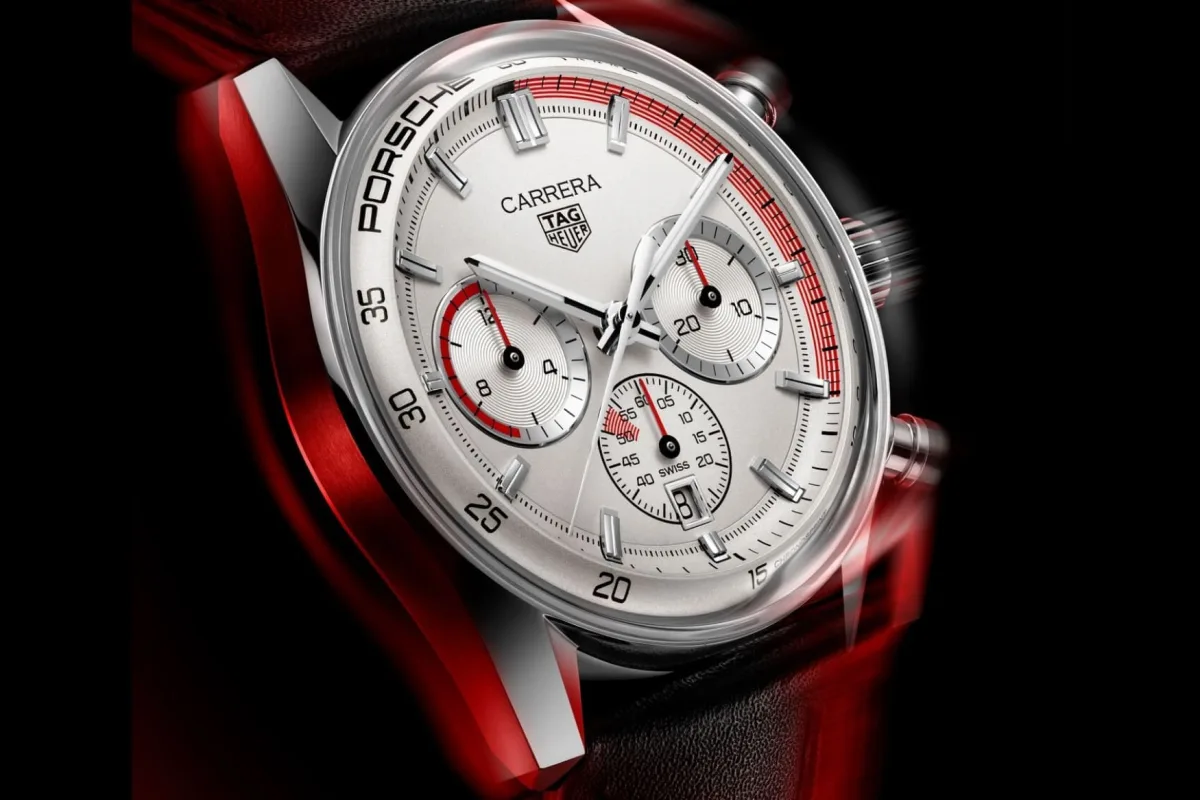
Life after COVID-19 has turned the world upside down.
With the rising cost of nearly everything, rapidly changing political conditions, and shifting social priorities, consumers are becoming increasingly price-sensitive, regardless of income level or the price segment in which they shop. Purchasing power is decreasing not only due to inflation but also because many incomes do not keep pace with rising costs for housing, food, and transportation. Consumers evaluate not only the final cost of goods but also the perceived value for every dollar spent. This applies to watches and, perhaps, the most significant category intersecting with watches by interest - cars.
Enthusiast Car Market
The enthusiast car market has experienced many price fluctuations for both new and used cars, mirroring recent trends in the watch market. Despite the high cost and size of cars, the key difference between these two categories is that a car is often a necessity, whereas a watch is an accessory. Even in the most developed urban areas, public transportation is not always available, making a car an essential asset depending on one's location and routes. Most car buyers focus on utilitarian value, while enthusiasts choose cars that satisfy their hobbies and desires alongside practical needs.
With this in mind, and from a U.S. perspective, I wondered: what correlations exist between the enthusiast car market and the enthusiast watch market? What similarities and differences are there in buyer behavior and price changes driven by different factors, and what can be learned from this experience for the positive development of the watch community?
Average Price of New Cars and Its Impact on the Market
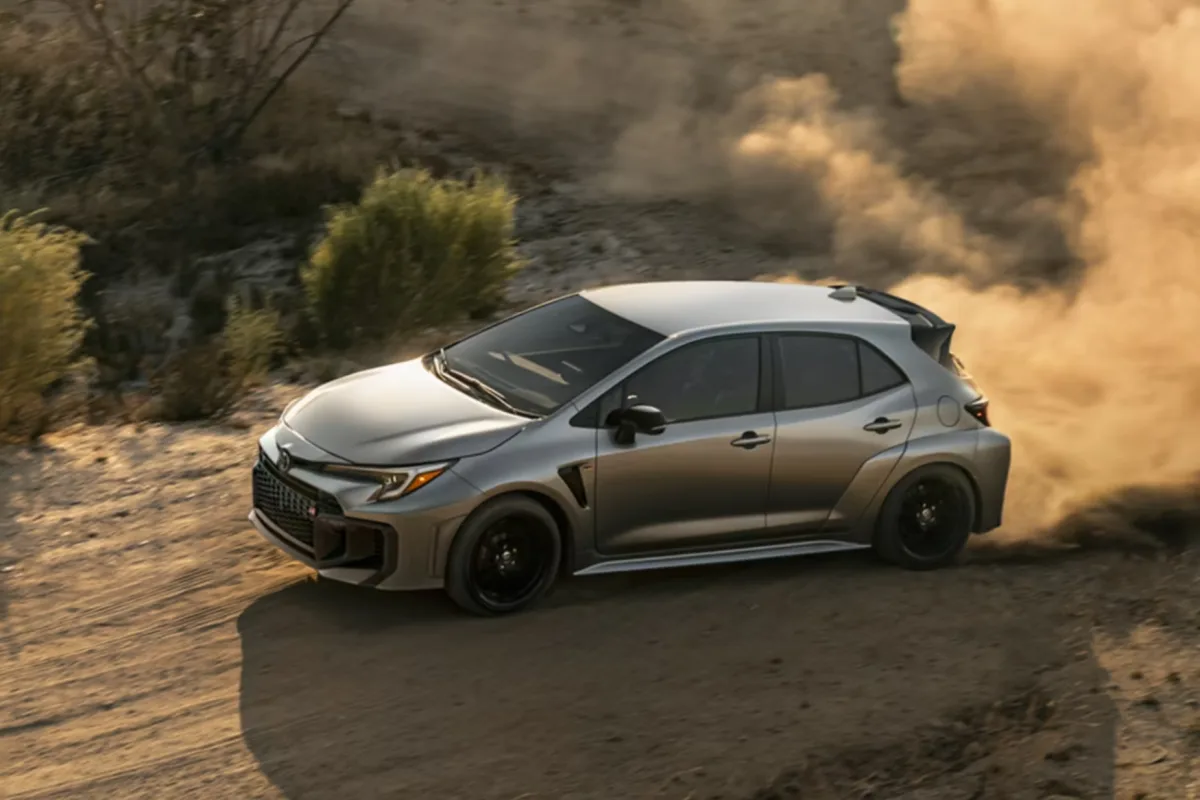
One of the most interesting statistics in the automotive industry is the average selling price of a new car in the U.S., which, according to Kelly Blue Book data from Cox Automotive, was $49,740 at the end of 2024. However, the average is skewed by the presence of both very expensive and very cheap models. Expensive cars are rare due to their price, while budget models are often not in demand because they are not perceived as a good investment.
Moreover, the U.S. lacks popular compact cars like the Toyota Yaris and Volkswagen Polo, and Ford no longer offers the Focus or Fiesta (now Puma) models in any form. Enthusiast cars are naturally more expensive because equipment that enhances power, handling, and performance requires additional costs. This is especially noticeable in sports models built on the basis of more accessible mass-market cars.
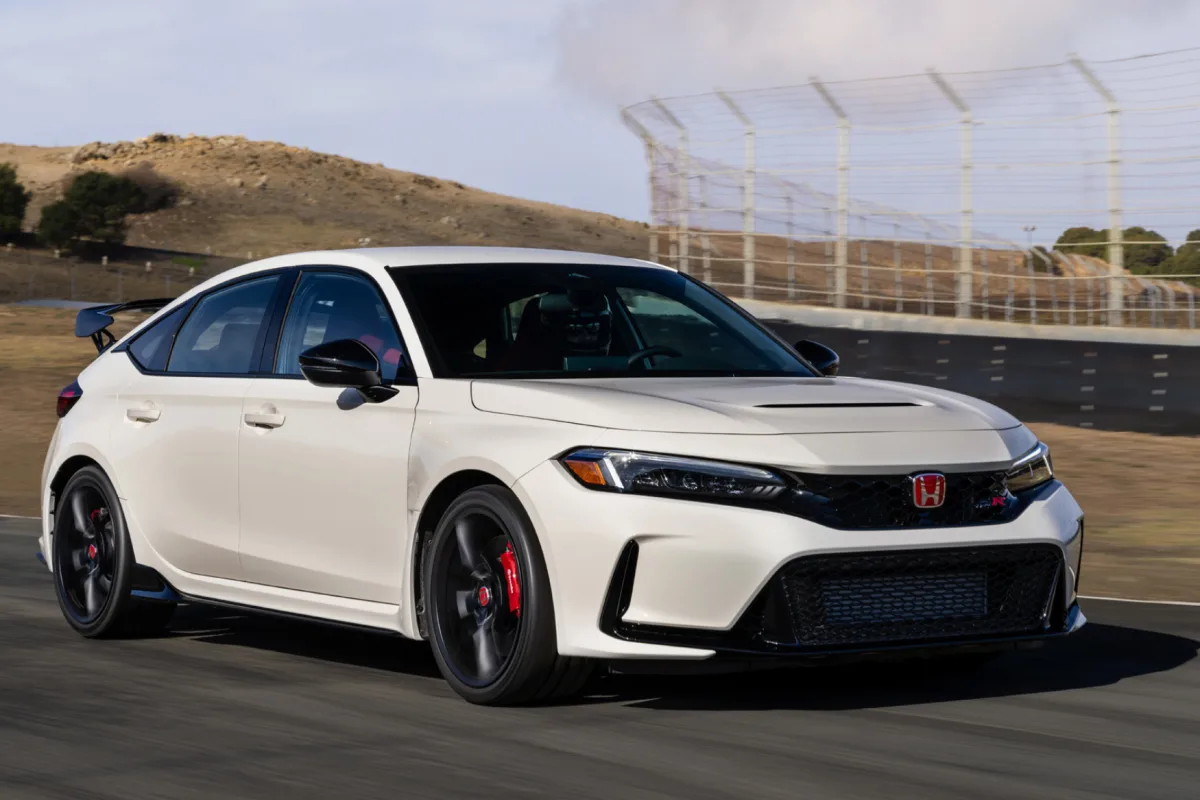
For example, a regular Honda Civic costs from $24,595, the Civic Si - $30,995, and the Civic Type R - $45,895. Interestingly, the Civic Type R, the most performance-oriented and enthusiast-focused Honda model available in the U.S., costs almost as much as the average price of a new car in 2024! Similarly, the Volkswagen Golf R ($49,455), Toyota GR Corolla ($39,920, and with Premium Plus package - $45,965), Acura Integra Type S ($52,900), Audi S3 ($49,995), BMW M240i ($51,775), and others.
Thus, a significant portion of enthusiast cars is valued roughly at the level of the average price of a new car. This is logical, as new car buyers are generally financially stable and have disposable income. Those who choose a car for pleasure are ready to allocate more funds for a car than those who buy it solely for utilitarian purposes.
Impact of Inflation and Real Availability of Models
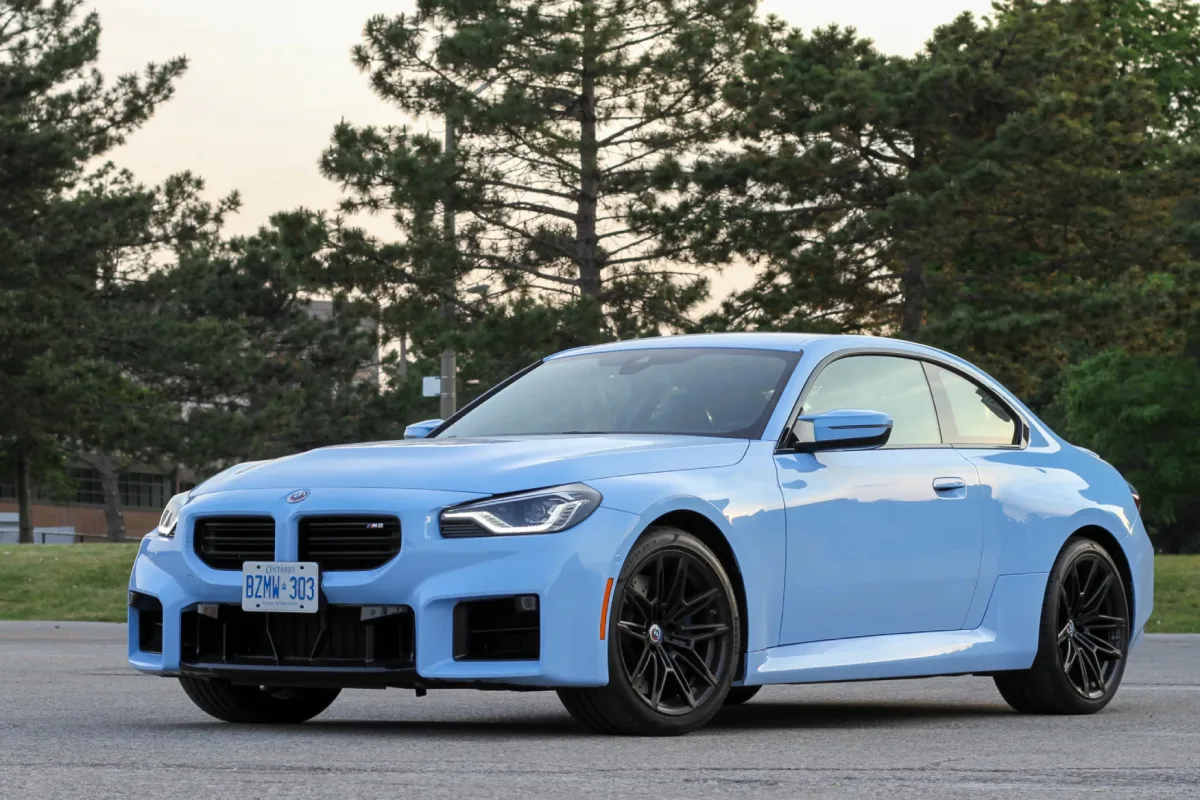
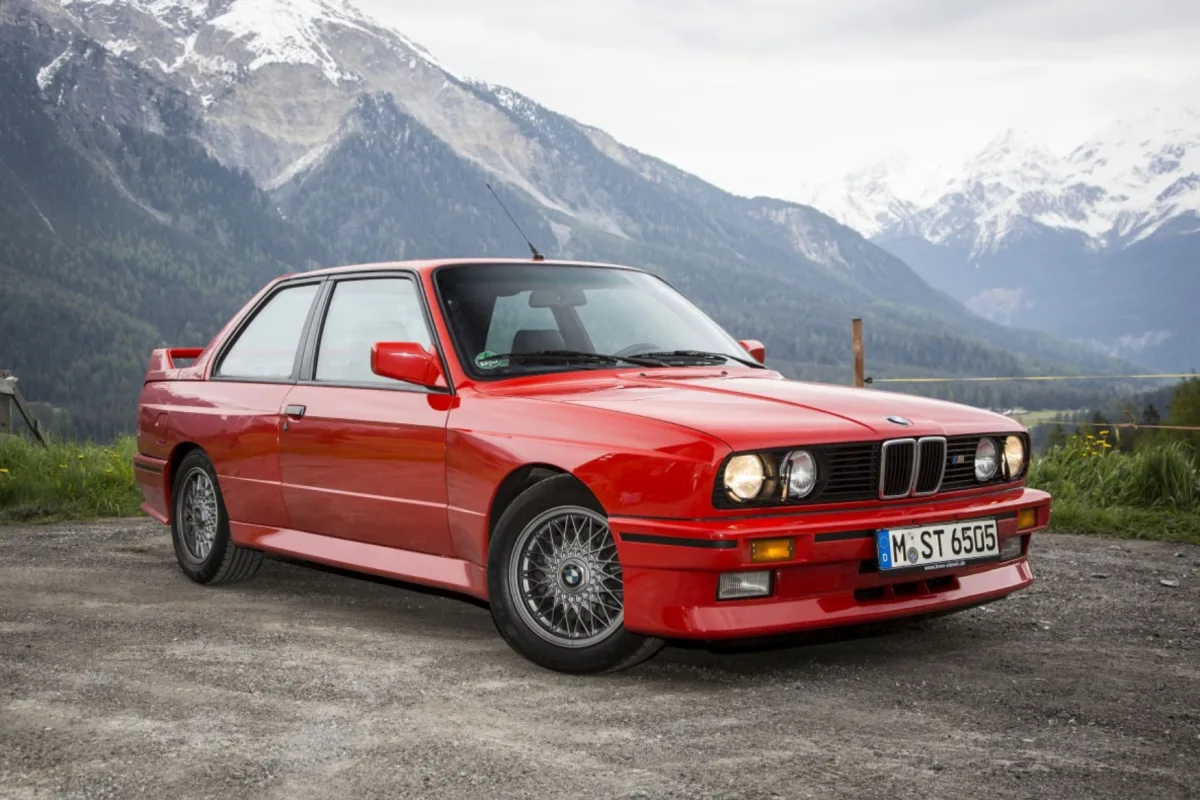
Many tend to blame inflation for high prices. However, interestingly, some enthusiast and premium cars today cost even less than when they were first released, accounting for inflation. For example, the BMW M3 E30 generation, the first model of the series, cost $35,900 in 1991, which is equivalent to $83,253.74 in December 2025. The modern BMW M3 starts at $78,400. Even better, when compared with the BMW M2, which is closer in spirit to the E30 M3, its price starts at $68,200.
Another example is the Mazda MX-5 Miata, which cost $13,800 in 1990 ($34,207 today). A new Miata at the time of publication costs from $29,830. Although some prefer the handling of older models, modern cars are faster, safer, more comfortable, and equipped with more features, while still being cheaper accounting for inflation. This, consciously or not, is one of the achievements of the automotive industry in the interests of enthusiasts.
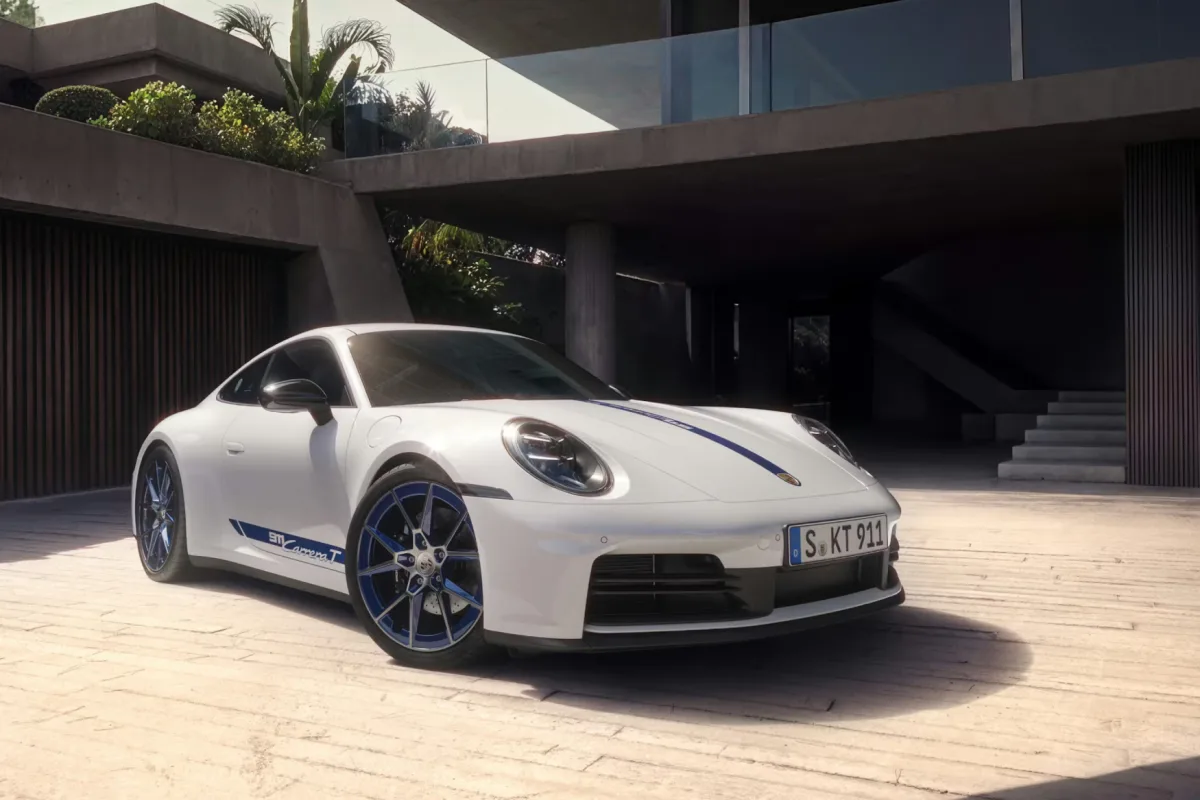
When discussing how many watch enthusiasts feel alienated from major brands, Porsche can serve as an automotive analogy. The base Porsche 911 Carrera 2 Coupe cost about $59,000 in 1990 ($146,247 accounting for inflation in December 2025). The modern Porsche 911 Carrera 2 Coupe starts at $132,200, which also speaks to comparative affordability.
Many enthusiasts lament the disappearance of the manual transmission in most 911 models. Porsche responded by releasing the 911T model - a simplified version with several driver-focused features, including a manual transmission. The 911T costs from $143,700, which is close to the price of the 911 in the 1990s, accounting for inflation. However, the price rises significantly when options are added - they can increase the cost by $100,000 or more.
Popularity of SUVs and Impact on the Enthusiast Market
One problem for many car enthusiasts has been the growing dominance of SUVs and pickups. In the U.S., they have captured much of the market, while sedans, wagons, and minivans have lost popularity due to negative perceptions. Nevertheless, practicality remains an important factor - many families need spacious vehicles for transporting people and things. The quality of roads in many regions leaves much to be desired, making increased ground clearance and adjustable suspensions especially in demand in urban environments, despite the contentious real and perceived advantages of SUVs.
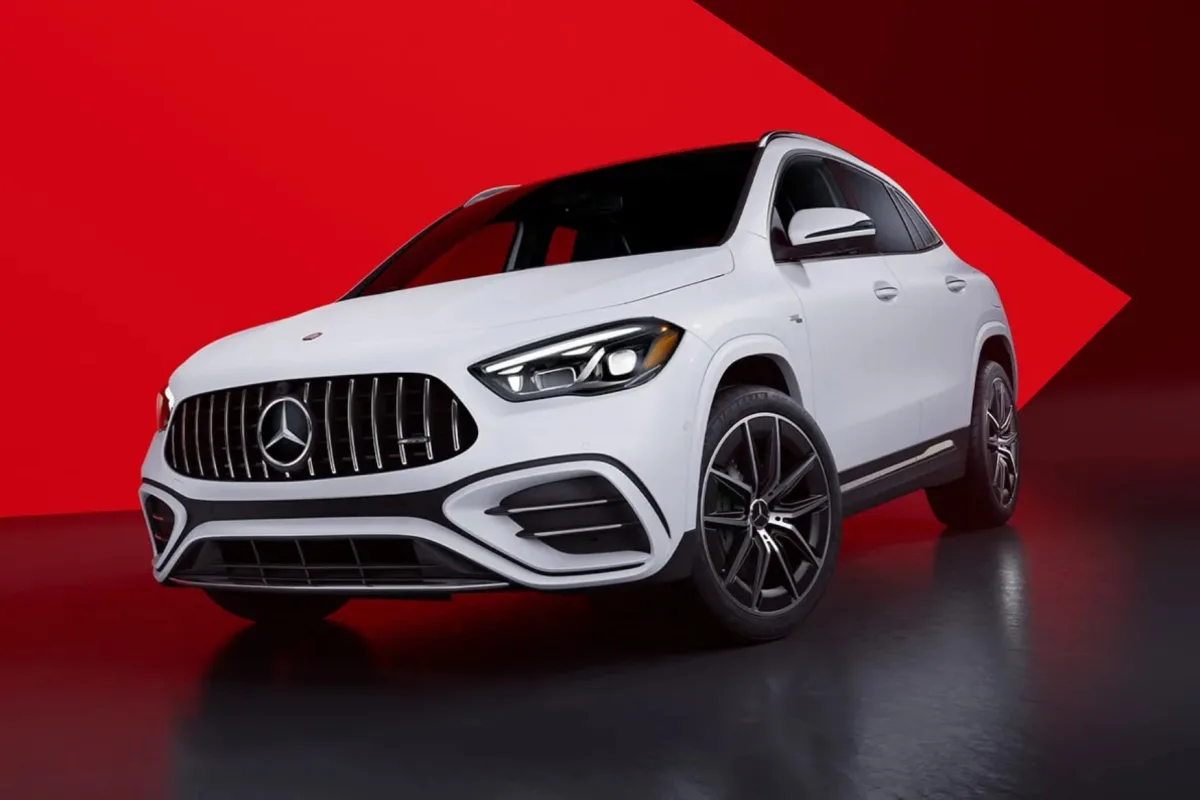
With decreasing disposable income and space in cities, consumers strive to get the most out of one purchase. Therefore, the popularity of performance SUVs among enthusiasts is growing: they are willing to sacrifice some driving pleasure for convenience, comfort, and versatility. This leaves narrow niches, such as fans of manual wagons, without new models - there is currently no new wagon with a manual transmission in the U.S., and many brands are withdrawing wagons from the market altogether.
Watch Market
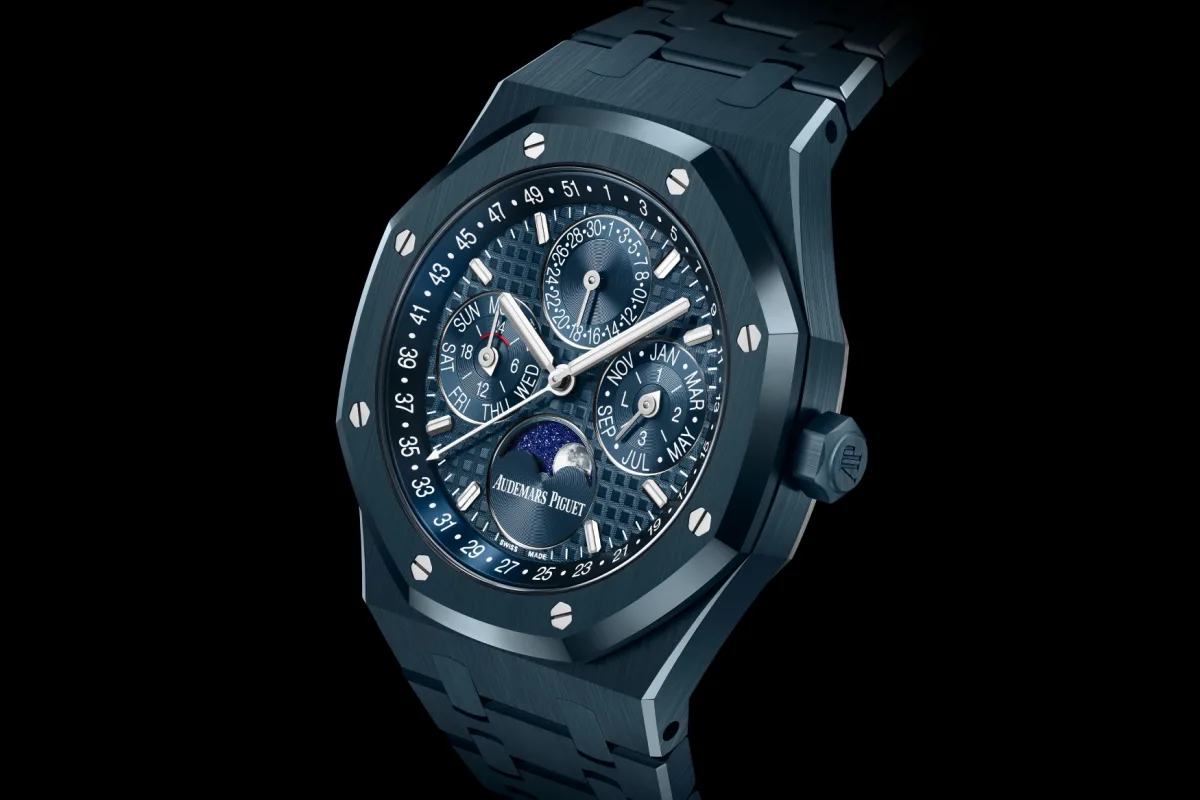
Unlike the automotive market, there are no equally detailed and publicly available statistical data for watches. However, the annual Morgan Stanley report on the Swiss watch industry provides insights into the market as a whole. Although the report does not account for non-Swiss brands, the data allows for an estimation of the average selling price of watches.
By summing the units sold by each brand, multiplied by the average retail price, and dividing by the total number of watches sold, I determined that the average price of Swiss watches from the top 50 brands in 2024 was 3,595.98 Swiss francs (approximately $4,557.57 USD in December 2025). The method is not perfect, but it provides a benchmark.
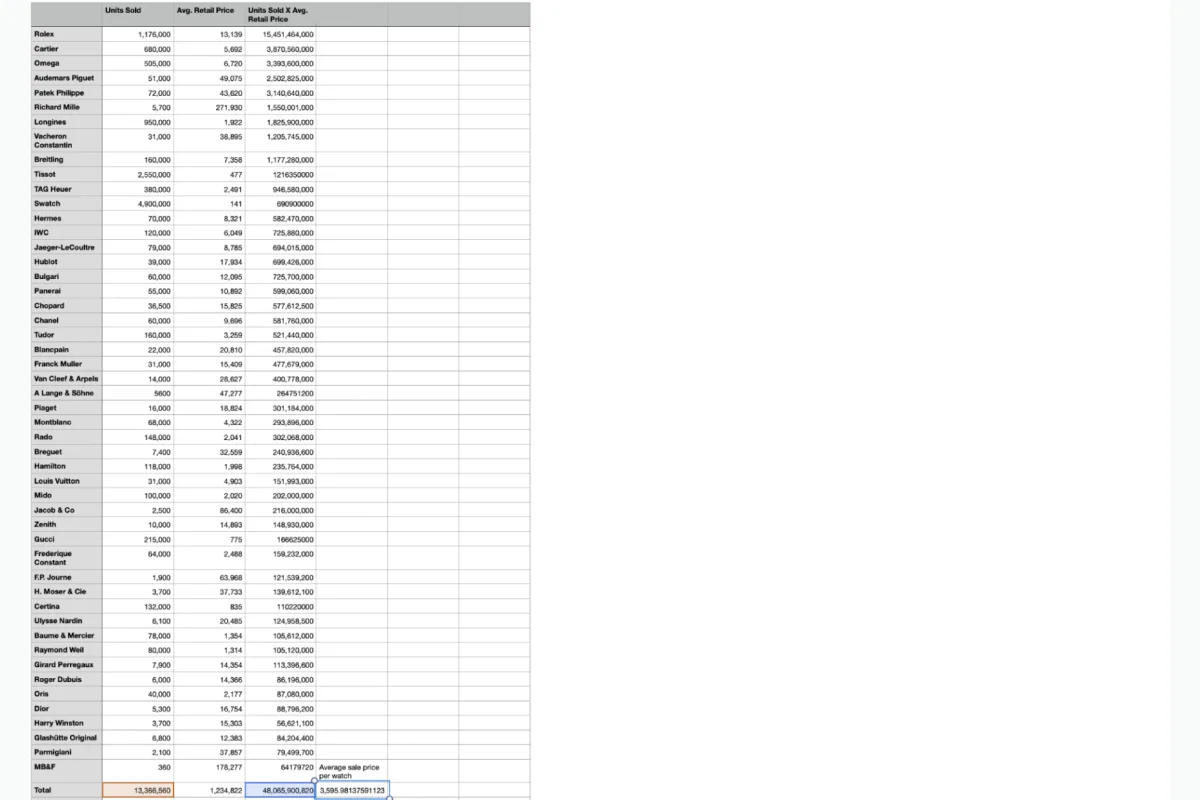
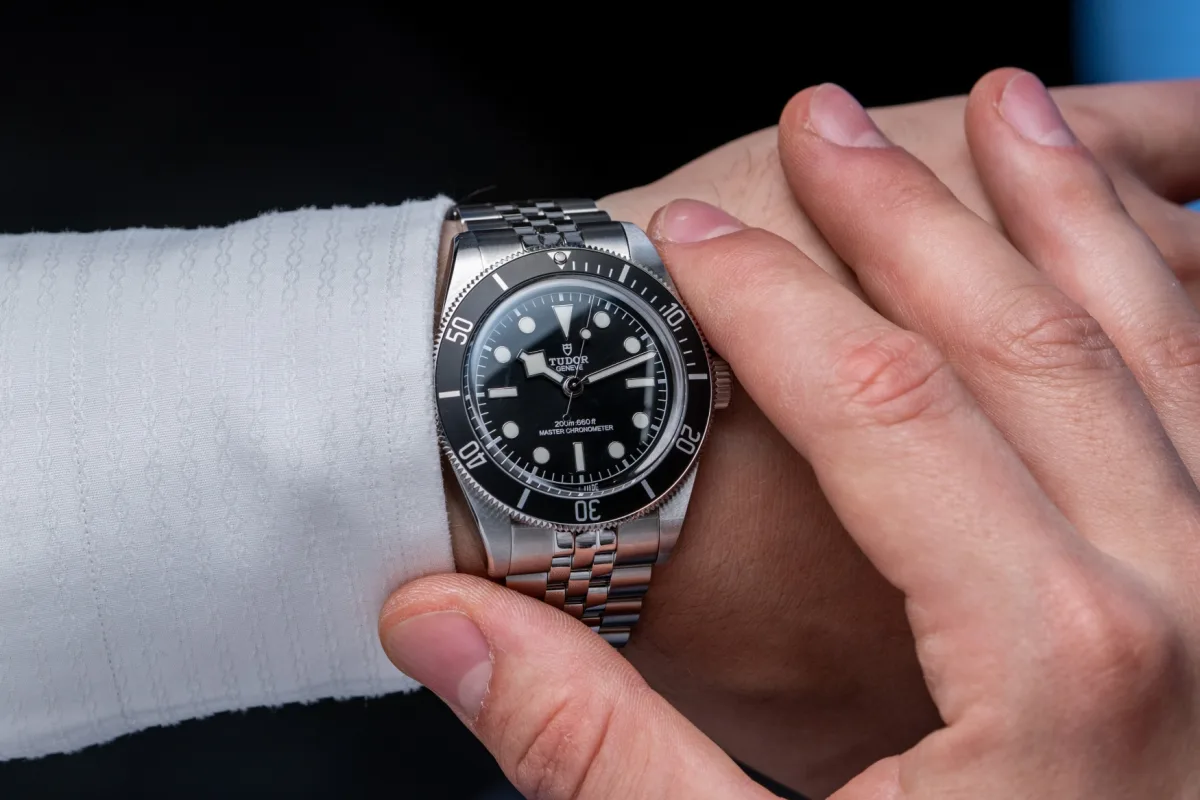
Interestingly, only one brand is close to this figure - Tudor with an average price of about 3,259 francs. Meanwhile, the Bucherer website features 338 mechanical watches priced between 3,000 and 4,000 francs from well-known brands like Tudor, Oris, Rado, Longines, Montblanc, TAG Heuer, and Baume & Mercier. Adding quartz models brings in Cartier, Grand Seiko, Breitling, and jewelry. So why do many collectors feel a shrinking range of enthusiast-focused offerings?
Price Increases and Market Shift Upwards
According to the Morgan Stanley report, many brands and models that enthusiasts target are moving up in price segments. Rolex, Omega, and Jaeger-LeCoultre are often mentioned in the context of significant price increases. Especially Omega and Jaeger-LeCoultre, which were previously perceived as brands with good value for money, have now significantly raised prices, alienating many loyal buyers and lowering perceived value.
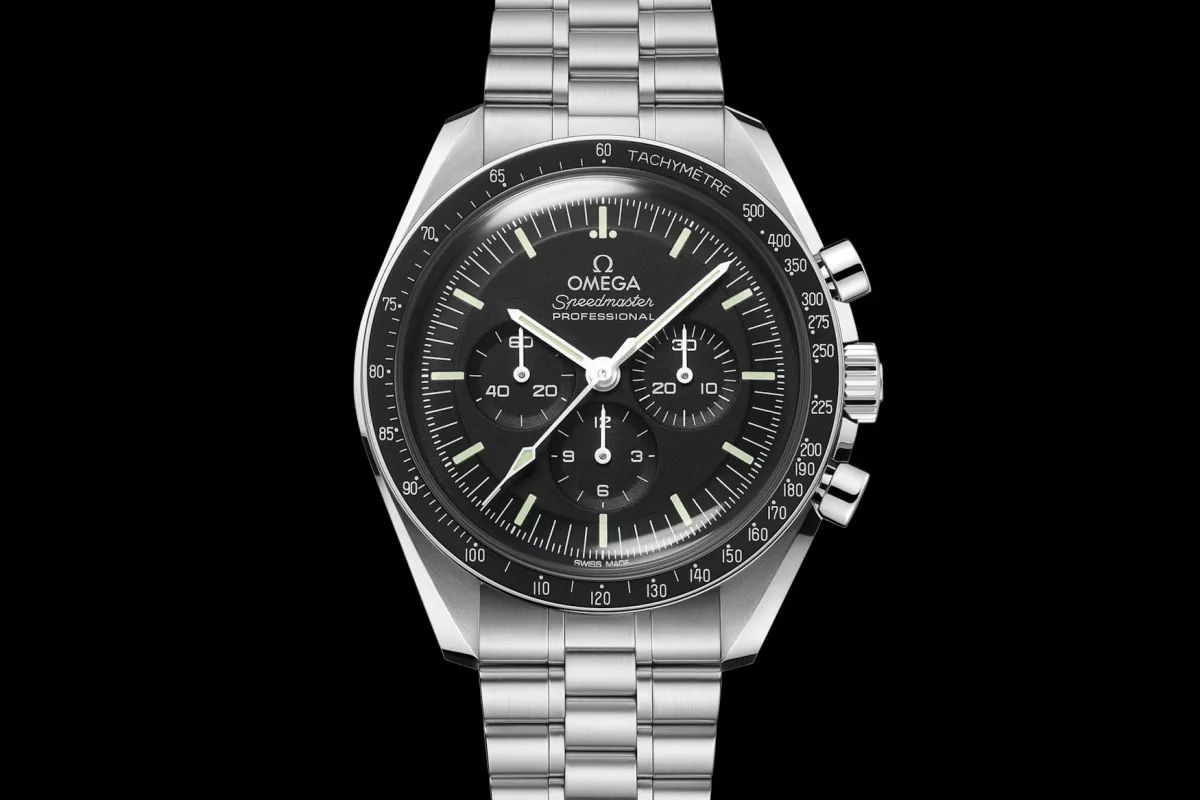
For example, the Speedmaster model with hesalite crystal on a bracelet now costs $7,800 - $1,500 more than at launch in 2021, and the previous generation cost $5,350. Although the price increase seems significant, it roughly corresponds to the level of inflation.
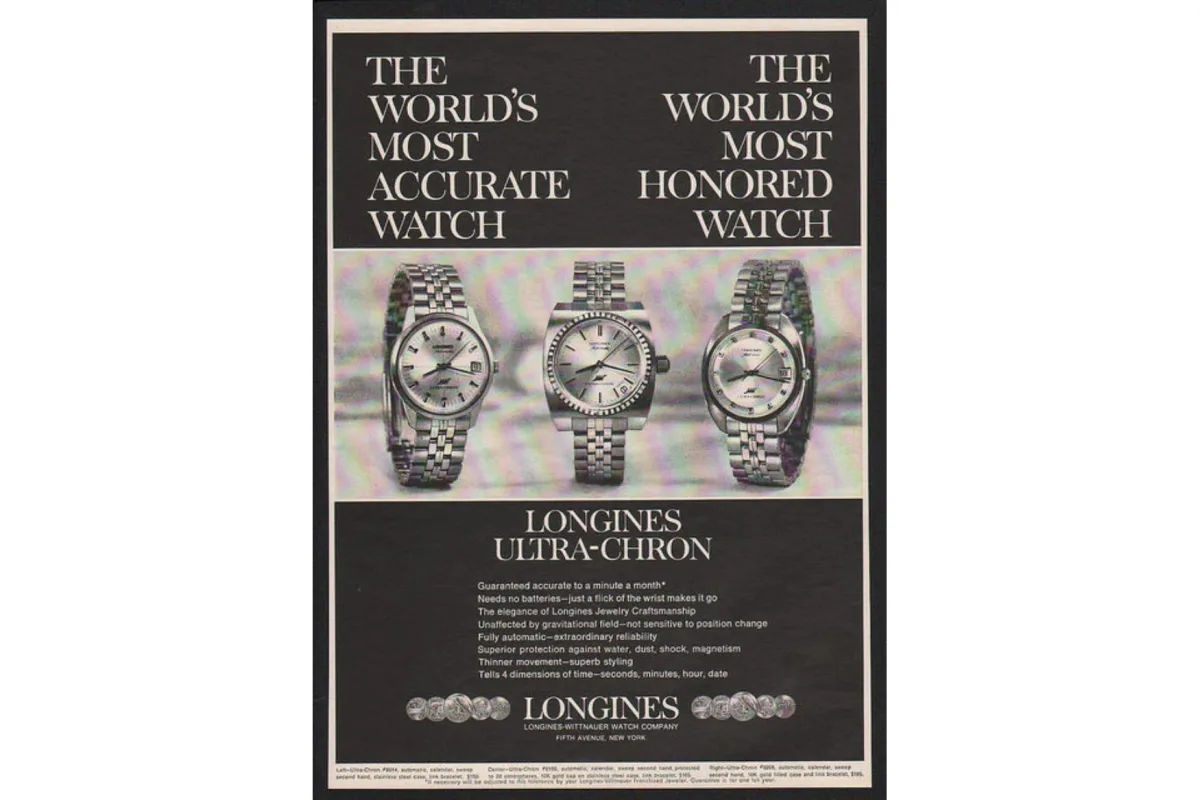
However, when taking a long-term view of price increases, the upward shift becomes more apparent. In 1969, Longines Ultra-Chron watches cost $150 (about $1,324 today), while the modern remake is priced at $4,000. The Rolex Submariner Date cost $3,550 in 1996 ($7,338 today), and the modern version is $10,650. Of course, modern models have better materials and construction, but the price gap remains significant.
Examples of Brands Maintaining Accessibility
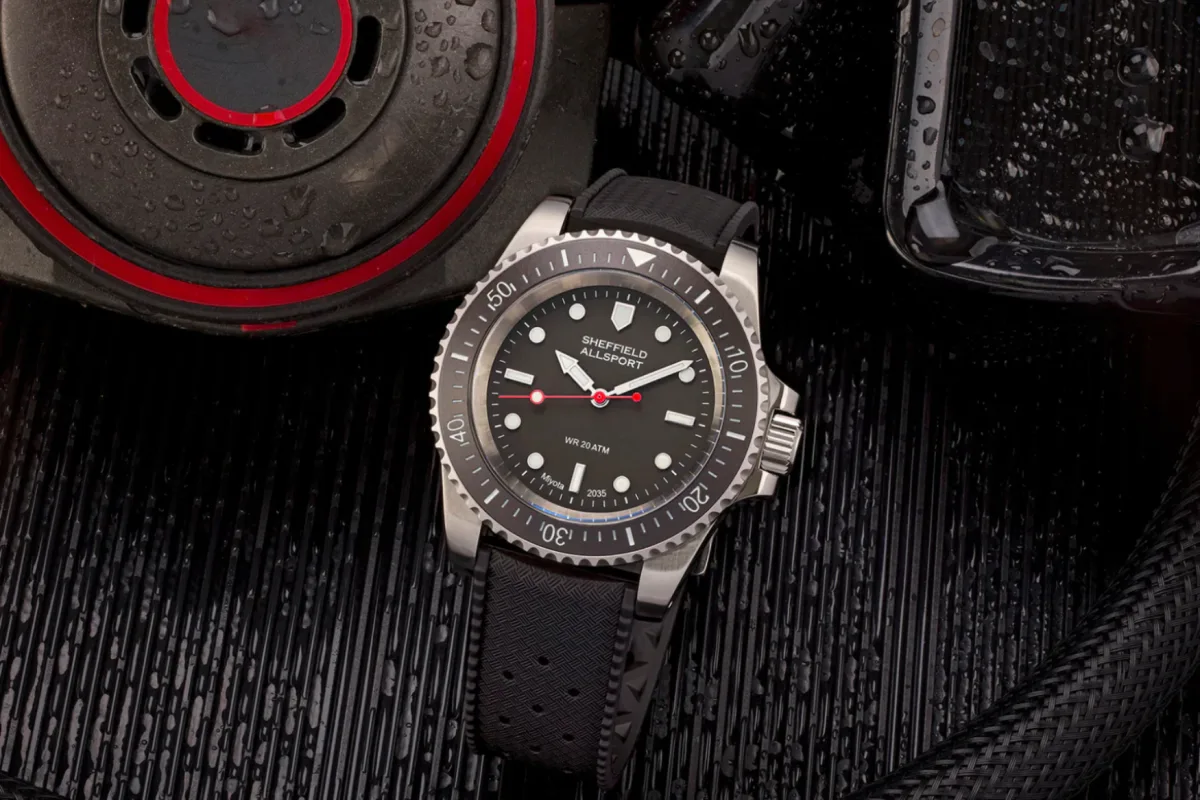
Small brands like Sheffield Watches try to maintain prices close to the original, accounting for inflation. Sheffield owner Jay Turkbas notes that the first Sheffield watches in the 1970s cost $13 (about $108 today), and the Sheffield All-Sport model now sells for $118 - very close to the historical price.
Features of Enthusiast Demand
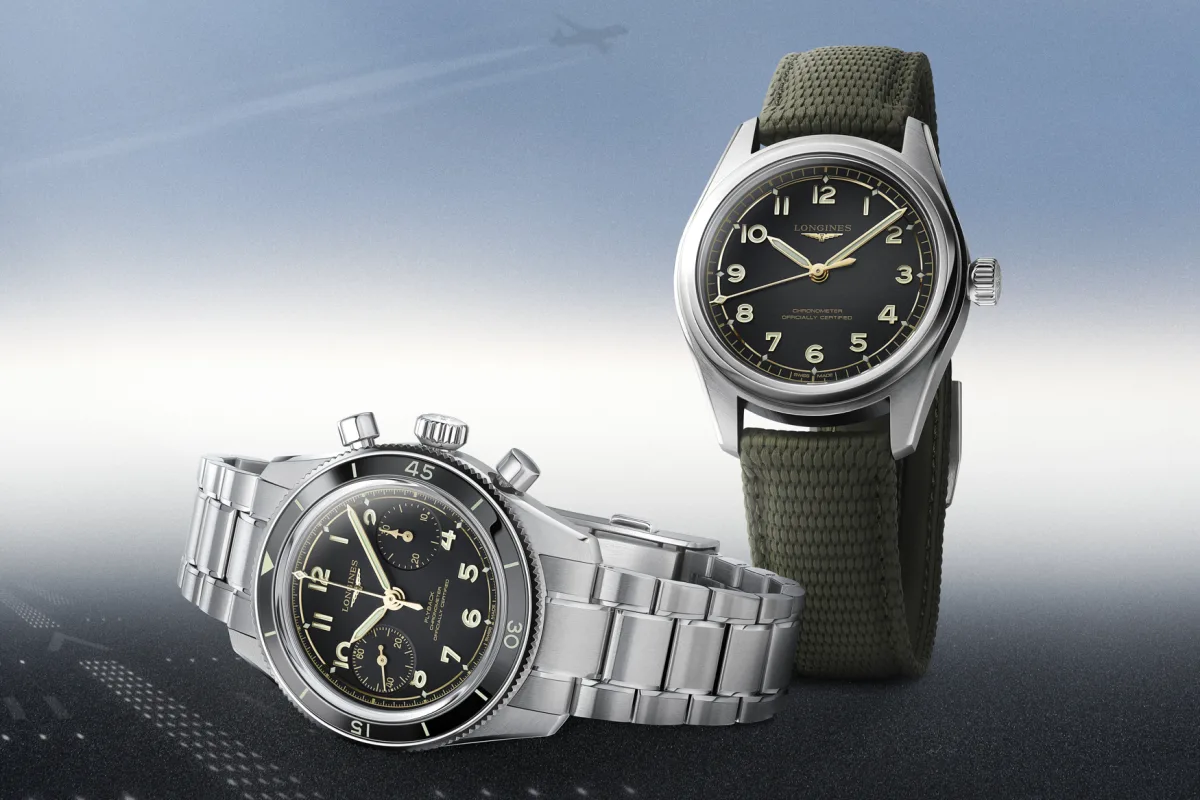
Many enthusiasts seek watches with additional features - complications, extended functionality, or technological innovations. While Rolex, Omega, and Cartier offer models closer to the average price, they tend to be limited to basic functions - time and date. In this regard, Tudor and Longines succeed by offering GMT, dive watches, and chronographs around $4,500 - the so-called "golden mean." The perceived value of these brands is significantly higher, eliciting a positive response among collectors.
Additional Data and Market Trends
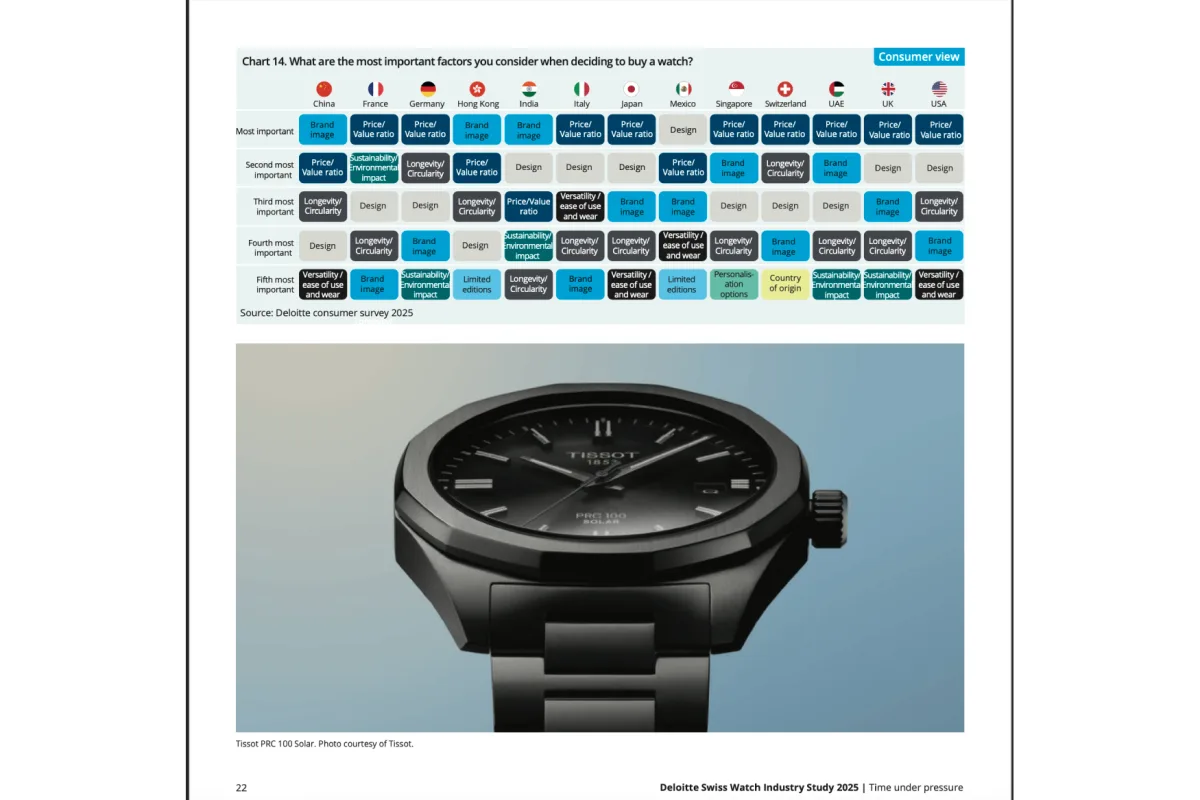
The Deloitte report on the Swiss watch industry in 2025 confirms general trends: increasing price sensitivity, market softening, and declining exports in the 6,000-8,000 franc segment, especially in the U.S. and China.
Most consumers are willing to consider traditional watches (mechanical and quartz, but not smart) only in the price range up to 1,500 francs. Meanwhile, functionality and ease of use rank low on the list of priorities for American buyers, contrasting with the car market, where SUVs are popular precisely because of functionality and comfort. This underscores that watches remain a luxury and fashion item, while the need for extended functionality is mainly relevant to the active enthusiast community.
Positive Market Signals
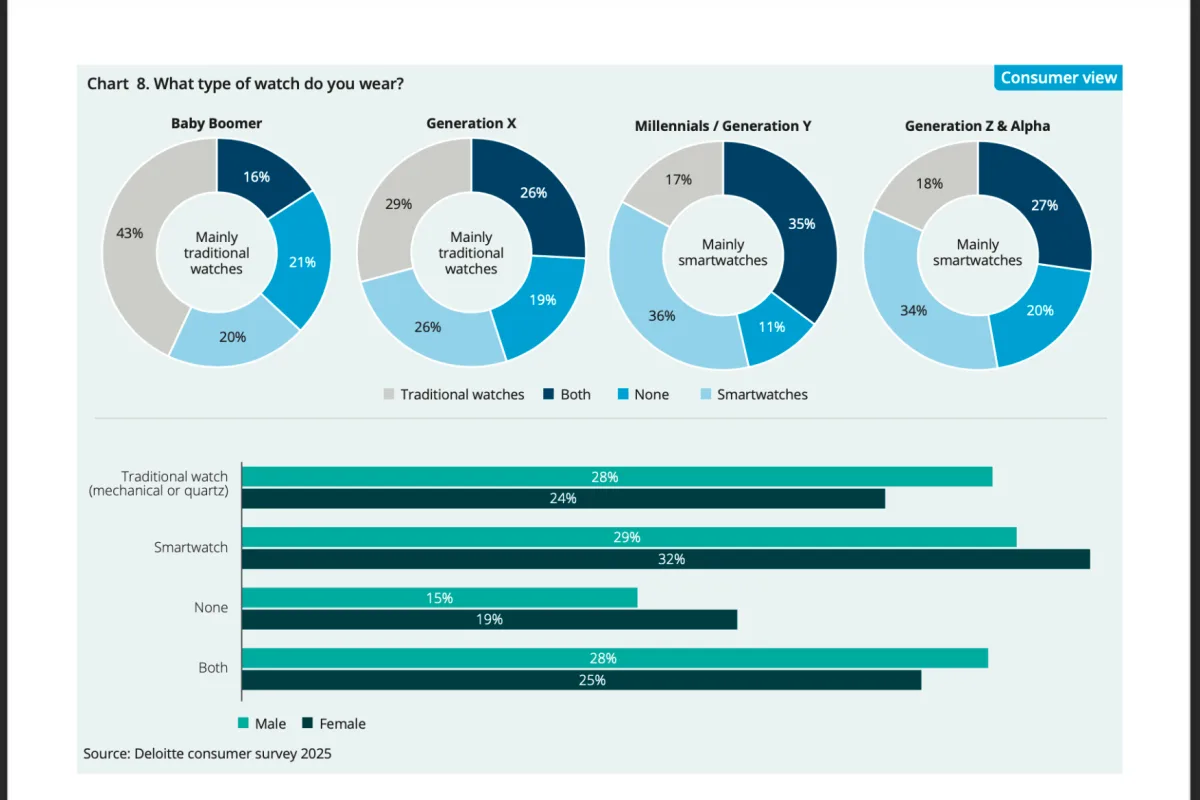
There remains a strong interest in traditional watches across generations - most respondents wear either only mechanical watches or combine them with smart devices. As millennials mature and their incomes increase, there is a growing demand for more expensive models in the 1,500-10,000 franc range.
Consumers prefer traditional stores, especially multi-brand ones, where they can personally familiarize themselves with the products. Despite market pessimism, brands continue to develop new products and strive for sustainable growth. This is unsurprising, given the traditionally slow response of the Swiss industry, but at the same time, it is a positive signal amidst criticism of growing reliance on digital sales. Personal contact and the ability to hold a watch remain important for buyers.
Concluding Thoughts
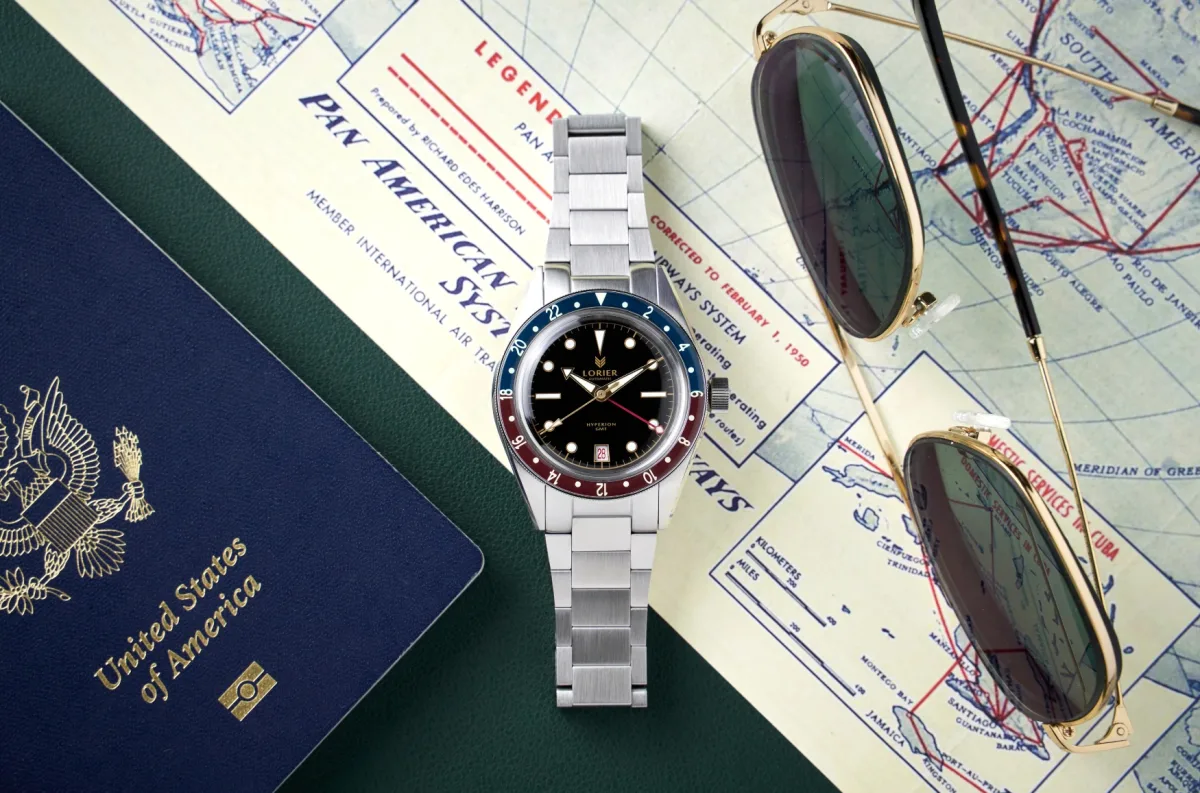
The current situation in the watch industry appears ambiguous. However, the space for micro and independent brands stands out positively. Many of them offer quality watches with complications and functions at prices that meet consumer demands. For example, watches with a Miyota GMT movement with an independent hour hand are available for less than $1,000, and chronographs based on Sellita can be found in the $2,000-3,000 range, sometimes even cheaper. Many micro-brands in the $2,000-5,000 segment offer finish quality comparable to major brands.
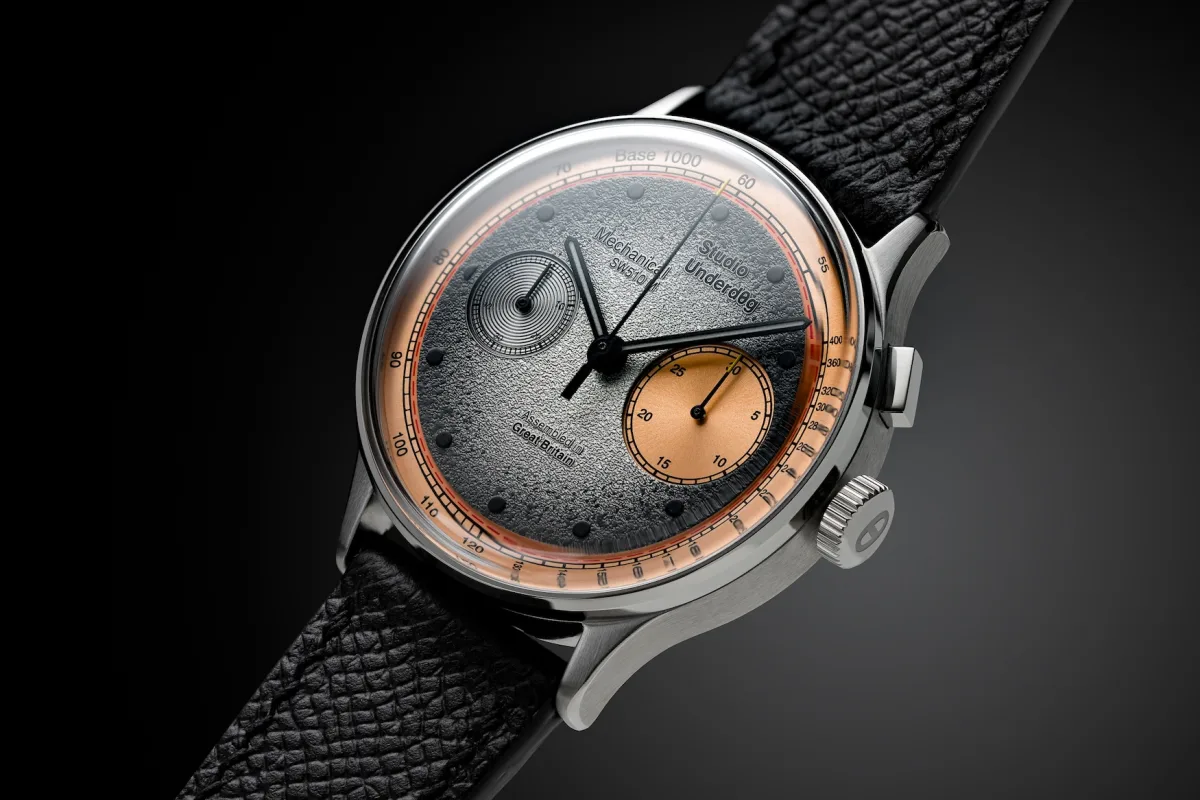
For buyers willing to forgo historical legends, these brands offer high value for money and unique stories that create an emotional connection often lacking with major brands. Switching the mass consumer from major brands is challenging, but for budding collectors, the enthusiast space remains attractive.
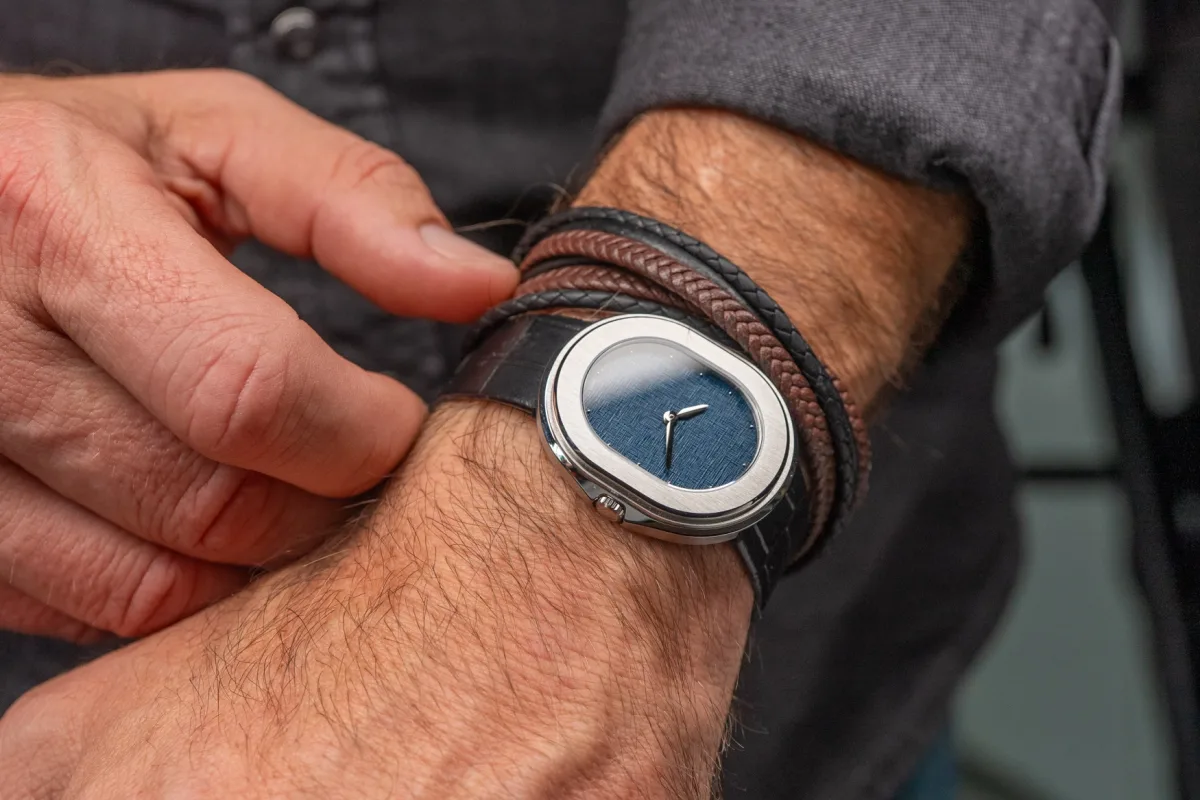
Impact of Rising Costs on Prices
Price sensitivity is driven not only by inflation and rising material costs but also by increasing expenses on real estate, rent, employee salaries, and operational costs. This significantly affects watch prices. Despite common belief, the watch industry operates on relatively thin margins, especially at the retail level, making it difficult to increase profits through sales volumes.
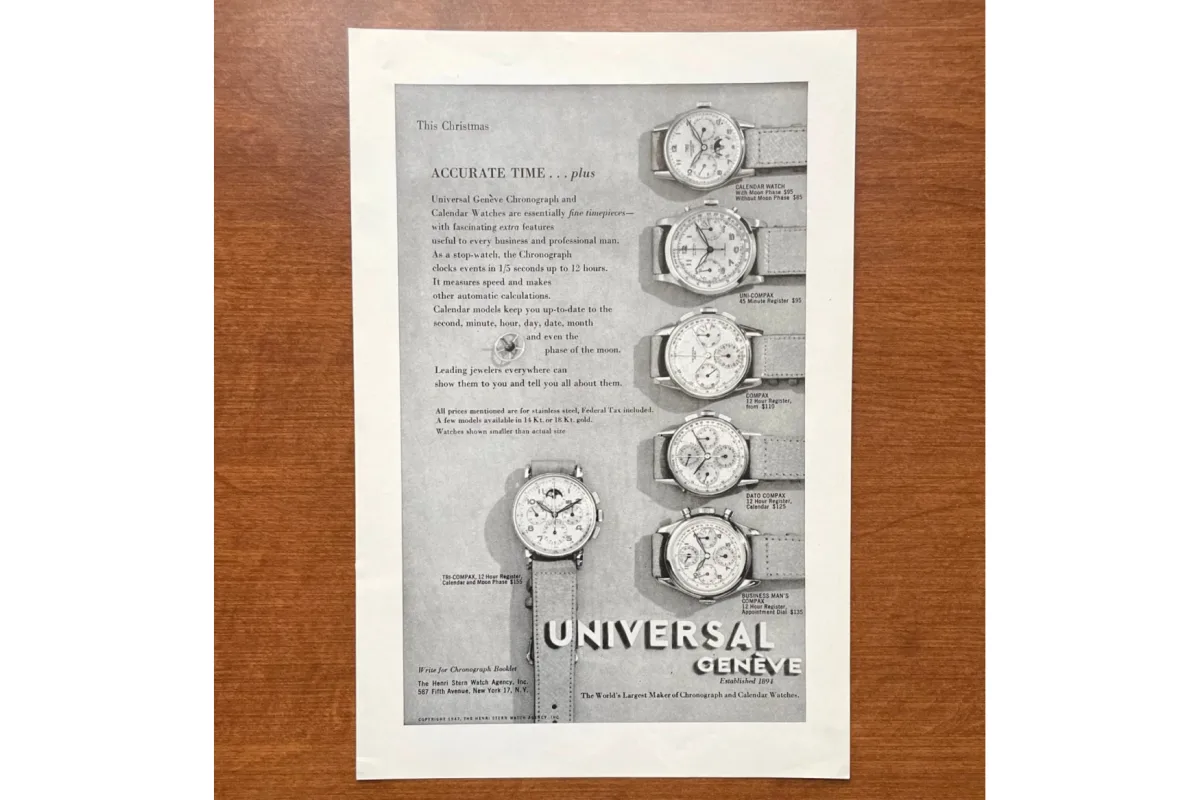
This explains why even micro-brand chronographs with Swiss movements cost more than $2,000, whereas in 1947, the Universal Geneve Tri-Compax cost $155 (about $2,275 today). However, there is no comparable chronograph with three counters and a triple calendar at such a price on the market.
Takeaways for the Industry
Both car and watch enthusiasts feel their opportunities to participate in their hobbies are shrinking. Brands focus on the mass market, often forgetting those who built their reputation. Products have significantly improved, but the automotive industry better addresses the needs of active enthusiasts by offering them suitable products. The watch industry should take its cue.
While some brands may never change their approach, many would benefit from creating models with the "right" content at an attractive price - to excite enthusiasts and be accessible to a broad audience. This is a challenging task, but those who solve it could become future leaders.
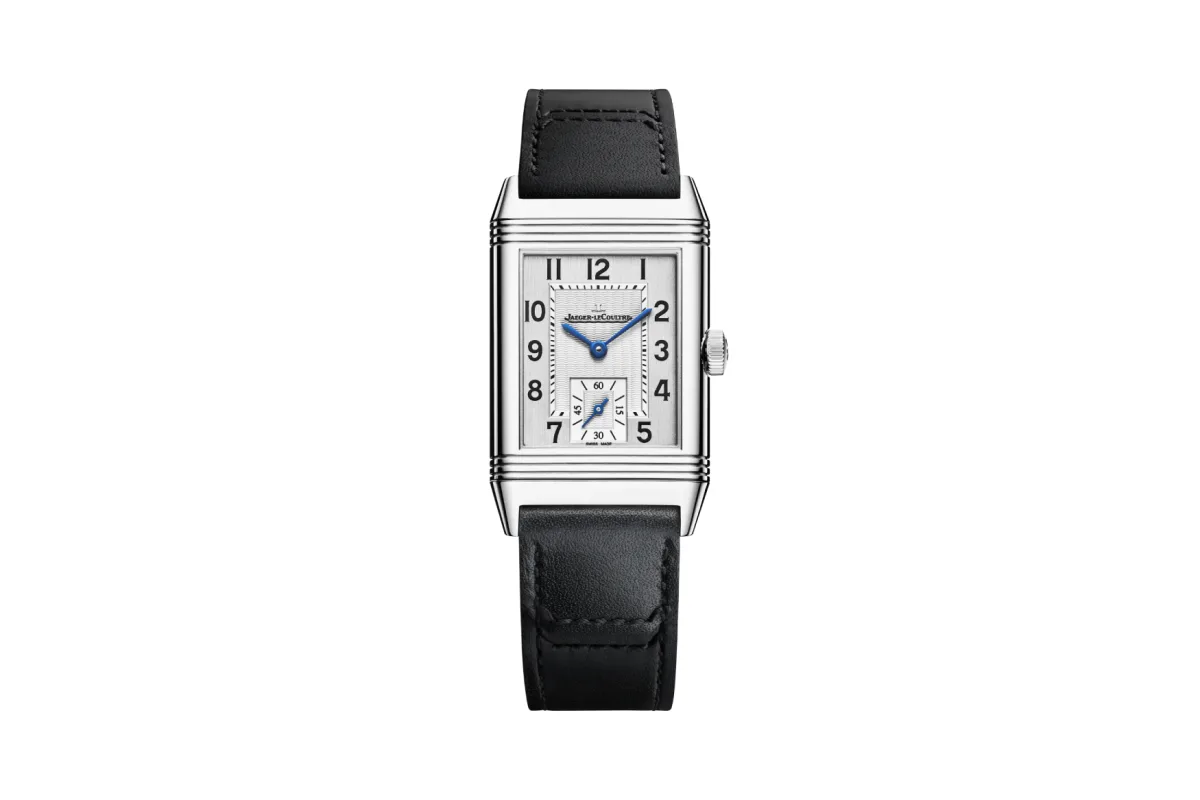
For example, at the end of 2025, Jaeger-LeCoultre released a new version of the Reverso Monoface with a white engraved dial and blue hands in a classic 40.1x24.4 mm case priced at $8,000 - the most affordable mechanical unisex Reverso model to date. This is an excellent example of an approach we would like to see more of.
This material reveals the interconnection and lessons the watch industry can learn from the enthusiast car market, considering modern economic and social realities, which is important for understanding current trends and future sector development.