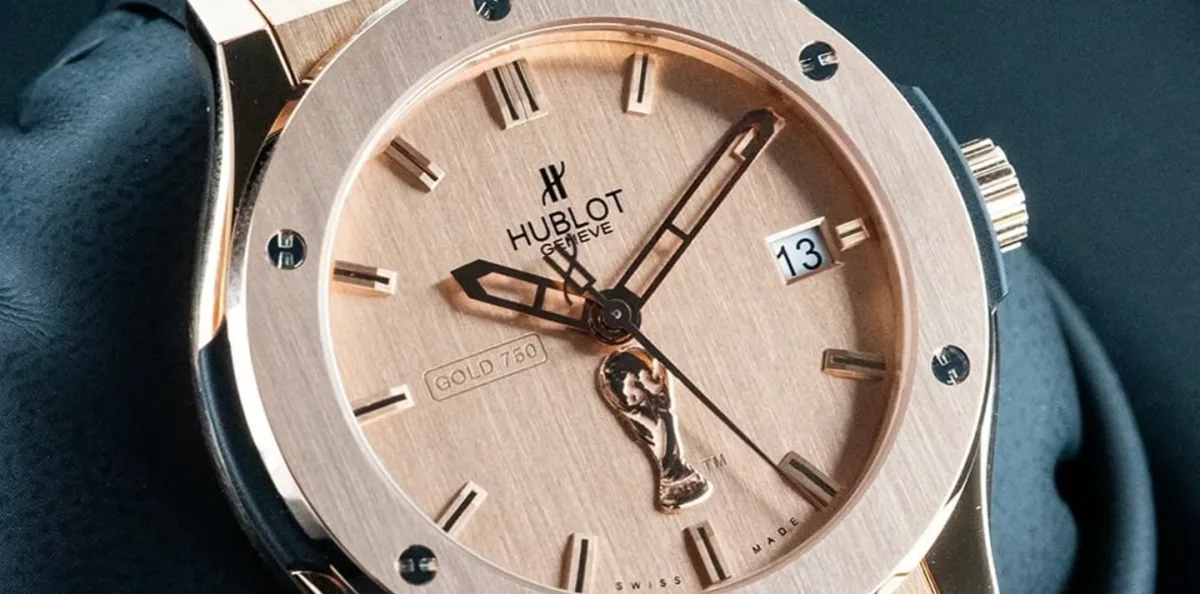
When the FIFA World Cup kicked off in June in the USA, Canada, and Mexico, it marked not just a new chapter in the tournament's history.
For the first time in several decades, the championship is being held without an official timekeeper - a recognized watch manufacturer serving as the official timekeeper. This fact is particularly significant for watch enthusiasts and experts, as watch brands have traditionally been closely associated with the world's largest football tournament. From reliable Japanese models to affordable digital watches and luxurious Swiss status symbols, the history of FIFA's official timekeepers reflects the evolution of the watch industry. But what does the end of the partnership between Hublot and FIFA mean? And what role do watch brands play in the 2026 World Cup?
History of Watch Sponsors at the World Cup
Accurate timekeeping is as integral to football as the ball itself. It's no surprise that watch companies noticed the appeal of the World Cup early on. Over the decades, different brands have taken turns, each reflecting the spirit of its time.
The Seiko Era: 1982–1990
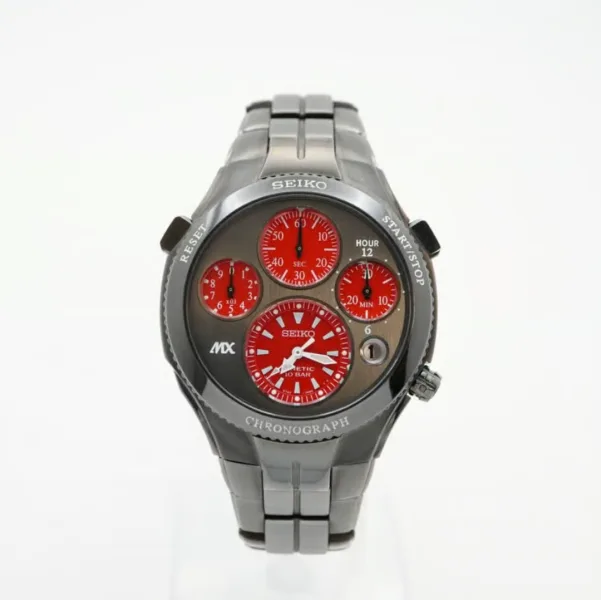
The first significant partnership between a watch brand and FIFA was established in the early 1980s. At the 1982 World Cup in Spain, Seiko became the official timekeeper - and this was no coincidence. During the quartz revolution, the Japanese brand forever changed the watch world and was synonymous with technological innovation. Electronic timekeeping became increasingly prevalent in elite sports, and FIFA chose a partner reflecting this innovative approach. Seiko remained the official timekeeper for the 1986 tournament in Mexico and the 1990 one in Italy.
The brand skillfully used the championship to showcase its technological achievements to a global audience. Special watch editions and advertising campaigns first made the connection between football and the brand visible among fans. Remarkably, this tradition continued even after the official partnership ended: for the 2002 World Cup in Japan and South Korea, Seiko released several official models. The Seiko MX FIFA World Cup 2002 Official Watch is particularly popular today, especially among collectors of Japanese sports watches.
The Casio Era: 1994–2006
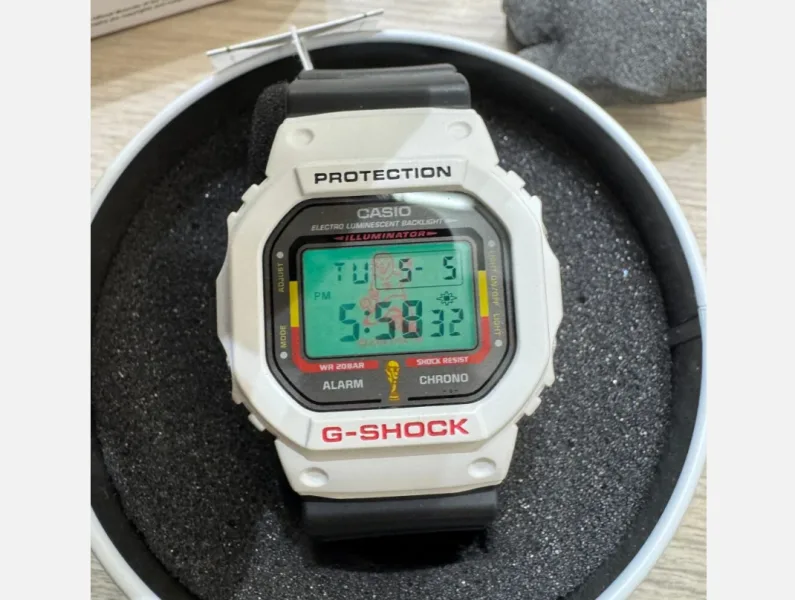
From 1994, Casio took over the role of official timekeeper. The brand was already known worldwide for its durable digital watches, especially the G-Shock series. During the World Cups in the USA (1994), France (1998), Japan and South Korea (2002), and Germany (2006), Casio was associated with accuracy, functionality, and practicality for everyday use.
The partnership was timely, as digital technologies increasingly shaped the sports world. Casio remained FIFA's official partner for four tournaments, leaving a significant imprint on an entire generation of football fans. For many viewers, the Casio logo on the stadium scoreboards was as recognizable an element of the Championship as the official balls or mascots. One of the most famous models from that period is the G-Shock DW-5600WC FIFA World Cup Germany 2006 Limited Edition with the official tournament emblem, which is today considered one of the most sought-after special series of classic square G-Shocks.
The Hublot Era: When Luxury Watches Conquered the Football World
The 2010 World Cup in South Africa marked the beginning of a new era. For the first time, a luxury brand - Hublot - became the official timekeeper. The Swiss company was already actively investing in football. Under the leadership of then-CEO Jean-Claude Biver, Hublot consistently built a strategy of positioning itself as football's watch. Partnerships with clubs Juventus Turin, Paris Saint-Germain, and later with UEFA laid the foundation. The World Cups of 2010, 2014, 2018, and 2022 were closely associated with Hublot.
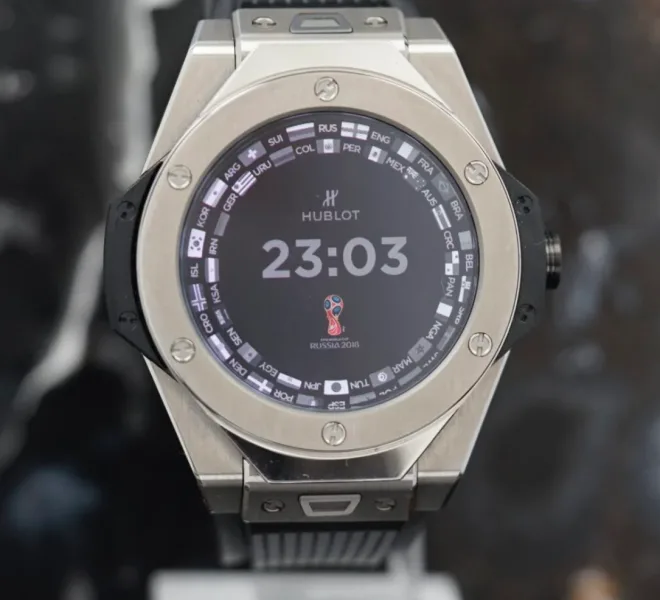
The brand was particularly visible on the wrists of referees. Iconic substitution boards prominently displayed the Hublot logo, while specially designed smartwatches and limited models emphasized the connection between luxury watches and football. The best example is the Hublot Big Bang Referee 2018 FIFA World Cup Russia - a smartwatch created specifically for referees and fans, released as a limited edition of 2018 pieces. The partnership proved successful for Hublot: virtually no other luxury brand was so closely linked to a global sports event for such a long time. FIFA helped the brand expand its recognition far beyond the traditional watch market.
Why Did the Partnership Between Hublot and FIFA End?
After the 2022 World Cup in Qatar, the long-standing collaboration between Hublot and FIFA came to an end. Official information on the reasons is limited, but industry experts propose several hypotheses. Firstly, marketing strategies of many luxury brands have changed. Instead of several expensive global sponsorship contracts, companies increasingly focus on digital channels, influencer marketing, and regional partnerships. Secondly, the economic situation in the luxury segment is also transforming.
Even large brands are increasingly reconsidering the return on investment for large-scale events. Moreover, Hublot has a very extensive portfolio of sports partnerships - from football to Formula 1 and sailing. The World Cup ceased to be the sole cornerstone of the brand's strategy.
World Cup 2026: Will Watch Brands Disappear from the Big Stage?
Watches do not completely disappear from the 2026 World Cup, but their role significantly changes. Instead of an official timekeeper, another company - Axia Time - comes to the fore.
What is Axia Time?
Axia Time is a relatively new company specializing in licensed sports watches. Unlike traditional luxury brands, Axia does not focus on haute horlogerie or exclusive complications. The main focus is on collectible fan merchandise. The company holds official licenses from various sports organizations and designs watches specifically for fans of major sporting events.
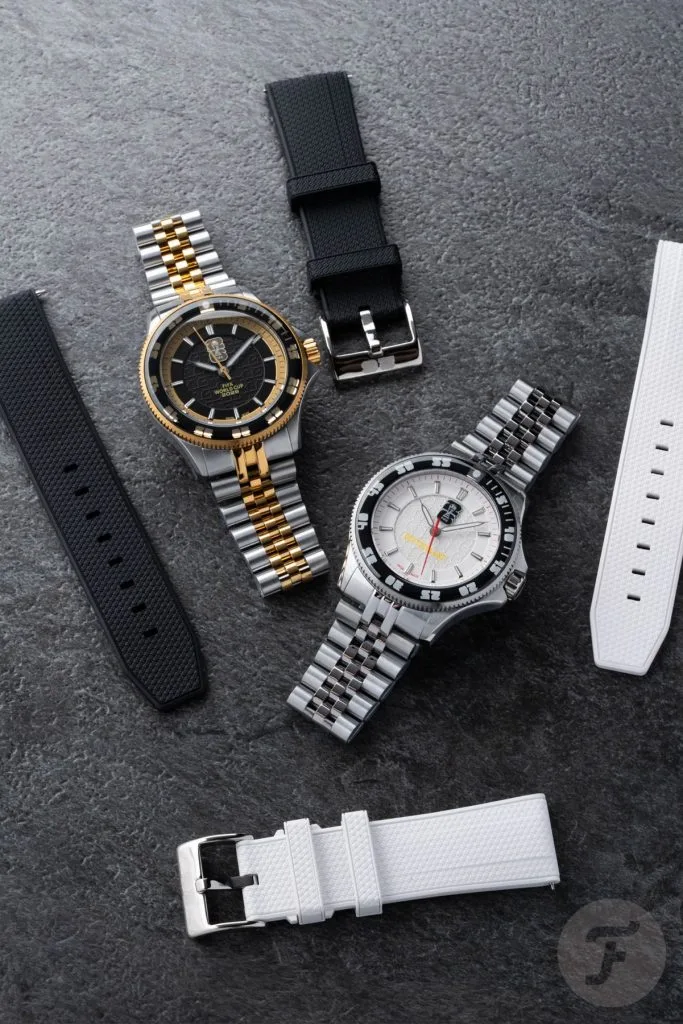
Official FIFA World Cup Watches by Axia
Ahead of the 2026 World Cup, several FIFA-licensed models were announced. The design incorporates tournament-specific elements - host country colors, official logos, and World Cup graphic motifs. From a technical perspective, these watches belong more to the lifestyle and collectible segment than the classic luxury category.
Nevertheless, they may interest football fans wishing to commemorate the first World Cup featuring 48 countries. For watch connoisseurs, these models represent a significant shift: whereas once brands like Seiko, Casio, and Hublot showcased their technological and horological skills on the biggest football stage, today the focus shifts towards licensing.
Final Thoughts: The End of a Golden Era?
The 2026 World Cup could indeed mark the end of an era. For over four decades, watch brands have been an integral part of the tournament - initially as technology innovators, later as global luxury icons. With the end of Hublot's partnership, FIFA loses its most prominent representative from the watch industry - at least for now.
At the same time, the debut of Axia Time shows that the connection between football and watches has not completely disappeared, but has merely changed form. It remains to be seen if a major luxury brand will return to the World Cup scene in the future. For watch enthusiasts, the tournament remains of interest - the story of football and horology is far from over.