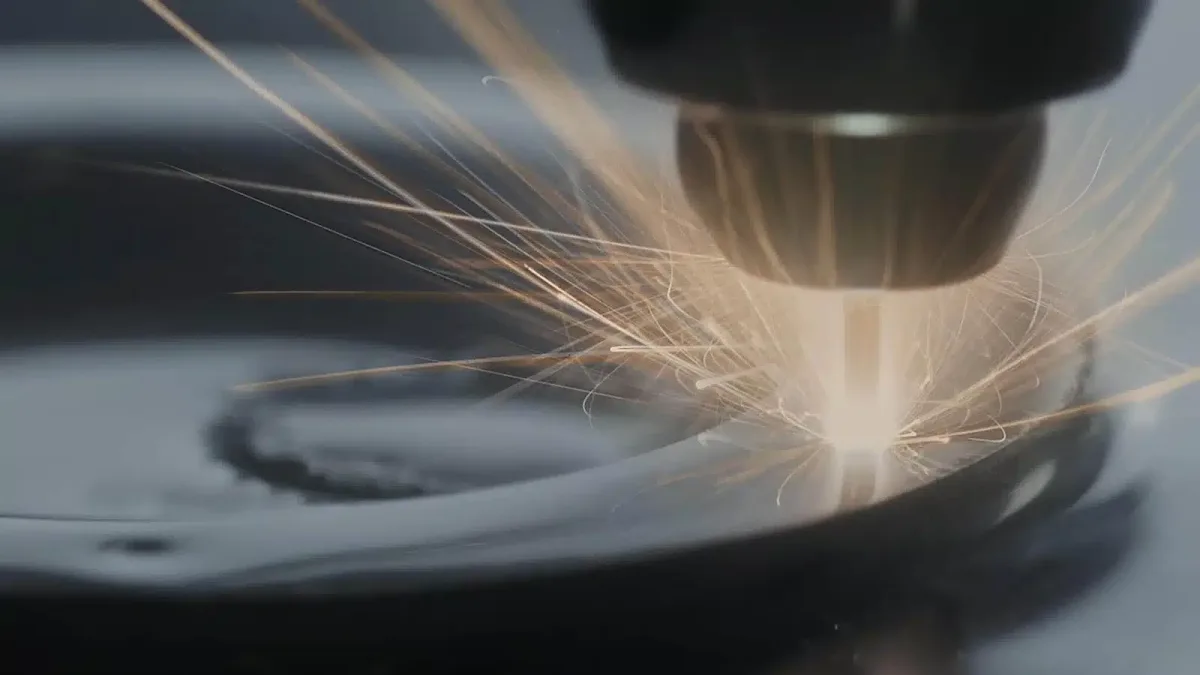
There is a wide range of materials for watch cases beyond the usual steel or precious gold. Let's explore them together - from everyday to extraordinary options.
Important! If you are looking for a clear leader among watch case materials, there is none. No material is universally the best. Like complications or dial colors, there's no superior case material that defines watchmaking art. Your choice will primarily depend on your needs and preferences.
Most likely, if you are a watch enthusiast, a significant part of your collection consists of stainless steel models. This is the most common material in watchmaking. Whether it is the classic surgical steel 316L or the high-grade alloy 904L, steel is a tried and true option. However, there are many other case materials worthy of attention - from lightweight composites to scratch-resistant technologies and many options in between.
Whether you are an experienced collector or a newcomer, choosing the right case material is crucial. It can be the deciding factor between daily wear and use only on special occasions.
In this guide, we will review the characteristics of the main watch case materials to help you make an informed choice. We will go beyond visual differences and examine materials from a technical perspective.
Evolution of Watch Case Materials
©Hublot
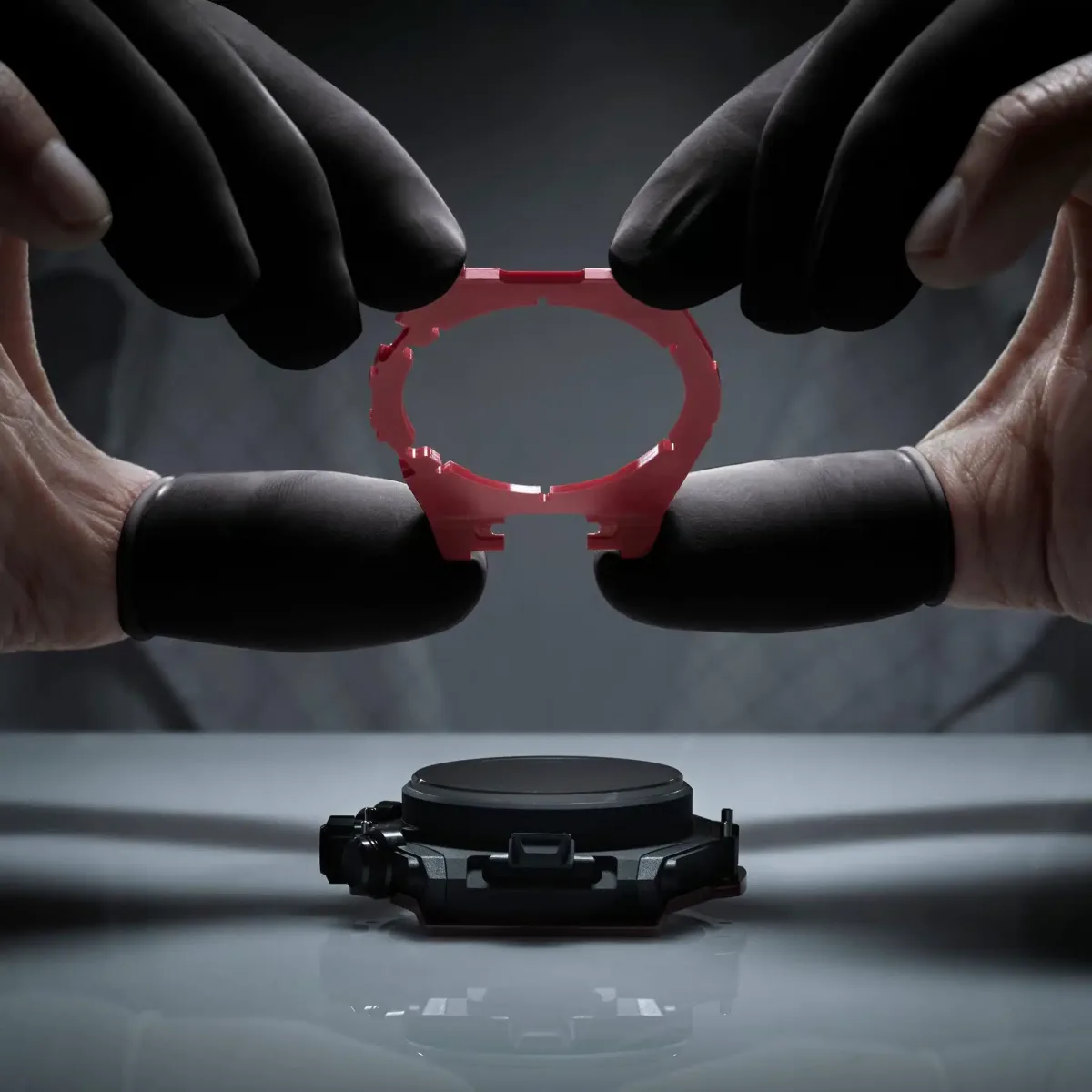
The case has always been the fundamental structure of a watch. From a protective shell, it has evolved into a combination of art and high-tech engineering. These changes became possible thanks to advances in material research, which began to take shape in the watch industry around the mid-20th century.
Initially, watches were a delicate and expensive investment available only to the affluent. They then became functional tools, with the focus shifting to creating durable and reliable models. The revolution in the use of stainless steel in the 1930s was a turning point. The demand for precious metals declined, while steel gained recognition for its resistance to rust and corrosion, as well as its affordability. Soon, stainless steel watches became practical everyday tools - diver's or pilot's watches.
In the second half of the 20th century, manufacturers began to push the boundaries of materials science. More durable, lightweight, and scratch-resistant materials appeared, marking an era of experimentation. Although watchmakers have always strived to improve materials, most modern innovations are relatively recent. Today, watch cases possess impressive properties - they can withstand the pressure of a car or a fall from a great height, combining outstanding strength with aesthetics.
Modern Materials and Quality Enhancements
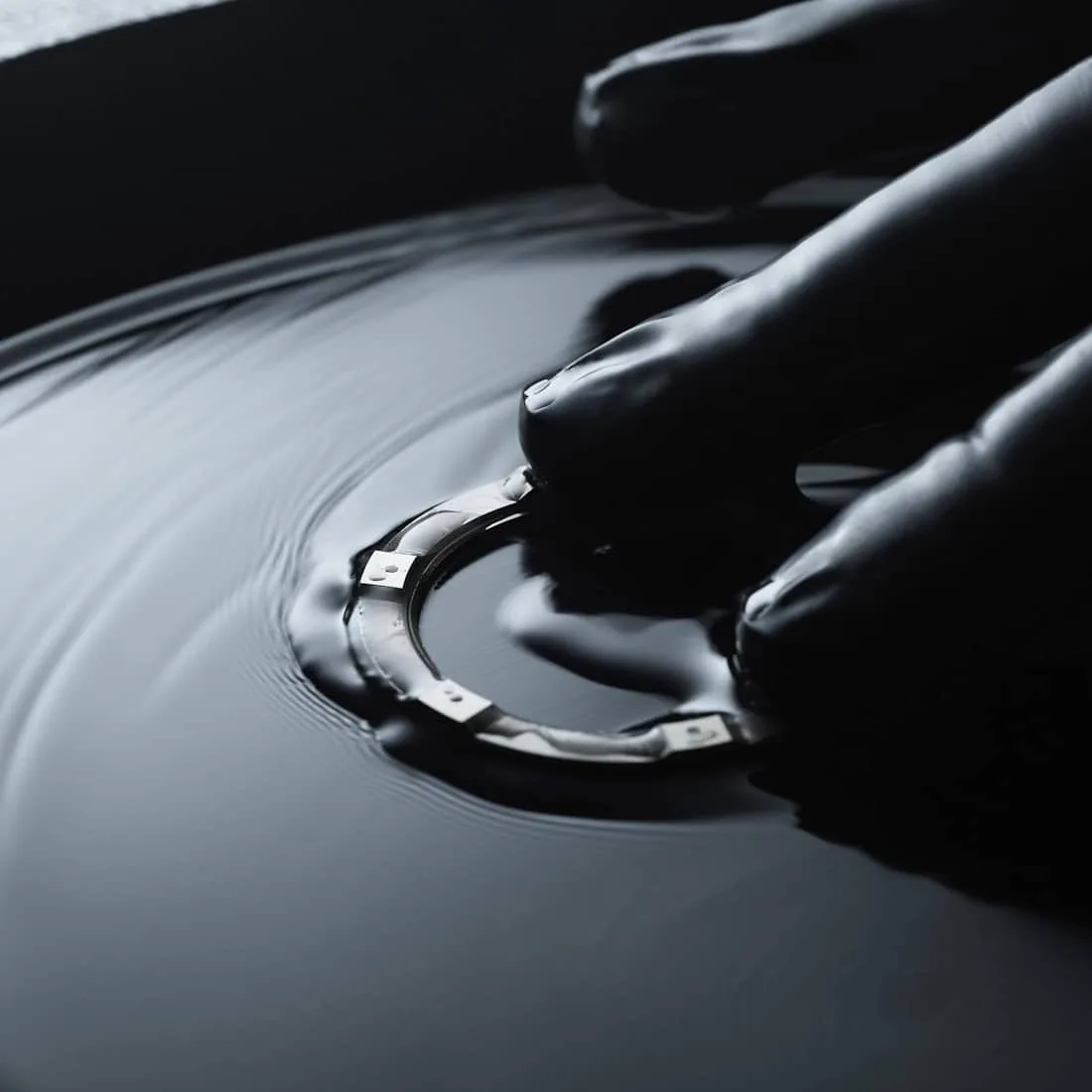
The second half of the 20th century saw the emergence of new materials. Titanium and ceramics began to meet the demands of high-performance watch enthusiasts.
For example, Citizen pioneered the use of titanium, releasing the first model in 1970. Titanium is 45% lighter than steel, quickly gaining popularity in diver's and sports watches, additionally attracting with its hypoallergenic properties. Ceramics began to be actively used in the 1980s-1990s, offering virtually scratch-proof cases. The leading company in this area was Rado, which still creates modern minimalist ceramic watches.
In the 2010s, bronze cases and high-tech composites appeared, each with unique advantages. The revolution in materials is one reason why mechanical watches remain relevant despite technological advancements. With reduced weight, improved scratch resistance, and new aesthetic solutions, modern watches have become more durable and diverse. Modern coatings and finishes expand the color palette of cases, allowing for models that go beyond tradition.
Main Watch Case Materials: Characteristics and Features
Steel
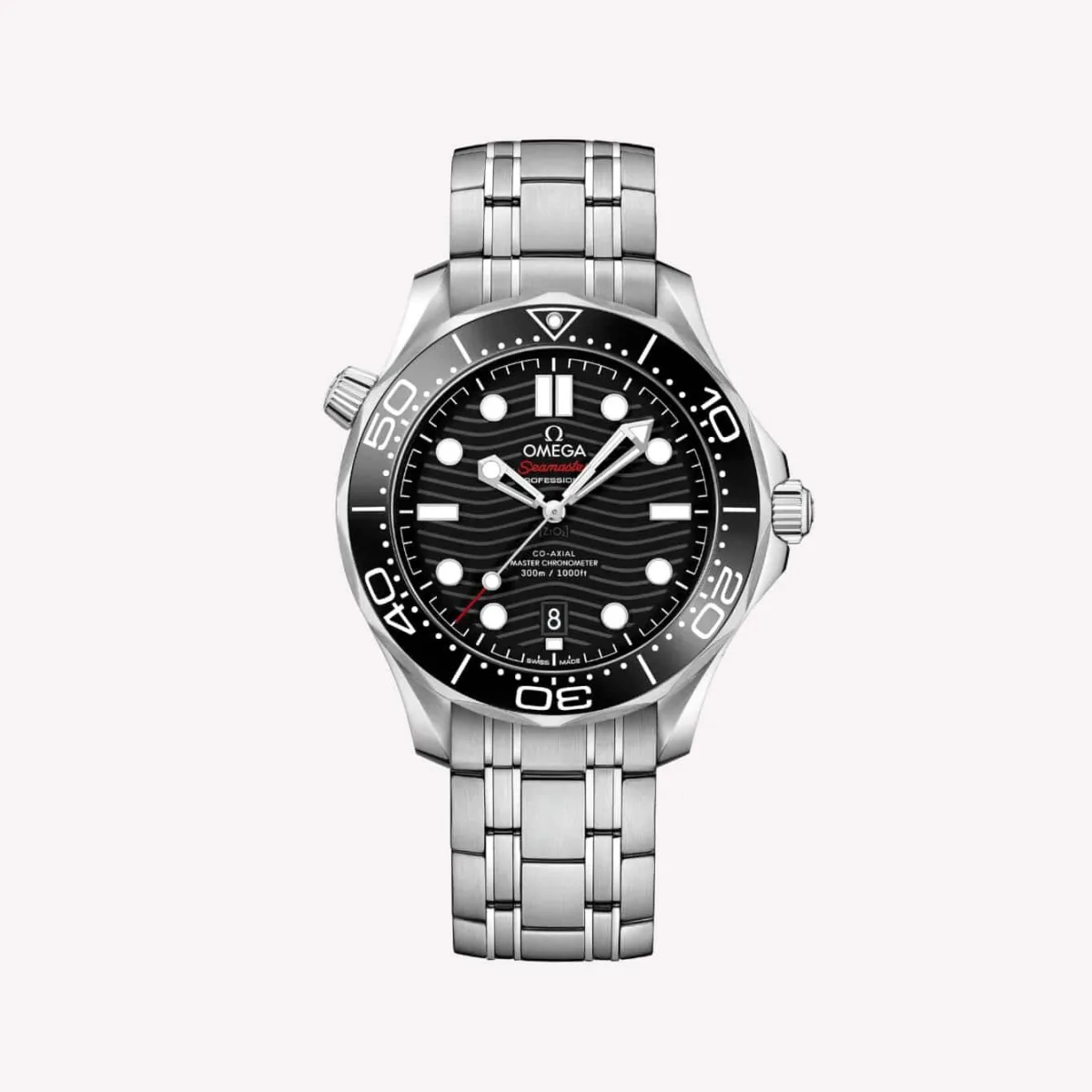
Steel is the most common material for watch cases, especially for tool models. It is resistant to corrosion and possesses high strength. Stainless steel for watches is a steel alloy with chromium content, on the surface of which a passive oxide layer forms, capable of self-repairing.
Steel is often chosen for entry-level watch models. By using the correct grade of steel, manufacturers can create complex case shapes. Special surface treatment techniques such as micro-polishing and Zaratsu are used to give a more elegant appearance.
Classic models with a steel case include the Royal Oak by Audemars Piguet and the Submariner by Rolex, which even produces its own steel alloys.
Most commonly used is 316L steel (surgical or marine steel), but compositions vary. Some brands coat the steel case with colored PVD or DLC coating, giving the watch a sporty and modern look.
Gold
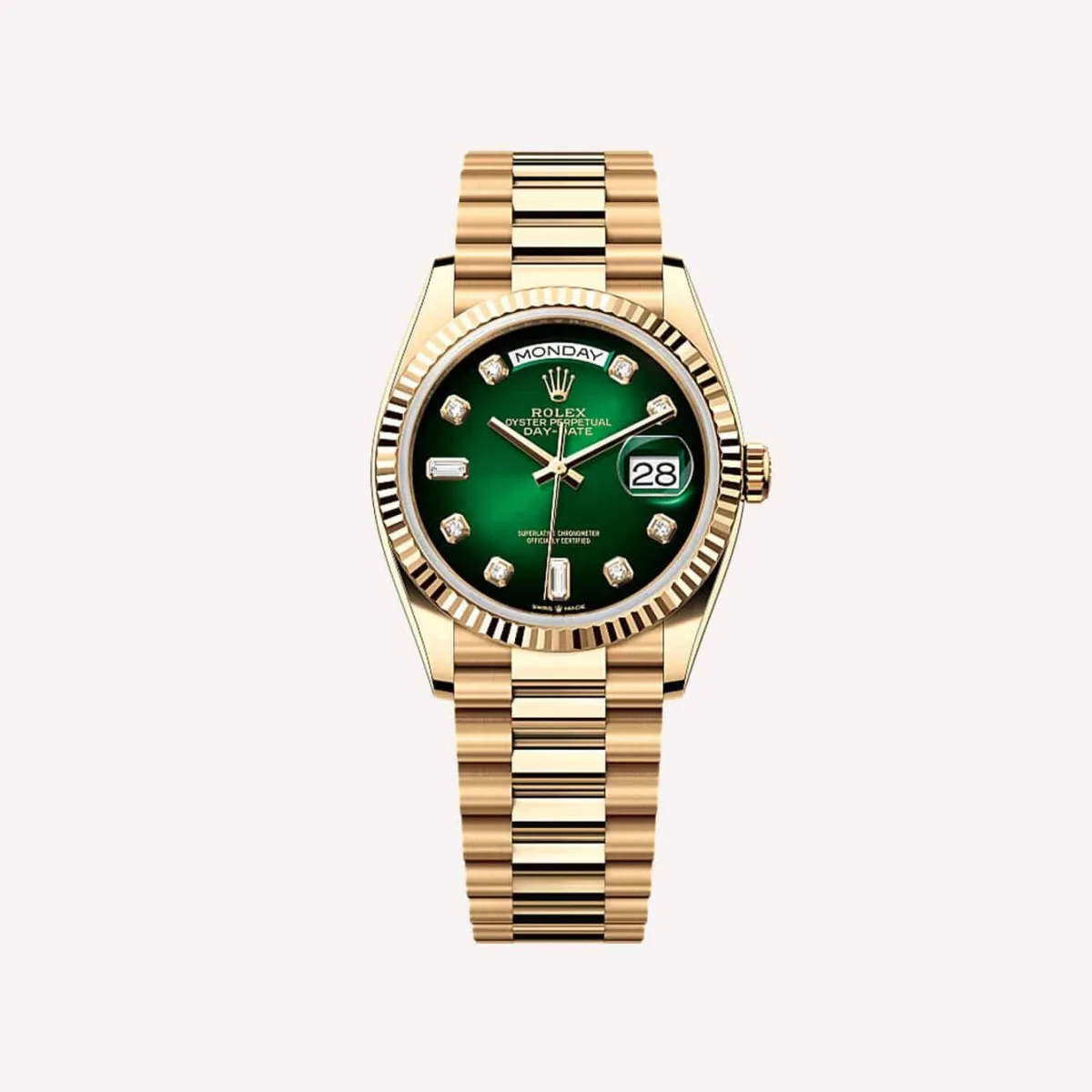
Gold is the origin of watchmaking art. Gold pocket watches have always been a symbol of wealth and status. Golden watches are easy to distinguish by their characteristic yellow luster, which does not tarnish or corrode.
In addition to yellow gold, white and rose gold are used, although none of these options are scratch-resistant. The higher the gold karat, the softer the material, so watches made of 24-carat gold are rare. Some brands create their own gold alloys, for example, Omega with Moonshine gold and Hublot with King Gold, to stand out with a unique hue.
Rolex uses Everose gold - a gold alloy with platinum, preventing color fading. A. Lange & Söhne offers Honeygold with a warm hue, while Panerai uses Goldtech - an alloy of platinum and copper to increase oxidation resistance.
Titanium
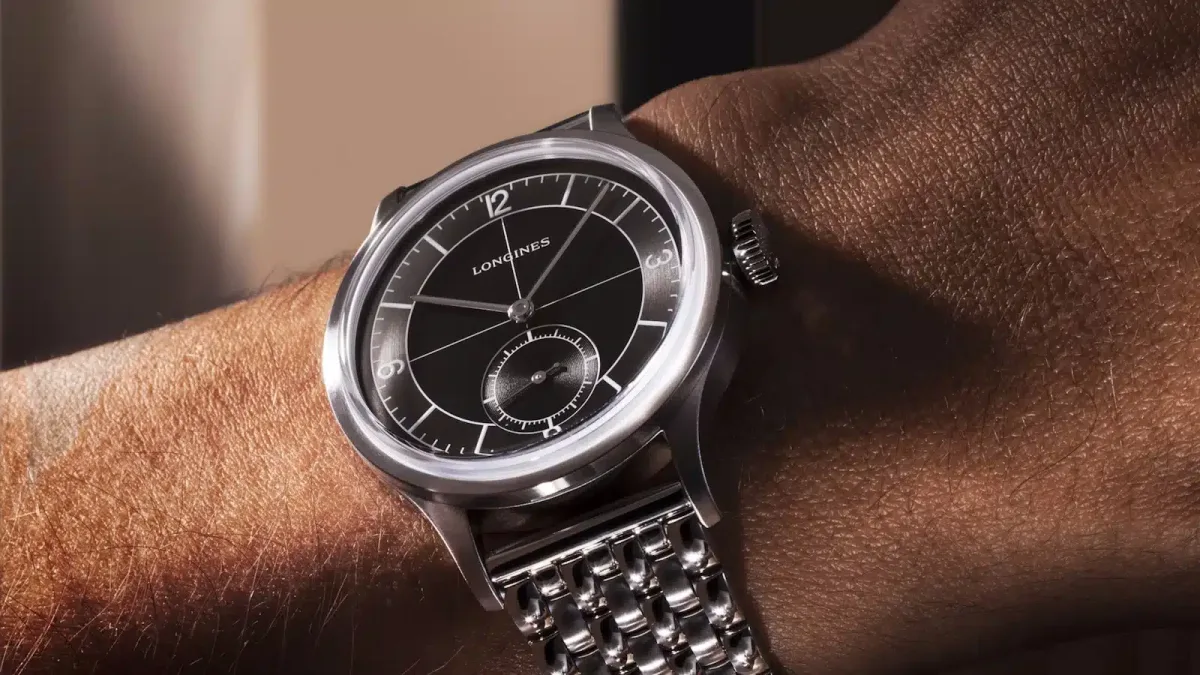
Titanium has an outstanding strength-to-weight ratio, surpassing most modern materials. It is not the absolute champion but an excellent choice for sports watches designed for daily wear. Titanium is as strong as steel and is widely used in medical instruments.
The downside of titanium is the high production cost. Although it is abundant in nature, its purification and processing require significant expenses. Nevertheless, major brands actively use titanium.
TUDOR, Grand Seiko, and Omega have released iconic models made of titanium. Citizen uses Super Titanium technology with improved hardness thanks to the Duratect process. IWC introduced Ingenieur and Pilot’s Watch models in titanium, Hamilton - popular Khaki Field Titanium, and Bulgari - ultra-light Octo Finissimo.
Carbon
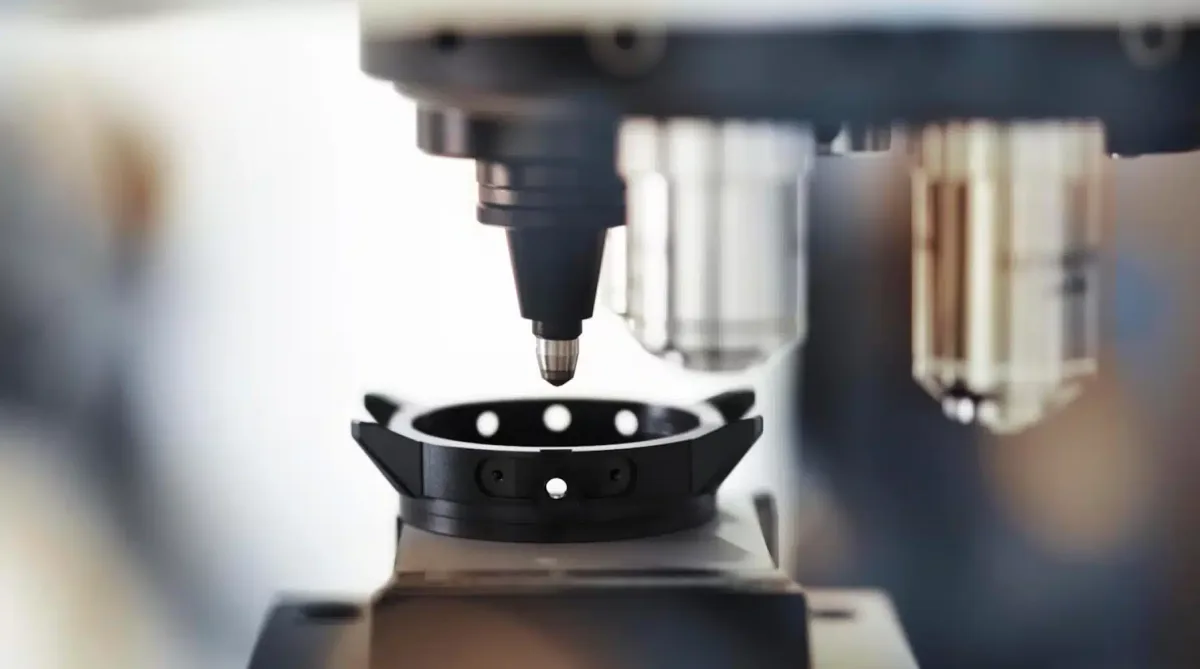
If titanium was a revolution in lightness, carbon entered watch production in 2007 with a unique fiber weave. The material was constantly improved, acquiring high strength and rigidity.
Previously, carbon fiber aged poorly, but modern technologies allow for the creation of complex case shapes with a unique aesthetic. Some brands retain traditional weaving, while others add aluminum to expand the color range, like Tissot.
Today, forged carbon with a marbled effect, obtained under high pressure, is widely used. Carbon TPT - an advanced composite, lighter and stronger than regular carbon, developed by Richard Mille in collaboration with North Thin Ply Technology.
Ceramics
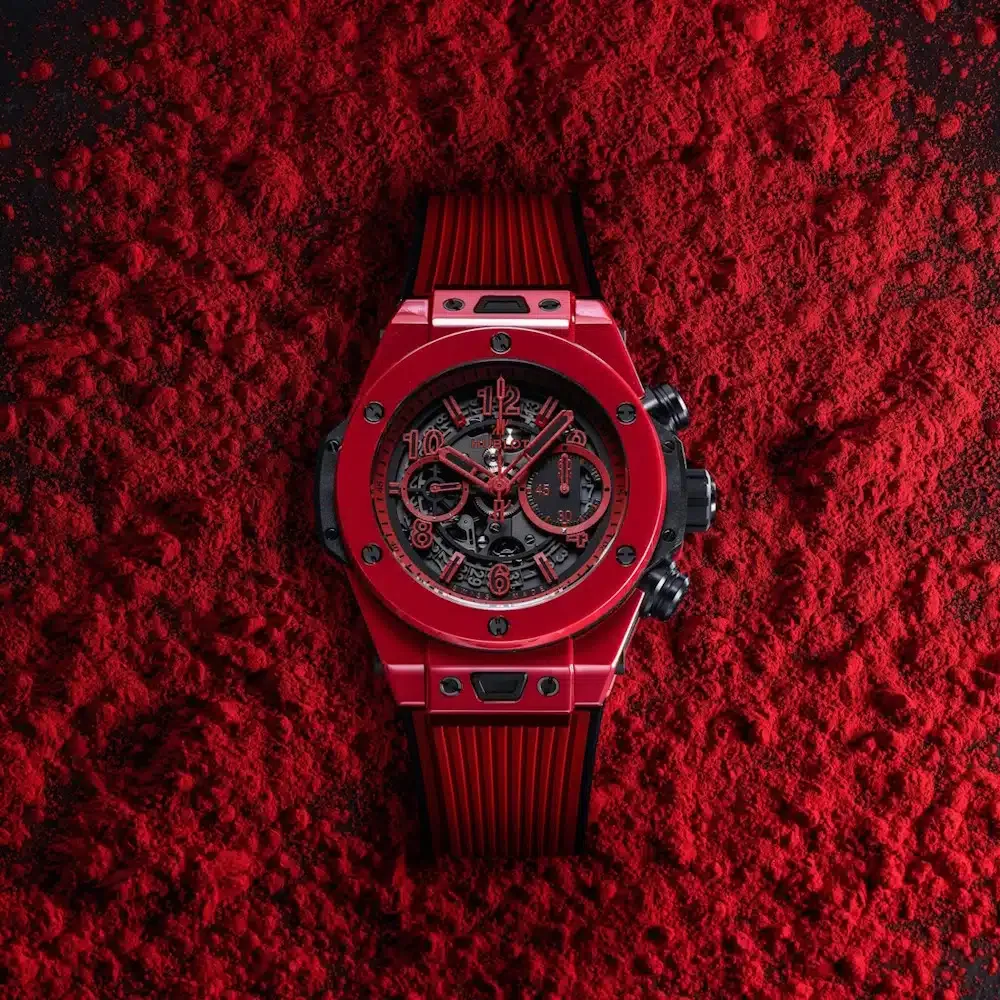
Ceramics are valued for their versatility. They are molded and sintered under high pressure and temperature, giving the material hardness. Various powders can be added to create bright colors.
The main disadvantage of ceramics is brittleness. A ceramic bezel can crack when dropped or hit. Nevertheless, the material is increasingly used in classic models (e.g., IWC pilot's watches) and modern Rado designs.
Rado is a leader in ceramic watches, starting experiments in the 1970s. Their models achieve a Vickers hardness of 1250, which virtually excludes scratches. Ceramics are hypoallergenic, suitable for sensitive skin. Rado also produces watches made of plasma high-tech ceramics with a metallic sheen, which distinguishes the brand.
Colored ceramic cases are rare, making them even more unique.
Bronze
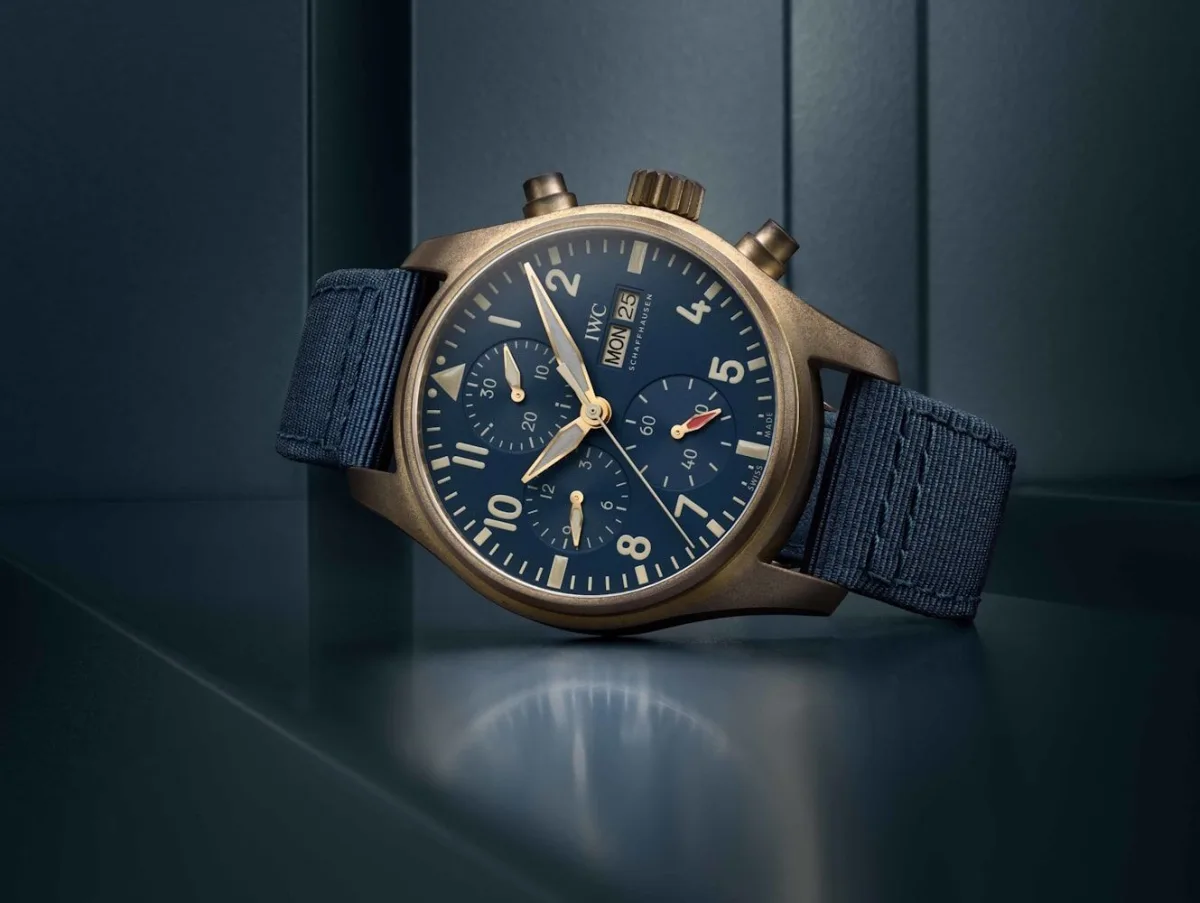
Bronze watches are associated with maritime history - the material was used in shipbuilding, diver's helmets, and equipment. Bronze cases evoke a sense of adventure, largely due to their unique patina.
Bronze has a warm, natural shade and stands out against other materials. The patina forms under the influence of moisture, sweat, air, and skin chemistry, making each case unique. For many collectors, this is not a defect, but part of the watch's story.
Panerai was one of the first manufacturers to use bronze, followed by TUDOR (Black Bay series) and the German brand Muhle Glashutte.
On paper, bronze is a heavy and reactive material, but its vintage appeal and maritime symbolism make it desirable.
Sapphire
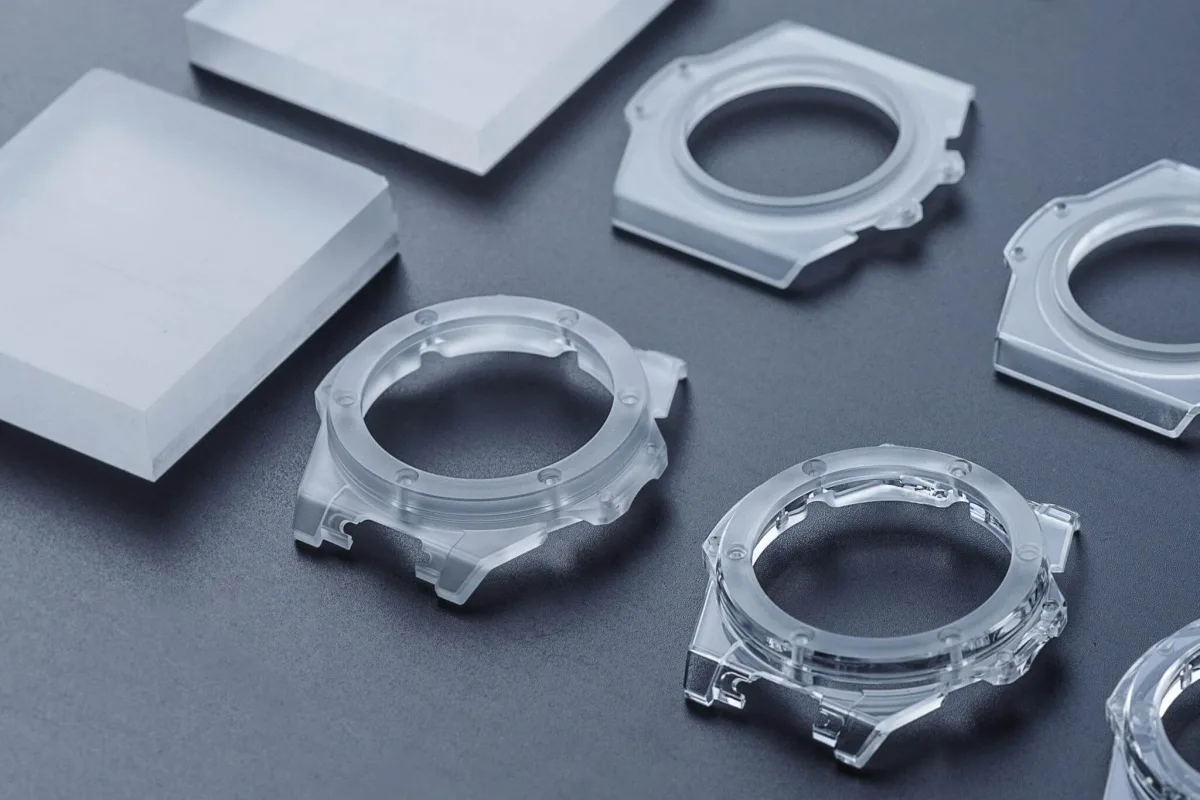
For premium watches, sapphire is the pinnacle of materials science. Artificial sapphire is traditionally used for crystals, but in recent years some brands have released cases entirely made of sapphire. This provides a panoramic view of the mechanism thanks to exceptional transparency.
Sapphire is grown in a lab, then processed and polished. It has high scratch resistance - second only to diamond, but it is brittle and can shatter upon strong impact.
This material is a benchmark of durability and purity of appearance. Thanks to the absence of distortions, the dial and hands appear sharp and bright. Sapphire cases maintain a "like new" look for decades.
Platinum
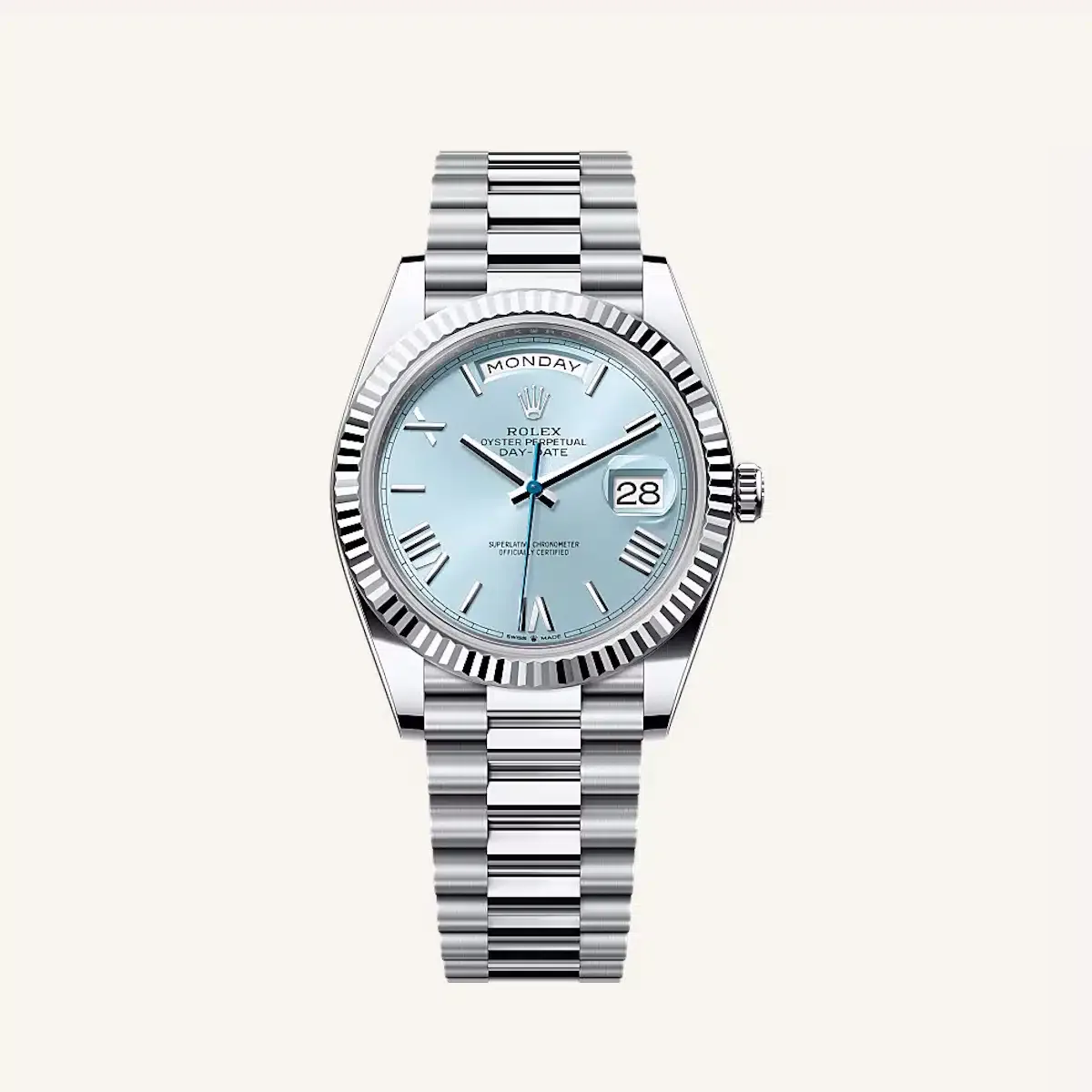
If gold seems not "prestigious" enough, consider platinum. Platinum watches are among the most expensive in the world, with a brighter luster than white gold or steel. Platinum is resistant to corrosion, hypoallergenic, and retains value well. Platinum cases are heavier, which is valued by those who appreciate substantial weight and a sense of premium quality.
For some collectors, weight is a sign of style and quality, and the high price only enhances attractiveness. The silvery-white color of platinum suits modern designs.
The price depends on the platinum content in the alloy: the "950" mark means 95% platinum, which increases the cost. Sometimes platinum is added to gold for a unique shade.
Working with platinum is difficult, so the production of such watches is more labor-intensive. The material is positioned above gold, making it desirable for collectors.
Unexpected Materials in Watchmaking
From aviation composites lighter than titanium to recycled materials with a low environmental footprint - let's look at less common materials.
Bulk Metallic Glass (BMG)
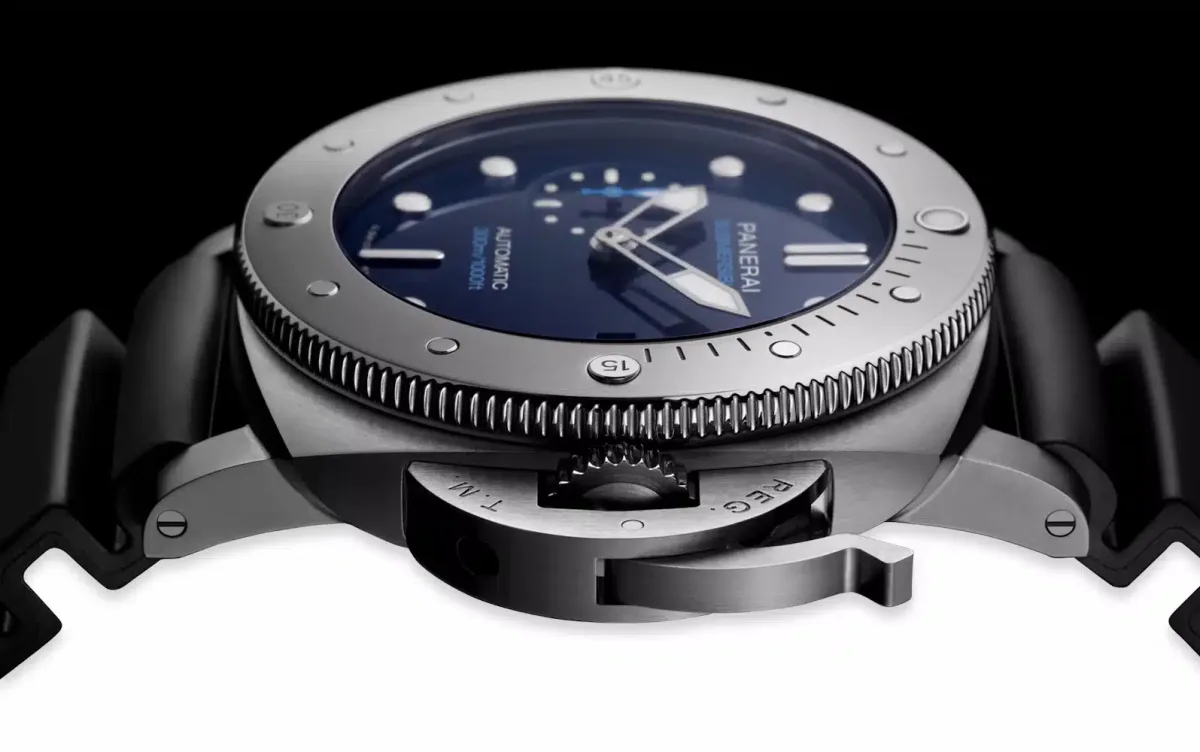
BMG has unique properties, including extreme hardness. It surpasses stainless steel in rigidity and has high elasticity, allowing watches to withstand drops and impacts without damage.
This shock-absorbing ability is usually found in budget models like Casio G-Shock. Panerai uses BMG in its Submersible models with BMG-TECH™ technology, demonstrating strength and lightness.
BMG is also resistant to corrosion due to its amorphous structure without crystalline grains, which usually become corrosion sites. Besides technical characteristics, the material creates a unique aesthetic effect after polishing.
Modern Ceramic Alloys
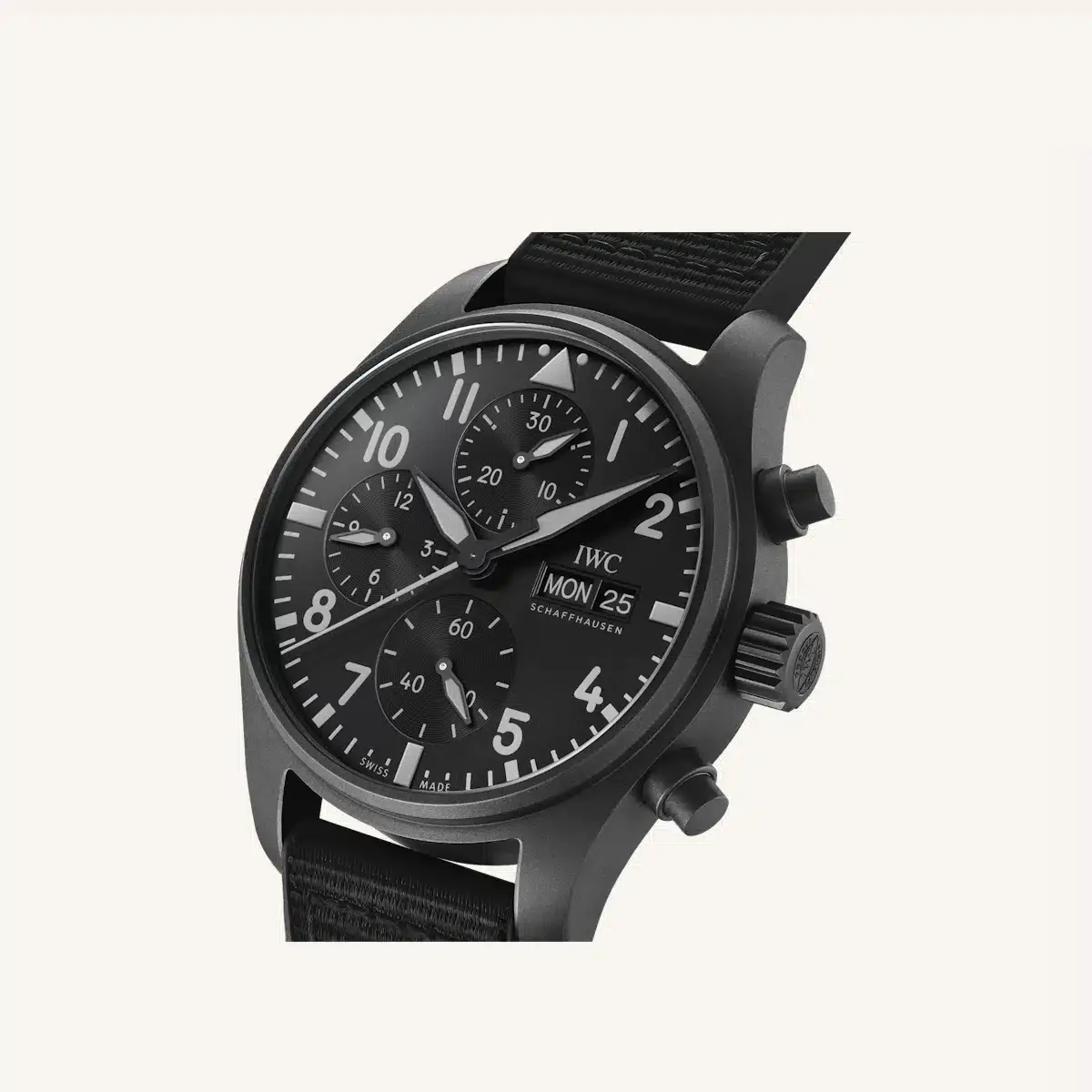
This year, there is a rise in the use of complex ceramic alloys with multi-colored shades, improving the material's properties and the aesthetic appeal of watches.
Blancpain, for example, releases the Fifty Fathoms Bathyscaphe with a black ceramic case and bezel with Liquidmetal - markers made of liquid metal for improved visibility underwater.
IWC introduced Ceratanium - a titanium and ceramic alloy combining lightness and scratch resistance. The models Pilot’s Watch and Aquatimer from the TOP GUN collection are inspired by the form and environment of the US Navy instructors.
Recycled and Upcycled Materials
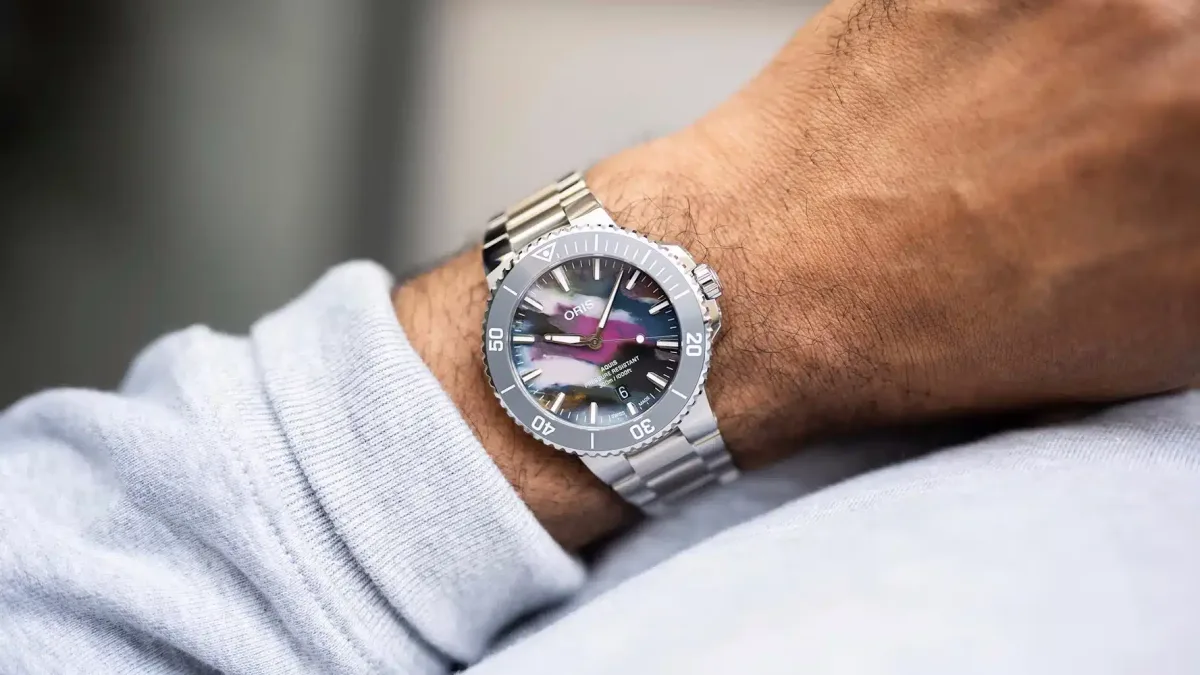
The use of recycled materials in watch production is becoming more important. Many brands are taking responsibility for the environment.
An example is Oris with the Aquis Date model, where the dial is made from recycled ocean plastic. As for the cases, there are successes here too.
Maurice Lacroix produces cases from recycled plastic and fiberglass collected from the shores and oceans of Thailand, in partnership with the Swiss company #tide ocean material. According to the brand, such plastic is twice as hard as regular and five times more durable.
Conclusion
Choosing a watch case is not only a matter of appearance. It is a key factor in comfort, weight, feel, and style. Fortunately, the range of materials is vast - from classic stainless steel to lightweight carbon composites and recycled ocean plastic.
While 316L stainless steel remains the mainstay of the watch industry, other materials are gaining popularity. With a focus on hardness, scratch resistance, and weight, it is unknown what the next manufacturer will present and when.
If you're looking for lightweight sports watches, titanium will be the best choice. If scratch resistance and color variety are important, consider ceramics. As mentioned, the choice of case material is purely individual and depends on the intended use.
We would love to hear your opinion. Which case material do you like the most and why? Without which material do you not imagine your watches? Leave comments and subscribe to Our TG channel!