
Contrôle Officiel Suisse des Chronomètres (COSC) is the largest independent Swiss laboratory for testing watch movements.
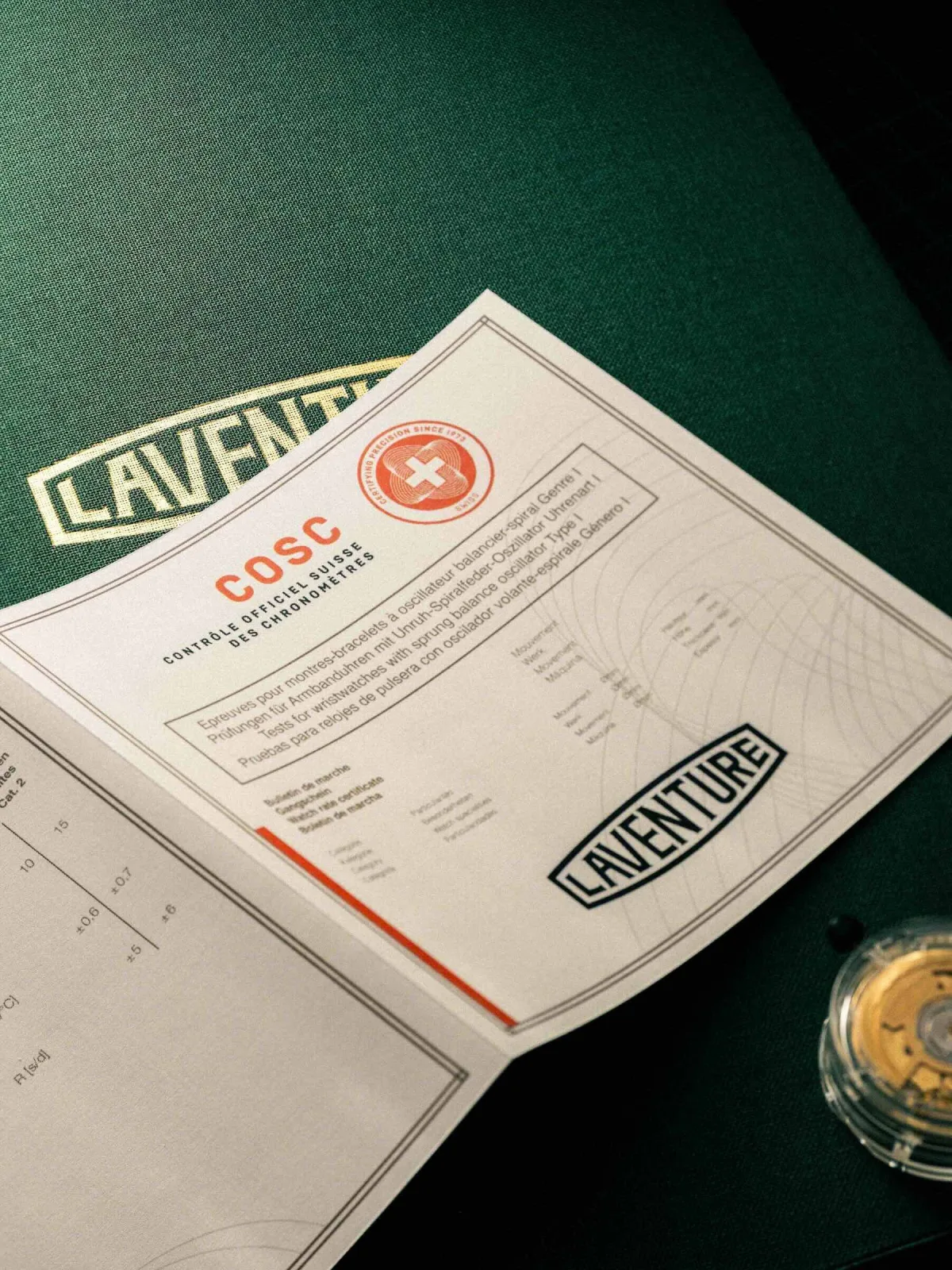
Founded in 1973, this non-profit organization aims to guarantee the accuracy of Swiss watches through a neutral, independent, and rigorous testing method. Watches with movements that pass the tests receive the status of "COSC-certified chronometers," with an accuracy rate of -4 to +6 seconds per day. However, the world is changing, and so are the standards for high-class watches. In response to modern demands, COSC is introducing a new certification - the Excellence Chronometer.
This certification doesn't replace the classical chronometer certification but serves as an additional level, competing with standards like Rolex's Superlative Chronometer and METAS's Master Chronometer. Let's take a closer look at what the new certification includes.
Classical Chronometer Certification
We'll start with the traditional chronometer certification that COSC has been issuing for decades. COSC tests about 40% of all Swiss watches, including Rolex and approximately 60 other brands.
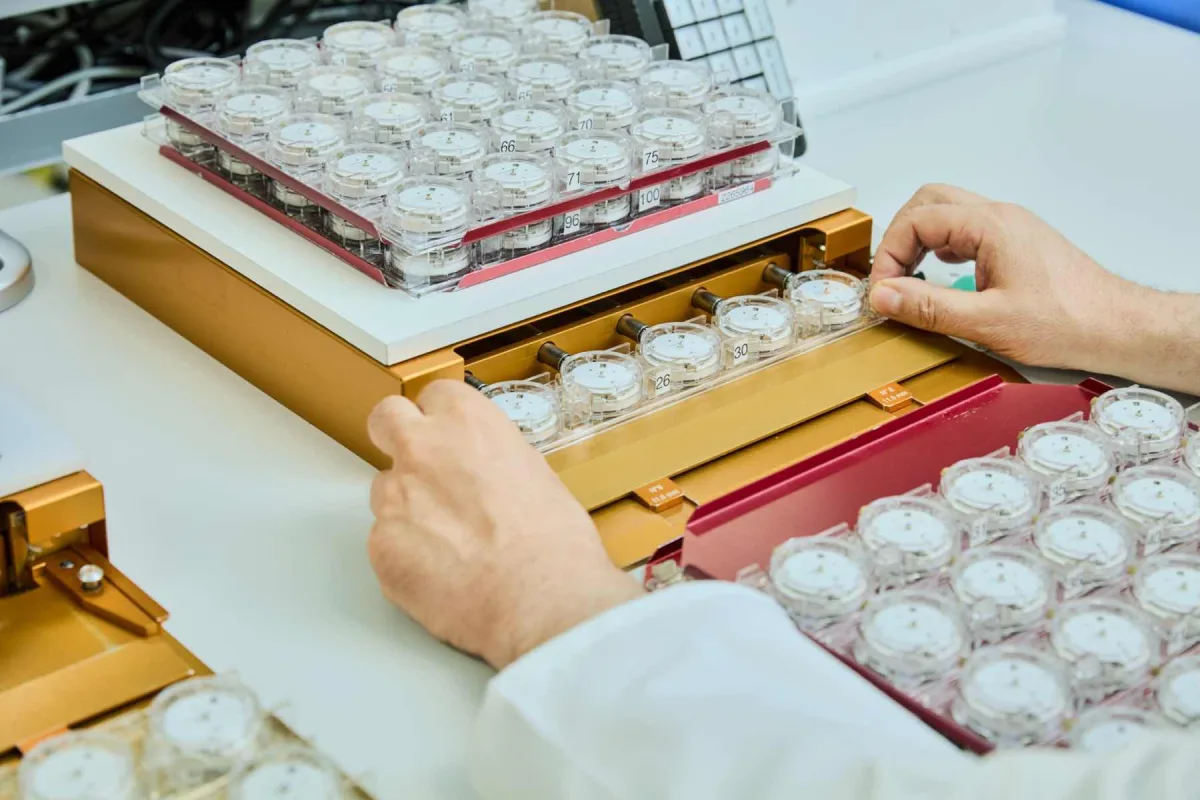
Manufacturers provide their movements to COSC, where they undergo testing for 12-20 days. Testing is conducted according to seven criteria outlined by ISO 3159:
- average daily rate;
- average rate deviation;
- maximum rate deviation;
- difference in precision between horizontal and vertical positions;
- largest rate deviation;
- rate variation depending on temperature;
- rate recovery after stopping.

The most well-known parameter is the average daily rate, which should be within the range of -4 to +6 seconds.
All movements are tested individually before a certificate is issued, after which they are returned to the manufacturer for casing. Some brands, like Rolex, conduct additional tests after casing.

New Excellence Chronometer Certification
Under pressure from competitors like METAS, COSC is introducing a higher level of certification. Importantly, each uncased movement still undergoes standard chronometer testing. Then the movement is returned to the manufacturer for casing and sent back to COSC for additional testing.
The new tests tighten the requirements for average rate deviation - now it must be from -2 to +4 seconds per day. Next, accuracy is tested under typical wearing conditions - the watch is placed on a robotic mannequin that simulates human movement for 24 hours. After this, the watch is exposed to a magnetic field of 200 gauss to check resistance to magnetic interference. This level corresponds to the maximum exposure a person can encounter in daily life, such as from powerful headphones or speaker magnets. Meanwhile, computers, MagSafe, refrigerator magnets, and smartphones usually create a magnetic field below this threshold.
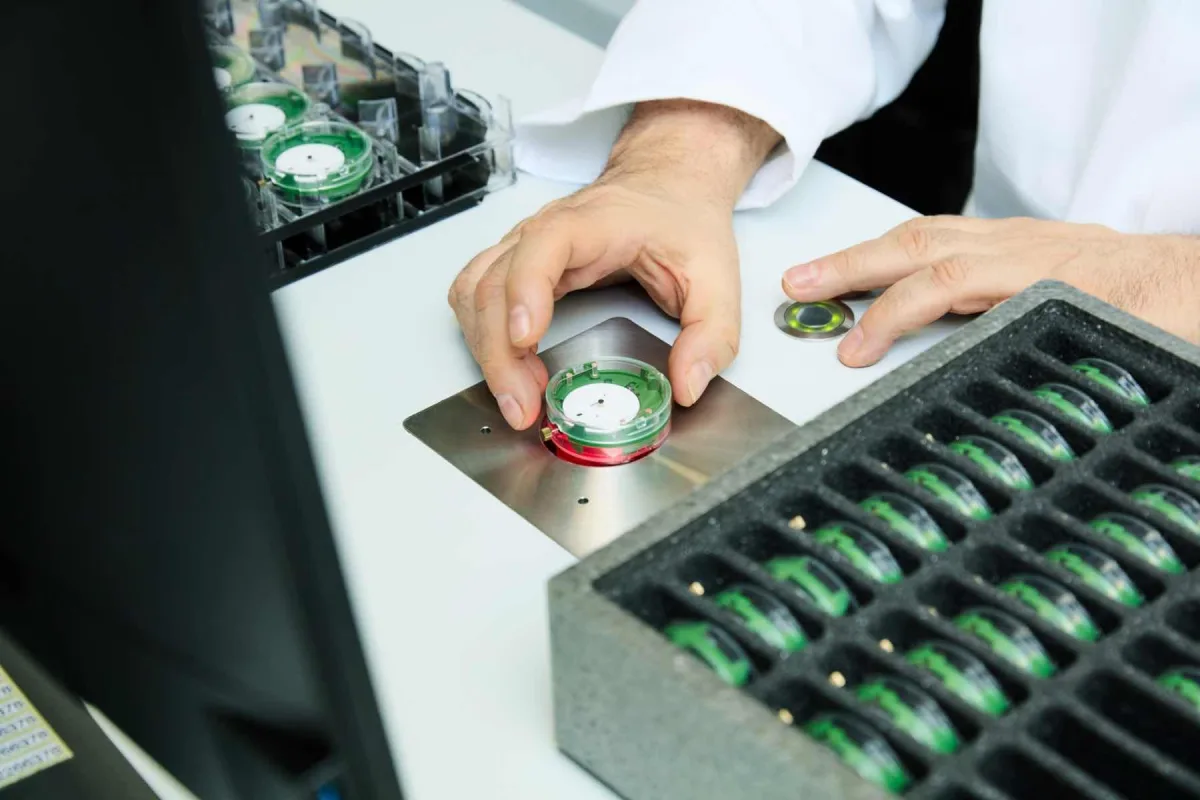
Finally, COSC checks the declared power reserve after casing.

Thus, the Excellence Chronometer certification guarantees:
- enhanced accuracy;
- stability under real wearing conditions;
- resistance to everyday magnetic exposure;
- confirmed power reserve.
The Significance of Excellence Chronometer Certification for the Watch Industry
This step by COSC can be considered logical and timely, probably based on customer feedback. Given that brands like Rolex, Omega, and Tudor are raising standards, other manufacturers strive not to lag behind. Adding a new level of certification to COSC's portfolio seems more rational than brands creating their own standards like Rolex does.

It's interesting to note that while the new certification competes with METAS, the level of accuracy (-2/+4 s/d) is lower than METAS (0/+5 s/d). In discussions among enthusiasts, the question arises why COSC did not set stricter limits. Probably these boundaries were chosen considering the most common movements - the narrower the tolerances, the fewer calibers can meet them. The new standard can be considered a compromise between ambition and achievability.

We should also consider the efficiency of the process related to returning movements to the manufacturer and back to the laboratory. The main costs of certification are associated with additional regulation and logistics. COSC reports that the cost of Excellence certification is about 3-3.5 times higher than classical chronometer certification. Meanwhile, the price of COSC is not the only factor: with stricter requirements, the number of movements requiring refinement and retesting increases, which raises time and financial costs. Consequently, this will affect the final retail price of the watches.
Are You Ready to Pay More for Certified Quality?
At this stage, it's important to ask yourself: what are we striving for? Accuracy and reliability are key tasks in watchmaking. However, many forget that certification reflects only one moment in time - the state of the watch when it leaves the laboratory. Even the most prestigious certification confirms only the indicators at the moment of testing. Storage in a warehouse or prolonged disuse can take the watch beyond these tolerances.
Additional investments in finish and technical specifications give watches long-term value. The costs of certification are less tangible and temporary. These are important questions for both manufacturers and consumers. Personally, I am interested in which brands will adopt the new Excellence Chronometer certification and how it will affect their positioning.
COSC Preparation and Implementation Plans
COSC is already preparing its laboratories to conduct tests for the Excellence Chronometer. Pilot projects with selected brands will start in March. An official public announcement is scheduled for the Watches and Wonders exhibition in April. The service is expected to become available to all COSC clients from October 2026.
Your Opinion on the New Excellence Chronometer Certification
What do you think of the new COSC Excellence Chronometer certification? How willing are you to pay extra for watches with this certification? Share your thoughts in the comments!