Every year, as temperatures rise and people prepare for summer vacations, a common rumor emerges: wait until summer, and prices will surely fall.
But how true is this in the world of watches? A careful analysis of data reveals that this claim does not hold up to scrutiny.
Where Does the Assumption of Seasonal Price Drops Come From?
It's easy to see why this belief arises, given the numerous summer sales that occur annually. A similar situation is observed during the winter holidays, where prices significantly drop, offering a chance to make advantageous purchases. Most of these sales are linked to seasonal patterns in the fashion industry. Fashion brands release several collections a year, focusing on seasonality: clothing, shoes, bags - all subject to constant assortment updates adapted to the time of year.
However, the watch industry is fundamentally different from fashion. Most models from major luxury brands remain in collections for several years. This results in a lack of the pronounced seasonal cycle found in fashion within the watch segment. As for pre-owned watches, their prices depend solely on the seller's willingness to reduce the cost. Thus, the decision to lower prices in the summer rests with the seller.
Understanding the Watch Market Cycle
Why do watch prices fluctuate? This question requires separate consideration for new and pre-owned watches.
For new models, the trend is straightforward to analyze. In general, watch prices rise annually. Most luxury brands implement annual price increases, sometimes even twice a year. Retail prices typically increase by about 5-10% annually. This is a pattern not linked to seasonality.
However, it's not just about annual inflation. The cost of luxury watches is significantly affected by raw material prices, especially precious metals like gold and platinum, which directly influence retail prices. As is known, the price of gold serves as an indicator of economic trends - inflation, currency strength, and geopolitical instability. This explains why gold watch prices have risen more noticeably in recent years compared to stainless steel models.
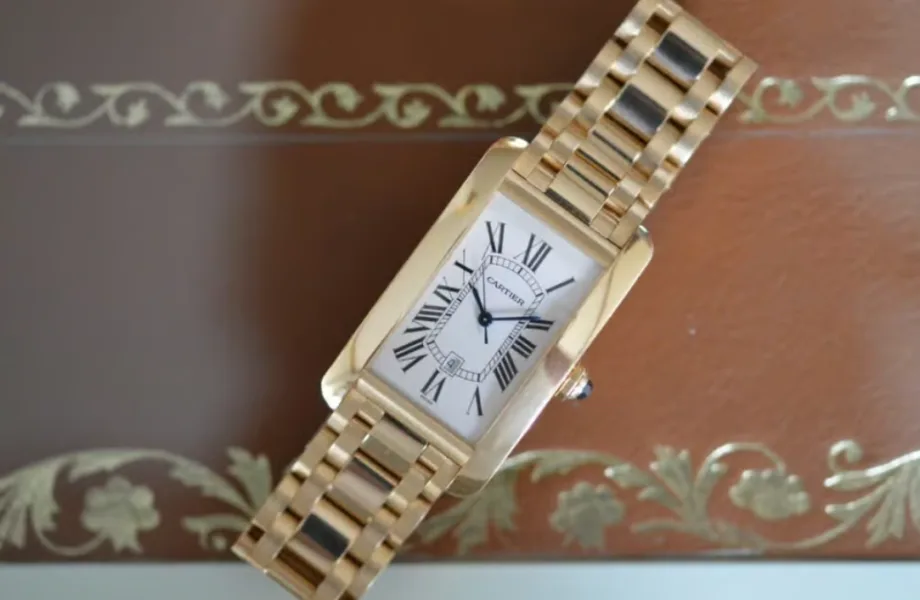
For example, Cartier raised prices on its iconic gold models, such as the Tank and Santos collections, by up to 10%.
For pre-owned watches, annual price increases and rising production costs are irrelevant. This market is driven by supply and demand laws and is closely tied to macroeconomic trends. The main factors affecting prices are central bank liquidity, interest rates, and global political changes. But does this mean seasons, such as summer, do not affect prices?
Summer Lull: Fact or Fiction?
Returning to the initial question, does the decline in business activity during the vacation season, reduced consumer activity, and spending on vacations rather than watches create better opportunities for negotiations?
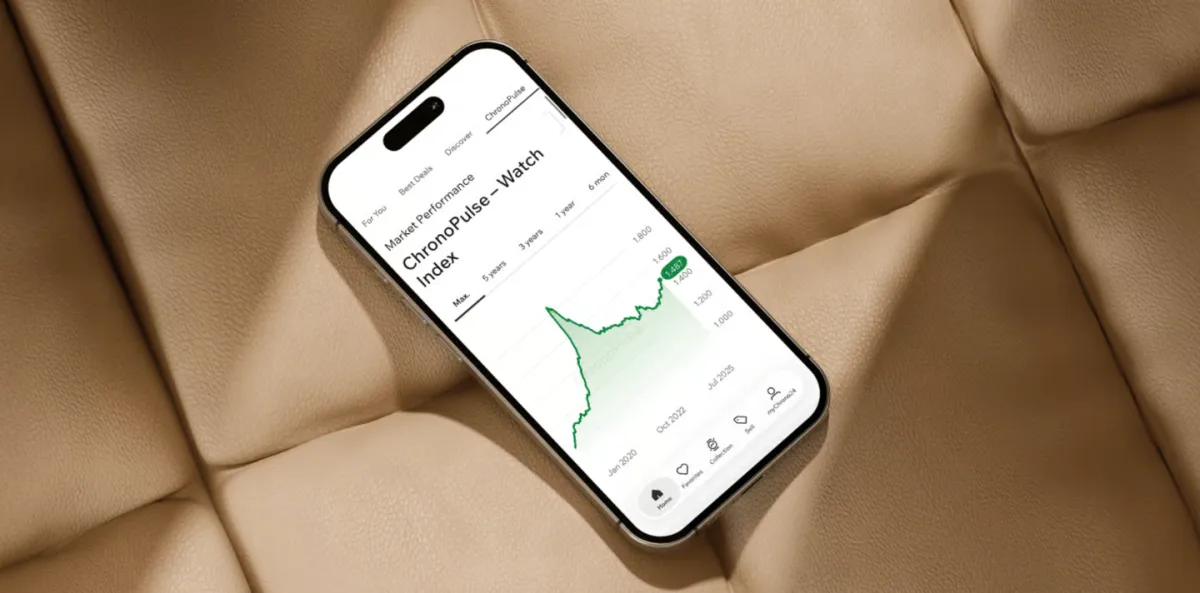
Analysis of historical ChronoPulse Watch index data shows that this hypothesis is not confirmed. The consumer calendar does not determine price trends for luxury watches and does not provide advantages in negotiations.
Seasonality and Impact on Macroeconomic Trends
Nevertheless, this does not mean that seasons do not influence broader economic trends shaping prices. Seasonality acts as either a damper or an amplifier of ongoing macroeconomic processes.
A good example is the sharp market correction in 2022, when watch prices fell sharply after a swift rise during the pandemic years. The summer trading lull temporarily slowed the downward trend, demonstrating how seasonal effects can decelerate already existing trends.
The opposite situation can be observed at the end of the year when capital inflows and bonus payments accelerate economic processes. For example, the market rally at the end of 2025 - beginning of 2026 was linked to the resolution of a trade conflict between the US and Switzerland. The import duty applied in August 2025 at a rate of 39% was reduced to 15%. This, combined with the annual capital inflow and geopolitical easing, created additional momentum, amplified by the winter season. However, such global changes always have a more significant impact on pricing by sellers than local seasonal fluctuations, which only amplify existing trends.
What Really Affects Watch Prices?
What factors significantly influence watch prices on the secondary market as a whole? Let's consider the key ones.
Major Product Releases
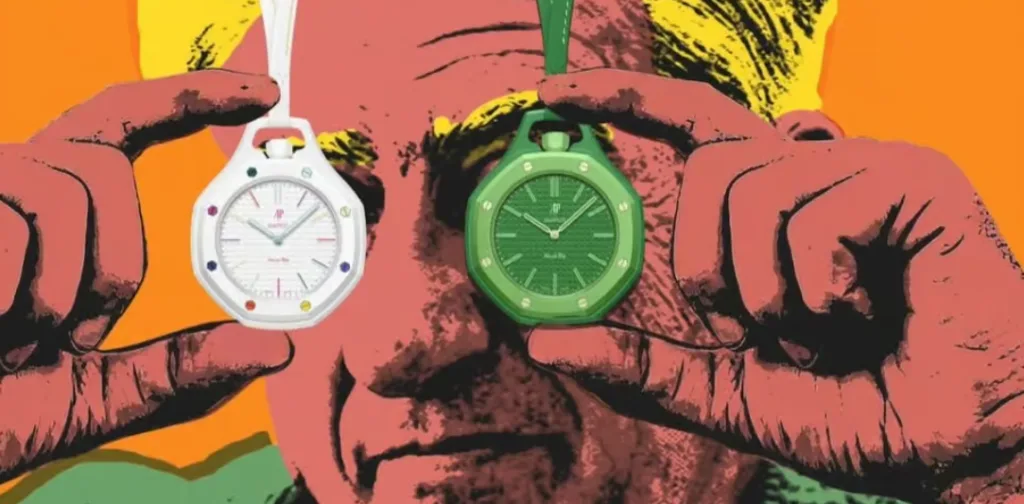
One of the main drivers of price growth is major launches of new models, creating shortages and causing excitement. An example is the Audemars Piguet × Swatch Royal Pop collection. If you follow the news, you know how widely discussed this collection was. The limited number of available pieces quickly led to prices rising significantly above the retail €400.
Discontinuation of Models
An important factor is the discontinuation of a model. A striking example is the 2021 announcement by Patek Philippe of the discontinuation of the steel Nautilus ref. 5711. This caused a sharp price increase due to the immediate surge in demand. After peaking in early 2022, prices slightly declined, but the Nautilus ref. 5711 still sells for significantly more than €100,000.
Economic Downturns
Economic crises have a significant impact on prices. During a downturn, purchasing power decreases, and consumers reduce spending on luxury items. Sellers have to lower prices to maintain sales volumes. The fundamentals of economic theory apply even in the luxury segment. However, it is worth noting that wealthy collectors usually continue to purchase expensive watches as part of their habitual consumption.
Market Corrections
A vivid example of a market correction was the situation in 2022 after two years of rapid price growth during the COVID-19 pandemic. Due to travel restrictions, many buyers turned to new hobbies and invested in watches. Meanwhile, production was limited due to factory shutdowns. Additionally, speculators entered the market, viewing luxury watches as short-term financial assets. When prices for popular models from Rolex, Patek Philippe, and Audemars Piguet began to rise rapidly, investors and speculators sought quick profits. Ultimately, this bubble burst, and the 2022 correction returned prices to more sustainable levels.
In conclusion, it is important to understand that watch prices do not depend on seasons but reflect broader economic trends. Understanding these trends will help determine the optimal time to purchase your next model at an advantageous price.