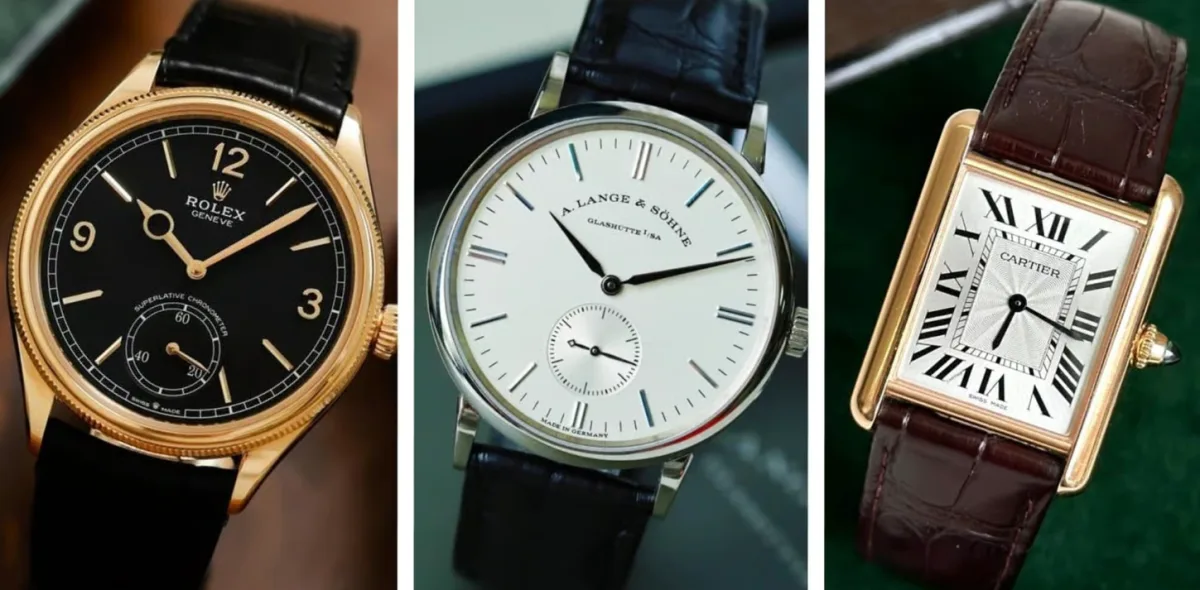
If you've ever stood before your wardrobe just before a wedding, job interview, black-tie dinner, or any event requiring a more formal outfit, you might have noticed that your favorite GADA (Go Anywhere, Do Anything) watch isn't always suitable for such occasions.
This is where classic watches come into play - a category built around the idea of sophistication.
In this article, we will explore what truly makes a watch classic, whether they can be used in everyday life, and present a selection of the top 10 classic watches available on the modern market. The list includes everything from high horology masterpieces with six-figure price tags to genuinely affordable options - there's something for everyone. At the end, you’ll find an unexpected opinion worth considering.
What are Classic Watches?
First and foremost, classic watches are those that do not interfere or distract. Their purpose is not to time a regatta, withstand scuba diving, track a second time zone, or calculate average speeds. Their job is to quietly sit beneath a shirt cuff and let your suit, not the watch, do the talking. This distinction sets them apart from sports, tool, and universal watches, where functionality is the priority. For classic watches, usefulness boils down to one thing - telling the time. When was the last time you needed to do anything in a suit other than arrive on time? Exactly.
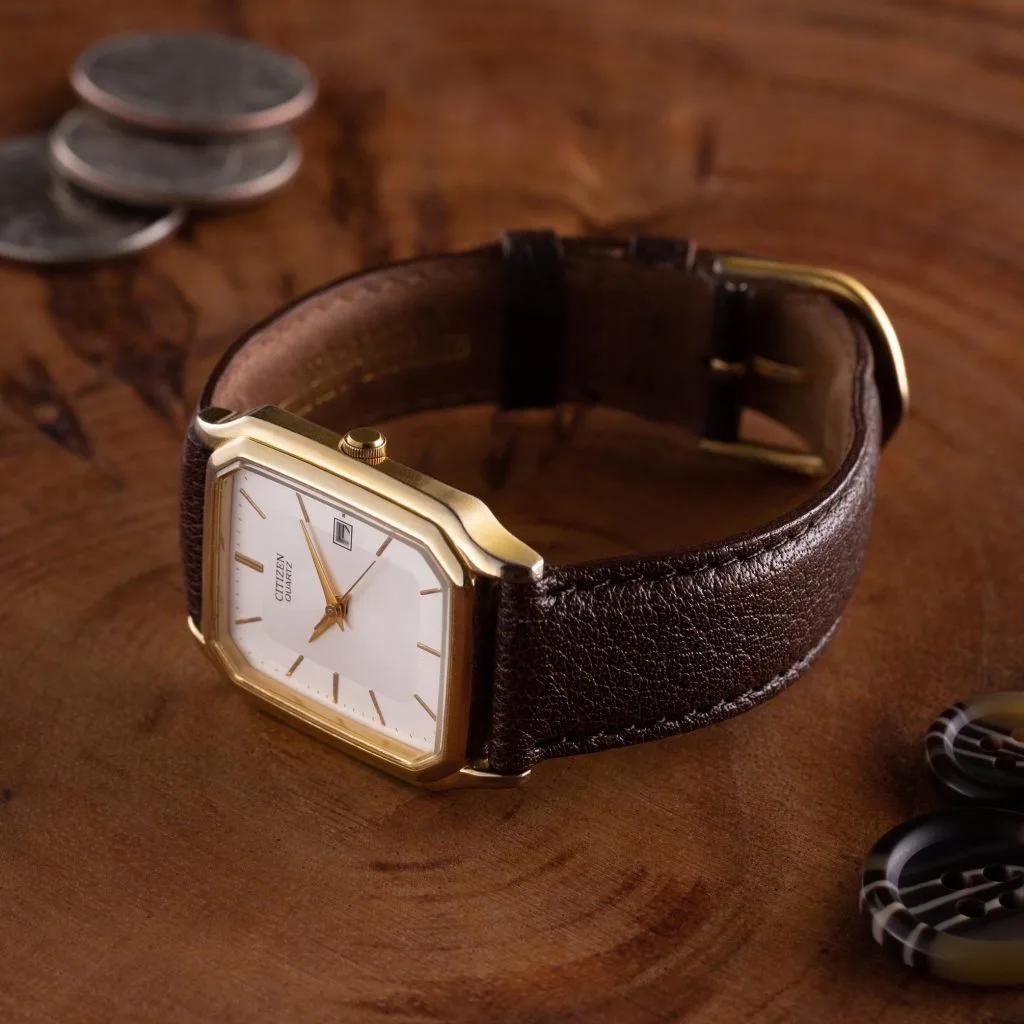
Historically, the archetype of classic watches emerged in the 1940s when wristwatches ceased being military tools and became elements of evening attire. Cases grew thinner, dials became simpler, and gold and leather replaced steel and rubber. A hundred years later, the formula has hardly changed - and that's no accident. The purpose remains the same, so why change the watches?
Key Characteristics of Classic Watches:
| Typical Characteristic | Why It's Important |
|---|---|
| Thin Case | Watches should comfortably fit under a shirt cuff, emphasizing elegance without drawing attention. |
| Clean, Minimalist Dial | Priority is the ease of reading time and timeless classicism, without unnecessary distracting features. |
| Leather Strap | The traditional choice that best complements formal attire. Modern options include precious metal bracelets. |
| Small to Medium Case Size | Typically 31–36 mm, ensuring balanced proportions and a classic look. Modern watches might be slightly larger - 34–38 mm. |
| Minimal Complications | Lack of superfluous features helps maintain elegance. A small seconds dial or date window is acceptable. |
| Precious or Classic Metals | Yellow, pink, white gold, or platinum are traditional materials. Steel is used in more affordable models, typically with a polished finish. |
| Round Case | The classic shape, except for popular rectangular models like the Tank or Reverso. |
In general, if a watch looks like it was made to attract attention or perform a specific function, it is probably not a classic. If it looks like it was made to be appropriate or even unnoticed, it's almost certainly a classic watch.
Can Classic Watches Be Worn Every Day?
This question is often asked by newcomers assembling their first collection. The honest answer: it depends on the specific watch, your lifestyle, and style. The watch community includes both strict traditionalists and those who advise following your preferences. I belong to the latter group.

Traditional thin classic watches with leather straps and minimal water resistance are not meant for the gym, beach, or rainy walk. Leather doesn't like moisture and sweat, and a manual movement in a delicate case isn't the best companion for construction or hiking.
However, in recent years the lines have blurred. Many modern classic watches are designed with everyday wear in mind: stainless steel cases with 50m water resistance, rubber or textile straps that are shock-resistant. For instance, NOMOS Tangente (which will be on the list) looks just as good with a t-shirt as with a blazer, thanks to its universal proportions and thoughtful construction.
My advice to newcomers is to choose round steel watches sized 38–40 mm with moderate water resistance. You'll get elegance without fragility, and they will be great companions from the office to dinner and weekends. If you accidentally wear them to the gym - it’s no big deal.
10 Best Classic Watches of 2026
Classic rankings usually include the same models. Here I've kept the truly significant ones and added some new and noteworthy options, as well as models that rarely make such lists but deserve a place in any collection.
1. Cartier Tank Louis Cartier
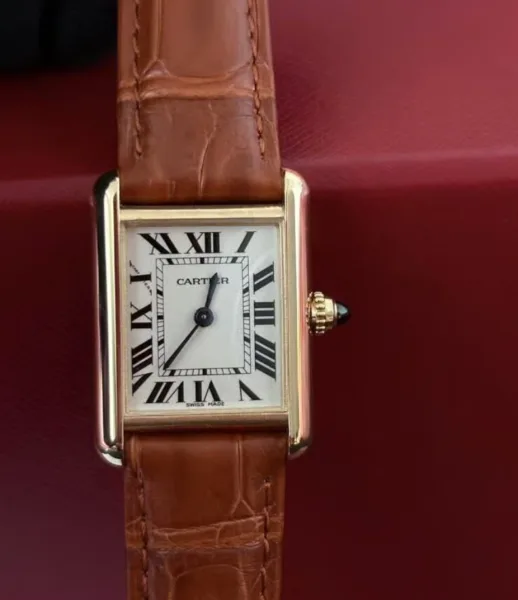
Launched in 1917, inspired by the top view of a World War I tank. The Tank Louis Cartier is the benchmark for rectangular classic watches. Vertical side brancards, Roman numerals, and sapphire crown have changed little over a century. It's proof that true design doesn't need constant alteration. Timeless classic available in various metals and dial designs.
2. Patek Philippe Calatrava
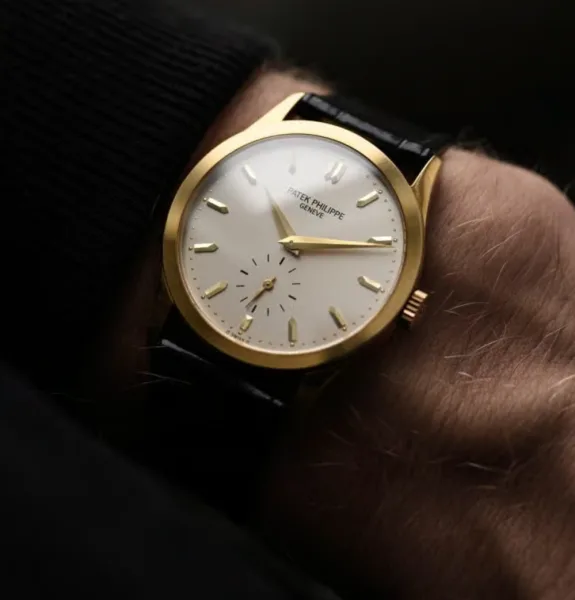
If the Tank is the ultimate leader of rectangular watches, then the Calatrava is its round counterpart and perhaps the most influential classic watch design. Released in 1932 based on Bauhaus principles, it set the template followed by almost all models in this list. The Calatrava defined the category just as the Submariner did for dive watches.
3. A. Lange & Söhne Saxonia
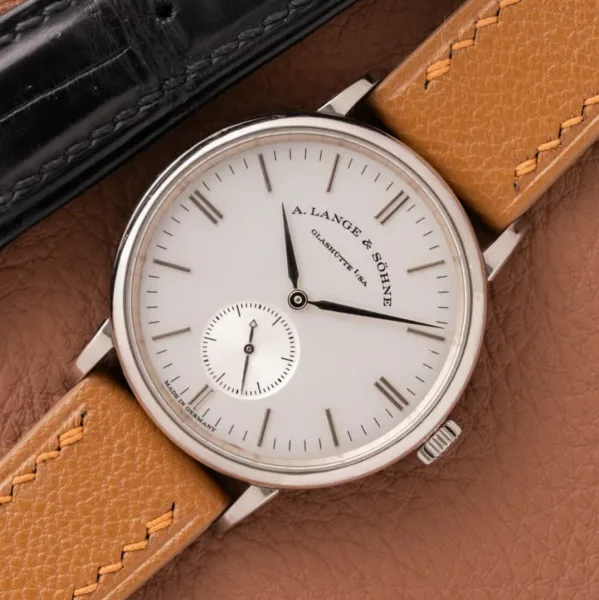
Germany's horological answer to the dominance of Swiss classic watches. The Saxonia combines finely finished mechanics with a clean, symmetrical dial. A favorite among collectors who value elegance and serious mechanical content. The classic version features hour and minute indications.
4. Vacheron Constantin Patrimony

One of the "Holy Trinity" of Swiss watchmaking, the Patrimony is the purest expression of minimalism in classicism. Thin bezel, round case in precious metals, and minimal details. Very restrained watches, making them especially appealing to connoisseurs. Available in various sizes, materials, and dials.
5. Jaeger-LeCoultre Reverso

A unique model with a reversible case, created in 1931 for polo players to protect the glass and dial. The Reverso is one of the most recognizable Art Deco designs in the watch world. Thanks to its sporty origins, it is one of the most versatile classic watches, available in numerous variants.
6. Rolex Perpetual 1908

After ending the Cellini collection in 2022, Rolex introduced the Perpetual 1908 at Watches and Wonders 2023. Cases in 18k yellow, white gold, or platinum, with the cal. 7140 movement and transparent case back - a rarity for Rolex. A serious step towards classicism, aimed at those wanting to go beyond sports models.
7. Breguet Classique

Watches embodying the aesthetic and technical principles of Abraham-Louis Breguet from the late 18th century. Distinctive features include hand guilloché, Grand Feu enamel dials, signature "Breguet hands," fluted case sides. Very thin models that almost disappear under a cuff.
8. Piaget Altiplano

If the priority is ultra-thinness, the Altiplano is the perfect choice. Models of various sizes, with the thinnest being among the flattest mechanical watches in serial production. Almost imperceptible under a cuff. Some variants might seem dull, but their thinness records make them deservedly on the list.
9. NOMOS Glashütte Tangente

It's essential not to limit to only expensive models. The Tangente has been NOMOS's flagship since 1992, available at a price significantly lower than most on the list. Bauhaus-inspired design: thin hands, Arabic numerals and indices, small seconds dial at "6 o'clock," and slim case lugs. The perfect first classic watch for newcomers with a great movement and build quality.
10. Rolex Day-Date

My unexpected opinion. While the Day-Date differs from typical thin and restrained classic watches, it deserves a place on the list due to its real classic qualities. Launched in 1956, the watch was positioned as a model for executives and officials. Made only from precious metals and featuring the recognizable President bracelet. Despite the characteristic fluted bezel and complicated date and day display, the Day-Date is a classic that breaks the rules.
How to Choose Your Classic Watch?
Whether it's the subtle sophistication of the Altiplano or the affordable Bauhaus style of the Tangente, the principle of all these models is the same - elegance through restraint. If you're ready to choose, consider the secondary market, where classic watches often sell at a significant discount compared to new prices. It's important to understand what exactly you want from your watch, as the category covers a wide range of designs and sizes. Follow your heart and choose a watch that speaks to you.