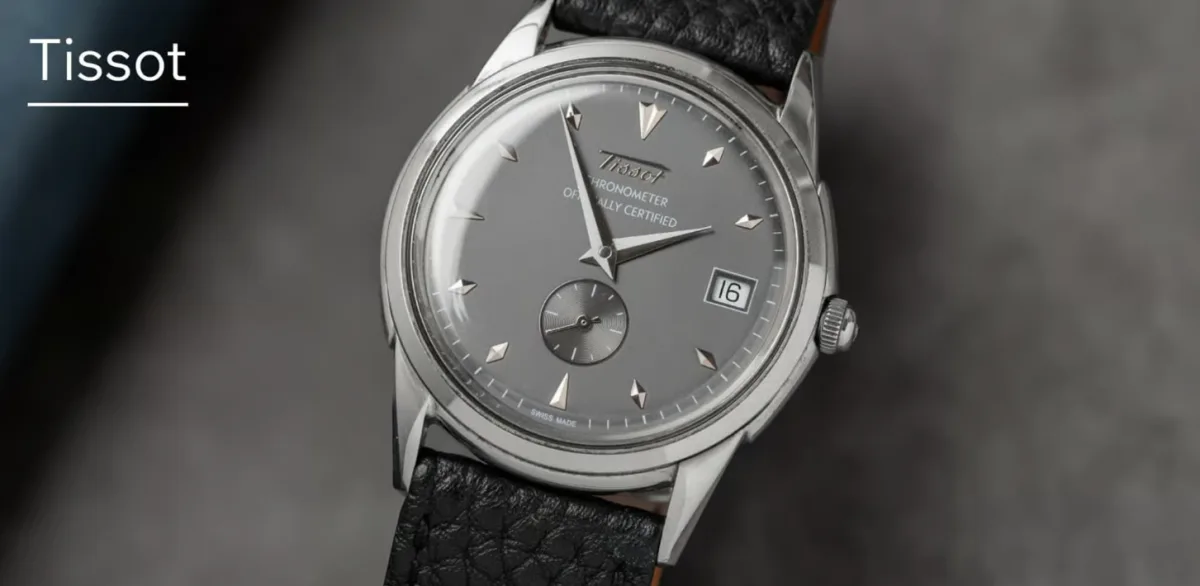
Anyone venturing into the world of Swiss watches will inevitably encounter the Tissot brand.
Few brands hold such a strong position in the entry and mid-level segments. Tissot serves as the official timekeeper for international sports events, adorns the wrists of renowned ambassadors, and graces the showcases of jewelry stores worldwide. What is the secret to such success? Is Tissot merely an affordable alternative to much more expensive Swiss watches, or is there something more behind the brand? The company's history reveals the reasons why Tissot has remained one of the most recognizable names in Swiss watchmaking for over 170 years.
History of Tissot: From Le Locle to Global Recognition
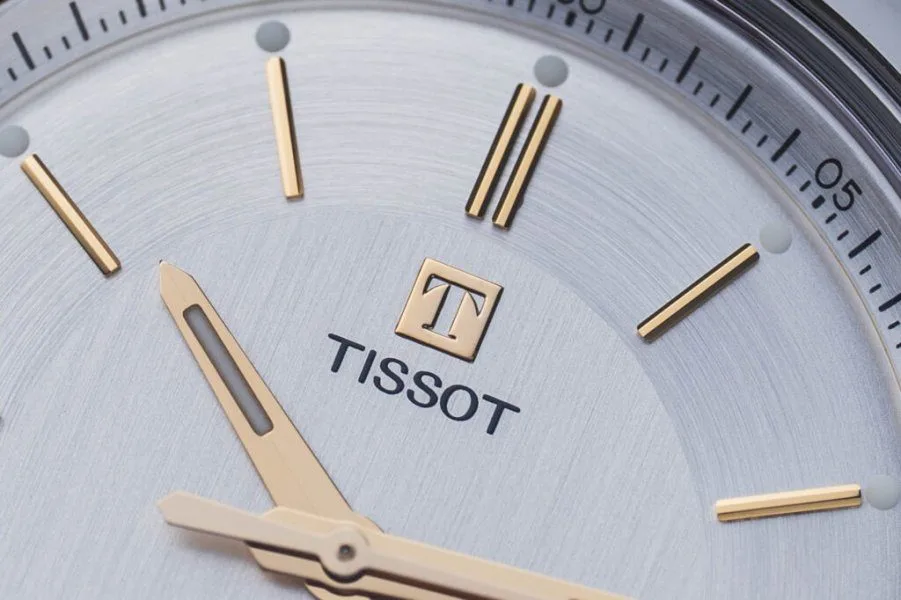
Tissot's history began in 1853 in Le Locle, Switzerland. It was there that Charles-Félicien Tissot and his son Charles-Émile founded the company with the aim of producing high-quality pocket watches. From the outset, the young firm had an international business outlook. While many manufacturers focused primarily on the domestic market, Tissot was already exporting its watches abroad in the 19th century. Russia became one of the most important markets for the brand. This international strategy had a long-term impact on the brand's development. Despite losing a significant part of the market due to the Russian revolution, the company repeatedly adapted to new conditions.
Vintage Tissot Monopusher Chronograph
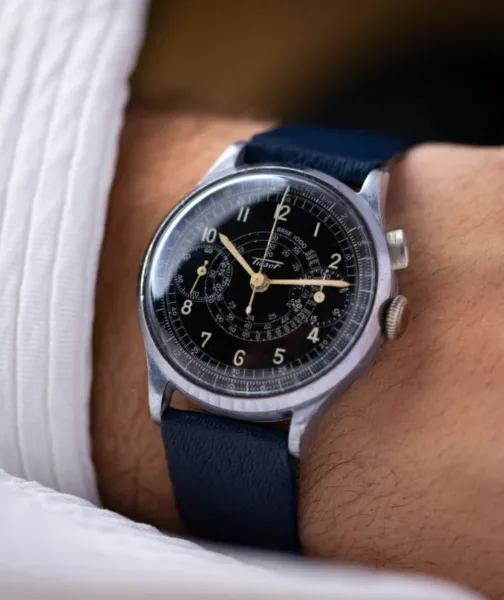
Vintage Tissot Monopusher Chronograph, circa 1930
Innovation has been part of the company's philosophy from its inception. In the year of its founding, Tissot introduced pocket watches with interchangeable components - a significant breakthrough in industrial production at the time. Another important milestone was in 1930, when Tissot merged with Omega to form the Société Suisse pour l’Industrie Horlogère (SSIH). Decades later, a series of mergers led to the creation of the modern Swatch Group, of which Tissot remains a part today. This played a key role during the quartz crisis of the 1970s-80s. While many traditional manufacturers disappeared from the market or faced serious challenges, Tissot managed to successfully restructure and actively influence changes in the industry.
Tissot Brand Philosophy
The modern Tissot range demonstrates a different approach compared to classic luxury brands. The company aims to make high-quality Swiss watchmaking accessible to the widest possible audience. This is reflected not only in pricing but also in the technical features of many models. The brand's history shows that innovation at Tissot is not a recent development. Already in 1930, the brand introduced the world's first anti-magnetic wristwatch. In subsequent decades, models were released that gained cult status among collectors: the Navigator with world time function, the sporty Seastar dive watches, and the elegant Visodate.

Even during the challenging quartz crisis, Tissot experimented with unusual concepts. In 1971, the Astrolon model was made mostly of plastic and consisted of just 52 components. A few years later, the RockWatch with a granite case and the Woodwatch made of wood attracted attention. The spirit of experimentation remains a part of the brand's DNA today.
Modern Developments and Technologies
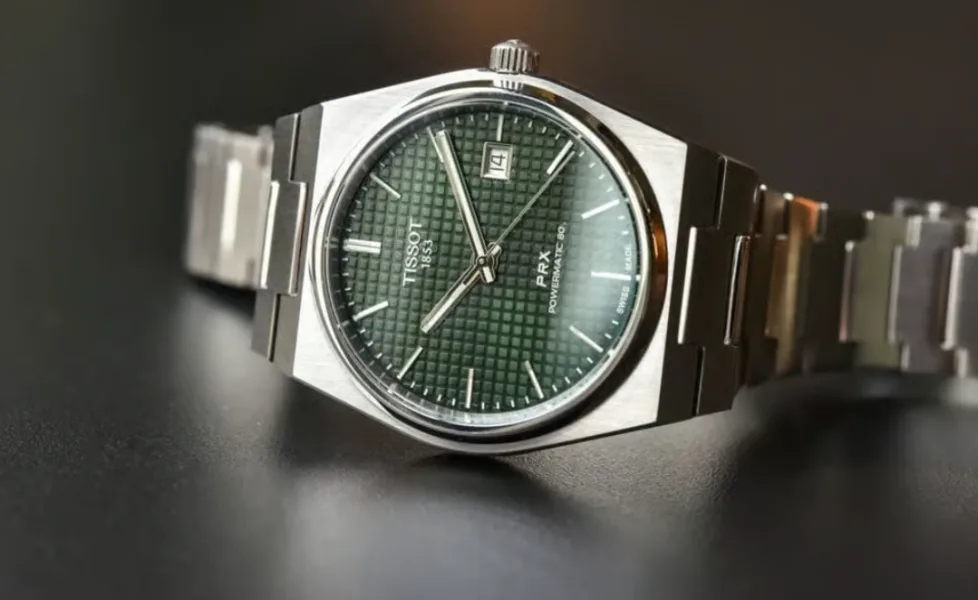
Modern Tissot developments continue the philosophy of accessibility and innovation. In collaboration with movement manufacturer ETA, the Powermatic 80 movement was created with a power reserve of up to 80 hours, used in many modern models. Some collections are equipped with technologies such as silicon hairsprings and solar drives. Models are available with automatic, quartz, or solar movements, as well as in various case materials and configurations. This underscores the brand's commitment to catering to the broadest range of consumer preferences.
Additionally, membership in the Swatch Group provides Tissot with access to the development, production, and innovation expertise of many renowned brands, allowing it to combine modern technology with an attractive price level.
Key Tissot Models
No collection in recent years has impacted the brand's image as much as the PRX. With its integrated bracelet and minimalist design inspired by the 1970s, this model combines retro aesthetics with modern technology. The PRX Powermatic 80 version is particularly popular, quickly becoming one of the most sought-after Swiss automatic watches in its price segment, attracting a young audience.
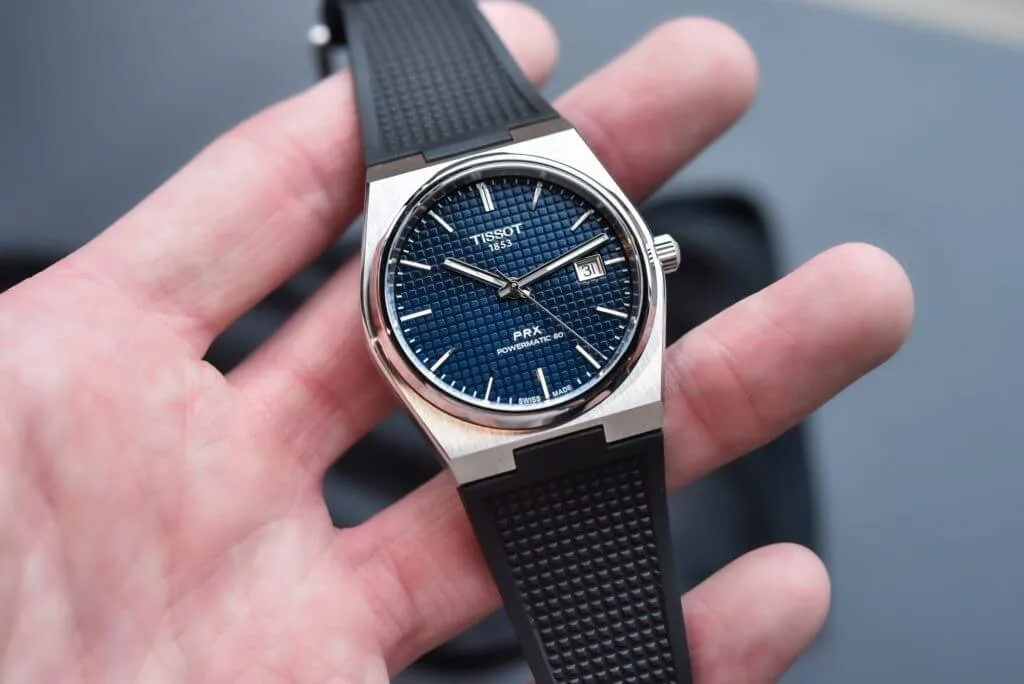
The PRX collection builds on a long tradition of successful model lines. Decades ago, Tissot released watches that left an indelible mark on the brand's history. The sporty Seastar series remains in the lineup, and the elegant Visodate is a classic from the manufacturer. The Navigator was one of the first with a world time function. In the late 1990s, with the T-Touch series, Tissot demonstrated an innovative spirit by combining an analog dial with a touch sapphire crystal - a unique solution at the time that became the brand's technological flagship.

Also worth noting is the Gentleman model - one of the most versatile in the lineup with a classic design suitable for both office and everyday wear. Sports model enthusiasts often choose the Seastar. The Le Locle model pays tribute to the company's founding location, while the Chemin des Tourelles with its classic design emphasizes the traditional character of the brand.
Are Tissot Watches Luxurious?
This question is often asked by buyers. The answer is ambiguous. In the traditional sense, Tissot does not belong to luxury brands that focus on exclusivity, limited editions, and high prices, like Rolex, Omega, or Patek Philippe. However, labeling Tissot as just an entry-level brand would be a mistake. The watches are made in Switzerland, equipped with proven mechanical or high-quality quartz movements, and are distinguished by reliable craftsmanship.
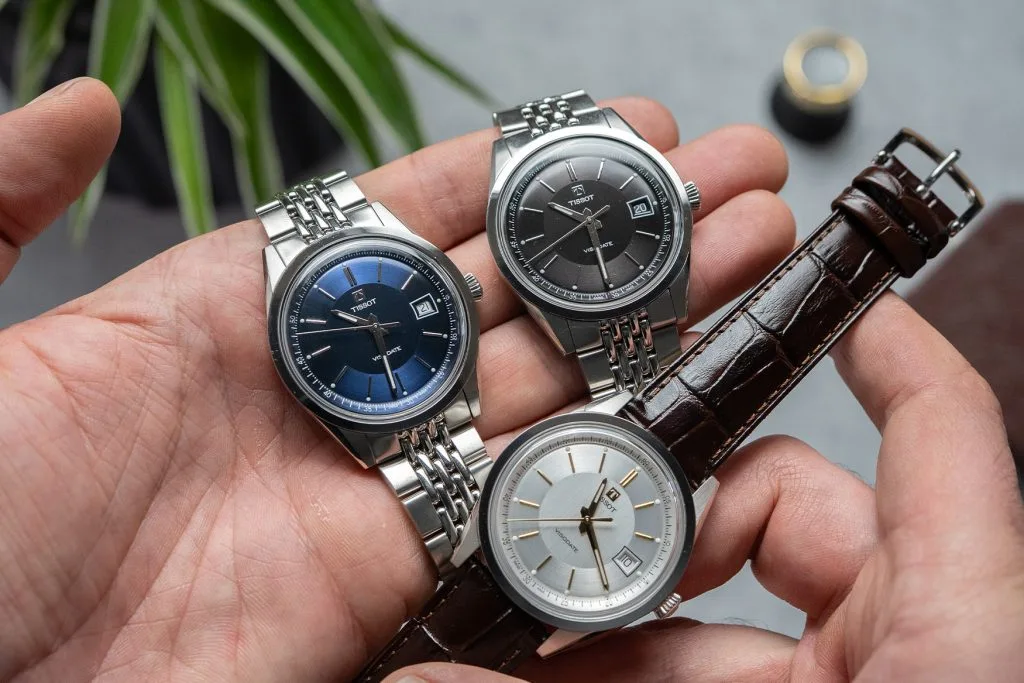
In the price range of 400 to 1500 dollars, Tissot has held one of the leading positions among Swiss brands for many years. Many enthusiasts have Tissot in their collections alongside much more expensive models. The brand offers an attractive combination of technology, quality, and price - this is one of its main strengths.
Who Wears Tissot Watches?
Tissot's target audience is extremely broad. For many buyers, Tissot becomes their first Swiss mechanical watch. At the same time, experienced collectors appreciate the brand's models for their design and price-quality ratio. This is complemented by the company's active participation in international sports: Tissot is the official timekeeper for events like the NBA, Tour de France, and MotoGP. The brand's presence in sports arenas is reinforced by ambassadors, including basketball legend Tony Parker and NBA star Damian Lillard. It is the combination of sport, precision, and modern design that attracts an audience seeking quality Swiss watches.

How Much Do Tissot Watches Cost?
Pricing is a key factor in the brand's success. Quartz models start at approximately 350 dollars. Many popular automatic watches range from 700 to 1400 dollars, with more expensive or special editions exceeding these amounts. Thus, Tissot occupies an optimal niche for buyers seeking their first quality Swiss watches. The brand offers a simple and affordable entry into the world of mechanical watchmaking with modern technology and a rich heritage.
Conclusion
Few Swiss manufacturers so consistently combine tradition, technical expertise, and an attractive price-quality ratio as Tissot. Since its founding in 1853, the brand has constantly adapted to new challenges - from early exports to the quartz crisis and modern successes of collections like the PRX. Perhaps this is the secret to Tissot's success. The brand does not strive to create artificial exclusivity but makes high-quality Swiss watchmaking accessible to the widest possible audience.
For many watch enthusiasts, a passion for mechanical models begins with Tissot, and it's not uncommon for Tissot watches to remain in a collection even after acquiring significantly more expensive pieces.