During lunch, I pondered the question: "When do watches become art?"
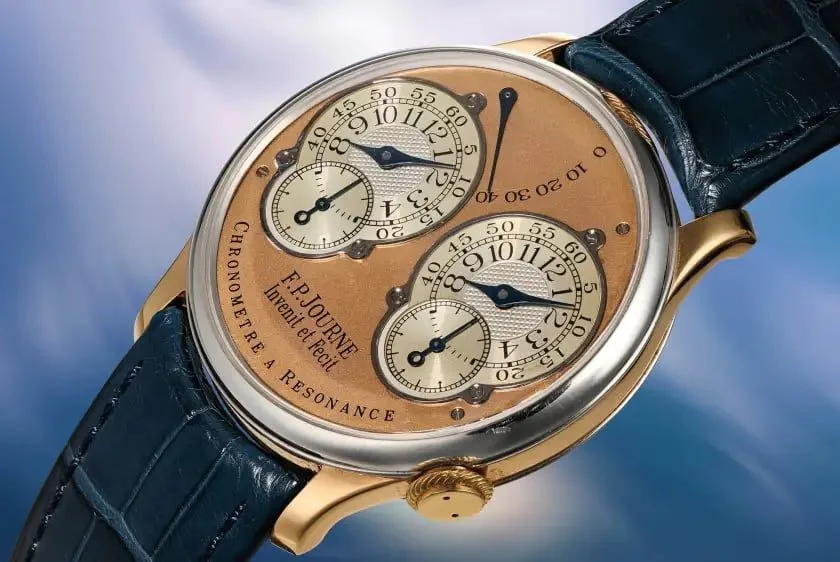
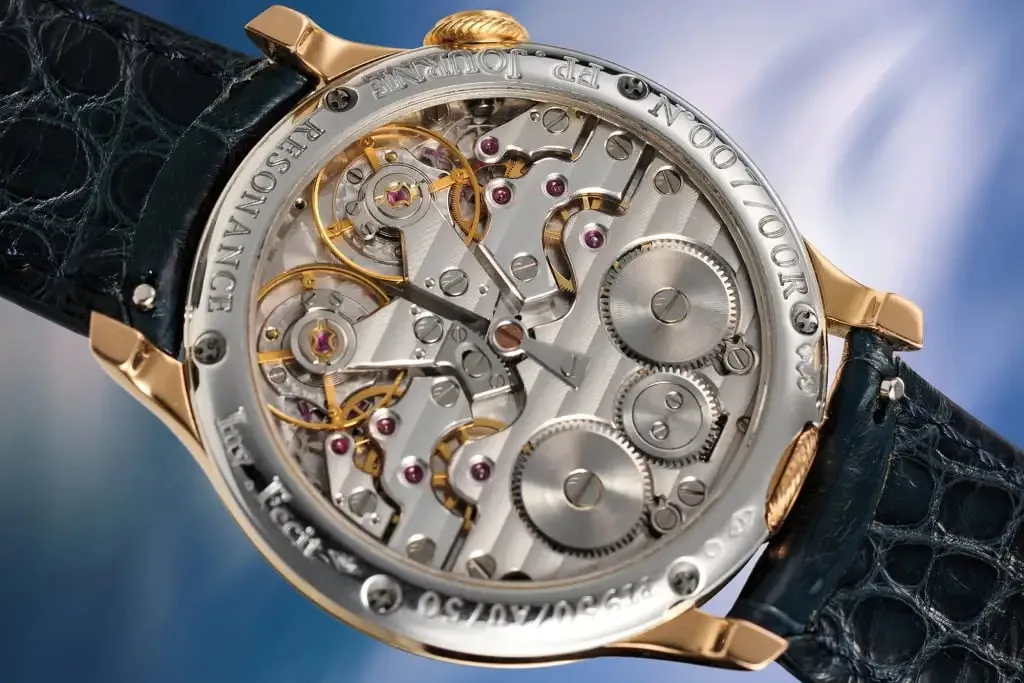
This reflection was prompted by last month's Phillips auction - the most successful watch auction in US history. Sales reached a record $75.8 million, and every lot was sold. No fewer than 16 watches were sold for over $1 million each, with the most expensive lot being the ultra-rare F.P. Journe Chronomètre à Résonance “Souscription, No. 007,” sold for $13.92 million. This sparked an intriguing discussion, not just about money, but also about design, rarity, and other aspects. After lunch and the discussion, I decided to write this article.
How Have Watch Auctions Changed?
Spending some time observing the main auction houses dealing with watches, it becomes evident: watch auctions have ceased to be simple sales events. They increasingly resemble art auction sessions, where atmosphere, deep stories, and intense anticipation play as important a role as the lots themselves. How did these changes occur?
When Do Watches Become Art? Introduction
The transition from dull, repetitive sessions to hot events isn't accidental. Watches have never been as prominent as they are now. Who or what is to blame? The Internet? Social media, especially Instagram? Perhaps, but there are other factors that have elevated watches to a premium place in the auction world. Over the past 20 years, watches have moved beyond being mere craftsmanship items. Today, many wealthy collectors, particularly investors, view exceptional watches as tangible assets. They hold a place of honor alongside fine art, classic cars, and rare wines in diversified portfolios.
Several trends have contributed to this evolution. Firstly, the investment aspect. Trophy models from well-established brands like Rolex and Patek Philippe, as well as newcomers like Richard Mille and F.P. Journe, have become recognized stores of value for high-income collectors. Like art, these watches benefit from their rarity. There is only one true Rolex Daytona “Paul Newman,” and the Chronomètre à Résonance “Souscription, No. 007” is also rare. Furthermore, limited production and consistent demand create exclusivity, which economists associate with Veblen goods - the rarer and more desirable the item, the higher the price at the hammer. According to Aurel Bacs, co-founder of Bacs & Russo, working with Phillips, watches are now "standing side by side on a pedestal with fine art, outstanding jewelry, and historically rare cars at the pinnacle of collecting."
Paul Newman vs. René Magritte
However, being alongside a Modigliani piece does not make a watch art. What is art? Unfortunately, art defies a single definition. It changes with each generation, shaped by new ideas, techniques, and perspectives. Undoubtedly, art is an expression of human creativity and imagination. Art is an attempt to create something that resonates beyond its physical form. Whether it is beauty, emotional impact, or thought provocation, art invites us to look deeper, think broader, and find personal meaning. Does this apply to watches? Not to all, but some exceptional pieces may meet these criteria.
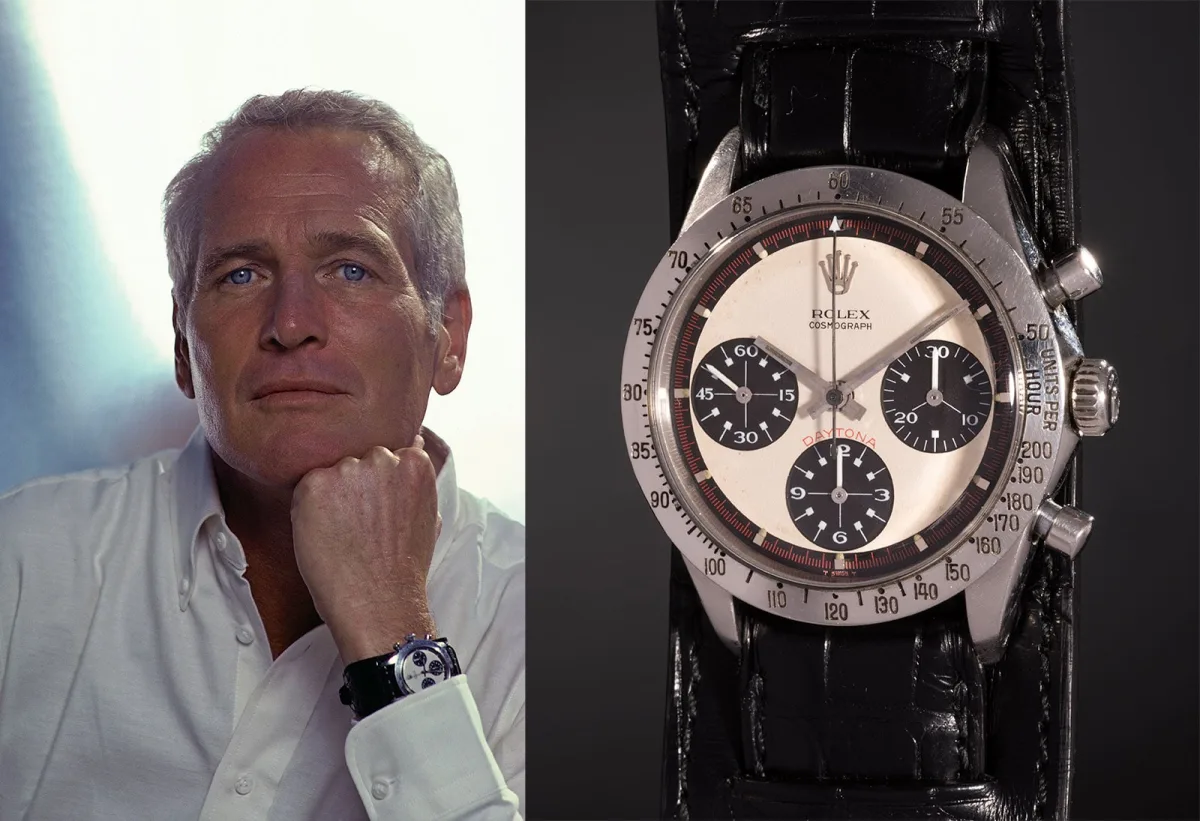
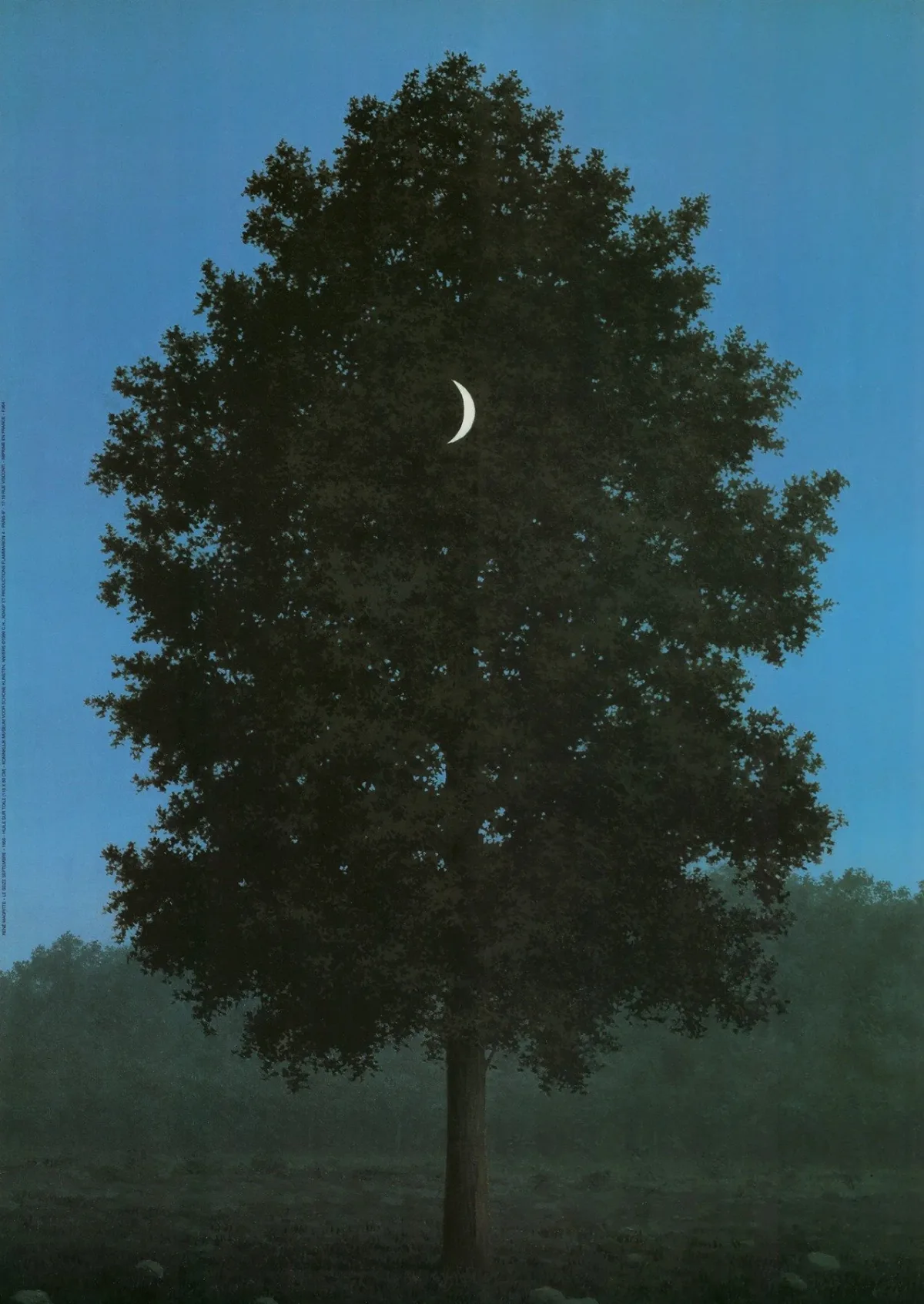
Paul Newman's personal watch - the Rolex Cosmograph Daytona (reference 6239) - is the most expensive of all the "Newman" Daytonas, sold for $17,752,500 at Phillips auction in New York on October 26, 2017. For that amount, one could have also acquired the painting "Le Seize Septembre" by Belgian surrealist René Magritte, sold six years ago for over $17.7 million. However, the actor's chronograph's price does not make it art. After all, Rolex produced about 14,000 Daytona ref. 6239s between 1963 and 1969. Between 1956 and 1958, René Magritte created four versions of "Le Seize Septembre," with the first 1956 version remaining canonical. This version, linked to the series, could have fetched an even higher price.
Why Was It Created?
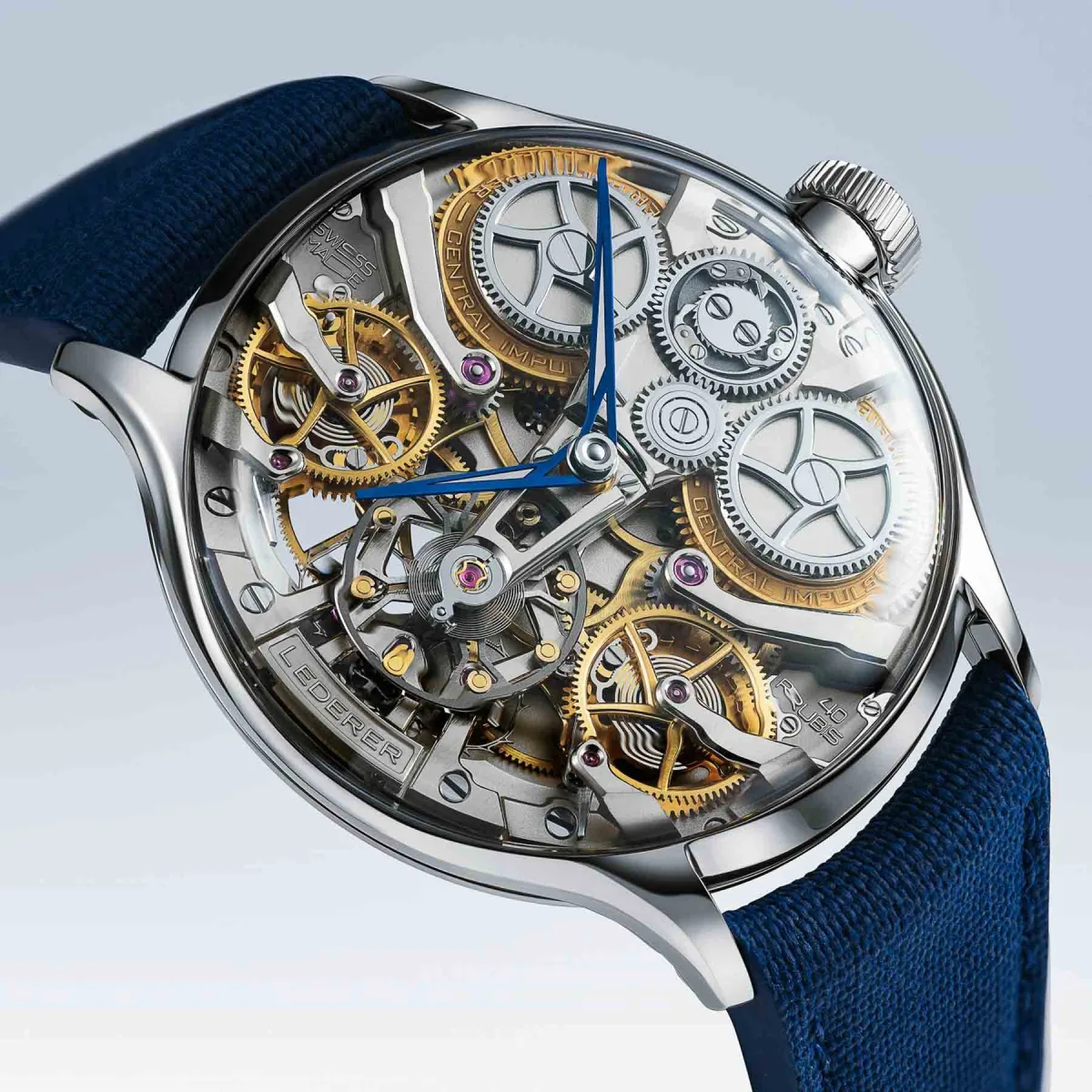
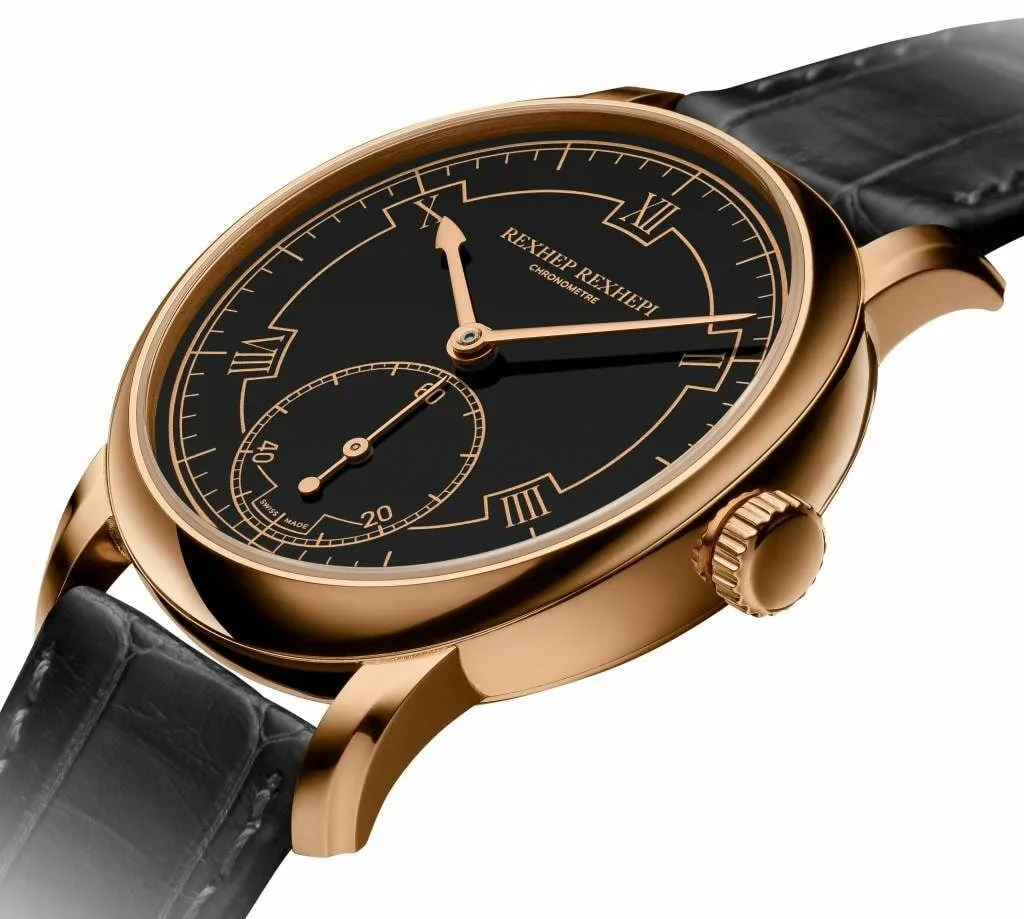
Why did Rolex create the Daytona? For commercial reasons. Why did Magritte paint? Because he couldn't do otherwise. The Dadaists - a loose association of artists, writers, and performers from the early 20th century, formed as a reaction to the horrors of World War I - asserted that art is what the artist defines it to be. This seems logical to me, so I agree with the Dadaists. Rolex never claimed that the Daytona is art, so from a Dadaist perspective, it is not art, even if the watches sell for prices comparable to art pieces. But what about watches created by François-Paul Journe, Rexhep Rexhepi, Dominique Renaud, Bernhard Lederer, and Kari Voutilainen?
An artist creates art for various reasons. It may be a way to process emotions and convey complex ideas that cannot be expressed in words but come from a deep internal drive. It can be argued that the mentioned watchmakers create their watches for the same motives.
Pleasure for Its Own Sake
Initially, watches were created as functional items. However, that is already in the past. In an era of precise time all around us, mechanical watches on the wrist have become more of an adornment. Art in the Dadaist sense is art by the artist's own definition, appreciated for its own sake. Uniqueness and authenticity are also important. Art is inherently introspective. It starts with the artist and finds expression in the work itself, existing not to solve a problem or perform a function, but to be perceived on its own terms. Can watches be enjoyed in the same way? With some - yes, with others - no.
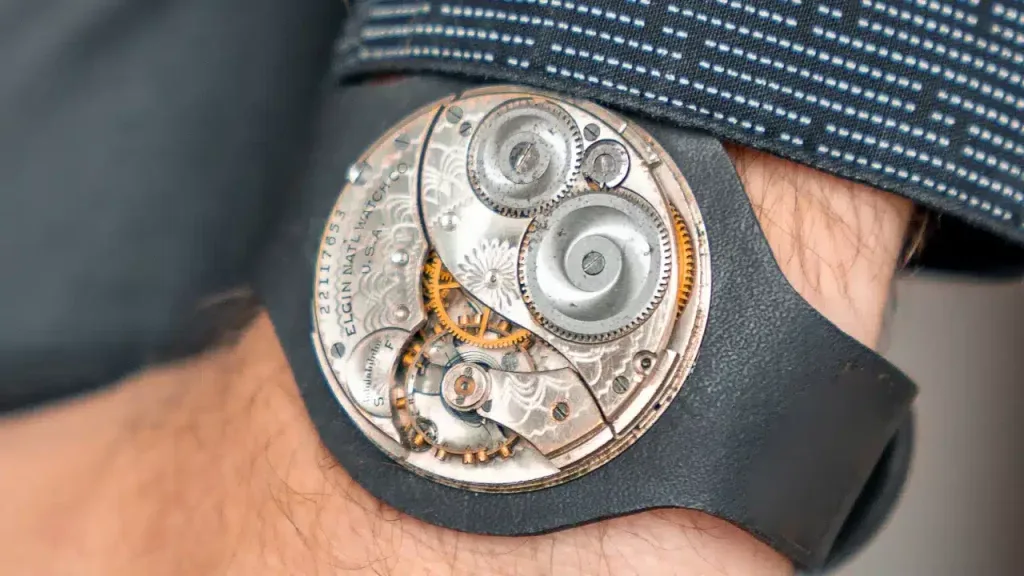
Drawing the line is difficult, but serially produced watches, even in small quantities, are at best design objects, not art. Watches can be artisanal, i.e., made by hand or in small scales using traditional methods, but that does not make them art. If a watch is not an expression of personal quest, exploration, or struggle, it cannot be considered art. Especially if produced by a faceless commercial organization. Neither miniature copies of Renaissance masterpieces nor straw inlays depicting a tiger, nor a triple tourbillon with a Westminster chime will change that. I'm not saying artists don't sell their work - they do. But if they create from within, not just for the public, there's nothing wrong with that. Everyone needs to make a living, right?
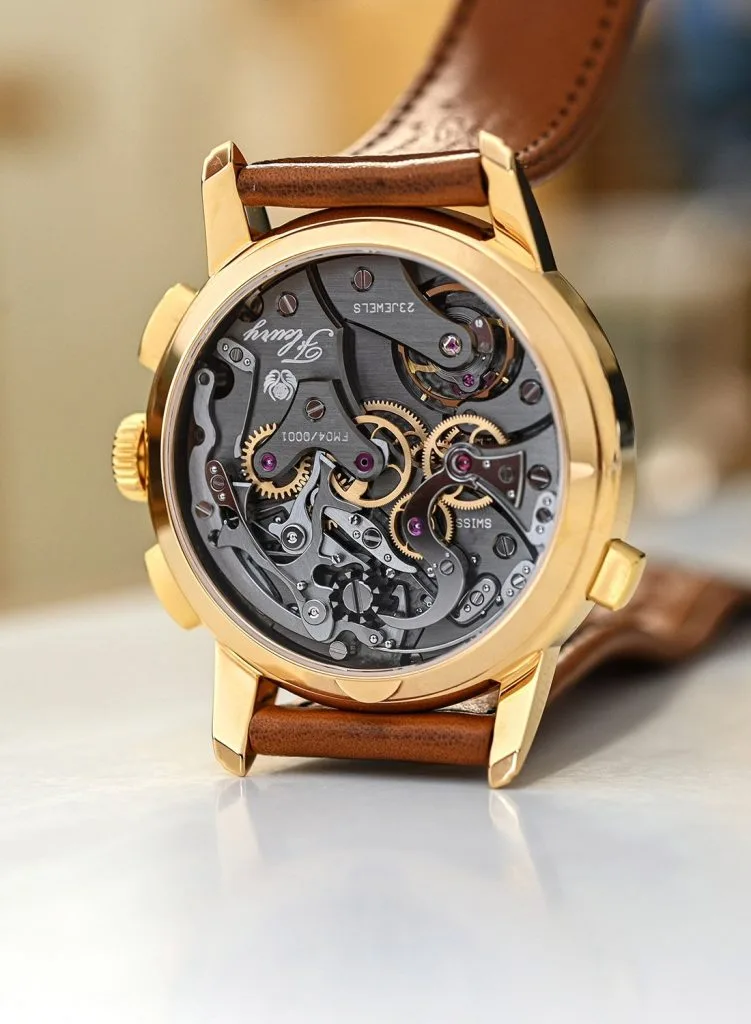
In the end, it all comes down to the creator. Are the watches the result of a personal quest? Are they part of a series reflecting personal explorations? Do the watches carry the unmistakable signature of a master? In other words: it's clearly a Journe and only a Journe. If so, the watch can be considered art. And, as in art, the value of such watches depends on how people perceive them. As in art, the connection between the value of materials and the outcome may be absent. Value is a subjective combination of various factors. Emotional appeal, cultural significance, and market economy are important. Additionally, the reputation of the watchmaker, historical context, and craftsmanship influence the price. Finally, previous auction sales shape the value.
When Do Watches Become Art? An Answer Needed
It's time to give a definitive answer to when watches become art. Horology is often called the Twelfth Art because it lies at the intersection of engineering and artistic creativity, where mechanical ingenuity combines with hand finishing. If art is uniqueness, design, expression, and perception, then some watches can be considered art. Exceptional craftsmanship is a pleasant bonus.
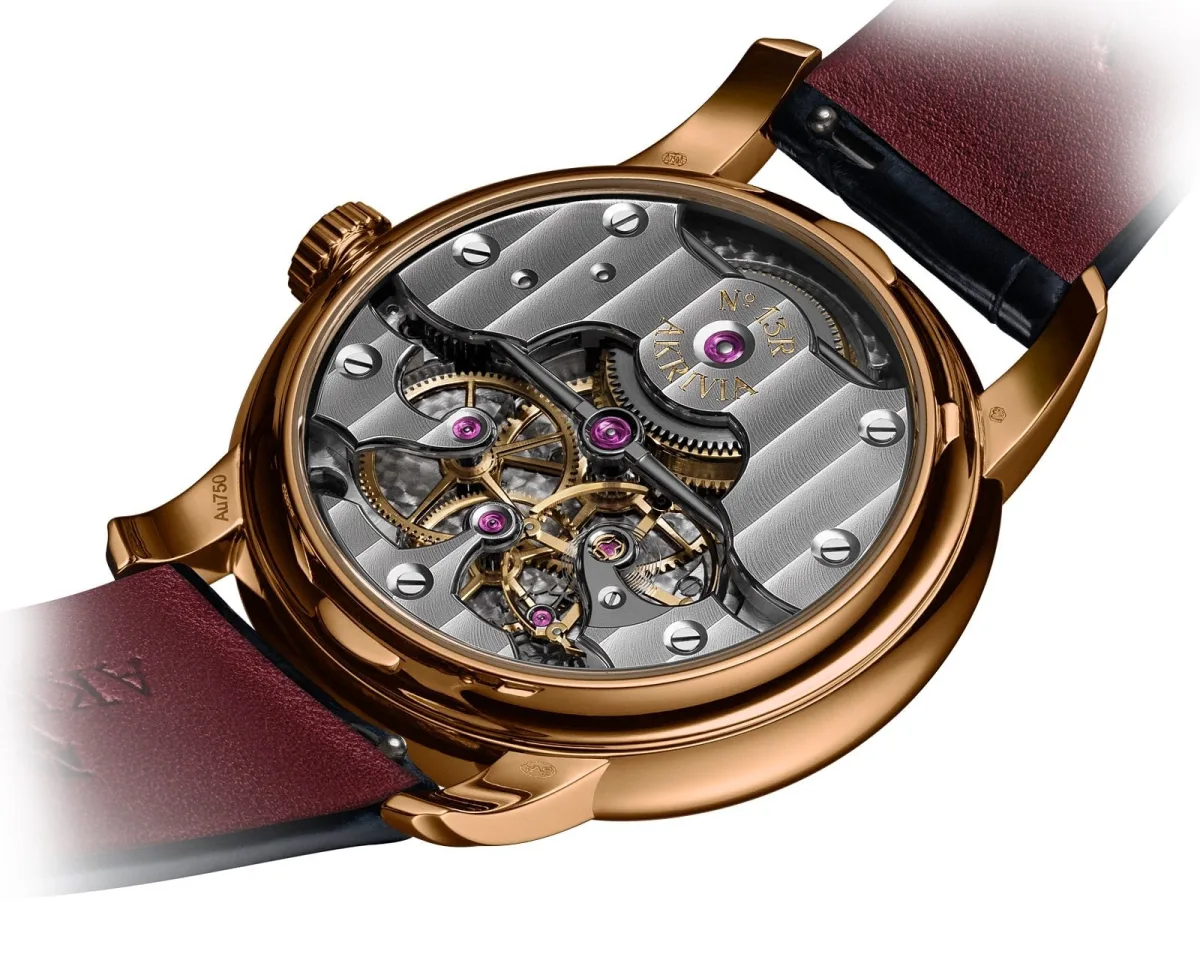
Like works of fine art, watches can be produced in limited editions, but the reasons for such rarity matter. A painting is unique by definition, and limited editions of prints are accepted because the printing process imposes technical limitations. With watches, it's different. Watches limited by technical complexity and painstaking craftsmanship seem more authentic than those whose rarity is merely a marketing decision. Limitation due to necessity makes much more sense than artificially created scarcity.
My subjective conclusion is this: watches can be considered art if they are first and foremost personal. Watches are art if they reflect the vision, perspective, and design of a specific master.
Example of Art
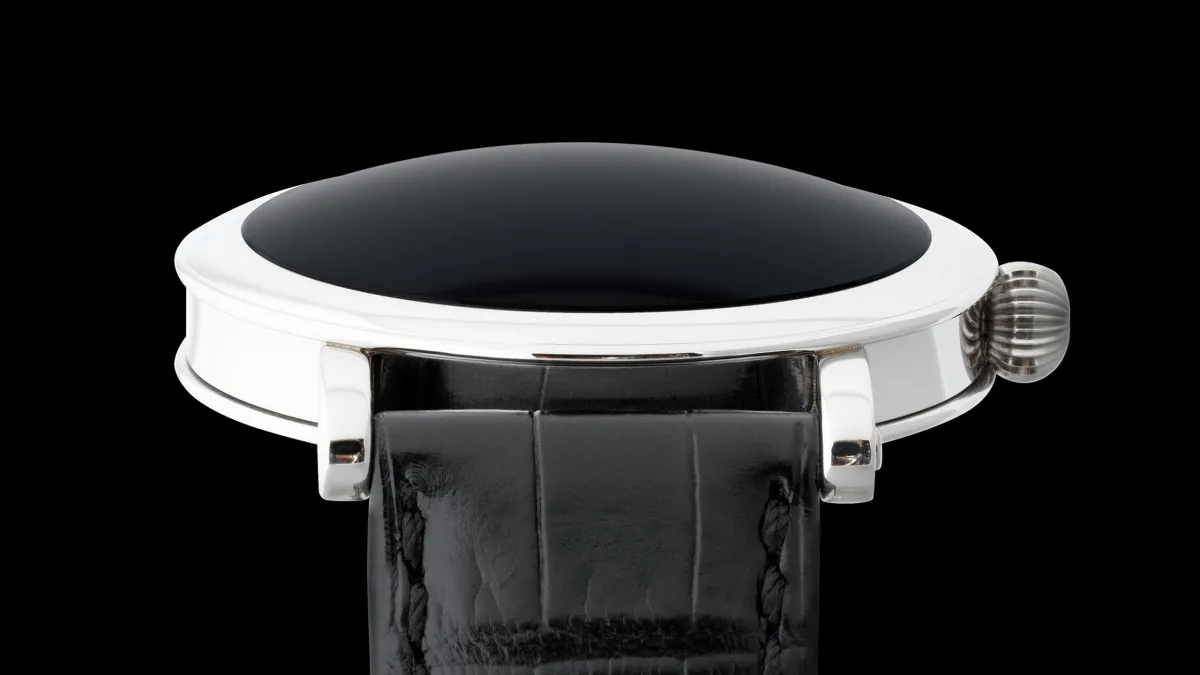
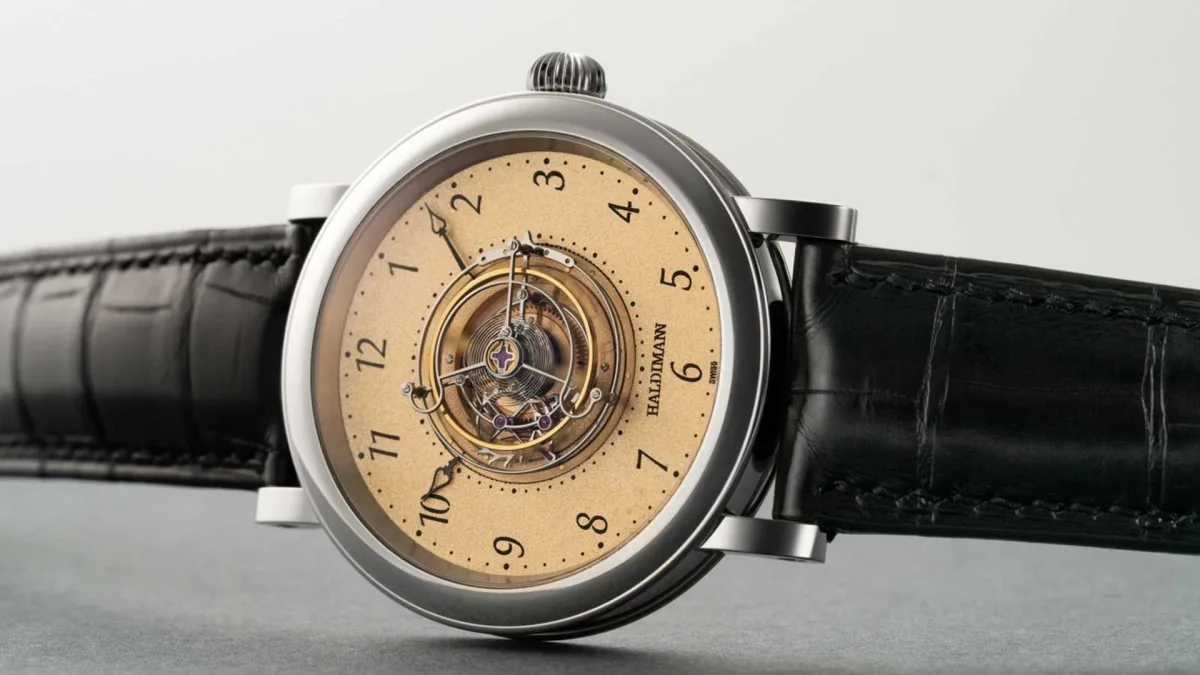
A good example is the Haldimann H9 – Reduction (209,000 Swiss francs). Beat Haldimann created a watch in the Swiss town of Thun that meets all the criteria. The H9 is a 39mm platinum watch that poses the question: what if time doesn't need to be seen to be felt? The watch displays hours and minutes, driven by an in-house triple central flying tourbillon, but they are hidden behind opaque glass. Instead of showing time for instant reading, the H9 invites you to imagine it. Thus, the watchmaker shifts the focus from measuring time to contemplation. He transforms the watch from a mechanical tool into a provocative object. This is a work of art, in my opinion.
Do you agree with the statement that a watch is art when it is a personal creation, or do you have a different opinion? Please share your thoughts in the comments.