GMT watches are my favorite type of watch.
There is something undeniably appealing about them: the ability to track time across multiple time zones simultaneously. When traveling, they help you keep track of time at home, and when at home, they remind you of the wonderful adventures on the road.
However, not all GMT watches are the same in design and functionality. Terms like "traveller" or "caller" GMT, as well as "true" or "flyer" versus "office" are often heard. For newcomers to the watch world, these concepts might be confusing without understanding the principles of different GMT models. In this article, we will delve into how various GMT watches work to help you choose the right option. Note: the explanation applies to both quartz and automatic GMT watches.
History of GMT Watches
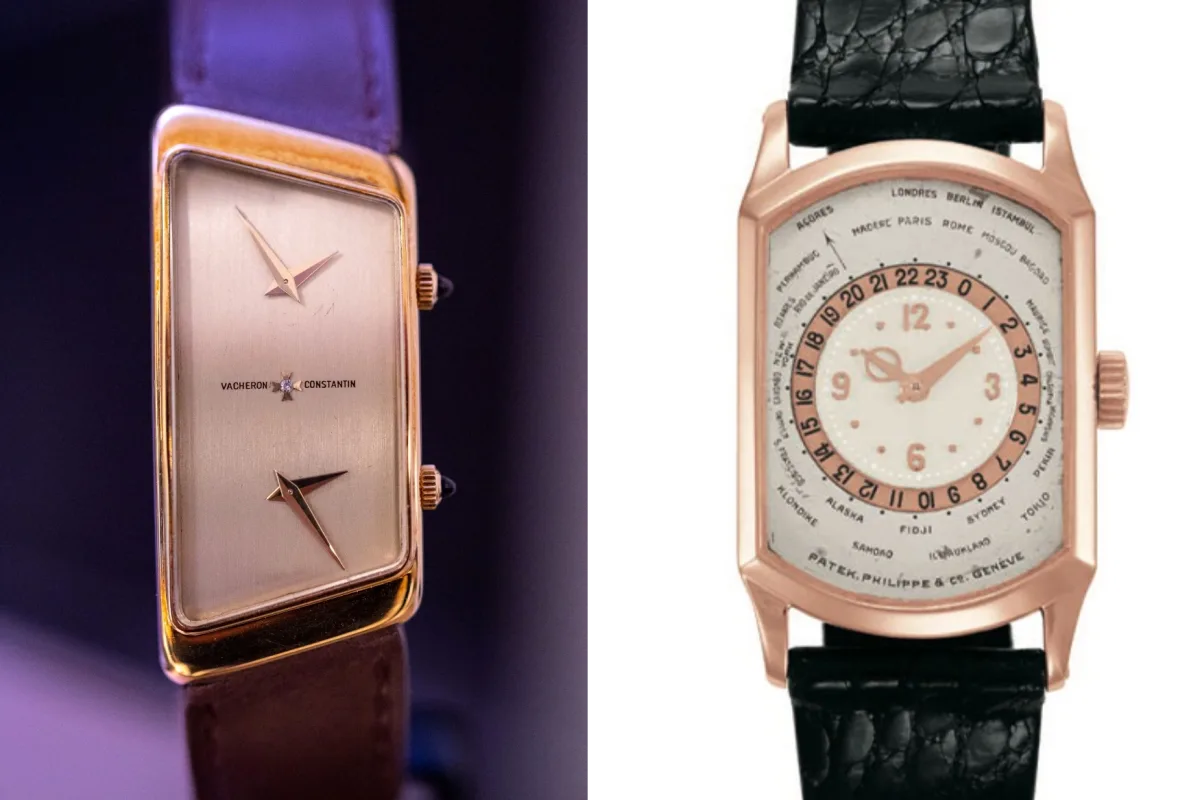
Before going into details, it's worth briefly highlighting the history of this watch feature. Dual-time watches have existed since the 19th century (in the form of pocket watches), when the industrial revolution, colonization, and globalization made it important to conveniently track time in two different places in the world. Early dual-time models achieved this by installing two separate movements in one case, each of which could be set to its own time - a method still sometimes used today.
Another complex watch mechanism that addresses the challenge of tracking time worldwide is the world timer. The first such watches appeared in 1931: the Patek Philippe ref. 515 Heure Universelle with a movement developed by Louis Cottier (whose father, Emmanuel, proposed the concept of the world timer in 1885 at the request of Canadian railways). World timers are similar to GMT but are not synonymous with them.
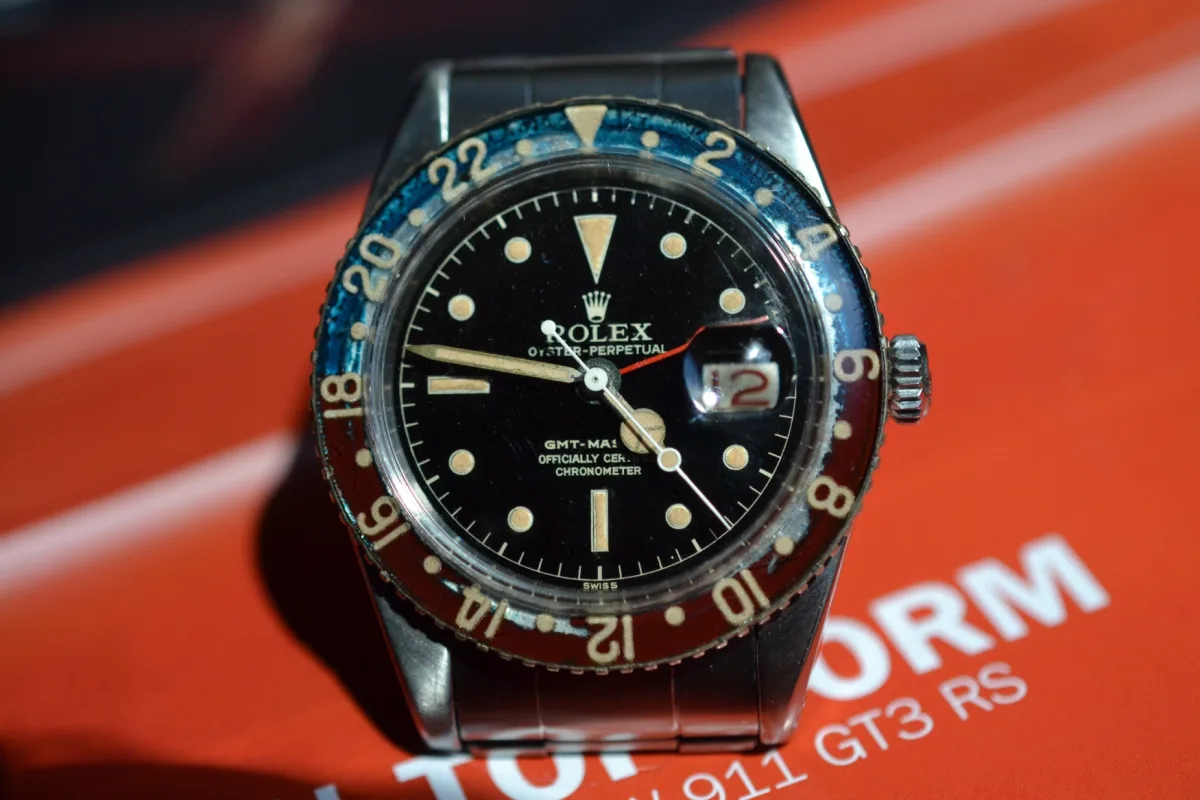
The term "GMT watch" and the modern format of dual-time watches became widespread thanks to the Rolex GMT-Master. This model was created at the request of Pan Am airlines in 1954 for pilots who constantly traveled between time zones. They needed a watch that showed home time (or reference UTC/GMT time), with the ability to easily switch to local time without disrupting the display of home time.
Caller/Office GMT

To describe the functionality of the watches, it's best to start from their usage scenario. Caller or office GMT is suitable for businessmen working with partners in other countries, or for example, for an Australian journalist who regularly calls colleagues in the UK and the USA. He doesn't travel constantly but needs to know the time in other time zones. This is a typical case for caller GMT.
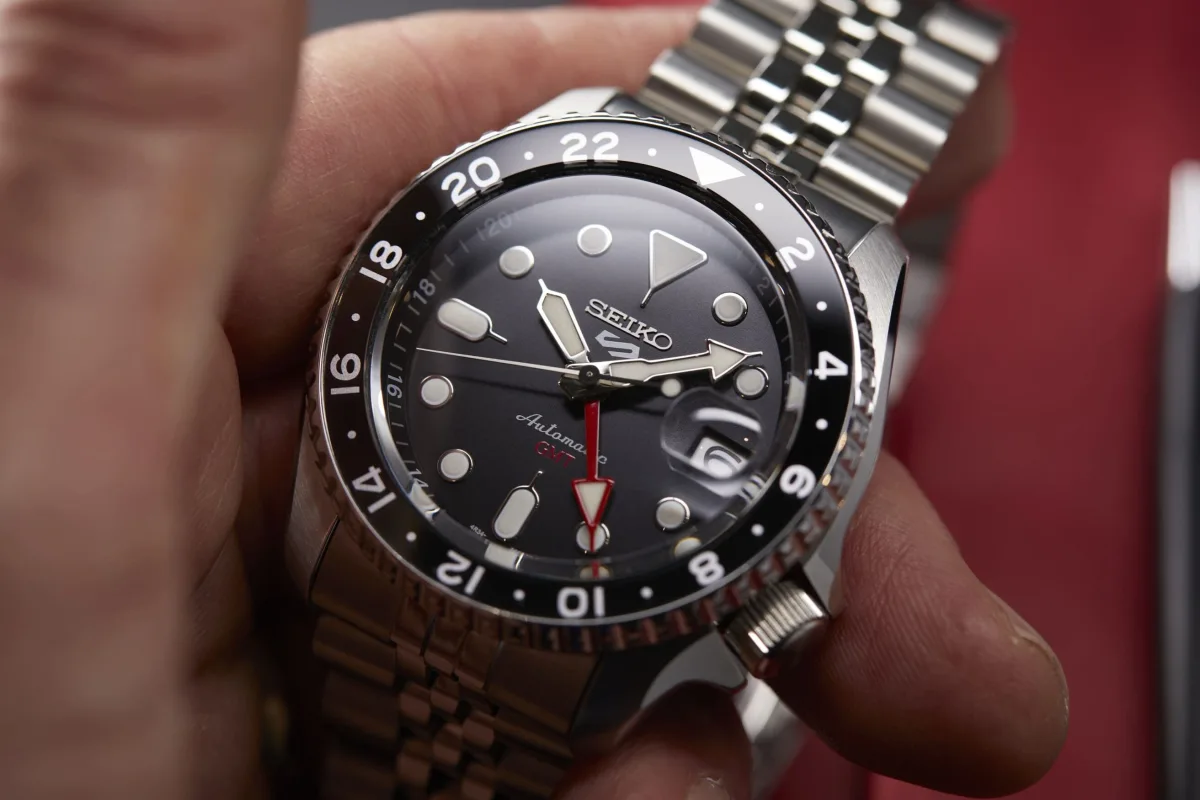
Technically, caller GMT watches have a 24-hour hand that can be set independently of the main hands. For example, in the Seiko 5 SKX Sports Style GMT, when the crown is pulled out to the first position, turning it clockwise sets the GMT hand on the 24-hour scale. When moved to the second position, the main hour and minute hands are adjusted, while the 24-hour hand follows them.
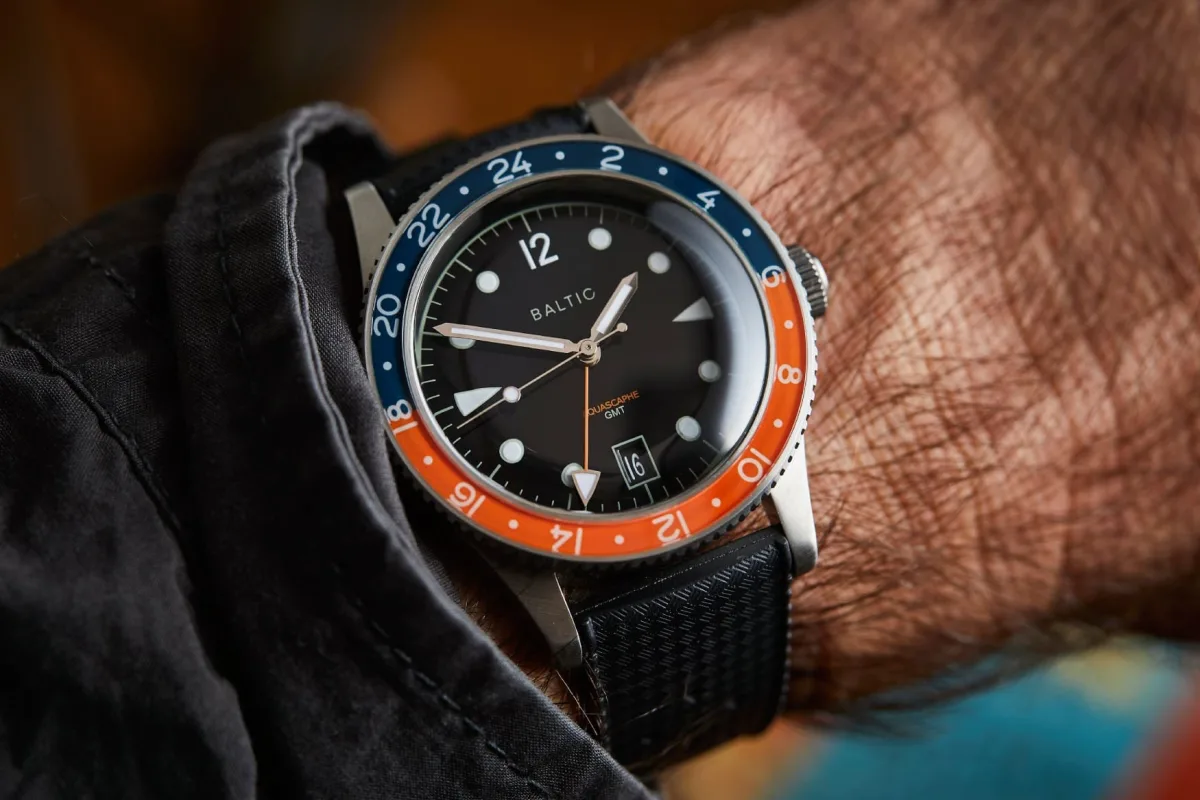
For an office worker, such functionality is ideal: only one additional time zone is important, and the main time changes rarely (except for daylight saving time or when the watch needs winding). For example, if the boss is in London, the 24-hour hand can be set to a time 9 hours behind the main time, to quickly navigate both zones.
True/Traveller/Flyer GMT

If caller GMT reflects office needs, then true or traveller GMT is designed for those who frequently travel across different time zones and require a more complex mechanism. Unlike caller GMT, in traveller GMT, the hour hand is independent, not the 24-hour hand.
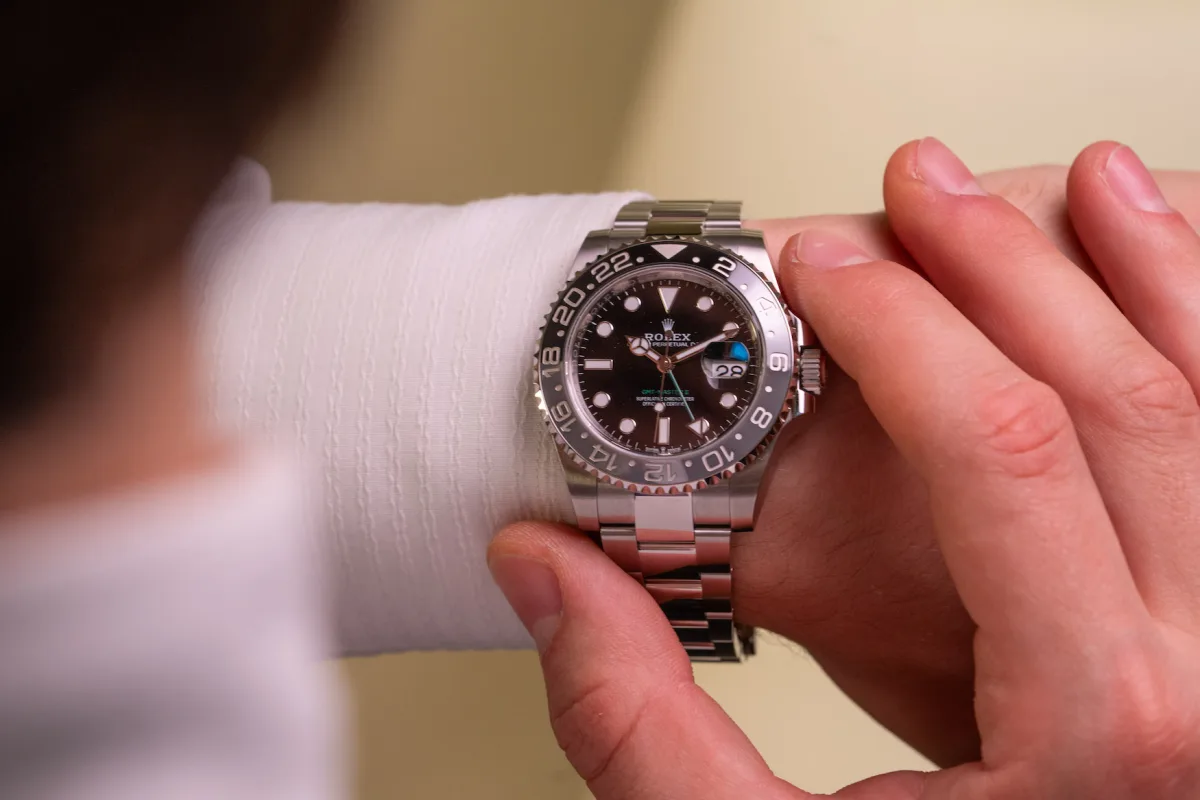
The advantage of true GMT is that local time can be quickly changed by moving only the hour hand, without affecting home time and the minute hand. Moreover, the date on such watches can be adjusted in both directions, unlike caller GMT, where the date changes in only one direction. This is significantly more convenient for frequent travelers.
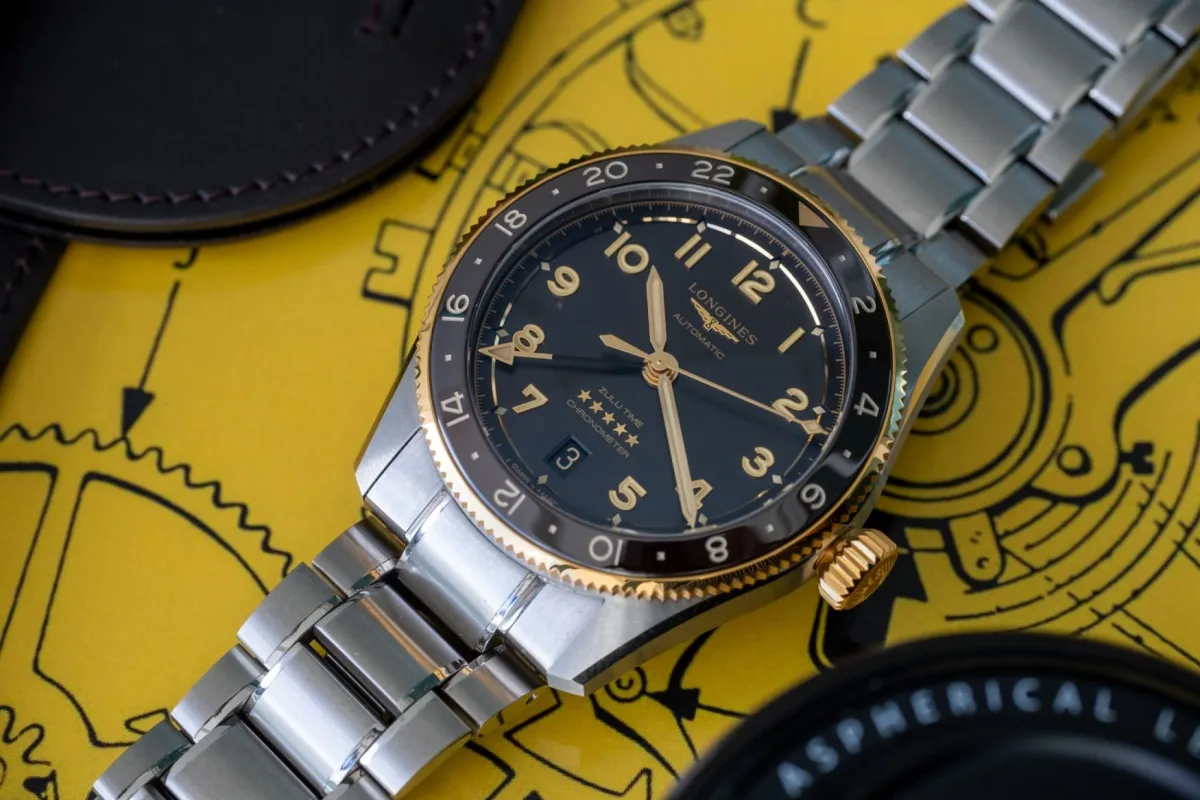
Why is this type called "true"? It's more of a conventional name. In the watch community, it's used because the original GMT function was created for pilots, and true GMT is considered the "real" approach. However, the original Rolex GMT-Master ref. 6542 was not a true GMT; such functionality appeared only with the GMT-Master II ref. 16760 in 1983. Confusing, but that's history.
What to Consider When Choosing GMT Watches?
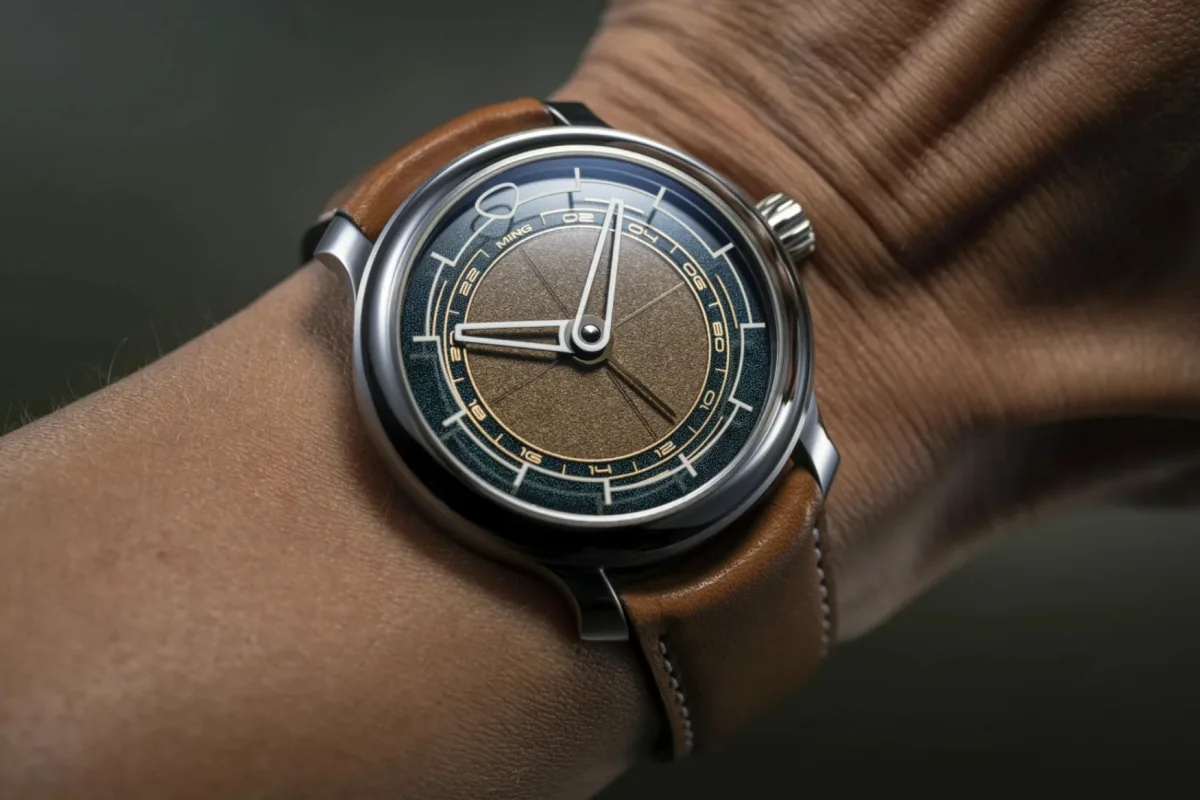
When purchasing a GMT, it's important to consider the functionality you need. If you travel a lot, a true GMT is the optimal choice. If you are mostly in one time zone but want to know the time in another, a caller GMT will suffice. Of course, you can use office GMT while traveling, or traveller GMT while staying at home - it's a matter of getting used to the settings management.
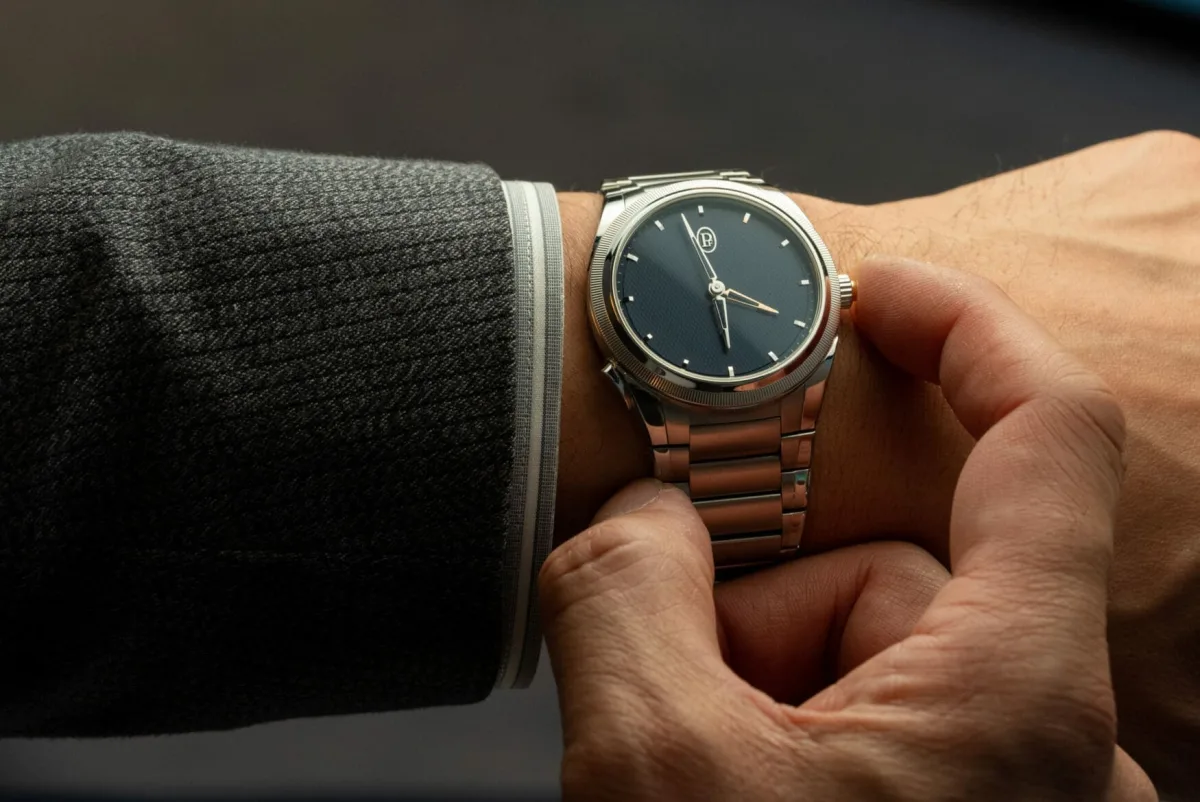
The prices for true GMT used to be higher due to the limited number of manufacturers. Over time, more affordable true GMT models have appeared on the market, and caller GMT is becoming less common. In the premium segment, there are unique interpretations of GMT from Parmigiani Fleurier, Greubel Forsey, and others. Many Casio G-Shock models also support the function of displaying two time zones.
Conclusion
Regardless of which GMT you choose, all of us watch enthusiasts can agree: GMT watches are a stylish and functional accessory, whether you're an avid traveler or an office worker. They make it easy to navigate time and add a special charm to your image.