In just one year, Casio launched its first automatic mechanical watches - the Edifice EFK-100, and then quickly improved them.
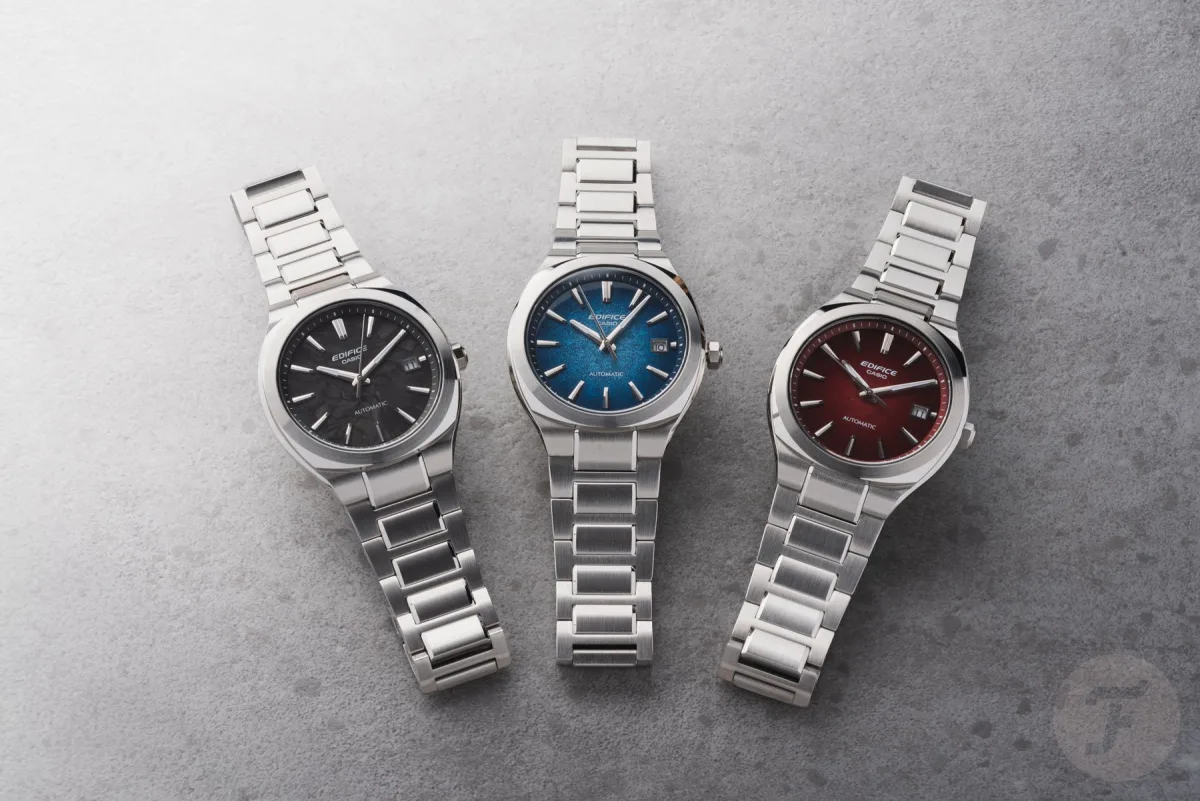
Now, the third generation of Casio Edifice automatic watches is presented - the EFK-200 model. These are sporty-elegant yet affordable watches with an integrated bracelet or strap, available in five versions. Four of them are made entirely of steel, and the fifth is black with a carbon composite and steel case. The latter version is equipped with a black rubber strap and weighs only 81 grams. The EFK line is developing rapidly, which is commendable. But the question arises: is there a point to mechanical Casio watches today? Perhaps the new Casio Edifice Automatic EFK-200 will provide an answer.
The History of Mechanical Casio Edifice
Last year, my colleague at WatchTested admitted that he did not expect the appearance of mechanical Edifice EFK-100, but he was wrong. Ten years before the launch of these watches, I attended a Casio press event in Tokyo, where a company executive announced plans to release mechanical G-Shock. However, this has not happened. The appearance of the first generation of Edifice EFK-100 did not surprise me, but the movement inside did - instead of Casio's own mechanism, a Seiko caliber was used. Mechanical G-Shock watches are still not available, and this is unlikely to happen soon. After EFK-100, the EFK-110 model with a Miyota mechanism quickly followed, and now we see the third generation - Edifice EFK-200.
Review of the Third Generation Casio Edifice Automatic EFK-200
The new EFK-200 is available in five versions:
- EFK-200CD-1A - fully steel watches with a black forged carbon dial (€299).
- EFK-200D-2A - steel watches with a textured blue dial (€299).
- EFK-200D-4A - steel watches with a textured burgundy dial (€299).
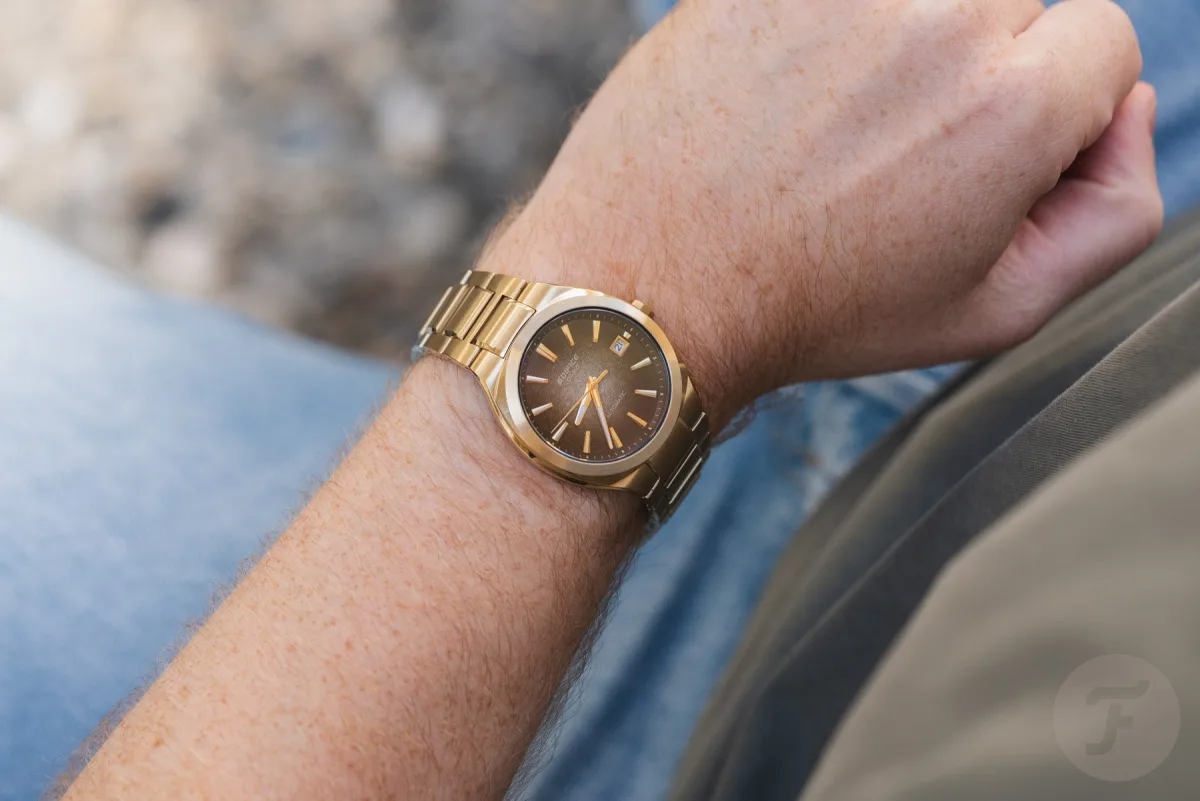
- EFK-200DG-5A - steel watches with gold-brown PVD coating (€369).
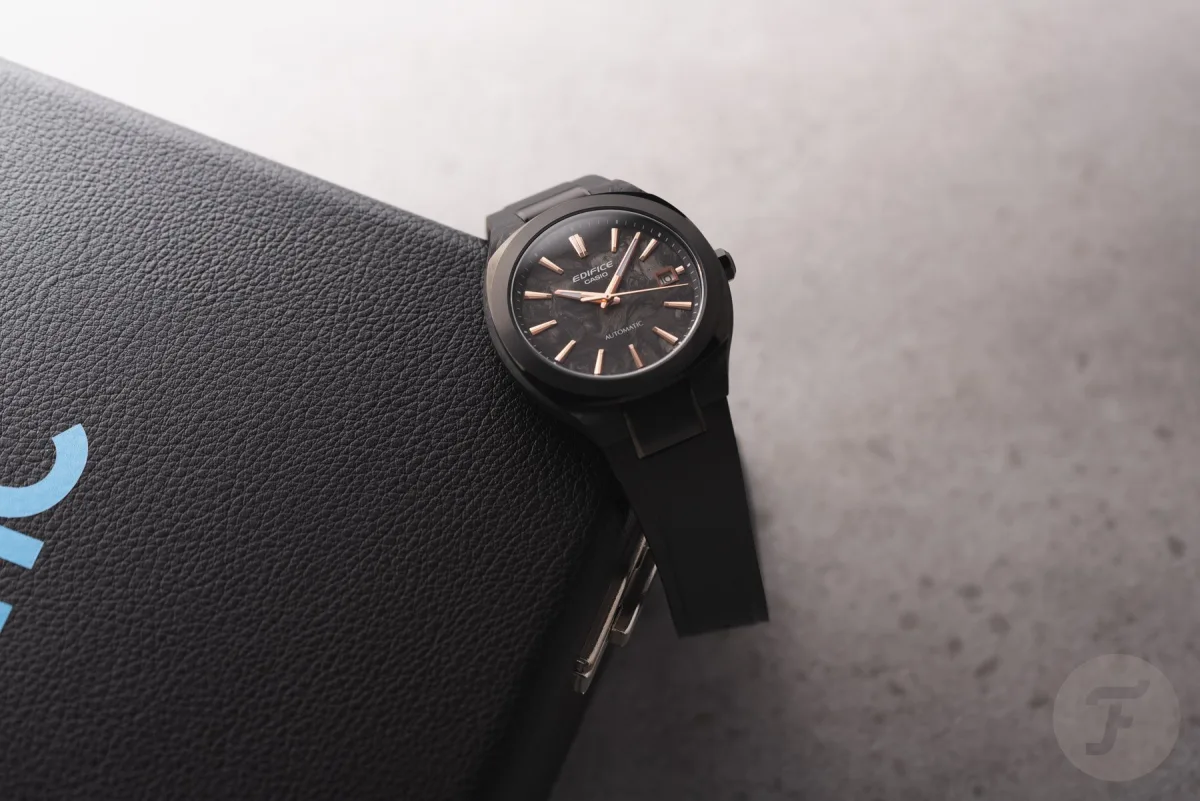
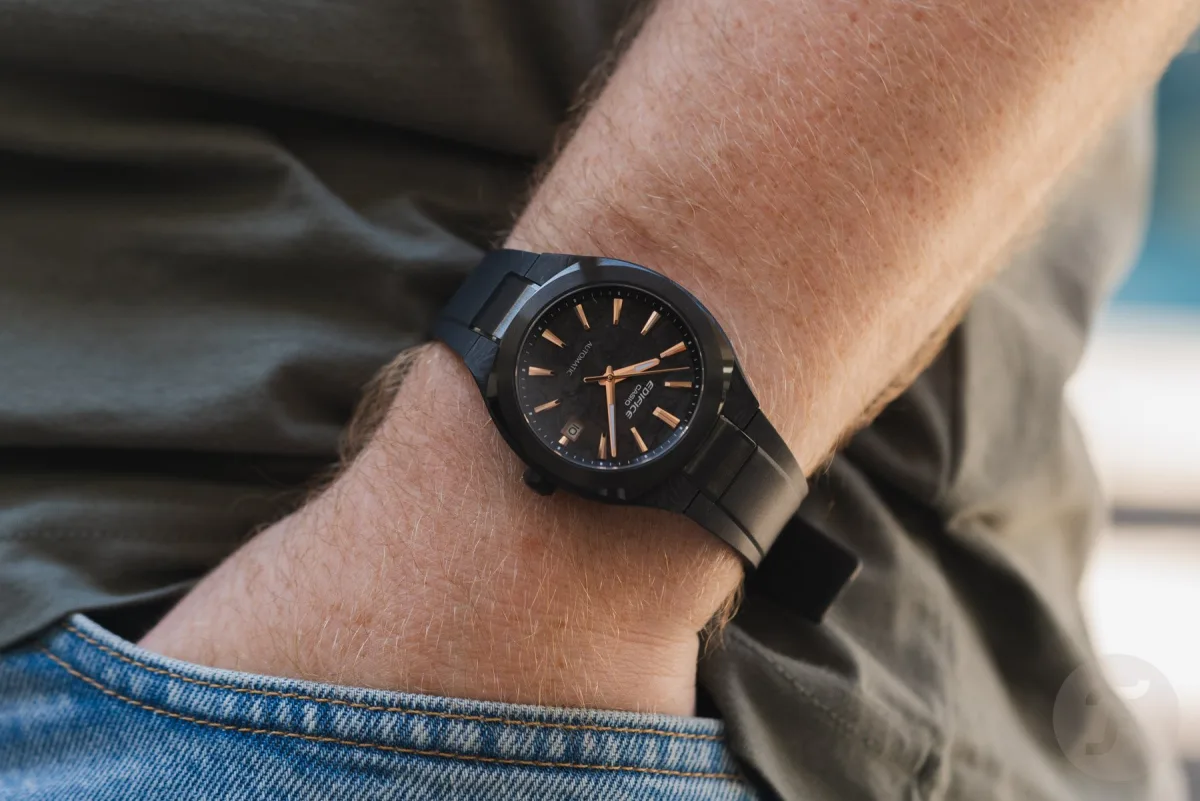
- EFK-200XPB-1A - black watches with a carbon composite and steel case, black rubber strap (€449).
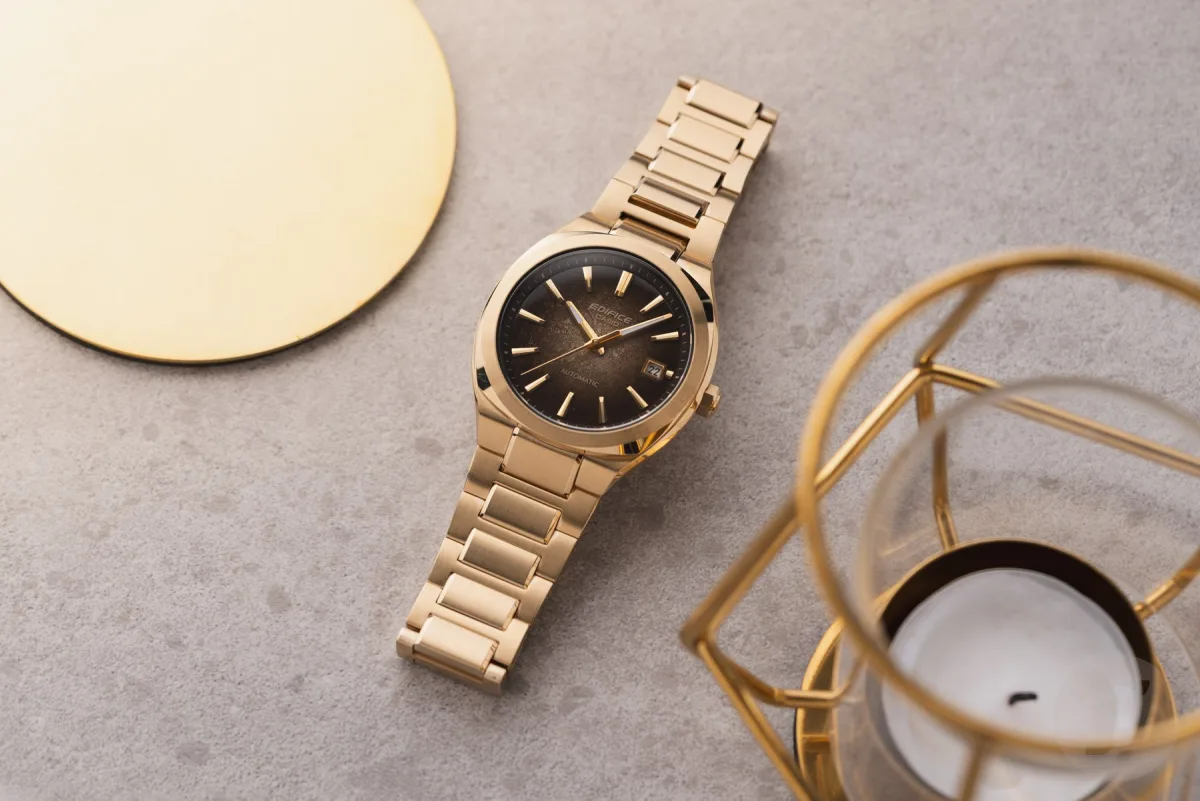
All models feature an integrated bracelet with H-shaped links, except for the version with a rubber strap. The weight of the black model is 81 grams, while the others weigh around 153 grams.
All versions have sapphire glass, a screw-down case back, and water resistance up to 100 meters. The diameter of the steel models is 38 mm, length is 43.6 mm, and thickness is 11.9 mm. The composite model is slightly larger - 38.8 mm in diameter and 43.8 mm in length, with the same thickness.
Evolution of Design and Technical Features
Usually, evolution in watchmaking is slow, but not with Casio. The EFK-100 model was slightly larger - 39 mm in diameter, 43.5 mm in length, and 12.5 mm thick. In 2026, the second generation was released - EFK-110 with dimensions 38 mm × 43 mm × 11.8 mm. The new EFK-200 retains a diameter of 38 mm but has become slightly longer and thicker (by 0.1 mm). These changes are minimal but affect the proportions and fit of the watch on the wrist.
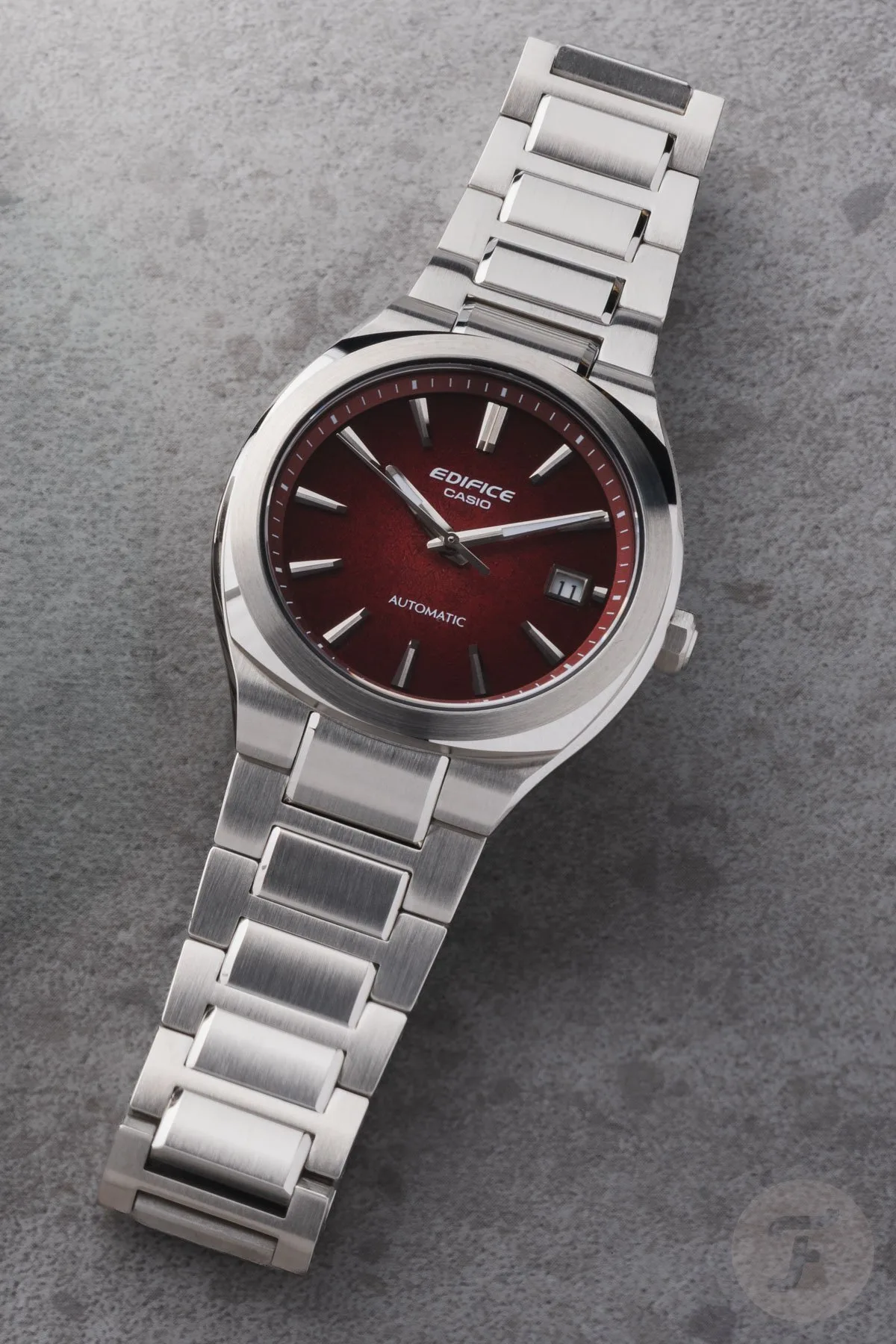
The main improvement is the bracelet with more rounded links, which now integrates better with the case, creating a more harmonious and refined appearance. The central links have mirror polishing, adding elegance to the watch.
Inside the case is the Miyota 8215 movement, which first appeared in the EFK-110 series, replacing the Seiko NH35 from the EFK-100. This caliber has a frequency of 21,600 vibrations per hour, a power reserve of 41 hours, manual winding capability, and a hacking feature. The date window has shifted from 6 to 3 o'clock, visually confirming the change in movement. The movement is visible through a transparent case back. Average accuracy is from -20 to +40 seconds per day.
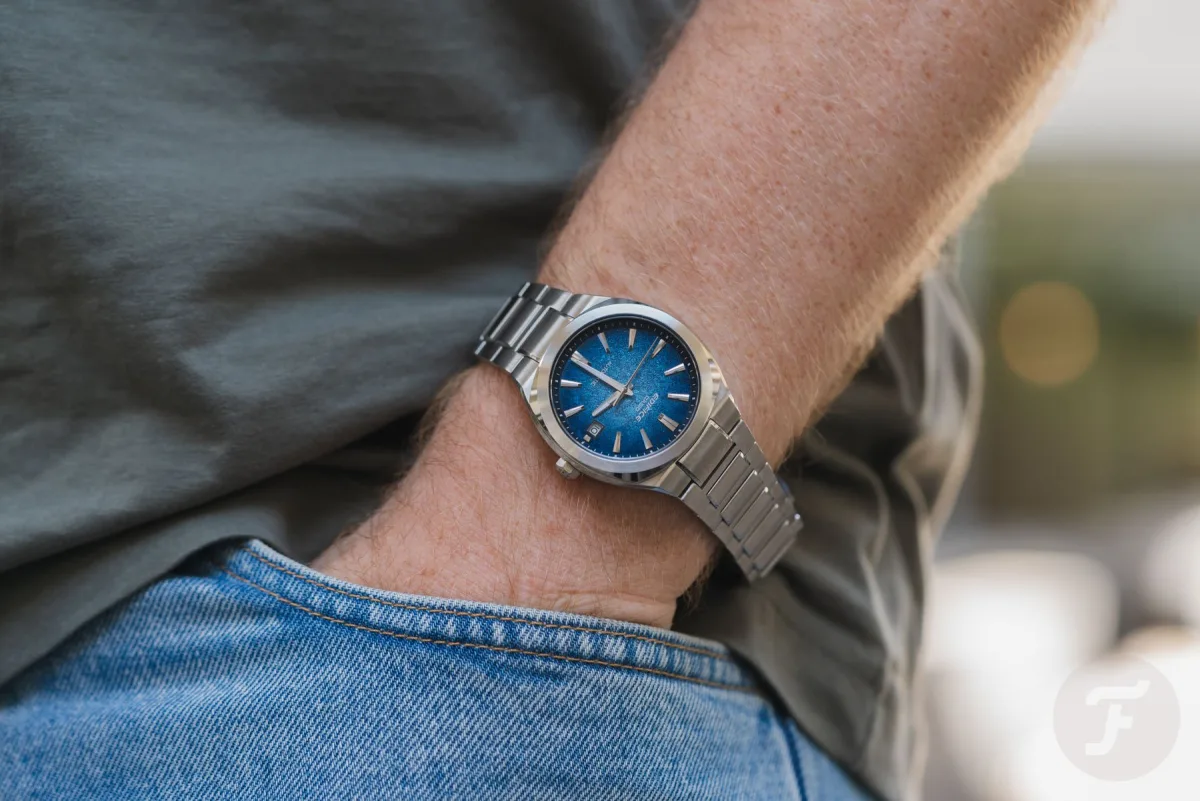
Wearing Features of Different EFK-200 Versions
The transition from EFK-100 to EFK-110 was primarily noticeable due to the reduced case sizes. The EFK-110 was perceived as more "retro". The new EFK-200 differs mainly in finishing details and design - the watches look neater and slightly rounded. The case and bracelet now blend better together, and the bracelet has become less angular, improving the overall appearance.
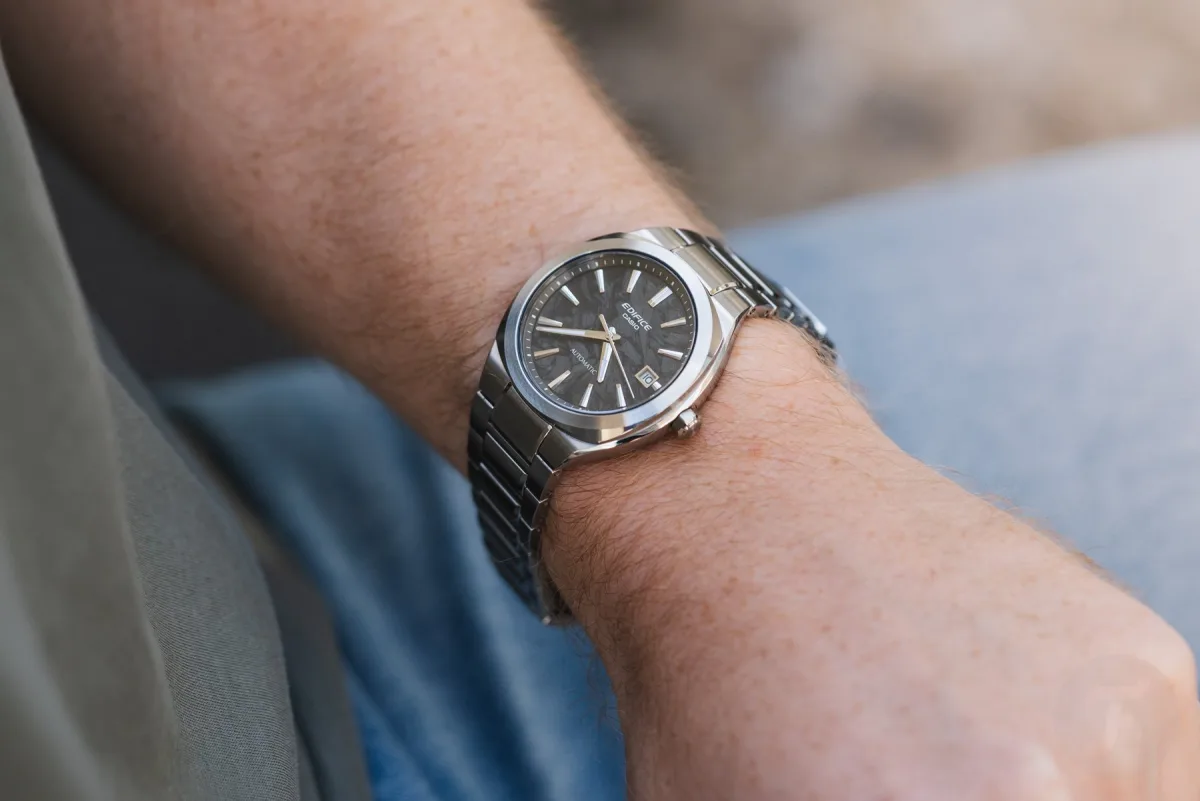
The price has also increased: the steel version of the EFK-110 with a black forged carbon dial costs €279, while the similar EFK-200 is €299. This is a reasonable investment considering the more mature and refined design. The choice between models depends on preferences: if you like a bolder style - EFK-110, if a softer and integrated look - EFK-200.
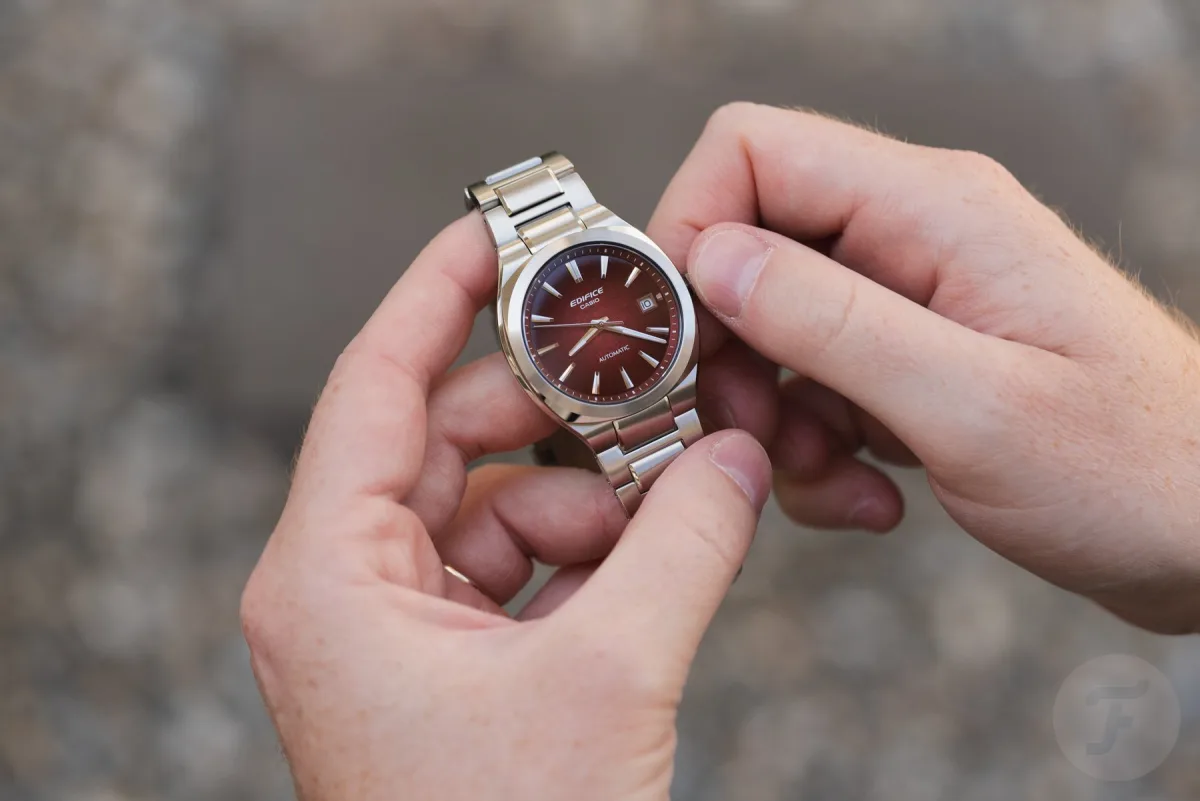
Which Model to Choose?
Four out of five new EFK-200 models are developments of previous series. The gold-brown version EFK-200DG-5A is new, costs €369, and tries to look more expensive than its price. It indeed attracts attention, but among experienced collectors, it seems less convincing. The other models look more authentic.
Personally, I like the steel version EFK-200CD-1A with a black forged carbon dial. Its design aligns with my perception of Casio, while the colored dials look more traditional and are associated with classic brands. This makes them appealing for those looking for mechanical watches with a serious look at a reasonable price.
The most expensive and sporty is the black EFK-200XPB-1A with a carbon composite and steel case, forged carbon dial, and black rubber strap (€449). Rose gold accents add elegance and prevent it from looking too sporty. It's a modern Edifice with a good balance between style and functionality.
Conclusion: Is There a Point in Mechanical Casio Watches?
The EFK-200 series continues Casio's tradition of offering mechanical watches with attractive design and reasonable pricing. Despite rapid growth and development, the brand maintains a balance between sporty style and elegance. Mechanical Casio watches become an interesting option for entering the world of mechanical timepieces.
What do you think of the new EFK-200 series? Which model would you choose? Please share your opinion in the comments.