
Production results, GPHG, Red Dot Design Awards, COSC chronometer certification, Geneva Seal, Qualité Fleurier, METAS Master Chronometer, Superlative Chronometer, Observatory Certificate, Patek Seal…
The list of external and internal "validations" that luxury watch brands primarily seek to emphasize the legitimacy of their products and manufacturing seems endless. In my opinion, many of them have long lost their essence.
Types of Certifications in Watchmaking: External and Internal
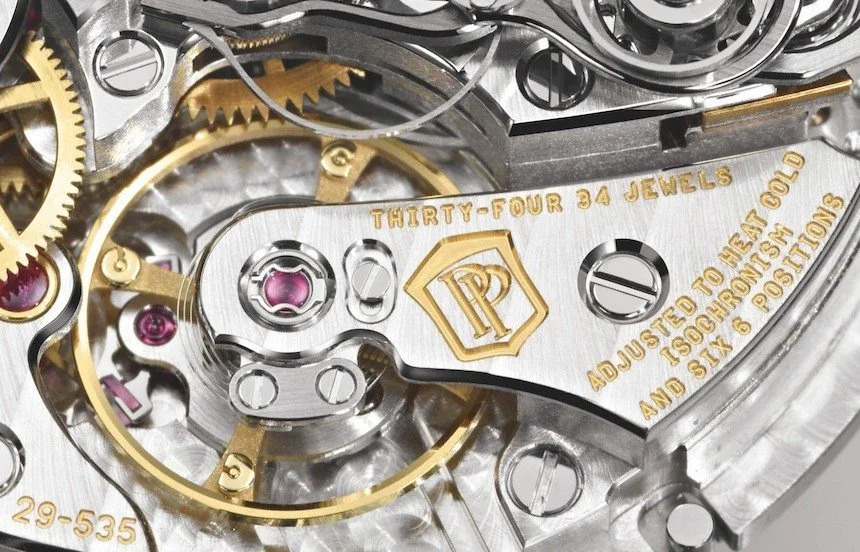
There are two main categories of certifications: external and internal. The first relies on a more or less independent third party that either issues a certificate confirming the accuracy and/or aesthetic qualities of the watches or highlights a model in a competition or auction. Internal ones are validation processes built into the brand's structure, also focusing on technical specifications and sometimes on product design. Examples of such internal certifications are Superlative Chronometer from Rolex and the much-debated Patek Seal, introduced in 2009.
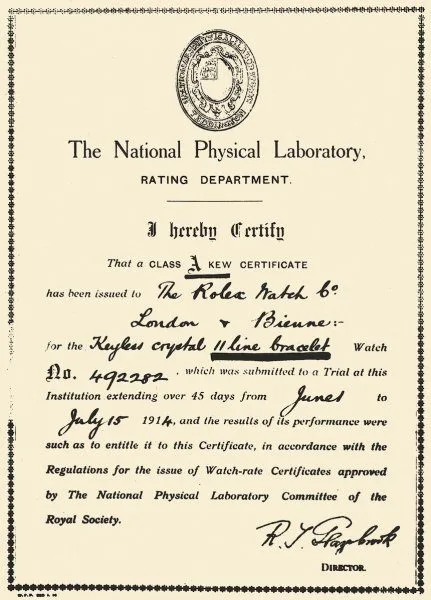
The Importance of Certification for Popularizing Wristwatches
Wristwatches would hardly have become so popular without proper certification confirming the accuracy and reliability of the first mass-produced models for men. In the pursuit of surpassing competitors, many brands (and this is too common) desperately seek new or existing sources of validation, and some organizations are happy to provide them - often for a significant fee.
I still remember the disappointment when I saw beautiful pocket watches in Breguet's archives, which I had previously seen at an auction for hundreds of thousands of dollars. At the time, I didn't know the buyer, but I realized that the high price was not due to market demand but solely because of the brand name on the dial. This was a sad revelation at the start of my watchmaking career. Moreover, many luxury brands secretly buy back their watches at auctions, artificially inflating their value and appraisal. Therefore, I don't want to single out Breguet specifically.

Problems with GPHG Awards and Their Impact on the Industry
We have repeatedly criticized the GPHG (Grand Prix d’Horlogerie de Genève). Why? The main reason is that it is a pay-to-participate competition that aims to turn the process into a kind of school sports day where sooner or later everyone becomes a winner. When one brand (for example, Audemars Piguet) displays 7-10 models, it seriously distorts the competition conditions. Equally strange are the repeated victories of brands like Habring, which then release a limited series in collaboration with one of the GPHG judges.
In other words, it is a kind of mutual benefit circle.
Implementation of METAS Master Chronometer: A Step Towards Objectivity
It's especially frustrating that there is genuine enthusiasm and pride among brand leaders when receiving awards in the industry. They invest a lot of effort into their watches, and winning a fair competition is a deserved reward. However, I am convinced that victories should occur in more open, non-paid competitions with equal conditions for all participants. Unfortunately, that remains just a dream.
This brings us to the main topic: the murky situation with the validation of luxury watches.
I am sure that no more than 30% of owners of watches with the Geneva Seal actually know the details of this certification. Many do not realize that watches with this mark do not undergo individual testing, and the selection of models for testing is random. This is not necessarily bad, but the fact that it is little known speaks to the complexity of tracking all existing certificates.
German Certifications: Niche but Quality
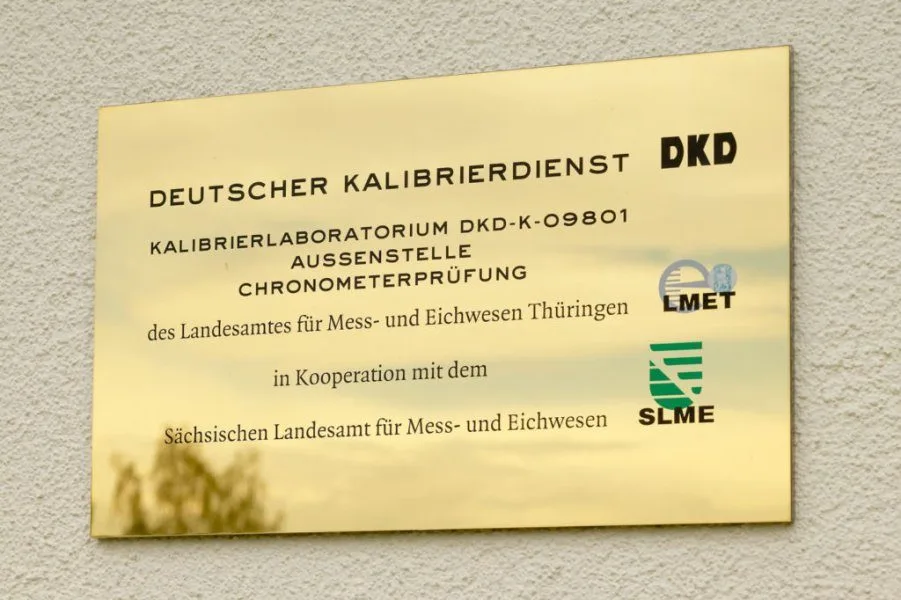
There are also rarer but interesting certifications, especially in Germany. Glashütte Original, for example, has received several for its watches and movements. This is impressive but unlikely to change the industry as a whole.
Chronometers and Incomplete Understanding of Certification Procedures
Few people know what makes a watch a chronometer, what tests the mechanisms undergo, and that these checks only concern calibers, not already assembled and packaged watches. Much can happen between the certification of the mechanism and the assembly of the watch.
The Reality of Certifications: Outdated Practices and Cost Optimization
Diving into the details of Master Chronometer, COSC, Geneva Seal, Superlative Chronometer, and Patek Seal, you discover many strange details, outdated procedures, and excessive cost-cutting. This does not evoke positive emotions but rather confirms that the industry needs updating.

Red Dot Design Award: Loss of Consumer Trust
I stopped taking the Red Dot Design Award seriously a few years ago when I saw many tasteless products with this logo - from coffee machines to computer mice. For me as a consumer, this award ceased to be a mark of quality and became a red flag, deterring me from purchasing.
COSC: Loss of Significance and Communication Problems
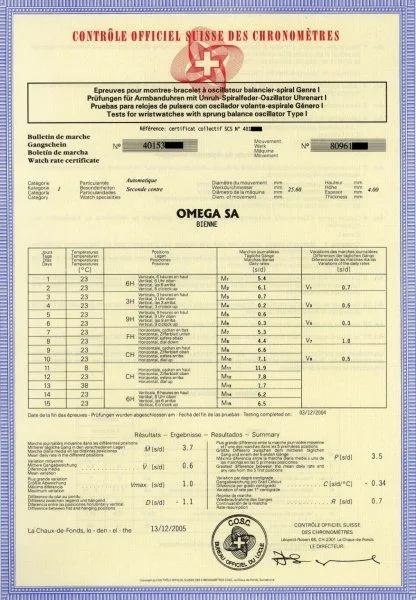
The COSC certification does not evoke such aversion in me, but it has clearly lost its relevance. The standards have not changed for too long, and the organization poorly communicates its benefits to customers. According to COSC, only 39% of exported mechanical watches have their certificate, more than half of which are Rolex.
Chaos in the Luxury Watch Certification Sphere
Everywhere you look, there is chaos with certifications in the luxury segment. Watches are becoming more expensive, accompanied by loud statements, but finding objective quality confirmation that can be trusted is extremely difficult. The closest to the ideal is the METAS Master Chronometer, first implemented by Omega. It checks power reserve, automatic winding efficiency, watch operation before and after exposure to strong magnetic fields, and other parameters.
Although METAS does not certify individual watches but controls the quality process through random sampling, it is a Swiss government organization with transparent procedures, unlike Rolex or Patek, which say: "We know better, trust us".
Patek Seal: Is It Worth Trusting?
A little about the marketing power of certifications. Personally, I am more attracted to watches created for a specific task, person, or event. Such models have history, context, and character. For example, Omega with the Moonwatch excellently used this approach: despite modern watches differing in mechanism, case, and bracelet, buyers believe they are suitable for use on the Moon. The story is so strong that sales remain high for decades.
It's interesting how many of the new owners actually know or care about the certification of modern Moonwatch? Surely it is a minority.
Conclusion: Development Prospects and Industry Challenges
How do you feel about this complex situation? Share your opinion in the comments. Not everything is bad in the industry, but it relies too much on dubious elements like awards and auctions, while insufficiently modernizing certification standards and striving to meet stricter requirements such as Master Chronometer.
I believe the Swiss watch industry has great potential for improving and updating approaches to validating quality and accuracy.