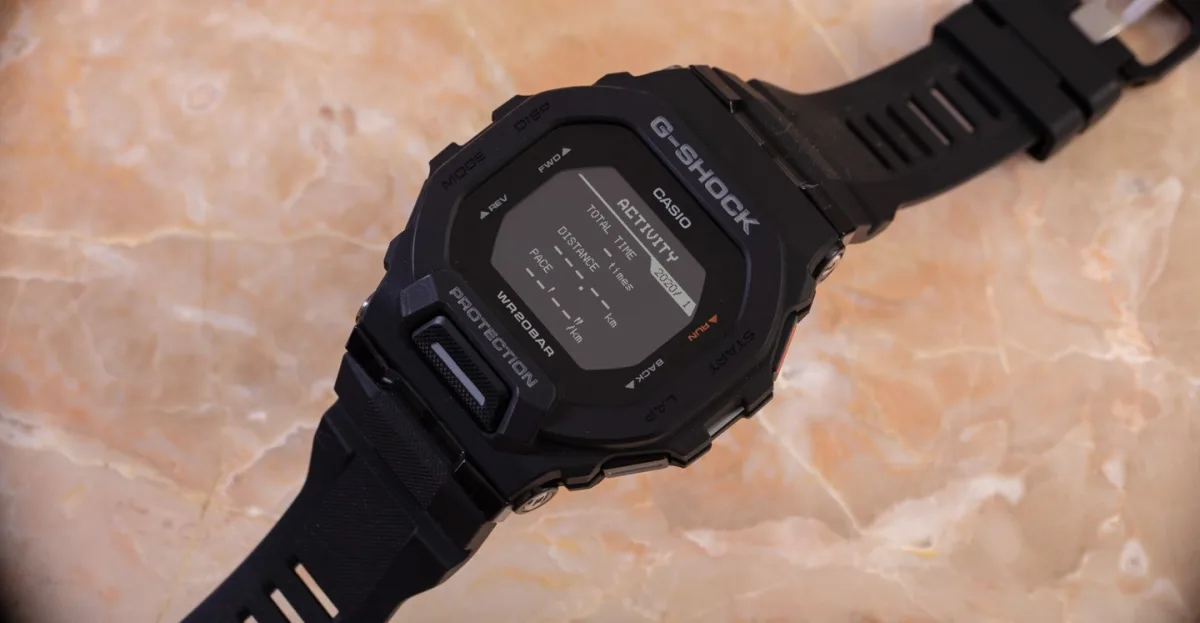
"G-Shock MOVE" is the name of a sub-collection of Casio G-Shock watches featuring fitness tracking or monitoring functions. The G-Shock MOVE family naturally evolved from the fact that G-Shock is attempting (or has fully immersed itself) in the smartwatch market, tracking activity, as well as from the fact that more and more people are interested in using their G-Shock watches for more than just telling time. Currently, the pinnacle of the G-Shock MOVE collection is the G-Shock GSWH1000 smartwatch, fully meeting G-Shock's durability standards. Next is the hybrid G-Shock GBD-H1000, which uses a high-contrast MiP (Memory in Pixel) display with low power consumption, and also includes a heart rate monitor in addition to Bluetooth. Even more entry-level, but also supporting Bluetooth and with an excellent MIPS screen, is the benchmark GBD200 (GBD200-1), which is new this year and has a very aggressive price of $150 USD.
You might remember the Casio watch that directly preceded the GBD200, the Casio G-Shock G-Lide GBX100. The GBX100 model is technically part of the G-Shock MOVE family but is mainly positioned as a watch for water sports/surfing, given the presence of a special tide indicator. With a similar profile and even lower price, the Casio G-Shock MOVE GBD200 offers the same value but in a slightly more mainstream case, which I think will appeal to many people.
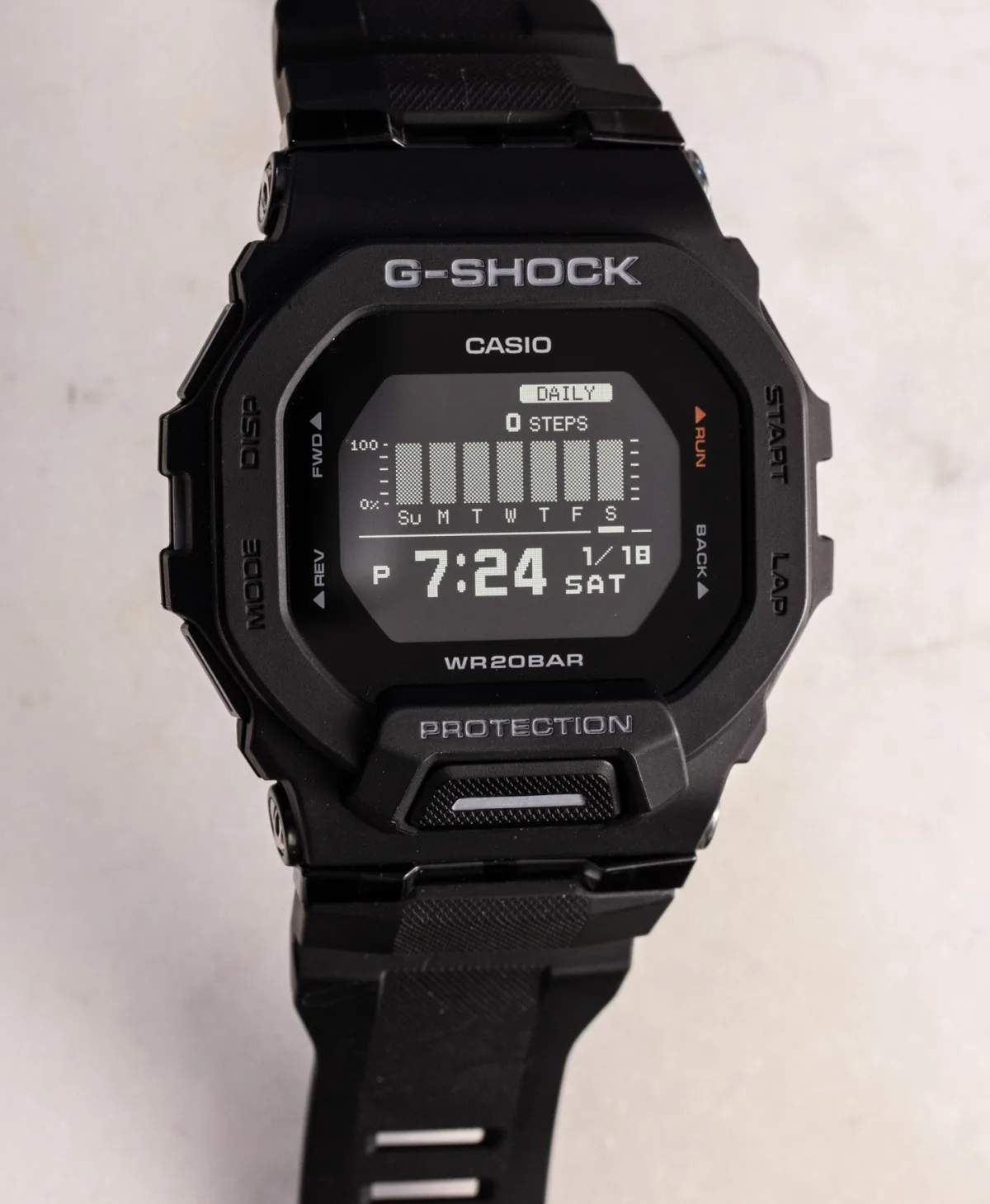
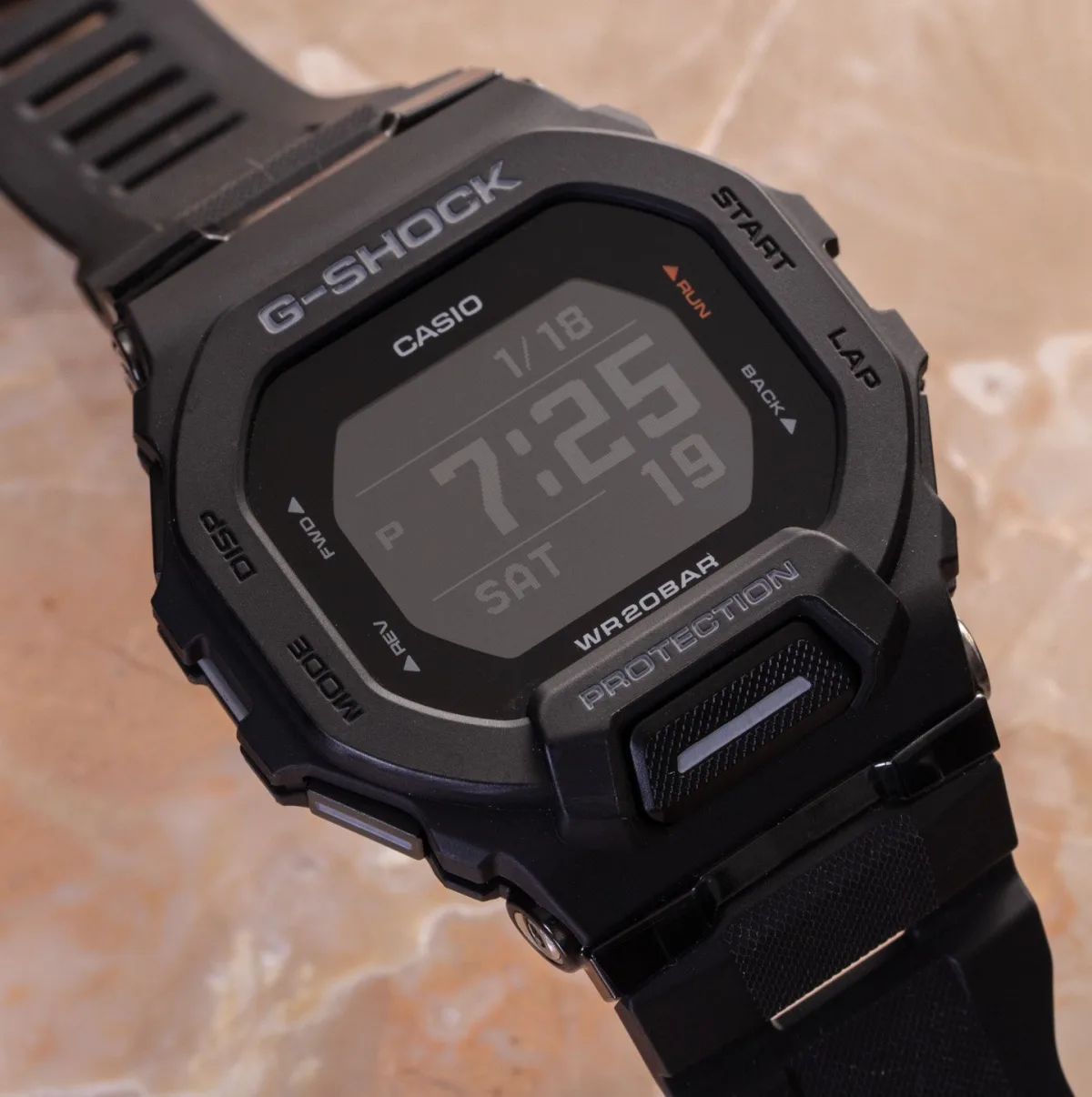
While users of more expensive Casio watches usually have to pick up the manual and learn some new things, in this price category, most G-Shock buyers get products with features they are already familiar with. With the GBD200 model, consumers get another experience of getting acquainted with Casio's new operating system, which pairs with the new screen system and Bluetooth technology. The new system requires some learning and is clearly part of a larger new user interface ecosystem that Casio is currently using.
The new operating system offers many interesting fitness features that become available after pairing the watch with a phone. The watch does not have a large number of internal sensors (except for an accelerometer with a step counter, which is still on the newer side for G-Shock), but they pair with your smartphone and use things like GPS, which your phone can use. GPS combined with other data allows the watch and the corresponding G-Shock smartphone app to track your fitness activity in a way that creates an interesting and satisfying blend between fully independent smartwatches (which require daily charging) and classic G-Shock. One of the new features of the watch's operating system is interval timers. This allows the user to manually set a repeating series of specific time counts, which are a key part of many types of modern workouts - from CrossFit to boxing.
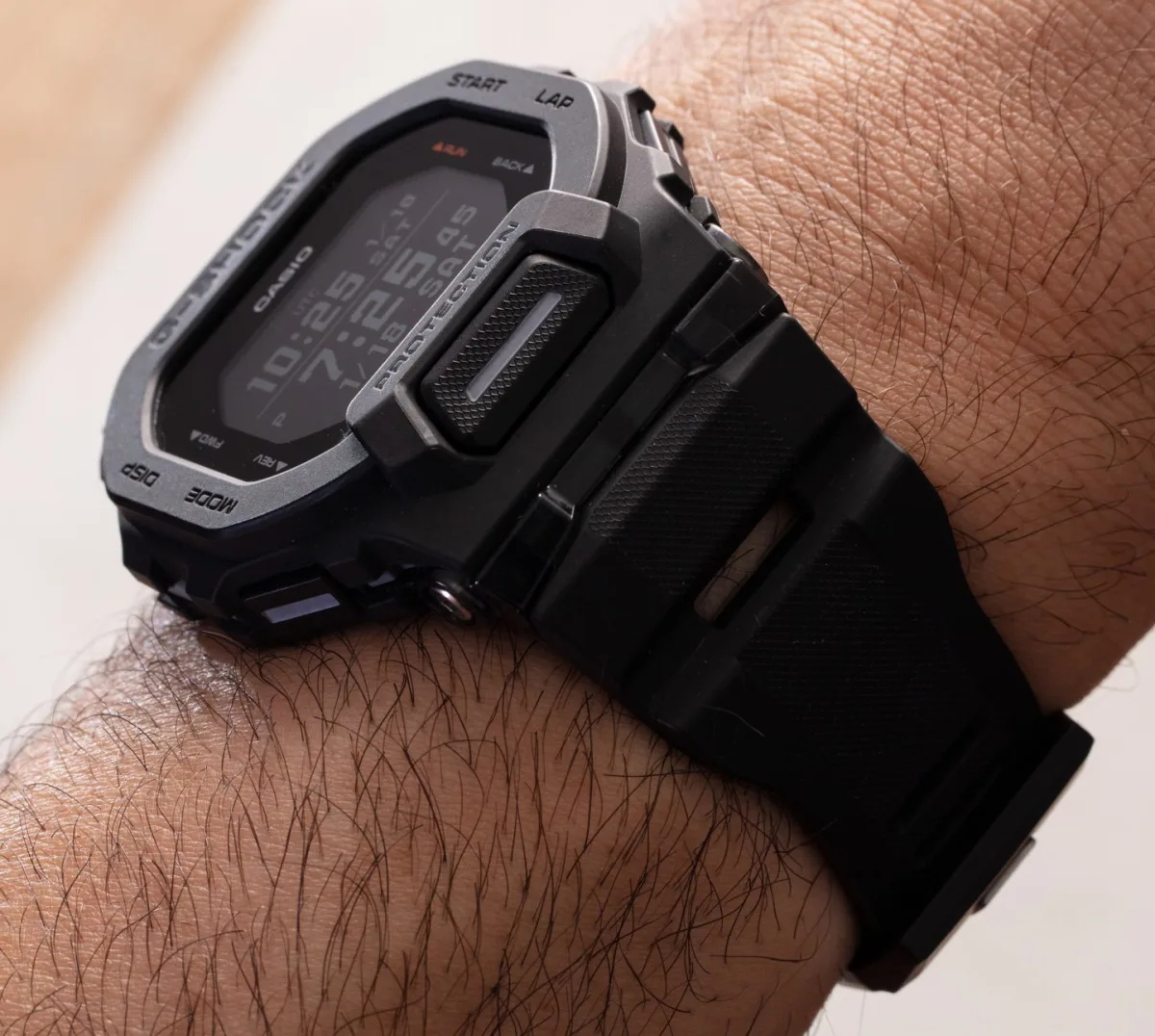
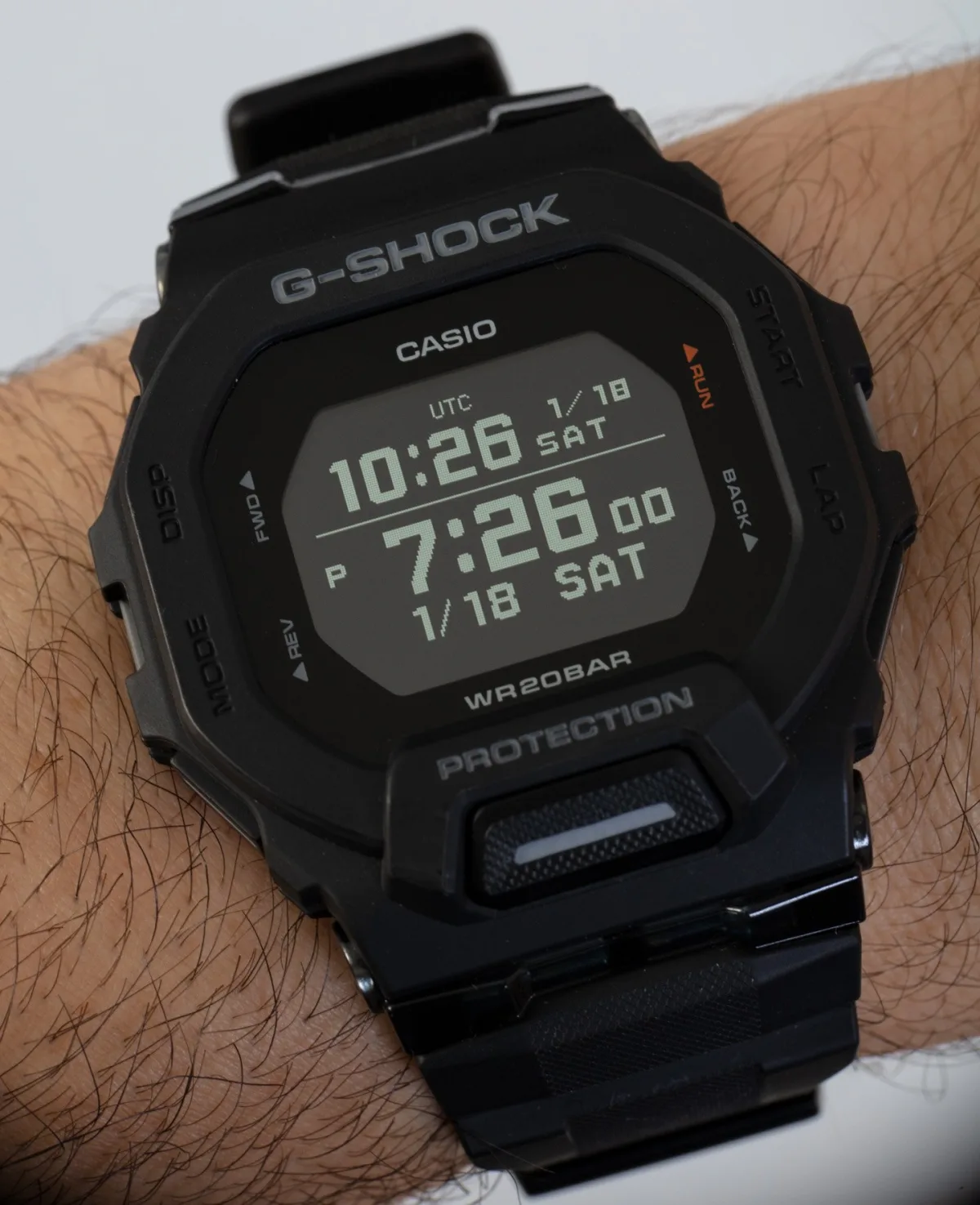
All of this in the beautiful framing of a very wearable piece, which is also among the thinnest G-Shock watches created by Casio. Maintaining all the durability and 200-meter water resistance of other G-Shock watches, the GBD200 is only 15mm thick, 45.9mm wide, and has a lug-to-lug distance of 49.4mm. The horizontal lines on the side of the case running through the buttons visually make the GBD200 even thinner when they are on the wrist. The total weight of the watch and the corresponding resin strap is only 73 grams.
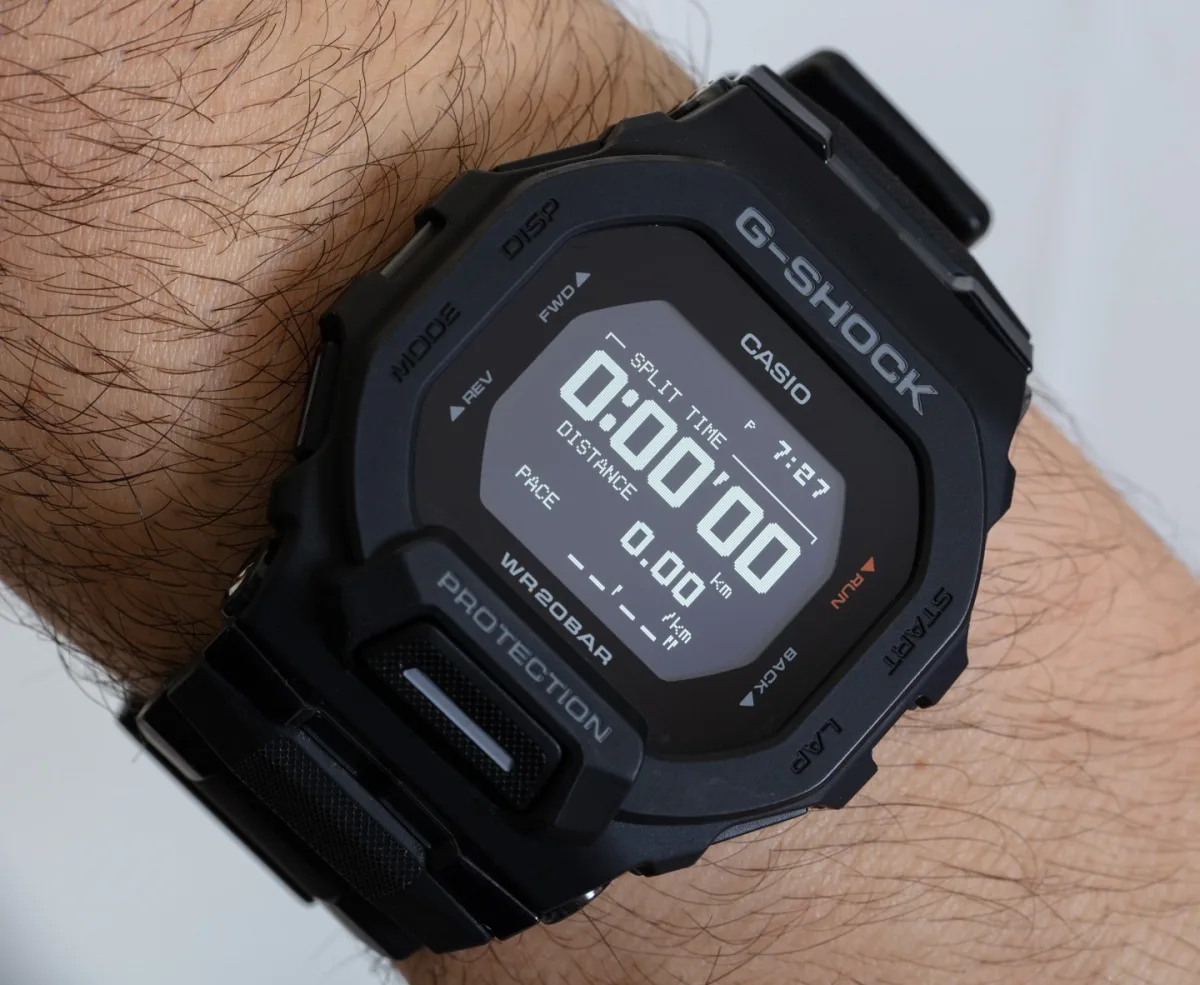
New MiP screens, Bluetooth connectivity, design, and affordable price make fresh Casio watches like the G-Shock MOVE GBD200 really attractive for those looking for more engaging exercise tracking capabilities but still in the traditional G-Shock style. Casio still needs to bring more flair to the design of the information screens, but their high-contrast and easy-to-read-in-direct-sunlight MiP display dials are truly the future. Exercise enthusiasts on a budget or those who just want to experiment with the latest Casio G-Shock user interface will enjoy the G-Shock MOVE GBD200-1 and its family.
The price is only $150 USD. Learn more on the Casio website.