We highlighted Rolex among other brands because Rolex does not drastically change its design and sets the industry quality standard, which played a key role in making the 1990s our favorite decade.
But which models would we choose? It's time to find out!
Classics and Quality: Why the 1990s Were Rolex's Golden Era
Apart from a significant leap in quality, watches from this period possess classic charm that many collectors appreciate. This is especially true for Rolex - in the 1990s, the brand had not yet released 'luxury' versions of its classics. This is why many fans choose Rolex from this decade. But which model to choose? There are many options, as you know. We do not limit ourselves only to models released in the 1990s. Our top 5 includes five watches available at that time, which showed a noticeable step forward in terms of quality. Some references appeared slightly earlier but are still considered ideal for daily wear. We consciously skipped some classic models that fans might choose - this is the specificity of compiling the rating. So, let's start selecting.
Rolex Sea-Dweller ref. 16600
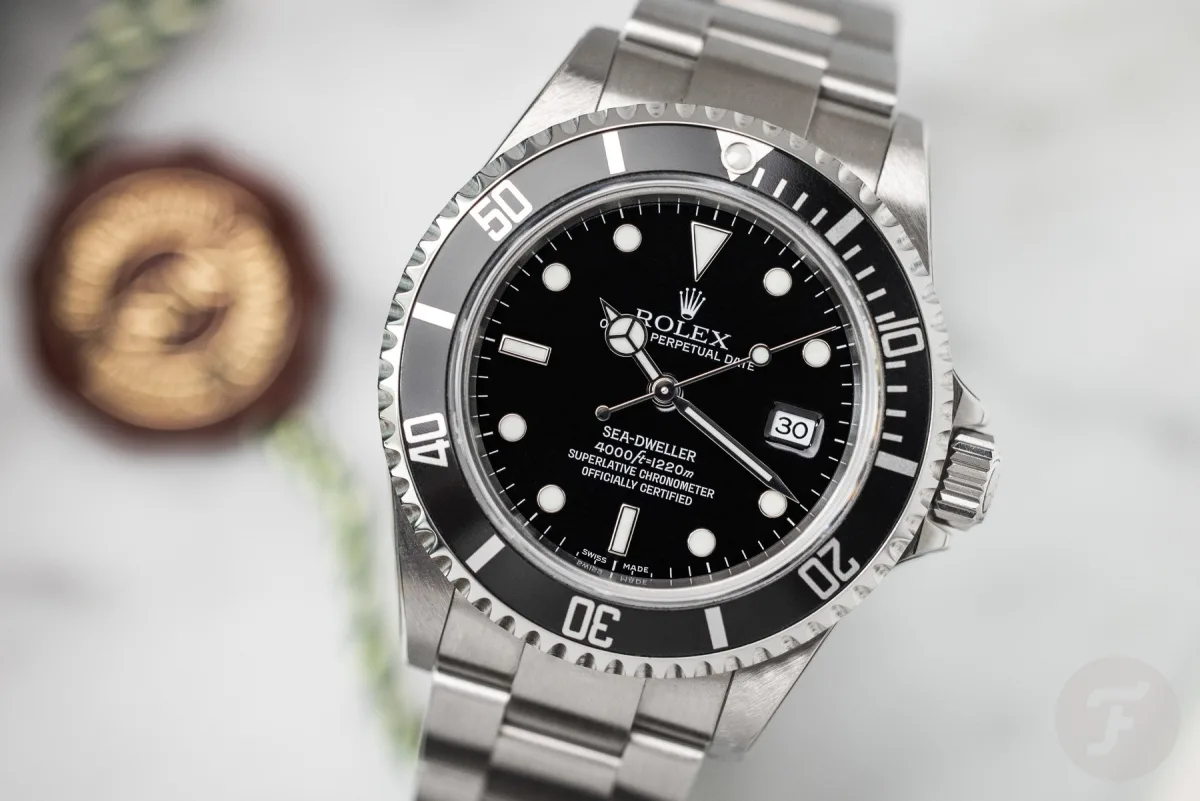
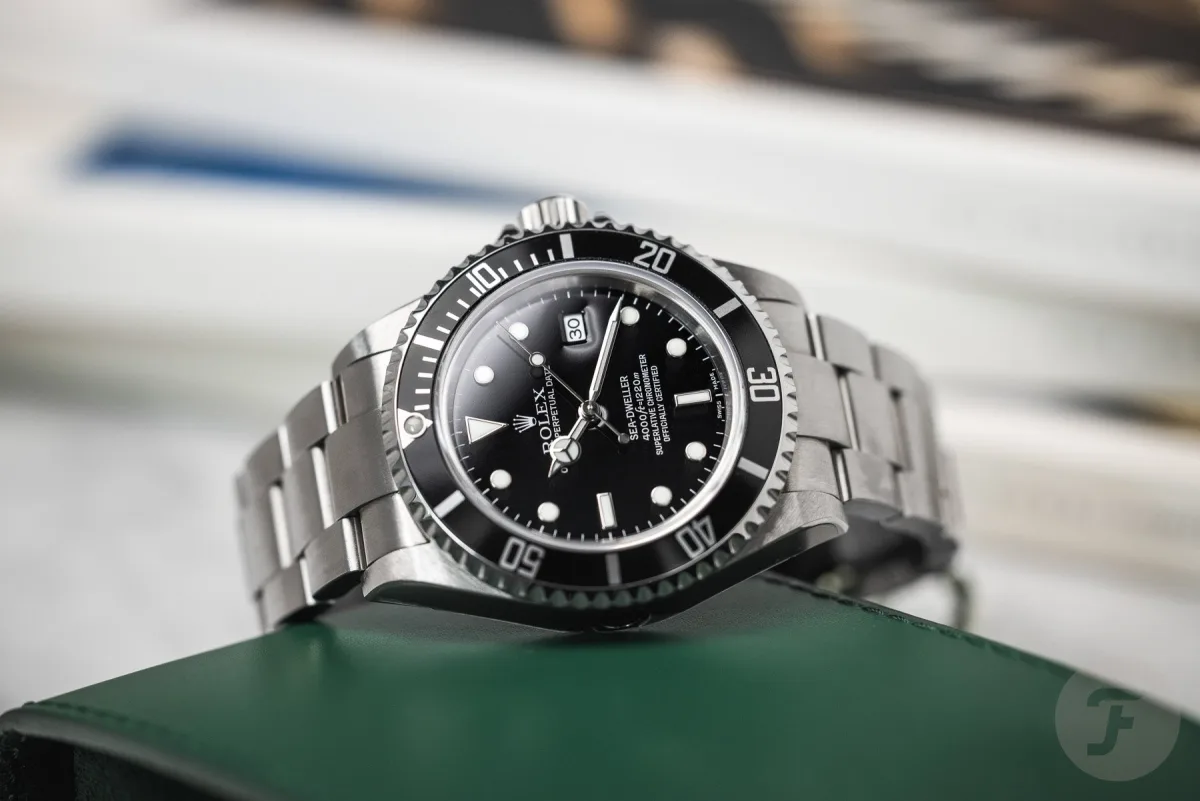
Our first choice is obvious. The 40 mm diameter, 14.5 mm thick, and 48 mm lug-to-lug case has a hefty profile, partly due to the helium escape valve on the right side of the case. Inside is the legendary Rolex caliber 3135 - a COSC-certified, reliable, easy-to-service, and very durable movement.
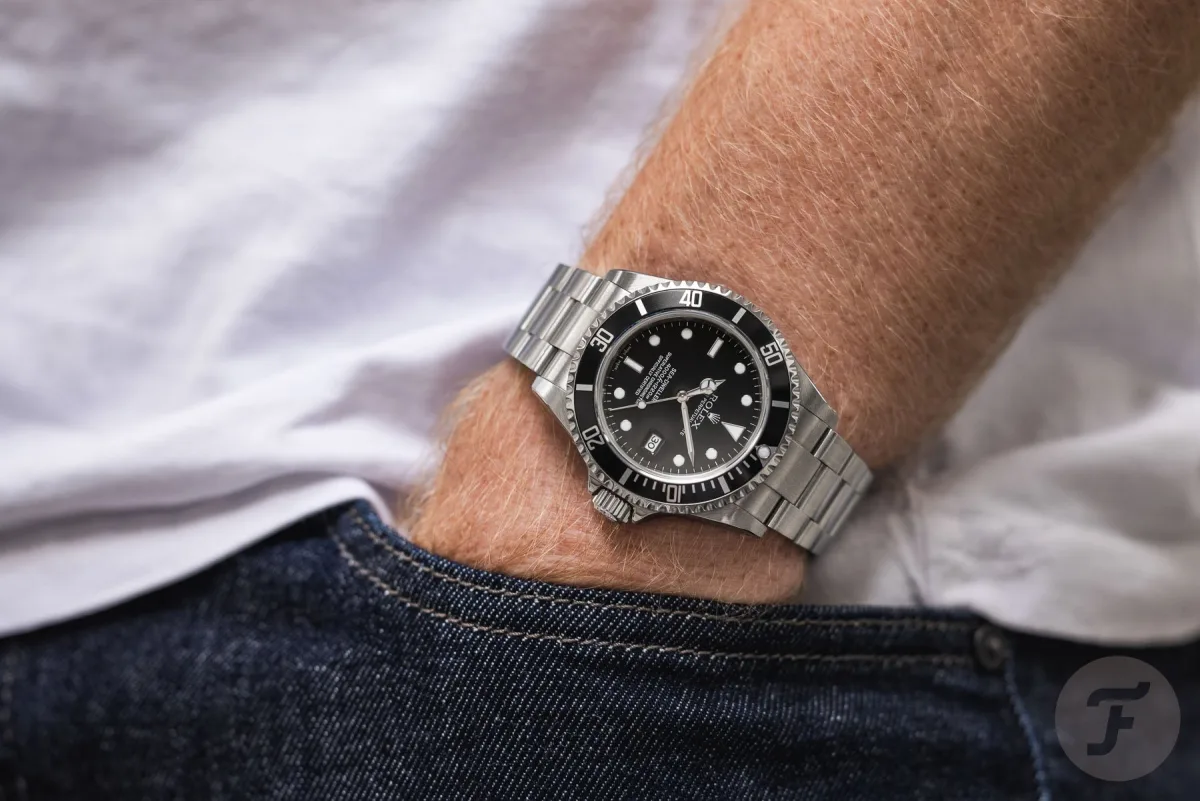
The main decision is which dial option to prefer. Until 1997-98, Rolex used tritium luminescent coating on the hands and markers. After two years of using LumiNova, in 2000, the brand finally switched to Super-LumiNova. Since tritium changes color over time, the dials often acquire a vintage look that I love. I prefer this 'old-fashioned' look over the bright white Super-LumiNova, so I will look for such an option. However, you can't go wrong with any of the available dials for ref. 16600.
My Favorite Over the Years
Despite its impressive thickness, the watch fits well on the wrist - I noticed this right away when I first wore it in 2003. It feels very solid due to its quality construction, hefty case, and sturdy bracelet links. Although the bracelet retains a classic style, it perfectly balances the watch on the wrist. In the end, it's a great option for daily wear. As I've said many times, when I first clasped the Sea-Dweller, something clicked inside me. It was my first Rolex, and they remain my favorite since then.
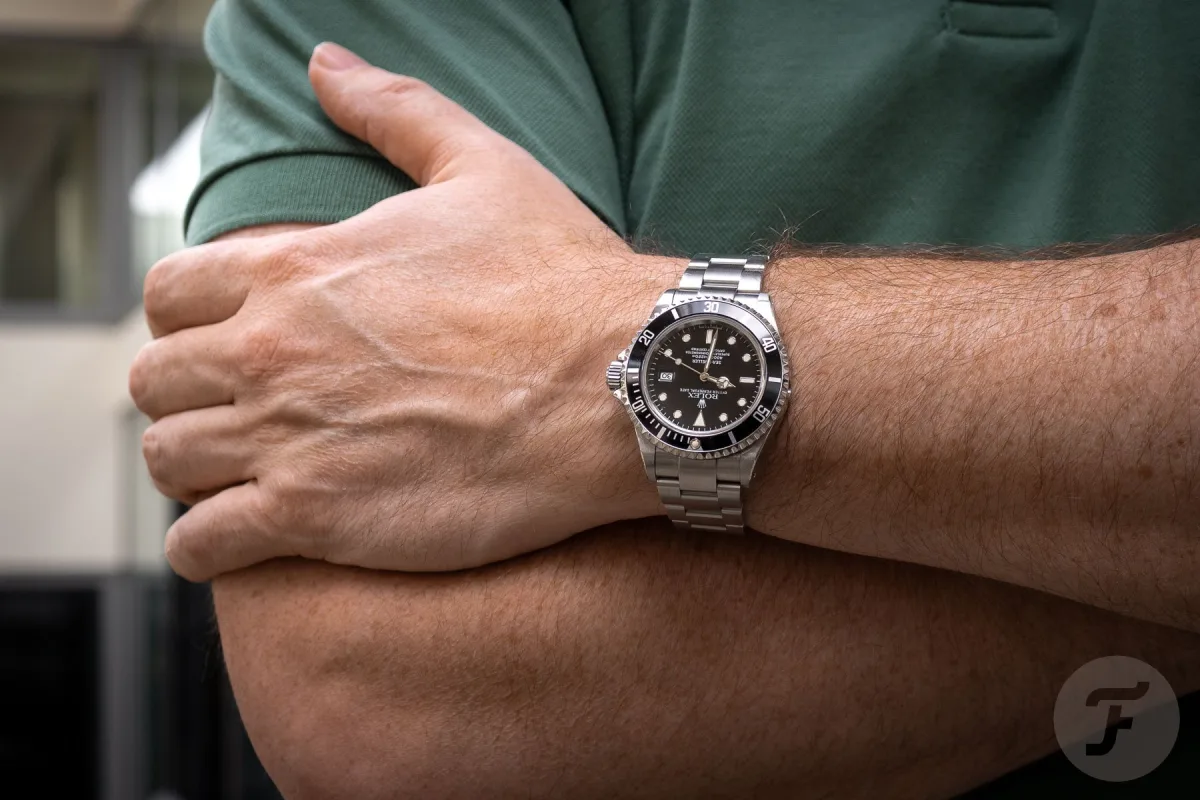
More than two decades later, this feeling hasn't changed, and I've had many opportunities to confirm the reliability of this watch. For me, it's still a top choice. But more importantly for the article - it's indeed an excellent choice for daily wear with the classic charm of Rolex. Prices for the Sea-Dweller ref. 16600 start at around €7,500 and can reach €10,000 for a piece in excellent condition.
Rolex Day-Date ref. 18238
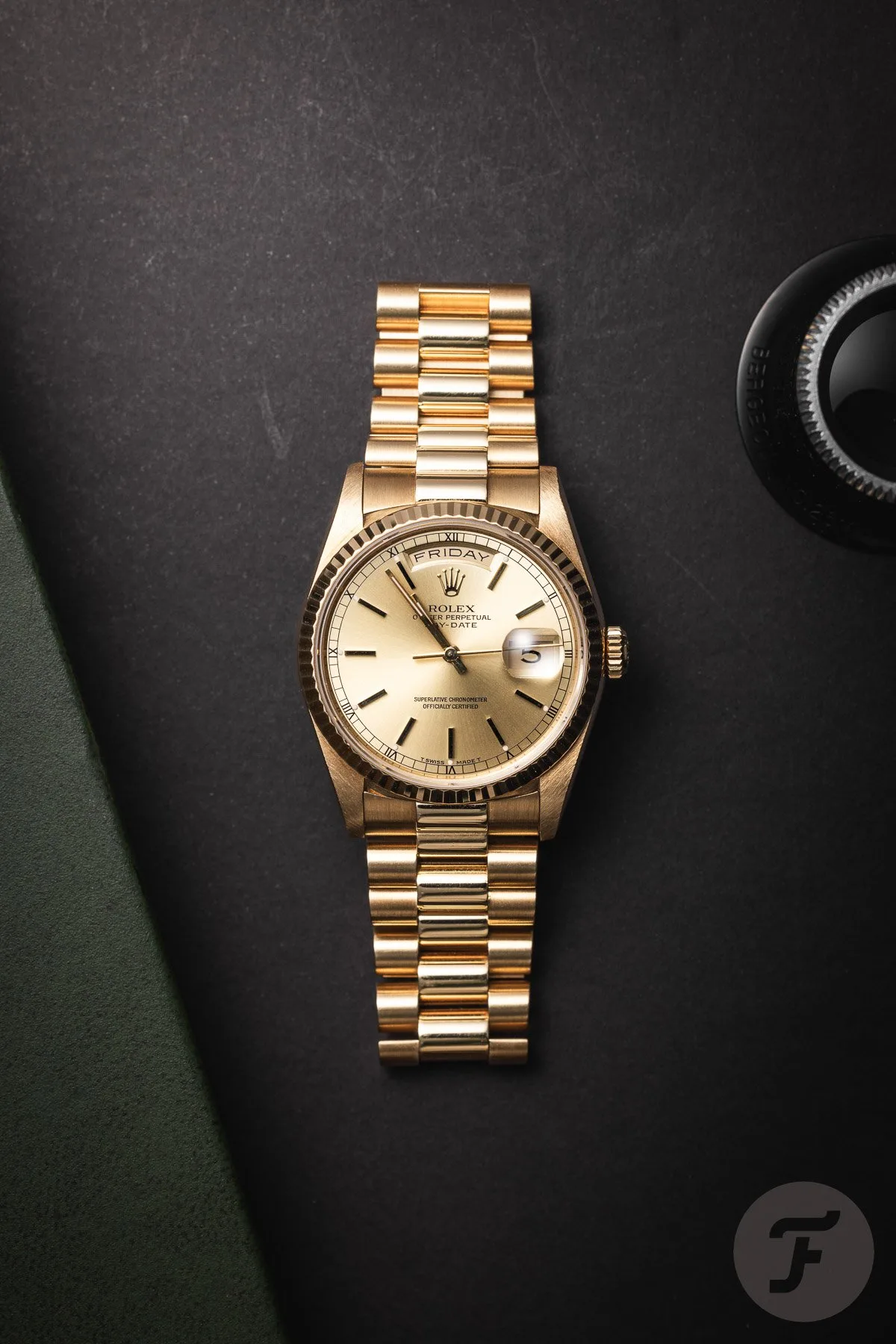
The next model is the magnificent Rolex Day-Date ref. 18238. This version of the flagship model was released in 1988 and was produced until 2000. Reference 18238 was the first to introduce the double quick-set feature, which was a significant improvement over ref. 18038, which only had a quick-set date.
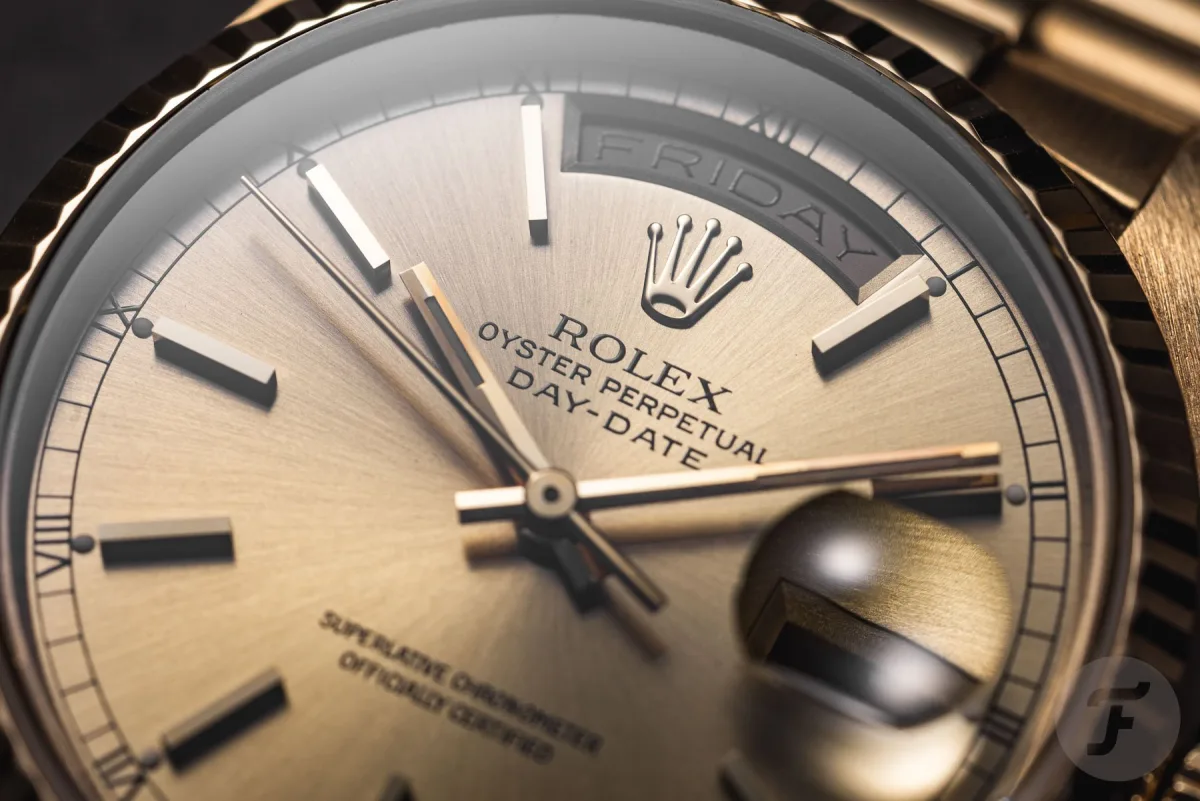
The new caliber that made this possible is the Rolex 3155. It has a 48-hour power reserve and operates at a frequency of 28,800 vibrations per hour (4 Hz). The movement is 6 mm thick, has 31 jewels, and is COSC-certified as a chronometer. Like the caliber 3135 in the Sea-Dweller, this movement is easy to service, allowing you to wear the watch daily with peace of mind.
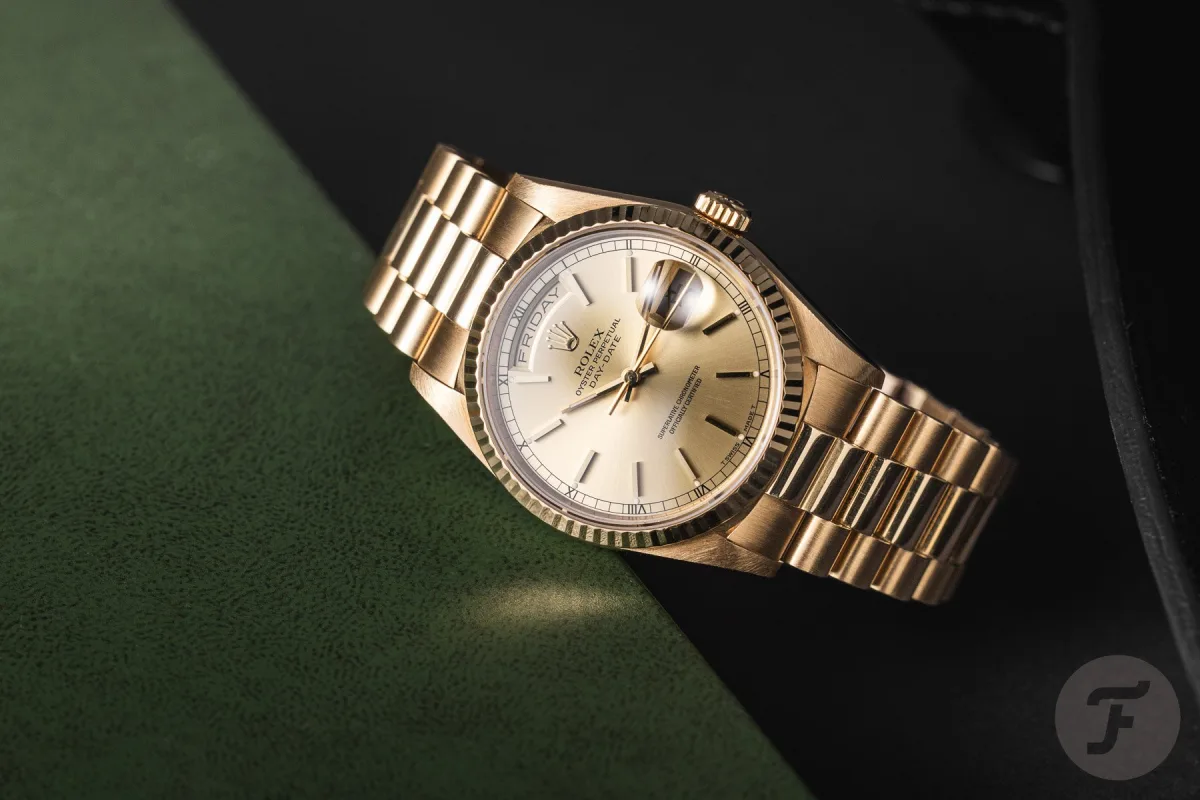
Besides the updated caliber, the case became thinner compared to the previous model - 36 mm in diameter and 12 mm thick, with a lug-to-lug length of 43 mm. This is a perfectly balanced size suitable for different wrists. Rolex also improved the bracelet quality, which is 20 mm wide.
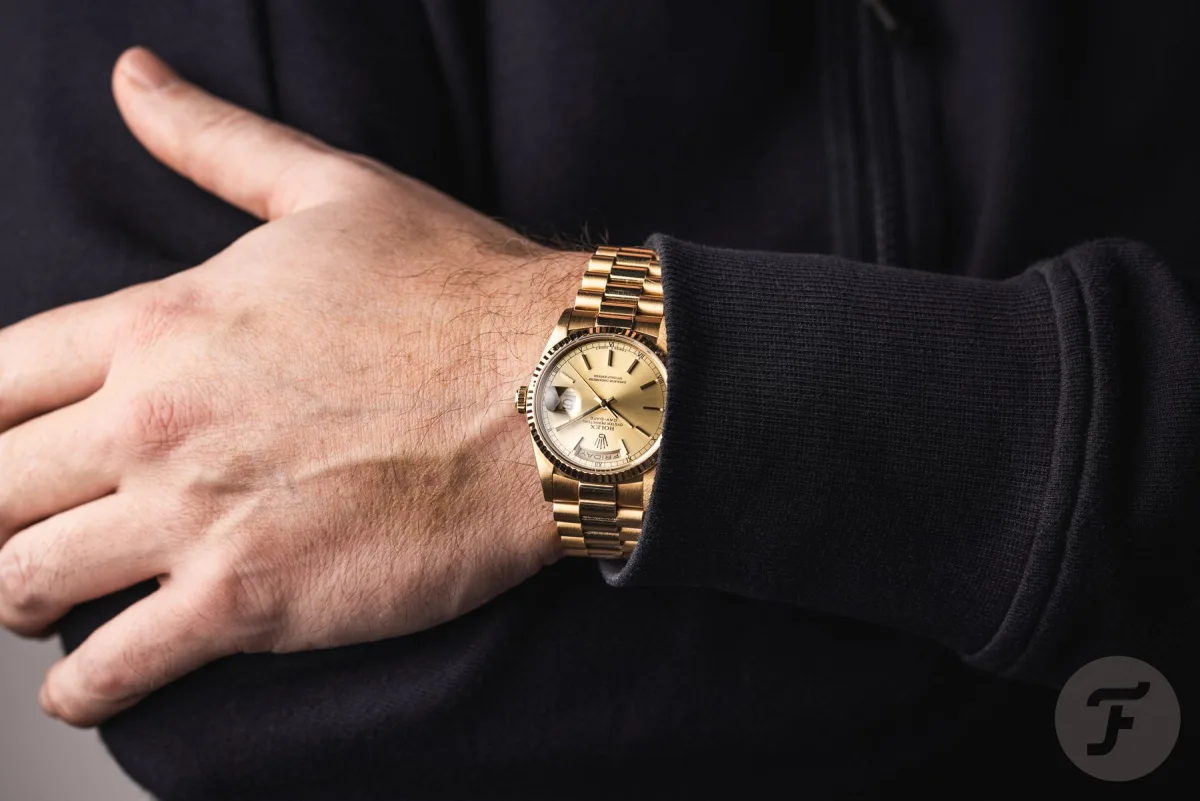
Although the subsequent model ref. 118238 received the President bracelet with solid gold links, it lacks the charm of its predecessor. The polished lugs of the case, in particular, look less attractive. All these factors make ref. 18238 the ideal luxury watch for daily wear. Moreover, they retain the classic charm I've mentioned before. Prices for the Day-Date ref. 18238 start at around €18,000 and can reach €25,000 for a piece in excellent condition.
Rolex Explorer II ref. 16570
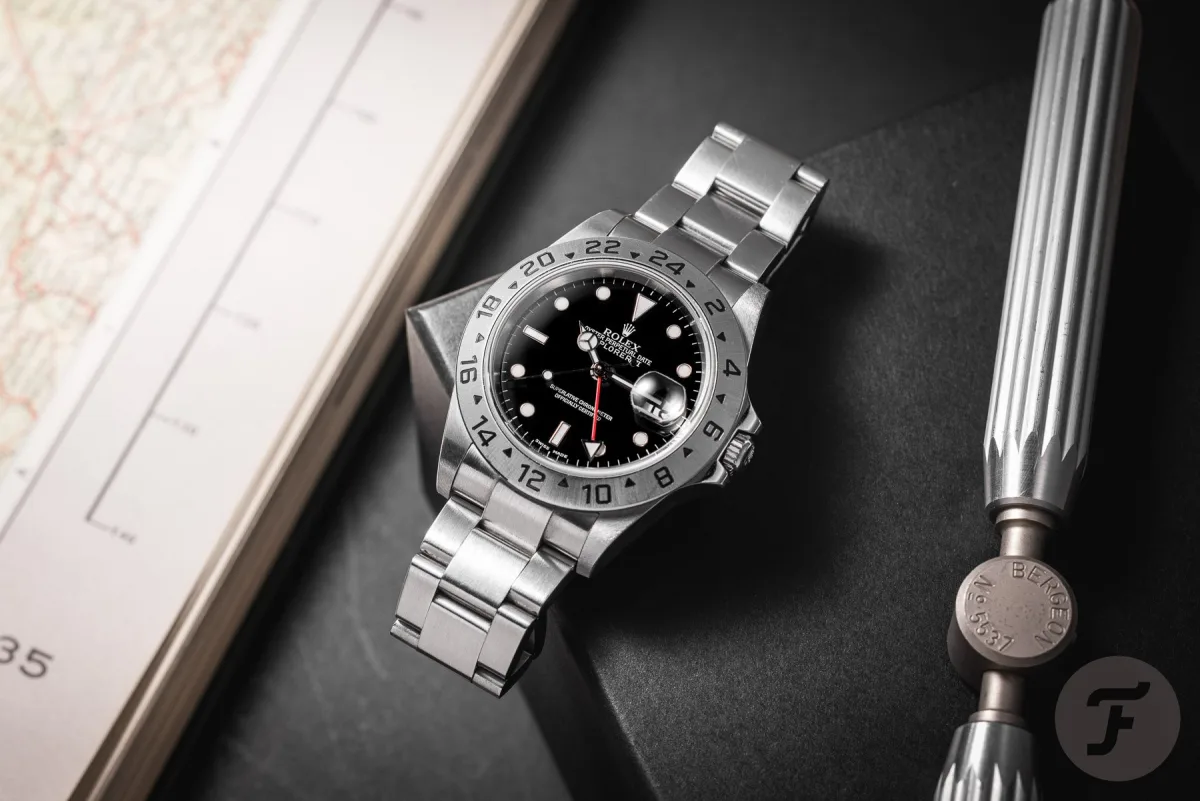
Another favorite is the Rolex Explorer II ref. 16570. Reference 16570 was introduced in 1989 and produced until 2011, making it one of the longest-running in the brand's history. There are a few points to consider when choosing.
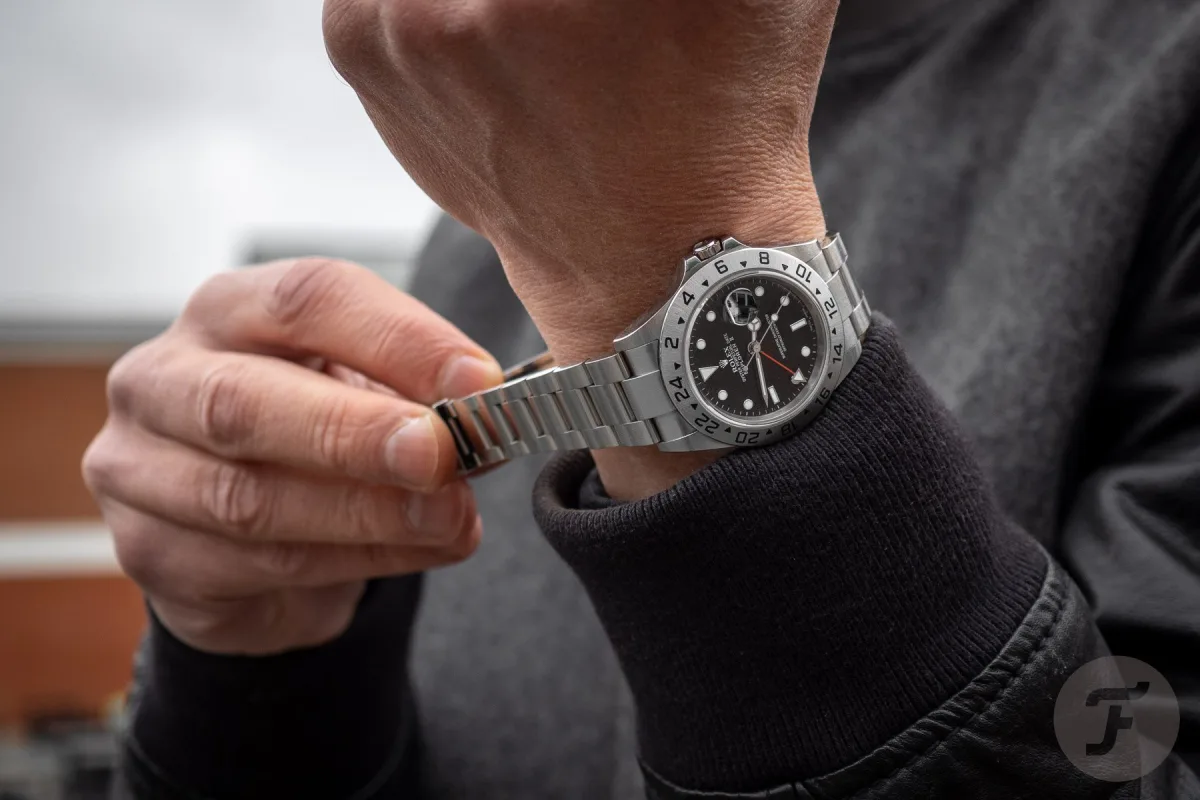
This includes the transition from tritium lume to LumiNova and then to Super-LumiNova, and the switch to solid link bracelets without holes in the case lugs. These changes occurred in the early 2000s and technically do not belong to the 1990s, but the true charm lies in bracelets with folded links. And to be precise, the clasp with the signature 'fliplock' appeared only in 1998. You see, to choose the perfect 16570, you need to understand a bit.
A True Modern Classic
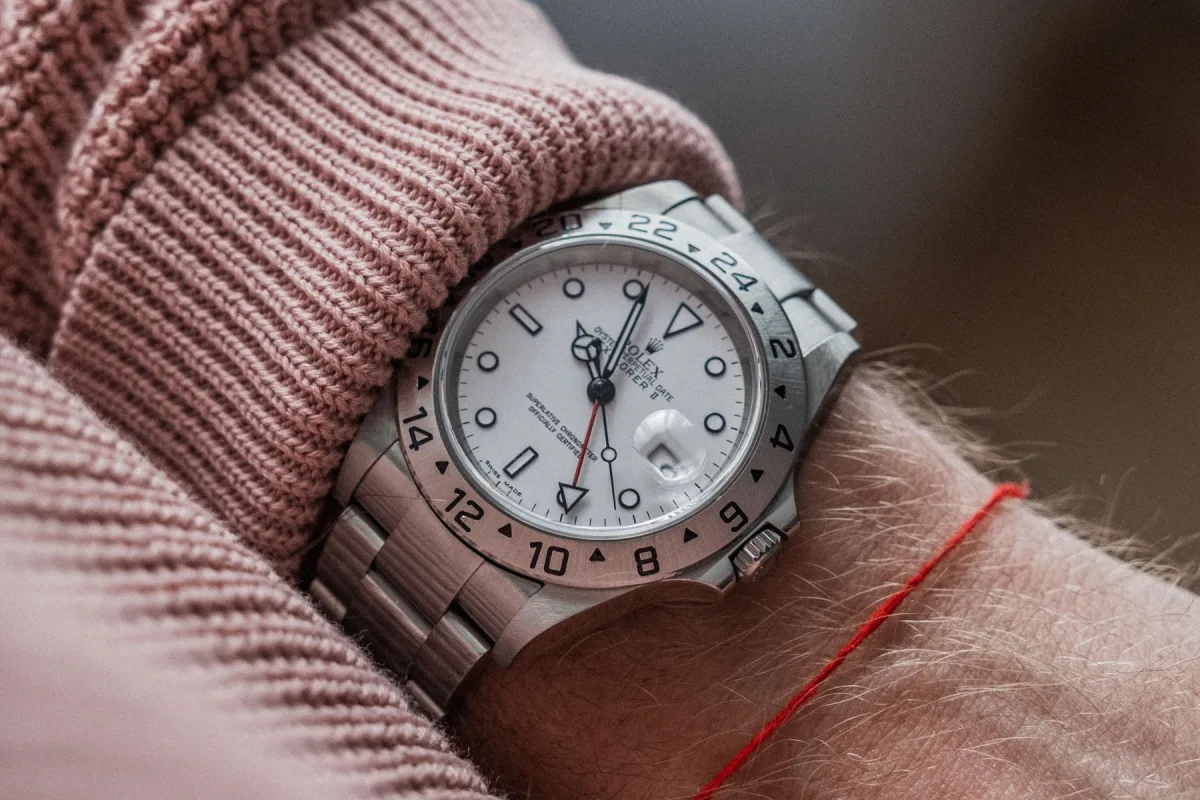
Now, about the technical specifications of these legendary speleologist's watches. The stainless steel case is 40 mm in diameter, 12.2 mm thick, and 47 mm lug-to-lug. Dials come in black and 'Polar' (white), with different visual perceptions, so fans often have distinct preferences.
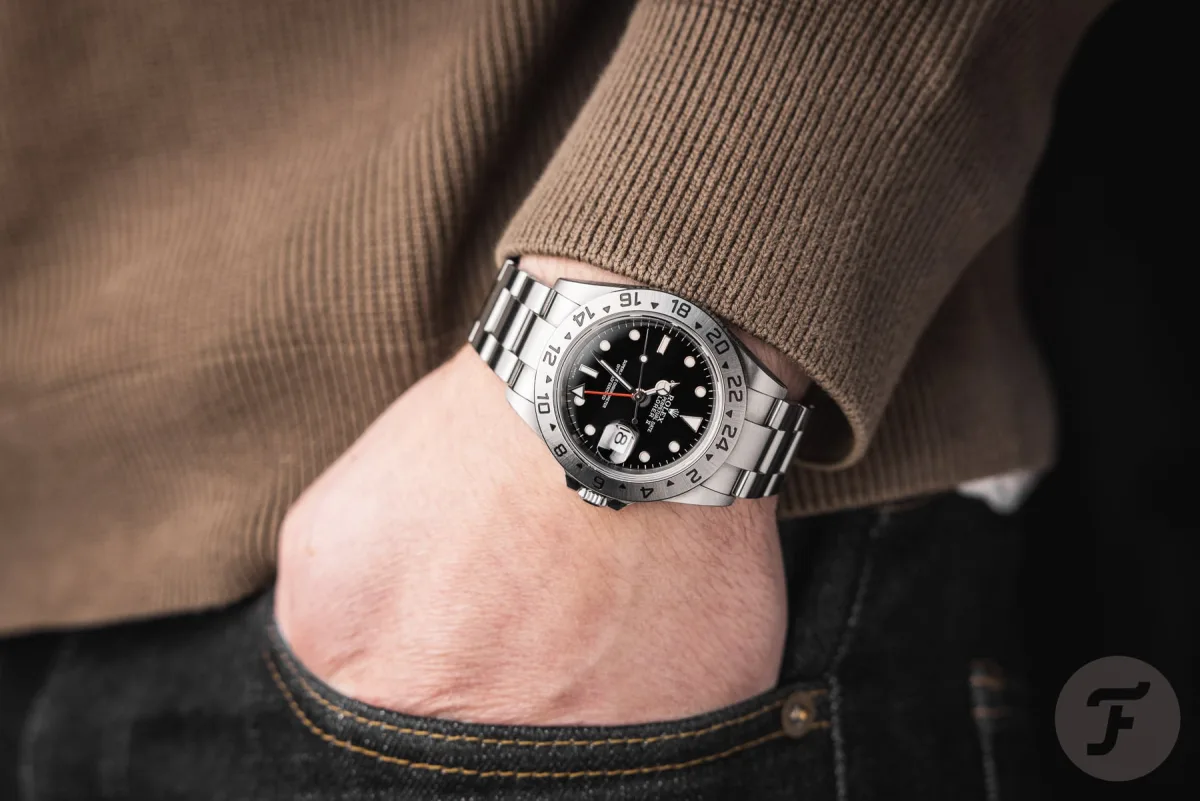
Inside is the caliber 3185, which was used until 2007 when it was replaced by the 3186. It operates at 28,800 vibrations per hour with a 50-hour power reserve. The movement is equipped with a characteristic 'wobbly' GMT hand, which can appear somewhat unstable when setting the time, although this doesn't affect its function.
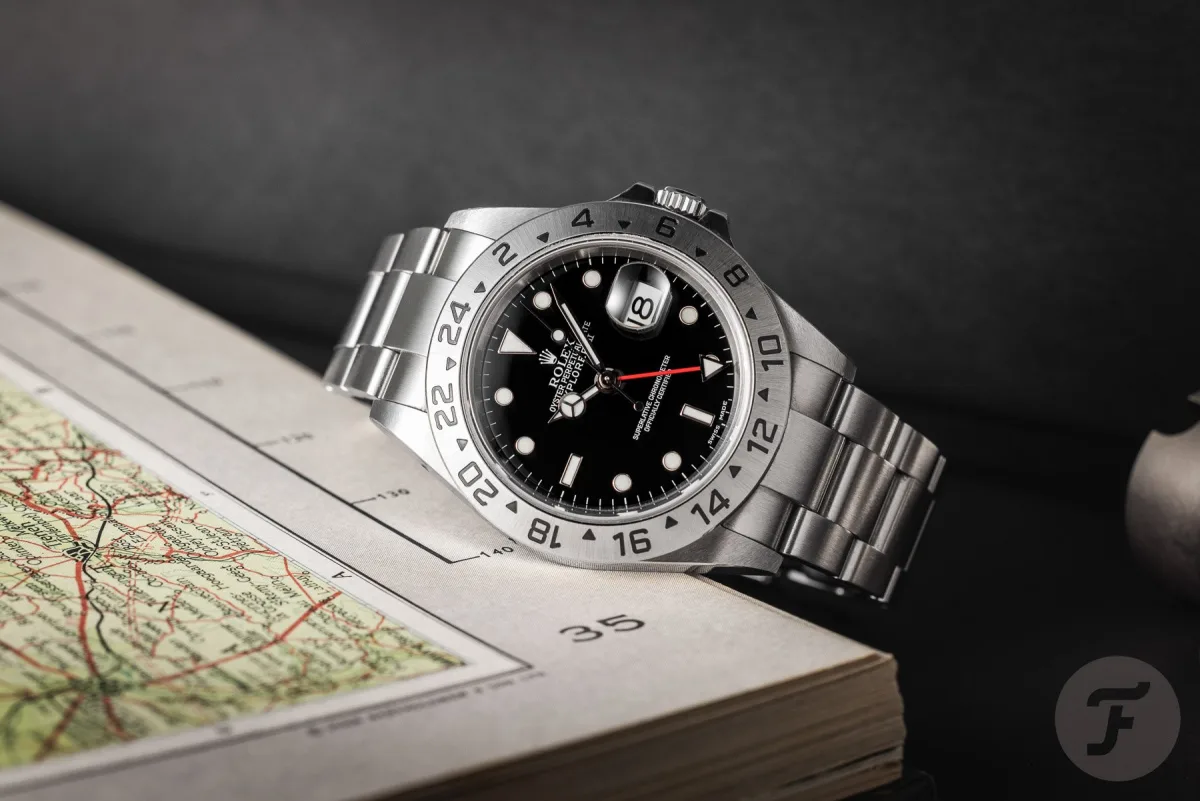
Overall, the Explorer II ref. 16570 is a classic Rolex and one of the best options for daily wear. The ref. 216570, which succeeded it, received a larger 42 mm case and a modern design with larger hands and markers, losing the traditional look so beloved by many. Therefore, the classic ref. 16570 is the best choice for those seeking reliable Rolex for everyday wear. Prices start at around €6,500 and reach €11,000 for a piece in excellent condition.
Rolex Explorer ref. 14270
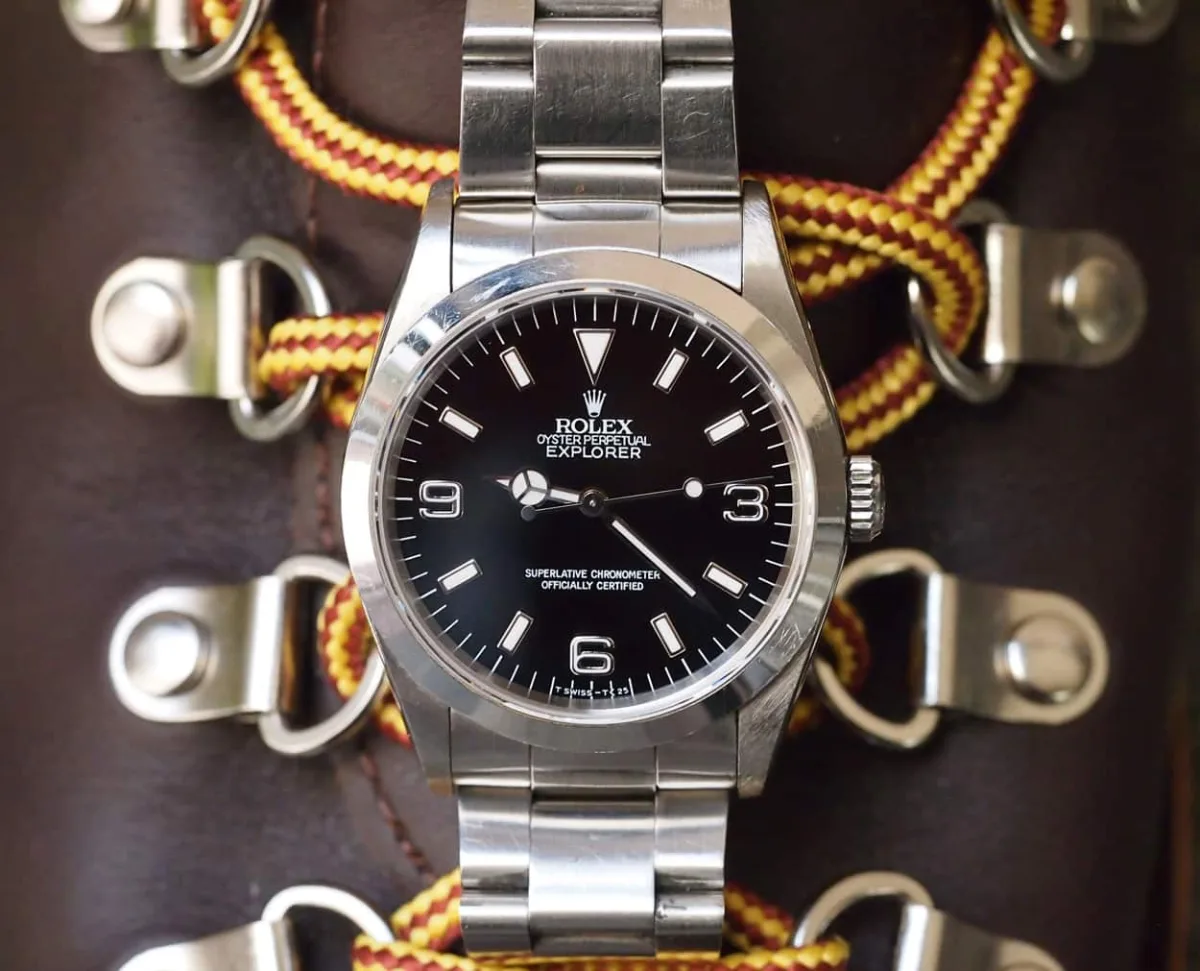
The next model is the first modern Rolex Explorer. After the discontinuation of the legendary ref. 1016, which was produced for 27 years, the brand introduced ref. 14270 in 1989. These watches retained the signature design but received a new case, sapphire crystal, black lacquered dial with modern applied numerals, and a new caliber with a higher frequency.
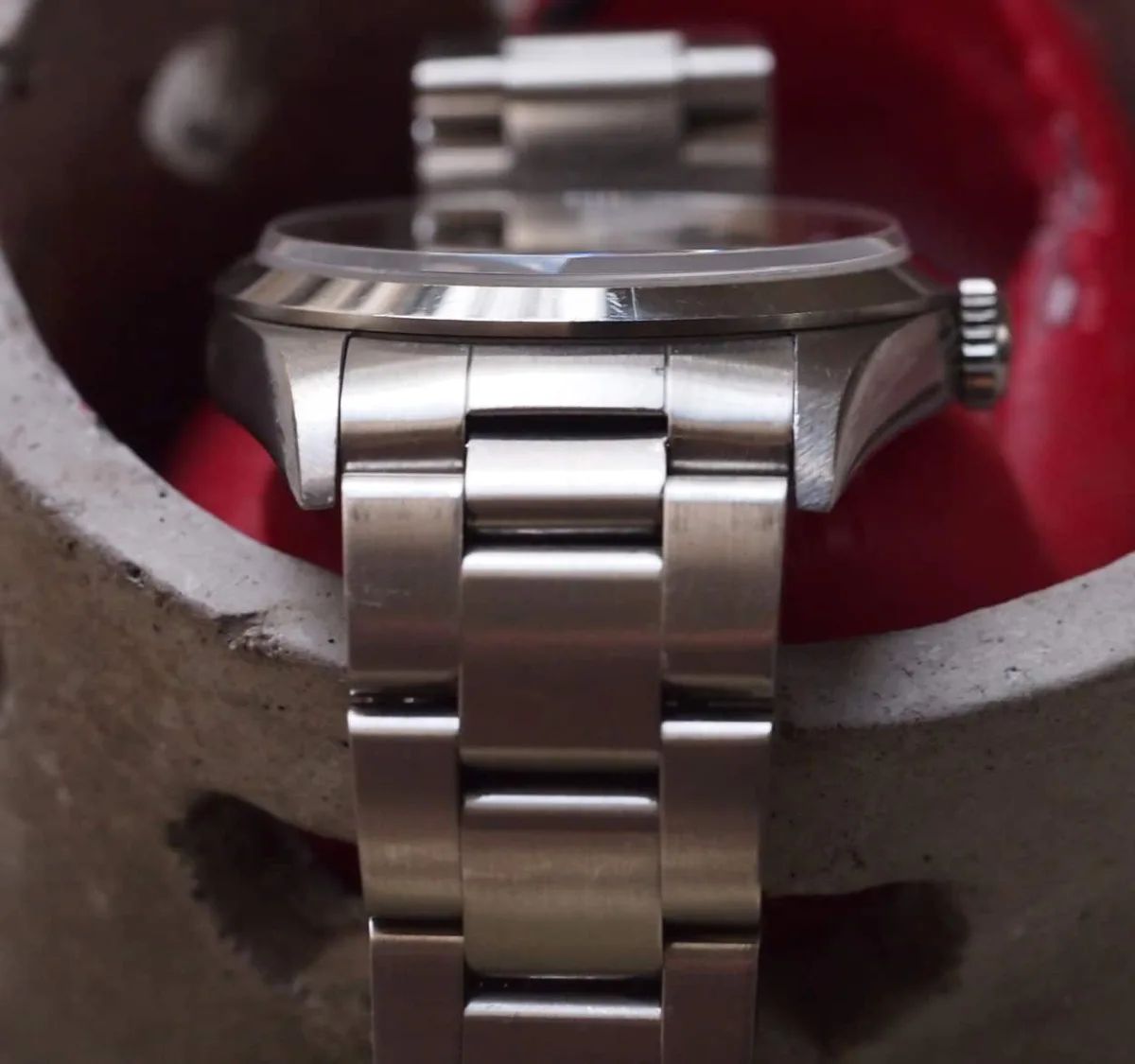
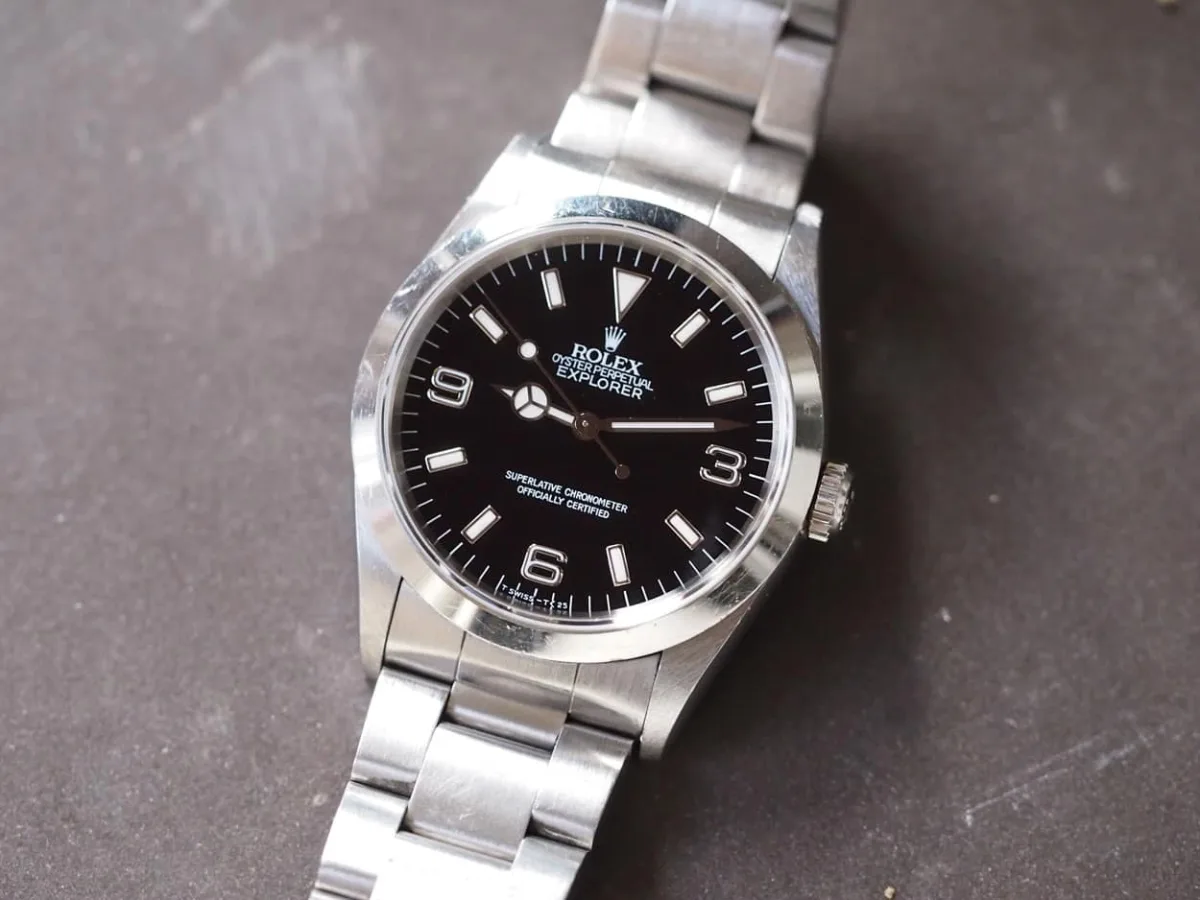
The case is 36 mm in diameter, 11.1 mm thick, and 43.3 mm lug-to-lug, looking more modern and solid despite retaining the classic size. The updated dial with 3-6-9 numerals is in black lacquer with applied white gold markers and numerals, initially filled with tritium, later replaced by LumiNova and then Super-LumiNova.
The Ideal Compact Tool for Daily Wear
Inside the case is the caliber 3000, operating at 28,800 vibrations per hour, with 27 jewels and a 48-hour power reserve. The movement is chronometer-certified with an accuracy of +4/-6 seconds per day. The model was produced until 2001, when it was succeeded by ref. 114270. Despite improvements in the new model, ref. 14270 will always remain the first of the modern Explorers. Prices start at around €5,500, reaching €9,000 for a piece in excellent condition, making this model one of the most affordable from the 1990s.
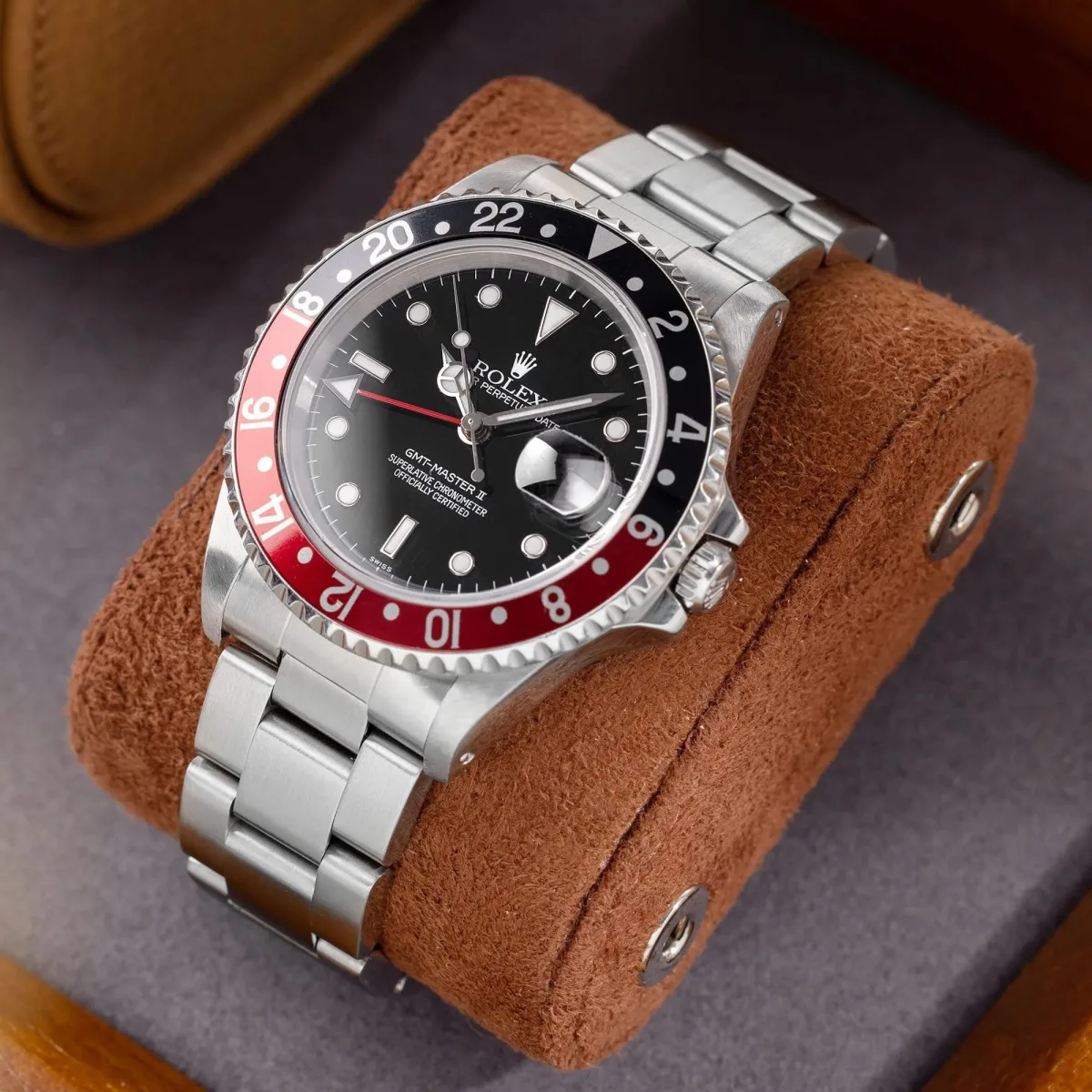
Rolex GMT-Master ref. 16710
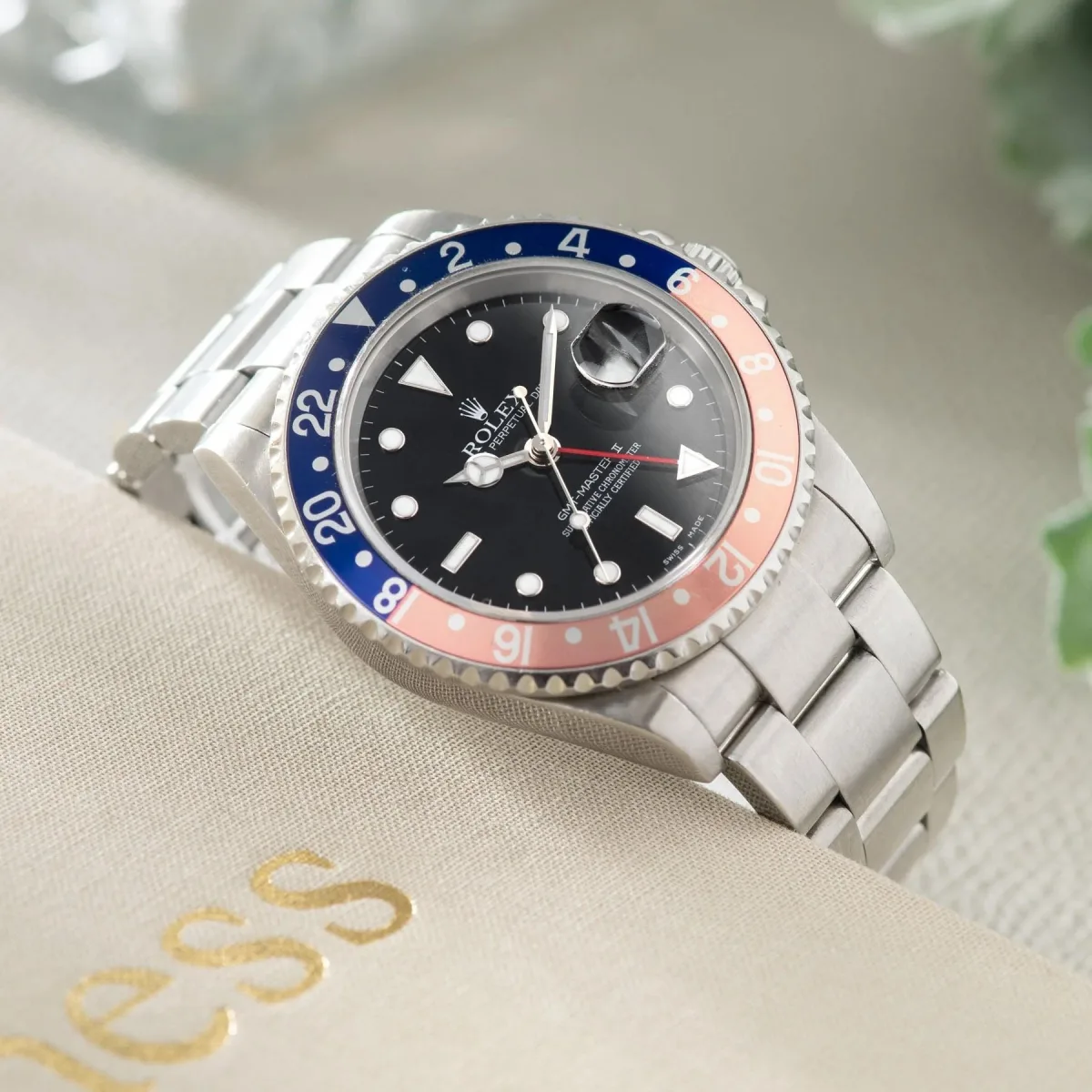
The fifth and final choice is the Rolex GMT-Master II ref. 16710. This reference was introduced in 1989 and was a big step forward for the GMT-Master II series. Compared to the previous model ref. 16760 ('Fat Lady'), the ref. 16710 has a thinner case, significantly increasing wearing comfort. As many know, the GMT-Master II introduced the 'flyer' style GMT hand. This provided much greater practicality compared to the GMT-Master.
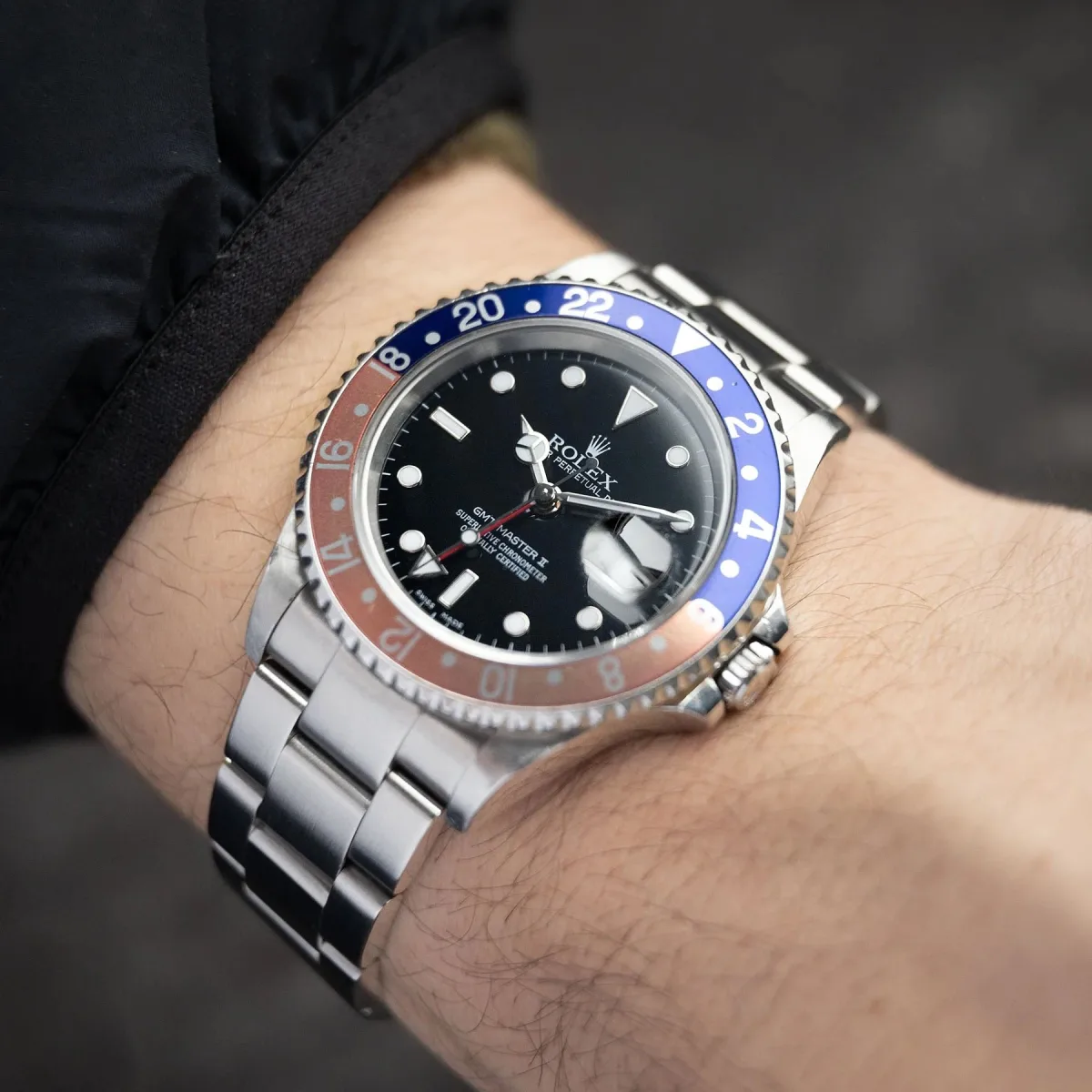
The case is 40 mm in diameter, 12 mm thick, and 48 mm lug-to-lug. Rolex offered three bezel insert options: the legendary 'Pepsi' in red and blue, the black-red 'Coke,' and a fully black 24-hour GMT bezel. The first two retain the recognizable GMT-Master style with contrasting colors representing day and night.
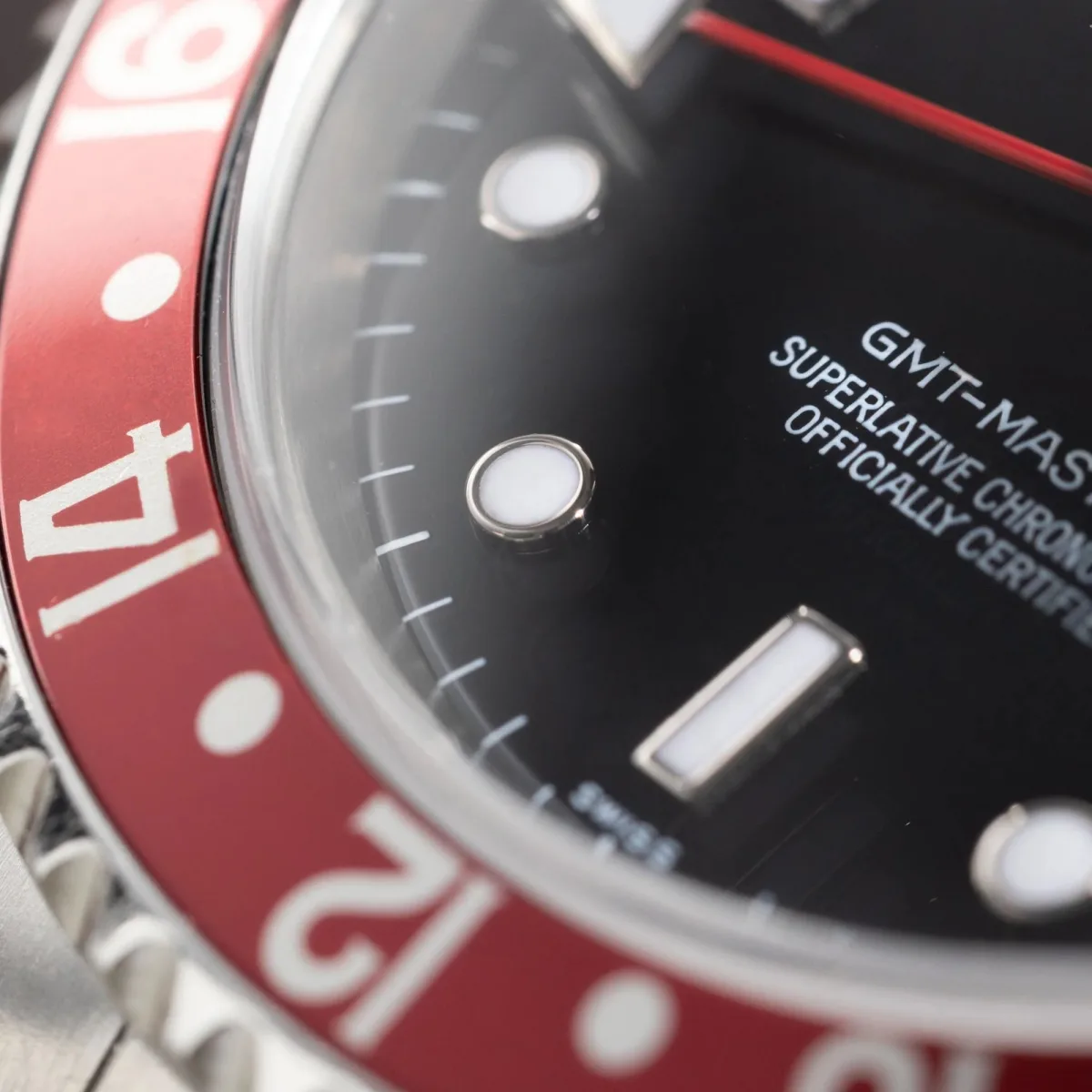
The Last of the Classic GMT-Masters
Inside is the caliber 3185, which is also installed in the Explorer II ref. 16570. This movement with an independent GMT hour hand facilitates setting local time when traveling between time zones. Thus, ref. 16710 combines modern practicality with the classic GMT-Master look. A glance at this watch explains everything - compared to subsequent GMT-Master II models, this is the last model with a classic bezel style.
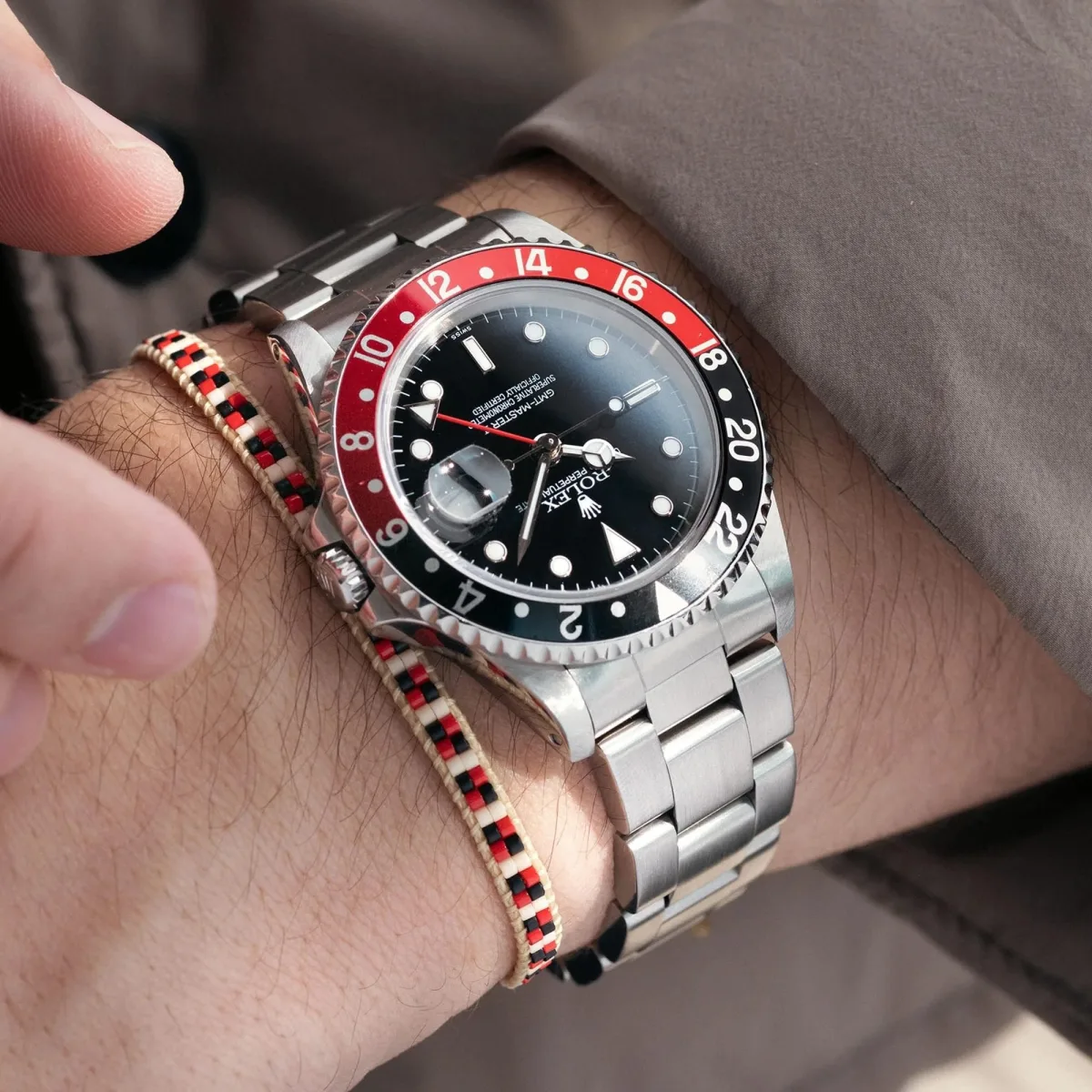
In my opinion, the GMT-Master II 'suffered' the most from modernization. The ref. 116710, which replaced our fifth model, received a modern bezel design with enlarged numerals and a branded rehaut, while retaining the classic style that first appeared in the 1950s. Therefore, ref. 16710 is the ideal choice for those who want to combine iconic style with modern comfort. Prices start just below €10,000 and can reach around €16,000 for a piece in excellent condition.
Conclusion: Best Rolex of the 1990s for Daily Wear
Here is our top 5 favorite Rolex models from the 1990s. All of them represent the perfect balance between classic Rolex style and modern convenience, making them a great choice for daily wear even today. Of course, it can be debated whether to consider the improvements Rolex introduced in the early 2000s when searching for the perfect watch. This is a fair question, and it is worth carefully studying the details, as some changes were made without changing the reference.
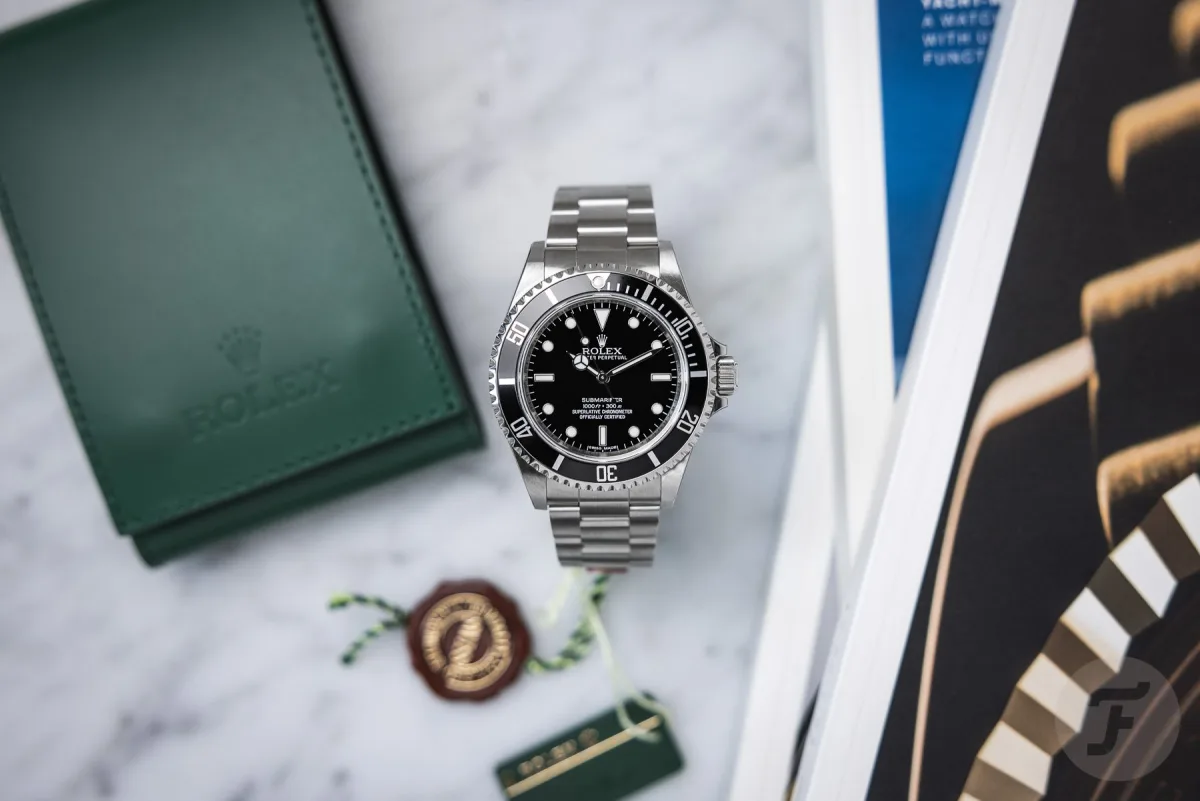
It should also be noted that we excluded some very popular models from the list. When compiling a top 5, this is inevitable. For example, the Rolex Submariner ref. 14060 is a noticeable absence. Although we understand it's a collector's favorite, the dial design with smaller markers seems boring to us. We prefer 'Maxi dials' like the Submariner ref. 16610 'Kermit'. Additionally, with the Sea-Dweller ref. 16600, we chose an excellent alternative for the 1990s dive watches.
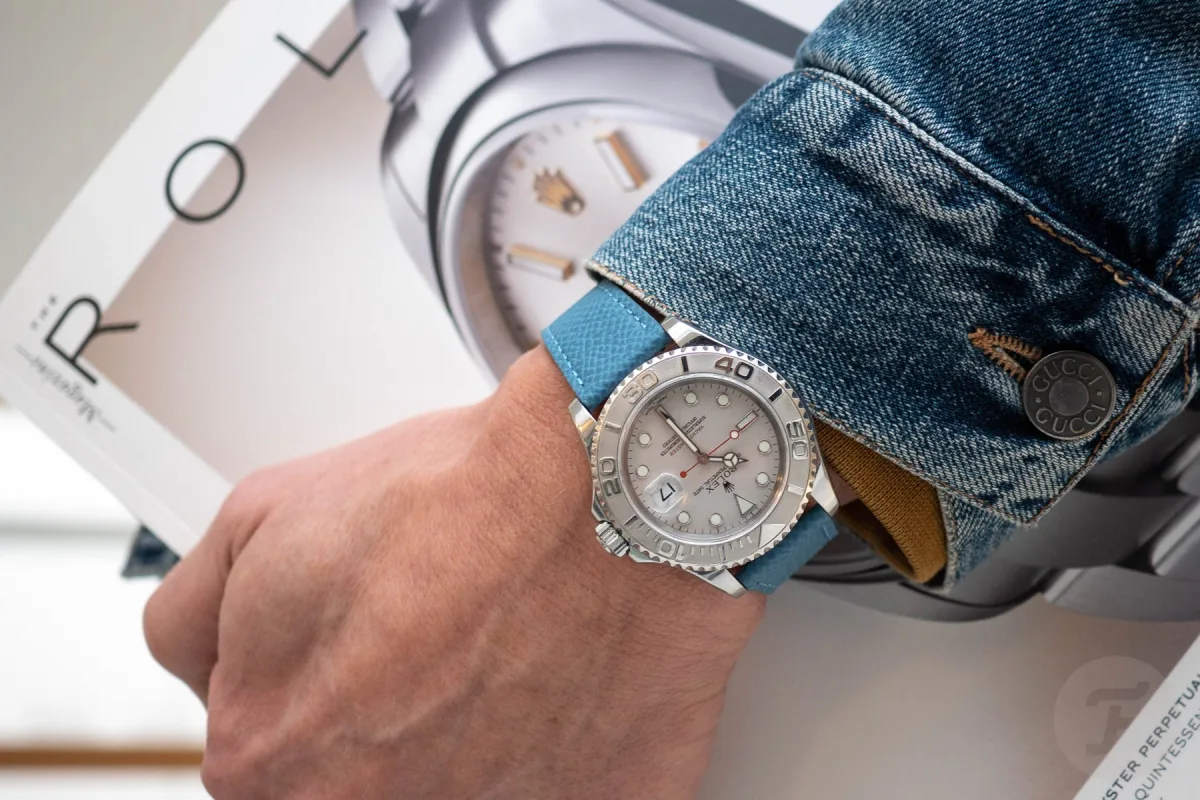
Another model some might have expected is the Rolex Yacht-Master ref. 16622, debuting in 1999. We love this watch, but the question was - would we choose it over the five models in the list? Since it didn't make the top, the answer is obvious. But that doesn't mean they aren't worth attention. The same goes for many other Rolex models of the 1990s.
And now the question for you: which Rolex model from the 1990s would you choose for daily wear? Share in the comments, and see you next week with a new list!