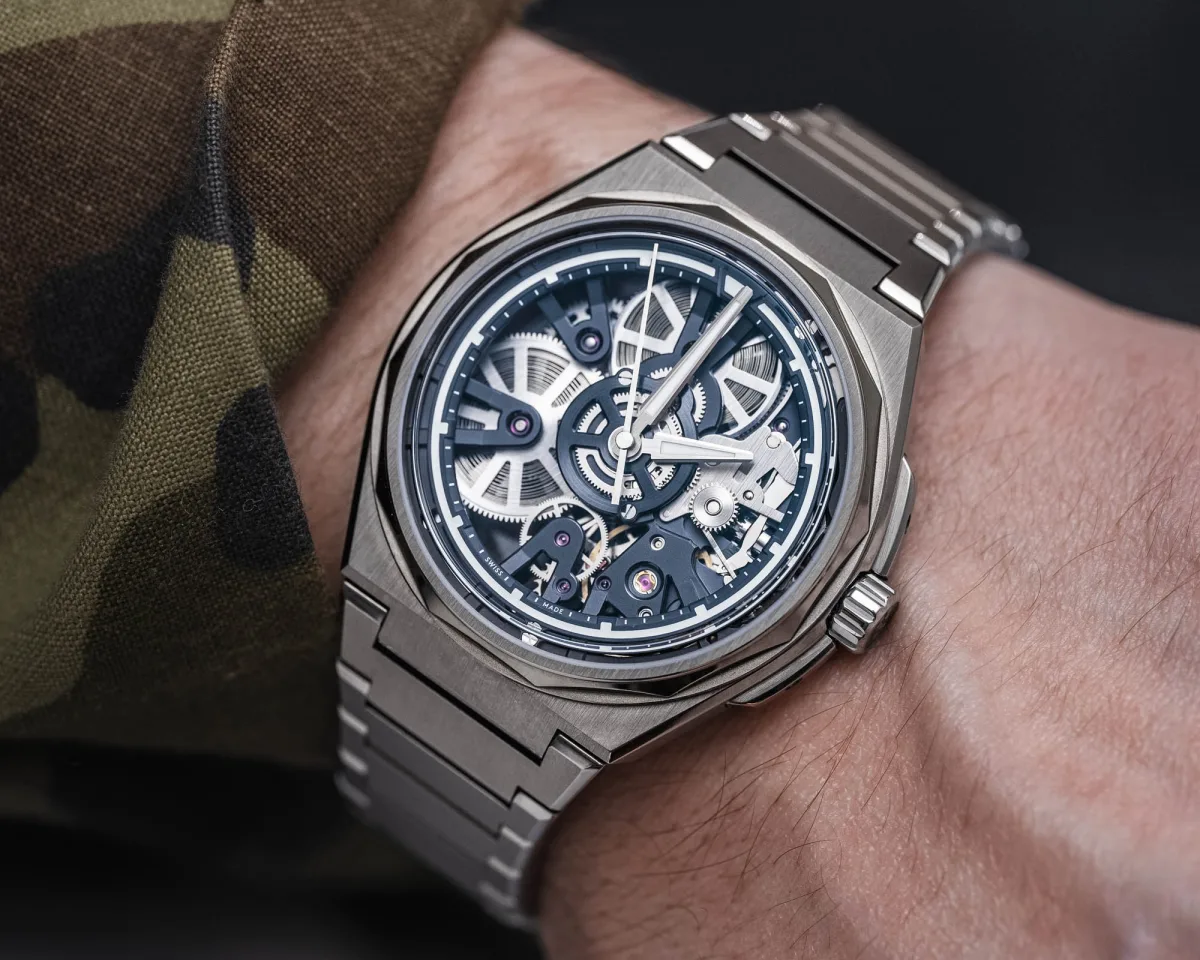
Having evolved from a rather ordinary brand founded in 2004 to a British horological juggernaut specializing in tool and sports watches by 2024, Christopher Ward likely needs no introduction.
When encountering watches from this brand, I constantly feel one thing: I am impressed. Additionally, I sense the value of the watches, often noting that such finishing or features (whatever they may be) are unheard of at this price point. Well, the train keeps moving, and the brand is back in action, this time with the titanium skeletonized model Christopher Ward The Twelve X.
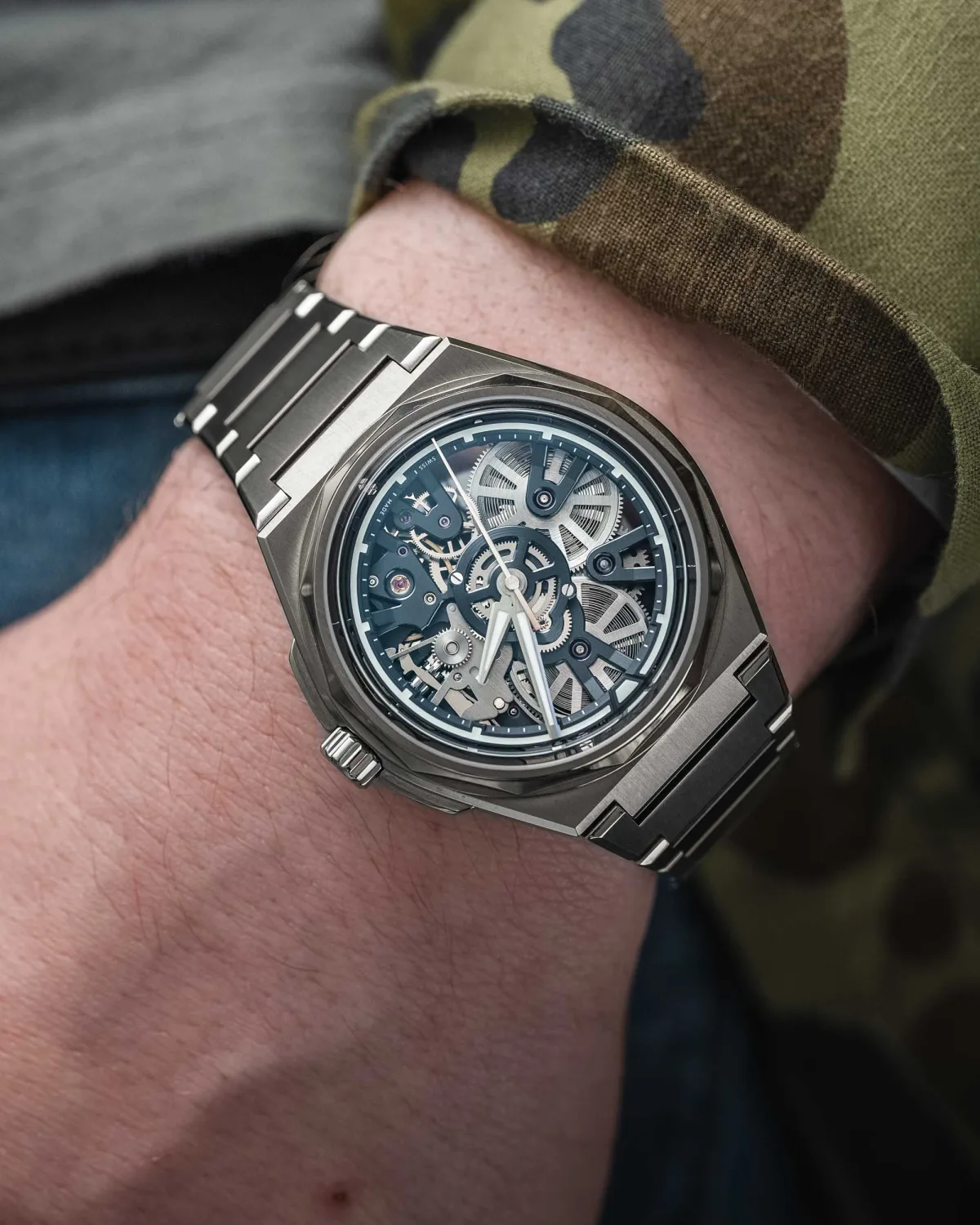
The most remarkable aspect of the titanium Twelve X (and titanium Twelves in general) is that they appear steel-like due to the exceptional finishing and tone. You approach them expecting to see heavier watches, and are immediately surprised by their lightness. Especially with the larger X model, it takes some time to reconcile the expectation of heft with the lightness of reality. In form, the watches are identical to the regular Twelve models, but the case has been enlarged to accommodate the in-house SH21 movement. Compared to other titanium models of the Twelve, the titanium case is a whole millimeter wider - 41 mm, and 3.35 mm thicker - 12.3 mm.
These dimensions are certainly noticeable on the wrist if you're accustomed to the regular Twelve. While the watch still wears well, it feels bulkier, and if it weren't for the rounded cases and the smooth transition from case to bracelet, it would resemble the Bell & Ross BR 05. The finishing here is impressive. The polishing and brushing are almost uniform, and all incredibly sharp, with crisp transitions between them. It's beautiful that the bevel of the case continues onto the bracelet and its links.


Interestingly, CW decided to combine titanium using grade 5 on the bezel and case back and grade 2 elsewhere. The difference in appearance is not noticeable, and the brand claims this is done for greater durability in these areas (grade 5 is harder). The finishing is exceptional, with sharp transitions between brushing and polishing that are in balance. It seems that among brands using titanium, there is a trend to make titanium look like titanium. Since it is a durable material, brands feel it should be fully polished or brushed. Even those who add polishing usually restrain it and don't let it shine as it should.
Christopher Ward wisely realized that titanium should be treated like any other material and given a dynamic look (the brand's pursuit of dynamic cases is evidenced by the design of light catchers present in the catalog). While higher-end brands seem to have realized this (e.g., Vacheron, GP, Roger Dubuis), I believe it's time for the whole market to take note and act accordingly. Furthermore, isolating exceptional titanium finishing to these elite brands perpetuates two falsehoods: that titanium is special and that it's difficult to work with. It's not, and it's not.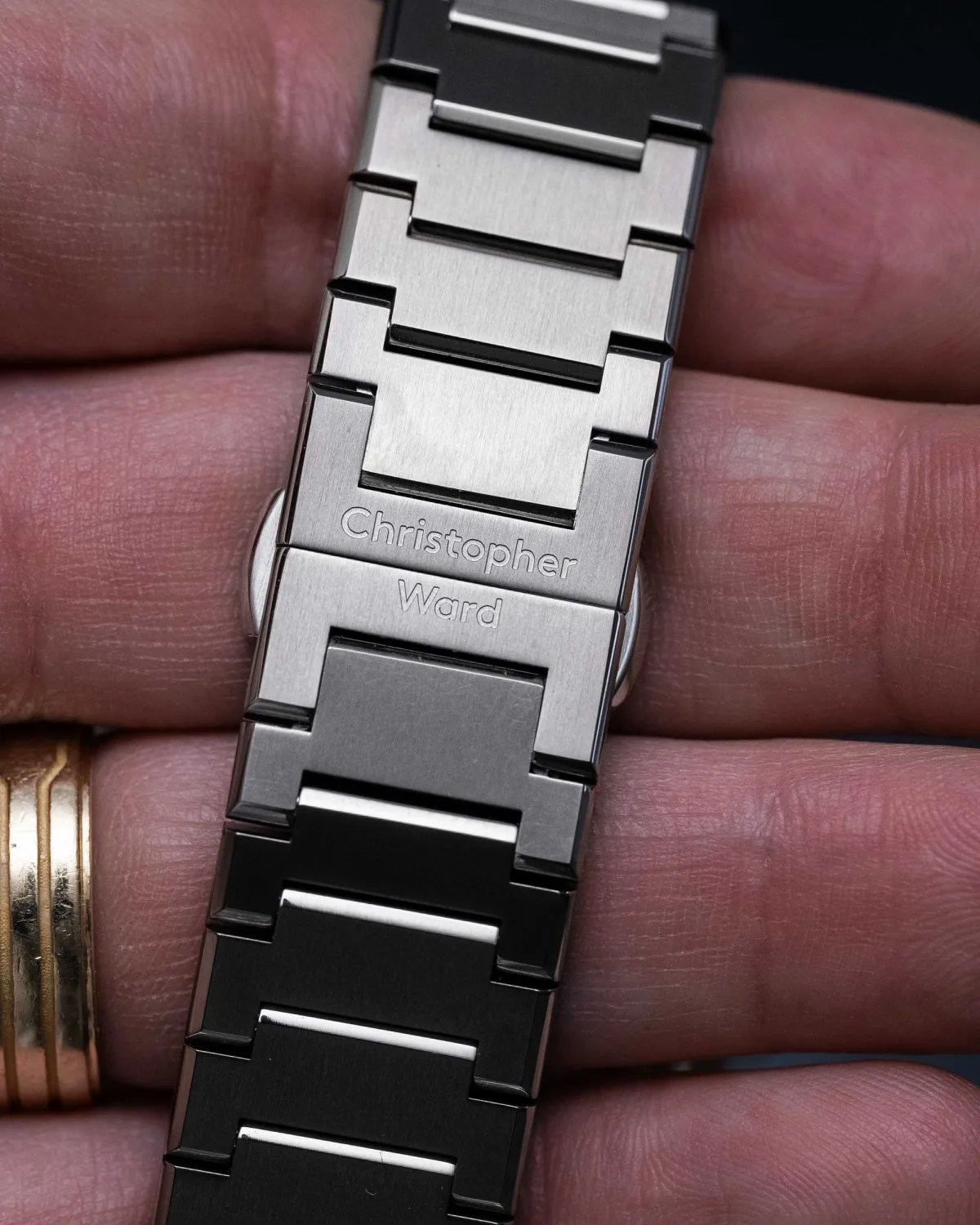
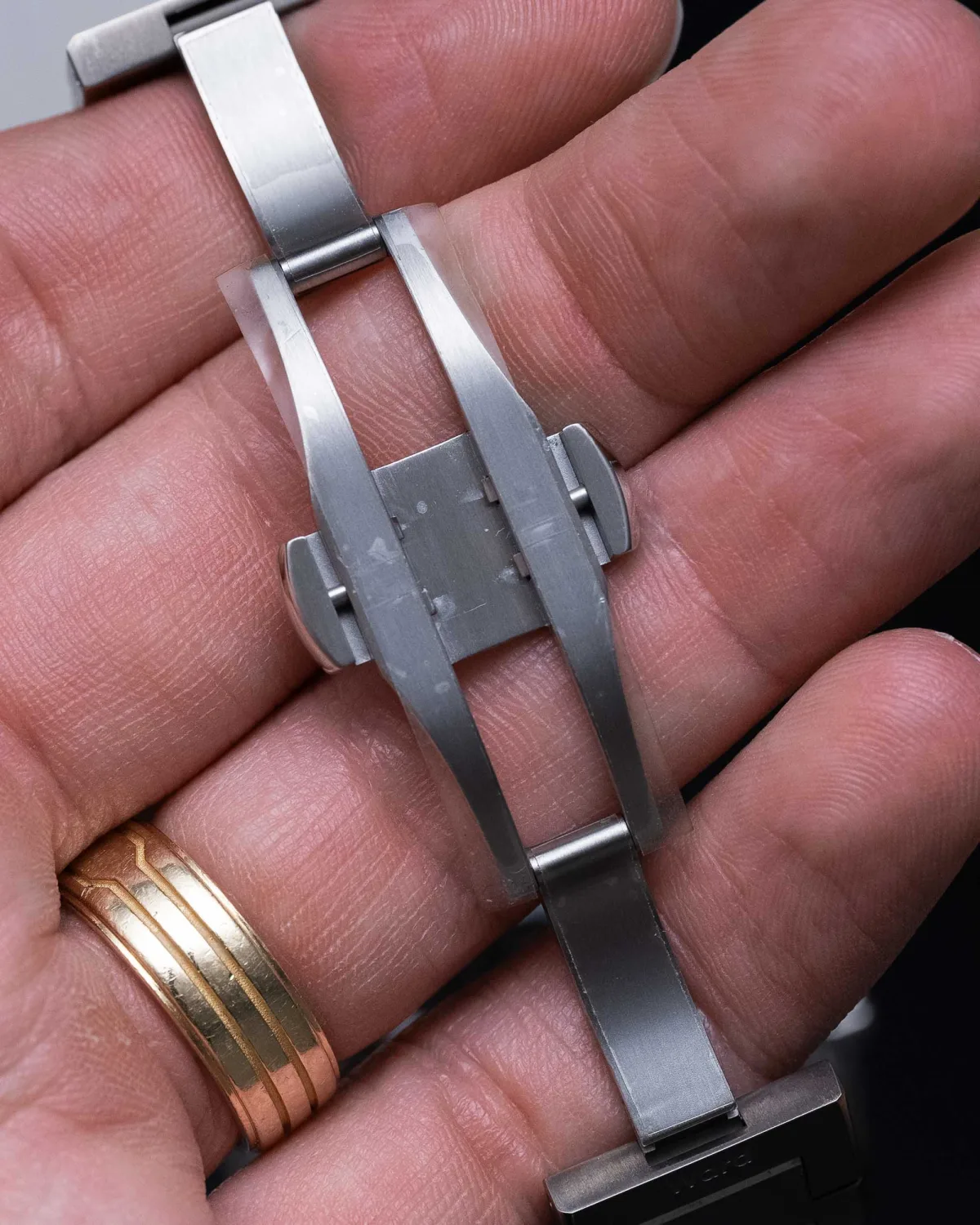
For the first time on Christopher Ward watches, the butterfly clasp offers a single-step micro-adjustment that increases the size by 3 mm - about the same as a regular micro-adjustment step, and just enough to perfectly customize the watch. The brand claims that such a feature isn't found in integrated bracelets, but Vacheron solved this problem with the Overseas bracelet almost ten years ago, and Formex has long used a similar mechanism in its Essence bracelets.
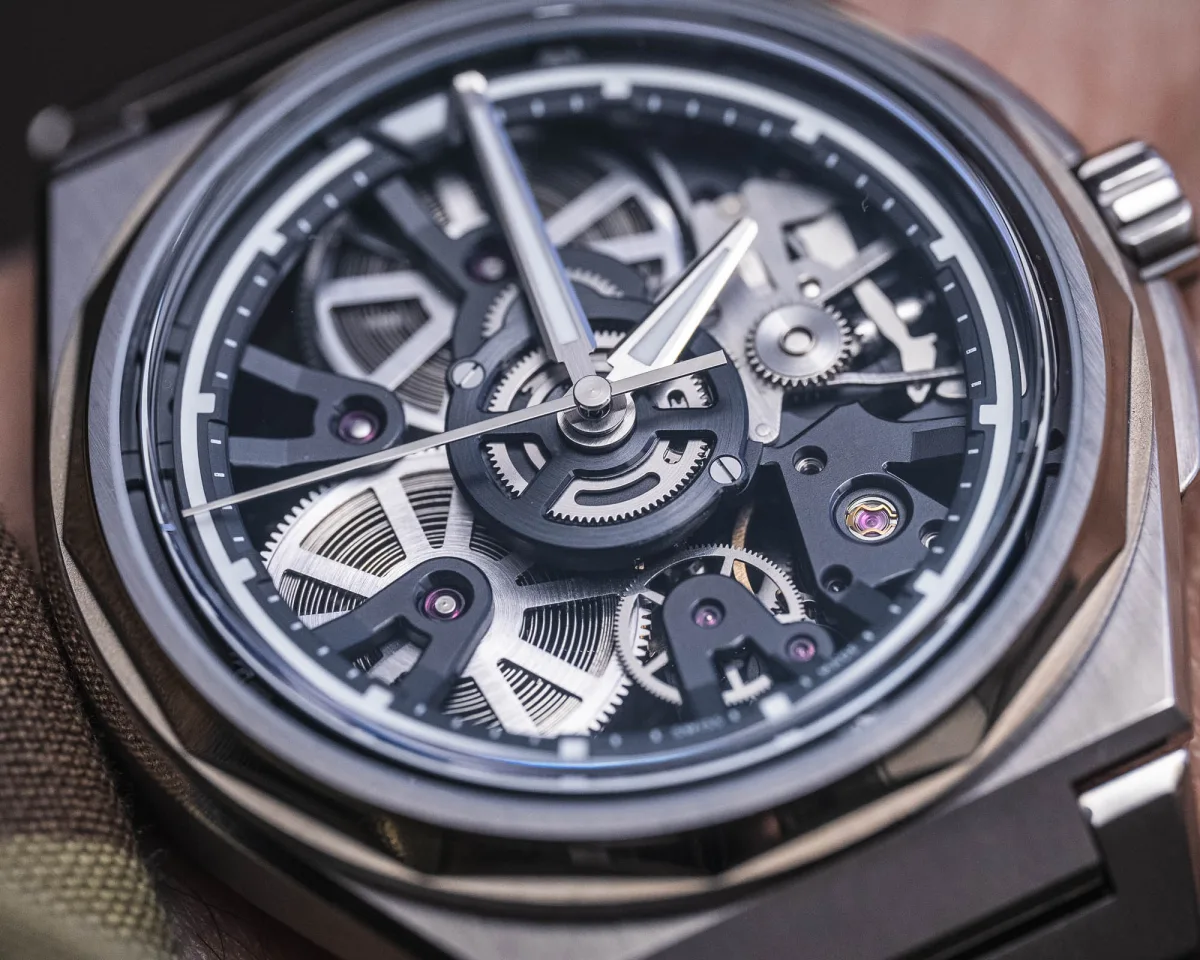
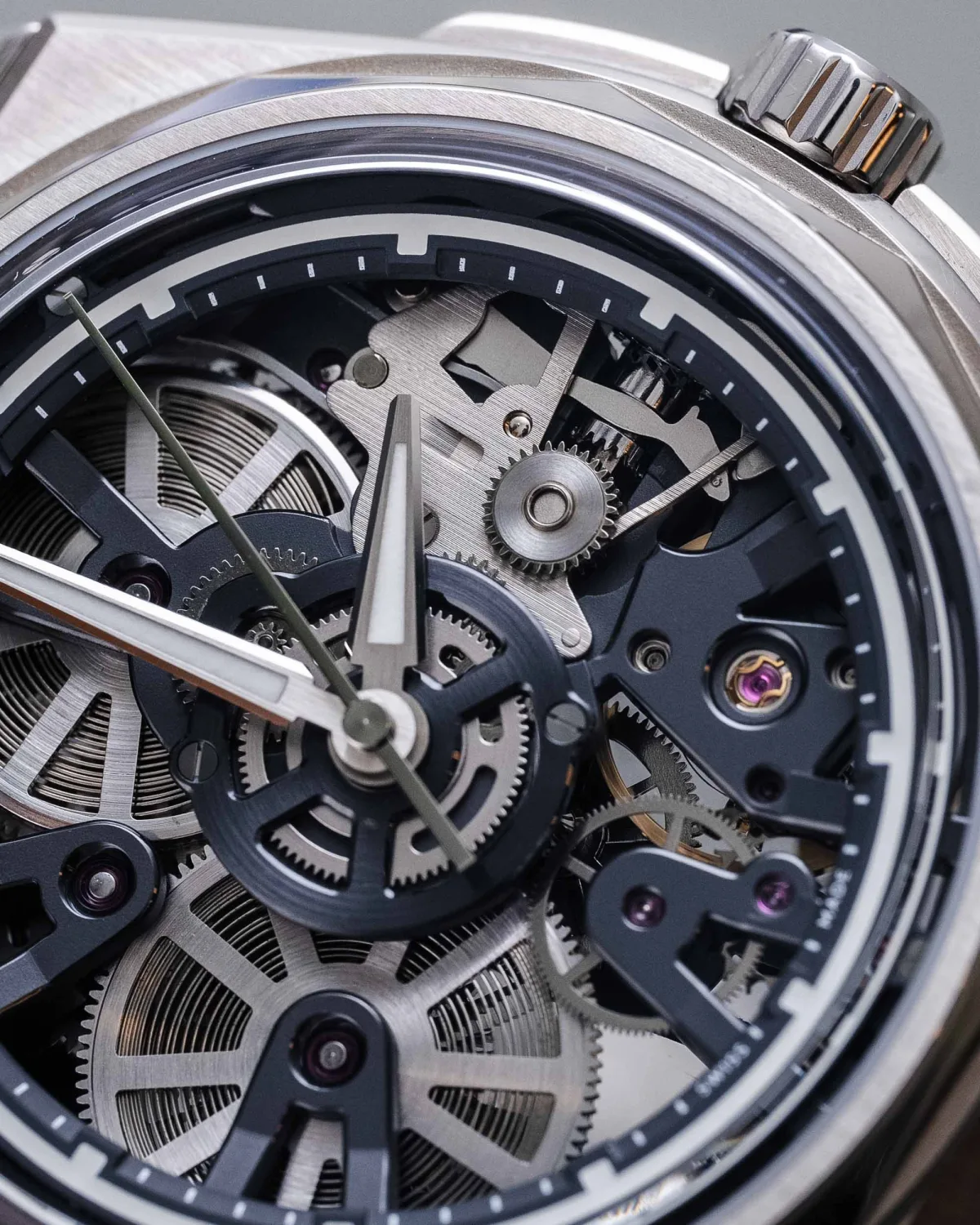
Typically, in skeleton watches, legibility is sacrificed for the intrigue of a fully revealed movement. While Christopher Ward The Twelve X cannot boast the legibility of other Twelve models, it far surpasses most of them. The trick lies in contrast. Thanks to the matte black coating of the movement bridges, the matte steel hands contrast rather than blend with them. It's not perfect, but much better. I'm also pleased to report that the hands have shed the triangular-baton combination CW uses in other models, in favor of a triangular hour hand with a tapered obelisk minute hand. They work much better than the old hands.

The overall dial design of the Twelve X echoes the brand's first skeleton - the C60 Concept. This means a large wide-open center with a floating chapter ring on the edges. As with the C60 Concept, the entire ring is lume-coated, though this execution is more practical. Instead of a smooth lume ring, protruding segments mark the hours. While the C60 had a massive lume block at the 12 o'clock mark, here the 12 o'clock mark is more restrained, with a contrasting green lume glow. Overall, the lume shines brightly on both the ring and the hand, providing excellent low-light visibility.
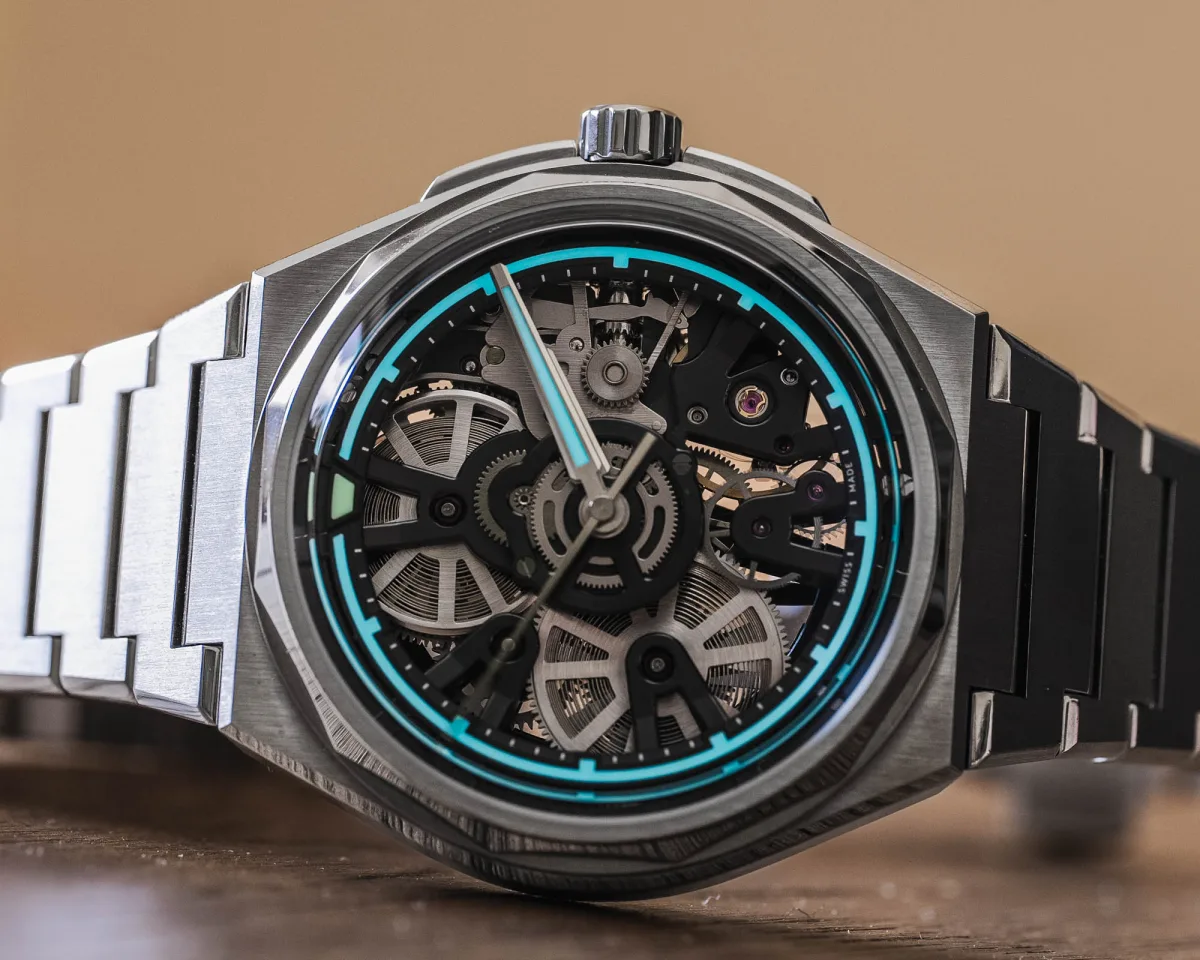
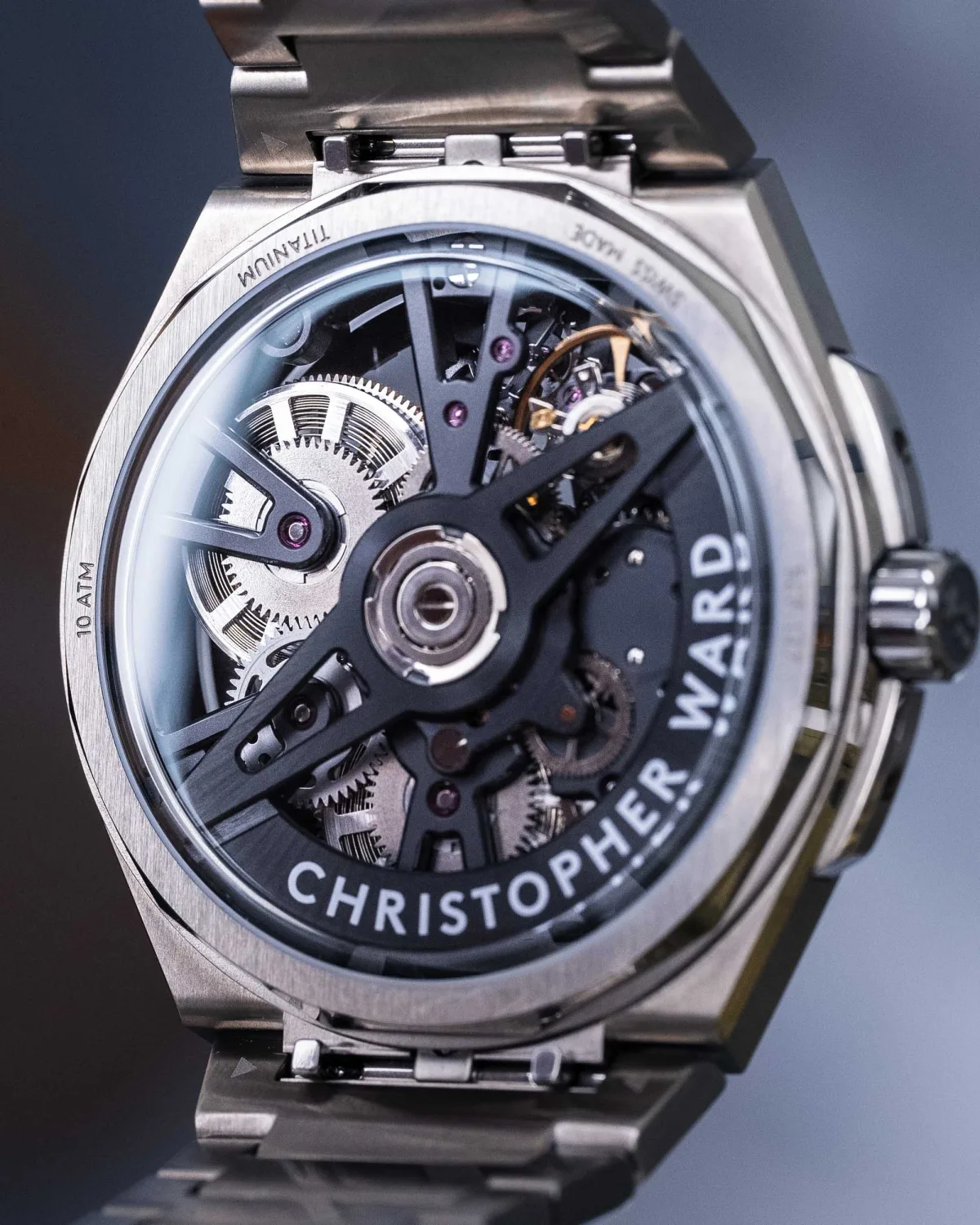
Through the sapphire crystals on the front and back, the signature Christopher Ward SH21 caliber is on full display. Introduced in 2014, the hand-wound movement underwent modification a few years ago to become automatic. The skeletonized version was presented in 2021 alongside the C60 Concept model; for this process, CW turned to Armin Strom, who helped perfectly cut the bridges to make them look deliberate and appealing.
The finishing matches CW's expectations, but unlike the case, it doesn't impress alongside more expensive examples. Aside from it being a truly in-house movement costing under $5,000, the technical specifications are impressive: COSC certification and a twin-barrel configuration providing a 5-day power reserve at 28,800 vph.
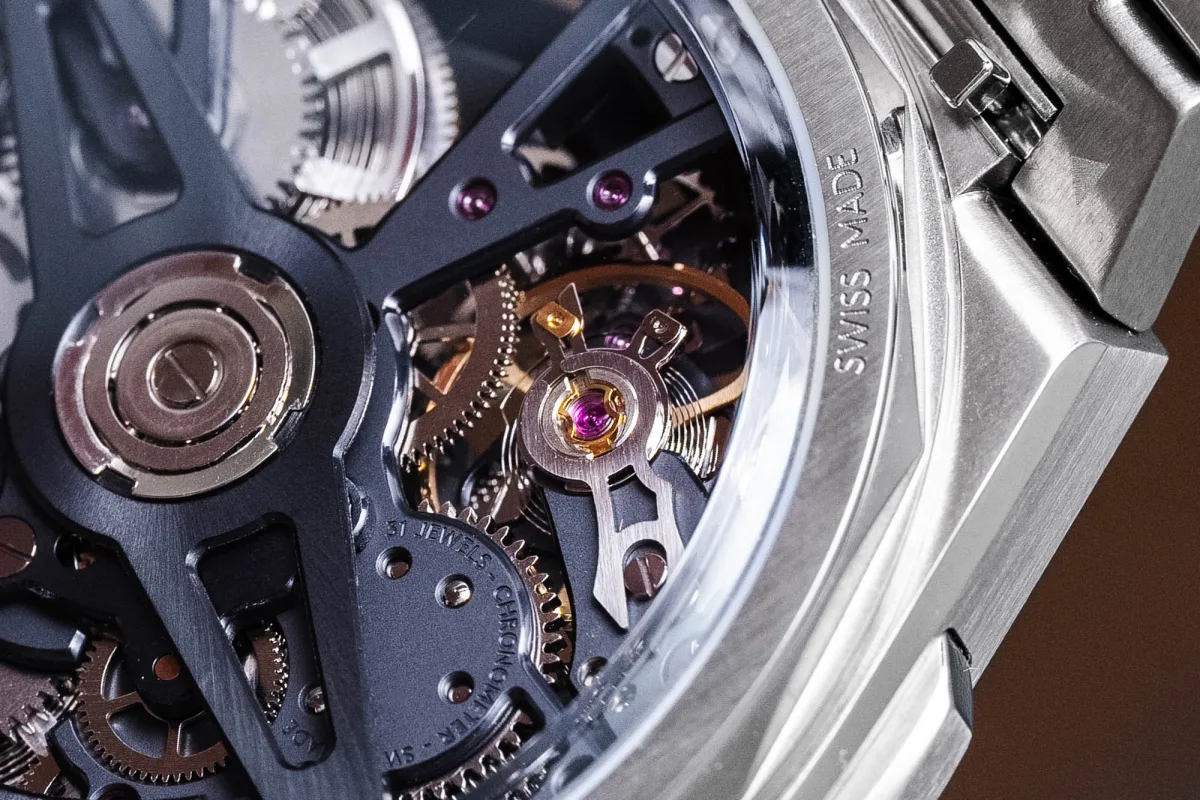
Once again, Christopher Ward prompts us to challenge the notion that certain types of watches must be exorbitantly expensive if done well. This was the case with the Bel Canto watches and their dial mechanics, and it's happening again with the Twelve X with its titanium case, skeletonized COSC movement, and integrated bracelet design. Pricing is subjective, and people assign different value to things like finishing, movement, and case materials, but do comparable watches from Moser, Czapek, Parmigiani, Piaget, and Girard-Perregaux justify their exorbitant premium over these watches? After spending time with the Twelve X, I find it hard to think they do.
The price of Christopher Ward The Twelve X is $4,865 USD on the bracelet and $4,495 USD on the rubber strap (not pictured). More information can be found on the Christopher Ward website.