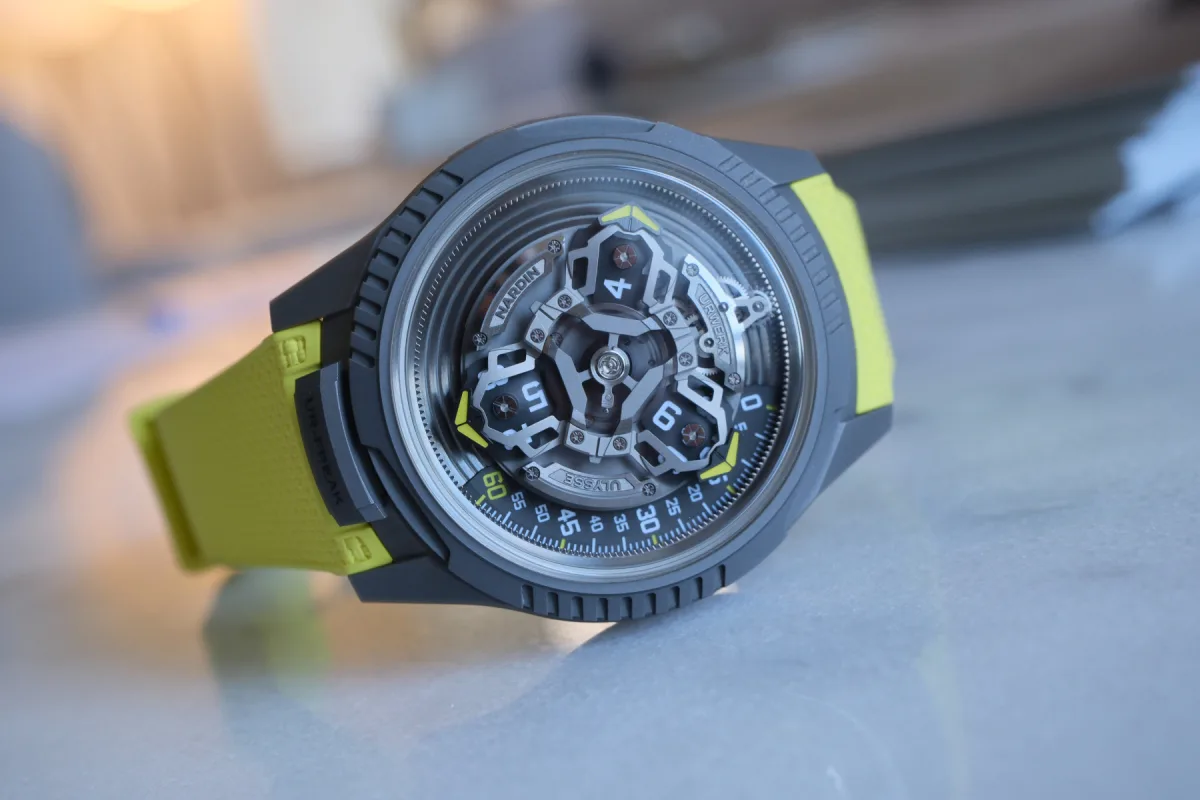
When I first encountered the Ulysse Nardin × Urwerk UR-Freak at the end of last year, I was genuinely surprised by what I saw - and that happens less frequently these days.
I never expected such a collaboration. Ulysse Nardin had never released joint watches in its modern history, and Urwerk always seemed like a creative universe composed of just two people. Nonetheless, once the UR-Freak appeared, it felt inevitable. The rotating carousel mechanism of the Freak and the "wandering" satellites of Urwerk seemed destined to orbit around each other.
Importantly, this wasn't just a logo swap. Both teams developed a new caliber including about 150 new components to allow their signature ideas to coexist. This is a true collaboration, and I've been thinking about it ever since. If two such different brands can create something so harmonious, what other pairs could do the same? Below is my list of five collaborations between luxury brands I would like to see. Consider this an open letter to five pairs of CEOs.
Rules of the Game
Before selecting pairs, let's define what makes a collaboration truly successful. The watch world is full of unsuccessful joint projects. A simple change of color scheme and a joint logo on the case back don't count. Compared to the UR-Freak, two points are important:
- 1. The collaboration must surprise you. If it can be predicted by a marketing plan, it's not a partnership, but just cooperation.
- 2. Both brands must have a shared obsession that they approach from different angles. Ulysse Nardin and Urwerk have been reimagining how watches display time for decades but have never shared their developments.
With this understanding, I present five pairs, saving the most realistic option for last.
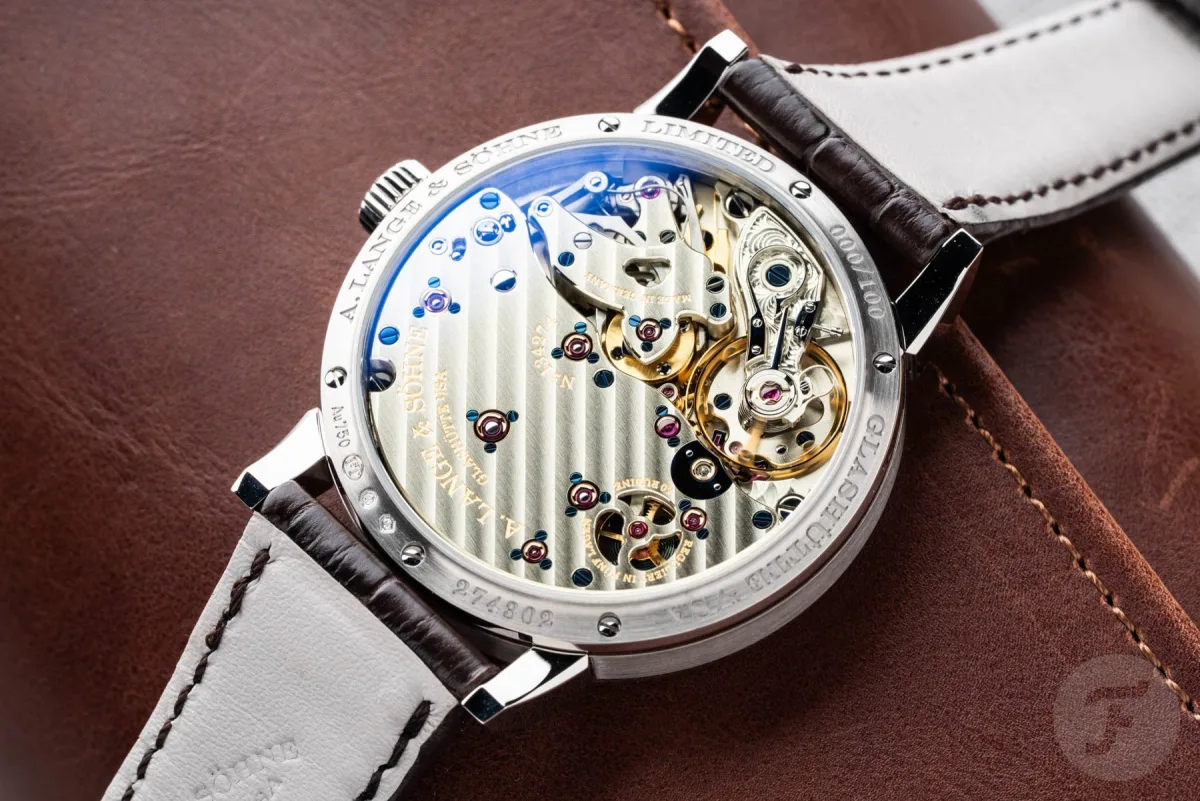
A. Lange & Söhne × Grand Seiko: The Peak of Finish
For me, these are two great finishing cultures existing outside the Swiss mainstream, which never had reasons to communicate. Glashütte gives us German silver, hand-engraved balance bridges, and black polishing so perfect that steel seems liquid. Japan offers Zaratsu polished cases and dials reflecting birch forests and snowy fields. Their finishing languages couldn't be more different, but to me, the basic philosophy is the same - quiet perfection without excessive pomp.
What connects them conceptually is that both brands have built their modern identities through discipline, not noise. Lange was revived in 1990 and proved that Saxony deserves a place at the high horology table. Grand Seiko was considered "just Seiko" for decades until collectors appreciated their worth. Both know what it means to surpass the established community from the outside.
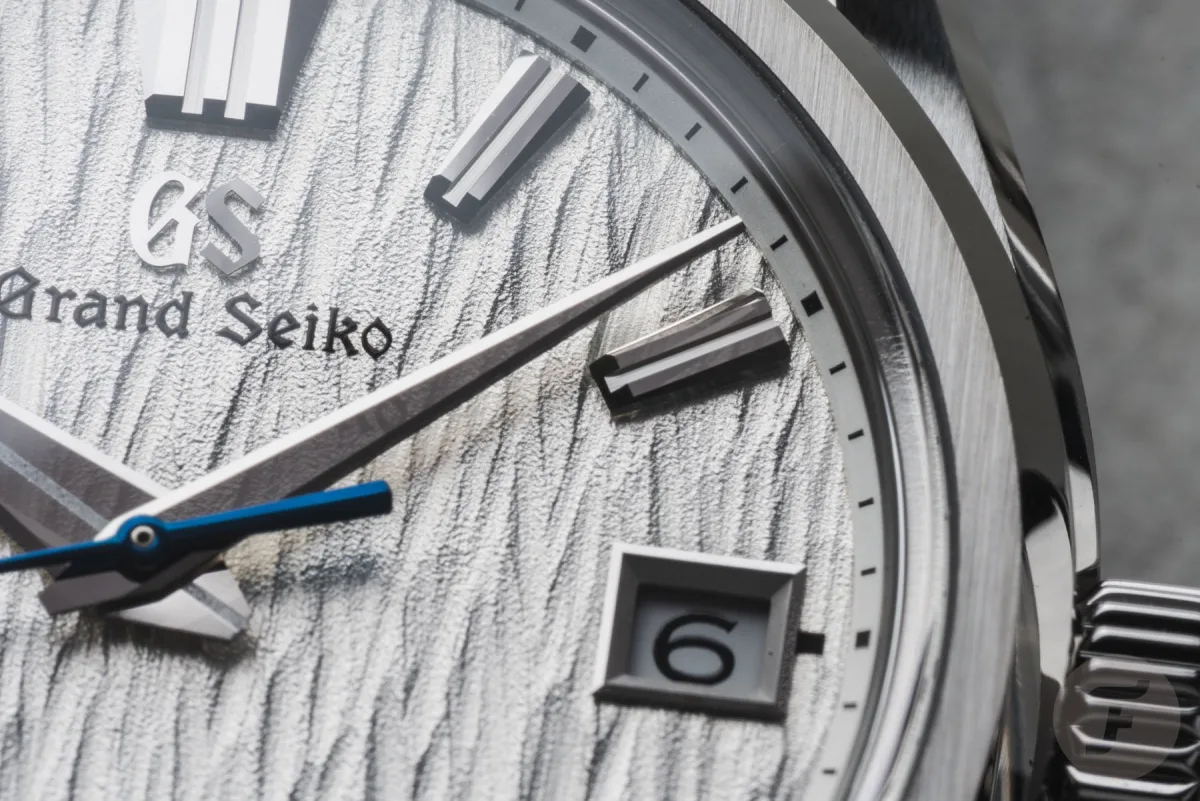
Frankly, a design combining their styles sounds terrible, and that's not my goal. I want something more - the pinnacle of craftsmanship. Imagine a unified caliber just with hours and minutes, developed together, with components moving between Glashütte and Japan, where each team perfects the other's work. Or maybe it's not one, but a pair of watches: one assembled in Saxony, the other in Japan, with a shared mechanism but finishing done by the opposite side. Whether the Grand Seiko finishers can resist re-finishing the three-quarter plate in their own way is precisely the question I want to see answered. I can't recall collaboration that could better reveal what "finishing" means in 2026.
De Bethune × Ming: In Pursuit of Light
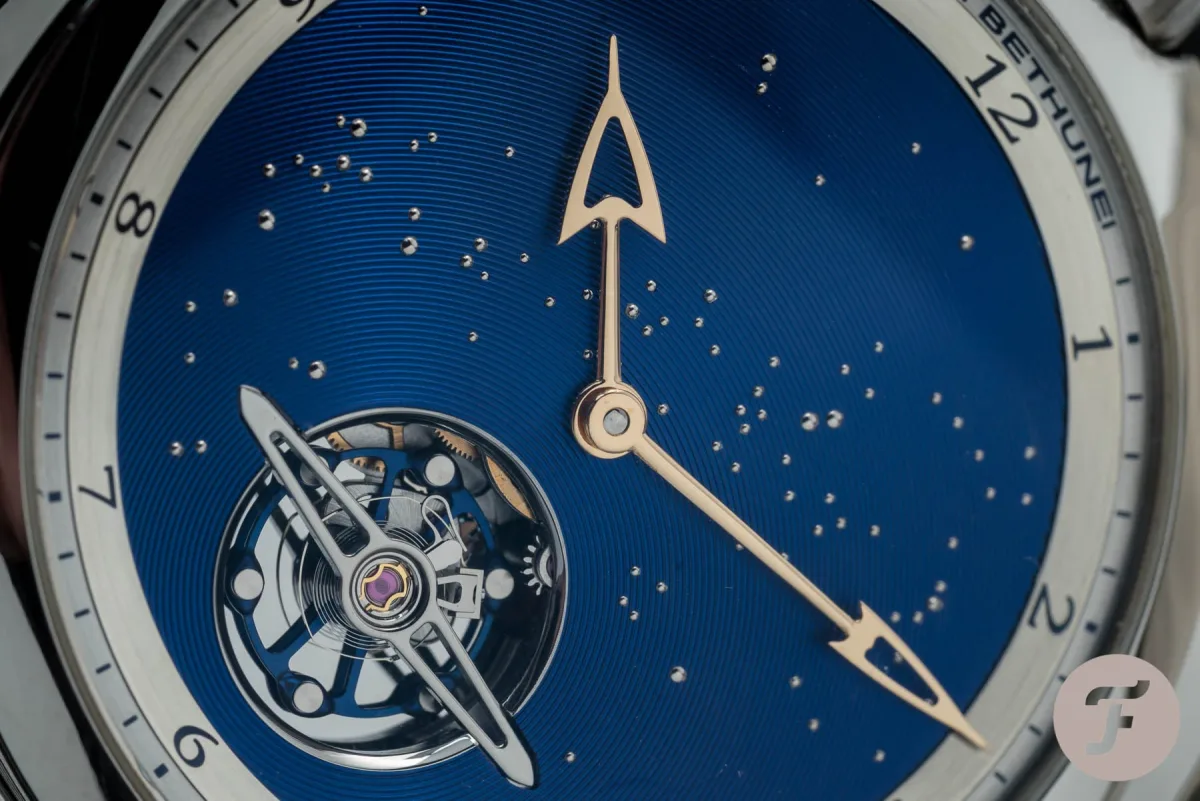
Every De Bethune watch I've worked with does something astonishingly unusual with light. Mirror-polished titanium, flame-blued surfaces, dials resembling photographs of deep space from a passing ship... Denis Flageollet creates mechanisms like a scientist and cases like a sculptor, and the result always seems to glow from within.
Ming, on the other hand, is founded by a photographer, and it shows. Ming Thein composes watches as he does photographs - gradient dials, floating sapphires, luminescent materials used as design elements, not just for illumination. Both brands are obsessed with light but approach it from opposite sides - De Bethune through metallurgy and mechanics, Ming through optics and composition.
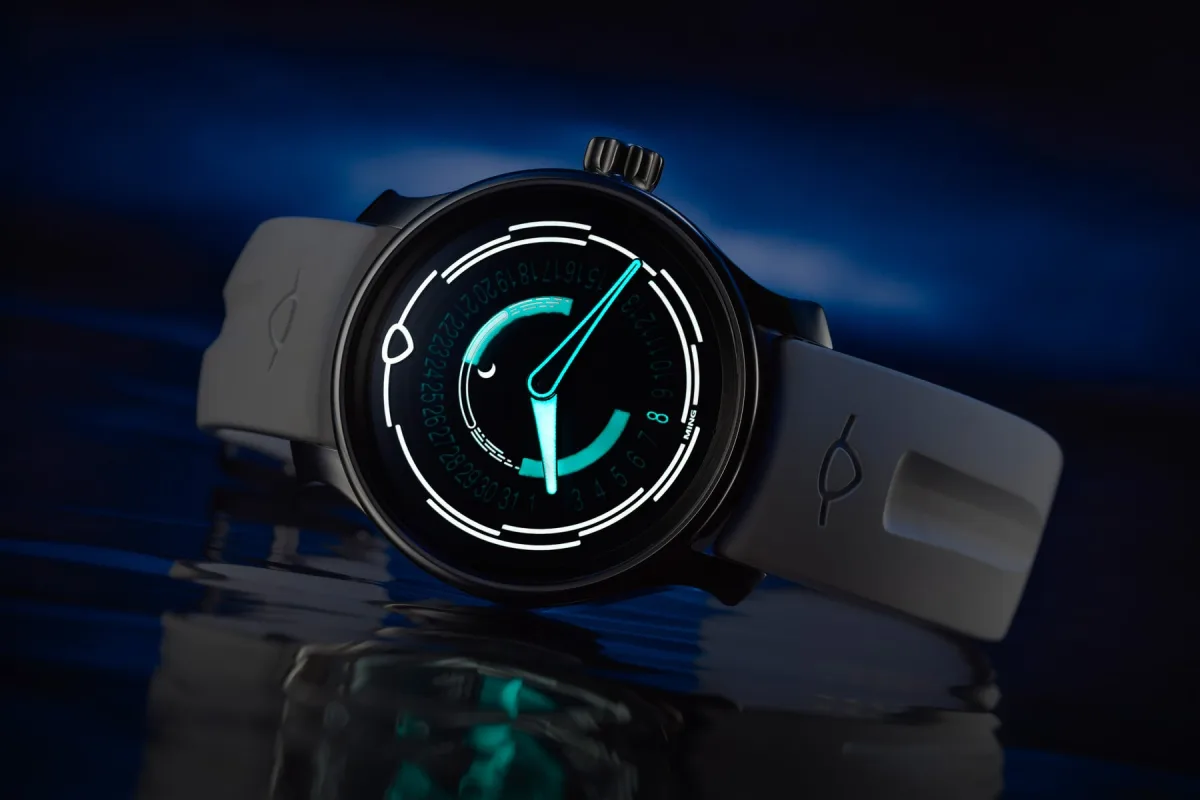
Yes, they work in different price categories, and that's what makes the idea interesting. What happens if a photographer can create using the De Bethune palette of blue titanium and silicon? And how will Flageollet's laboratory serve an outsider's vision?
If I were directing them, I would choose the night. De Bethune already creates starry skies from tiny white gold pins, and Ming uses lume for composition, not as a secondary element. Watches fully conceived around what they do after dark are an obvious common ground.
Kari Voutilainen × Credor: The Bridge of Finish
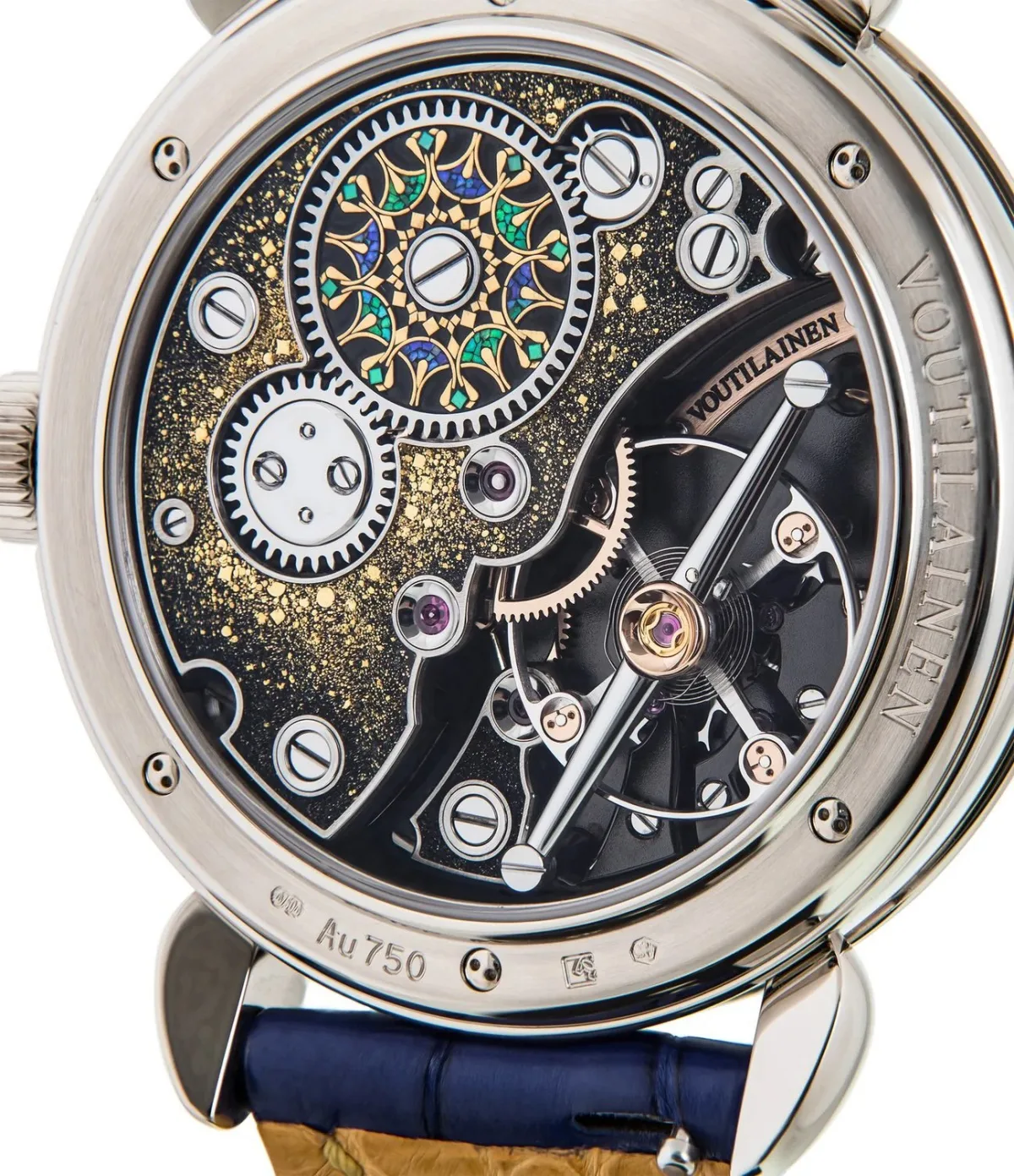
This example is a bit of a cheat, as half of it already exists. Philippe Dufour is renowned for advising the masters at Credor Micro Artist Studio, passing down finishing techniques that shaped the Eichi. In turn, Voutilainen has worked with Japanese lacquer masters for years, applying some of the best urushi work in the world to dials and mechanisms. The bridge between Swiss and Japanese crafts has been built over two decades. All that's left is to officially cross it.
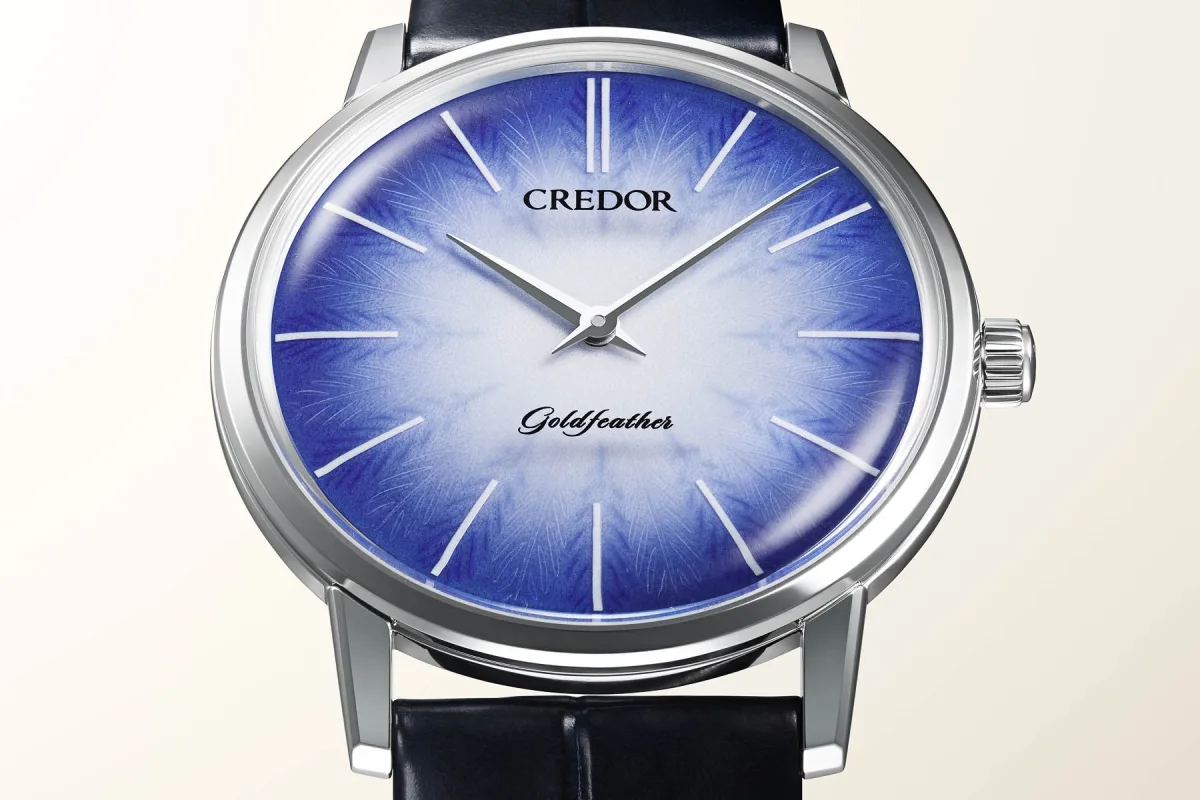
And Kari should be the one to do it. His guilloché, balance wheels, and pedagogical experience (he's been training the new generation for years) make him a natural partner for a studio that views watchmaking as a meditative craft. Meanwhile, Credor remains criminally underrated outside Japan. Such collaboration would introduce the Micro Artist Studio to thousands of collectors who have never heard the name.
The concept for the watch writes itself - a hand-wound caliber developed between Motiers and Shiojiri, urushi and guilloché on one dial, each component finished so that neither side concedes to the other. Should they wish to go further, both sides know how to create striking watches. The Micro Artist Studio is famous for the Spring Drive Sonnerie, and Kari has decimal repeaters in his repertoire. A joint striking watch that combines each culture's idea of bell sound is something I can think about for nights. Just imagine the meeting of these two craft cultures on equal terms.
Bvlgari × Piaget: The Debate of Thinness
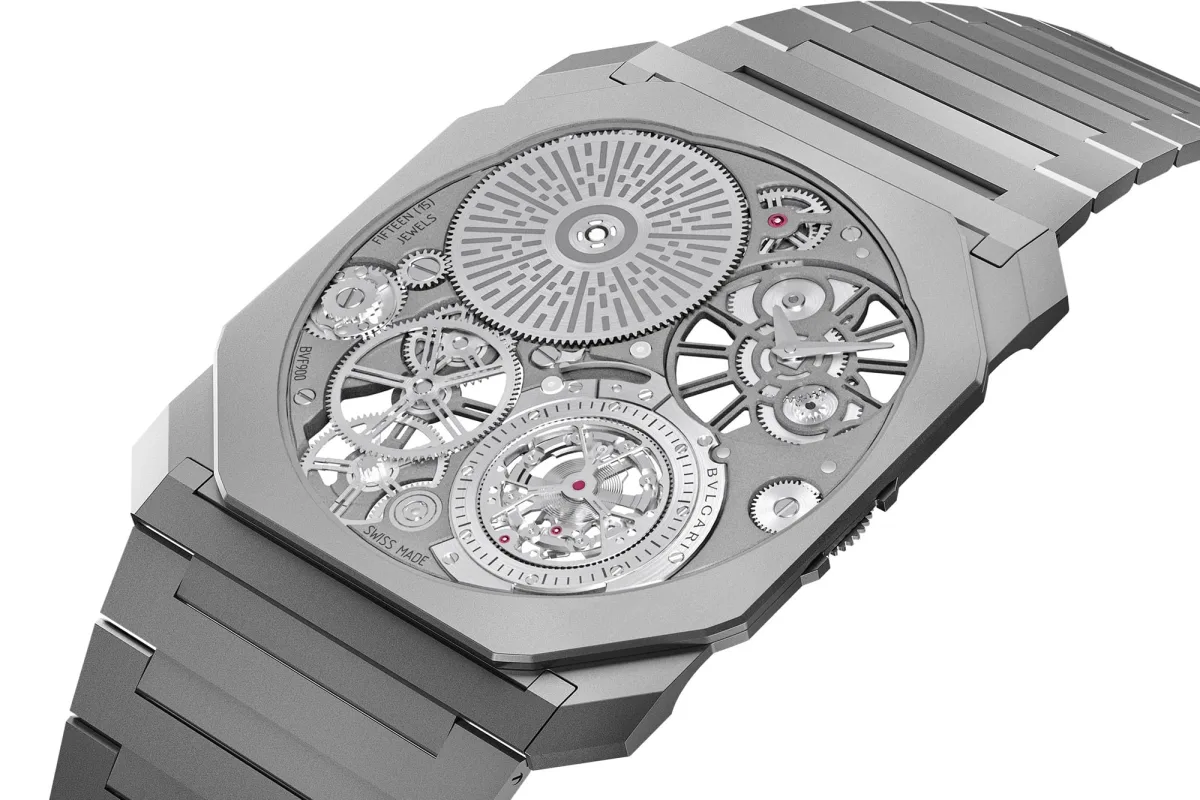
For nearly a decade, these two brands have been engaged in one of the most exciting races in the watch world, exchanging world records for thinness like boxers exchanging rounds. The Altiplano Ultimate Concept from Piaget compressed mechanical watches to two millimeters. The Octo Finissimo series from Bvlgari set records in tourbillons, chronographs, and perpetual calendars. The engineering departments of each brand likely use darts boards with the competitor's logo.
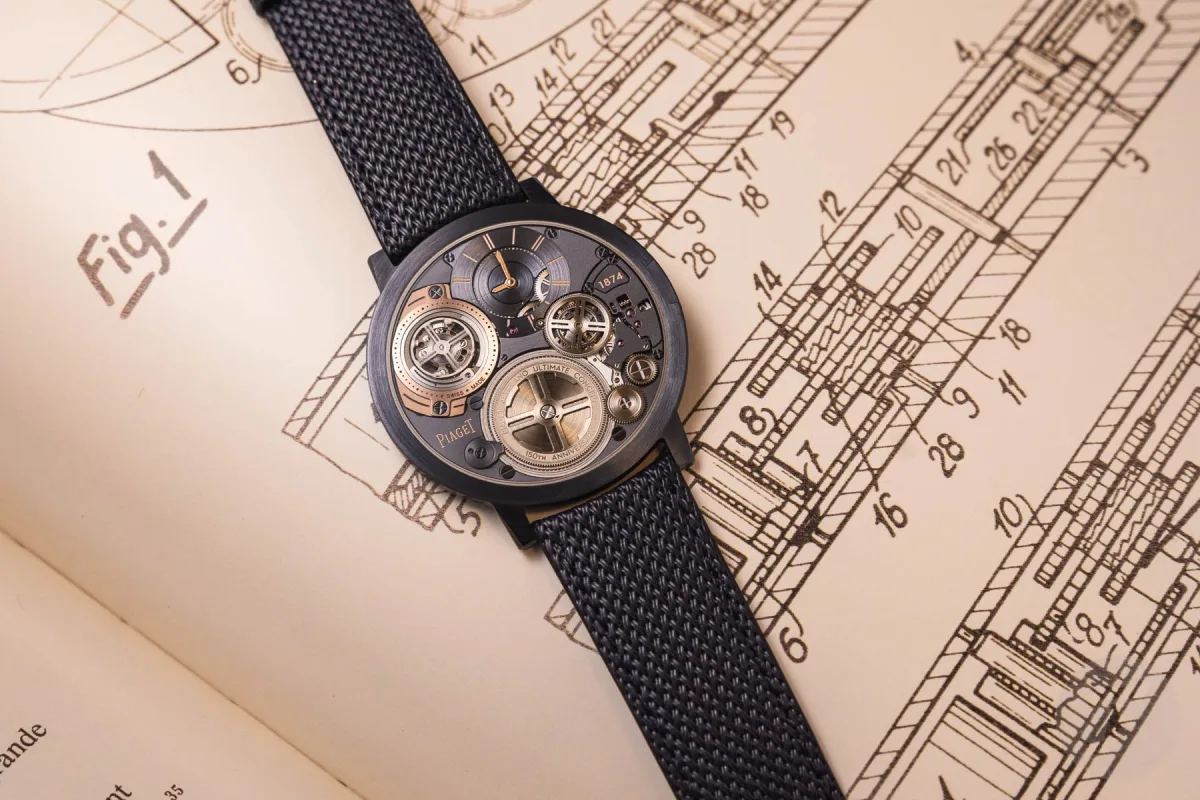
That's why they should join forces. Imagine two record-holders combining everything they've learned about case construction as the main plate, ultra-thin gears, and the "dark art" of creating 2-millimeter watches capable of withstanding daily use. One joint watch, one last record, signed by both names, after which both leave the race unbeaten.
There's also an additional incentive. Richard Mille crashed their private party with the RM UP-01, and Bvlgari had to reclaim the overall record. If I were managing the concept, I wouldn't chase the record for the thinnest mechanism. I would want the thinnest watch that can be worn every day, with water resistance and warranty. It's a much more challenging task than shaving another tenth of a millimeter, and both sides understand that.
Of course, this will never happen. Bvlgari is under LVMH, and Piaget under Richemont, and luxury groups don't share their "toys." But it's precisely this corporate impossibility that earns this pair a place on my wishlist. The UR-Freak taught us that competitors can create something together and both win. And I'm sure the engineers on both sides have thought about it more than their leaders would like.
Greubel Forsey × Fam Al Hut: A Collaboration That Could Become Reality?
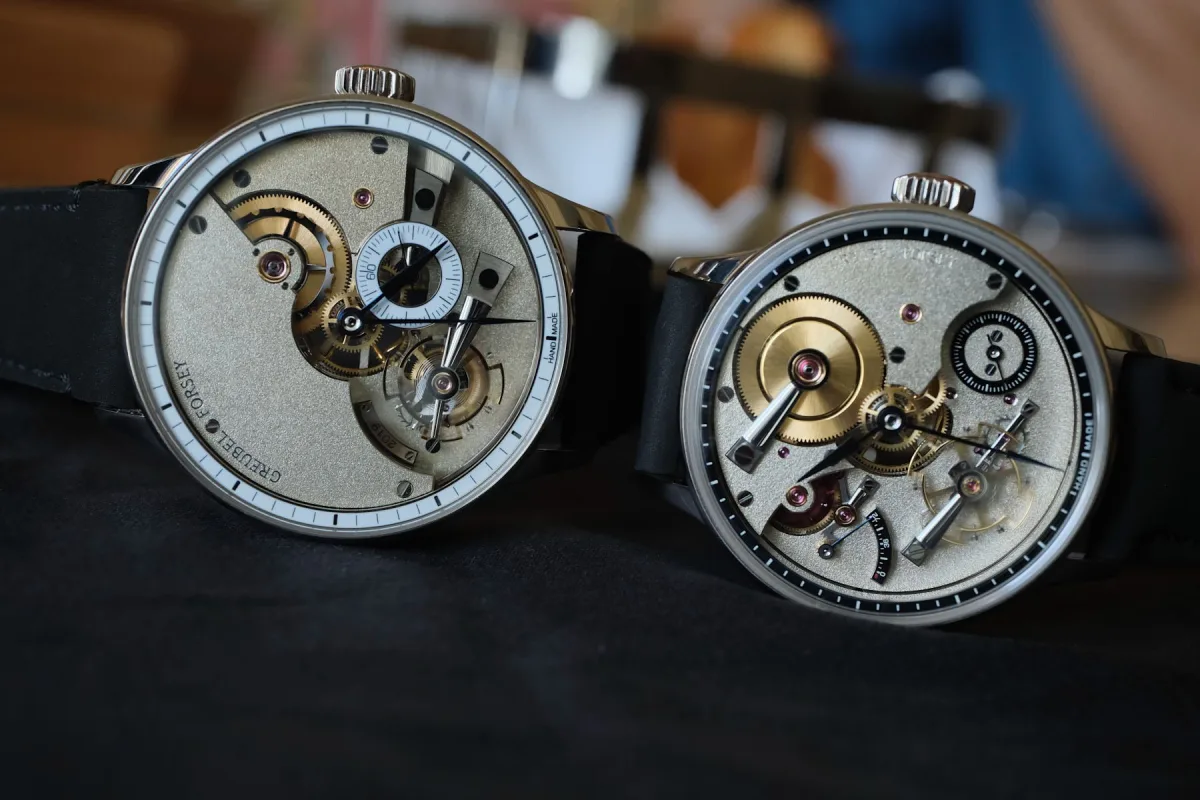
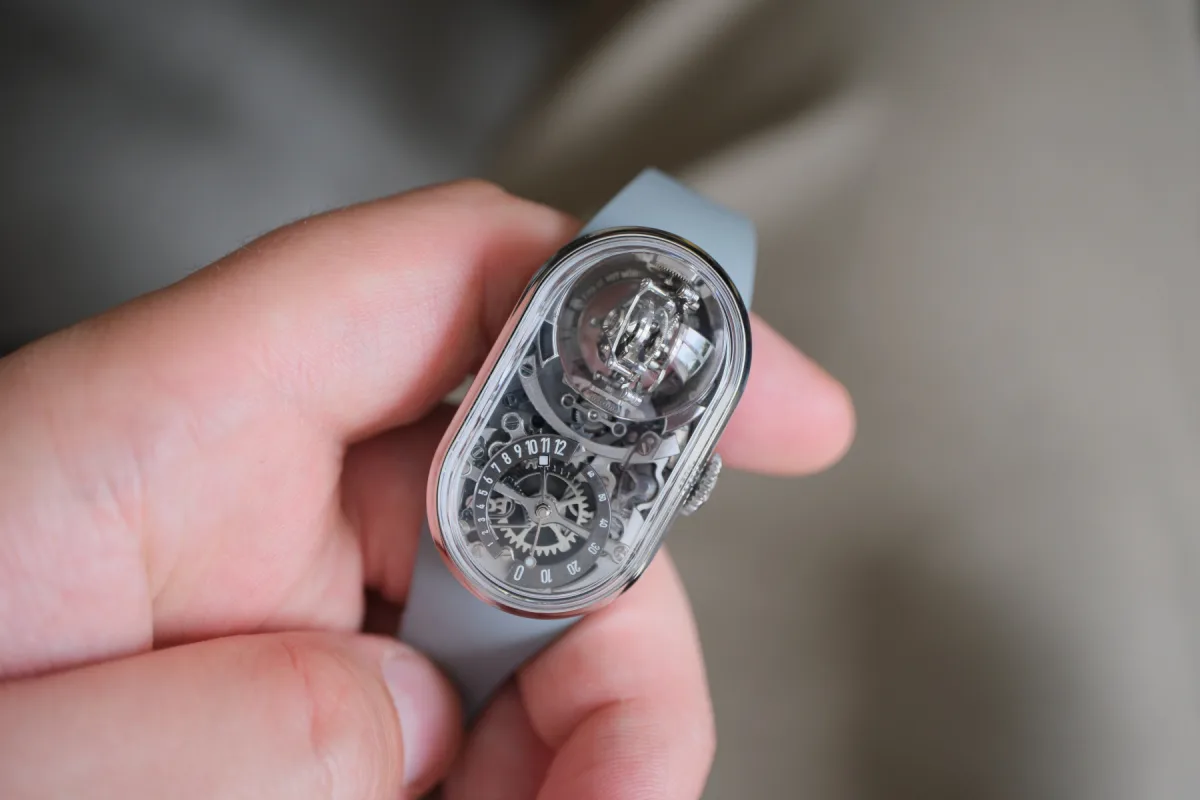
I left this pair for last because it's the only one with real potential. On paper, it sounds absurd. Greubel Forsey has been developing the inclined multi-axis tourbillon into a full-fledged artistic language for over 20 years in La Chaux-de-Fonds - from the Double Tourbillon 30° to the Quadruple Tourbillon. Fam Al Hut has existed for only two years. Nevertheless, the young brand from Chongqing presented the Möbius Mark 1 - the world's smallest watch with a biospheric tourbillon, and won the Audacity prize at the last GPHG.
The same obsession - opposite ends of the timeline. One side has decades of expertise, the other simply dared to move forward. It's the UR-Freak dynamic in pure form. And the roles practically distribute themselves: Fam Al Hut proved that a multi-axis tourbillon can be small, and Greubel Forsey that it can be perfect. A compact, wearable, dual-signed tourbillon would give each side what the other lacks.
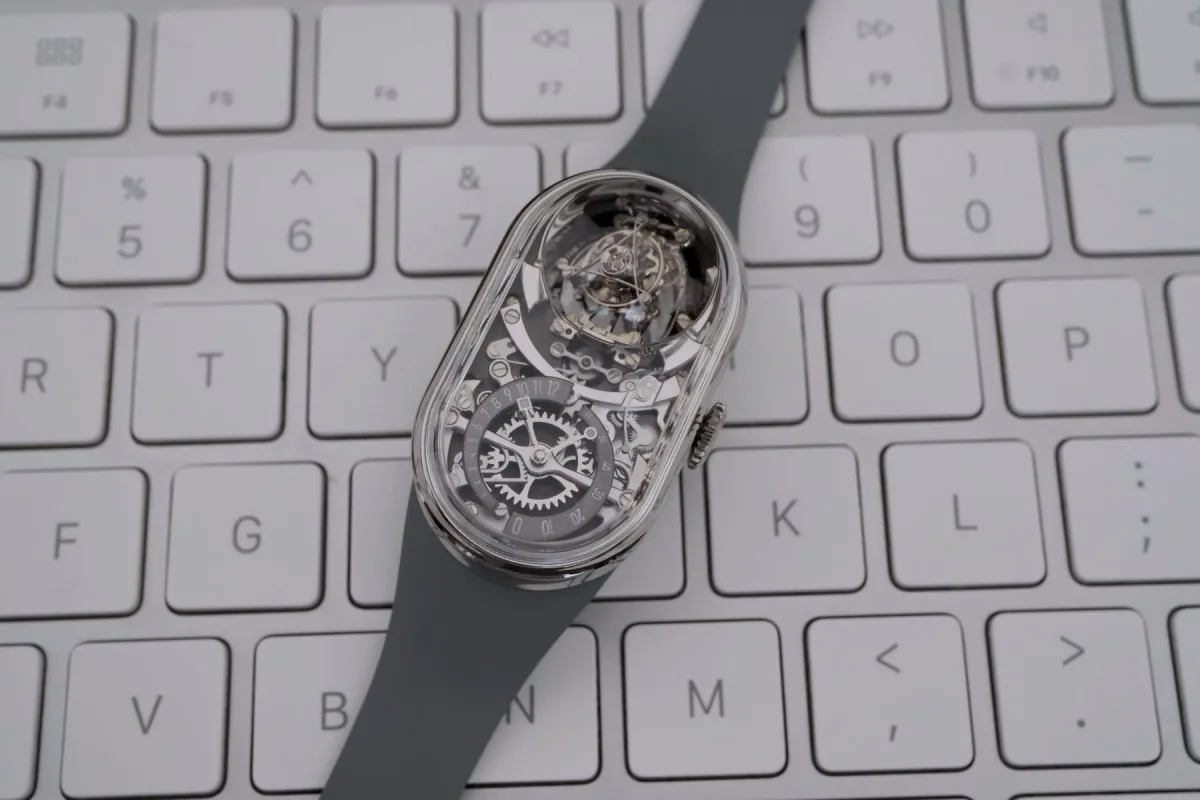
And here's what's important: this isn't just my fantasy. When Marco Cozina asked Greubel Forsey CEO Michel Neidhart in a recent interview which brand he would like to collaborate with, Neidhart didn't give a safe answer. He named Fam Al Hut. For the head of one of the most uncompromising houses of high watchmaking to name a two-year-old Chinese independent manufacturer - it's an event in itself. Everyone respects Greubel Forsey; it's surprising that the respect is clearly mutual.
A multi-axis tourbillon created between La Chaux-de-Fonds and Shanghai, with dual signatures? Twenty years ago, this would have been unthinkable. Now it might be just one call away, and I sincerely hope someone makes it.
Let's Hope These Collaborations Come to Life...
Here's an open secret that UR-Freak reminded us of: collaboration has always been part of high horology. Complication specialists, dial, case, and movement manufacturers have quietly shaped "in-house" watches since the industry's inception. The only new thing is that two names appear on the dial, and they are proud of it.
Consider this letter an appeal to ten CEOs. Some pairs are corporate impossibilities, some are romantic adventures, and one, judging by interviews, may already be ripening. Now it's your turn: which two brands would you lock together in a workshop? Write in the comments.