
People often ask me how to keep automatic watches wound constantly. That's why I created this brief guide!
Welcome to this guide on how to wind automatic watches. Stay with me. I'll get straight to the point.
You actually don't need to wind automatic watches if you don't want to. But if you wish, you can do so. Sometimes, it's simply necessary.
Are you confused yet? Stick with me.
What You Need to Know Before Learning to Wind Automatic Watches
The difference between automatic watches and manual watches is that the former wind themselves. The latter require you to wind them manually, preferably at the same time every day. If not, the power will run out, and the watch will stop.
Imagine the horror! You need to be somewhere and meet someone important. You look at your watch, and it has stopped. This won't happen with automatic watches because the mechanism operates using wrist movement.
If you own automatic watches or are considering buying some, you'll likely have many questions. You'll want to know if stopping automatic watches is harmful. Or if overwinding is a thing.
You might even need to know how to wind automatic watches at all! Or how often you should wind automatic watches after purchasing them?
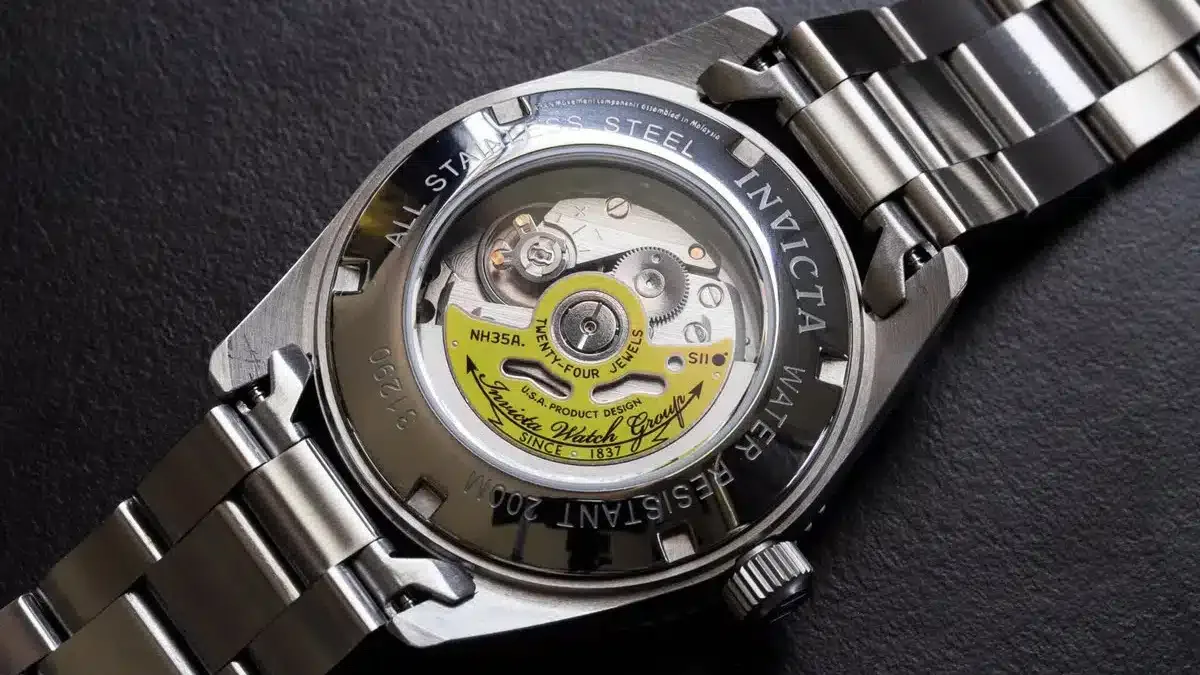
In this article, we'll answer several pressing questions you may have regarding the care of mechanical watches. But first, let's clarify some points.
Winding Automatic Watches
There's nothing wrong with your automatic watch stopping. All watches working this way stop if not worn for a while. But it's completely safe. All it means is that the mainspring has completely unwound because the mechanism is no longer active.
In other words, the power reserve is depleted, and the escapement wheel is not receiving energy. The pallet fork will also disengage and not make the balance wheel move back and forth.
How do you fix this, you ask?
Wear them!
An alternative option is to purchase a watch winder. One of these will keep your watch ticking smoothly, allowing you to alternate watches.
Automatic watches can operate for several hours on their own. It all depends on the mechanism and the presence of one or more barrels storing energy.
Some models run for 38 hours, while others for several days! Naturally, this applies only to watches you fully wind and let sit. If the watch is still on your wrist, it will continue to wind the mainspring, replenishing the power reserve.
How Long Does It Take to Wind Automatic Watches?
If you plan to wear an automatic watch after a period of inactivity, they should be fully wound. Moving the watch in your hand or on your wrist will make the rotor spin.
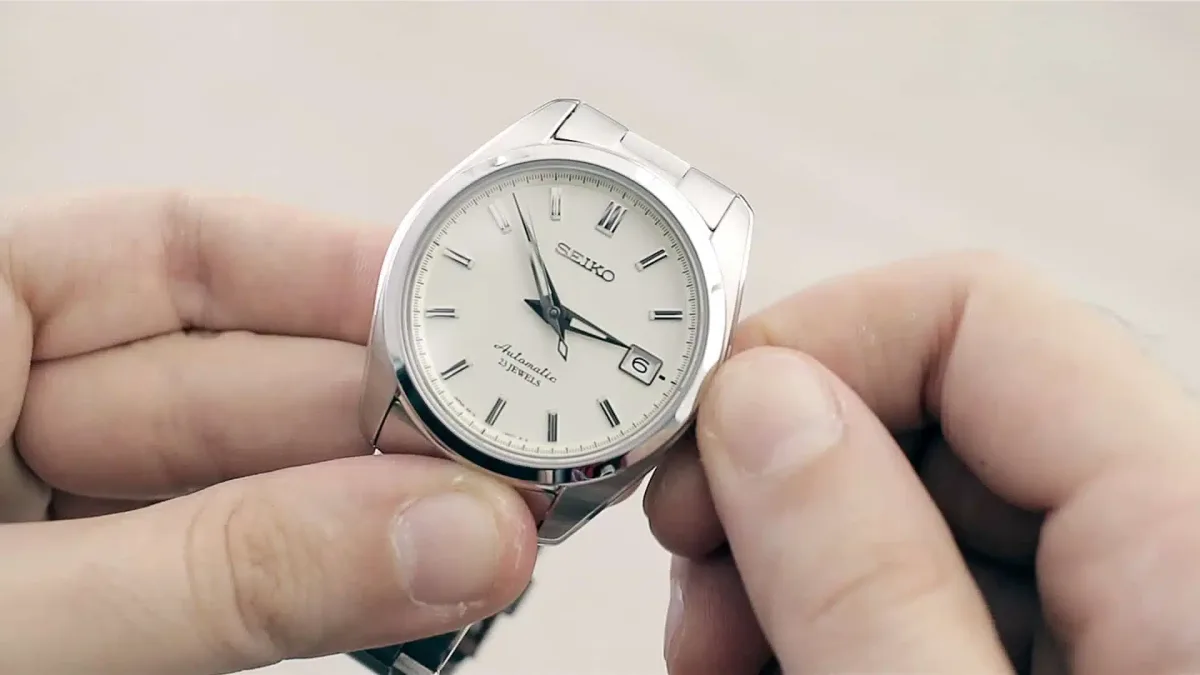
While this movement makes the rotor spin enough to start the watch, it doesn't result in a fully wound mainspring. A fully wound mainspring allows full use of the power reserve. But how long does it take to wind automatic watches if you're in a hurry?
Most automatic watches require about 30-40 turns of the crown to generate enough force to wind the mainspring. After this, the watch can be worn on the wrist. From then on, the rotor will perform its function - continuously winding the mainspring, replenishing the power reserve.
How Often Should You Wind Automatic Watches?
As mentioned, there are no strict rules about how often to wind automatic watches.
Some believe that the oils inside watches may start to dry up and become sticky if the watch isn't used often. This isn't entirely true for modern watches.
You don't need to worry about your watch sitting in a drawer, alternating with other options. You won't damage them, and once you put them on again, accurate timekeeping will resume!
How often should you wind automatic watches? If you wear them constantly, then never. However, if the watch has run down to zero, you'll have to wind it manually.
How to Wind Automatic Watches Manually
Remember, you don't need to wind automatic watches if you wear them constantly. Otherwise, you'll need to know how to wind automatic watches manually.
If your automatic watch isn't equipped with a screw-down crown, keep it in the pushed-in position. From there, you'll be able to wind the watch. If the crown screws down, it needs to be unscrewed before winding. Also, make sure you remove the watch and hold it in your hands to wind it.
When the crown is in the correct position (position 1), turn it clockwise about 30-40 times. If you listen closely, the mainspring will begin to slip in the barrel. You'll hear a light click every few turns. This signal means the watch is fully wound.
Then check the date on the watch. Pull the crown to the second position to change the date. Gently move the crown clockwise to change the numbers on the date wheel.
To set the time, pull the crown to position 3. This will allow you to move the hour hand clockwise or counterclockwise.
After setting the date and time, be sure to return the crown to its normal zero position. To do this, return it to the winding position. Then push it back in again, gently turning it clockwise to lock it in place.

One misconception about automatic watches is that they can be overwound. Modern wristwatches can't be overwound. The winding mechanism simply disengages from the mainspring when it's fully wound. This is a clear indicator of when to stop winding.
However, be cautious with older watches where the mainspring isn't protected in the same way.
So, What Are We Talking About?
In conclusion, if you don't wear your automatic watch daily, you'll need to wind it. Don't think you can just put on the watch and immediately transition to daily wear. You won't be able to use the watch to its full potential.
You'll need to wind the watch manually by pulling out the crown and turning it 30 or 40 times. Upon hearing the stop winding signal, you'll be able to set the time and date.
If you wear the watch constantly, they should always reach a full power reserve. Now that you know how to wind automatic watches, all that's left is to enjoy wearing them!
Don't be afraid to overwind or leave the watch without power for long periods. It won't harm your watch! And finally, consider using a watch winder if you have multiple watches and want them to be accurate and ready to go!